If you’ve spent any time looking at skincare treatments lately, you’ve probably seen HydraFacial mentioned everywhere, from beauty clinics to social media.
The name itself can make it sound like another trendy spa service, but there’s more behind its popularity.
After looking into how professional skincare providers describe the treatment and what dermatology-focused sources say about it, I found that understanding the basics makes the hype much easier to put into perspective.
What Is a HydraFacial?
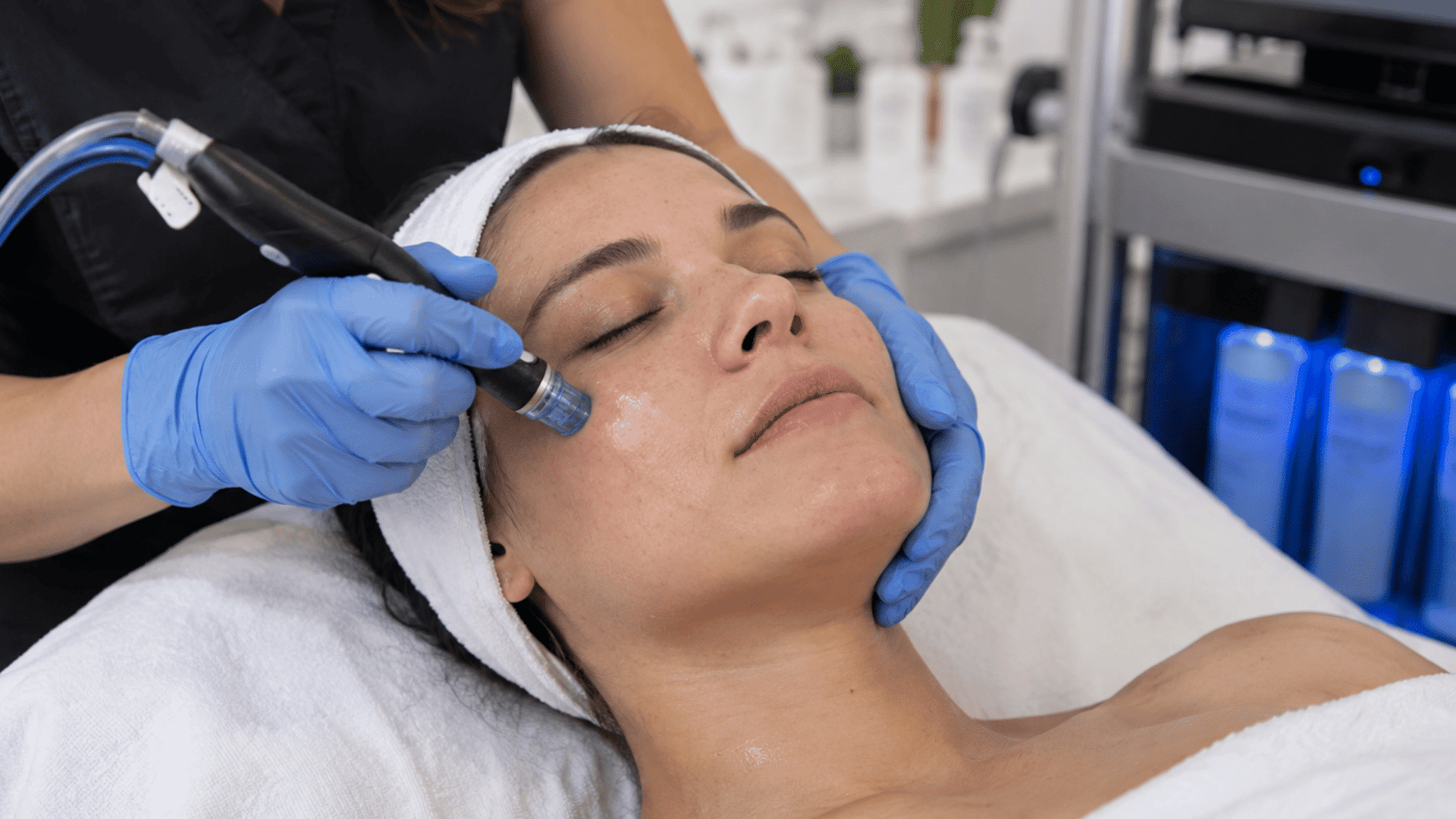
A HydraFacial is a noninvasive, device-based facial treatment that cleanses, exfoliates, extracts impurities from pores, and delivers hydrating serums to the skin.
Unlike a traditional facial that may rely mainly on manual techniques, it uses a specialized handheld device with different tips to perform several skincare steps in one session.
The treatment refreshes the skin without the more intensive procedures or recovery time associated with some cosmetic treatments.
Most providers use a patented device built around what’s known as Vortex-Fusion technology, which pairs gentle suction with a steady flow of cleansing and hydrating solutions.
How Often Should You Get a HydraFacial?
Many people get a HydraFacial about once every 4 to 6 weeks, but no single schedule works for everyone. The right frequency depends on your skin type, specific concerns, treatment goals, and how your skin responds.
Someone seeking occasional hydration or a pre-event refresh may choose treatments only when needed, while those addressing ongoing concerns may follow a more regular schedule.
A qualified skincare professional can assess your skin and recommend an appropriate treatment interval rather than relying on a fixed routine.
What Are the Benefits of a HydraFacial?
HydraFacial is popular because it can address several visible skin concerns within a single treatment while requiring little to no downtime. Potential benefits include:
- Improves hydration: Helps replenish moisture, leaving the skin feeling softer and more hydrated
- Clears pore buildup: Helps remove excess oil, debris, and other buildup that can make pores appear congested
- Brightens dull skin: Exfoliation can reveal a fresher, more radiant-looking complexion
- Smooths skin texture: Removing surface buildup may make rough or uneven areas feel smoother
- Softens the look of fine lines: Improved hydration and exfoliation may temporarily make fine lines appear less noticeable
- Offers customized care: Serums and boosters can be selected according to concerns such as dryness, uneven tone, texture, or signs of aging
HydraFacial vs. Regular Facial
Both can refresh the skin, but they differ mainly in technique and customization.
|
Feature |
HydraFacial |
Regular Facial |
|---|---|---|
|
Method |
Specialized device |
Usually manual techniques |
|
Exfoliation |
Device-assisted |
Scrubs, enzymes, or acids |
|
Extraction |
Controlled suction |
Often manual |
|
Hydration |
Serum infusion |
Masks, creams, or serums |
|
Customization |
Targeted boosters available |
Varies by treatment |
|
Downtime |
Usually minimal |
Varies |
How Does a HydraFacial Work?
A HydraFacial follows a series of steps using a specialized handheld device, with each stage preparing the skin for the next.
1. Cleanse and Exfoliate
The treatment begins by cleansing the skin and gently removing dead skin cells and surface buildup. This creates a smoother surface and prepares the skin for the remaining steps.
2. Apply a Gentle Peel
Next, a mild peel, often containing salicylic or glycolic acid, helps loosen dead skin cells and buildup. Its strength may vary based on your skin’s needs.
3. Extract Pore Debris
The device uses controlled suction to lift oil, dirt, and debris from congested pores. Unlike traditional manual extractions, the HydraFacial tip performs this step.
If congestion is a recurring issue for you between appointments, it’s worth learning how to get rid of blackheads safely so your pores stay clearer in between sessions.
4. Infuse Hydrating Serums
The device then delivers hydrating serums onto the skin. These formulas may contain ingredients selected to support moisture and address specific skin concerns.
What to Expect During and After a HydraFacial
A HydraFacial session generally takes around 30 to 60 minutes. During treatment, you may feel gentle suction, light pressure, or a cooling sensation as the device moves across your skin.
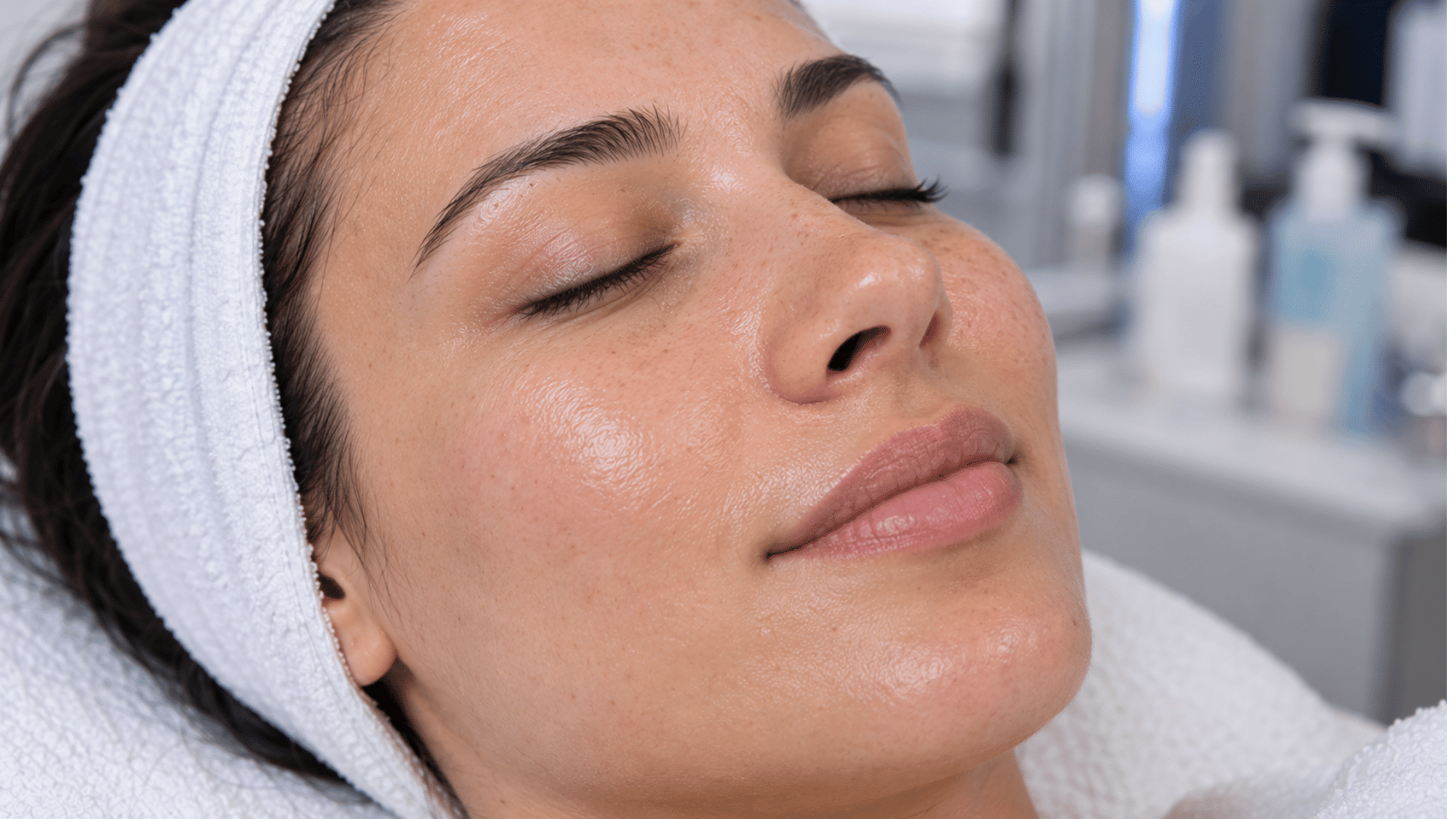
Immediately afterward, some people notice visible changes in their skin’s appearance. Mild redness or sensitivity can occur but is usually temporary.
Results vary by person. Keep your skincare routine gentle afterward and apply broad-spectrum SPF. Comparing mineral vs. chemical sunscreen can help you choose a suitable option for your routine.
Before your appointment, tell your provider about your skincare routine, allergies, medications, and any active irritation. They may recommend temporarily stopping retinoids or exfoliating products based on your skin and treatment plan.
Are There Any HydraFacial Side Effects?
HydraFacial is generally associated with minimal downtime, but temporary skin reactions can occur. Possible side effects include:
- Mild redness or flushing
- Temporary skin sensitivity
- Dryness or tightness
- Minor irritation
- Small breakouts in some cases
Who Shouldn’t Get a HydraFacial?
You may need to avoid or postpone a HydraFacial if you have:
- Active sunburn or significant irritation
- Open cuts, sores, or wounds
- An active skin rash or infection
- Known sensitivity to treatment ingredients
- A skin condition that is currently flaring
This lines up with the American Academy of Dermatology’s guidance on safe exfoliation, which advises skipping exfoliating treatments on sunburned, broken, or actively irritated skin.
How Much Does a HydraFacial Cost?
A HydraFacial typically costs around $150 to $350 per session, although prices can fall outside this range. The final cost depends largely on where you live, the provider you choose, and the treatment level.
Basic sessions cost less, while premium options may include boosters, LED therapy, lymphatic drainage, or other add-ons.
Trending add-ons like PDRN, a skincare ingredient gaining popularity in serums and boosters, are increasingly offered as premium upgrades.
Since HydraFacial is usually considered a cosmetic treatment, you generally pay for it out of pocket rather than having health insurance cover it.
Conclusion
Skincare treatments are rarely one-size-fits-all, and I always keep that in mind when looking at options that are getting a lot of attention. What works beautifully for one person may not be the right match for another.
If HydraFacial has caught your attention, consider what you actually want from the appointment rather than booking it simply because it is popular.
A conversation with a qualified provider can also help set realistic expectations before you commit.
Thinking about booking your first HydraFacial? Save this post for later, or share it with someone who’s been curious about the treatment too.
Frequently Asked Questions
Is HydraFacial Good for Acne?
HydraFacial may help acne-prone skin by clearing excess oil and pore buildup. However, active or severe acne may require dermatologist-guided treatment rather than a cosmetic facial.
How Long Do HydraFacial Results Last?
HydraFacial results often last about five to seven days, especially the hydrated, glowing appearance. Results vary depending on skin type, skincare routine, and treatment plan.
Can You Wear Makeup After a HydraFacial?
Yes, you can generally wear makeup after a HydraFacial. However, giving your skin some time without makeup may help minimize potential irritation immediately after treatment.
Is HydraFacial Safe During Pregnancy?
Pregnant people should speak with their healthcare professional and treatment provider first. Some products used during a HydraFacial may need to be avoided or substituted during pregnancy.