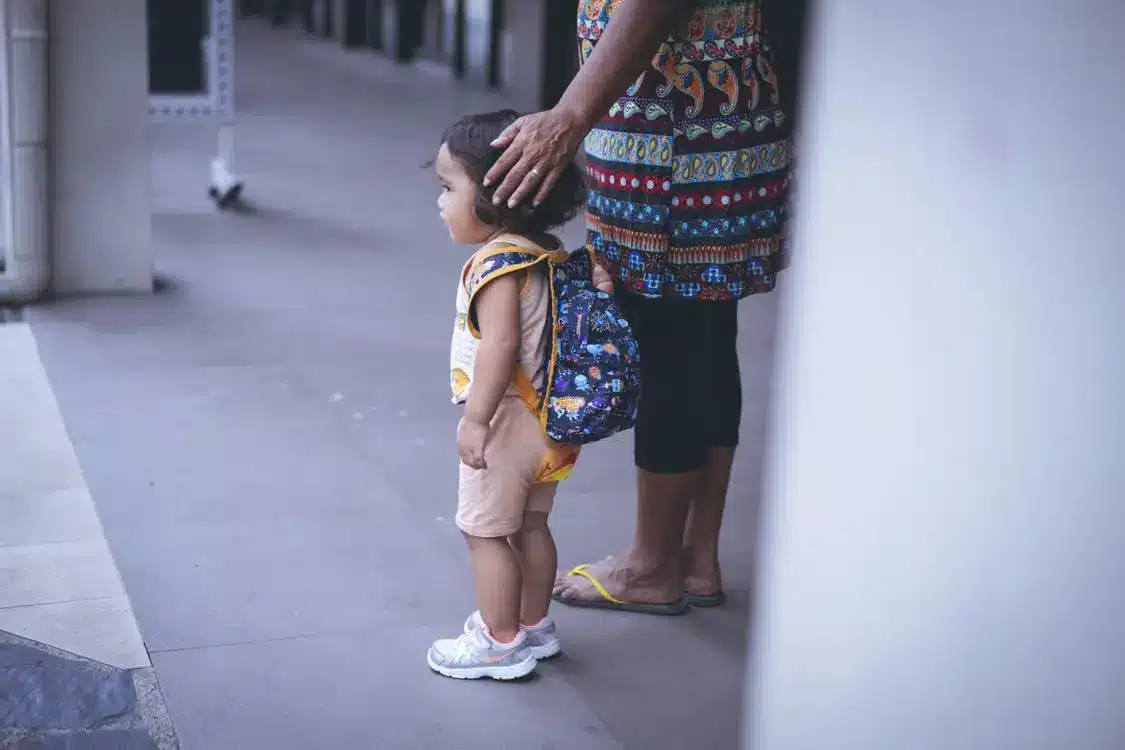
Does your toddler turn into a koala every morning at drop-off?
Clinging. Crying. Screaming like the world is ending.
Saying goodbye to your kids at childcare is one of the toughest things about parenting. And it’s a lot more common than you realise. As of the latest data, 50.8% of children aged 0-5 are attending approved childcare in Australia. That’s a lot of cranky drop-offs every morning.
Here’s the good news:
Separation tears are normal. They won’t last forever. And with a few simple tips (and the magic of play-based learning) you can ease goodbyes for everyone.
Here’s how…
Inside this guide:
- Why Do Toddlers Cry At Drop-Off?
- How Play-Based Learning Helps Little Ones Settle
- 6 Ways To Make Goodbyes Easier
- Why Some Mornings Are Worse Than Others
- When Should You Worry?
Why Do Toddlers Cry At Drop-Off?
Separation anxiety is completely normal. It typically begins around 8 months and peaks between 10 and 18 months.
Why? Because your little one’s brain is growing fast.
Infants discover that people still exist even when they cannot see them. Big concept. Toddlers still have no grasp of time. So when you leave… They have no concept of when (or if) you will return.
That’s scary stuff for a two-year-old.
Food for Thought: You are their safe haven. Their entire universe. When you walk away, you take their security with you.
Don’t worry about the tears. They mean your child has formed a healthy attachment to you.
Pretty amazing, right?
How Play-Based Learning Helps Little Ones Settle
Here’s something most parents don’t realise…
The learning environment provided by your child’s childcare can greatly impact how quickly they settle in. Play-based learning allows children to learn through practical games, building and discovery rather than sitting quietly at a desk. By centering an entire day around play-based learning, a Pascoe Vale kindergarten gives toddlers something fun to look forward to, rather than dread.
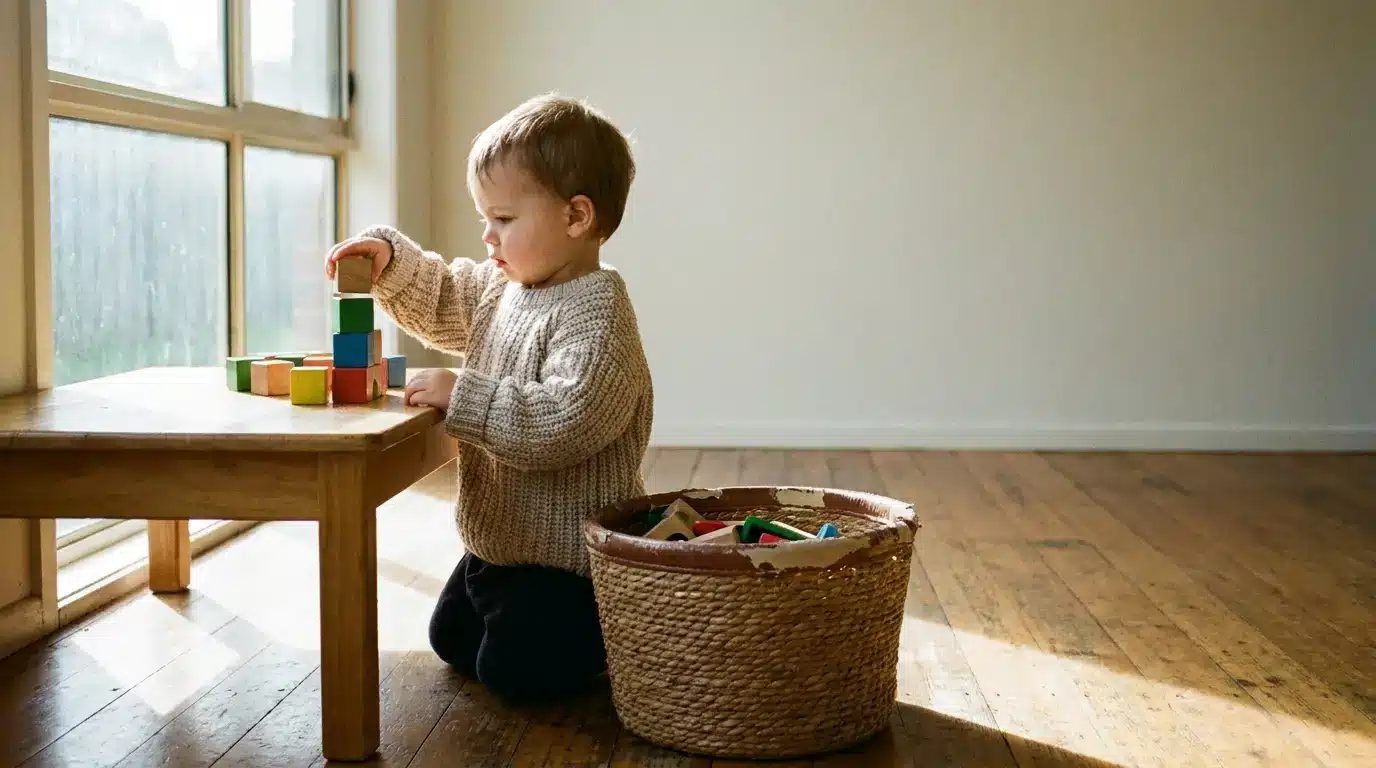
Play-based learning helps your child:
- Build trust with their educators
- Make friends through shared games
- Practise handling big feelings
- Feel confident in a new space
And the added bonus? Kids who are playing and constructing aren’t usually focused on missing their mum or dad.
Teachers joke that the children who scream the most at drop-off are usually playing happily within five minutes.
Why does this work so well?
Toddlers don’t learn from lectures. They learn through play. Stacking. Splashing. Painting. Digging in the sandpit… Every game gives their busy minds something to think about. And when their minds are focused, the big scary feelings aren’t so BIG.
Play will also allow teachers to bond with your child quickly. The fastest way to gain trust with a toddler is through a shared game. After trust has been established, they’ll be more willing to part with you because they know there’s a nice person waiting on the other side.
6 Ways To Make Goodbyes Easier
Ok, now for the goodies. These are little tips that apply to most households. Read through them, choose a few you like and commit to those. You will start to see progress.
1. Create A Goodbye Routine
Children thrive on consistency and predictability. Toddlers know what to expect with a brief playful goodbye ritual. Here’s one:
- A big hug
- A high five
- A special wave from the window
Do it the same way every single day.
Consistency is king.
2. Keep It Short And Sweet
This is the biggie…
Prolonged goodbyes prolong anxiety. The more time you spend saying goodbye, the more distressed your child becomes. Offer your hug, say goodbye and walk away.
It feels harsh. But it really is kinder in the long run.
Without a routine, every morning feels like a battle.
3. Never Sneak Out
Tempting? Absolutely.
Stealing away while your toddler is distracted may end the tears for now. But it breaks trust. Next time, your toddler will cling tighter, afraid you may disappear again.
Always say goodbye. Every time.
4. Practise At Home
Play-based learning isn’t restricted to inside the centre gates. You can encourage play at home to help with goodbyes too.
Try:
- Setting up a scene at home where you leave the house after chatting and waving to your child.
- Drawing pictures of you and your child saying goodbye to each other.
- Playing peekaboo with younger toddlers
- Acting out drop-off with teddies and dolls
- Reading picture books about going to childcare
Play allows children to process big changes safely and creatively. It’s easy. It’s fun. And it’s effective. It’s free too.
5. Bring A Little Piece Of Home
Sometimes all it takes is a security item. Maybe your toddler’s favourite stuffed animal, a tiny blanket or a family photo will do the trick.
It’s like sending a tiny bit of you along for the day.
6. Stay Calm (Even If You’re Not)
Kids are like little sponges. They soak up everything.
If you act worried, your toddler will feel worried. So smile big, speak in a quiet and cheerful voice and save the tears for the car ride home. (Every parent does it!)
Keep in mind… Your toddler looks to you for cues. If you act like childcare is a fun, normal place to be, they will begin to think that as well.
Why Some Mornings Are Worse Than Others
Has your child been fine for weeks… And then suddenly the tears are back?
Don’t panic. This is super common.
Separation anxiety can recur any time there is a change in your child’s life. Even minor changes can trigger it. Here are some of the most common triggers:
- A new baby brother or sister
- Moving house
- Being sick or teething
- A long holiday break
- Not enough sleep
Hangry toddlers cry more at drop-off. Don’t underestimate the power of sleep and breakfast.
The solution: Return to your routine. Continue with your normal goodbye ritual, remain calm and patient and wait it out. Kids typically recover in one to two weeks.
When Should You Worry?
Drop-off tears subside for most children after a few weeks. Separation anxiety should dissipate by age 3. However, every child is unique.
Speak to your child’s educator or your GP if your child:
- Is still very upset hours after you leave
- Stops eating or sleeping well
- Seems scared of the centre itself
- Still isn’t settling after a couple of months
Your child’s teachers see them every day. They are partners in this journey with you… Please continue to communicate with them!
The Bottom Line On Drop-Off Tears
Separation tears are tough. There’s just no getting around it. But they are also a totally normal, healthy reaction.
To quickly recap:
- Separation anxiety is normal and peaks in the toddler years
- Play-based learning gives kids something fun to focus on
- Short, consistent goodbyes work best
- Never sneak out
- Stay calm and trust the process
Don’t give up. Soon your toddler will walk into the room without turning around.
And yes… That might make you cry too.