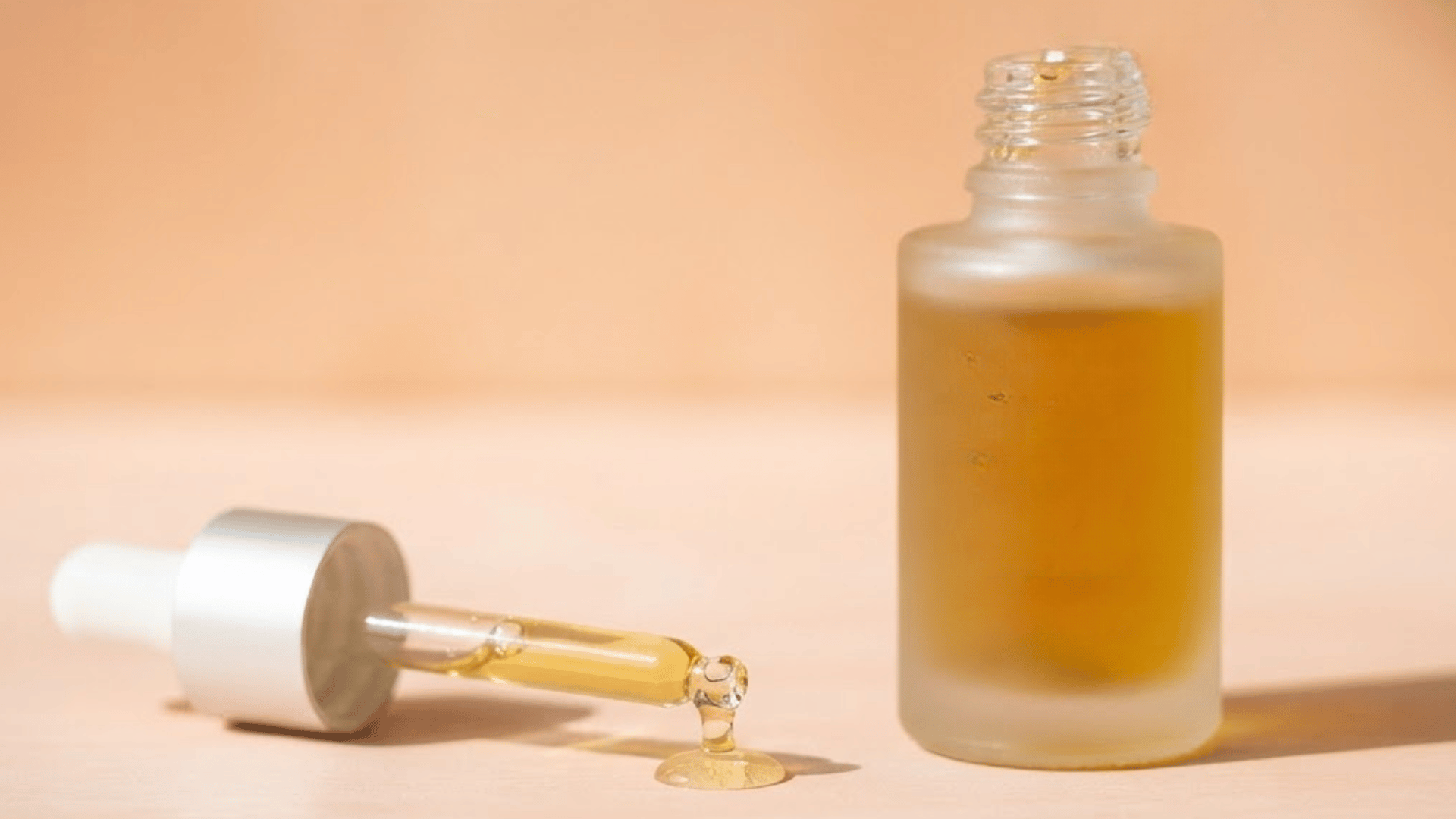
Some skincare ingredients suddenly seem to be everywhere, and PDRN is having that moment. I kept seeing it in serums, essences, and Korean skincare products, often with big claims about what it could do for the skin.
Naturally, that made me curious, but also a little cautious about getting caught up in the hype.
When a trending ingredient starts taking over my skincare feed, I want to know whatis really behind all the attention. What is PDRN in skincare? It’s become a common question, especially given its unusual origin and growing popularity.
This ingredient has more to it than its trending reputation.
What Is PDRN in Skincare?
PDRN stands for polydeoxyribonucleotide, a material made from purified DNA fragments traditionally sourced from salmon or trout.
In topical skincare, PDRN is used in serums, creams, essences, and masks designed to support hydration, smoother-looking skin, and skin resilience.
Traditional PDRN is commonly fish-derived, although some brands now use plant-based alternatives. Topical PDRN is still a relatively new cosmetic ingredient, and the evidence behind everyday skincare formulas is less established than the research on medical or injectable forms.
Where Does PDRN Come From?
Traditional PDRN comes from purified DNA material, usually sourced from salmon or trout. The material is extensively processed before being added to skincare formulas, so calling it simply “salmon sperm skincare” can be misleading.
Some newer products use plant-derived alternatives from ingredients such as green tea, ginseng, or pomegranate.
Early research on ginseng-derived PDRN by the National Library of Medicine looks at its skin-regeneration and barrier-support potential as one such plant-based option.
These may suit people avoiding animal-derived ingredients, while traditional salmon- or trout-based PDRN is not vegan.
What Are the Potential Benefits of PDRN for Skin?
PDRN is associated with several potential benefits that may help skin look healthier, smoother, and more hydrated. Results can vary depending on the formula, concentration, supporting ingredients, and how often you use it.
-
Supports Hydration and Plumpness: PDRN formulas often contain moisturizing ingredients that help the skin retain water, leaving it softer, plumper, and more refreshed after regular use.
-
Supports the Skin Barrier: PDRN may be combined with ceramides, humectants, and soothing ingredients to reinforce the skin barrier and ease ongoing dryness or tightness.
-
Promotes Smoother-Looking Skin: Better hydration and barrier support may soften rough-looking texture, giving the complexion a smoother, more even appearance over time.
-
May Support Firmer-Looking Skin: PDRN is linked with collagen and elasticity, but stronger research on topical formulas is still needed to confirm firming and wrinkle-related benefits.
-
Ease Irritation and Support Recovery: PDRN’s link to adenosine A2A receptors is being studied for a role in calming irritated or post-procedure skin, though evidence specific to topicals remains limited.
Is PDRN Suitable for Sensitive or Acne-Prone Skin?
PDRN may suit sensitive or acne-prone skin, particularly in gentle topical formulas designed to support hydration and the skin barrier.
However, suitability depends on the entire formulation, not PDRN alone. Fragrances, alcohol, oils, or other active ingredients may irritate some people or clog pores.
If your skin is sensitive or prone to breakouts, choose a simple non-comedogenic formula and patch-test it before regular use.
How to Add PDRN to Your Skincare Routine?
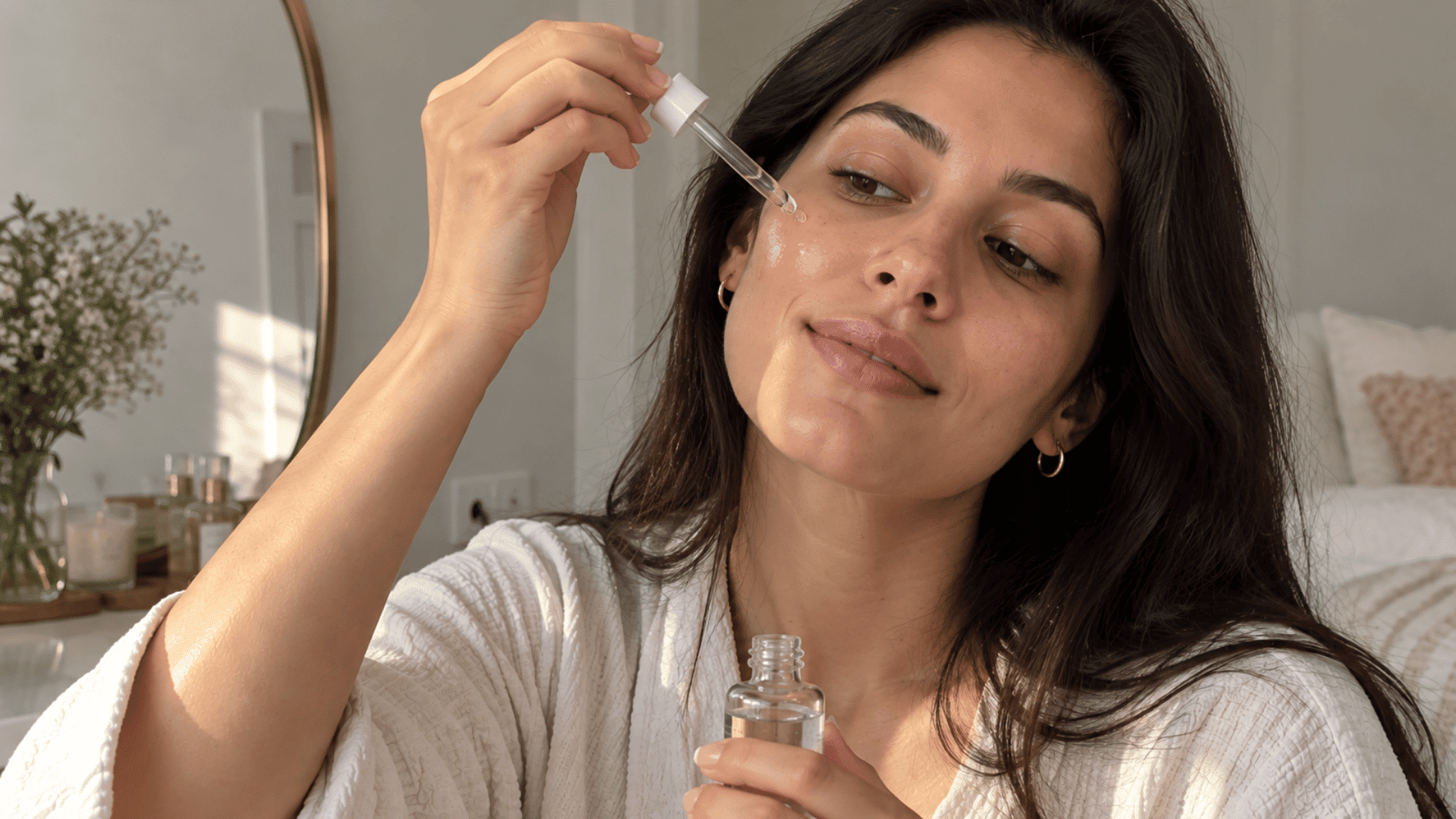
PDRN can fit easily into most skincare routines without changing your usual steps. Apply products from lighter to richer textures and follow the directions on your PDRN formula.
Step 1: Cleanse
Wash your face with a gentle cleanser to remove makeup, sunscreen, excess oil, and daily buildup. Starting with clean skin gives your skincare products a fresh surface for application. Pat your face gently without rubbing.
Step 2: Apply Toner or Essence
Use your regular toner or essence if it is already part of your routine, since toner’s role is to prep your skin for what comes next. Apply a light layer and allow it to settle before moving on.
Step 3: Apply PDRN
Apply your PDRN serum, essence, or treatment according to the product directions. Spread a thin, even layer over your face and gently press or pat it into the skin rather than rubbing aggressively.
Step 4: Moisturize
Follow with a moisturizer suited to your skin type. This helps support the skin barrier and reduces water loss while sealing in the hydrating layers applied earlier in your routine.
Step 5: Apply Sunscreen
During your morning routine, finish with a broad-spectrum sunscreen of SPF 30 or higher. Apply it evenly to exposed skin and follow the sunscreen label for proper application and reapplication.
Disclaimer: This content is for general informational purposes only and is not a substitute for professional medical or dermatological advice. If you have a skin condition, allergies, or concerns about PDRN treatments, consult a qualified healthcare professional.
Topical PDRN vs. PDRN Injections: Which Works Better?
PDRN injections may provide more noticeable and targeted skin-rejuvenation results than topical PDRN because they deliver the ingredient directly into the skin.
Topical PDRN has to penetrate the skin barrier, so its effects depend heavily on the formulation and delivery system.
However, “works better” also depends on the goal. Topical products may support hydration and overall skin appearance as part of a regular routine, while injectable treatments are generally used for more intensive professional skin rejuvenation.
Pairing PDRN With Other Skincare Ingredients
|
Ingredient |
How It Fits With PDRN |
Main Consideration |
|---|---|---|
|
Hyaluronic Acid |
Supports hydration and plumpness |
Watch for overlapping hydrating layers if the routine feels heavy |
|
Retinol |
May be used in the same routine |
Introduce according to skin tolerance |
|
Vitamin C |
Can support brightness and antioxidant care |
Monitor irritation from the full routine |
|
Niacinamide |
Supports barrier care and even-looking skin |
Often pairs well in gentle formulas |
|
AHA/BHA |
Can address texture and clogged pores |
Avoid using too many irritating products at once |
How Often Can You Use PDRN?
Many topical PDRN products are designed for daily use, and some formulas may suit both morning and evening routines.
The safest schedule depends on the full product, not PDRN alone. For example, a gentle hydrating serum may be easy to use daily, while a PDRN formula that also contains retinol, exfoliating acids, or other strong actives may need a slower introduction.
Always follow the instructions for the specific product, and reduce frequency if your skin becomes irritated.
Possible Side Effects of PDRN
PDRN is generally well tolerated, but side effects can vary depending on the product and how it is administered.
-
Redness and Irritation: Topical products may occasionally cause temporary redness, itching, or sensitivity.
-
Swelling: Injectable treatments can cause mild swelling around injection sites.
-
Bruising: Small bruises may develop after injections and usually fade with time.
-
Tenderness: Injection sites may feel sore or sensitive for a short period.
-
Small Bumps: Temporary raised areas or bumps can appear where the product was injected.
-
Allergic Reactions: Although uncommon, reactions to PDRN or other ingredients in a formulation are possible.
Note: A qualified healthcare professional should assess more severe or persistent symptoms after an injectable treatment.
Conclusion
PDRN may sound like another complicated skincare trend, but understanding what it can realistically offer makes it easier to decide whether it belongs in your routine.
I’d focus less on the hype around “salmon DNA” and more on the complete formula, your skin’s needs, and how consistently you use it.
For some of us, a PDRN serum may be a helpful addition for hydration, smoother-looking skin, and barrier support. Still, topical products should not be expected to deliver the same results as professional treatments
Frequently Asked Questions
Is PDRN Really Made From Salmon Sperm?
Traditional PDRN is commonly derived from purified DNA obtained from the reproductive cells of salmon or trout. The material is extensively purified and processed before being used in skincare formulas.
Can You Use Retinol and PDRN Together?
Yes, you can use them in the same routine if your skin tolerates both. PDRN is often included in formulas focused on hydration and comfort, while retinol targets texture, tone, and visible aging.
Is PDRN the Same as Polynucleotides?
They are closely related, but the terms are not always interchangeable. PDRN generally refers to shorter DNA fragments, while polynucleotides tend to involve longer chains and higher-molecular-weight materials.
How Long Does PDRN Take to Show Results?
There is no universal timeline for topical PDRN. Results depend on the formula, concentration, supporting ingredients, use frequency, and skin condition. Hydration may appear sooner than changes in texture or overall skin appearance.