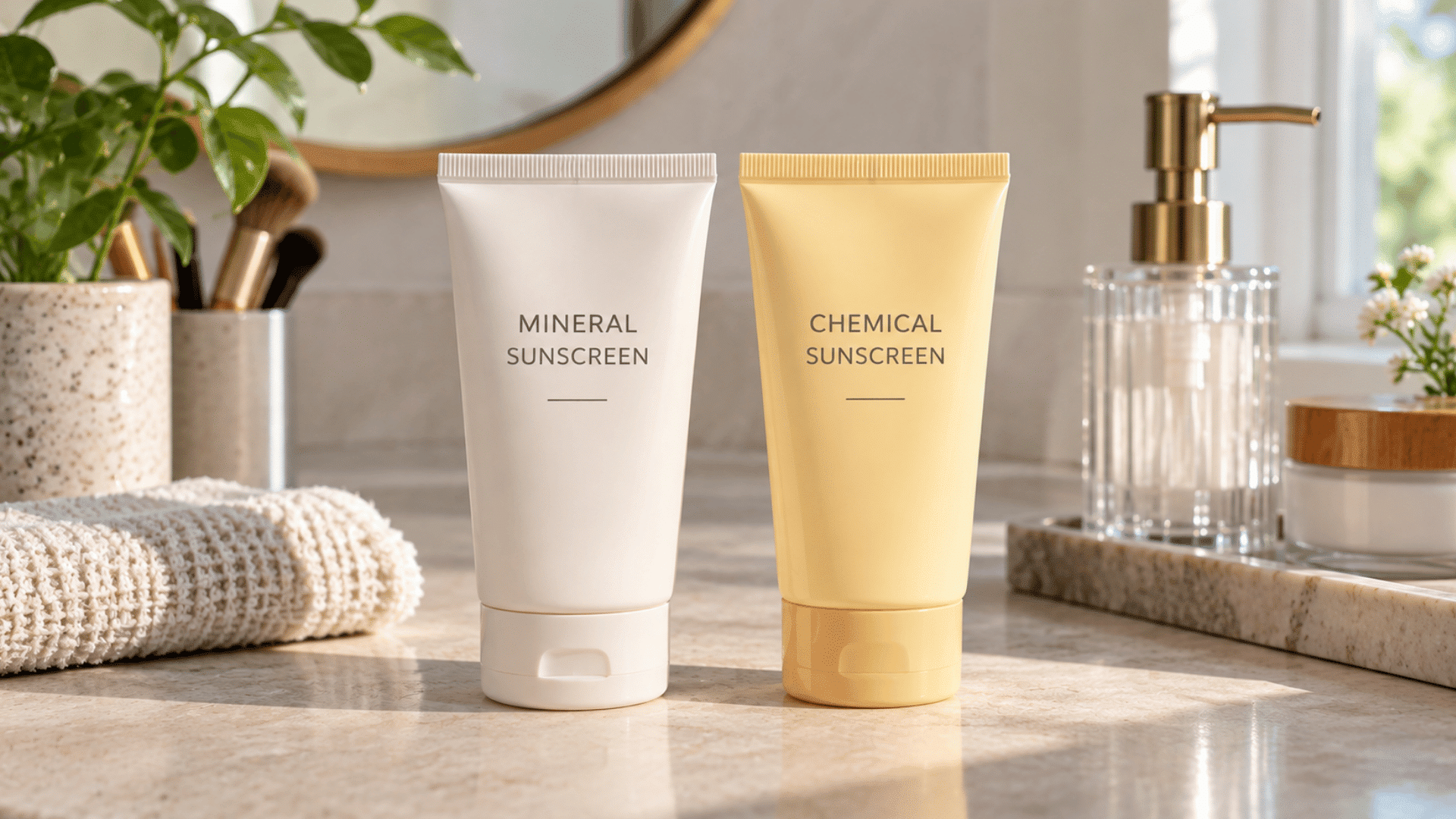
Sunscreen shopping should be simple, but the endless choices can make it surprisingly confusing. Mineral, chemical, tinted, sheer, matte each one seems to promise something different.
When I compare mineral vs chemical sunscreen, I look beyond the label and think about how it will actually feel, blend, and fit into a daily routine.
The differences may seem small at first, but they can completely change how comfortable a sunscreen feels on your skin. Once you know what separates the two, choosing between them becomes a lot less overwhelming.
Mineral vs Chemical Sunscreen at a Glance
Both protect skin from ultraviolet radiation, but they use different active ingredients and often feel different during application.
|
Feature |
Mineral Sunscreen |
Chemical Sunscreen |
|---|---|---|
|
Common active ingredients |
Zinc oxide and titanium dioxide |
Avobenzone, octisalate, octocrylene, and other UV filters |
|
Texture |
Often thicker or creamier |
Usually lighter or more fluid |
|
Finish |
May leave a visible cast |
Usually blends more transparently |
|
Sensitive skin |
Often well tolerated |
Some formulas may sting or irritate |
|
Makeup wear |
Depends on formula |
Often layers easily |
|
Best for |
Sensitive skin and mineral-filter preference |
Lightweight everyday use and sheer finish |
What Is Mineral Sunscreen?
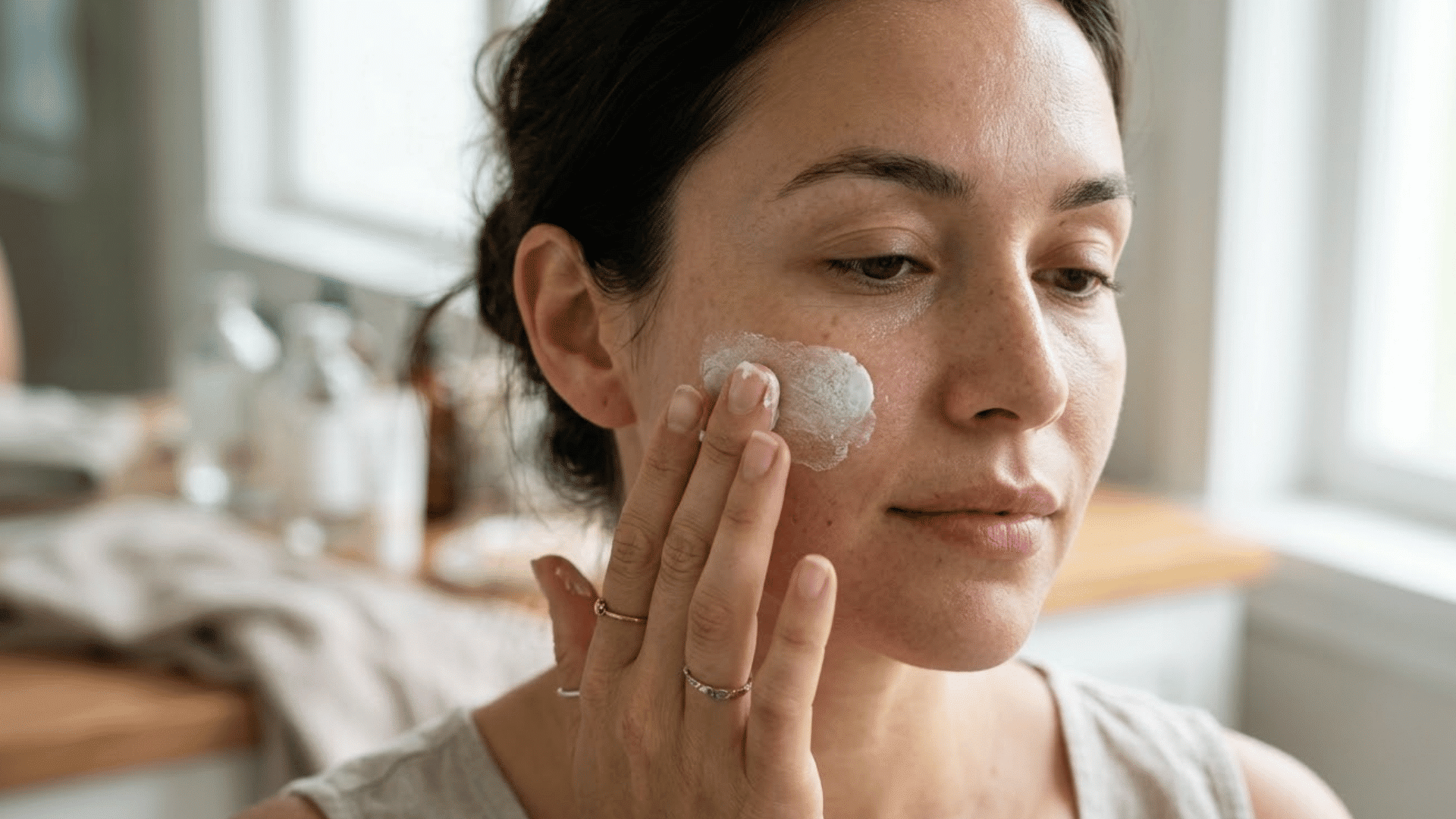
Mineral sunscreen uses zinc oxide, titanium dioxide, or both as active ingredients.
These UV filters remain mainly at or near the skin surface and protect by absorbing most ultraviolet radiation while also scattering and reflecting a smaller amount.
Mineral formulas are often described as physical sunscreens, although that term can oversimplify how they actually work.
They come in creams, lotions, sticks, fluids, and tinted formulas, giving users more options than the thick white mineral sunscreens common in the past.
Benefits and Drawbacks of Mineral Sunscreen
Mineral sunscreen uses UV filters such as zinc oxide and titanium dioxide and comes in everything from traditional creams to lightweight tinted formulas.
What Works Well
- Sensitive-skin-friendly options are widely available
- Zinc oxide can provide broad-spectrum protection
- Tinted formulas can help reduce visible white cast
- Fragrance-free and minimalist formulas are available
What to Keep in Mind
- Some formulas feel thicker on the skin
- Untinted products may leave a white or gray cast
- Dry textures can emphasize flaky areas
- Heavier formulas may be harder to layer beneath makeup
Mineral sunscreen tends to be the safer starting point if your skin reacts easily, and it fits naturally into a simple daily skincare routine as the final step before you head out the door.
What Is Chemical Sunscreen?
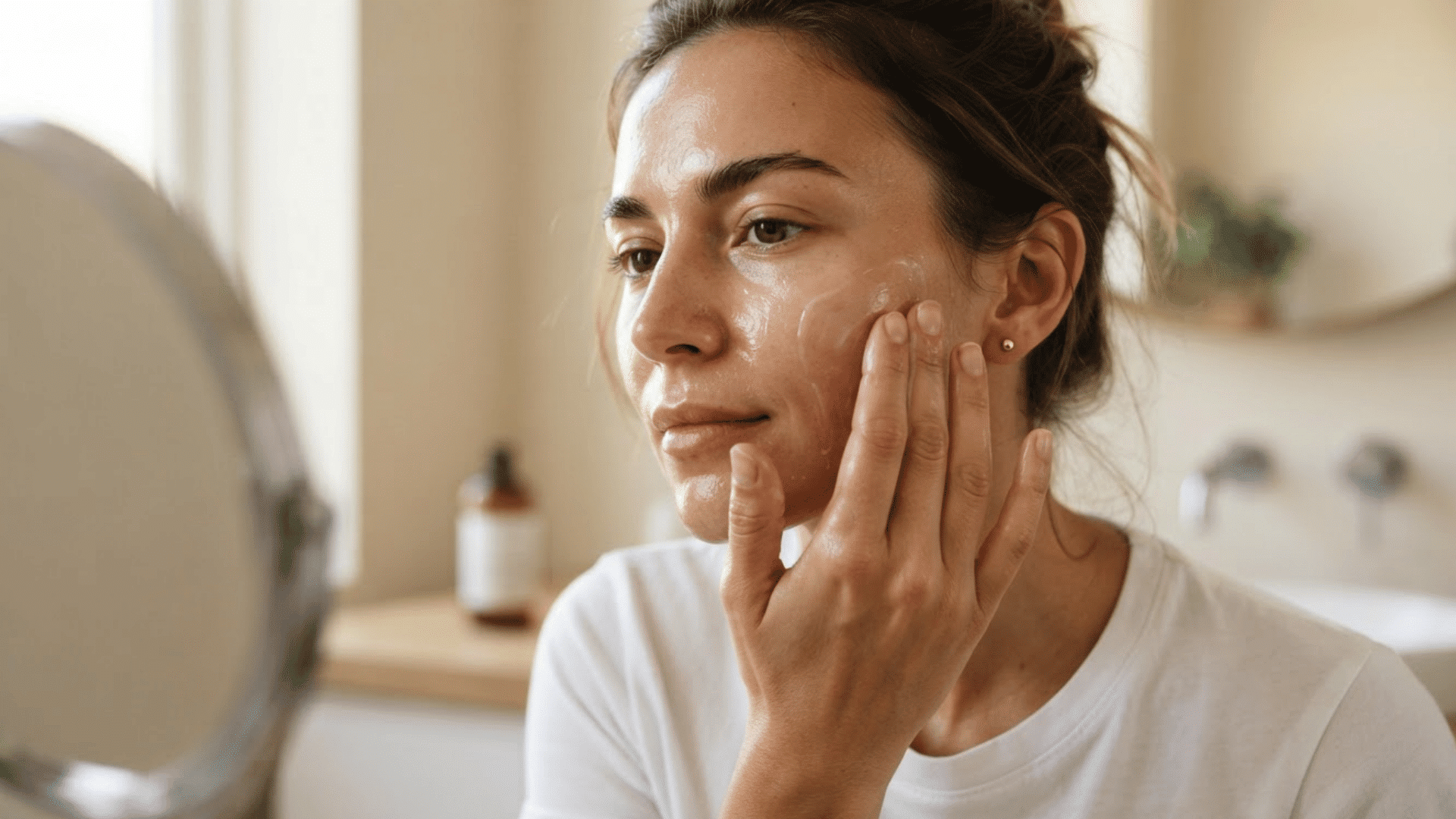
Chemical sunscreen relies on organic UV filters such as avobenzone, octisalate, octocrylene, homosalate, and other approved ingredients, depending on the product and market.
These filters absorb ultraviolet energy and convert it into a small amount of heat that is released from the skin.
Chemical formulas are often designed with thinner textures, making them easier to spread over large areas.
Many also dry down with little or no visible residue, which can make them appealing for everyday facial use.
Chemical Sunscreen Pros and Cons
Chemical sunscreens are popular because formulators can create very lightweight textures without relying on visible mineral particles.
What Works Well
- Lightweight formulas are easy to spread
- Often dry down with little or no white cast
- Gels and fluids can feel comfortable for everyday wear
- Many formulas layer smoothly beneath makeup
- Water-resistant options are widely available
What to Keep in Mind
- Some formulas may irritate sensitive skin
- Certain formulas can sting around the eyes
- Fragrance or alcohol may not suit easily irritated skin
- Some formulas may feel greasy or tacky
- Individual UV filter preferences can influence your choice
Which Sunscreen Leaves More White Cast?
Mineral sunscreen is more likely to leave a visible white, gray, or slightly chalky finish because zinc oxide and titanium dioxide are naturally white powders.
The effect can be particularly noticeable on medium and deeper skin tones.
Newer formulations address this with tints, finer mineral particles, fluid textures, and iron oxides.
Chemical sunscreens usually dry down more transparently because their UV filters dissolve within the formula rather than remaining visible as mineral particles.
Which Sunscreen Suits Your Skin Type?
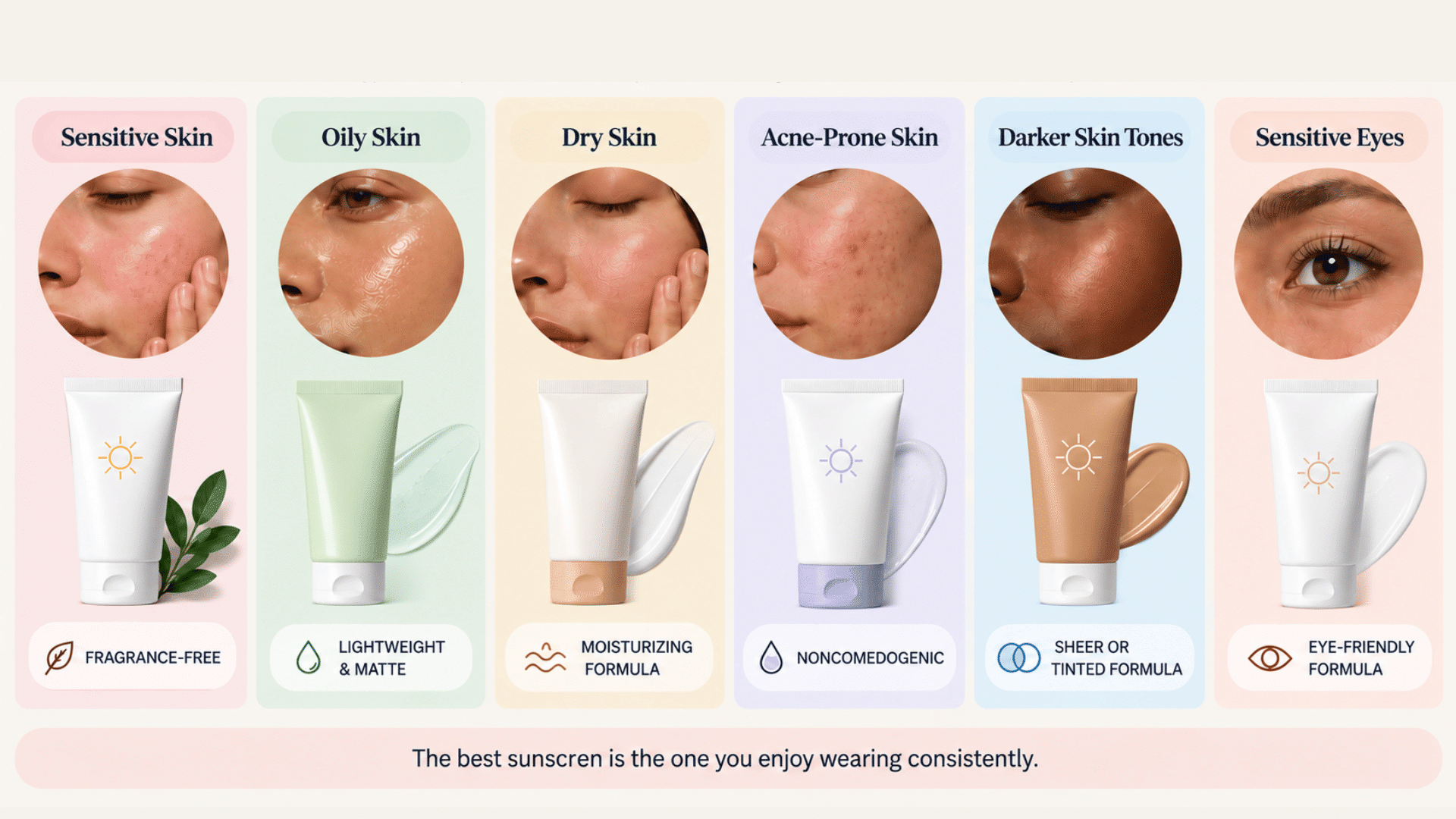
Skin type can narrow the choices, but texture and formulation matter just as much as the filter category.
- Sensitive Skin: Fragrance-free mineral formula
- Oily Skin: Lightweight gel or matte formula
- Dry Skin: Creamy moisturizing formula
- Acne-Prone Skin: Lightweight noncomedogenic formula
- Darker Skin Tones: Sheer or tinted formula
- Sensitive Eyes: Gentle eye-friendly formula
Mineral vs Chemical Sunscreen Under Makeup
Chemical sunscreen often works well under makeup because many formulas are lightweight, smooth, and quick to set.
Mineral sunscreen can also create a good base, particularly when you choose a lightweight fluid or tinted option. More than the sunscreen type, focus on the texture and finish.
A formula that settles without feeling greasy, sticky, or heavy is less likely to interfere with foundation. It should also pair comfortably with your moisturizer and primer without emphasizing dry patches or causing pilling.
Give each skincare layer a little time to settle before moving on to your makeup.
What SPF Should You Choose?
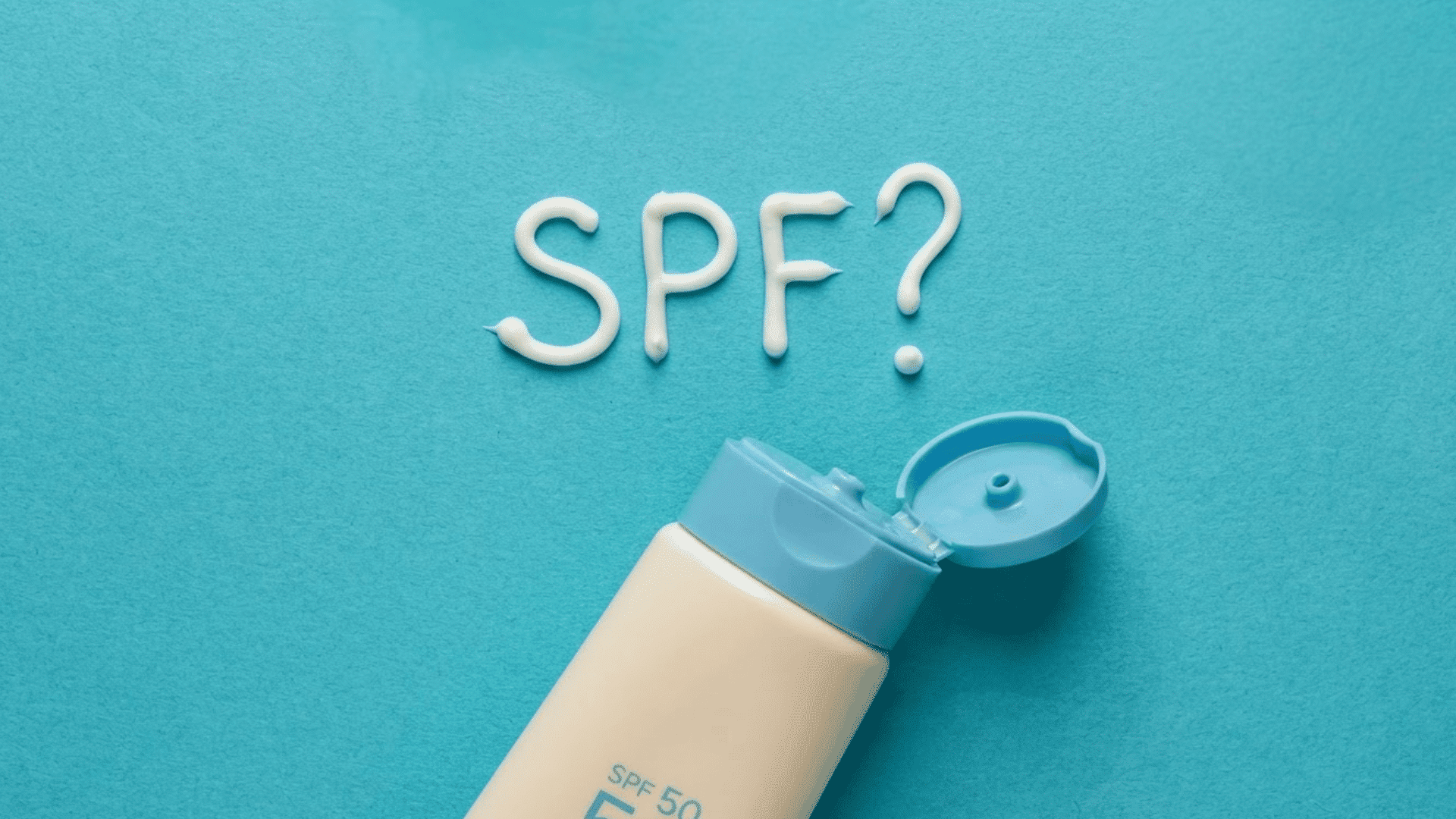
Whether you select mineral or chemical sunscreen, the SPF number remains one of the most important details.
- SPF 30 or higher
- Broad-spectrum protection
- Water resistance when swimming or sweating
- A texture you are comfortable applying generously
- Packaging that fits your daily routine
|
Note: Sunscreen to use in these areas is a must: face, hands, neck, and the back of the hands too. Reapply sunscreen during continuous outdoor exposure about every 2 hours. Do not assume a morning application provides reliable protection for the entire day. |
Does It Matter When You Apply Each Type?
The timing difference between mineral and chemical sunscreen is often overstated. You don’t need to wait just because a sunscreen is chemical rather than mineral. Both types begin providing protection when applied correctly.
However, giving sunscreen about 15 minutes before sun exposure is still a good practice. This allows the formula to form an even protective layer and gives it time to dry or set, especially before swimming, sweating, getting dressed, or applying makeup.
Rather than timing your routine based on mineral versus chemical filters, focus on applying sunscreen before you head outdoors and giving it enough time to settle.
Common Sunscreen Mistakes to Avoid
Even a well-formulated sunscreen cannot work properly when application habits are poor.
|
Mistake |
What to Do Instead |
|---|---|
|
Using Too Little |
Apply enough sunscreen to fully cover all exposed skin. |
|
Relying Only on Makeup |
Use a separate sunscreen since SPF makeup may not provide enough protection. |
|
Using Expired Sunscreen |
Check the expiration date and replace sunscreen when needed. |
|
Choosing the Wrong SPF |
Choose a broad-spectrum sunscreen with SPF 30 or higher for daily use. |
|
Forgetting Water Resistance |
Use a water-resistant sunscreen when swimming or sweating heavily. |
Conclusion
Choosing between mineral vs chemical sunscreen really comes down to what feels best on your skin. If your skin is sensitive, you may prefer a mineral sunscreen with zinc oxide or titanium dioxide.
I find chemical sunscreens can feel lighter and blend more easily without leaving much residue.
Whichever type you choose, look for broad-spectrum SPF 30 or higher, apply enough to exposed skin, and reapply when needed.
The best sunscreen is simply the one you feel comfortable wearing every day. Share in the comments below which sunscreen you prefer!!
Frequently Asked Questions
Do Dermatologists Recommend Mineral or Chemical Sunscreen?
Dermatologists may recommend either type depending on skin needs, formulation, and preference.
Does Chemical Sunscreen Clog Pores?
Not automatically. Pore clogging depends on the full formulation. Acne-prone users should look for lightweight products labeled noncomedogenic rather than avoiding every chemical sunscreen.
Can You Layer Mineral and Chemical Sunscreen?
It is usually simpler to apply one sunscreen evenly in the recommended amount. Layering separate sunscreens can make coverage harder to judge and may cause irritation.