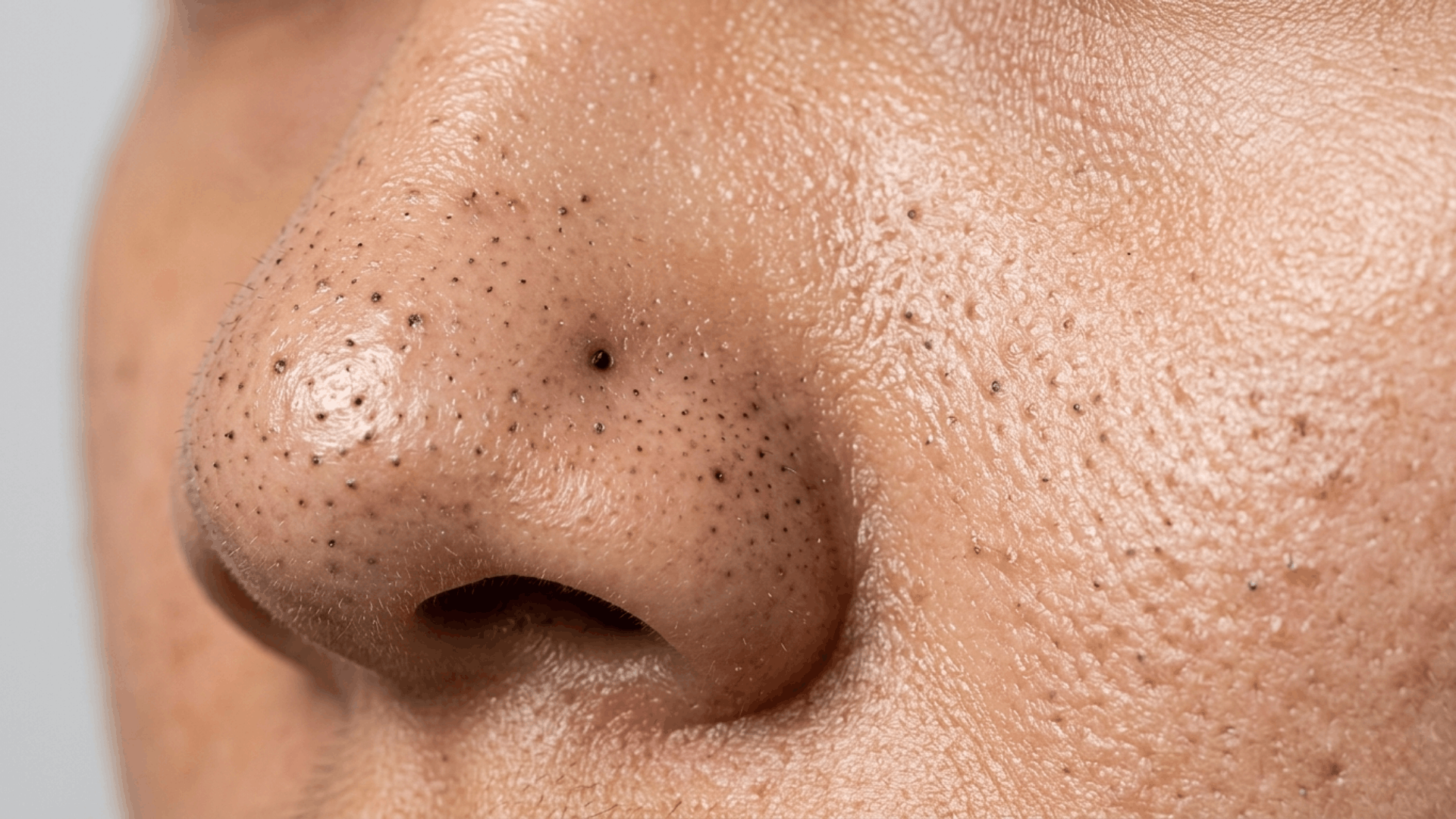
Blackheads can make skin look rough, congested, and uneven, especially around the nose, chin, and forehead.
To get rid of blackheads safely, start by understanding what causes clogged pores and which treatments actually help clear them.
Salicylic acid, topical retinoids, gentle cleansing, and professional extraction can all help, while harsh scrubs, squeezing, and irritating home remedies may make skin worse.
A consistent routine can also reduce the chances of blackheads returning.
This guide covers practical removal methods, dermatologist-recommended treatments, useful home care options, common mistakes, and prevention tips for clearer-looking skin.
Keep reading to find a simple blackhead care routine that fits different skin types and concerns.
What Are Blackheads and Why Do They Form?
Blackheads are a common type of acne that develops when pores become clogged with excess oil, dead skin cells, and debris.
Unlike whiteheads, blackheads remain open at the surface. When the material inside the pore is exposed to air, it oxidizes and turns dark, creating the familiar black appearance.
Blackheads often appear on the nose, chin, forehead, cheeks, chest, and back, where oil production may be higher.
Understanding what causes blackheads matters because proper treatment focuses on gently clearing clogged pores rather than squeezing or scrubbing the skin aggressively.
Where Do Blackheads Commonly Appear?
National Library of Medicine states that blackheads can develop anywhere pores become clogged with oil and dead skin cells. However, they appear more often in areas with a concentration of oil-producing glands.
- Nose: The nose is one of the most common spots for blackheads because it contains many active oil glands. Clogged pores and visible sebaceous filaments can also make this area look more congested.
- Chin: Blackheads on the chin often develop from excess oil, makeup residue, or frequent touching. Hormonal changes may also contribute to congestion around this area.
- Forehead: Oil, sweat, hair products, and bangs can increase the chance of clogged pores across the forehead. This area is especially prone to blackheads in oily and combination skin.
- Cheeks: Blackheads on the cheeks may be linked to pore-clogging skincare, makeup, phones, or pillowcases. Larger visible pores can also make congestion more noticeable.
- Chest and Back: These areas contain many oil glands and can develop blackheads from sweat, tight clothing, and body products. Regular cleansing after exercise can help reduce buildup.
How to Get Rid of Blackheads?
Blackheads can be stubborn, especially when they keep returning after pore strips or quick fixes. A simple routine that loosens buildup and supports pores can make blackhead care feel much more manageable.
1. Soften the Sebum Before Blackhead Removal
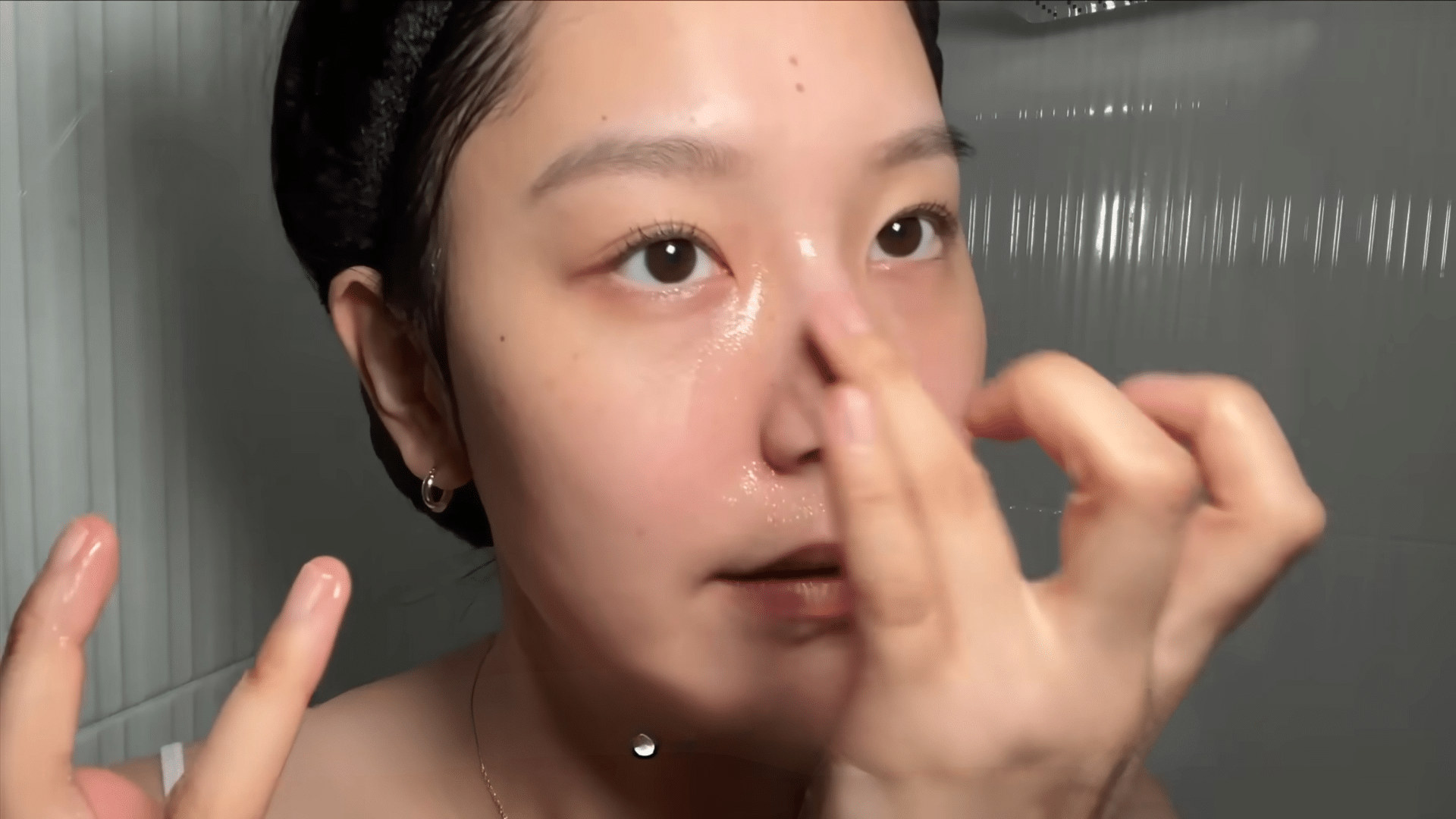
Start by softening the buildup around the nose with warm water, steam, or a shower. This makes hardened oil easier to loosen during cleansing and may reduce the need for aggressive rubbing or squeezing.
2. Massage the Skin with Cleansing Oil
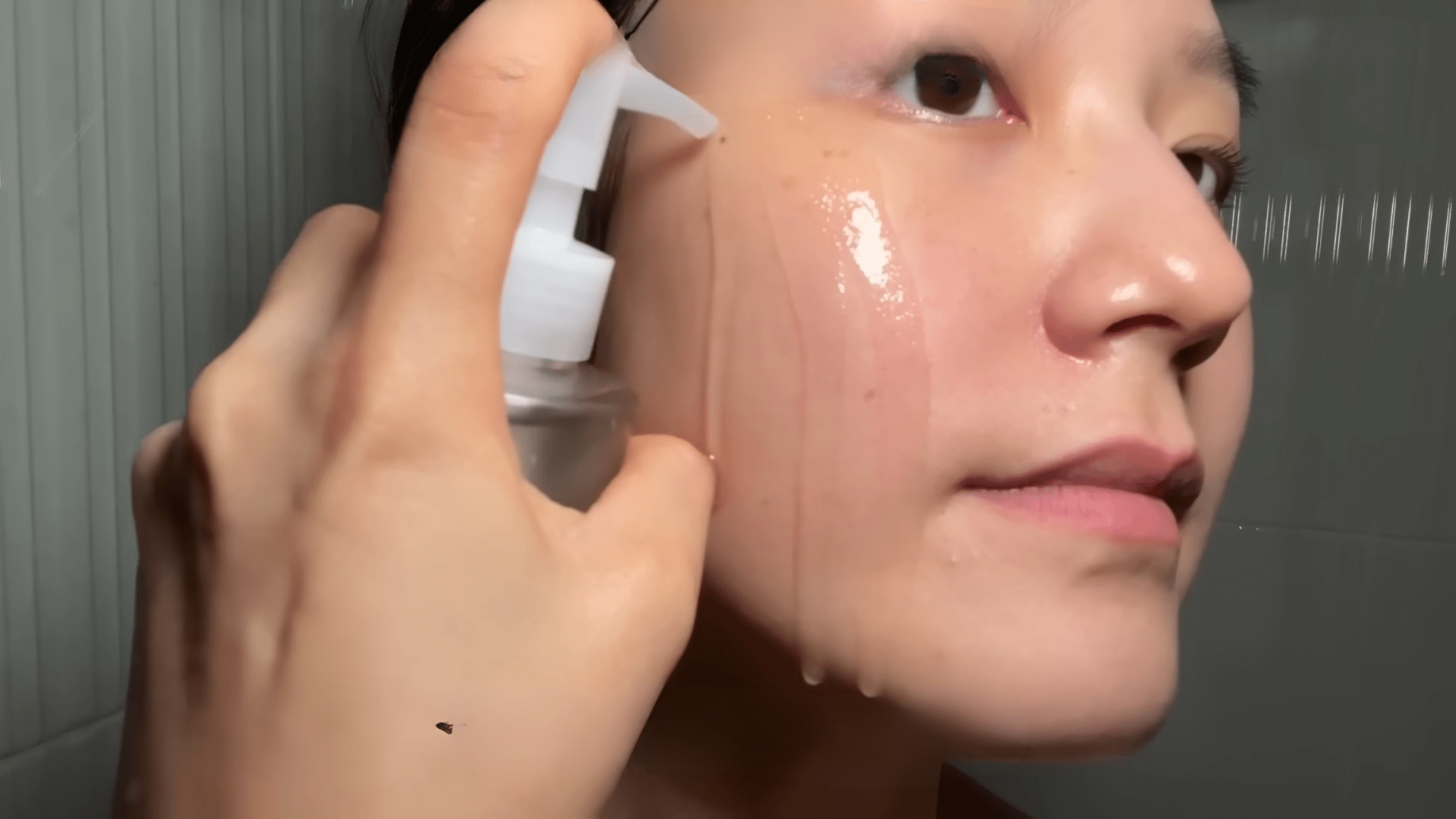
Apply a generous amount of cleansing oil to a dry nose and massage gently in circular motions.
The oil helps loosen sebum, sunscreen, and other buildup sitting around clogged pores without requiring harsh physical scrubbing.
3. Emulsify and Rinse the Cleansing Oil
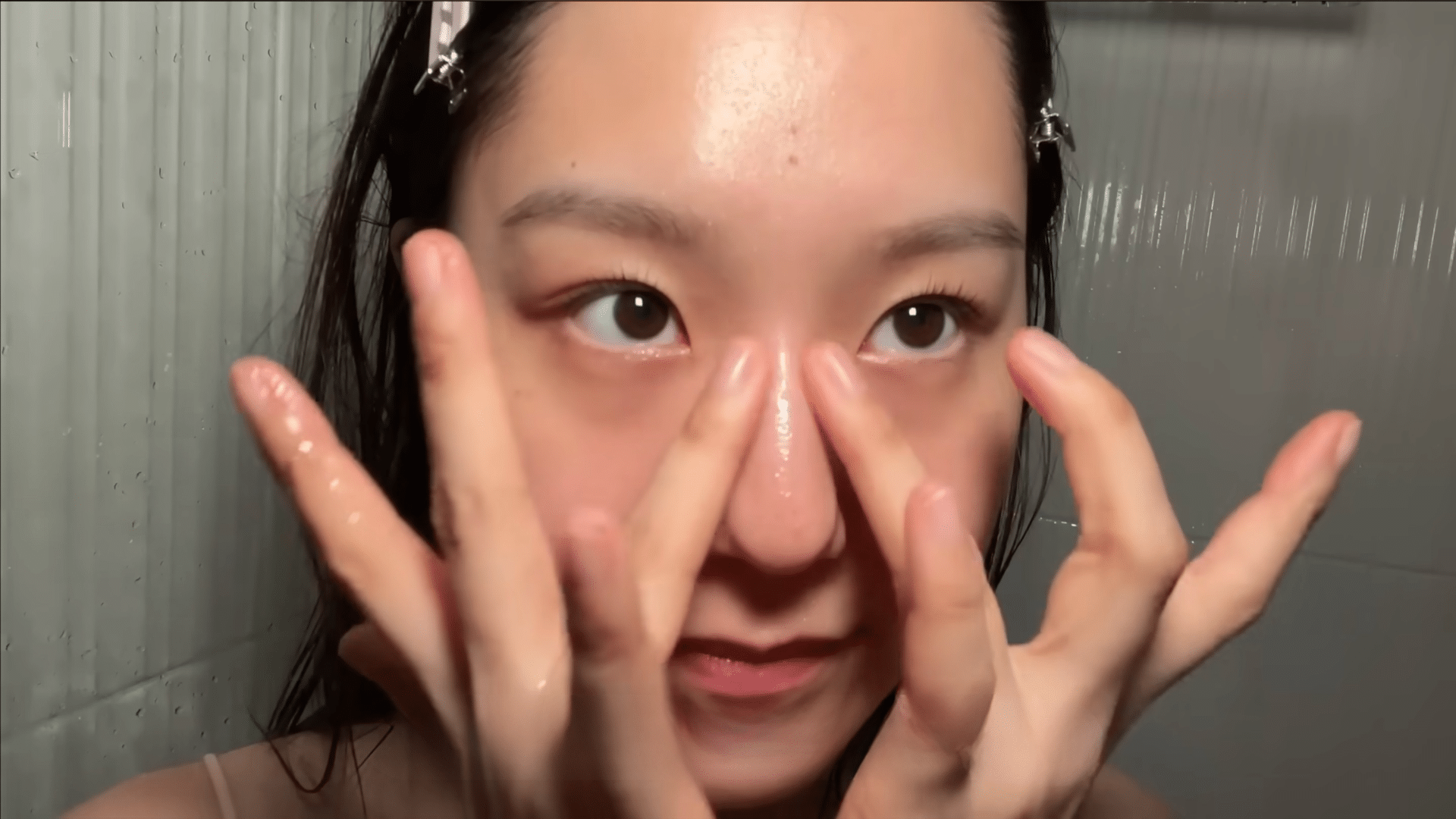
Add lukewarm water to emulsify the cleansing oil until it turns milky, then rinse thoroughly.
Follow with a gentle cleanser when needed to remove remaining residue, especially if the skin tolerates double cleansing well.
4. Apply a Clay or Mud Pore Mask
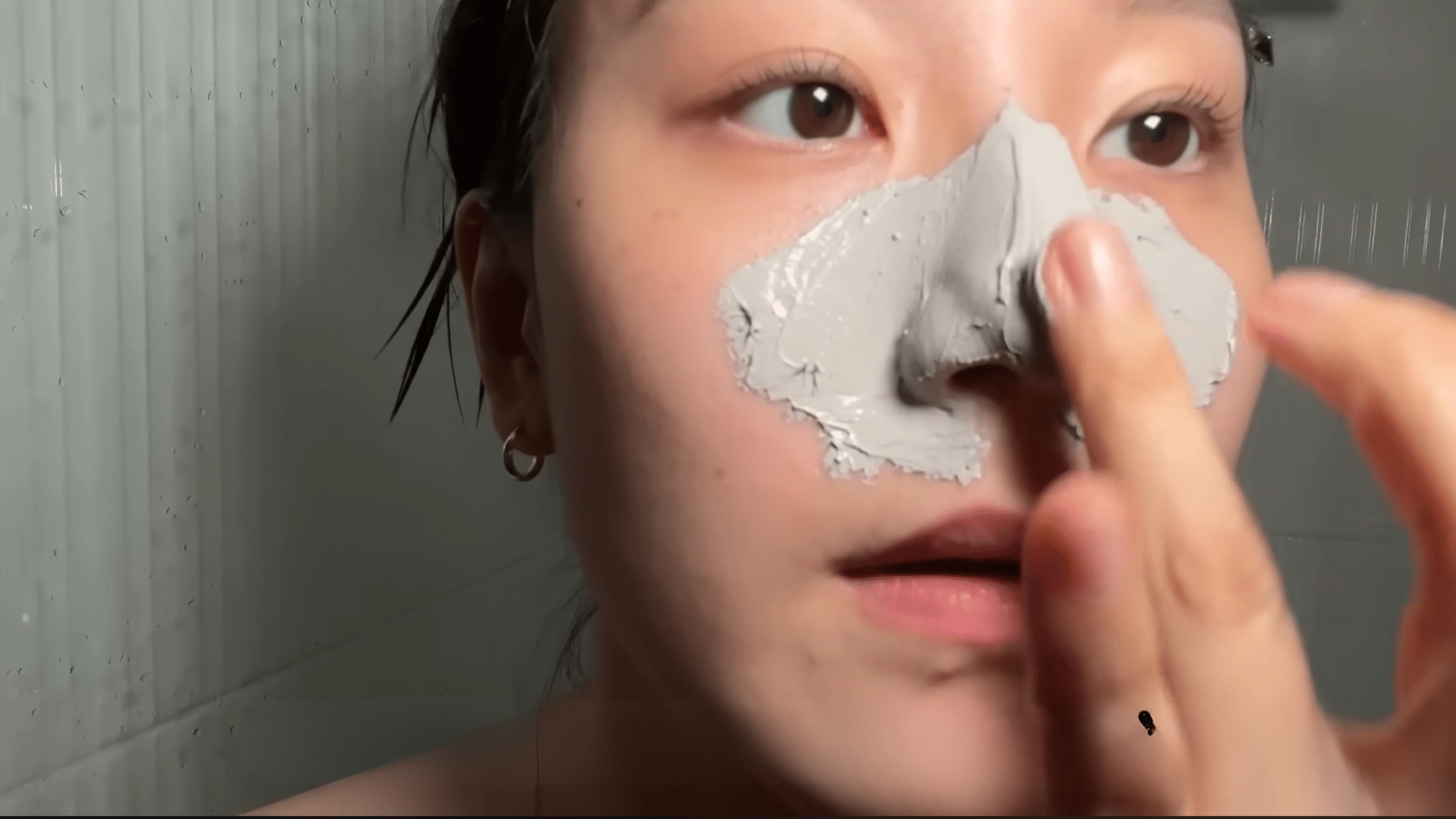
Spread a clay or mud mask over the dry nose and leave it on for about 10 to 15 minutes. These masks can absorb excess surface oil and temporarily make clogged pores appear cleaner and less noticeable.
5. Soothe the Nose with a Cool Green Tea Pack
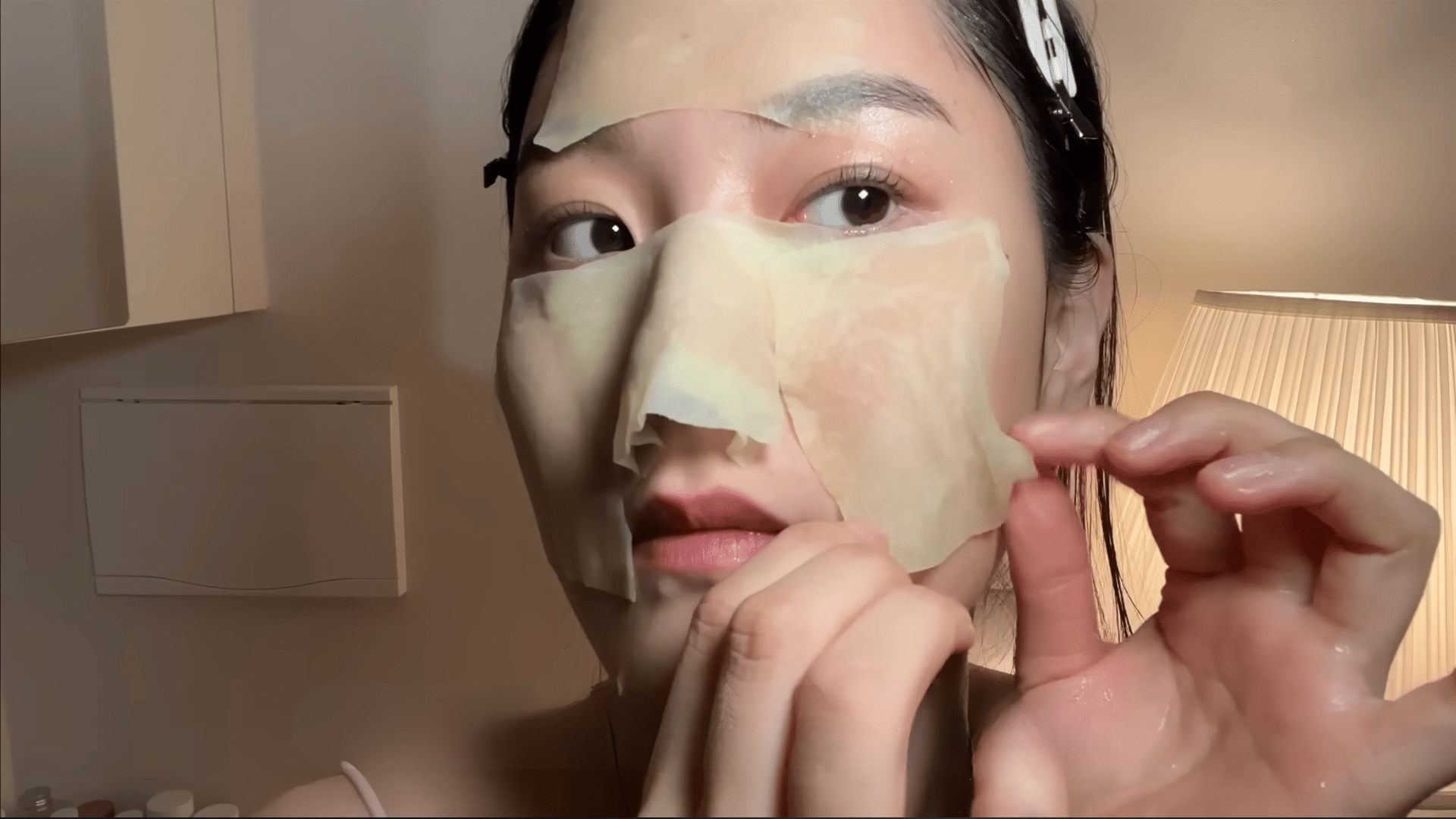
Soak cotton pads in prepared green tea, chill them, and place them over the nose for about 10 minutes. This cooling step can calm the skin after cleansing and provide a refreshing finish to the routine.
6. Use Jojoba Oil Before Cleansing Several Times Weekly
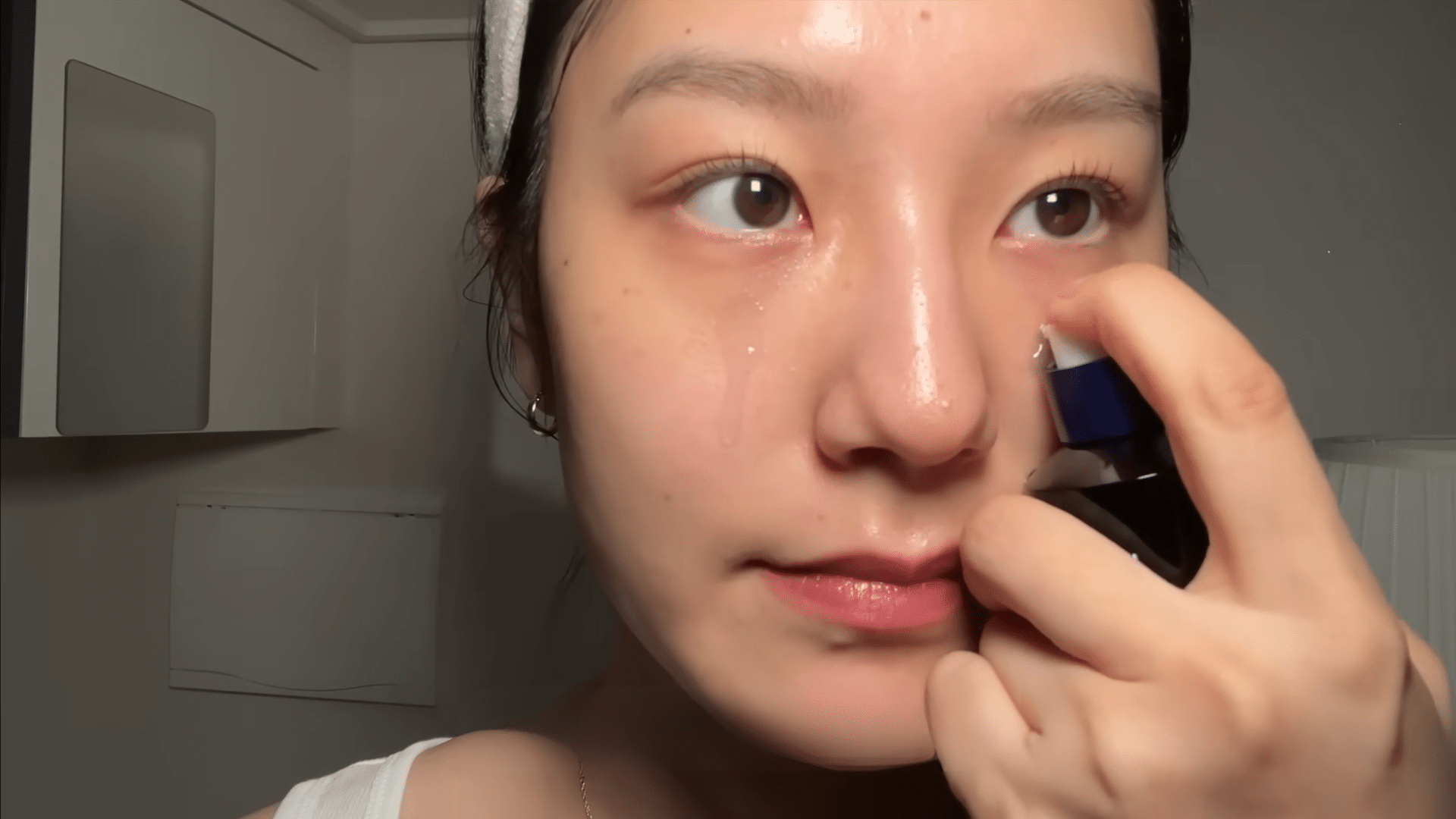
Apply a small amount of jojoba oil to blackhead-prone areas five to ten minutes before washing. The video suggests using it several times weekly to soften oily buildup before cleansing without vigorous rubbing.
7. Use a Gentle Exfoliating Cleanser
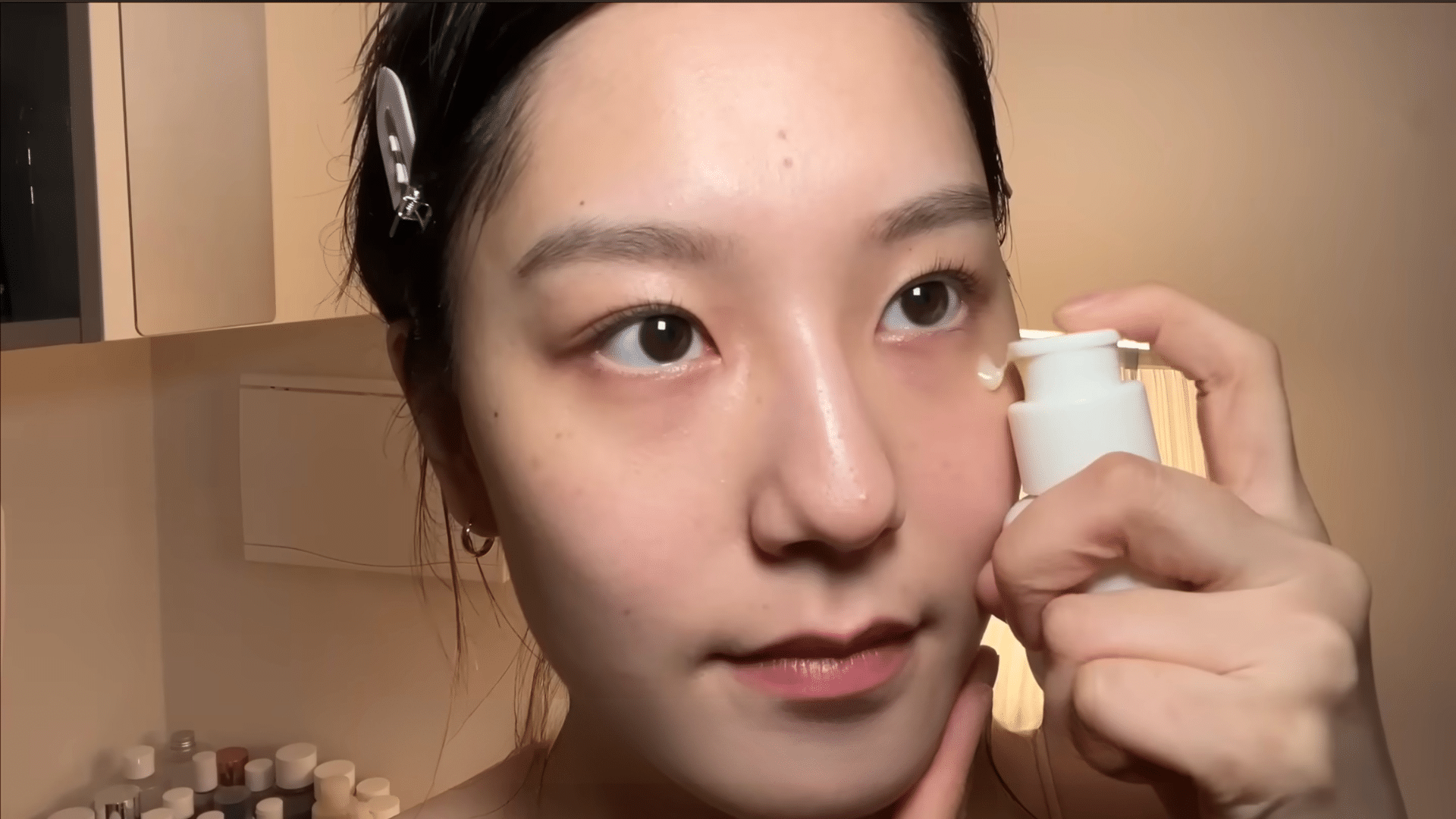
Follow with a cleanser containing mild exfoliating ingredients when the skin can tolerate them.
Rather than scrubbing the nose, use the cleanser gently to help remove excess oil and dead skin that contribute to clogged pores.
8. Add Consistent Daily Blackhead Care
For daily care, give the nose extra attention during cleansing and consider products containing ingredients such as niacinamide or a retinoid.
Introduce active ingredients gradually and adjust frequency based on dryness, sensitivity, or irritation.
This tutorial is based on a helpful video by Blueyoobin. You can check out the original video on their YouTube channel here or watch it below.
What Causes Blackheads?
Blackheads form when pores become blocked with excess oil and dead skin cells. Several everyday factors can increase this buildup and make clogged pores more likely.
- Excess Oil Production: Overactive sebaceous glands can produce more oil than the skin needs. This extra sebum can mix with dead skin cells and clog pores.
- Dead Skin Cell Buildup: Skin naturally sheds dead cells, but some can remain trapped inside pores. When they combine with oil, blackheads can begin to form.
- Hormonal Changes: Hormone fluctuations can increase oil production, especially during puberty, menstrual cycles, or pregnancy. More oil can increase the chance of clogged pores.
- Pore Clogging Products: Heavy makeup, moisturizers, sunscreens, and hair products may contribute to congestion. Choosing noncomedogenic products can help reduce pore blockage.
- Sweat and Friction: Tight clothing, hats, helmets, and workout gear can trap sweat and oil against the skin. Frequent rubbing may also contribute to clogged pores.
Blackheads vs Sebaceous Filaments vs Whiteheads
Blackheads, sebaceous filaments, and whiteheads can look similar, but they form differently and require different care. Knowing the difference helps avoid unnecessary squeezing.
| Feature | Blackheads | Sebaceous Filaments | Whiteheads |
|---|---|---|---|
| What They Are | Open, clogged pores that are considered a type of acne. | Natural structures that help move sebum to the skin’s surface. | Closed, clogged pores that are considered a type of acne. |
| Appearance | Small, dark, or black spots that are usually easy to notice. | Tiny, gray, yellow, or skin-colored dots that often appear evenly across the skin. | Small, white, or flesh-colored bumps beneath the skin’s surface. |
| How They Form | Oil and dead skin cells collect inside an open pore and become exposed to air. | Sebum naturally gathers around the hair follicle and helps lubricate the skin. | Oil and dead skin cells become trapped beneath a closed pore. |
| Common Areas | Nose, chin, forehead, cheeks, chest, and back. | Mostly the nose, chin, and other oily areas of the face. | Forehead, cheeks, chin, jawline, chest, and back. |
| Best Care Approach | Salicylic acid, topical retinoids, and gentle cleansing can help keep pores clear. | Gentle exfoliation and oil-control skincare may help make them less noticeable. | Topical retinoids and other acne treatments can help prevent and clear clogged pores. |
| Can They Return? | Yes. New blackheads can form when pores become clogged again. | Yes. They naturally refill because they are a normal part of the skin. | Yes. New whiteheads can develop when pores become blocked again. |
How to Prevent Blackheads from Coming Back?
Keeping blackheads away depends on a consistent skincare routine that controls oil and prevents pores from becoming clogged again. Small daily habits can make a noticeable difference over time.
- Cleanse Gently Every Day: Wash the face twice daily with a mild cleanser to remove oil, sweat, and buildup. Avoid over-washing because it can dry and irritate the skin.
- Use Noncomedogenic Products: Choose skincare, makeup, and sunscreen labeled noncomedogenic. These products are less likely to block pores and contribute to recurring blackheads.
- Keep Using Pore-Clearing Ingredients: Salicylic acid or a suitable retinoid can help keep pores clear after blackheads improve. Use them consistently, based on your skin’s tolerance.
- Avoid Picking and Squeezing: Pressing blackheads with fingers can irritate the skin and damage pores. Leave stubborn extractions to a trained skincare professional or dermatologist.
- Keep Hair and Fabrics Clean: Hair oils, pillowcases, hats, and phone screens can transfer residue onto the skin. Regular cleaning can help reduce buildup around blackhead-prone areas.
Best Products for Blackhead Treatment
The right blackhead products can help clear clogged pores, control excess oil, and reduce recurring congestion. Look for formulas with proven pore-clearing ingredients, and introduce them gradually.
1. Salicylic Acid Cleanser
A salicylic acid cleanser helps remove excess oil and dead skin cells from inside the pores. It works well for oily and blackhead-prone skin, especially around the nose, chin, and forehead.
2. Leave-on Salicylic Acid Treatment
A leave-on BHA product can provide more targeted exfoliation than a cleanser. Use it a few times per week at first, then adjust the frequency based on skin tolerance and product instructions.
3. Adapalene Gel
Adapalene gel is an over-the-counter topical retinoid that helps prevent clogged pores and recurring blackheads. Apply a thin layer at night, and introduce it slowly if you develop dryness, peeling, or sensitivity.
4. Glycolic or Lactic Acid Exfoliant
Glycolic or Lactic Acid Exfoliant or AHA products containing glycolic or lactic acid can help remove surface dead skin and improve uneven texture.
These products may complement blackhead care, but they should not be overused with other strong exfoliants.
5. Clay Mask
Clay masks containing ingredients such as kaolin or bentonite can absorb excess surface oil and temporarily improve the appearance of congested pores.
Use them occasionally, especially if the skin becomes dry easily.
6. Niacinamide Serum
Niacinamide serums can support oil control, skin barrier function, and overall skin texture. They are often easy to add to a blackhead routine because they pair well with many other skincare ingredients.
7. Noncomedogenic Moisturizer
A noncomedogenic moisturizer is especially important when using salicylic acid, retinoids, or exfoliating acids regularly
Choose a lightweight moisturizer labeled noncomedogenic to keep the skin comfortable without adding heavy residue.
8. Noncomedogenic Sunscreen
A broad-spectrum SPF 30 or higher sunscreen helps protect skin during blackhead treatment.
Look for lightweight, noncomedogenic formulas that suit acne-prone skin and do not feel excessively greasy or heavy.
Common Blackhead Removal Mistakes
Blackhead removal can backfire when the skin is treated too aggressively. Common mistakes include squeezing blackheads with fingernails, using harsh scrubs, washing the face too often, or applying several exfoliating acids at once.
These habits may cause redness, dryness, irritation, or skin damage without preventing new blackheads.
Relying only on pore strips is another mistake because they usually provide temporary results. Skipping moisturizer can also make active treatments harder to tolerate.
Use gentle cleansing, salicylic acid, retinoids, and noncomedogenic products consistently, giving your skin time to respond.
Blackhead Treatment Based on Each Skin Type
Choosing the right blackhead treatment depends on skin type, oil levels, sensitivity, and skin tolerance to active ingredients. Matching products to these needs can help clear clogged pores while reducing dryness.
| Skin Type | Best Treatments | Why They Help |
|---|---|---|
| Oily Skin | Salicylic acid, adapalene, niacinamide, and clay masks. | Help control oil and keep pores clear. |
| Dry Skin | Gentle cleanser, lactic acid, and noncomedogenic moisturizer. | Clear buildup while reducing dryness. |
| Sensitive Skin | Mild salicylic acid, niacinamide, and fragrance-free moisturizer. | Supports pore care with less irritation. |
| Combination Skin | Salicylic acid on oily areas and a lightweight moisturizer. | Targets congestion without drying the whole face. |
| Acne-Prone Skin | Adapalene, salicylic acid, and azelaic acid. | Help prevent clogged pores and recurring breakouts. |
When Should a Dermatologist Treat Blackheads?
A dermatologist can help when blackheads remain persistent, widespread, or difficult to manage with regular skincare. Professional care is also useful when clogged pores appear alongside inflammation.
- Blackheads Keep Returning: If blackheads repeatedly come back despite consistent use of salicylic acid or retinoids, a dermatologist can recommend stronger or prescription treatment options.
- Acne Becomes Inflamed: Blackheads accompanied by painful pimples, cysts, or nodules may require a broader acne treatment plan to control inflammation and prevent worsening breakouts.
- Scarring or Dark Marks Develop: Persistent picking, squeezing, or inflamed acne can leave scars or discoloration. Early professional treatment may help reduce the risk of lasting marks.
- OTC Products Cause Irritation: Frequent redness, burning, peeling, or dryness may mean the current routine is too strong. A dermatologist can adjust ingredients and treatment frequency.
- Professional Extraction Is Needed: Deep or stubborn blackheads may benefit from careful comedone extraction performed by a trained professional rather than squeezing them at home.
Wrapping Up
Getting clear skin starts with consistency, not aggressive squeezing or temporary fixes.
Learning how to get rid of blackheads means choosing gentle cleansing, salicylic acid, suitable retinoids, noncomedogenic products, and regular moisturizing to keep pores from becoming clogged again.
The right routine may vary by skin type, so introduce active ingredients slowly and watch for irritation.
Home care can manage many mild blackheads, while stubborn congestion, inflammation, or scarring may need professional treatment from a dermatologist.
Most importantly, avoid harsh scrubs, picking, and over-exfoliation.
Start with a simple routine, stay consistent, and adjust products based on how your skin responds for smoother, clearer-looking pores over time.
Frequently Asked Questions
What Pulls Out Blackheads Immediately?
Professional comedone extraction can remove blackheads immediately. Pore strips may pull out surface buildup temporarily, but they do not prevent blackheads from returning.
Is It Good to Squeeze Out Blackheads?
No. Squeezing blackheads can irritate skin, cause inflammation, and increase the risk of scarring. Professional extraction is a safer option for stubborn blackheads.
What Is the #1 Blackhead Remover?
Salicylic acid is one of the best blackhead removers because it penetrates pores, dissolves excess oil, and helps prevent future clogging.