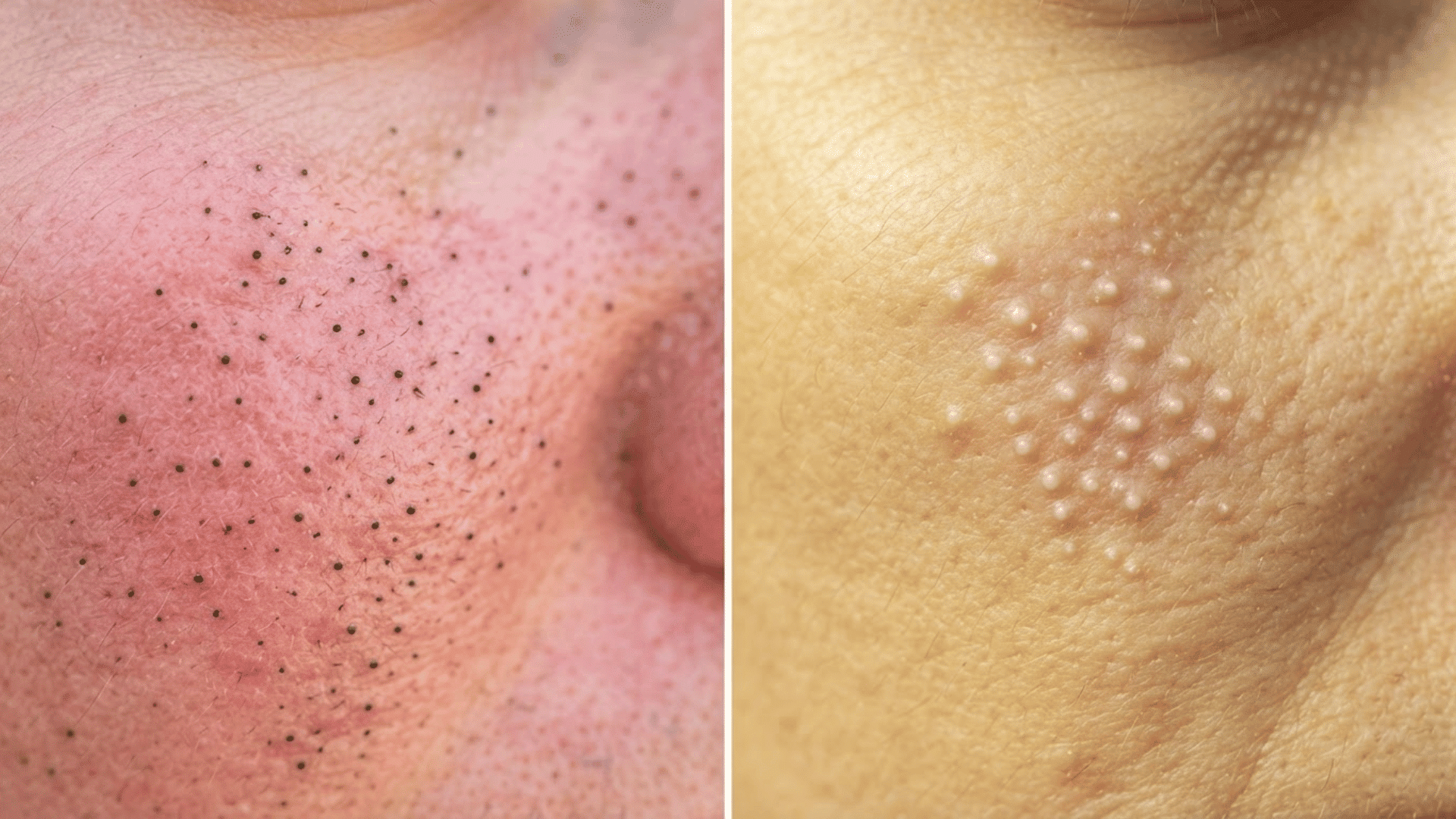
Before a special day or even a casual outing, I often notice how my skin looks and feels. Small bumps or dark dots can appear unexpectedly, making me spend extra time checking my face and trying to figure out what might be triggering them.
I have learned that whiteheads and blackheads are common skin concerns and do not always mean something is wrong with my routine.
They can develop from clogged pores, oil buildup, and daily factors that affect the skin. Understanding the difference between them helps me choose better skincare habits and avoid unnecessary irritation.
A simple routine and the right approach can make managing these concerns feel easier over time.
Key Takeaways
|
What Are Whiteheads?
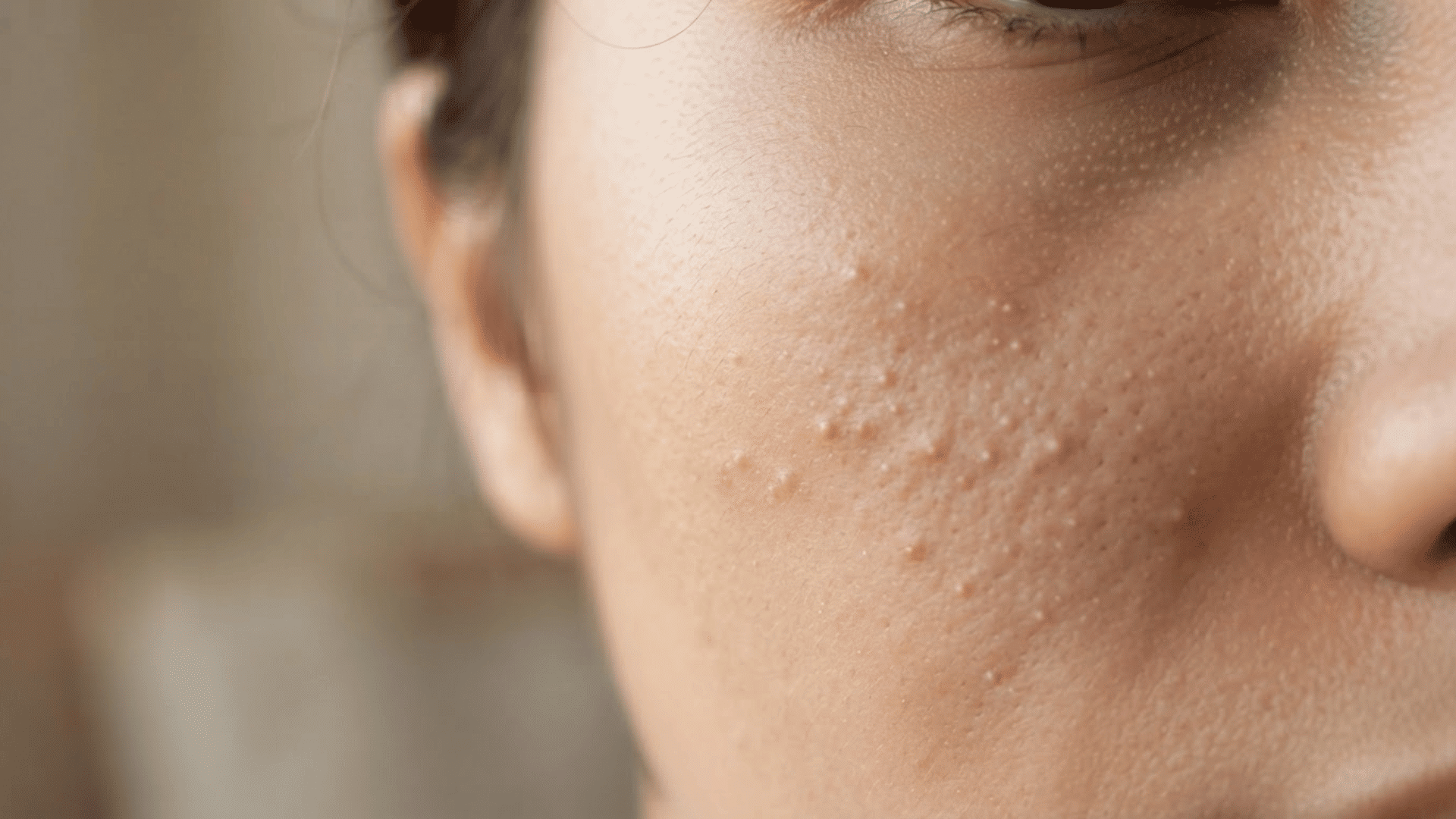
Whiteheads are clogged pores that remain closed at the skin’s surface. They develop when excess oil and dead skin cells become trapped inside a pore, creating a small white or flesh-colored bump.
Unlike blackheads, the trapped material isn’t exposed to air, so it doesn’t turn dark. Whiteheads may remain small or become inflamed if bacteria and irritation affect the clogged pore over time.
Whiteheads on the face are especially common around the:
- Chin
- Jawline
- Forehead
- Cheeks
They may also develop on the chest and back, where oil-producing glands are more common.
What Are Blackheads?
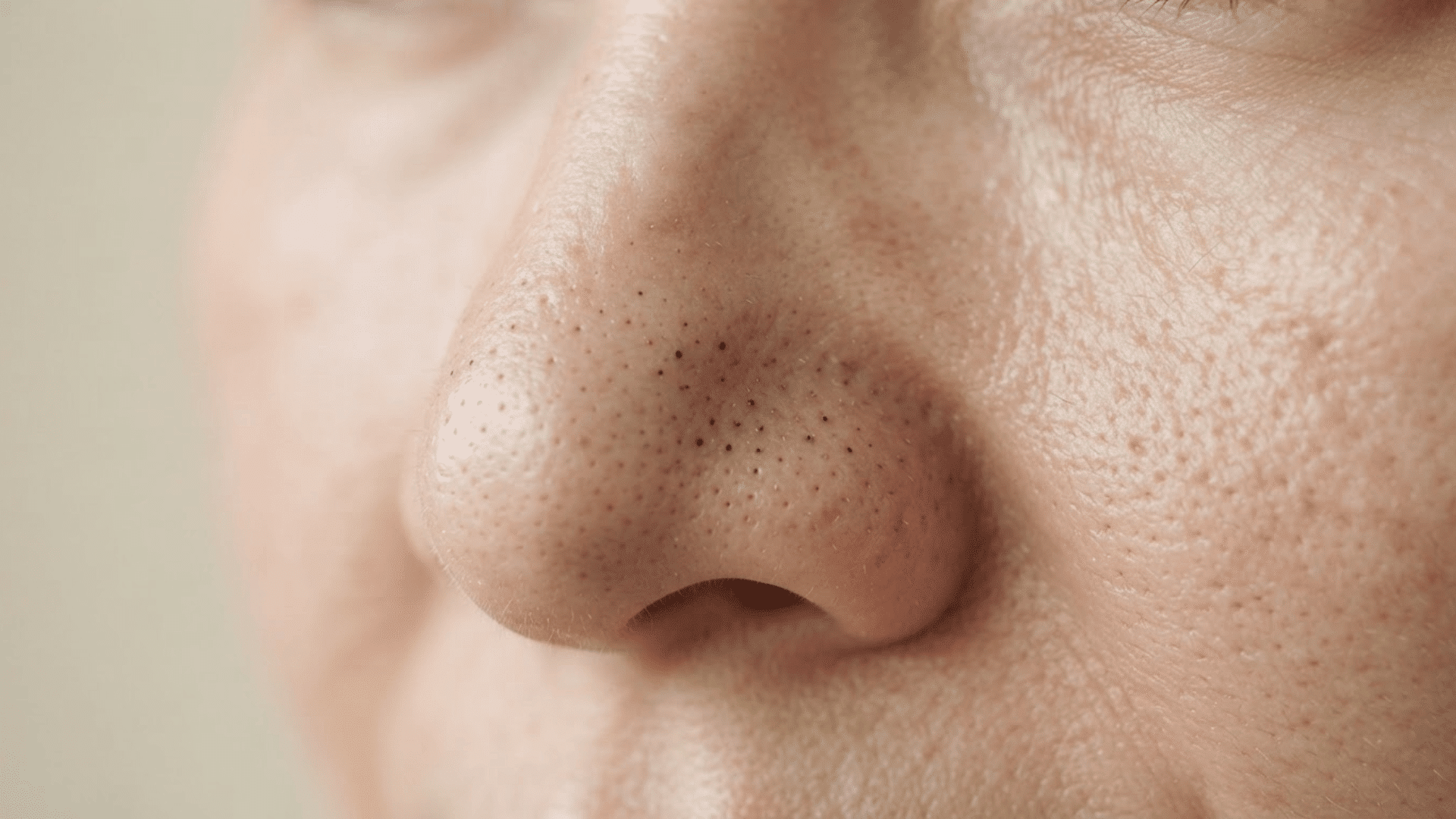
Blackheads are clogged pores that remain open at the skin’s surface. They form when excess oil and dead skin cells collect inside a pore without completely closing its opening.
Because the buildup is exposed to air, it oxidizes and develops the dark color commonly associated with blackheads.
The color does not mean that dirt is trapped inside the pore. Blackheads commonly appear on areas with higher oil production, including:
- Nose
- Chin
- Forehead
- Chest
- Back
Are Blackheads the Same as Sebaceous Filaments?
No, sebaceous filaments are a normal part of your pores, not a type of acne.
They’re the thin channels that carry oil from the sebaceous gland up to the skin’s surface, and every pore has one, no matter if you have acne-prone skin or not.
The difference between a blackhead and a sebaceous filament is that a blackhead is a clogged, oxidized comedone, while a sebaceous filament is just doing its normal job of moving sebum to the surface.
A dermatology case report by The National Library of Medicine notes that sebaceous filaments are usually found in normal, healthy skin, which is why trying to permanently “extract” them the way you would a blackhead usually doesn’t work. They come back because they’re supposed to be there.
Quick Glance: Whiteheads Vs Blackheads
Whiteheads and blackheads both develop when pores become clogged with oil and dead skin cells.
| Whiteheads | Blackheads |
|---|---|
| Closed comedones | Open comedones |
| Small white or skin-colored bumps | Dark spots on the skin |
| Pore remains closed | Pore stays open |
| Usually stays light in color | Turns dark due to oxidation |
| Common on forehead, chin, and cheeks | Common on nose, chin, and forehead |
What Causes Whiteheads and Blackheads?
Pore congestion is the main reason whiteheads and blackheads develop. According to MedlinePlus, acne can form when pores become clogged with oil and dead skin cells.
- Excess oil production
- Dead skin cell buildup
- Hormonal changes
- Genetics
- Pore-clogging skincare or makeup products
- Stress and poor sleep
- Frequently touching your face
- Sleeping with makeup on
How To Get Rid Of Whiteheads and Blackheads?
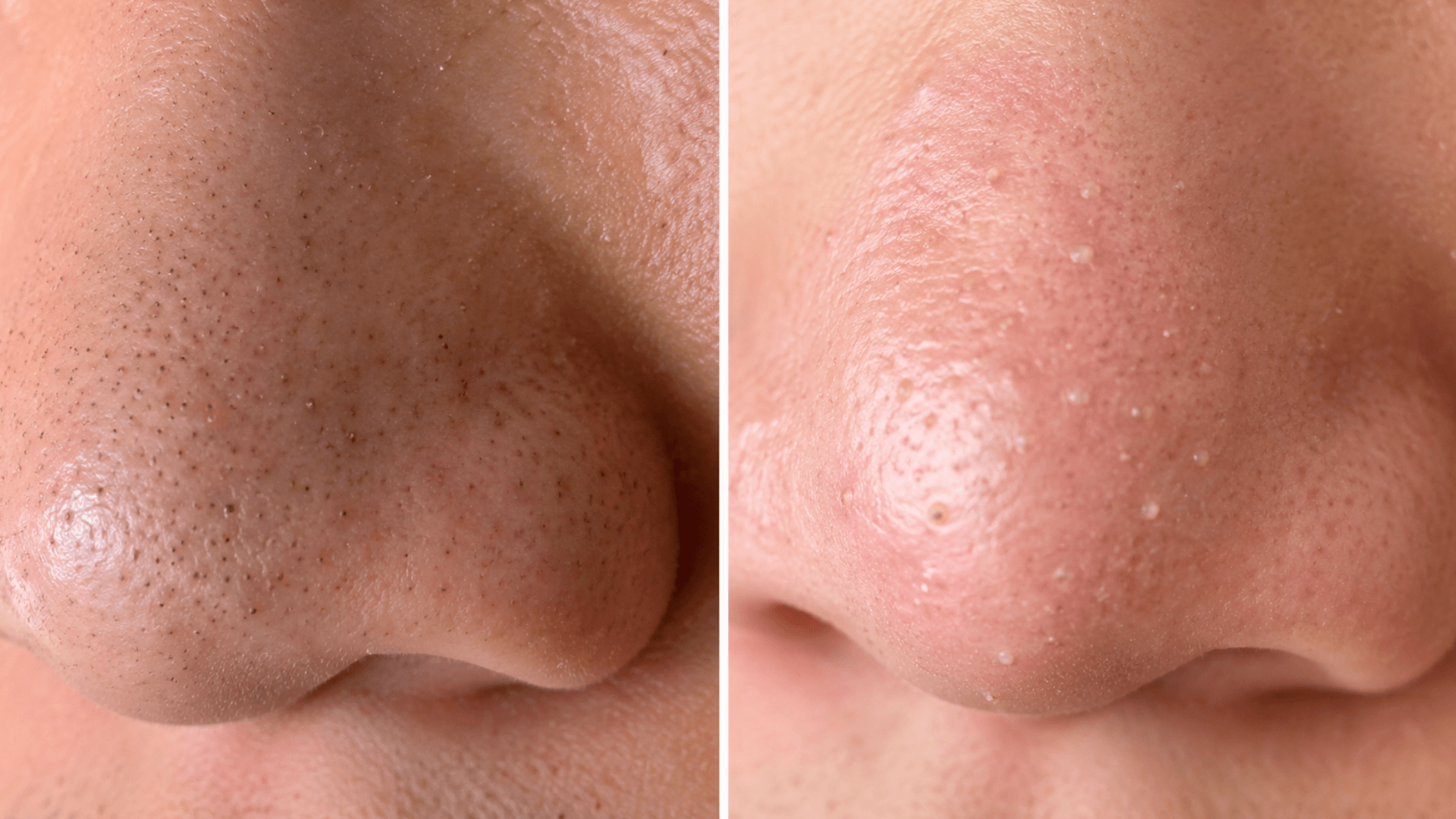
Treating whiteheads and blackheads focuses on clearing clogged pores and preventing new buildup. For targeted blackhead removal and prevention, follow these tips on how to get rid of blackheads.
1. Use Salicylic Acid to Unclog Pores
Salicylic acid is a popular choice for treating clogged pores because it helps clear excess oil and dead skin cells from inside the pore.
This can make it useful for both whiteheads and blackheads. You can find it in cleansers, toners, serums, and exfoliating treatments.
Start gradually, especially if your skin is sensitive, to help reduce unwanted dryness or irritation.
2. Add Retinol or Retinoids
Retinol and retinoids encourage skin cell turnover, helping prevent dead skin cells from building up and blocking pores.
Regular use may gradually reduce whiteheads and blackheads while helping prevent new ones. Retinol is available in skincare products, while stronger retinoids may require a prescription.
Introduce these ingredients slowly because dryness and irritation can occur when you first begin using them.
3. Try Benzoyl Peroxide When Needed
Benzoyl peroxide is commonly used for acne because it reduces acne-causing bacteria on the skin.
It may be especially helpful when whiteheads or blackheads appear alongside red, inflamed pimples.
Products come in different strengths and forms, including cleansers and leave-on treatments.
Since benzoyl peroxide can cause dryness or irritation, starting with a lower strength may be easier on sensitive skin.
This article is for general skincare information only and isn’t a substitute for professional care. If your breakouts are persistent, painful, or leaving marks, it’s worth checking in with a dermatologist before starting a new treatment.
Prevention and Skincare Tips for Whiteheads and Blackheads
A consistent skincare routine can help reduce pore buildup and lower the chances of developing new whiteheads and blackheads. Focus on gentle habits that keep your skin clean without causing unnecessary dryness or irritation.
- Cleanse Gently: Wash your face twice daily with a mild cleanser to remove excess oil, makeup, and buildup.
- Choose Non-Comedogenic Products: Look for skincare, sunscreen, and makeup labeled non-comedogenic to reduce the chance of clogged pores.
- Exfoliate Carefully: Ingredients such as salicylic acid can help clear dead skin cells and oil from pores.
- Remove Makeup Before Bed: Sleeping with makeup can contribute to buildup and clogged pores.
- Avoid Picking Your Skin: Squeezing whiteheads or blackheads may cause irritation, inflammation, and marks.
- Keep Hair Products Away From Your Face: Heavy oils and styling products may clog pores around the forehead and hairline.
If you already have leftover dark spots from picking, understanding the difference between acne marks and acne scars can help you set realistic expectations for how long they’ll take to fade.
When Should You See a Dermatologist?
Occasional whiteheads and blackheads can often improve with consistent skincare habits, but professional advice may help when breakouts become persistent or harder to manage.
Consider visiting a dermatologist if clogged pores do not improve with regular skincare changes or if bumps become red, swollen, painful, or inflamed.
A dermatologist can also help when acne leaves noticeable scars or dark marks.
If over-the-counter products aren’t delivering the results you want, a skincare professional can recommend treatments suited to your skin type and concerns.
Common Mistakes That Can Make Whiteheads and Blackheads Worse
Certain skincare habits and myths can irritate the skin or increase clogged pores. Avoiding these mistakes can help maintain a healthier routine.
| Mistake | Why It Can Make Skin Worse |
|---|---|
| Squeezing or Picking Bumps | Can irritate skin, spread bacteria, and increase the chance of marks. |
| Over-Exfoliating | Too much exfoliation can damage the skin barrier and cause dryness or sensitivity. |
| Washing Too Often | Excess cleansing can remove natural oils and irritate the skin. |
| Using Too Many Actives | Combining strong ingredients may overwhelm skin and cause irritation. |
| Using Heavy Products | Pore-clogging products may increase congestion. Choose non-comedogenic formulas. |
| Harsh Scrubbing Removes Pores | Scrubbing can irritate skin without clearing clogged pores. |
| Skipping Moisturizer for Oily Skin | Oily skin still needs lightweight hydration to maintain balance. |
Conclusion
Whiteheads and blackheads may look different, but both happen when pores become clogged with oil and dead skin cells.
Learning how they form makes it easier to choose skincare products and habits that support your skin.
I prefer keeping my skincare routine simple because using too many products can make it harder to understand what works.
Gentle cleansing, suitable ingredients, and patience often make the biggest difference over time.
Everyone’s skin reacts differently, so finding a routine that fits your needs is important. I would love to know what has worked for you. Share your experience and skincare tips in the comments below.
Frequently Asked Questions
Do Whiteheads Turn Into Blackheads?
A whitehead may become a blackhead if the pore opens and the trapped oil and dead skin cells become exposed to air. However, both begin as clogged pores.
Should You Pop Whiteheads or Blackheads?
It is better to avoid popping them because squeezing can irritate the skin and increase the risk of marks.
How Long Does It Take To Clear Whiteheads and Blackheads?
The timeline depends on your skin type, products, and consistency. Some treatments may take several weeks before you notice changes.