After a breakout clears, your skin may still show spots that leave you feeling unsure. I know how confusing acne marks vs acne scars can be when they look similar at first glance.
You might wonder why some spots fade while others seem to stay the same for months. Is it just leftover color, or is the skin actually damaged?
In this guide, I will walk you through the real difference between acne marks and acne scars. You will learn how each one forms, what they look like on your skin, and why they heal so differently.
I will also help you understand which concerns fade on their own and which ones need professional care. Once you can tell them apart, you can choose treatments that actually make sense for you.
What are Acne Marks?
After a breakout clears, you might notice that your skin isn’t quite back to normal. Those lingering spots left behind are acne marks, and they’re an incredibly common part of the healing process.
While they can be frustrating to deal with, learning to identify them is key to finding the right solutions.
Types of Acne Marks
- Post-Inflammatory Hyperpigmentation (PIH): Dark brown, black, or tan spots that appear after acne heals, more common in medium to darker skin tones
- Post-Inflammatory Erythema (PIE): Red, pink, or purple marks caused by dilated blood vessels, more common in lighter skin tones
What are Acne Scars?
Unlike acne marks, acne scars are permanent textural changes that develop when deeper skin layers are damaged during severe breakouts. Recognizing the different types helps determine which professional treatments will be most effective.
Types of Acne Scars
- Ice Pick Scars: Deep, narrow pits that resemble small puncture marks
- Boxcar Scars: Round or oval depressions with sharp, defined edges
- Rolling Scars: Wide, shallow depressions that create a wave-like texture
- Hypertrophic Scars: Raised, thick scars above the skin’s surface
- Keloid Scars: Raised scars that extend beyond the original acne site
Acne Marks vs Acne Scars: Key Differences
While both are aftereffects of breakouts, acne marks and scars differ significantly in appearance, depth of damage, and healing time.
| Feature | Acne Marks | Acne Scars |
|---|---|---|
| Appearance | Flat, discolored spots (brown, red, pink, purple) | Textured changes, indented or raised |
| Surface | Smooth to touch | Uneven, pitted, or bumpy |
| Skin Layer Affected | Surface level (epidermis) | Deeper layers (dermis) |
| Type of Damage | Excess pigmentation or blood vessels | Collagen loss or overproduction |
| Duration | Temporary (3-18 months) | Permanent without treatment |
| Natural Healing | Fades on its own over time | Does not improve naturally |
| Treatment Approach | Topical products, sun protection | Professional procedures required |
| Prevention | Sun protection, gentle skincare | Early acne treatment, avoid picking |
These fundamental differences shape every aspect of treatment, from the products you buy to the professional services you may need.
How to Tell If You Have Acne Marks or Acne Scars?
A simple at-home touch test can quickly reveal what you’re dealing with.
- Do the touch test: Gently run your fingers across the affected areas; smooth skin indicates marks, while uneven or indented texture indicates scars
- Look at the skin at an angle: Marks remain flat under all lighting, while scars cast shadows or create visible texture differences
- Press down gently: Marks will lighten temporarily when pressed as blood flow is restricted, while scar texture remains unchanged
- Track changes over time: Marks gradually lighten over weeks to months, whereas scars maintain the same appearance without intervention
- Consult a dermatologist if unsure: Professional assessment provides clarity on your specific condition
What Causes Acne Marks and Acne Scars?
Both conditions stem from your skin’s inflammatory response to breakouts, but different factors determine which one develops and how severe it becomes.
| Causes | Acne Marks | Acne Scars |
|---|---|---|
| Primary Trigger | Inflammation: Immune response stimulates excess melanin production in pigment cells, leaving dark or red spots after healing | Severe or cystic acne: Deep inflammation damages the dermis, preventing proper tissue regeneration |
| External Factor | Sun exposure: UV rays trigger additional melanin in hyperpigmented areas, making marks darker and prolonging fading time | Delayed treatment: Untreated acne allows prolonged inflammation to damage deeper skin layers, increasing scarring risk |
| Behavioral Factor | Poor wound care: Manipulating blemishes or neglecting sun protection extends inflammation and increases pigmentation intensity | Repeated trauma: Continued manipulation prevents proper healing and causes structural damage |
Addressing acne promptly and protecting healing skin minimizes the risk of developing lasting marks or scars.
Best Treatments for Acne Scars
Textured scars require professional interventions that work at the dermal level to remodel damaged tissue.
1. Microneedling
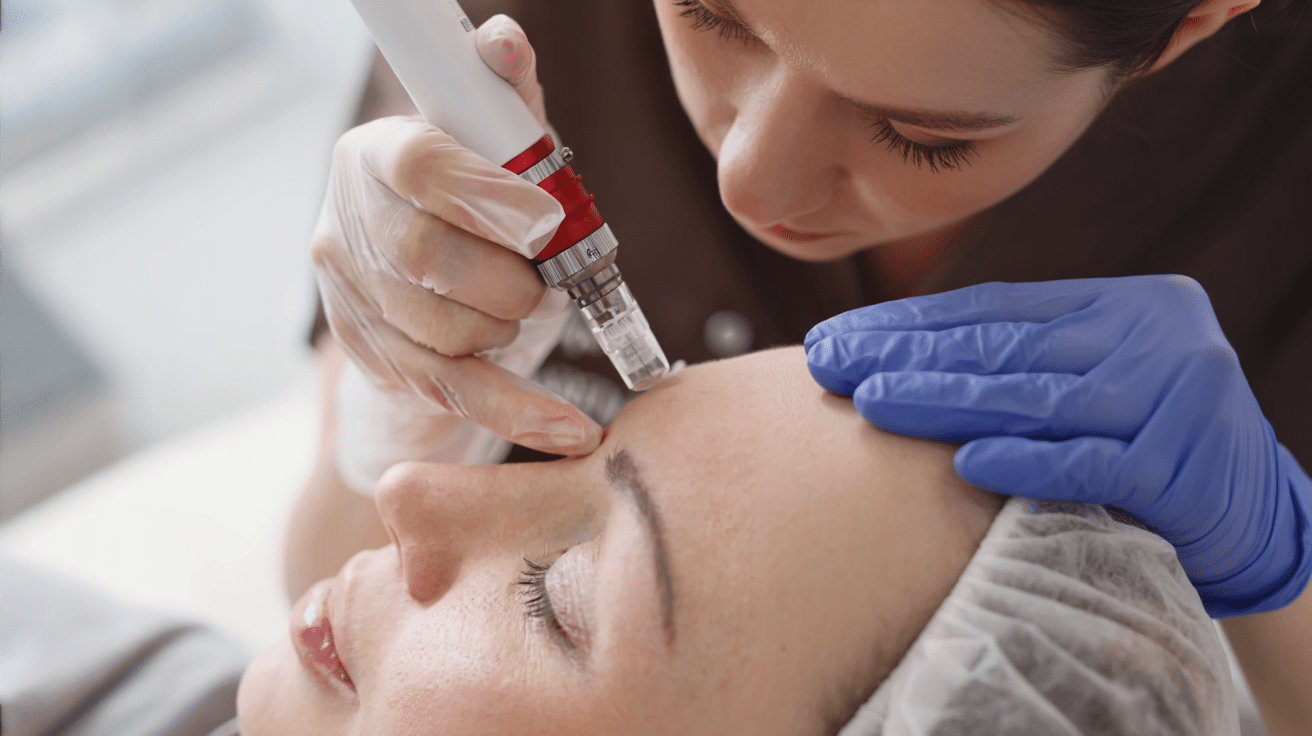
Uses fine needles to create controlled micro-injuries that trigger natural healing. Multiple sessions spaced 4-6 weeks apart gradually improve scar depth and texture over several months. Minimally invasive with shorter downtime.
2. Laser Resurfacing
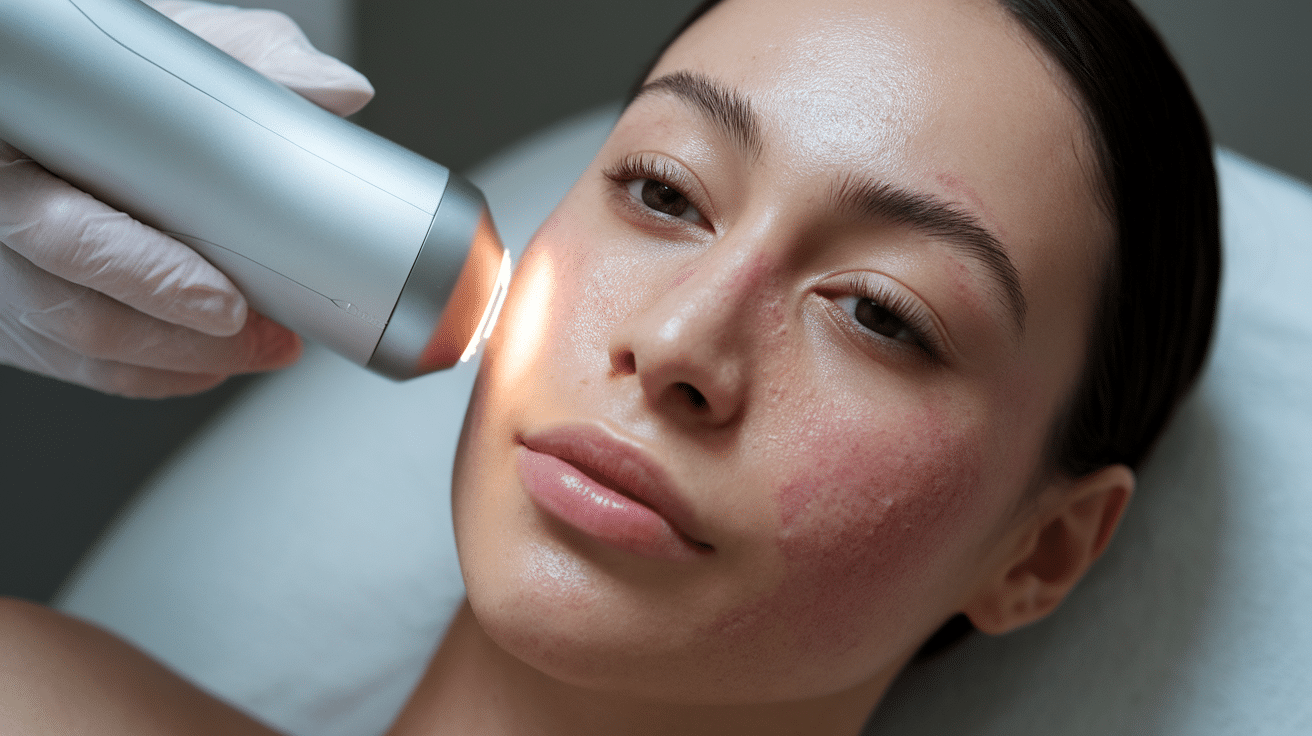
Uses concentrated light energy to remove damaged skin layers and stimulate remodeling. Ablative lasers (CO2, Erbium) provide dramatic results but require longer recovery, while non-ablative lasers work deeper with less downtime. Results improve progressively over 3-6 months.
3. Chemical Resurfacing Peels (TCA)
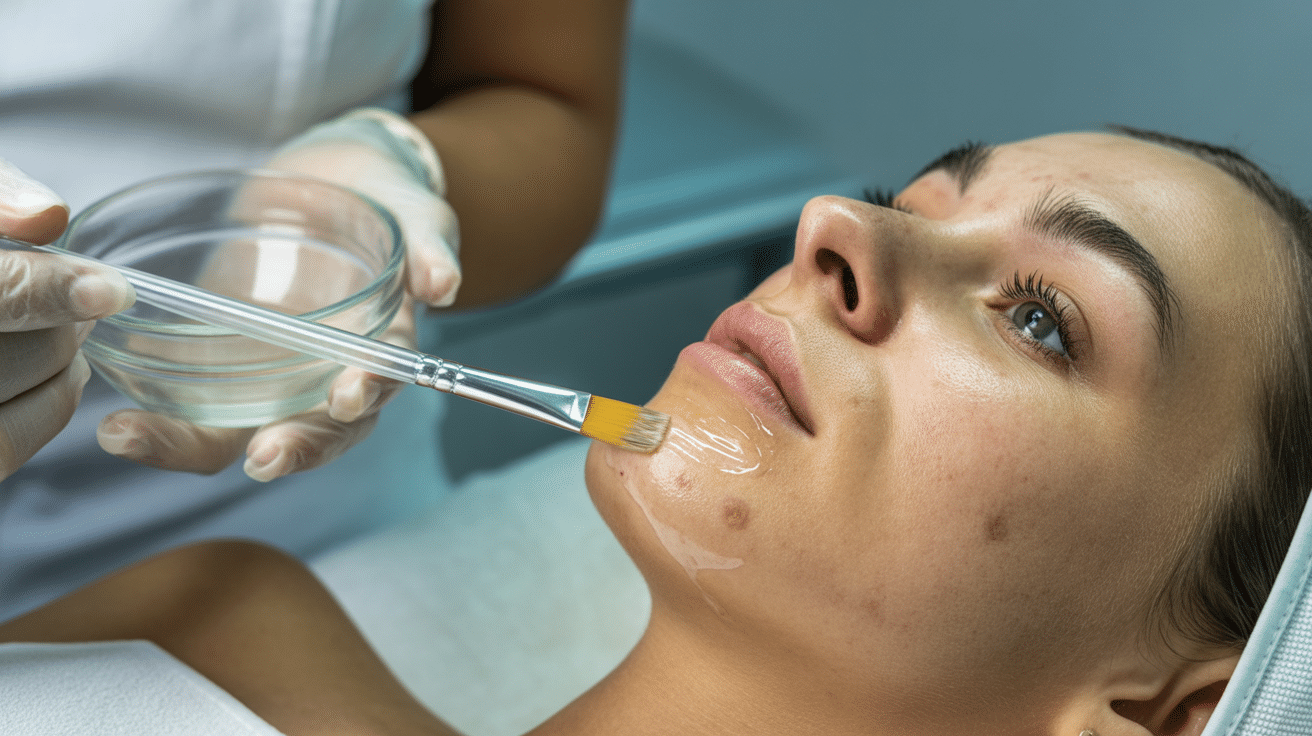
Medical-grade acids penetrate deep into skin to remove damaged layers and trigger regeneration. Depth is customized based on scar severity. Medium to deep peels significantly improve moderate scarring, though darker skin tones require careful management.
4. Subcision

A minor surgical procedure where a needle is inserted beneath scars to break up fibrous bands tethering them down. Releases depressed scars and allows tissue to rebuild. Particularly effective for rolling scars and often combined with other treatments.
5. Dermabrasion
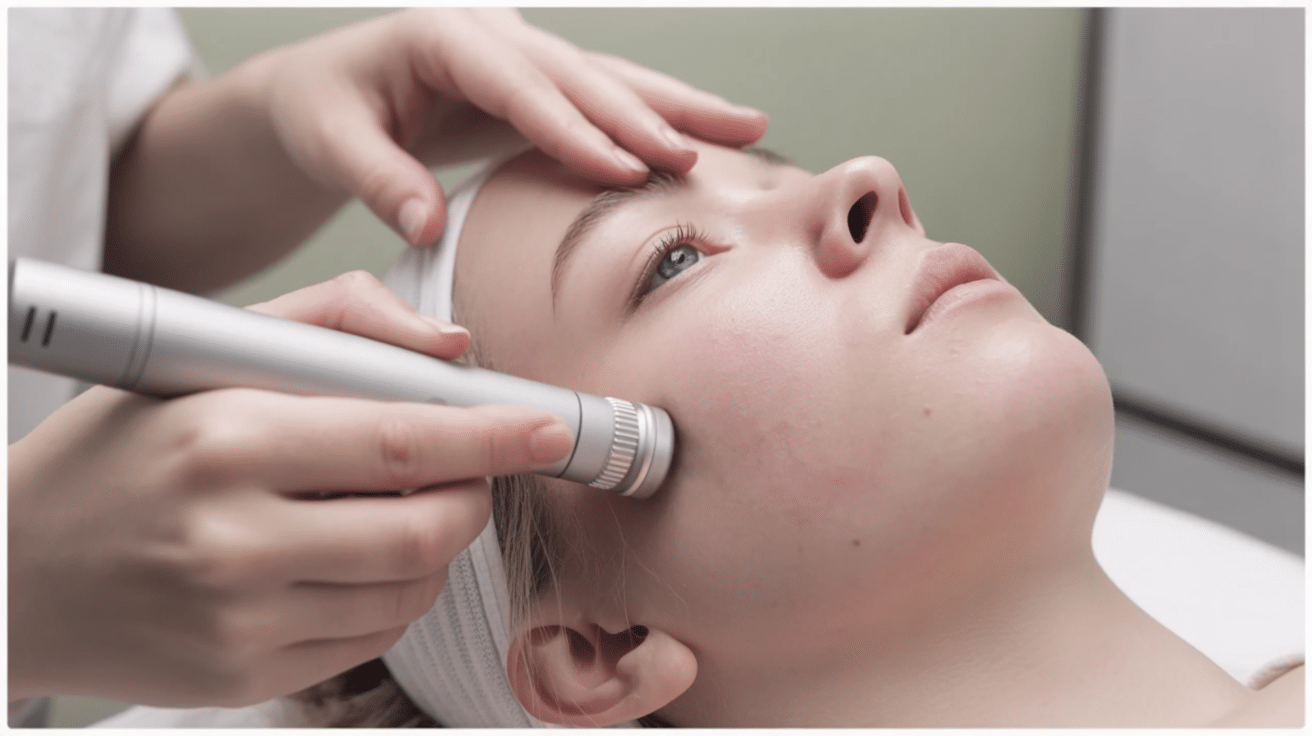
Mechanically sands down top skin layers using a rotating device, smoothing scar edges and stimulating new growth. Provides controlled, precise resurfacing but requires significant downtime. Best suited for lighter skin tones to minimize pigmentation risks.
6. Injectable Fillers
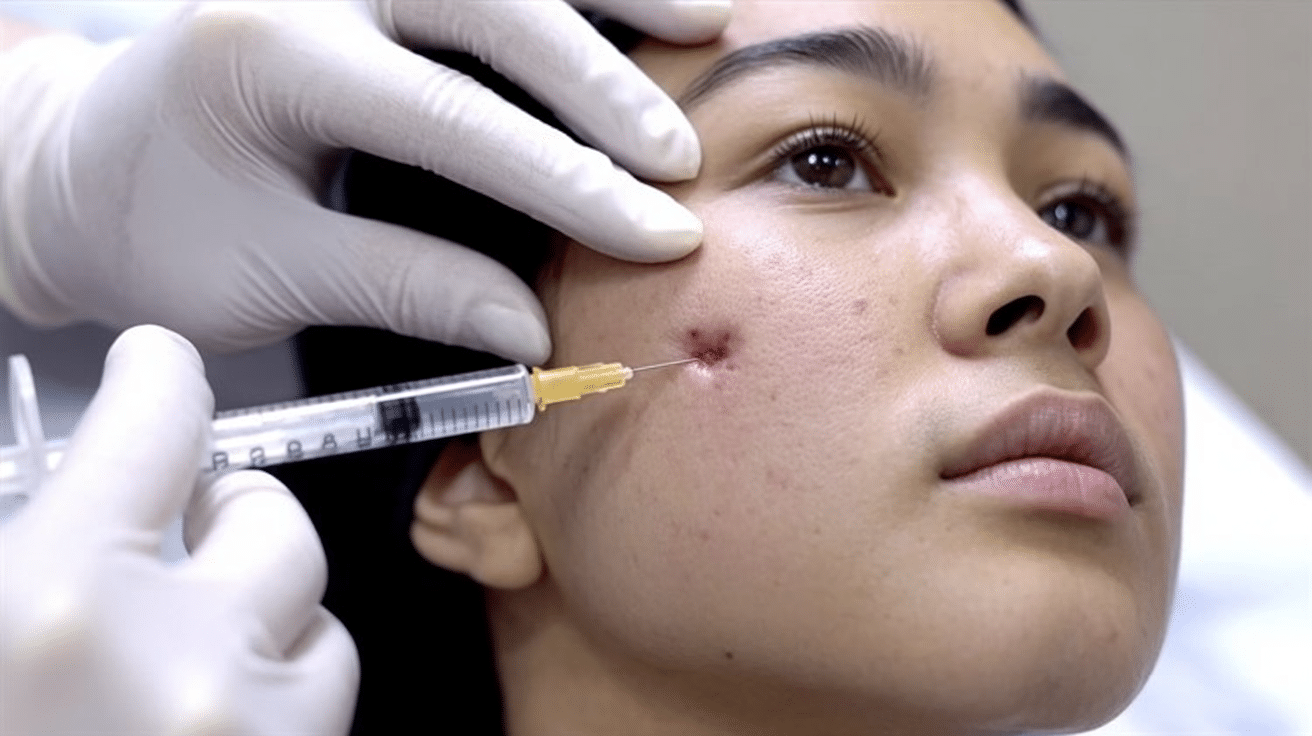
Hyaluronic acid or dermal fillers are injected beneath atrophic scars to temporarily lift them to skin level. Results last 6-18 months. Works best for shallow, rolling scars but not suitable for ice pick or boxcar scars. Considered a temporary solution.
Do Acne Scars Fade Over Time?
Acne scars do not fade naturally the way acne marks do. While very mild, superficial texture changes may show minimal improvement over years, deep scars, including ice pick, boxcar, and rolling types, remain permanent.
They involve structural damage to the dermis that the body cannot spontaneously repair. The destroyed tissue and lost architecture cannot regenerate on their own, regardless of time passed.
Some scars may appear slightly less prominent as surrounding skin ages, but the actual textural defect remains unchanged.
Without professional interventions like microneedling, laser therapy, or subcision to stimulate controlled remodeling, these scars remain visible indefinitely, making early treatment essential for meaningful improvement.
Treatment Options for Acne Marks
Acne marks respond well to both at-home and professional treatments that target pigmentation, with consistent use showing visible improvement within months.
| Treatment Type | Options | Purpose |
|---|---|---|
| At-Home Treatments | Sunscreen (SPF 30+) | Prevents darkening and is essential for all mark treatments |
| Gentle exfoliation (AHAs, BHAs) | Speeds up cell turnover to fade discoloration faster | |
| Brightening ingredients (Vitamin C, niacinamide, azelaic acid) | Inhibits melanin production and lightens existing marks | |
| Professional Treatments | Chemical peels | Medical-grade acids remove pigmented layers for faster fading |
| Laser treatments | Targets pigmentation at deeper levels for stubborn marks |
Consistent at-home care combined with occasional professional treatments provides the most effective approach for fading acne marks.
How Long Does It Take for Acne Marks to Fade?
Acne marks typically fade within 3-18 months, depending on several factors. Light marks on fair skin may disappear in 3-6 months, while darker marks on melanin-rich skin can persist for 12-18 months or longer.
Fading time depends on mark severity, skin tone, sun protection habits, and treatment consistency. Marks exposed to UV rays without sunscreen will take significantly longer to fade, sometimes double the time.
Using targeted treatments like vitamin C, niacinamide, or retinoids can accelerate the process, while untreated marks rely solely on natural cell turnover, which is much slower. Patience and consistent care are essential for optimal results.
How to Prevent Acne Marks and Acne Scars
Prevention is more effective than correction. These habits protect your skin from developing marks and scars in the first place.
- Address breakouts immediately: Use benzoyl peroxide or salicylic acid at the first sign of acne to minimize inflammation and prevent deeper damage
- Keep hands off your face: Resist touching, squeezing, or manipulating blemishes as this increases scarring risk dramatically
- Choose non-comedogenic products: Use only oil-free skincare and makeup to prevent clogged pores that trigger new breakouts
- Maintain daily protection: Cleanse twice with mild cleanser, apply lightweight moisturizer, and wear SPF 30+ sunscreen to support healing
- Support overall skin health: Get 7-9 hours of sleep, manage stress levels, stay hydrated, and eat foods rich in vitamins A, C, E, and zinc
Consistent prevention protects your skin far more effectively than attempting to reverse damage after it occurs.
Final Thoughts
Understanding acne marks vs acne scars helps you make better choices for your skin. Once you know whether you are seeing surface color changes or deeper texture damage, everything feels less confusing.
I hope this guide helped you feel more clear and confident about what you are dealing with. Acne marks often fade with time and steady care, while acne scars usually need professional treatment. Knowing that difference saves you time, money, and frustration.
If you want more help, I have other blogs that go deeper into fading dark spots, choosing treatments, and building a routine that supports healing skin. Take a moment to check those guides next and keep learning what works best for you.