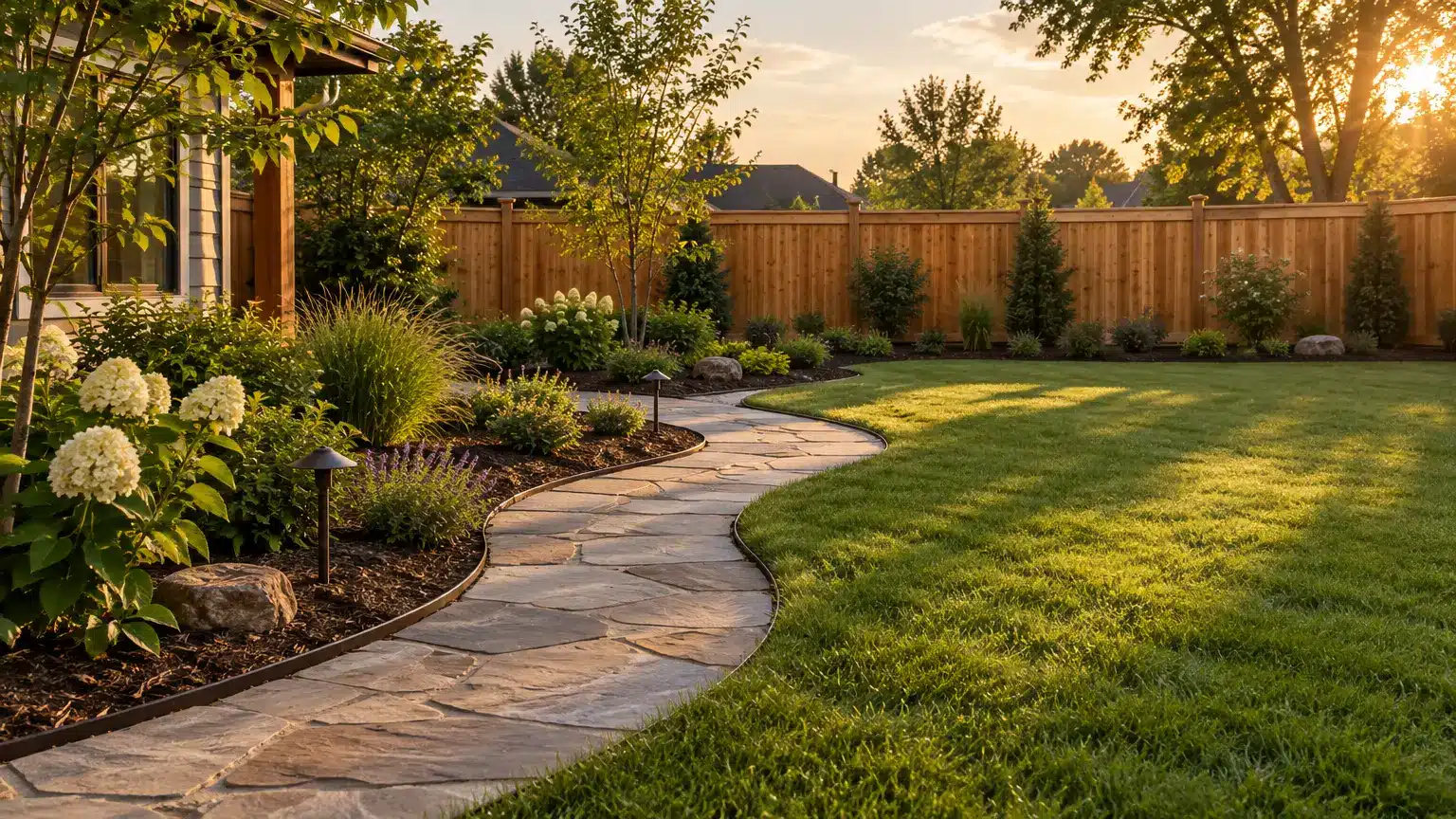
A well-planned garden can improve a property’s appearance, make outdoor areas more useful, and reduce long-term maintenance. The best upgrades do not always require a complete renovation. Small changes to drainage, planting layouts, fencing, and pathways can make a noticeable difference when they address the property’s actual needs.
Before buying plants or materials, assess how the yard functions throughout the year. Consider sunlight, soil conditions, water movement, privacy, and the amount of time available for upkeep. These factors help determine which improvements will deliver lasting value.
Assess the Yard Before Making Changes
Start with a simple site assessment. Observe the garden at different times of day to identify sunny areas, persistent shade, and spots exposed to strong winds. Check where rainwater collects and whether runoff moves toward the house, driveway, or neighboring properties.
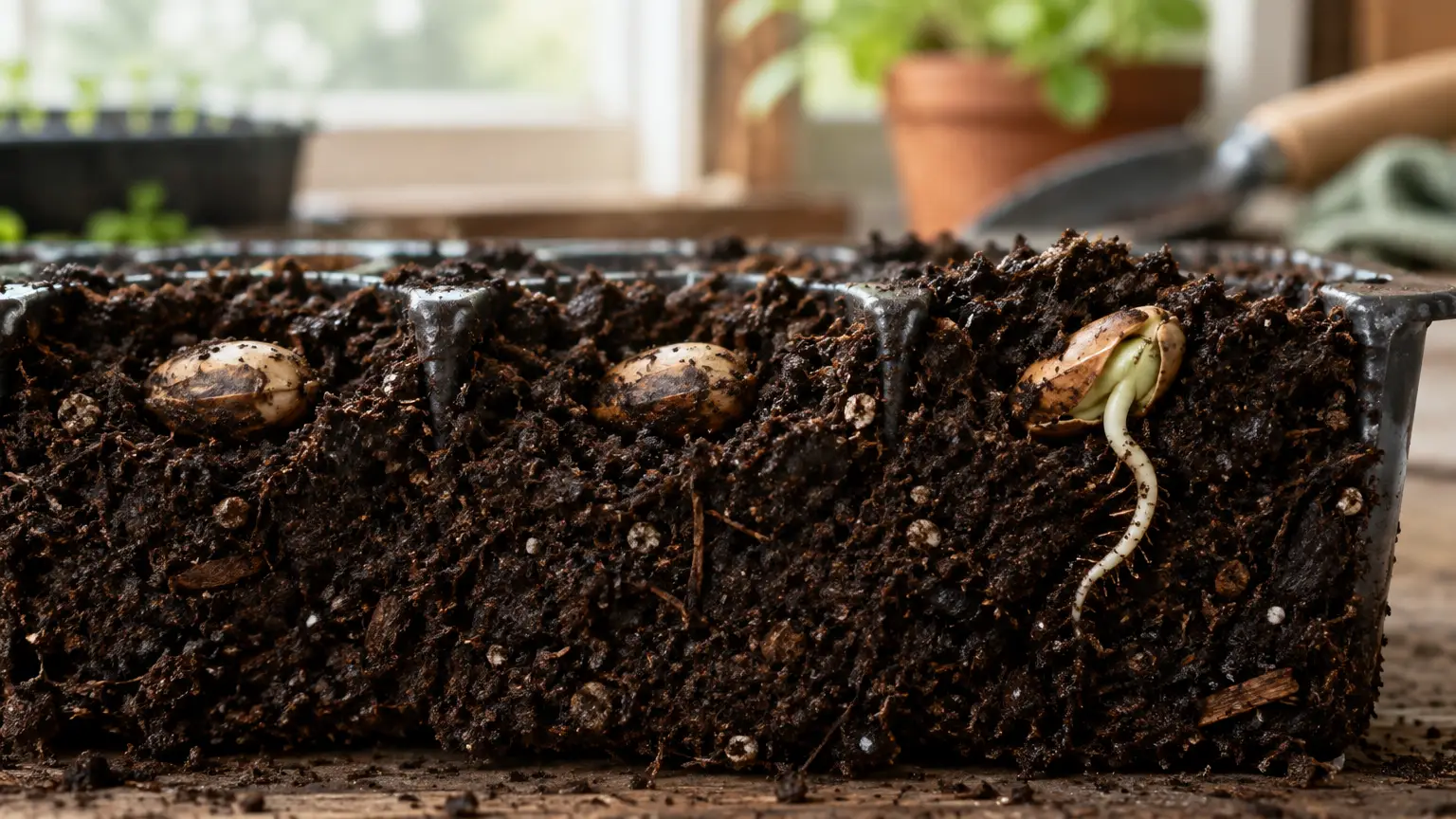
Soil conditions also influence the success of a garden project. Sandy soil drains quickly but may require more frequent watering. Clay soil retains moisture but can become compacted and drain slowly. Adding suitable organic matter can improve soil structure, although the right approach depends on the existing soil and the plants you intend to grow.
Measure the main areas before planning new features. Record the dimensions of lawns, planting beds, patios, and existing paths. A basic sketch helps you estimate material quantities and avoid overcrowding the space.
Improve Privacy and Define Outdoor Spaces
Fencing can give a garden a clearer structure. It establishes boundaries, separates functional areas, and can provide privacy from nearby properties. The appropriate design depends on the property’s layout, local regulations, maintenance requirements, and the amount of airflow or visibility needed.
For example, a solid fence may provide privacy around a patio, while a more open design can preserve light and visibility around a smaller garden. Before installation, confirm property boundaries and check for underground utilities. Drainage patterns should also be considered so the fence does not obstruct natural water movement.
Property owners planning a fencing project can explore Fence Pro Jax for fencing options and project ideas. Compare materials, installation requirements, expected service life, and maintenance needs before choosing a design. Timber may need periodic sealing or staining, while metal and vinyl products have different cleaning and repair requirements.
Upgrade Paths, Edging, and Drainage
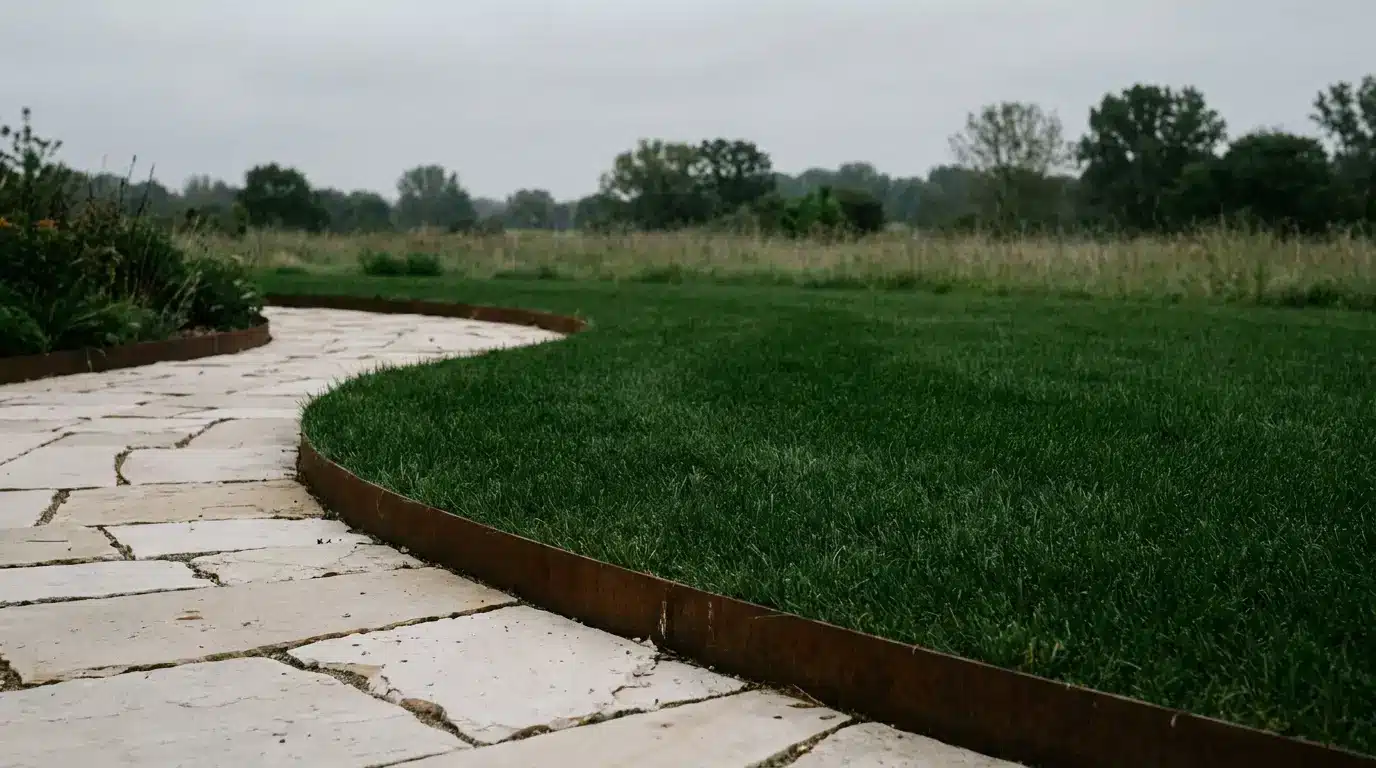
Paths make gardens easier to navigate and protect planting beds from repeated foot traffic. Choose surfaces that suit the intended use. Gravel can work well for informal paths, while paving stones provide a more stable surface for frequently used routes. Whatever material you select, prepare the base properly to reduce settling and uneven sections.
Edging separates lawns from planting beds and helps maintain clean boundaries. Options include stone, metal, brick, and durable plastic. Install edging at a height that suits mowing and maintenance needs, and avoid creating trip hazards along walking routes.
Drainage deserves particular attention before adding new hard surfaces. Poorly designed paving can direct water toward buildings or create standing water near plant roots. Maintain appropriate slopes and use permeable materials where suitable. For larger drainage problems, consult a qualified professional rather than relying on surface-level fixes.
Add Functional Details and Yard Signage
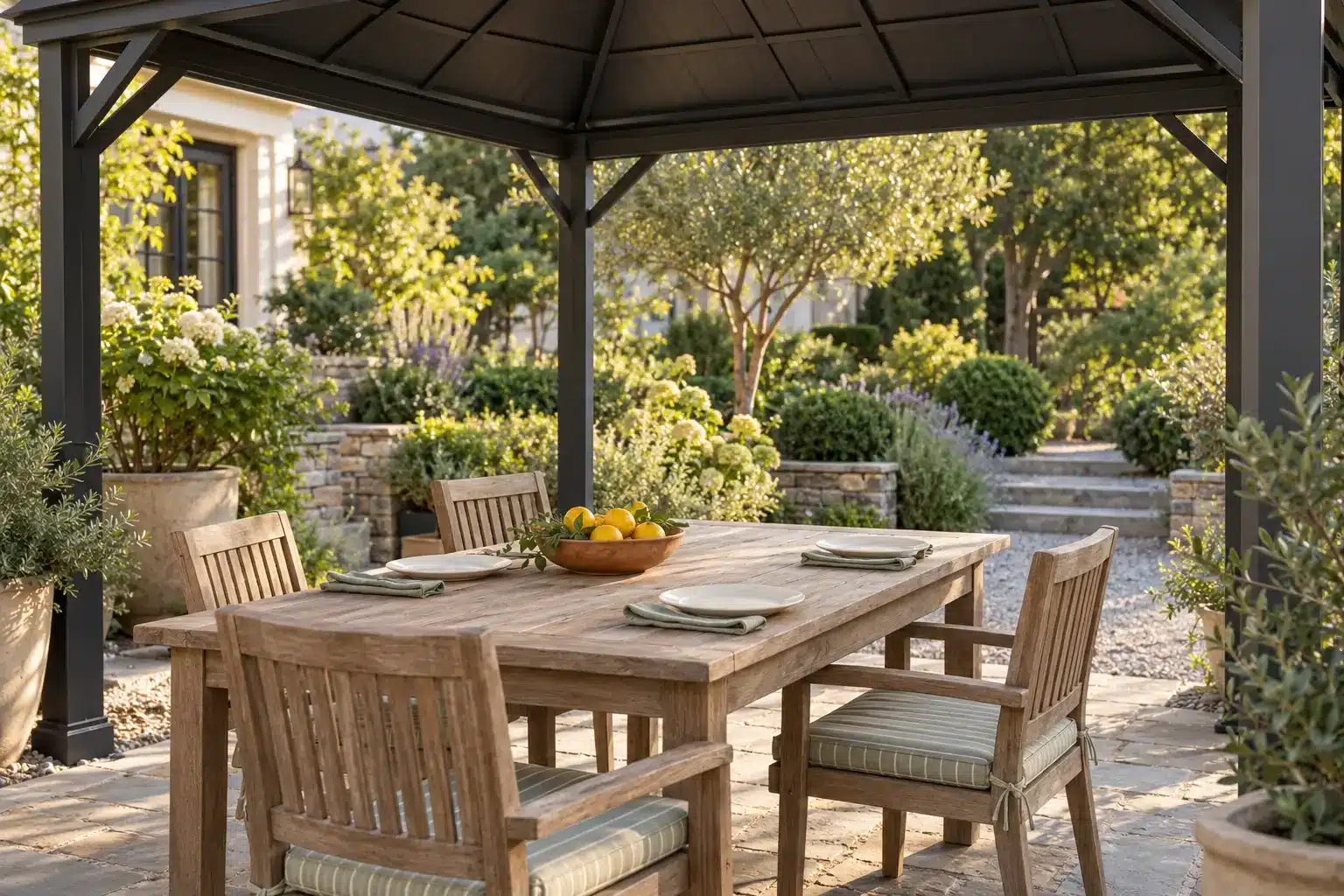
Outdoor spaces can serve more than one purpose. A garden might include a seating area, a small vegetable patch, a play space, or a designated location for storing tools. Define these zones according to how the household uses the yard. Keep frequently used areas accessible and place storage close to the activities it supports.
Signage can also serve a practical role. During landscaping work, a sign may identify a project area, communicate temporary instructions, or mark a garden event. Homeowners organizing neighborhood activities or property-related projects can consider custom yard signs for clear, visible messaging. Choose wording that can be read quickly, use contrasting colors, and position signs where they do not obstruct pathways or drivers’ sightlines.
Keep decorative features proportionate to the space. Too many ornaments, containers, or signs can make a small yard feel crowded. Select a few useful accents that complement the garden’s overall design.
Choose Water-Efficient Maintenance Methods
Water management affects plant health, utility costs, and the amount of time required for maintenance. Water deeply when appropriate for the plant species and soil conditions, rather than applying frequent, shallow amounts by default. Watering early in the day can reduce evaporation and allow foliage to dry.
Drip irrigation or soaker hoses can deliver water close to plant roots. These systems are particularly useful in established beds, although they still require regular checks for leaks, blockages, and uneven delivery. Adjust watering schedules during periods of rainfall or cooler weather.
The US Environmental Protection Agency’s WaterSense program provides guidance on water efficiency and responsible outdoor water use. Its resources can help property owners make informed decisions about irrigation and water conservation.
Other maintenance measures include removing weeds before they spread, cleaning gutters near garden beds, pruning damaged growth, and inspecting fences and paths for deterioration. A short monthly inspection can identify small problems before they become expensive repairs.
Plan Improvements in Stages
A staged approach makes outdoor upgrades easier to budget and manage. Begin with problems that affect safety or the condition of the property, such as poor drainage, unstable paths, or damaged fencing. Next, address soil preparation, planting, and irrigation. Decorative details can follow once the basic layout works well.
Prepare a budget that includes materials, delivery, tools, installation, and future maintenance. Keep a contingency for unexpected work, especially when digging or replacing old structures. Check local requirements before building fences, installing permanent structures, or changing drainage patterns.
A garden does not need to be finished all at once. Focus on improvements that solve real problems and suit the space. With careful planning, suitable materials, and consistent maintenance, even modest upgrades can create a yard that is attractive, practical, and easier to manage.