Keeping a garden tidy shouldn’t feel like a constant redo. Mulch fades fast, shifts around, and needs more upkeep than most of us want to deal with.
That’s why I pulled together a simple guide with practical alternatives to mulch that keep beds looking neat without the endless work.
Here, you’ll find natural options, long-lasting materials, and ideas that fit different spots in your yard. Each one helps manage weeds, hold moisture, and support your plants in a straightforward way.
By the end, you’ll have a clear sense of what suits your garden and the kind of maintenance you actually want to handle.
What Mulch Does (and Why It Matters)
Mulch supports your garden in several important ways:
- Keeps weeds from growing by blocking sunlight
- Helps soil stay cool and moist
- Shields roots from heat and cold
- Enriches soil as organic layers break down
But despite these benefits, many homeowners look for alternatives because bark mulch fades quickly, attracts pests, adds yearly costs, and can get messy around patios and walkways.
Some people simply want a cleaner, longer-lasting option that fits their landscape better.
How to Choose the Right Mulch Alternative
I’ve found that choosing the right mulch substitute is much easier when you pay attention to how your yard behaves through the seasons.
Look at the light, the soil, the traffic patterns, and how much upkeep you actually want to deal with. These small details help you spot what truly fits your space.
- Climate: Rock handles hot sun well, while organic materials suit shady or damp spots.
- Plants: Veggies and perennials respond best to organic layers; stone is better for drought-tolerant shrubs.
- Safety: Smooth gravel works in busy areas; sharp stone isn’t great near play spots.
- Budget: Organic options cost less upfront but don’t last as long; rock stays in place for years.
Once you look at everything together, the right choice usually stands out. It becomes easier to pick materials that work with your garden instead of fighting against it, keeping your beds neat with far less fuss.
Organic Mulch Alternatives to Use in Your Garden
I like using natural materials because they keep the soil healthy without adding extra work. These options help manage weeds and moisture in a simple, steady way that suits most gardens.
1. Shredded Leaves

Shredded leaves create a soft layer that keeps soil moist and improves structure as they break down.
They work well in shady beds where wind won’t shift them easily. Their slow decomposition adds long-term nutrients that support healthy plant growth.
Best Use: Shade gardens, woodland borders
Tips: Shred leaves to prevent clumping
Maintenance Level: Add a fresh layer yearly
2. Grass Clippings
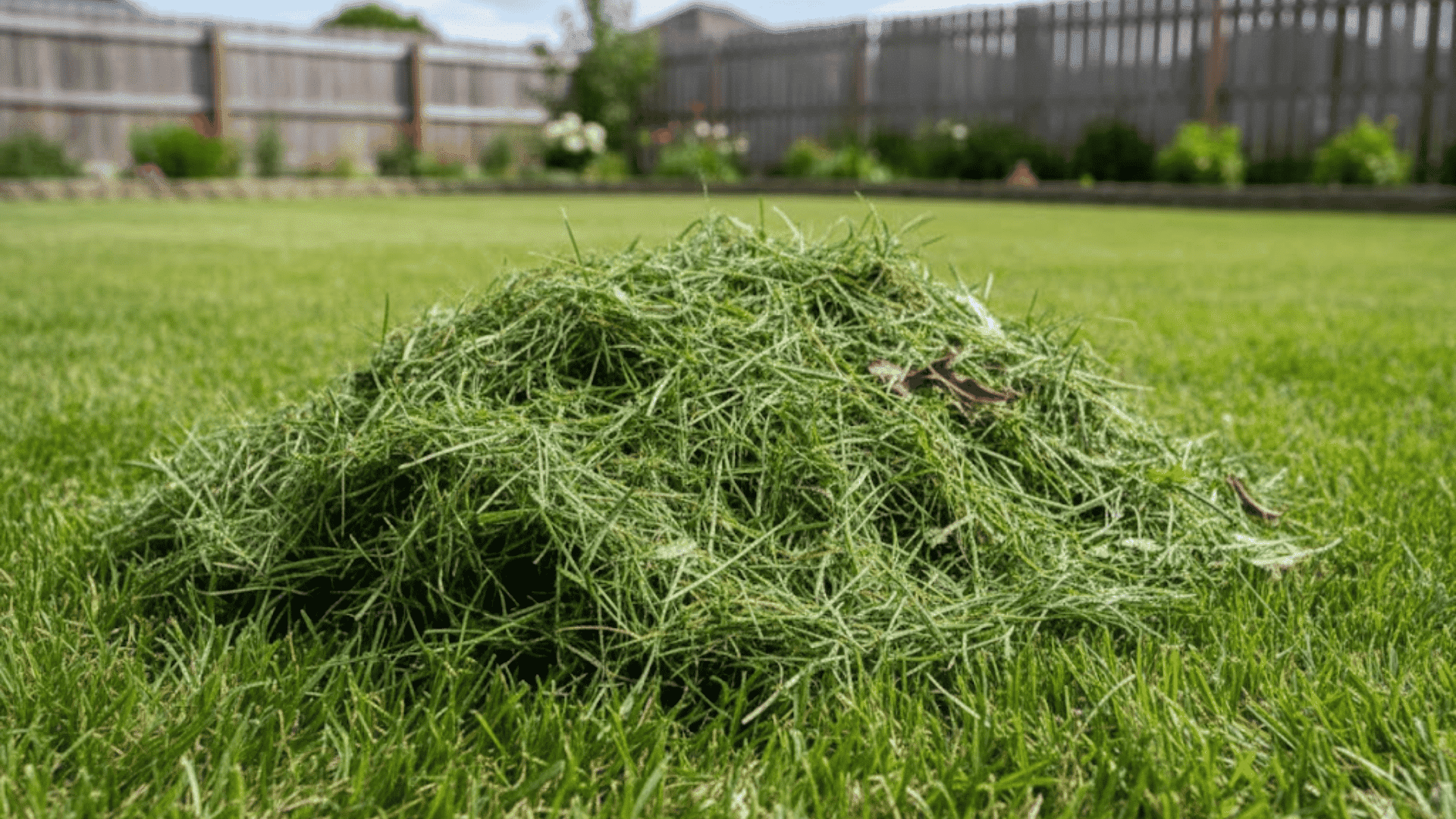
Grass clippings break down quickly and enrich the soil, especially in vegetable gardens. They help hold moisture and keep weeds down when applied in thin layers.
Their fast composting cycle makes them ideal for gardens that need quick nutrient boosts.
Best Use: Vegetable beds and berry rows
Tips: Let clippings dry slightly before spreading
Maintenance Level: Reapply every 1–2 weeks
3. Straw
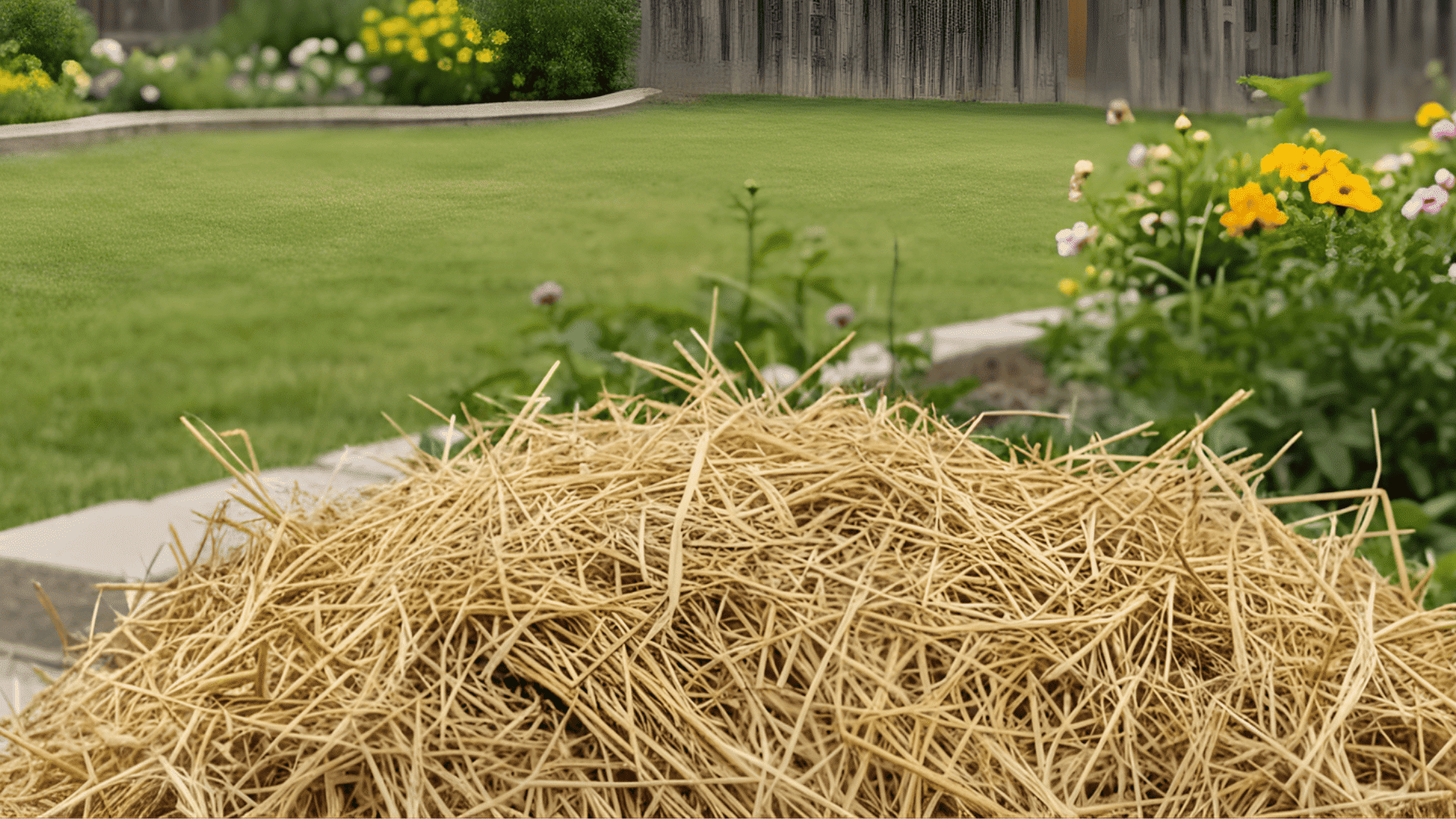
Straw insulates soil, reduces weeds, and stays clean and lightweight, even after rain.
It works especially well in raised beds and between rows in vegetable gardens. Its airy texture keeps soil cool while still allowing water to reach plant roots.
Best Use: Veggie gardens, raised beds
Tips: Choose straw instead of hay to avoid weed seeds
Maintenance Level: Refresh each season
4. Pine Needles
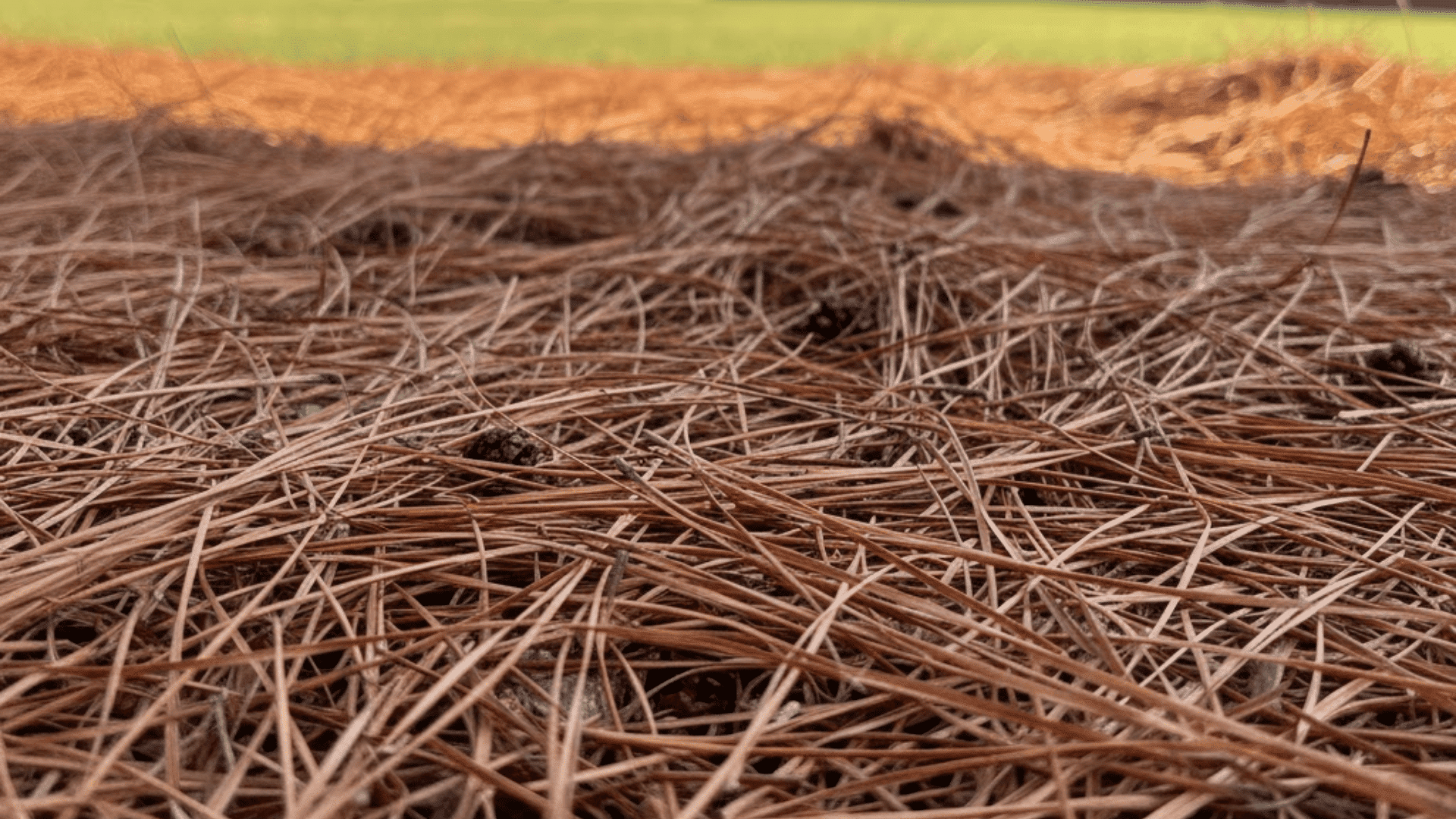
Pine needles interlock naturally, staying put on slopes or in windy areas. They break down slowly and are ideal for acid-loving plants.
Their loose, airy texture protects soil while allowing water to flow through easily.
Best Use: Hydrangeas, blueberries, azaleas
Tips: Lightly fluff older layers to avoid compaction
Maintenance Level: Add a thin layer yearly
5. Compost
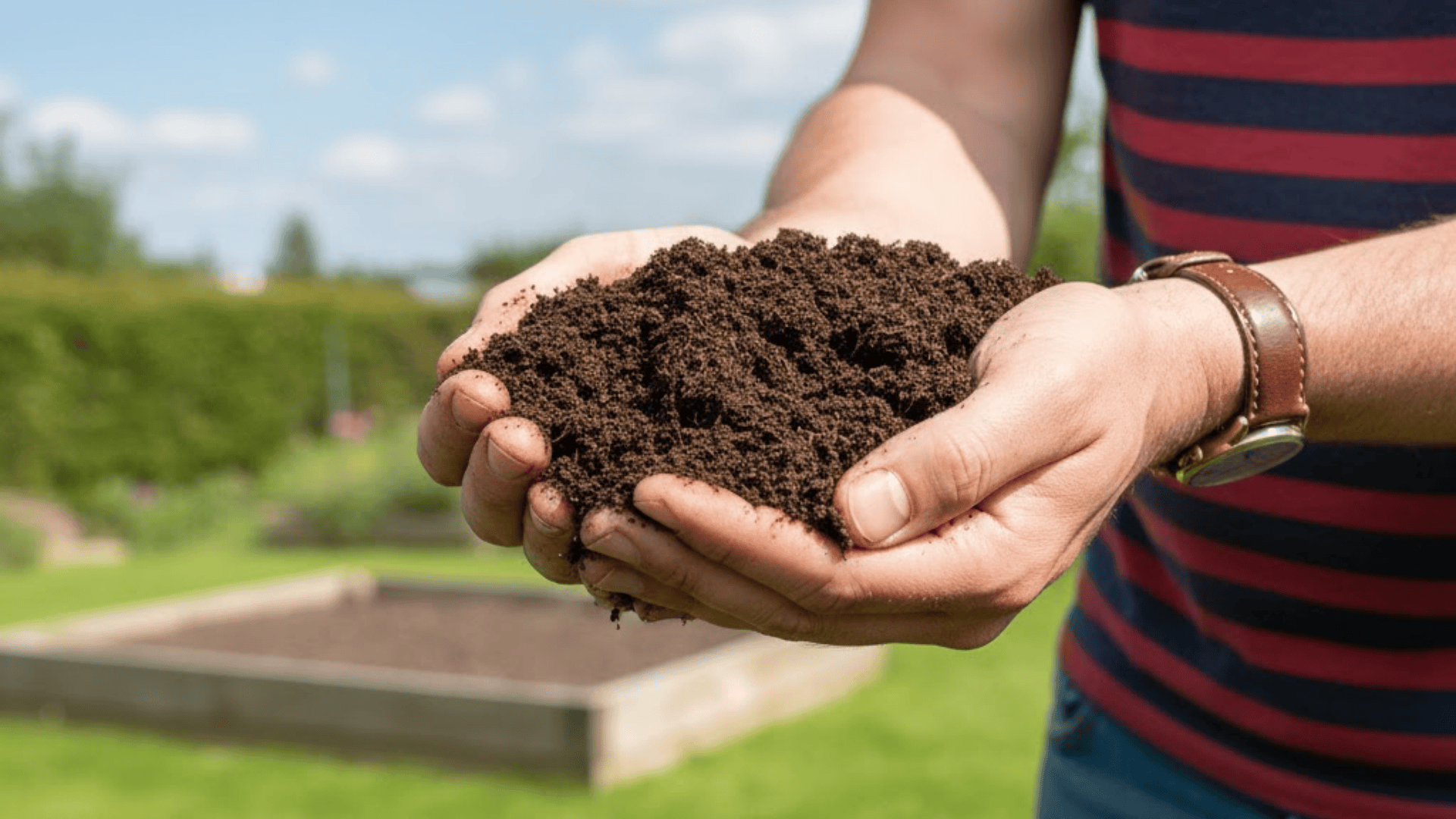
Compost enriches the soil while acting as mulch, helping plants grow stronger and healthier.
A thin layer improves moisture retention and supports beneficial microbes. It creates a clean surface that’s easy to maintain in flower beds and vegetable gardens.
Best Use: Flowers, herbs, perennials, vegetables
Tips: Use fully finished compost only
Maintenance Level: Refresh twice a year
6. Cardboard or Newspaper (Sheet Mulching)
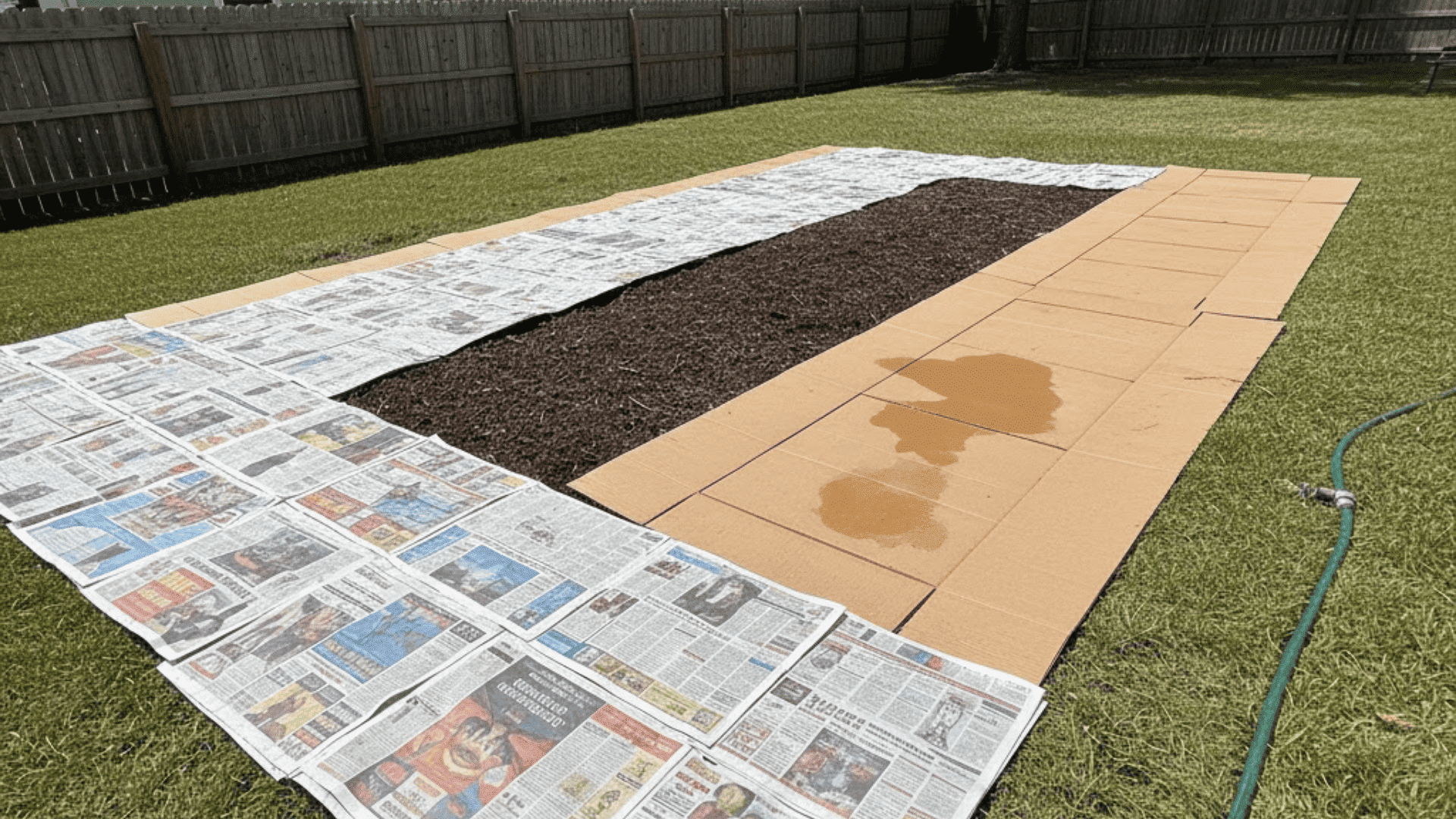
Sheet mulching blocks existing weeds and creates a clean base for new gardening areas.
Layers slowly break down, improving the soil underneath. It’s especially useful when converting grass into planting beds or reclaiming neglected areas.
Best Use: Starting new beds, killing grass
Tips: Wet layers thoroughly for better breakdown
Maintenance Level: Add compost or soil on top yearly
Living Mulch Alternatives (Groundcovers)
I like using groundcovers when I want something that stays put and works on its own. These plant-based options reduce weeds and protect the soil while filling open spaces in a natural, steady way.
7. Creeping Thyme
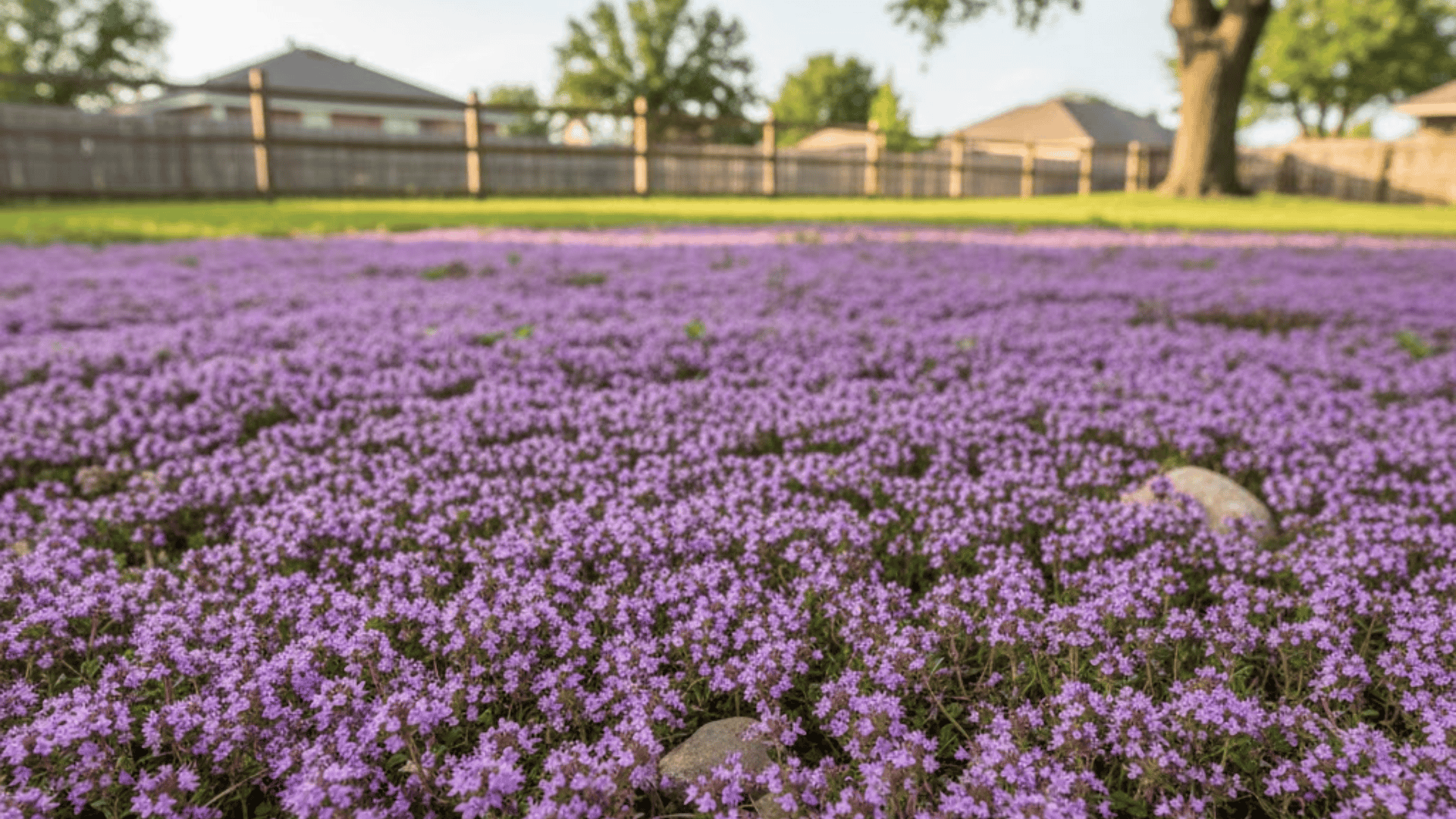
Creeping thyme spreads into a dense, low-growing carpet that blocks weeds and thrives in full sun.
It’s drought-tolerant, soft underfoot, and attracts pollinators, making it both decorative and functional in garden paths or borders.
Best Use: Pathways, sunny borders
Tips: Choose groundcover thyme varieties for the best spread
Maintenance Level: Trim lightly once a year
8. White Clover
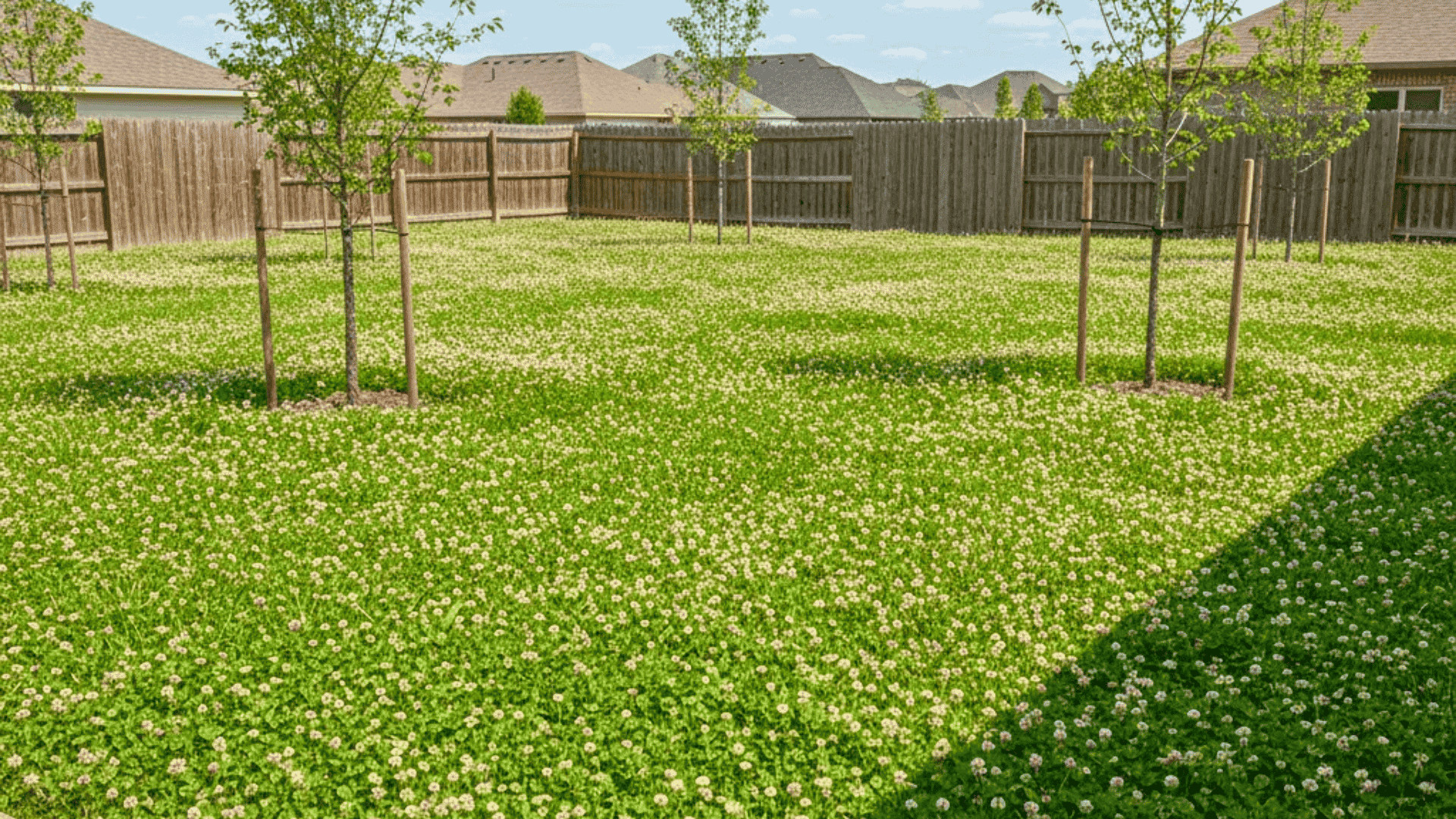
White clover forms a soft, even cover that fixes nitrogen in the soil and reduces watering needs. It stays green through most seasons and fills gaps quickly, creating a natural mulch effect.
Best Use: Around fruit trees, lawn edges
Tips: Mow lightly to maintain an even height
Maintenance Level: Very low
Inorganic Mulch Alternatives (Long-Lasting Options)
These durable materials stay in place for years and require minimal upkeep, making them ideal for low-maintenance landscapes.
9. Pea Gravel
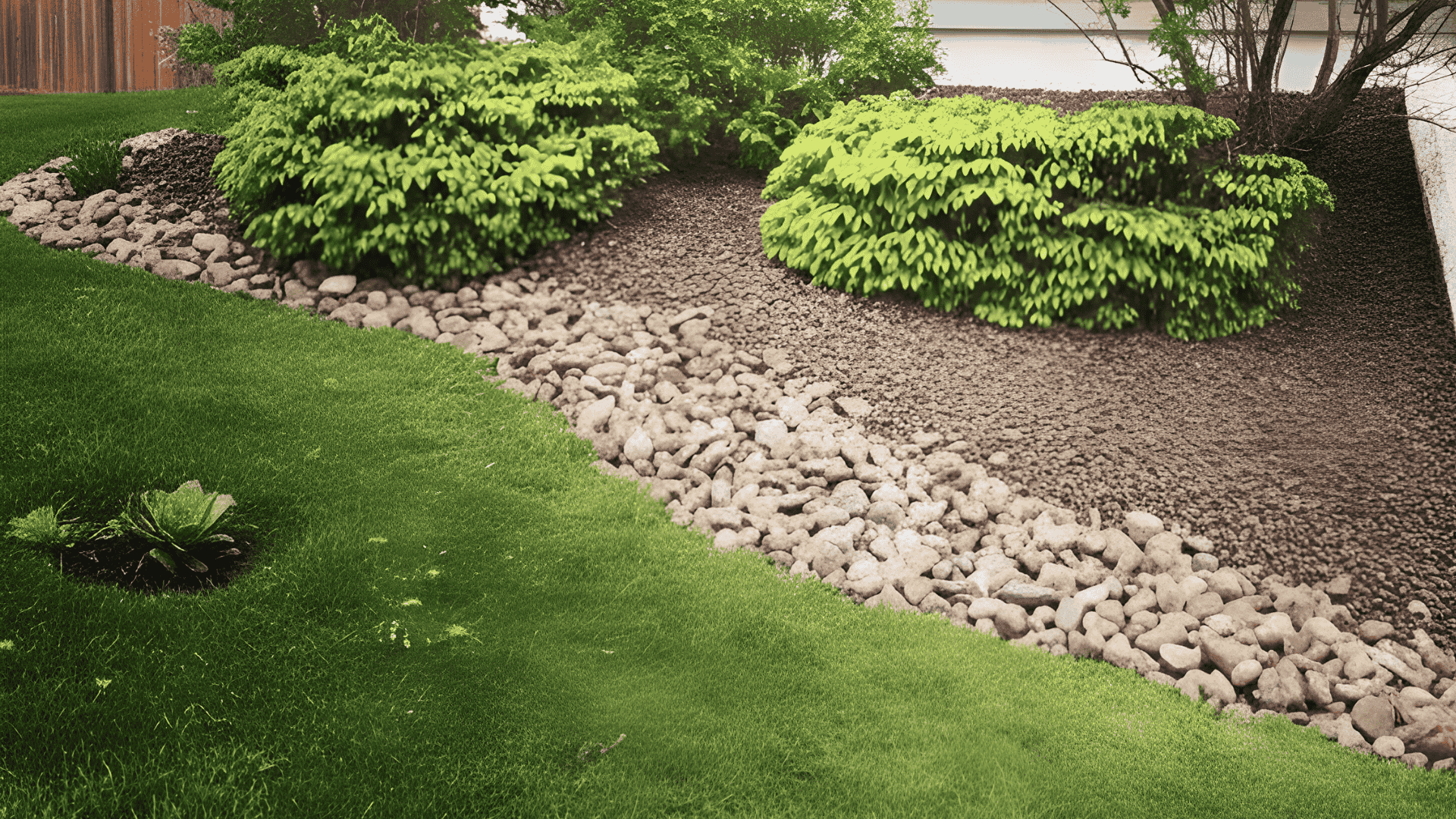
Pea gravel gives beds a clean, modern look while allowing excellent drainage.
It stays put with proper edging and works well around shrubs or in drought-tolerant landscapes. Its long lifespan makes it a reliable mulch replacement.
Best Use: Xeriscapes, around shrubs
Tips: Add edging to prevent gravel from spreading
Maintenance Level: Rake occasionally
10. River Rock
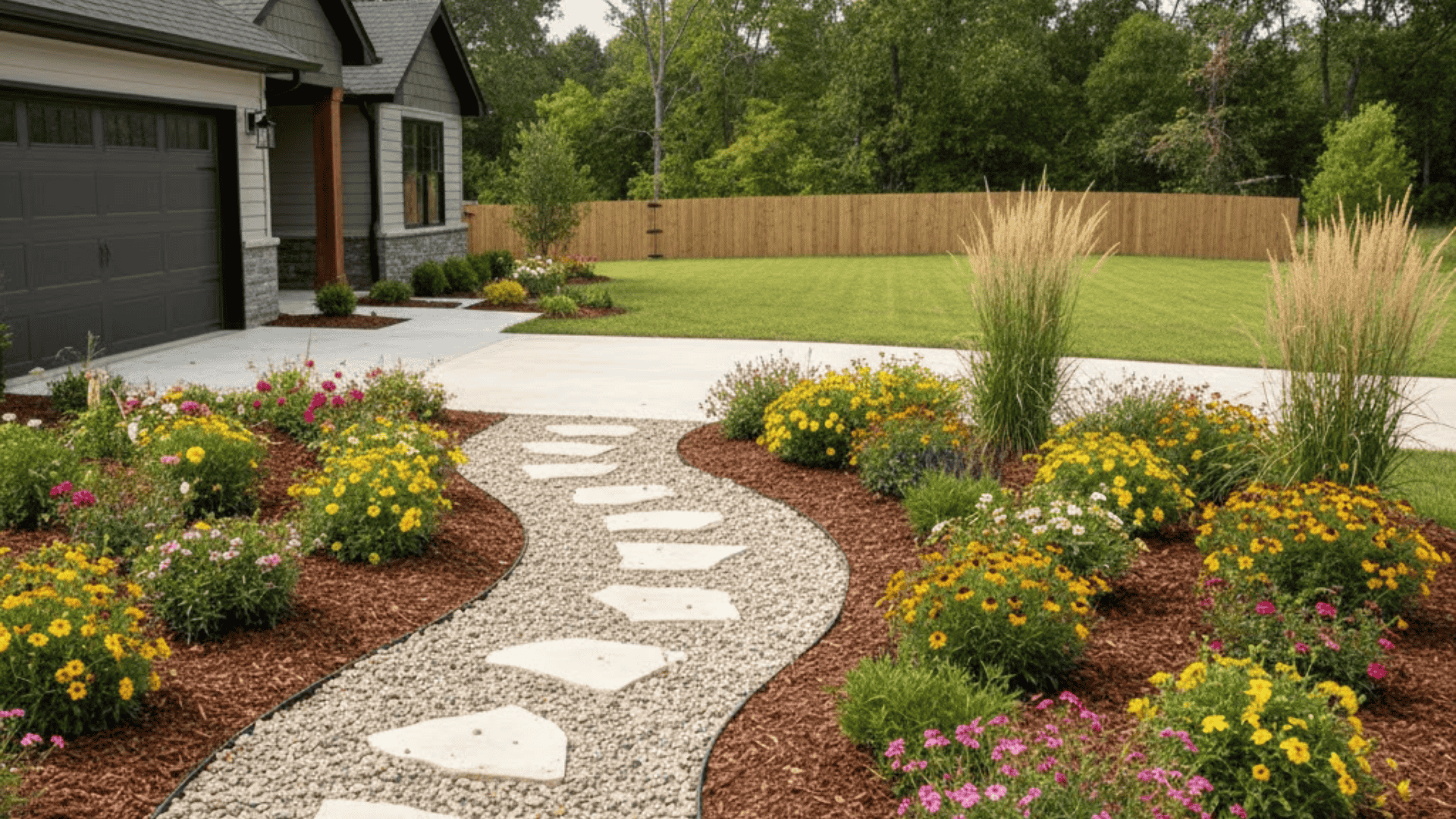
River rock handles heavy rain and stays in place, making it useful for slopes and drainage areas. Its weight helps reduce erosion while creating a structured, low-maintenance landscape.
Best Use: Drainage zones, sunny slopes
Tips: Mix sizes for better stability
Maintenance Level: Very low
11. Crushed Stone or Decomposed Granite
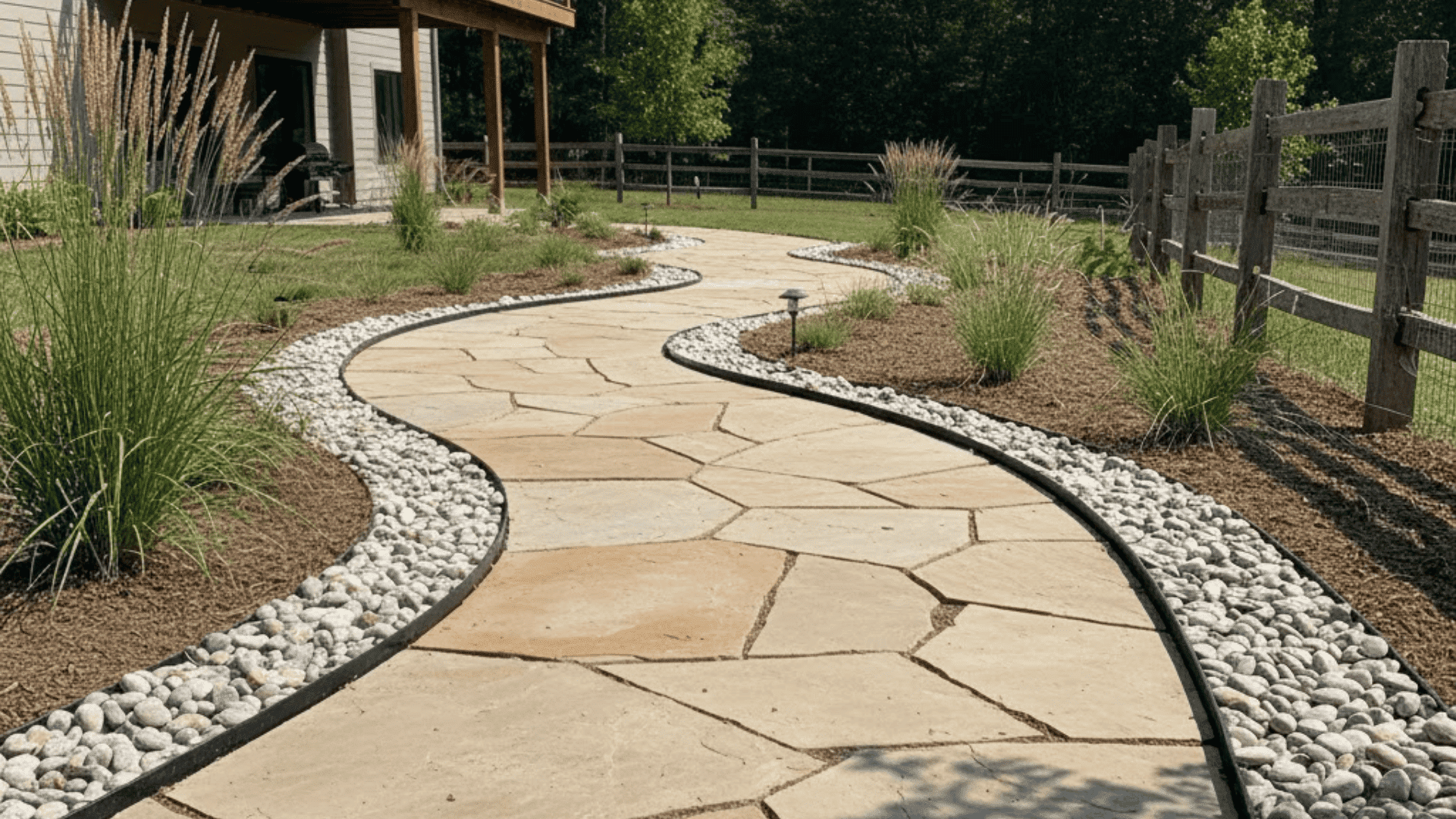
Crushed stone forms a firm, stable layer that works well in paths or dry gardens. It drains quickly and adds texture to beds, staying put with light edging. It’s ideal for long-term, low-maintenance areas.
Best Use: Paths, dry garden borders
Tips: Compact lightly for a smoother surface
Maintenance Level: Occasional raking
12. Rubber Mulch

Rubber mulch lasts for many years without breaking down or compacting. It cushions play areas and controls weeds well, although it absorbs heat in full sun. It works best in areas where durability is important.
Best Use: Play zones, high-traffic spaces
Tips: Avoid planting in very hot areas
Maintenance Level: Extremely low
13. Landscape Fabric with Decorative Rock on Top
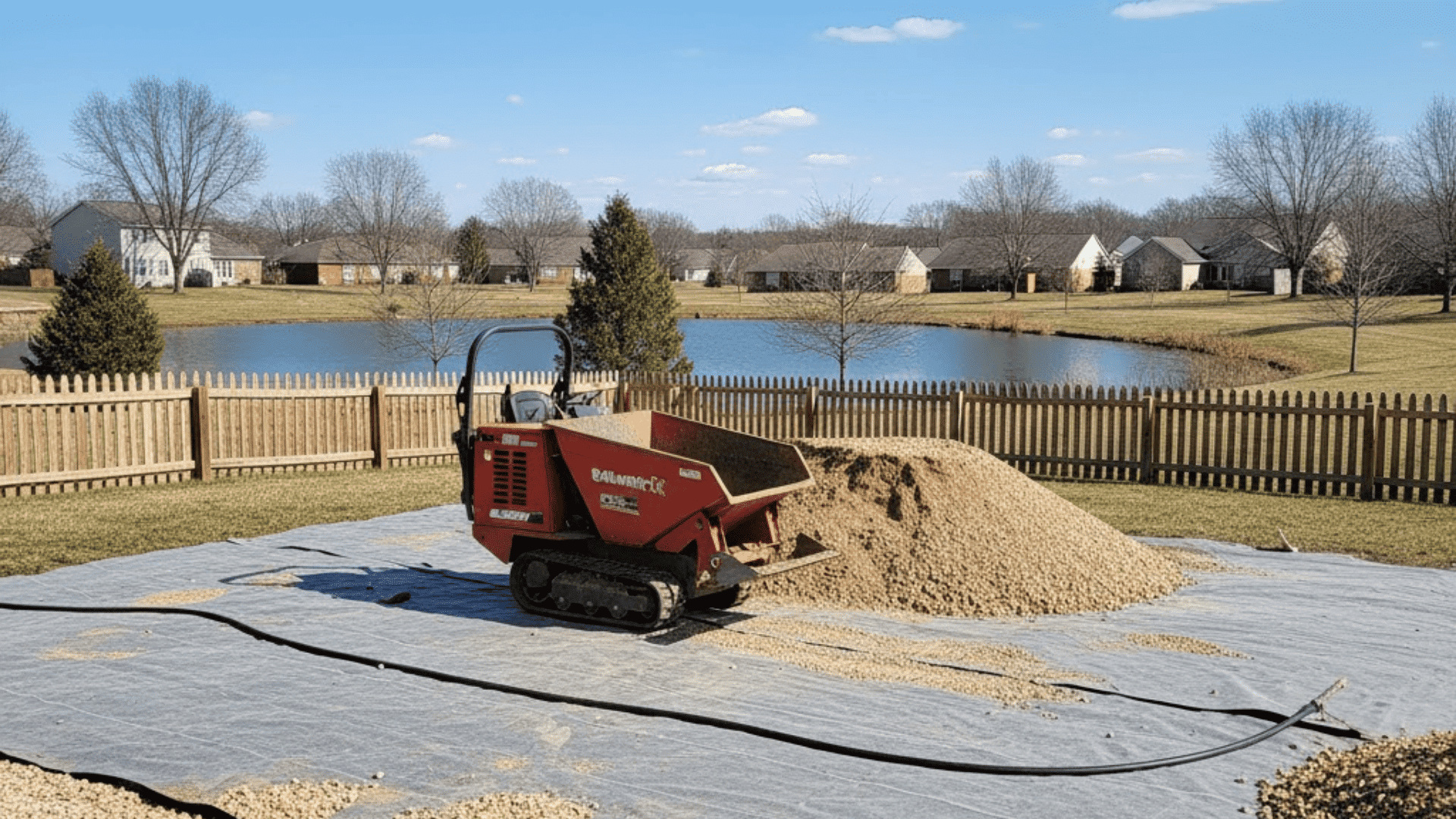
This combo helps control weeds long-term and gives a clean, tidy look to paths or rock gardens. It’s best for areas that don’t need frequent planting or soil preparation.
Best Use: Paths, rock gardens
Tips: Don’t use fabric under active planting beds
Maintenance Level: Very low
Mulch Alternatives for Different Garden Areas
Different parts of your yard have unique needs, so choosing the right material helps each space stay healthy, tidy, and easier to maintain.
| Garden Area | Recommended Alternatives |
|---|---|
| Front Yard Beds | Pea gravel, River rock, Creeping thyme around stepping stones |
| Vegetable Gardens | Straw, Grass clippings, Compost |
| Shady Beds | Shredded leaves, Pine needles |
| Slopes and Windy Areas | River rock, Pine needles, White clover for erosion control |
Choosing materials this way keeps each area working smoothly with less effort. It also helps your garden stay tidy and productive throughout the whole season.
Mistakes to Avoid when Picking a Mulch Alternative
I’ve learned that even the best materials won’t do much if they’re used the wrong way, and it’s usually the simple things that cause trouble.
Keeping an eye on these points makes a big difference in how well your choices perform.
- Piling Material Against Stems or Trunks: This traps moisture, leads to rot, and can attract pests around the base of your plants.
- Using Fabric Everywhere: Landscape fabric blocks airflow and harms soil health when used under active planting beds, so keep it for paths or hardscape areas.
- Choosing Aggressive Groundcovers: Some fast growers can overwhelm nearby plants and require more control than expected.
- Skipping Weed Prep: Mulch alternatives work best on clean soil, so remove existing weeds before laying down any material.
A bit of prep goes a long way and keeps these options working smoothly, so your garden stays tidy without adding extra work later.
Bottom Line
It’s easy to feel stuck with the same materials year after year, but there are plenty of alternatives to mulch that make your garden easier to care for.
I hope this guide gave you a clearer sense of what fits your space and the kind of upkeep you want to handle.
Every yard has its own rhythm, and the right choice should support that. When you use materials that match your soil, light, and layout, your garden stays neat with much less effort.
If you want more ideas to keep your outdoor space simple and manageable, you can look through my other posts for easy tips and inspiration.