A delivery van pulls into a familiar loading area and finds it blocked by a lift. At the front of the building, customers are walking around a temporary fence, trying to work out which entrance is open. Inside, the business is operating normally, but outside, a repair project has changed the way everyone reaches it.
That is the awkward part of exterior construction on an occupied commercial property. Roof work, concrete replacement, and related repairs can all be necessary, yet the building still needs to receive visitors, accept deliveries, and provide safe routes for staff. A schedule that looks efficient for the contractor may be difficult for the people who use the site every day.
Keeping a property accessible does not mean promising that nothing will be interrupted. It means identifying which activities cannot stop, agreeing on temporary arrangements, and giving people reliable information before familiar routes disappear.
Start With the Building’s Daily Traffic, Not the Repair Schedule
Two commercial buildings of similar size can have completely different access needs. A small office may receive most visitors between nine and five. A medical clinic might need a clear, step-free entrance throughout the day. A restaurant depends on delivery windows, while a warehouse may have trucks moving across its yard before sunrise.
Before contractors arrive, the property manager should note the busiest hours, essential entrances, accessible parking spaces, waste collection points, and delivery routes. Ask tenants about less obvious needs. One shop may have refrigerated deliveries that cannot sit outside; another may need a service entrance for heavy equipment.
Make a Simple Access Map
Mark the areas crews will occupy, where vehicles can turn, and which routes must remain open. Include emergency access, fire exits, and paths used by people with mobility devices. A route that looks fine on a drawing may be too narrow for a wheelchair or may end at an unexpectedly high curb.
The temporary layout should be checked on site before work starts. Everyone benefits from knowing which gate is for contractors and which entrance belongs to visitors.
Roof Repairs Can Change Ground-Level Access
A roof project takes place overhead, but much of its activity happens at ground level. Materials need to arrive and be stored. Crews may use lifts or scaffolding, and debris must move safely to a container. Areas below active work may need to be closed because of falling-object hazards.
The mistake is assuming that a contractor can occupy whichever empty parking spaces happen to be available that morning. If the staging area blocks an accessible entrance or leaves delivery drivers reversing through pedestrian traffic, the disruption spreads beyond the roof itself.
Ask the roofing crew to identify material drop-off points, equipment locations, and the areas that must remain clear during removal or installation. Depending on the work, pedestrian routes may need to shift more than once. Temporary barriers should be secure and easy to understand, not simply a row of cones that visitors are expected to interpret.
Insurance-Related Work Adds Another Layer of Timing
Storm-related roofing projects may involve several visits before the main repair begins. An inspection, documentation of damage, insurer review, and decisions about the work to be performed can happen at different times. Coverage and scheduling depend on the policy and circumstances, so property managers should not assume that an initial inspection authorizes every proposed repair.
For an owner researching insurance roof claims in raleigh nc, the practical access question is worth raising alongside damage documentation: which parts of the property might need to close for inspection, temporary protection, or eventual construction? Asking early makes it easier to coordinate with tenants without announcing a repair date before the scope is settled.
If water is entering the building, temporary protective measures may be urgent even while a claim is being reviewed. Record conditions and communications carefully, follow policy requirements, and use qualified professionals rather than allowing an unsafe area to remain open for convenience.
Keep Delivery Routes out of the Work Zone
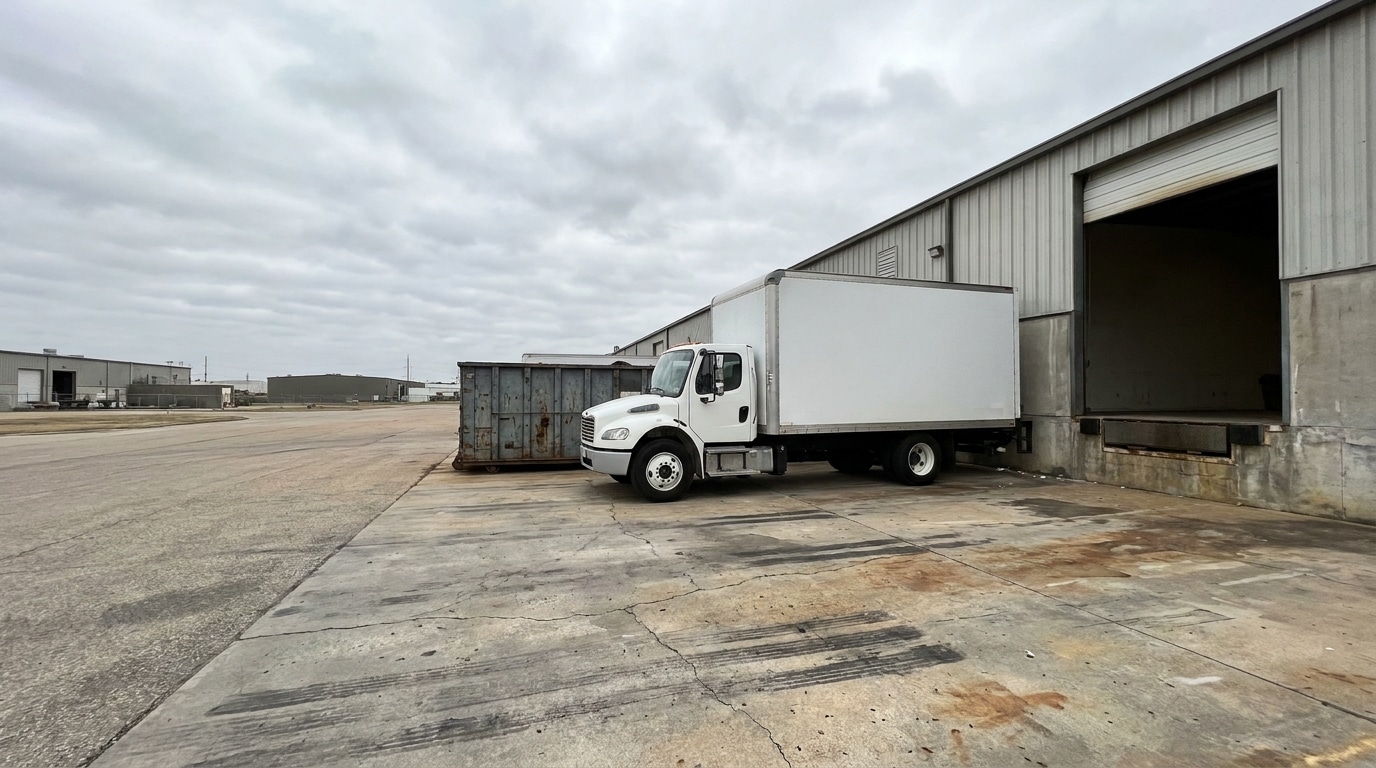
Truck drivers rely on predictable turning space. A container positioned near a loading dock can remove the clearance needed for a long vehicle, even when the dock itself is unobstructed. Changing a delivery point may also affect pallet handling, security checks, and the distance goods must be moved.
Where possible, arrange large deliveries outside the contractor’s busiest periods. Give regular suppliers a clear alternate entry and a contact number for unexpected access problems. Do not expect drivers to improvise a route through active equipment or pedestrian areas.
For buildings with several tenants, one shared delivery plan works better than conflicting instructions from each business. A designated person should have authority to resolve problems on the day, especially when weather or material delays change the schedule.
Concrete Repairs Need Their Own Access Plan
Replacing a damaged walkway or loading apron can look like a short job on paper. The physical work may be completed quickly, but a freshly placed concrete surface cannot necessarily be used as soon as the crew leaves. Safe opening times depend on the mix, weather, curing conditions, surface design, and expected loads.
That creates a particular challenge outside busy entrances. Visitors need somewhere to walk while the old surface is removed, the ground is prepared, and the new material gains enough strength for the intended use. A temporary route should be established before demolition begins, not after someone encounters an open excavation.
A commercial Concrete Contractor can help a property manager plan which sections can be repaired in stages and when each section may safely reopen. For a loading area, that discussion should include vehicle weights and turning movements rather than relying on a general estimate for pedestrian use.
Phased Work Is Useful, but Not Always Possible
Dividing a broad walkway into sections can preserve access on one side while the other is rebuilt. However, phased construction may introduce additional joints, create awkward transitions, or limit equipment movement. The concrete design and site conditions must come first.
Where the only accessible entrance is affected, an alternative route may need ramps, protective barriers, signs, and a review of applicable accessibility requirements. If a genuinely safe route cannot be maintained, a planned temporary closure is better than directing people through a hazardous area.
Signs Should Answer the Questions Visitors Actually Have
A sign reading “Construction Area” warns people about a problem but does not tell them what to do next. Useful signs explain which entrance is open, where to park, and how to reach the destination without entering a work zone. Directional signs should begin before the blocked route, not at the point where visitors are forced to turn around.
Tell tenants in advance about noise, dust, restricted parking, and changes in deliveries. For public-facing businesses, update appointment confirmations or customer notices when necessary. Employees who answer phones should have the same current instructions as the signs outside.
One overlooked detail is keeping notices accurate as the project advances. A paper announcement from Monday can become misleading by Thursday if a crew finishes one section and closes another.
Build Room for Weather and Unexpected Conditions

Exterior work is exposed to weather, and some tasks cannot proceed safely in rain or high winds. Concrete installation also has temperature and moisture considerations. A rigid plan that assumes every phase will finish on an exact date can leave a business with no workable fallback.
Agree on who can authorize a change to access arrangements and how quickly tenants will hear about it. A short daily check between the site supervisor and property manager can catch issues such as a blocked exit, a late material delivery, or a barrier that has shifted overnight.
The Best Plan Is the One People Can Actually Follow
Successful exterior repairs are not measured only by a finished roof or a smooth new pavement surface. They also depend on what happens while the work is underway: whether customers can find the door, deliveries reach the right place, and people are kept safely away from active construction.
That takes coordination before the first vehicle arrives. When repair schedules are built around the actual movement of people and goods, a property can continue functioning through major work without treating every inconvenience as an emergency.