I still remember the first time I picked mulch; I thought it was just about colour.
A year later, I realised how much the type changes everything: how the soil feels, how often you water, even how your plants grow. I’ve stood in the garden centre more times than I care to admit, staring at the stacks and wondering which one’s right.
The truth is, the choice between rubber mulch vs wood mulch isn’t just about looks. It affects cost, soil health, and how much time you’ll spend keeping things in shape.
So, let’s break it down together; a simple, honest look at what works best for your beds, paths, and play areas.
Why Mulch Choice Matters
Mulch does far more than make a garden look tidy. It locks in moisture, suppresses weeds, regulates soil temperature, and protects roots from weather extremes.
In playgrounds or dog runs, it even softens the fall and keeps things clean. But not all mulch behaves the same way. Some feed your soil, others last forever but don’t nourish much beneath.
Let’s compare the two big players, rubber and wood mulch, so you know what trade-offs you’re really making.
What is Rubber Mulch?
If you’ve ever walked across a playground and noticed a soft, springy surface underfoot, you’ve likely met rubber mulch. It’s designed to last, look tidy, and handle heavy use without wearing thin.
Material: Rubber mulch comes from recycled tyres that are cleaned, shredded, and shaped into chips or rings. Some versions are also pressed into mats, making installation easier and more uniform.
Common Uses:
- Playgrounds, soft underfoot and safe for falls.
- Dog runs, easy to clean and long-lasting.
- Tree rings, neat finish that prevents weeds.
- High-traffic areas, resists wear and stays in place through every season.
It’s practical, tidy, and ideal anywhere you want clean lines without constant upkeep.
Typical Appearance and Variants: Available in black, brown, red, and green, rubber mulch comes as loose chips or neat rings for trees. Mat versions provide a smooth, even surface when you want cleaner lines or added cushioning.
I like it for how clean it looks, but in garden beds, I still miss that earthy scent real mulch gives.
What is Wood Mulch?
I’ve used wood mulch for years; there’s something satisfying about that rich smell after it rains. It feels alive in a way rubber never quite does.
If your garden has that rich, earthy scent after rain, wood mulch is likely the reason. It’s the go-to choice for gardeners who want a natural look that also feeds the soil over time.
Material and Types: Wood mulch includes shredded bark, hardwood chips, and processed wood. It can be natural or dyed to suit your garden’s style, from rustic brown to deep red tones.
Common Uses:
- Flower beds: help the soil stay cool and moist.
- Around trees: protects roots and keeps weeds at bay.
- Shrubs and borders: neat finish with a natural blend.
- Pathways: adds a soft, organic look underfoot.
It’s low-maintenance, smells amazing when fresh, and keeps your garden beds looking cared for year-round.
Appearance and Variants: Wood mulch ranges from fine and even to coarse and chunky. Finer textures give a smooth, polished finish, while larger chips add a rugged, natural feel that blends beautifully into garden landscapes.
Rubber Mulch vs Wood Mulch: Side-by-Side Comparison
I’ve used both over the years; rubber for my dog’s play area and wood around the borders. Each worked well, but for completely different reasons. Here’s what I noticed side by side:
| Factor | Rubber Mulch | Wood Mulch |
|---|---|---|
| Durability & Lifespan | Lasts for years with little change; a true “set and forget.” | Breaks down naturally, enriching the soil, but needs yearly renewal. |
| Cost: Upfront vs Lifetime | Higher initial price, lower long-term upkeep. | Cheaper per bag, but it adds up with frequent top-ups. |
| Maintenance Needs | Minimal care; just rake or refill as needed. | Needs fluffing, weeding, and a new layer every season or two. |
| Soil & Plant Health | Doesn’t feed the soil; it works mainly as cover. | Improves soil health and supports roots as it decomposes. |
| Environmental Impact | Reuses old tyres but may release trace chemicals. | Renewable and natural, though dyed mulch has a small footprint. |
| Playground Safety | Softer surface, excellent shock absorption. | It can splinter and provides less cushioning. |
| Heat & Fire Risk | Holds heat under the sun, less ideal near plants. | It can smoulder if too dry, but it’s easier to manage overall. |
| Aesthetic Appeal | Keeps colour longer, more uniform look. | Natural texture that fades to grey with time. |
In short, rubber mulch suits low-maintenance, high-traffic spaces, while wood mulch works best where soil health and a natural look matter most.
Pros and Cons: Rubber vs Wood Mulch
Choosing between rubber and wood mulch comes down to what you value more: durability or soil health. Here’s how they compare side by side.
| Type | Pros | Cons | Best Use Scenarios |
| Rubber Mulch | • Long-lasting and doesn’t decompose. • Low maintenance, ideal for heavy-use areas. • Doesn’t attract termites or insects. • Resists wind displacement. |
• Higher upfront cost. • No benefit to soil health. • Can heat up in full sun. • May release micro-particles over time. • Some find it looks too artificial. |
Great for playgrounds, dog runs, and pathways where durability and easy upkeep matter most. |
| Wood Mulch | • Improves soil quality and moisture balance. • Lower initial cost. • Natural, earthy look fits most gardens. • Many colours and textures available. |
• Needs replacing every 1–2 years. • Can attract pests if damp. • May wash away in heavy rain. • Offers less cushioning for play areas. |
Best for flower beds, shrubs, and trees — perfect if you want a natural finish that feeds the soil over time. |
Both have a place in your yard; it’s just about matching the mulch to the job.
How to Install and Maintain Rubber and Wood Mulch
Once you’ve chosen your mulch, getting it right makes all the difference. The goal is simple: good coverage, clean edges, and less work later.
Rubber Mulch
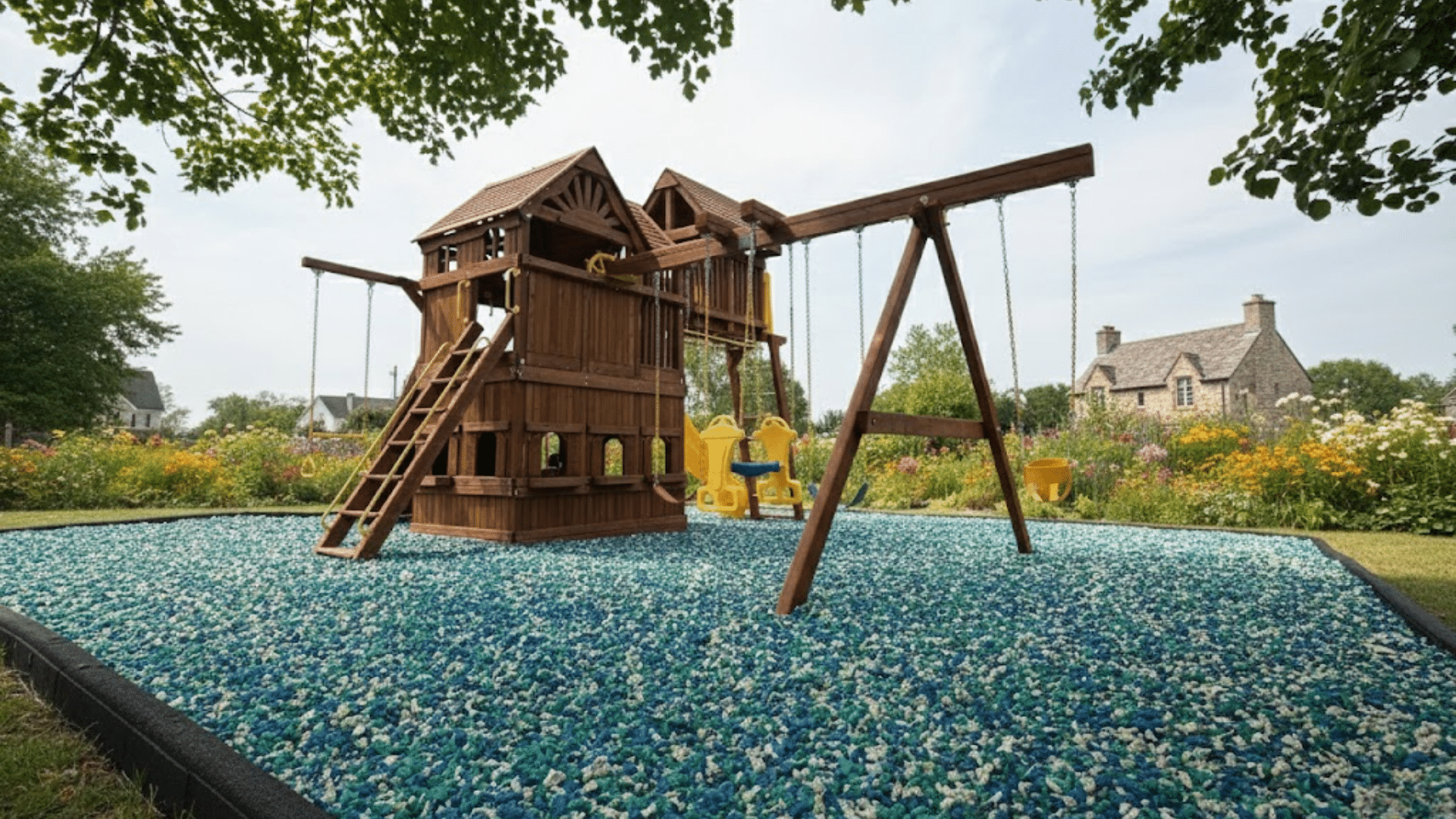
1. Install it right: Lay about 2–3 inches of rubber mulch over a weed barrier or landscape fabric. This stops unwanted growth and keeps the mulch from mixing with the soil below.
I once skipped the weed barrier under rubber mulch; never again. It’s worth the extra ten minutes at the start; it saves hours of pulling weeds later.
Add solid edging around the borders. Rubber mulch can shift slightly over time, especially in open or windy spots.
2. Keep it tidy: Rake it occasionally to clear fallen leaves, branches, or litter. Rubber mulch won’t compact like wood, but a light rake helps keep the surface even and fresh.
3. Top up if needed: Rubber doesn’t break down, so you’ll rarely need to replace it. Still, after a few years, you may notice some colour fading in high-sun areas, add a small top-up layer or mix it through for a clean, even tone again.
Wood Mulch
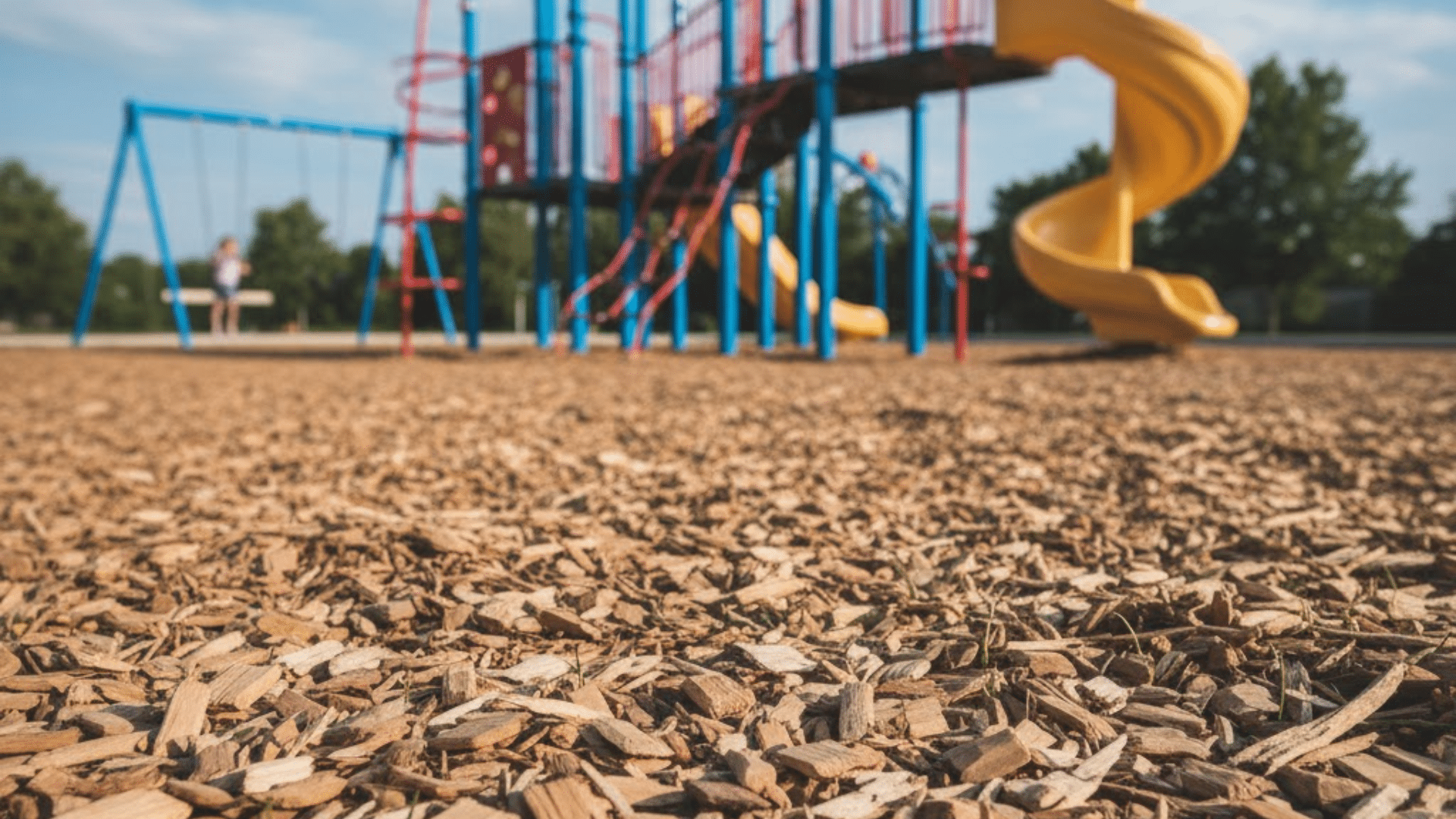
1. Spread evenly: Apply 2–4 inches deep, depending on texture; finer mulch works well at 2 inches, while chunkier chips need closer to 4. Keep it a few inches away from trunks and stems to avoid trapping moisture against the bark.
2. Prep the base: Before spreading, water the soil lightly so it’s damp but not soggy. Moist soil helps the mulch settle properly and lock in moisture for roots.
For wood mulch, I like to water the soil first; it helps everything settle neatly and gives that lovely earthy scent once you’re done.
3. Maintain it: Wood mulch needs a little seasonal care. Rake it once a month to stop compaction and improve airflow.
Add a light top-up each spring or autumn to maintain colour and thickness. Check shaded areas; mulch there may take longer to dry and could attract pests if it stays damp.
I’ve learned it’s easier to fluff it up after a dry spell; wet mulch tends to clump and makes the rake job twice as hard.
How to Choose Which Mulch for Your Project
When I’m unsure, I think about how much time I actually want to spend maintaining it. If I know I’ll be busy, rubber wins. If I’m redoing my borders and want that earthy look, it’s wood every time.
1. Ask the Right Questions
- What area are you covering: a playground, path, or bed?
- What’s your budget, and how often do you want to maintain it?
- Do you want to improve the soil or just cover it?
- How important is appearance versus practicality?
2. Decision Flow
- Playgrounds / Dog Runs: Rubber mulch wins for safety and cleanliness.
- Garden Beds / Shrubs / Flower Borders: Wood mulch builds healthier soil and looks natural.
- Budget-Friendly or Seasonal Updates: Wood is easy to replace.
- Low Maintenance, Long-Term Use: Rubber is the better fit.
3. Hybrid or Alternative Approach
You don’t have to stick with one. Use rubber in high-traffic or shaded zones and wood around planting areas. For a creative twist, consider gravel or compost-based mulches, depending on your space.
Practical Tips Before You Decide
I always test one small patch first; colours look different once they’re in your space, and I’ve learned that the hard way.
- Test a small area first: Try one bag or a small patch before committing to a full yard. It helps you see how the colour, texture, and feel work in your space.
- Check your drainage: Poorly drained soil can hold too much moisture under mulch. Make sure water flows freely before spreading.
- Mind the sun exposure: Rubber mulch can get hot in full sun; wood mulch may fade faster in it. Choose accordingly.
- Keep pets and kids in mind: For play areas, rubber mulch provides softer landings; for gardens, wood keeps things chemical-free and natural.
- Plan for refreshes: Even long-lasting mulch looks better with a light rake or top-up once in a while.
A little planning up front means your mulch will look good, perform well, and last through the seasons without extra effort.
Wrap Up
After testing both, I can say the choice between rubber mulch vs wood mulch really depends on what kind of gardener you are.
I like rubber mulch for paths and play areas; it stays neat no matter the weather. But when I’m tending to my flower beds, nothing beats wood mulch; it smells earthy, feeds the soil, and feels alive under your hands.
Whichever you pick, measure your space first, plan for the season ahead, and trust your own garden’s rhythm.
If this helped, have a look at my other garden notes; I’ve shared what’s worked for me in keeping things tidy, green, and low-fuss year after year.