Ever stared at your lawn, wondering when it’s too late to spray for weeds? I’ve been there; that moment when the weeds are tall, thick, and spreading fast.
Getting the timing right can be tricky, especially when no one explains the real cutoff. You want a clean, healthy lawn, but spraying too late wastes both money and effort.
I’ll break down exactly when weed control stops being effective so you can plan confidently each season.
Once you understand these timing cues, you’ll know when to spray, when to stop, and how to keep weeds from coming back. By the end, you’ll recognize the signs before it’s too late and make every spray count.
Why Timing Matters for Weed Sprays?
Asking “when is it too late to spray for weeds?” will take you to why timing matters in the first place. The timing of your weed spray application directly affects its success. Herbicides work best when weeds are actively growing, as this allows them to absorb the spray more efficiently.
From experience, I’ve noticed that young, growing weeds pull in the herbicide through their leaves and circulate it throughout the plant. This ensures it kills the weed completely, including the roots.
Older or stressed weeds don’t absorb the spray as effectively because they’re not growing at full speed. The weather also plays a huge role in the results.
Temperature influences how fast weeds grow and how well herbicides work. Cold or frosty conditions slow growth and reduce absorption. I always check the weather before spraying to make sure the timing is right for maximum impact.
When is the Best Time to Spray Weed Killer?

The best time to spray depends on the season and what type of weeds you’re fighting. I’ll break down each season so you can pick the perfect timing for your yard.
| Season | Key Timing |
|---|---|
| Spring | Pre-emergent at 50–55°F soil temperature; post-emergent during early weed growth. |
| Summer | Early morning during moderate temperatures. |
| Fall | Late summer to early fall, when weeds move energy to their roots. |
1. Spring Applications
Spring is the ideal time to get ahead of weeds before they take over your yard. Apply pre-emergent herbicides before weed seeds start to sprout, following soil temperature as your guide. Wait until it reaches about 50-55 degrees for the best timing.
For weeds that have already appeared, post-emergent sprays work well while they’re still young and actively growing. Early treatment ensures they absorb the herbicide fully and die before they become tough and resistant.
2. Summer Applications
By summer, weeds are mature and growing fast, making them good targets for treatment. However, extreme heat can slow their absorption. I’ve noticed that spraying early in the morning gives better results than midday applications.
Weeds are less stressed and more receptive then. Avoid spraying on very hot or windy days, as that can reduce effectiveness or cause drift. Aim for moderate temperatures to get the most out of your summer applications.
3. Fall Applications
Fall is one of the most overlooked yet effective seasons for weed control. Weeds begin storing energy in their roots for winter, which means herbicides move deeper into the plant system.
Spraying in late summer through early fall helps kill them completely and reduces weed pressure for the next year. This is especially useful for perennial weeds with strong root systems.
4. Climate & Region Variation
Your climate plays a major role in when to spray. Northern regions often require earlier applications than southern areas. Cool-season grasses respond differently from warm-season ones, so timing varies by lawn type.
Check your local hardiness zone or talk to nearby garden centers for tailored guidance. Coastal areas may have longer growing and spraying windows compared to inland regions. Always adjust based on your region’s weather patterns.
5. Weather & Condition Factors
Weather can make or break your results. Choose calm, dry days for spraying, avoiding wind and rain for at least twenty-four hours after application. Ideal temperatures range from 60 to 85 degrees for most herbicides.
Always spray dry leaves, since moisture can dilute the product and reduce absorption. I find mornings often give the best balance of temperature, humidity, and calm air; perfect for consistent, effective weed control.
Signs You’ve Missed the Window
Missing your spray window happens more often than you’d think. I’ve learned to watch for these clear signs that tell you it’s too late:
- Temperature extremes – Nights dropping below fifty degrees, days climbing above eighty-five degrees, or any frost damage means herbicides won’t absorb well anymore.
- Weed maturity – Weeds showing seed heads, woody stems, or dormancy won’t take in spray effectively because they’ve stopped their active growth phase.
- Wrong season – Late spring or early summer is too late for annual weeds, and late autumn misses the best window for perennial weeds.
- Wasted effort – Spraying too late leads to decreased effectiveness, wasted money on products, and potential harm to your lawn instead of the weeds.
Recognizing these warning signs saves you time and money on ineffective applications. I always check conditions carefully before grabbing my sprayer to make sure timing is right.
What Happens If You Spray Too Late?
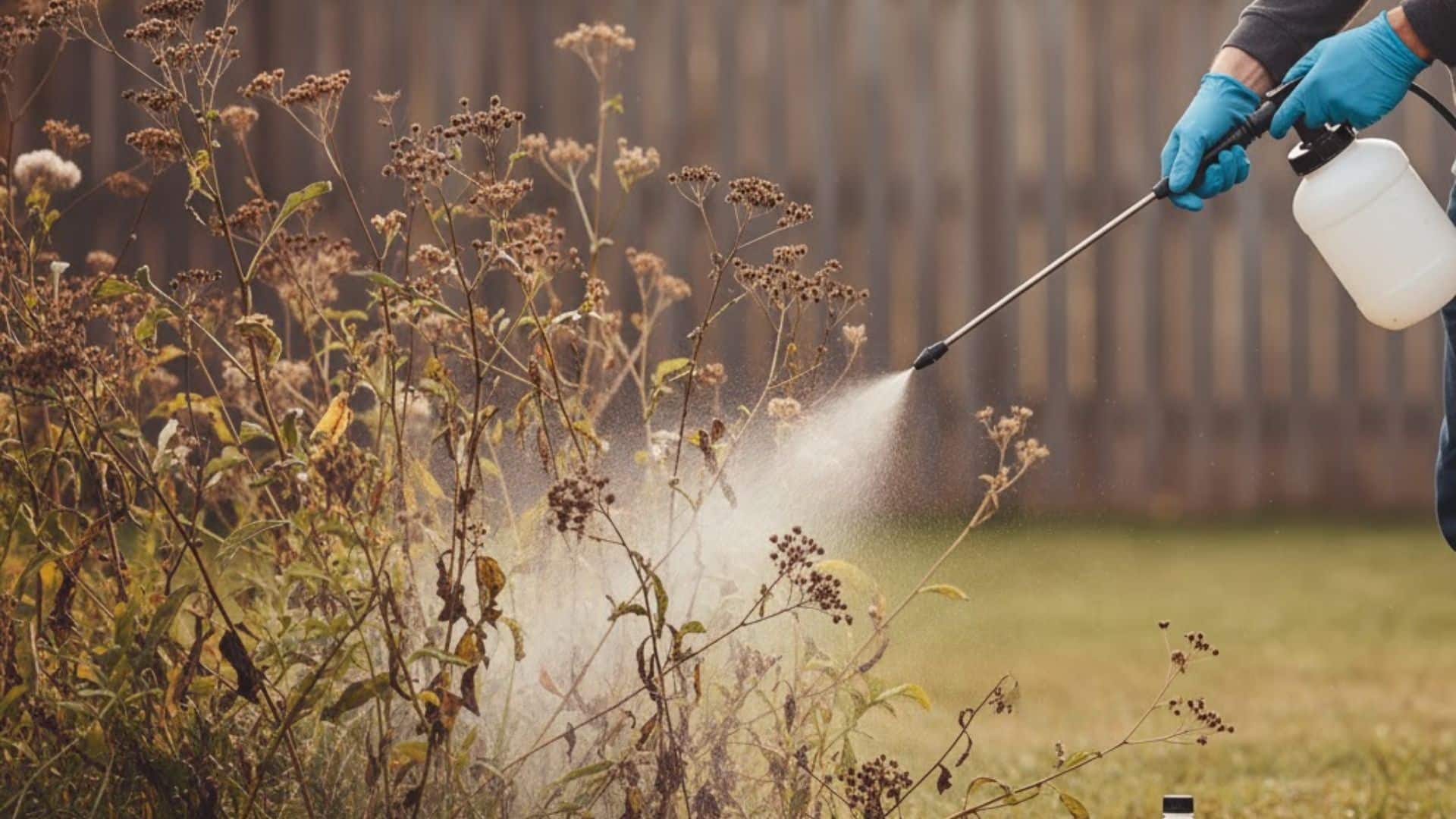
Spraying weed killer too late usually does more harm than good. I’ve noticed the biggest issue is reduced effectiveness, as mature weeds don’t absorb herbicide as efficiently.
At that point, they’ve already developed stronger defenses and often continue to grow despite treatment. Many even release seeds before dying, creating a bigger problem for the next season.
Late spraying also wastes product and money because it doesn’t produce lasting results. Over time, surviving weeds can adapt and develop resistance to certain herbicides, making control harder.
I’ve also seen turfgrass struggle when sprayed late, showing damage it normally wouldn’t have under better conditions.
When this happens, manual removal or multiple treatments become necessary instead of a quick, single fix.
What to Do If You’ve Missed the Ideal Window?
Missing your spraying window doesn’t mean you’re out of options completely. I’ve found several effective strategies you can use instead of giving up:
- Manual or mechanical removal – Pull weeds by hand, mow them down before they set seed, or use mulch to smother them out. While you’re tending your outdoor space, you might also consider tree pest control to keep larger landscape plants healthy and thriving.
- Spot-treat small areas – If you only have a few scattered weeds, spot-treat them individually instead of spraying your entire lawn unnecessarily.
- Wait for next season – Delay herbicide application until the next ideal window and focus on strengthening your lawn through feeding, aerating, and overseeding now.
- Try alternate strategies – Switch to different herbicide types or use weed-specific treatments designed for the particular problem weeds you’re fighting.
These backup strategies still give you good weed control even when timing isn’t perfect. I always remind myself that lawn care is a long game, not a quick fix.
Year-Round Weed Control Strategy
A successful lawn needs more than just spraying weeds when they appear. I follow a year-round approach that combines prevention, timing, and healthy lawn practices:
| Strategy | Timing | How It Works | Benefits |
|---|---|---|---|
| Pre-emergent herbicides | Early spring, before the soil warms to 50-55°F | Creates a barrier preventing seed germination | Stops weeds before they start |
| Proper mowing height | Throughout the growing season | Grass shades soil at the correct height | Thick turf blocks weed growth |
| Fertilizing | Spring and fall | Feeds the grass on schedule | Strengthens the lawn to outcompete weeds |
| Aeration | Spring or fall | Removes soil plugs, reduces compaction | Improves grass health and density |
| Monitoring | Weekly checks | Identify weeds early | Catch problems before they spread |
| Spot treatment | When weeds appear | Treat individual weeds immediately | Easier control, less product waste |
Using all these strategies together gives you the best results throughout the year. I’ve found that prevention always works better than trying to fix problems after they start.
Final Thoughts
You now know when it’s too late to spray for weeds and how to avoid that mistake. I hope this makes you feel confident about tackling your lawn at the right time each season.
Timing is crucial to the effectiveness of your weed control. Spraying when weeds are actively growing saves money and ensures your herbicide works properly.
Keeping an eye on weather patterns and weed growth helps you stay proactive. Your lawn will always reward consistent care and attention.
Remember, prevention is easier than dealing with a full weed takeover later. Mark your spray dates on the calendar now so you never miss the window. Share your timing tips or challenges in the comments below.