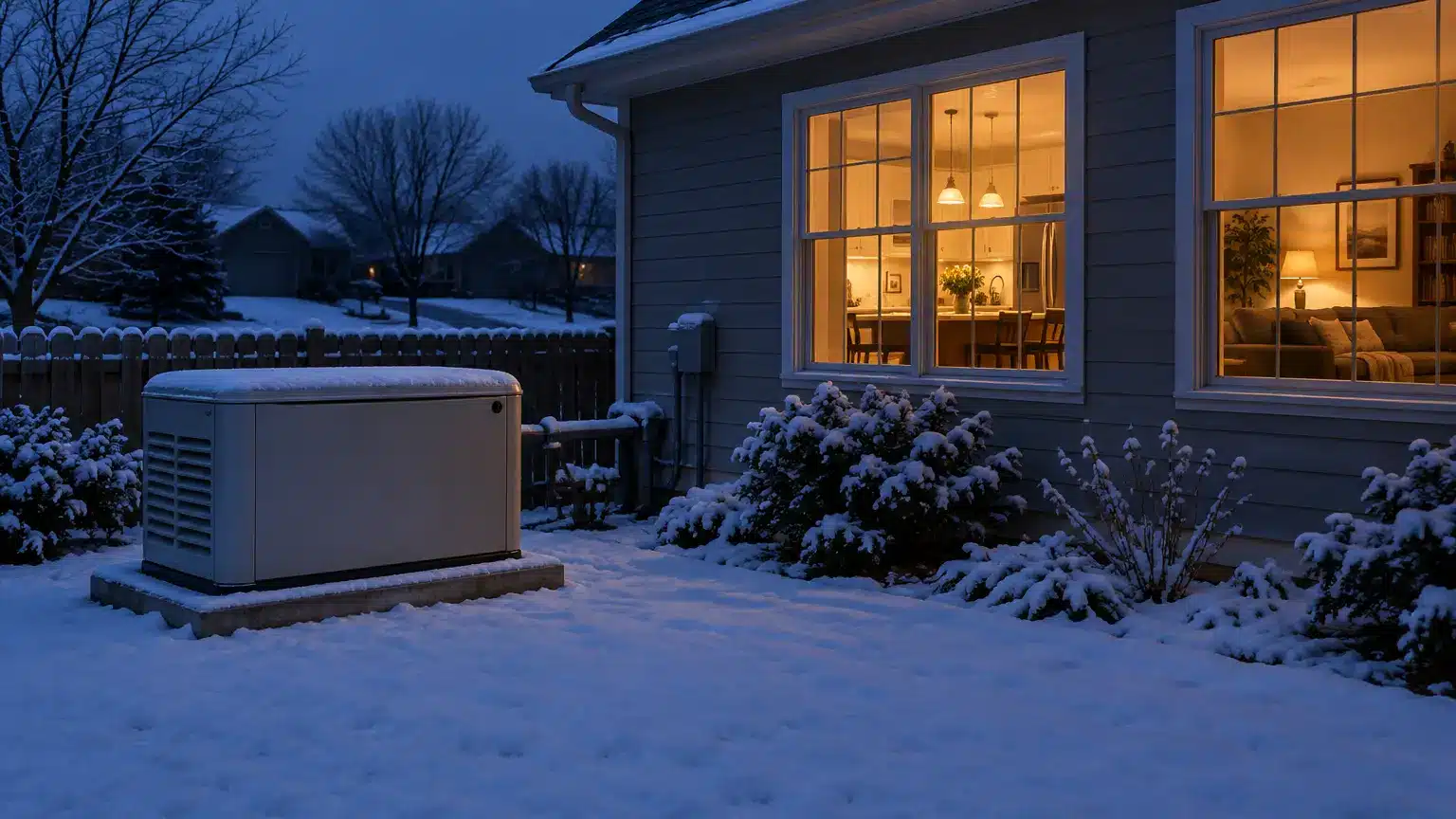
Two winters ago my neighbor lost heat for nineteen hours. Not because the storm was brutal, but because nobody had thought about what a three-kilowatt load would do once the grid blinked. He had a truck, a chest freezer full of salmon, and no plan.
Most people shop for backup power the way they shop for a car: by horsepower and curb appeal. They should be shopping for it the way they design a room, which is to say by asking what actually has to keep working and what can politely go dark. If you want the electrical side done once and done right, generator installation in Ogden is the kind of local job where the installer walks your panel before you pick a unit. That order matters. Equipment chosen after the walkthrough almost always fits the house better than equipment chosen from a brochure.
Here’s what I’d argue, and I’ll defend it: backup power is a home design decision before it’s an electrical one. You’re deciding which rooms stay alive, not just which machine sits on a pad.
What Actually Counts as Essential in Your House?
Walk your house on a dark evening and switch everything off as you go. The list you end up with is shorter than you expect, and it tells you more than any sizing worksheet.
Furnace blower. Refrigerator. A few lights. The internet router, because a screenless night with two kids is its own grid failure. A sump pump if you have one, since a wet basement during an outage is a second emergency stacked on the first. The washer, if your toddler treats clothing as optional.
Tropical fish don’t go dark quietly. Neither does a medical device you never think about until the lights go out. Write those down. The point of the exercise is to stop guessing.
Then separate wants from needs. My wife’s list included the coffee grinder. Mine included the shop tools. Both got moved to the want column, and neither one changed the generator decision. Your list is probably the same shape, which is the good news.
Sizing, Without the Guesswork
Sizing comes down to running watts, starting watts, and the ugly little moment when a compressor or blower kicks on and pulls several times its normal draw for a second. That spike is the number people forget.
Two paths, and the choice is mostly taste plus budget:
- Whole-home: power for everything, including the dryer and central air. Convenient, pricier, and it needs a transfer switch sized for your service panel.
- Paneled backup: you pick the circuits. A well-chosen paneled setup runs heat, refrigeration, lights, and networking for a fraction of the cost.
|
What’s running |
Rough character |
Planning note |
|---|---|---|
|
Furnace blower |
Modest draw, sharp start |
Confirm the starting surge, not just the rating plate |
|
Refrigerator |
Small, but always on |
Powers on once, then cycles |
|
Internet and lights |
Tiny |
Cheap to include, worth it |
|
Central air |
Large, spiky |
Often the deciding load |
|
Electric dryer |
Large, steady |
Fine to skip |
I’d pick paneled backup for most older Ogden houses. The wiring is friendlier, the fuel bill is smaller, and nobody in the house notices the dryer is off during a storm. If you’re already planning a panel upgrade or a heat pump conversion, whole-home starts to make more sense, because you’re paying for part of the work anyway.
Placement, Noise, and the Neighbor Question
Generators live outdoors, need clear airflow, and need gas lines or a fuel source routed to them. Expect setbacks from windows and property lines to matter, and expect a concrete pad, not a pallet on gravel. The National Fire Protection Association is the authority behind the electrical and fire codes that shape those clearances, so an installer quoting code isn’t improvising.
Noise is the part people regret. A standby unit is audible through a bedroom wall if it sits three feet from it. Put it on the side of the house you don’t sleep on, away from the patio where you grill. Look up the sound rating in decibels at a set distance before you sign, not after it’s bolted down.
Then talk to the neighbors. That’s not courtesy theater, it’s practical. A generator parked under someone’s kitchen window will be a topic at the next block party, and not the fun kind.
The One-Page Outage Checklist
Print this. Tape it inside the panel cover. It’s the difference between a plan and a wish.
- Test the unit on a schedule. Most manufacturers suggest monthly exercises, and dry runs catch fuel and battery problems while the weather is boring.
- Label which circuits are on backup, right on the panel door.
- Store a flashlight and spare batteries next to the transfer switch.
- Set a single clean cycle: if the power stays out more than a day, drain the sump and check the furnace filter.
- Know how to shut the system down before you need to.
The federal government has spent decades promoting distributed backup power and energy resilience through the Department of Energy, which is why utility and code guidance around residential backup keeps tightening. Fewer dead ends, more paperwork. Fine trade.
Permits, Fuel, and the Local Reality
Generator work is permitted work. Nobody wants to hear it, but pulling a permit protects you at resale and keeps an inspector between your family and a backfeed mistake. Natural gas lines need a licensed routing and a pressure check, and propane tanks need a little breathing room for the delivery truck.
Ogden runs cold and windy enough that snow load and drifting matter. The City of Ogden publishes local requirements and building guidance online, and a good installer can tell you which ones actually bite in a normal winter. Gas or propane? I lean gas where the meter is close, propane where it isn’t. Size the tank for a realistic outage, not a fantasy one.
What I’d Tell A Friend Who Asked Me To Just Pick
Buy paneled backup, use natural gas if it’s already at the house, test it monthly, and put the unit where you can’t hear it from the bedroom. That combination runs a furnace, a fridge, the internet, and the lights for less than a whole-home system, and it will still be working in fifteen years.
The house doesn’t change when the grid goes down. The house stays the house, which is exactly the point. Which rooms in your home would you pick if you had to choose tonight, and does your panel agree with you?