Your hair was never broken; it just plays by two sets of rules. Once you stop trying to force the top and bottom to match, Irish curls become far easier to live with.
Give the curlier underneath the moisture it craves, keep the smoother crown light, and let each section do its own thing.
A few small habits- softer products on top and stronger hydration below- go further than any single miracle product. If you want to understand your pattern even better, it helps to learn how your hair type behaves overall.
Try one or two tips this week, watch how your curls respond, and adjust from there.What
Are Irish Curls?
Irish curls, sometimes called Irish waves online, describe a mixed hair pattern where the top layer looks straight or loosely wavy while the hair beneath forms tighter curls.
It is an informal styling term, not an official curl category or medical condition.
The contrast ranges from subtle to striking, and a reversed version exists where the outer hair curls more than the smoother inner layers.
Having two or more textures on one head is completely normal.
How to Tell If You Have Irish Curls?
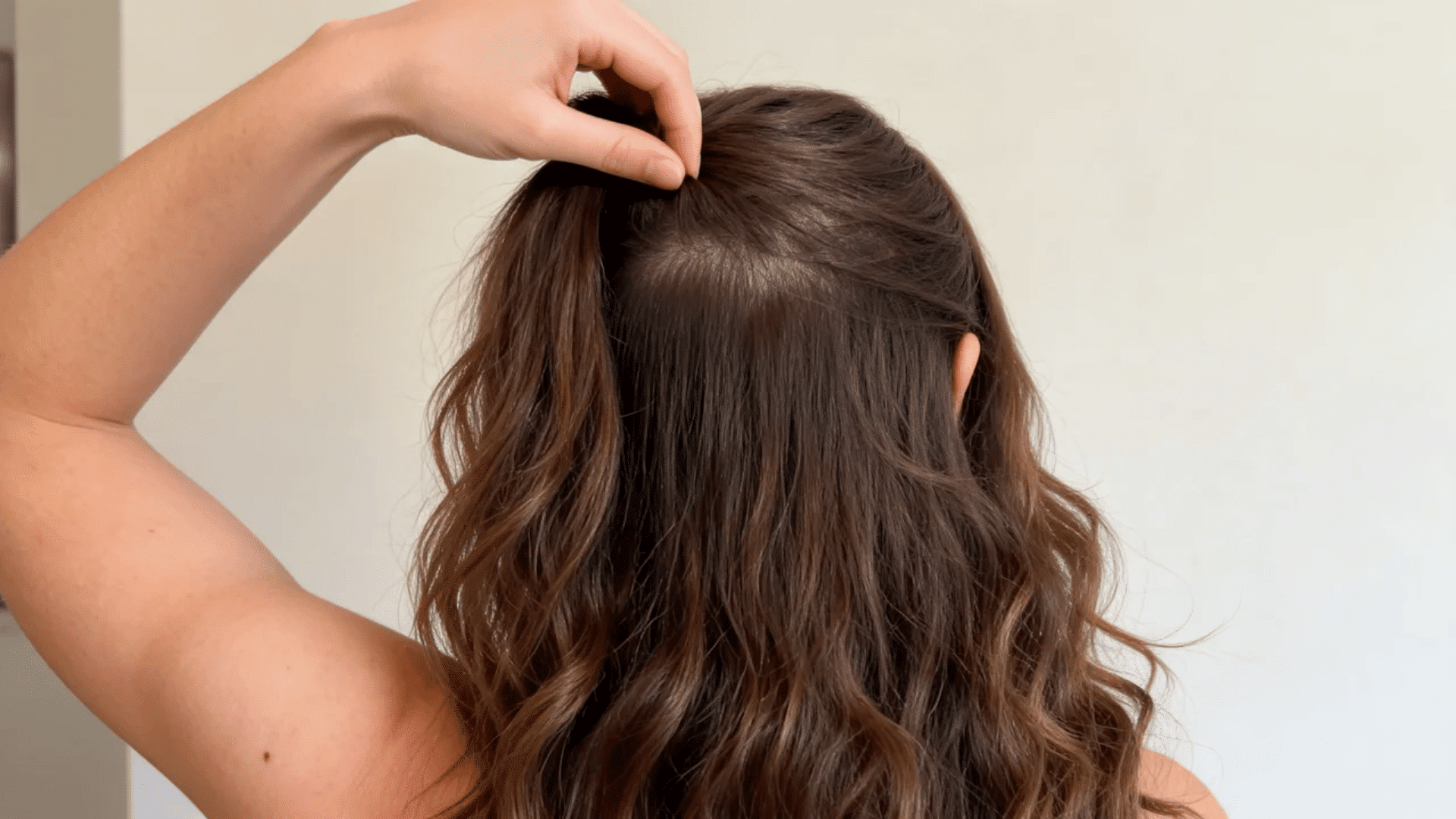
Spotting this pattern is easy once your hair is clean and free of styling. Wash it, add light conditioner, skip heat tools, and observe how each section naturally behaves.
- Study your air-dried texture: Let hair dry untouched and note where straight, wavy, and curly zones consistently appear across repeated washes.
- Compare crown to nape: Lift the top and check it against the hair behind your ears; a clear texture gap confirms the pattern.
- Rule out damage and styling: Distinguish natural curl zones from breakage, buildup, or dents left by hats, ties, and brushing.
Are Irish Curls Just Damaged Hair?
No, Irish curls are a natural texture pattern, not a sign of damage. Genuine mixed textures reappear in the same areas after every wash, staying soft and healthy along the way.
Damage looks different: think rough, brittle, or newly straightened patches, usually concentrated near the ends.
If your curls spring back consistently and feel strong, the contrast is simply how your hair grows, shaped by follicle differences rather than breakage, bleaching, or heat.
Why Do Irish Curls Happen?
There is no single cause behind this mixed texture. It usually comes down to a combination of natural factors that vary from person to person, shaping how straight or curly each strand turns out across different areas of the head.
- Follicle shape and the angle each strand grows at determine whether hair falls straight, wavy, or curly.
- Denser or longer upper layers add weight that pulls loose waves downward, making the top look straighter than it is.
- Genetics play a role, though Irish ancestry is not required, since this pattern shows up across many backgrounds.
- Hair density and strand thickness cause some sections to hold curl more strongly than others.
- Past chemical or heat damage can weaken certain areas unevenly, altering how they curl.
Hormonal changes during puberty, pregnancy, or menopause can also shift your texture over time, so see a professional if you notice unusual shedding or scalp discomfort.
Irish Curls Hair Care Routine

The goal is simple: hydrate the curlier sections without weighing down the smoother top. Since different areas need different levels of care, a flexible approach beats a one-size-fits-all method.
Below are the core steps to keep both textures healthy:
1. Wash Based on Scalp Needs
Skip a fixed schedule and wash according to oil levels, buildup, sweat, and comfort. Focus shampoo at the roots where oil collects, then let the lather rinse down through the lengths so the drier ends never get stripped.
2. Condition the Mid-Lengths and Ends
Concentrate conditioner on the driest, curliest zones rather than the roots, which flatten easily. While hair is still wet, detangle gently with your fingers or a wide-tooth comb to protect curl groups and prevent unnecessary snapping.
3. Use Lightweight Styling Products
Reach for light mousse, foam, gel, a spray leave-in, or a small amount of curl cream. Steer clear of thick butters and heavy oils, since they can drag down the straighter canopy and make the top look greasy.
4. Clarify When Buildup Appears
Watch for warning signs like flat roots, sticky strands, dullness, or curls that stop forming their usual shape. When these show up, use a clarifying shampoo to reset the hair, then follow with conditioner on the ends.
5. Protect Hair During Sleep
Guard both textures overnight with a loose pineapple, a silk or satin pillowcase, a soft braid, or a bonnet, chosen to suit your length.
Avoid tight ties that stretch the upper waves or leave visible dents behind.
Best Products for Irish Curls
The right products let you hydrate the curlier underneath while keeping the smoother top light and lifted. Since this texture needs flexible hold without heaviness, lightweight foams and mousses work best.
Here are solid picks across three price ranges:
| Budget Tier | Product (link) | Best For | Size | Approx. US Price |
|---|---|---|---|---|
| Budget-friendly | got2b Curled Flexible Curl Foam | Soft, buildable hold with no crunch | 6.7 oz | ~$10 |
| Mid-range | Ouidad VitalCurl+ Curl Defining Mousse | Weightless definition for looser waves | 5.7 oz | ~$26 |
| Premium | DevaCurl Frizz-Fighting Foam | Humidity resistance and flexible shape | varies | ~$30+ |
How to Style Irish Curls?
Styling should support the curlier areas while adding some movement to the smoother top layer, so both textures look balanced together.
Product placement and drying technique matter more than the number of products used, since small adjustments can change the final result.
- Apply products to wet hair: use leave-in or styling products while hair is wet enough to form smooth curl groups. Use less near the crown and more on the curlier lower sections.
- Scrunch the straighter sections: scrunch the upper layer upward toward the scalp to support weak waves. Finger coiling can help a few stubborn strands match the surrounding pattern.
- Diffuse without flattening the crown: use low or medium airflow with moderate heat. Hover the diffuser first, then cup the ends once a light product cast forms. Dry roots from several angles.
- Air-dry with root clips: small clips can lift the upper layer while hair dries. Place them at the crown without stretching the curls, and remove once roots are mostly dry.
- Refresh hair between washes: mist flattened areas with water, then add a small amount of mousse or gel. Scrunch or finger twist only the sections that lost shape.
With a little practice, these small steps become quick habits that keep both textures looking defined without extra daily effort.
Best Haircuts for Irish Curls
The right haircut can reduce weight, improve shape, and make the difference between the outer and inner layers look more balanced.
1. Long Layers

Long layers remove some weight from the canopy while keeping the overall length intact and natural looking.
They can help loose upper waves form more clearly and prevent the curlier lower section from becoming too bulky. Poorly placed layers can create a visible step between textures.
2. Shag or Layered Cut
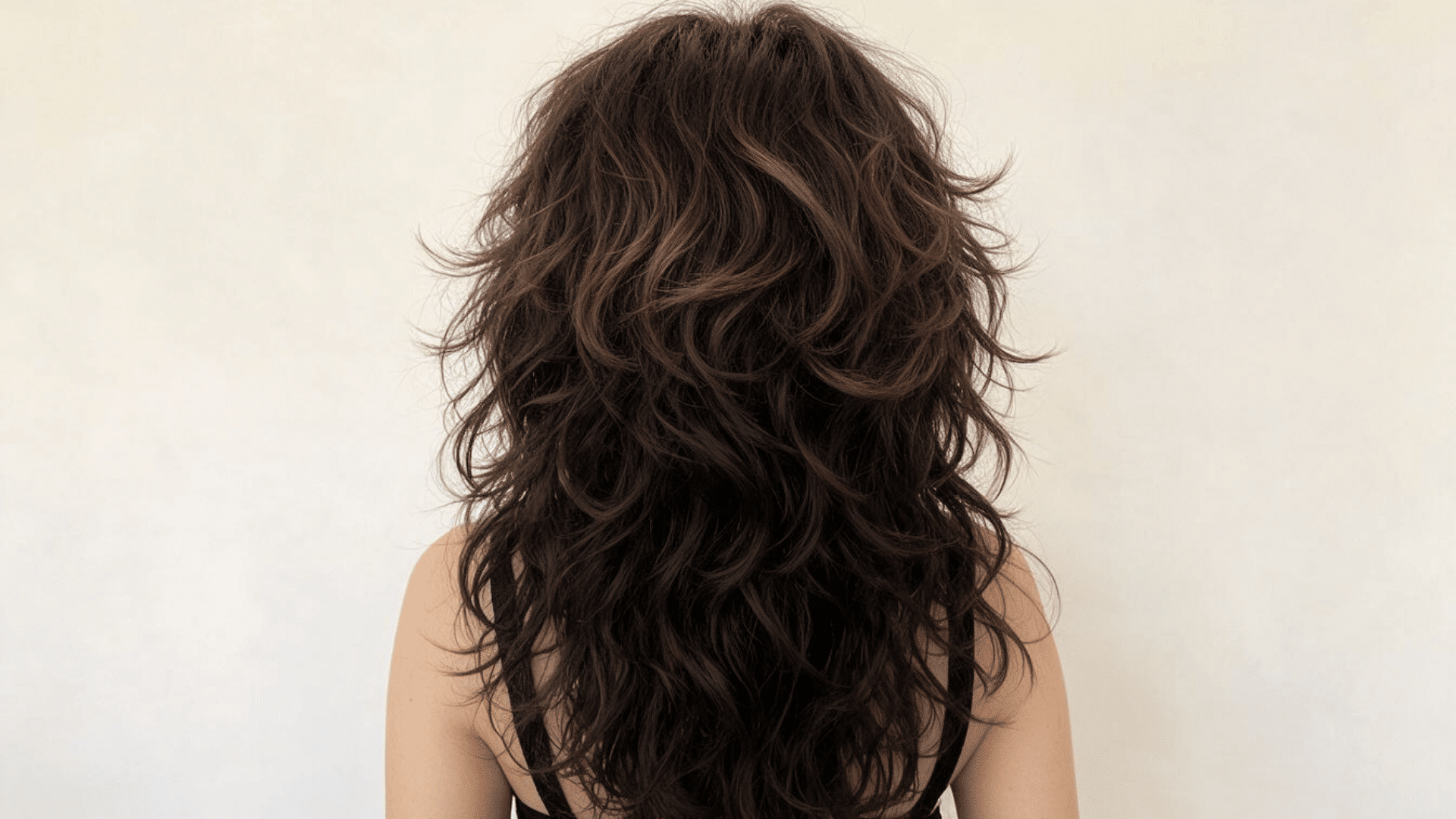
A shag or heavily layered cut can create movement around the crown and reveal curlier sections hiding underneath.
This option often works well for loose waves, though the amount of layering should match the person’s density, shrinkage, and desired length.
3. Bob or Lob
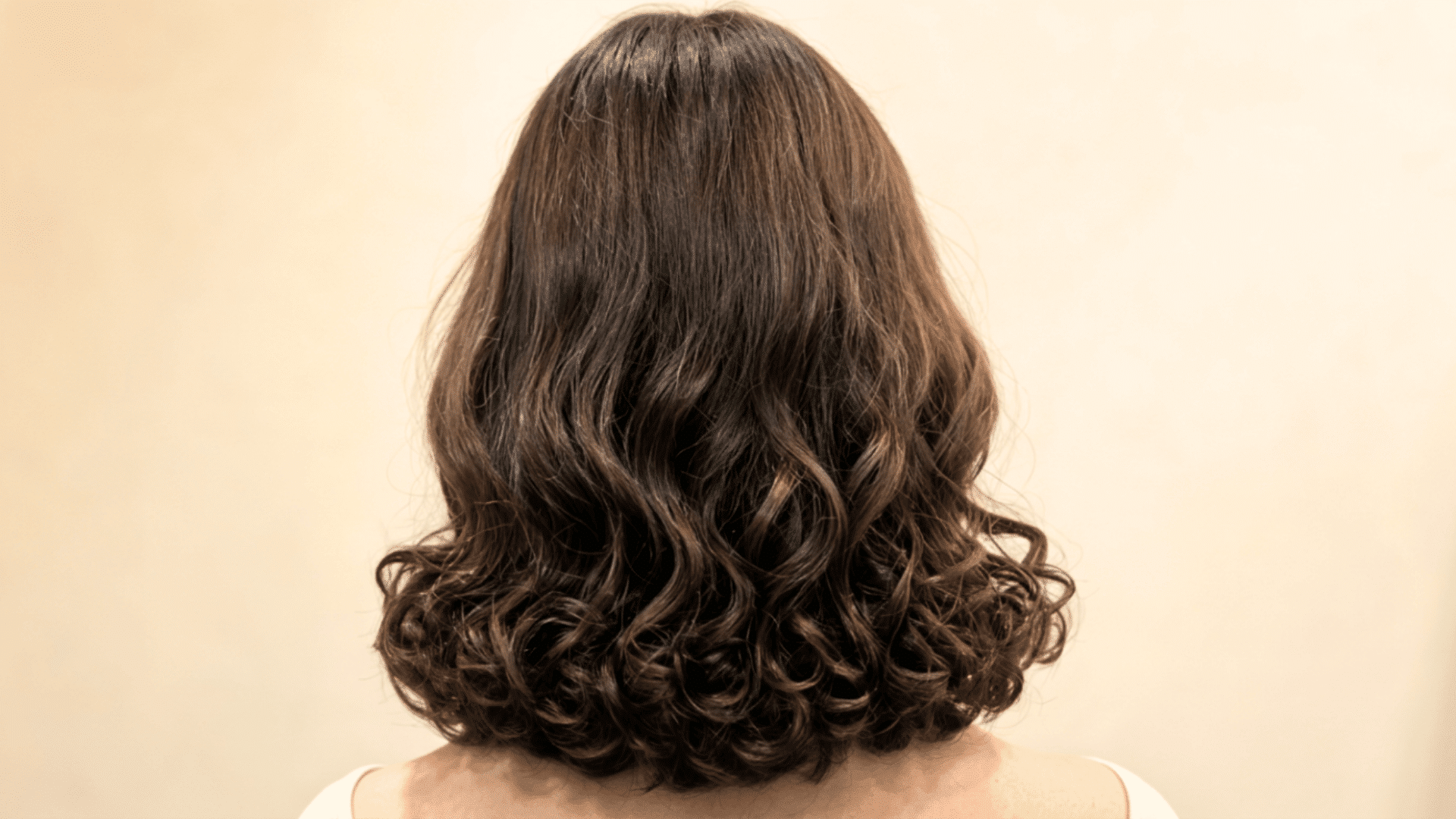
A bob or long bob may reduce the weight that stretches the top layer downward over time.
Shorter lengths can make loose waves appear stronger and help the overall shape look more even. The stylist should account for shrinkage before cutting.
Can You Get Rid of Irish Curls?
You cannot permanently remove Irish curls, since the pattern comes from your natural follicle shape, but you can smooth or blend the two textures.
Temporary options include blow-drying, flat ironing, or a keratin treatment for a sleeker finish.
For lasting change, a stylist can add a light perm to the straighter sections so both layers match more evenly. Always check hair health before any chemical service.
Irish Curls vs Nordic Curls
Both terms describe mixed-texture hair, but they are not quite the same. Here’s how the two informal patterns differ so you can identify which one matches your hair:
| Feature | Irish Curls | Nordic Curls |
|---|---|---|
| Top layer | Straight or loosely wavy | Fine, flat, and very straight |
| Underneath layer | Noticeably tighter curls or waves | Soft waves or gentle bends, less defined |
| Overall contrast | Strong, obvious difference between layers | Subtler, more blended transition |
| Typical strand type | Medium to thick, fuller density | Fine, thinner strands prone to flatness |
| Common challenge | Balancing hydration between two textures | Adding volume and hold to limp top sections |
Tip: Do a wash-and-air-dry test without any product, then check your hair from the back in good lighting. If the underneath curls clearly against a straight top, you lean Irish; if the whole head stays fine and softly wavy, you lean Nordic. Style according to what you see, not the label.
Common Irish Curl Styling Mistakes
A few small habits can quietly work against this mixed texture over time, making both sections harder to manage than needed.
- Using heavy curl creams: thick creams, butters, and oils may flatten weak waves and make the canopy appear straighter than it actually is.
- Brushing hair after drying: dry brushing can separate curl groups, create frizz, and hide the natural pattern that took time to form.
- Switching between heat and natural styling: frequent straightening may weaken the curl pattern over time, especially on the exposed outer layer.
- Applying equal product everywhere: mixed texture hair often needs more hold on top and less product on the naturally curlier underneath sections.
Avoiding these small mistakes can make daily styling noticeably easier over time, helping both textures hold their shape, stay defined, and look healthier for longer.
Final Thoughts
Mixed texture hair is not something to fix. It just needs a little extra attention in the right places, and the results are worth it.
Once you know which sections need moisture and which need a lighter hand, the daily routine gets much easier over time.
Small changes, like softer products on top and stronger hydration underneath, make a real difference in how your curls behave daily.
Try one or two tips this week. Pay attention to how your curls respond, then adjust based on what works best for you.
Have questions about your own curl pattern? Drop them in the comments below, we would love to help.
Frequently Asked Questions
Do Irish Curls Need Different Products in Summer versus Winter?
Yes, humidity often loosens curls further while dry winter air can flatten them. Adjust product amount and moisture levels with the season.
Can Irish Curls be Permed to Match on Both Layers?
Yes, a stylist can add a light perm to the straighter sections. This is a chemical process, so always ask about hair health first.
Is it Normal for Irish Curls to Change After Having Children?
Yes, hormonal shifts after pregnancy can loosen or tighten curl patterns temporarily. Most textures settle back within several months post birth.