Your hair feels dry, frizzy, or oily no matter what you try. I’ve dealt with the same frustration, and it never feels clear what’s going wrong.
A big reason is not understanding different hair types. When your routine doesn’t match your hair type, even the right products can give poor results.
Once I understood this, things became easier to fix. The focus shifted from trying everything to choosing what actually suits my hair.
Here, you’ll learn how to identify your hair type, understand what it needs, and fix common issues with the right care. Keep reading, and you’ll finally start building a routine that actually works for your hair.
What are the Different Hair Types?
It’s frustrating when a product that works for others doesn’t work for you. This often happens because your hair type is different, and finding what suits it is crucial for achieving better results.
| Hair Type | Pattern | Subcategories | Texture & Thickness |
|---|---|---|---|
| Type 1 —Straight | No curl or wave | 1A-Very fine and flat, 1B-Medium with light body, 1C-Coarse with mild resistance | Fine to coarse; lies flat against the scalp |
| Type 2 —Wavy | Loose S-shape | 2A-Light fine waves, 2B- Defined waves with frizz, 2C-Thick waves bordering on curly | Fine to medium; more volume than straight |
| Type 3 —Curly | Defined spirals | 3A-Large loose curls, 3B-Medium bouncy ringlets, 3C-Tight corkscrew curls | Medium to coarse; naturally dry |
| Type 4 — Coily | Tight coils or zigzag | 4A-Soft defined coils, 4B-Sharp Z-shaped bends, 4C-Tightest pattern with maximum shrinkage | Coarse and dense; most fragile structure |
Once you know your pattern and texture, choosing the right products becomes easier, helping you keep your hair healthy and manageable every day.
Hair Types and the Right Way to Care for Each One
Not every product works for every person, because not every head of hair is the same. Identifying your hair type is the foundation of a routine that actually works. Once you know what you are dealing with, fixing common problems becomes much simpler.
1. Straight Hair
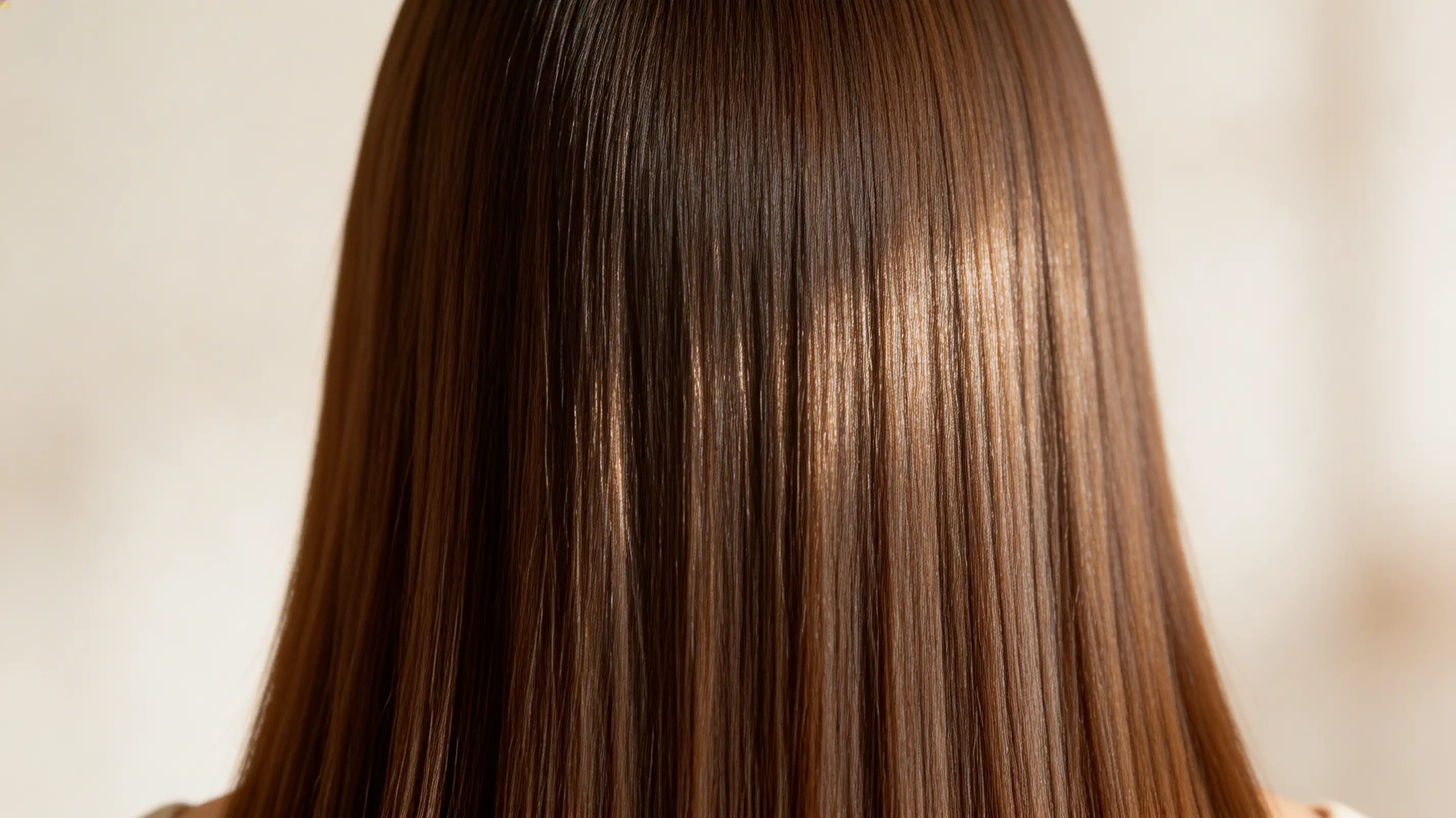
Straight hair is defined by its natural shine, smooth texture, and complete absence of curl or wave. Light reflects evenly off the surface, giving it a sleek, polished appearance.
However, this hair type is also prone to oiliness, as sebum travels down the shaft more easily. Without the right products and routine, it can quickly look flat or greasy.
Maintenance Tips:
- Opt for lightweight, non-greasy products to add moisture without weighing hair down.
- Use a smoothing shampoo and conditioner applied mid-length to ends for frizz control.
- Always apply heat protectant before styling and work in small sections for best results.
2. Wavy Hair
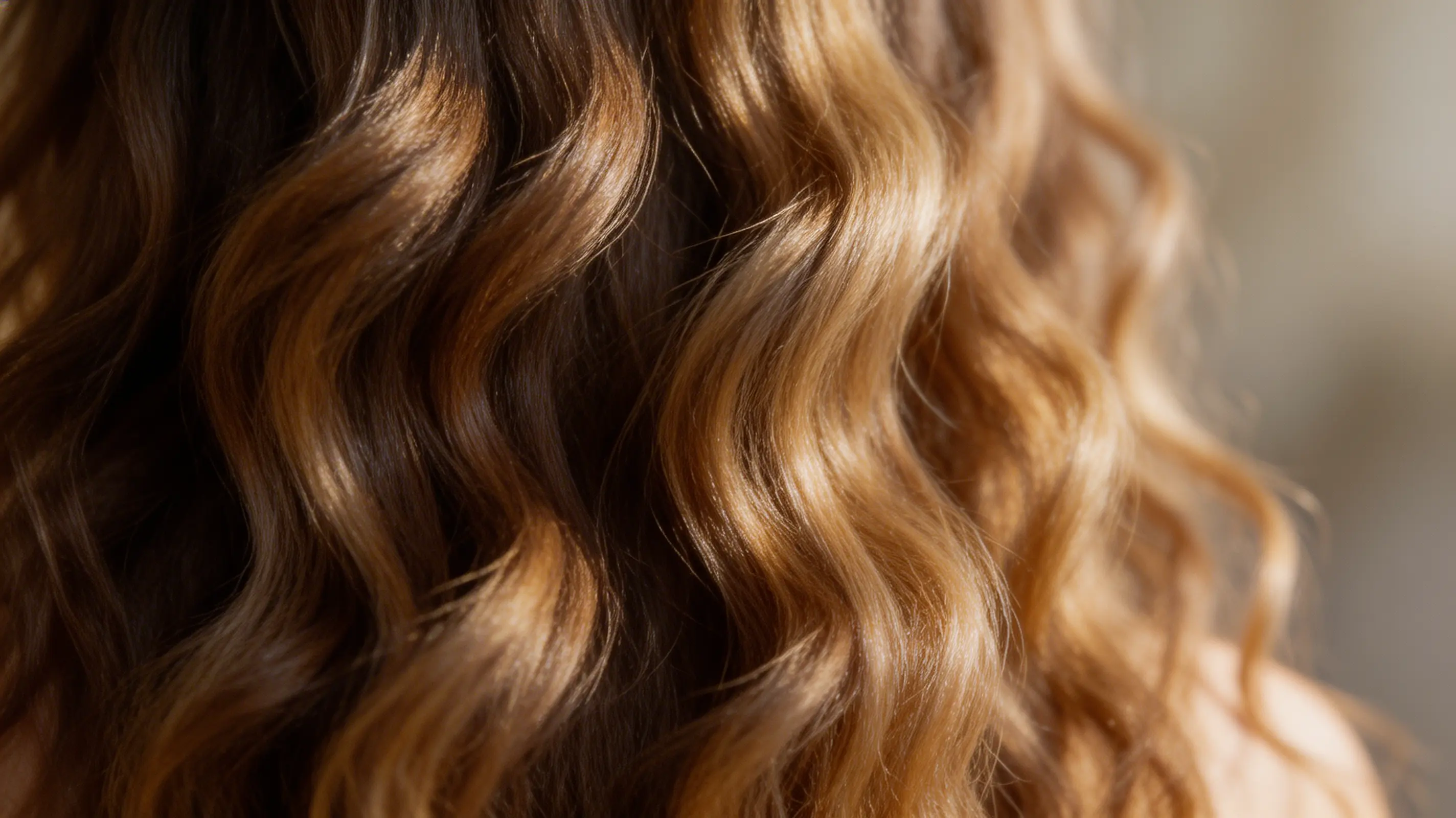
Wavy hair sits between straight and curly, forming a natural S-shaped pattern that gives it body, movement, and texture. It catches light unevenly, creating a relaxed, effortless look that many find easy to style.
However, wavy hair is prone to frizz and inconsistency; it can look defined one day and flat or poofy the next, depending on humidity, product choice, and how it is handled after washing.
Maintenance Tips:
- Use a lightweight curl-enhancing cream or mousse to define waves without weighing them down.
- Avoid touching your hair while it dries, as this disrupts the wave pattern and encourages frizz.
- Scrunch in products on soaking wet hair and allow it to air dry or use a diffuser for the best wave definition.
3. Curly Hair
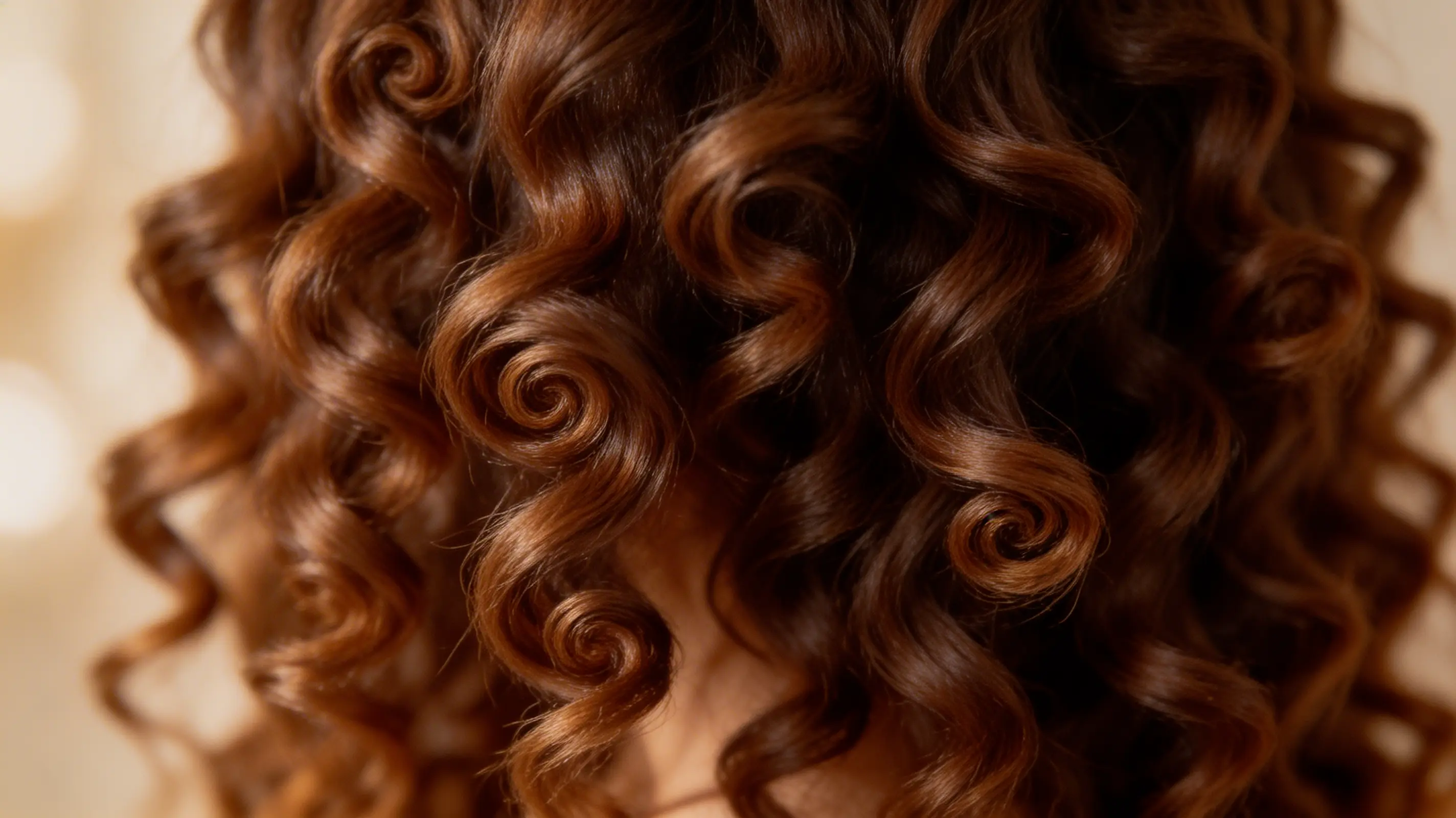
Curly hair forms tight, springy spirals or loops that create natural volume and dimension. Its coiled structure makes it visually striking and full of personality, but that same structure also makes it one of the more demanding hair types to maintain.
Because the curl pattern prevents natural oils from traveling down the shaft easily, curly hair tends to be significantly drier than straight or wavy hair. Without consistent moisture, curls lose definition, become frizzy, and feel rough to the touch.
Maintenance Tips:
- Prioritize deep conditioning regularly to keep curls hydrated, defined, and bouncy.
- Apply products in sections while hair is soaking wet to ensure even distribution through each curl.
- Avoid sulfate shampoos as they strip moisture, and always detangle gently with a wide-tooth comb from ends to roots.
4. Coily Hair
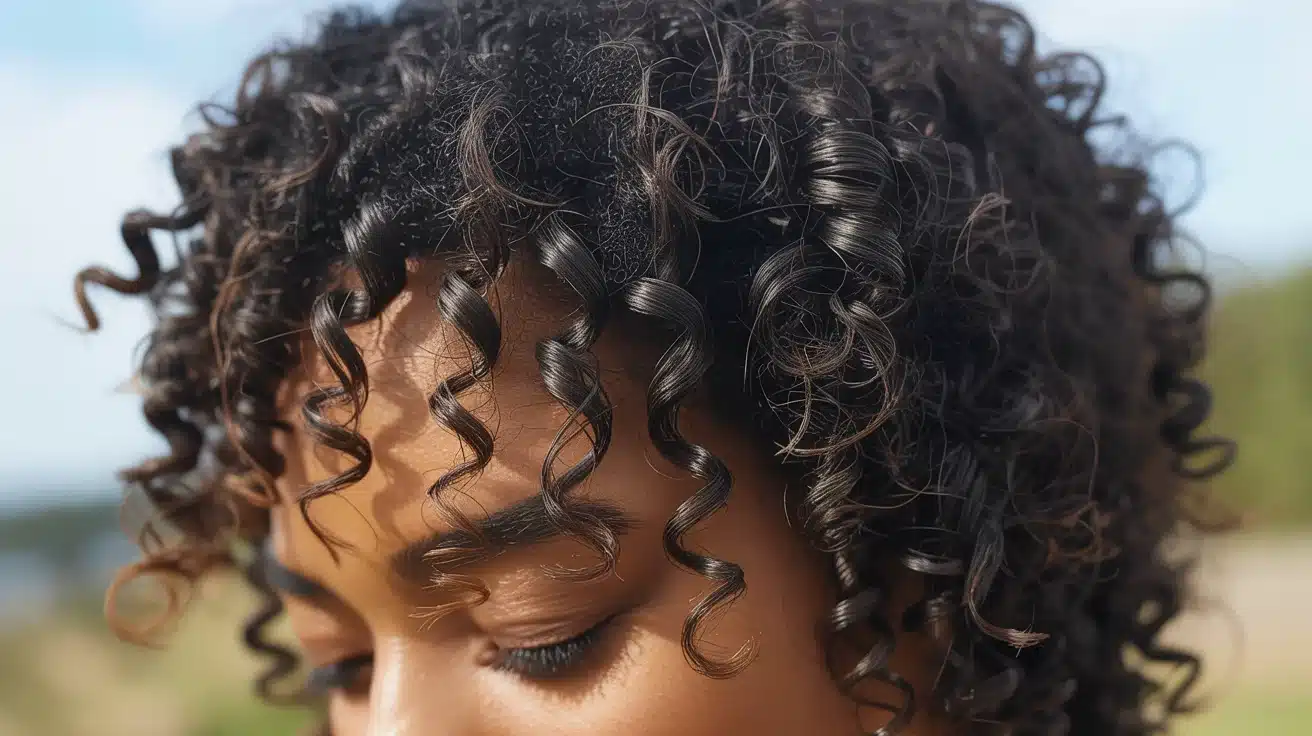
Coily hair features a tight, densely packed curl pattern that ranges from small spirals to sharp zigzag shapes. It has incredible volume and versatility, and its structure gives it a unique texture unlike any other hair type.
Despite appearing thick, Coily hair is actually the most fragile of all hair types. The sharp bends along each strand create natural weak points where breakage is most likely to occur. It is also the driest hair type, as natural oils struggle the most to travel down the tightly coiled shaft.
Maintenance Tips:
- Focus heavily on moisture retention by using the LOC or LCO method, layering liquid, oil, and cream to lock hydration in.
- Protect your hair at night with a satin or silk bonnet or pillowcase to reduce friction and prevent breakage.
- Detangle only when hair is wet and fully conditioned, working in small sections from ends upward with a wide-tooth comb or your fingers.
Understanding Your Hair Type
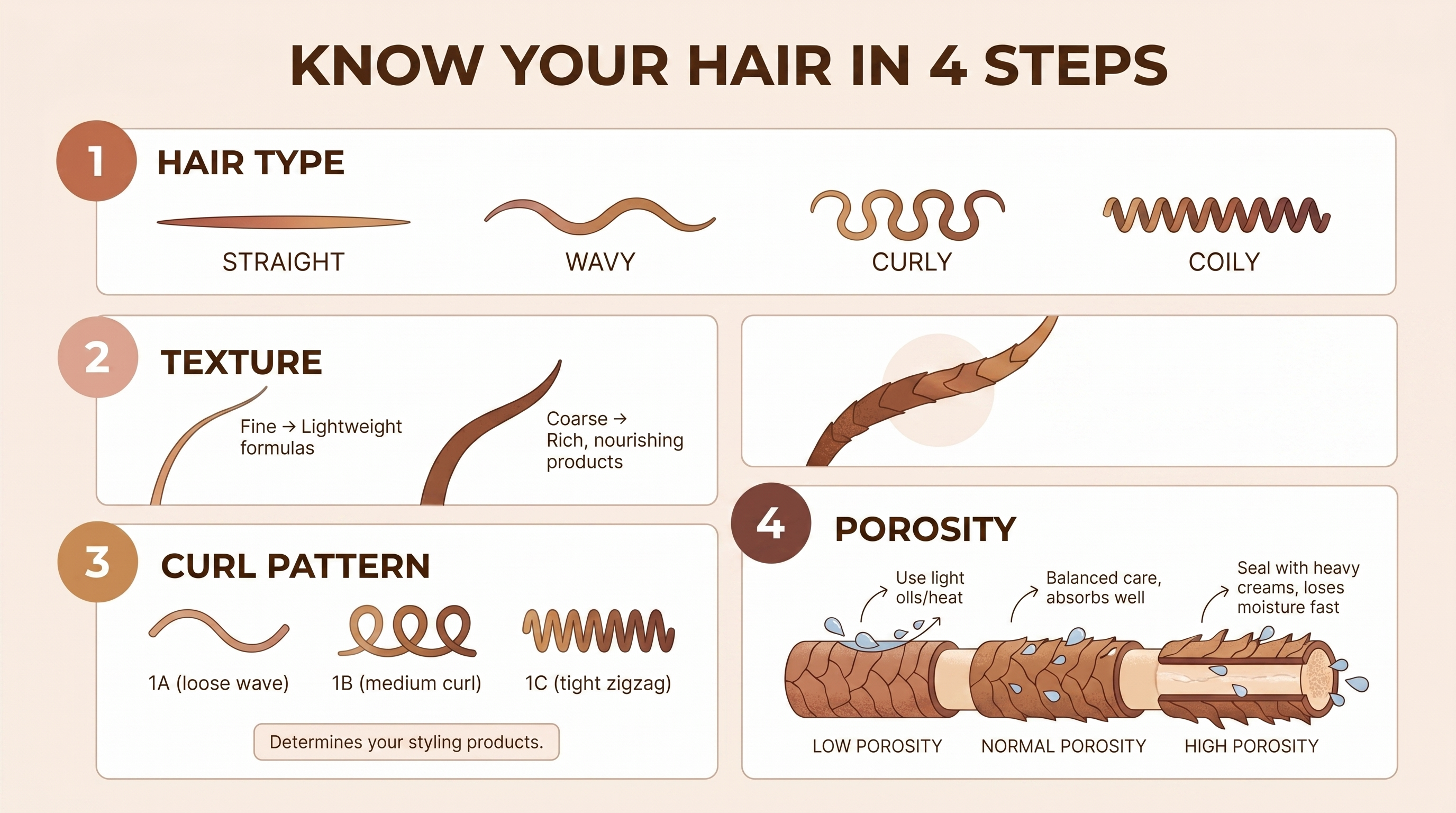
Figuring out what my hair truly needs can feel overwhelming. By understanding hair’s type, texture, and porosity, I have noticed I can finally create a routine that works for me and addresses my specific needs.
- Step 1: Identify whether your hair is straight, wavy, curly, or coily to understand how it reacts to different products.
- Step 2: Knowing if your hair is fine or coarse helps you choose between lightweight formulas and richer, more nourishing products.
- Step 3: Determine your curl pattern: A for loose waves, B for medium curls, and C for tight zigzags, to pick the right styling products.
- Step 4: Understanding your hair’s porosity helps you adjust your routine to retain moisture and keep your hair healthy and hydrated.
By understanding my hair’s type, texture, and porosity, I have realized that creating a routine that actually works for me is far more achievable than I thought.
What If Your Hair Doesn’t Fit One Type?
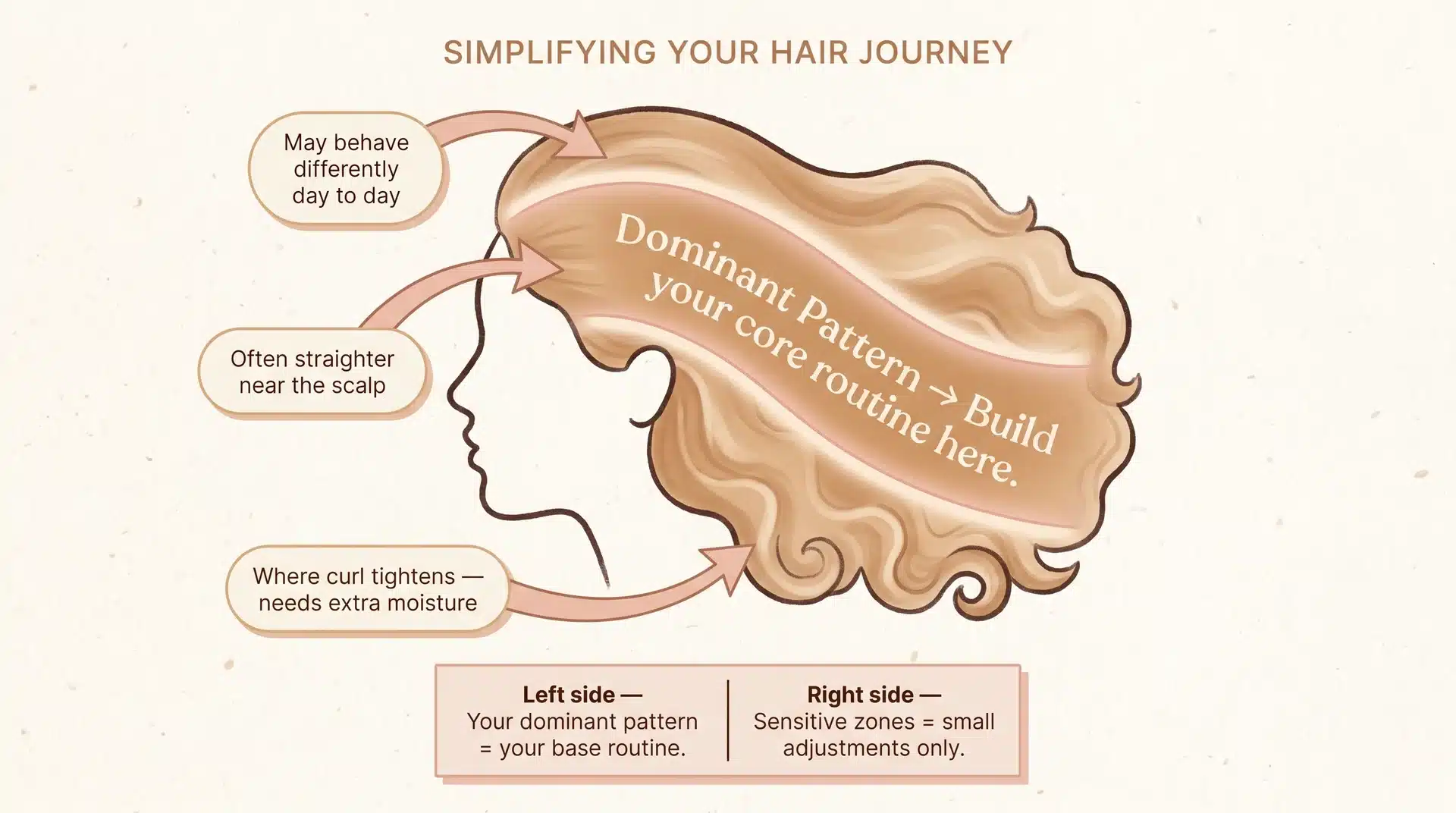
Not every head of hair follows the rules, and if identifying your hair type has ever left you more confused than confident, that is completely normal. Mixed patterns are far more common than most hair guides acknowledge.
Your roots might be straighter, your ends might curl, and your crown might behave differently depending on the day or the weather. When this happens, start by identifying your dominant pattern, the one that appears most across your hair, and build your core routine around that as your primary reference point.
From there, pay close attention to your most sensitive area, whether that is your ends, your crown, or anywhere that feels more delicate or prone to dryness. That section does not require a completely separate routine, just small, considered adjustments like extra moisture or gentler handling during detangling.
Your hair does not need to fit perfectly into one category for you to care for it well. Mixed hair is not complicated hair; it simply asks for a little more attention in the right places.
Hair Type vs. Hair Texture
Your hair is not like anyone else’s, and your routine should not be either. Before you invest in another product or follow someone else’s regimen.
The most valuable thing you can do is understand the two factors that shape everything about how your hair looks, feels, and responds. What works for someone else may be exactly what is holding your hair back.
| Hair Type | Hair Texture | |
|---|---|---|
| Definition | Your hair’s natural curl or wave pattern | The thickness of each strand |
| Categories | Straight, Wavy, Curly, Coily | Fine, Medium, Thick |
| What It Controls | How your hair moves and behaves | How your hair responds to products |
| Consistency | Largely stable throughout life | Can shift with age, health, or hormones |
| Fine | Loses volume (straight) or curl definition (curly) quickly | Thin strands weigh down easily, even with lightweight products |
| Medium | Holds styles well with minimal effort across patterns | Balanced and forgiving; handles most formulas without issue |
| Thick | Resists styling (straight) or needs extra moisture (curly) | Dense strands need richer formulas; handles heavier products well |
| Key Challenge | Treating all patterns with the same products | Overlooking strand thickness when selecting formulas |
| Best Approach | Build your routine around your dominant pattern | Match product weight to your strand thickness |
Now that you can see exactly where your hair sits across both factors, you have something most people never take the time to build, a clear, honest starting point.
Use this as your reference every time you evaluate a product, rethink your routine, or troubleshoot a problem. The more you understand your own hair, the less you will rely on guesswork and the more results you will actually see.
Mistakes That Make Hair Problems Worse
Your hair might be trying to tell you something. Some of the most common hair problems aren’t caused by what you’re missing, but by habits you’re unknowingly doing every day
- Wrong product weight: Heavy formulas make fine hair greasy, while lightweight products fail to give thicker hair enough moisture and hold.
- Washing too often: Strips your scalp of natural oils, leading to dryness and irritation.
- Skipping washes too often: Causes buildup that clogs the scalp and weighs your hair down.
- Frequent heat use: Builds up hidden damage over time, leading to dryness and breakage, even when hair looks fine.
- Ignoring how your hair reacts: If a product or habit consistently leaves your hair worse, it’s a sign to change.
Start listening to your hair’s signals to catch problems early and avoid lasting damage.
Frequently Asked Questions
How Can I Quickly Tell My Hair Type?
Wash your hair, let it dry completely without any products, and observe what it does naturally. The pattern it forms on its own is your actual hair type.
Can your hair Type Change Over Time?
Yes. Hormonal shifts, medication, and aging can all alter your hair’s natural pattern. If your routine suddenly stops performing, your hair structure may have shifted, and your routine may need updating.
Why does my routine stop working?
Hair adjusts to repeated product use over time. Seasonal changes, diet, and stress also affect how your hair behaves. Reassess your hair’s current condition rather than assuming the products are the problem.
How often should I wash my hair?
It depends on your scalp and hair type. Oily scalps benefit from more frequent washing, while dry or fine hair does better with less. Let your scalp’s condition guide your schedule.
Does water quality affect your hair?
Yes. Hard water contains minerals that build up on the hair shaft over time, making it feel rough and difficult to manage. If your hair feels consistently weighed down despite a solid routine, water quality may be a contributing factor.
Summary
I’ve seen how confusing hair care can feel when nothing seems to work the way you expect. Once you understand different hair types and what your own hair needs, things start to click. You can stop guessing and start choosing what actually suits you.
Take a closer look at how your hair behaves day to day. Make small changes, stay consistent, and give your routine time to work. You’ll notice the difference when you focus on what your hair responds to, not what works for others.
If you want more simple tips like this, check out other blogs and keep improving your hair care step by step.