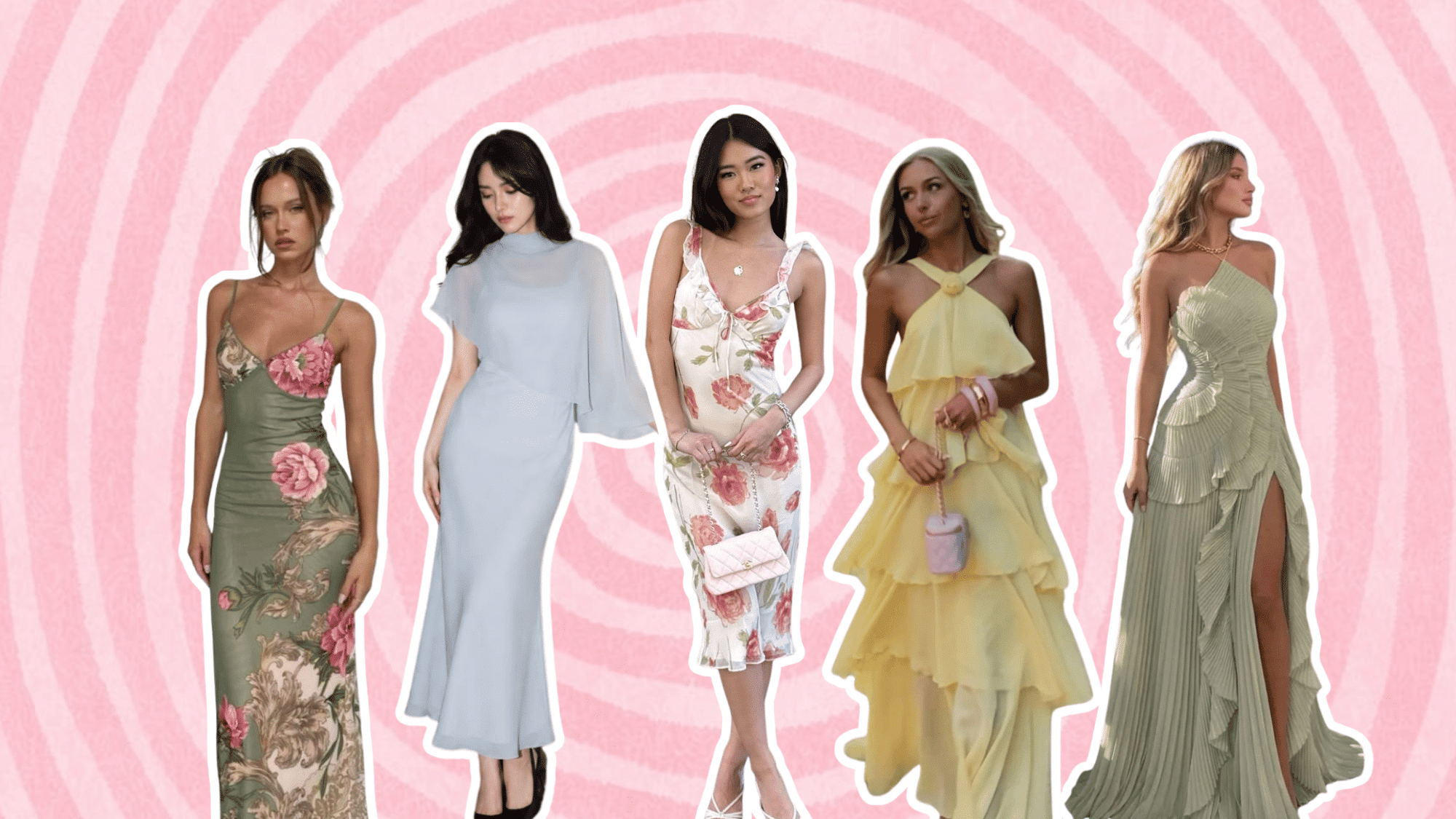
A great dress can transform an outfit. Understanding its shape, length, and details makes choosing what to wear easier and more personal.
With so many cuts, fabrics, and designs available, knowing the different types of dresses and fabrics like viscose can help you choose styles that suit your wardrobe, occasion, and everyday life.
From timeless silhouettes and relaxed casual designs to polished workwear and elegant formal looks, each dress type has its own character and purpose.
You’ll find popular dress categories explained simply, so it’s easier to understand their features and choose styles that fit your wardrobe.
How Are Dresses Categorized?
Dresses can be categorized in several ways, including style, silhouette, length, fabric, color, occasion, and design details.
Features such as necklines, sleeves, waistlines, and hemlines can also distinguish one dress from another.
However, these categories are not always fixed. One person may view an A-line and column dress as separate types, while another may consider them variations based on length or silhouette.
Understanding these differences can make it easier to compare dress styles and recognize what sets each type apart.
Types of Dresses
From timeless silhouettes to occasion-ready designs, these popular dress types cover different lengths, shapes, details, and styling needs.
1. A-Line Dress
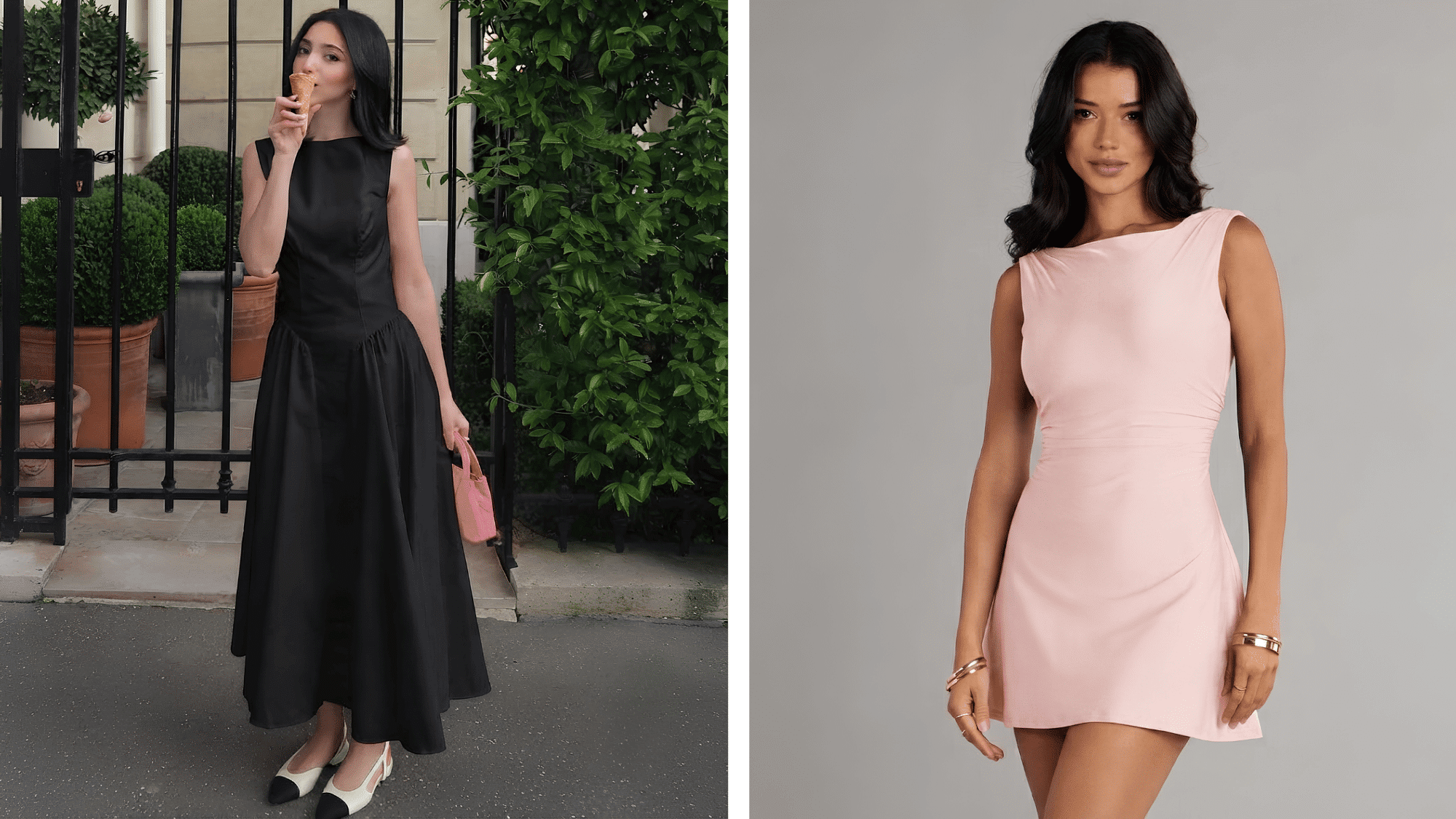
An A-line dress is fitted through the bodice and gradually widens from the waist, creating an “A” shape.
Its balanced silhouette works across different lengths and occasions, from casual daytime outfits to polished workwear and semi-formal looks. It is one of the most versatile dress styles.
2. Maxi Dress
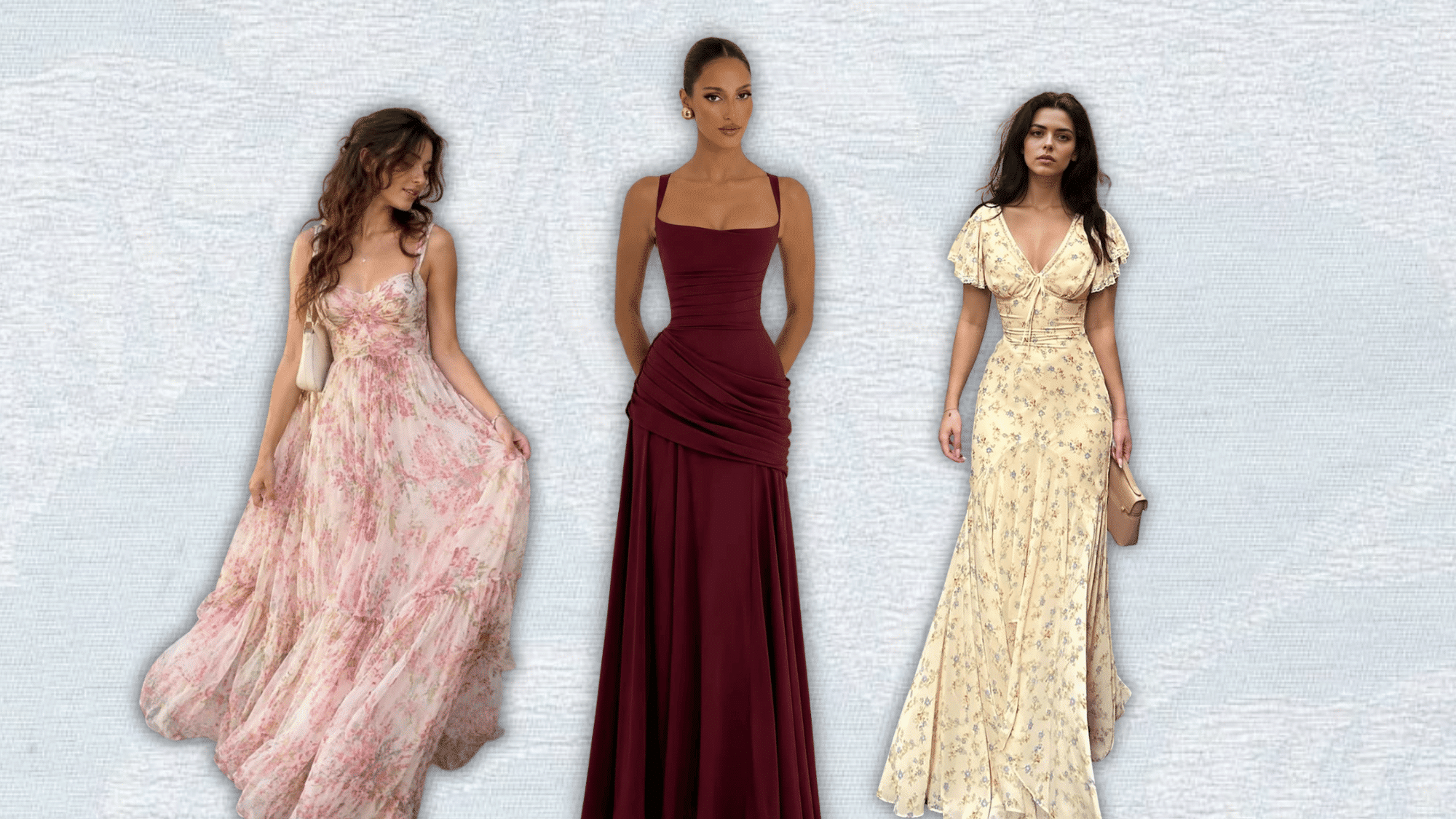
A maxi dress has a long hemline that typically reaches the ankles or floor. It can have a fitted, flowing, or relaxed silhouette and works especially well for warm-weather outfits, vacations, casual gatherings, and dressier occasions.
A maxi dress can also complement boho chic style, especially when paired with flowing fabrics, prints, and relaxed accessories.
Fabrics and details can make a maxi dress feel either relaxed or elegant.
3. Midi Dress
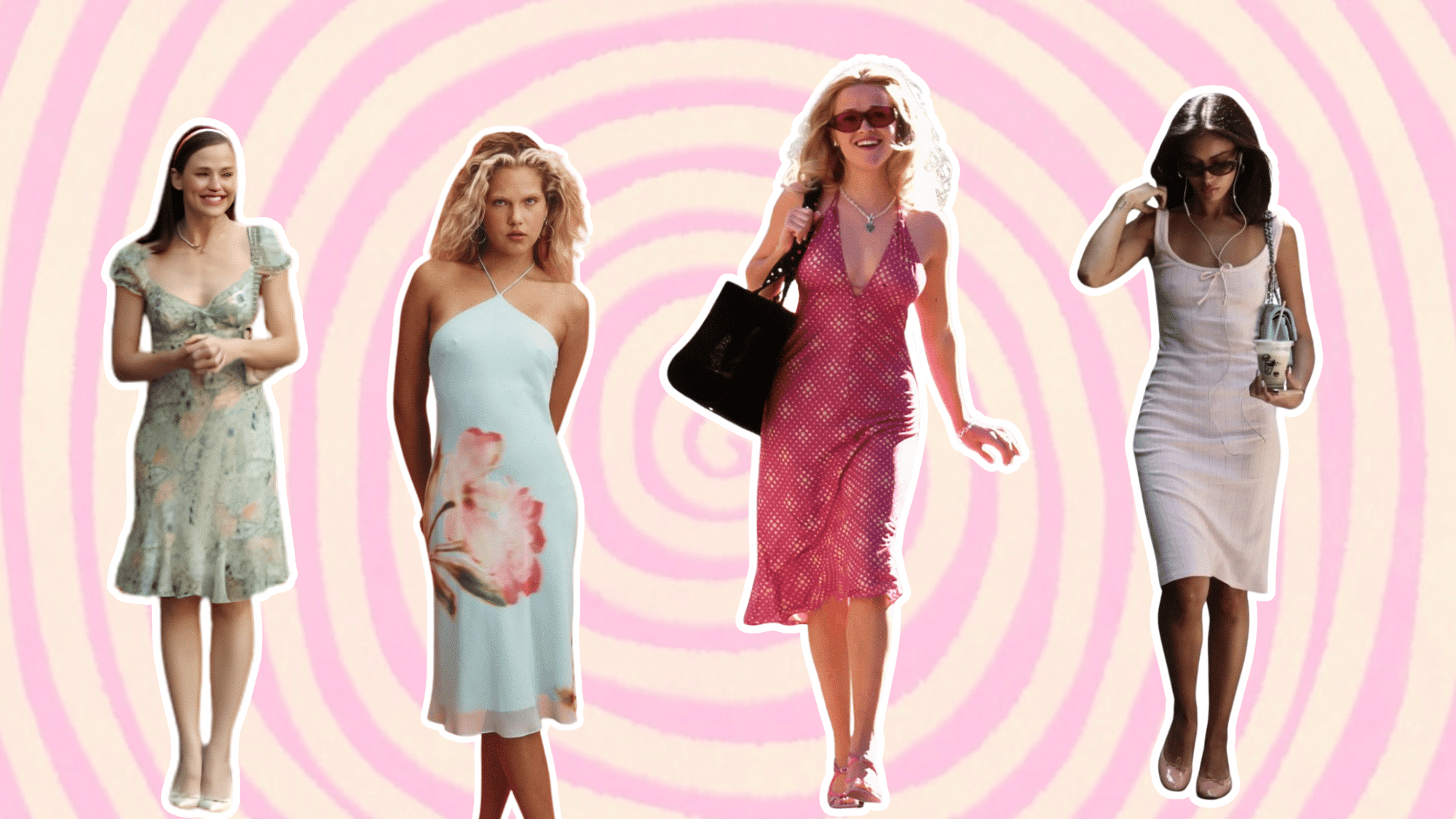
A midi dress falls between the knee and ankle, usually around the mid-calf. Its moderate length makes it suitable for many settings, including everyday wear, office outfits, dinners, and events.
Midi dresses come in numerous silhouettes, including A-line, fitted, wrap, and flowing designs.
4. Mini Dress
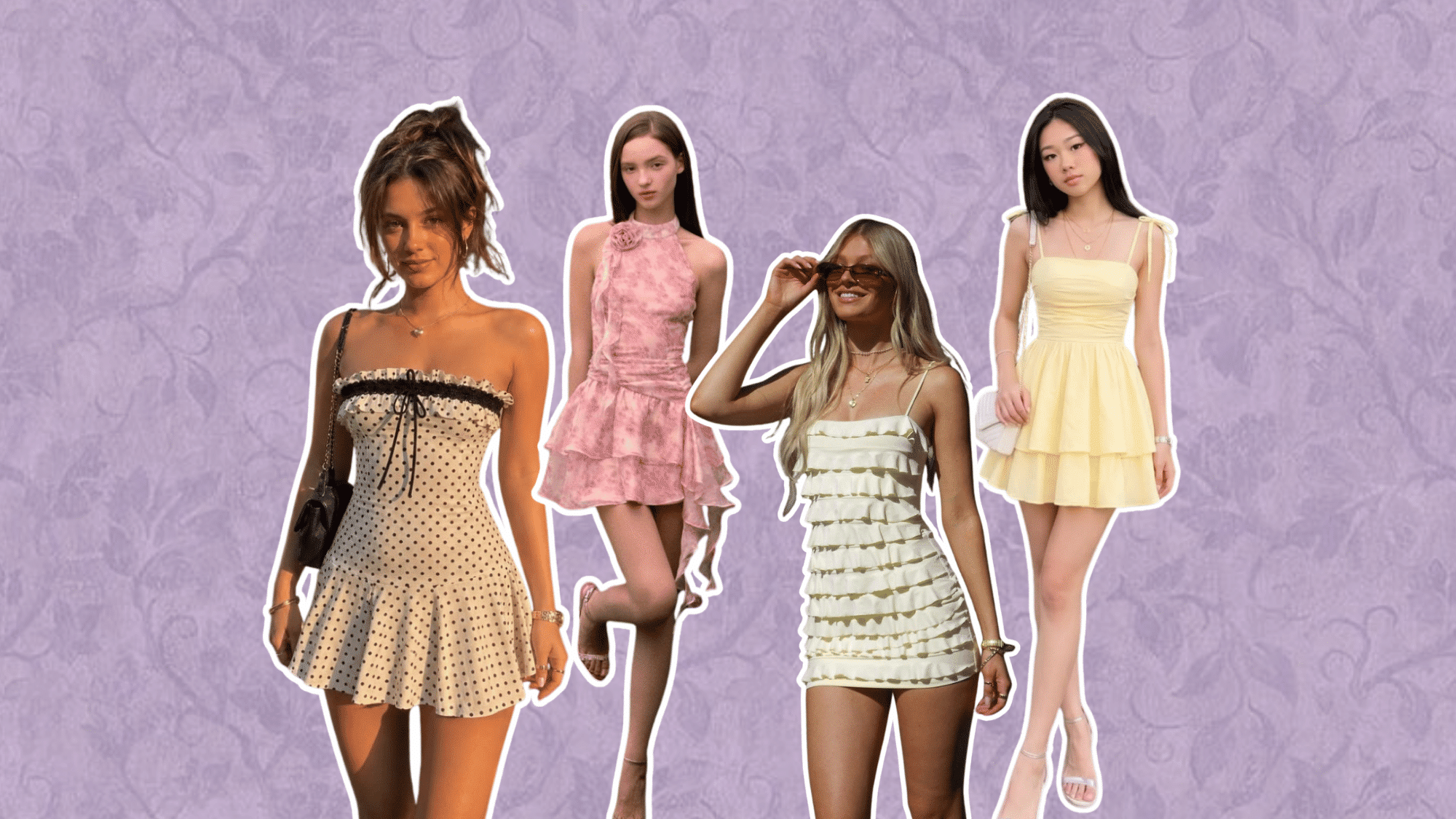
A mini dress has a short hemline that typically ends above the knee. It can feature a fitted, straight, flared, or relaxed shape and is commonly worn for casual outings, parties, and warm-weather occasions.
The overall look can vary significantly depending on fabric, neckline, and styling.
5. Wrap Dress
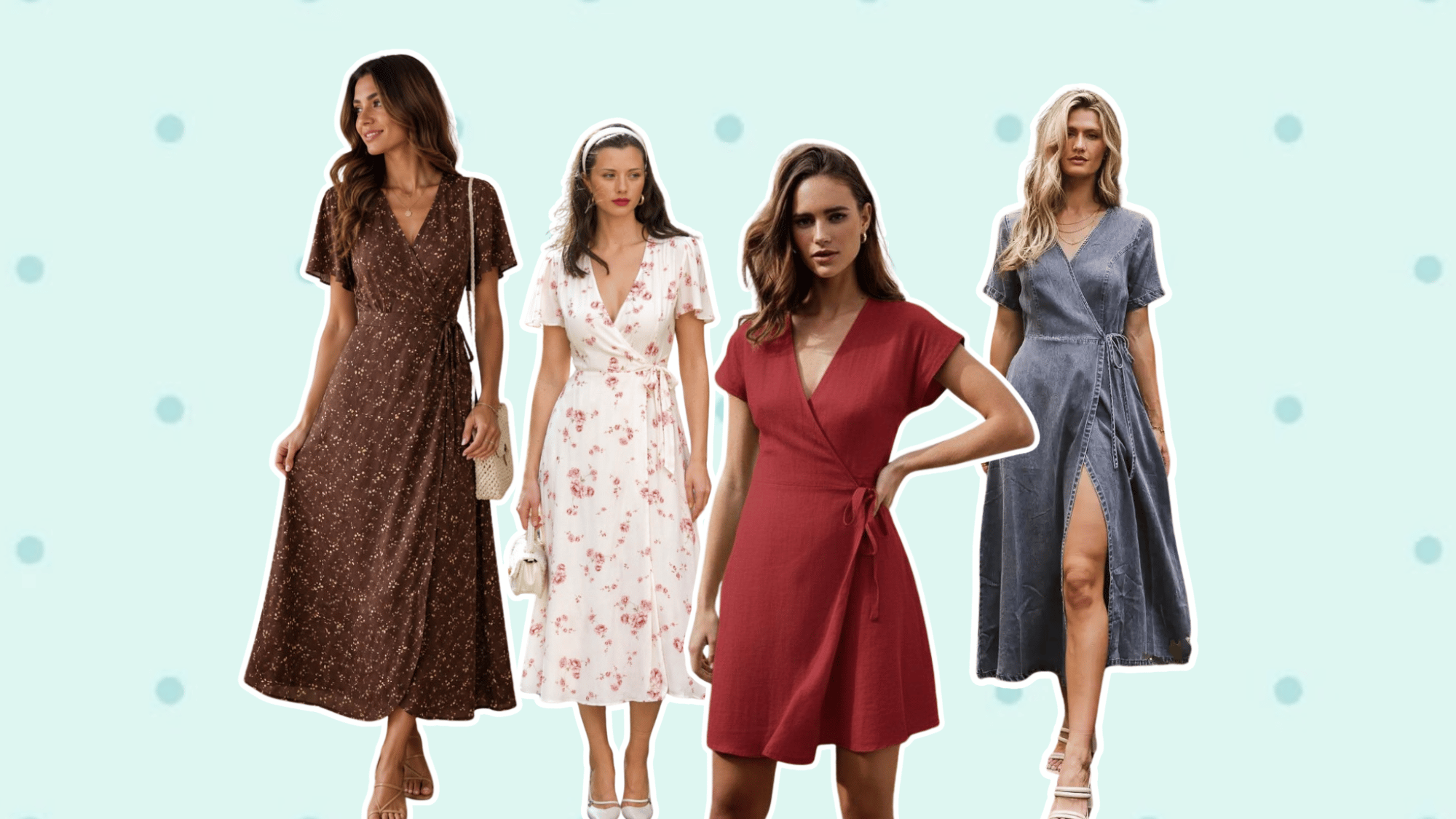
A wrap dress closes by crossing one side of the fabric over the other and securing it around the waist. This creates a naturally defined waist and often forms a V-shaped neckline.
Wrap dresses can be casual or dressy, making them useful for work, dinners, and events.
6. Shift Dress
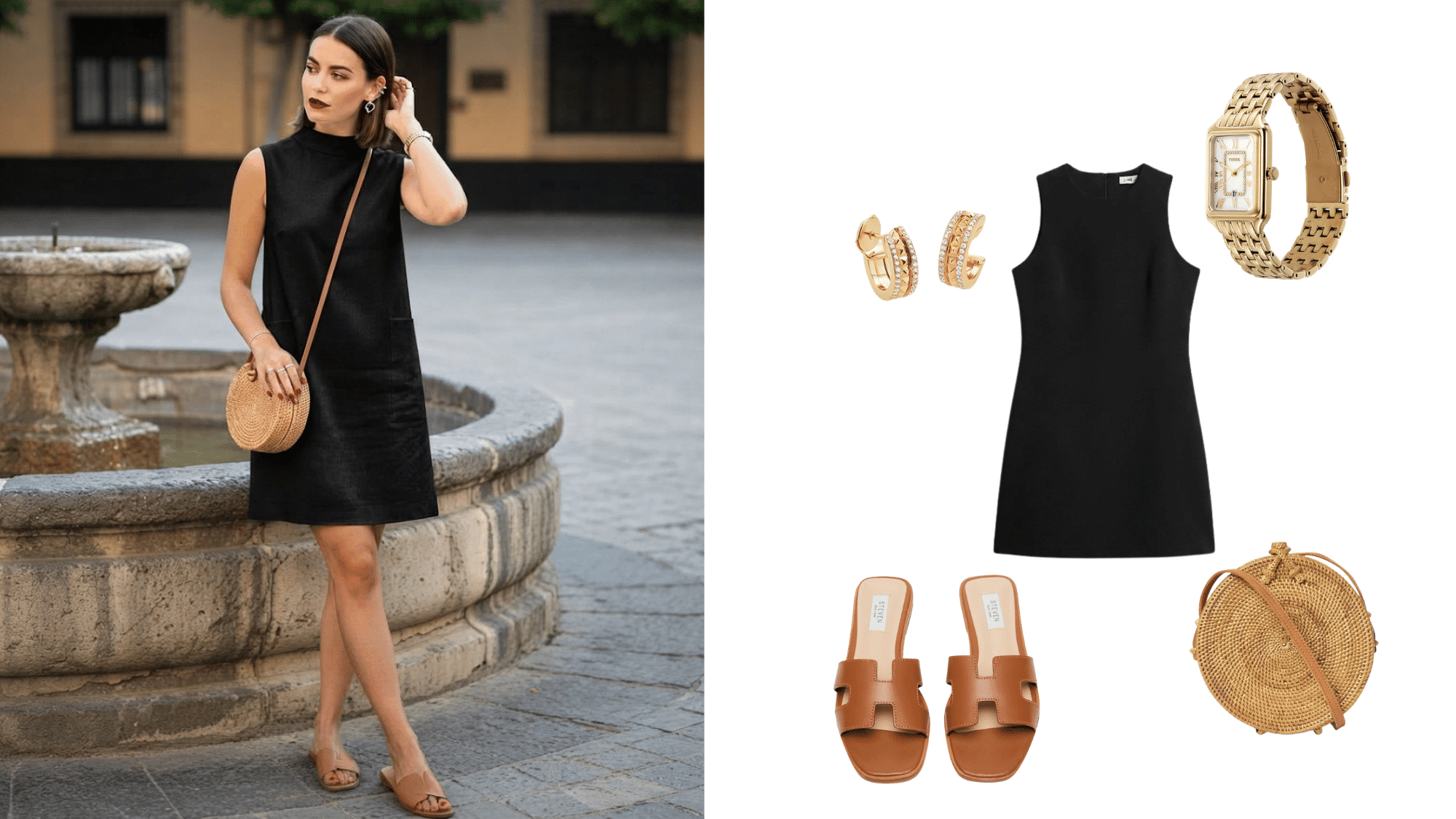
A shift dress has a simple, straight silhouette that hangs loosely from the shoulders without strong waist definition.
Popularized in the 1920s, its clean and comfortable shape works well for everyday and office wear. It can also suit business casual outfits when styled with polished shoes and simple accessories.
7. Sheath Dress
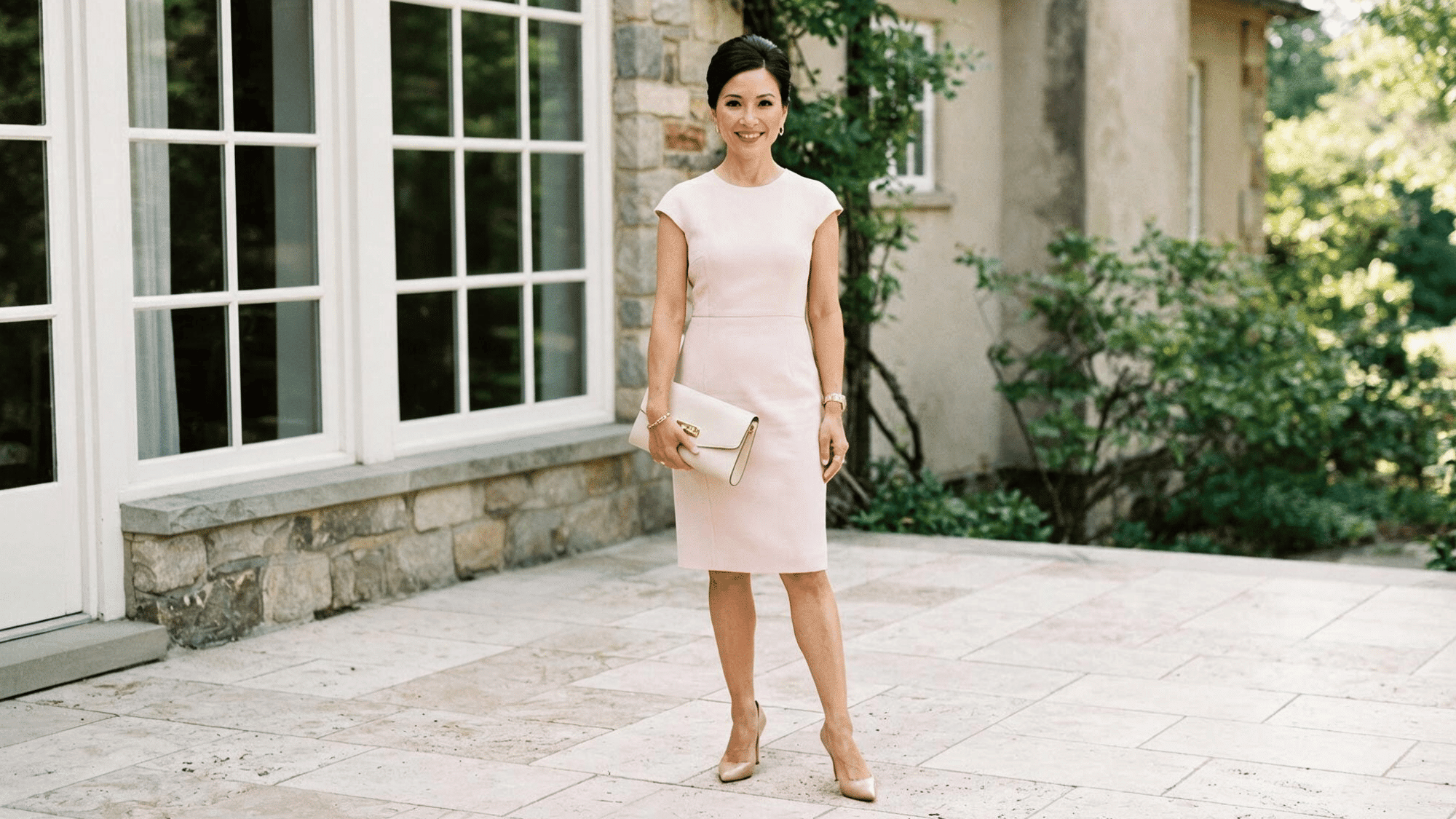
A sheath dress has a close-fitting, streamlined silhouette that follows the body’s shape without a dramatically flared skirt.
It commonly falls around the knee or below and is often associated with polished workwear and formal outfits. Simple tailoring makes the sheath dress particularly suited to sophisticated styling.
8. Bodycon Dress
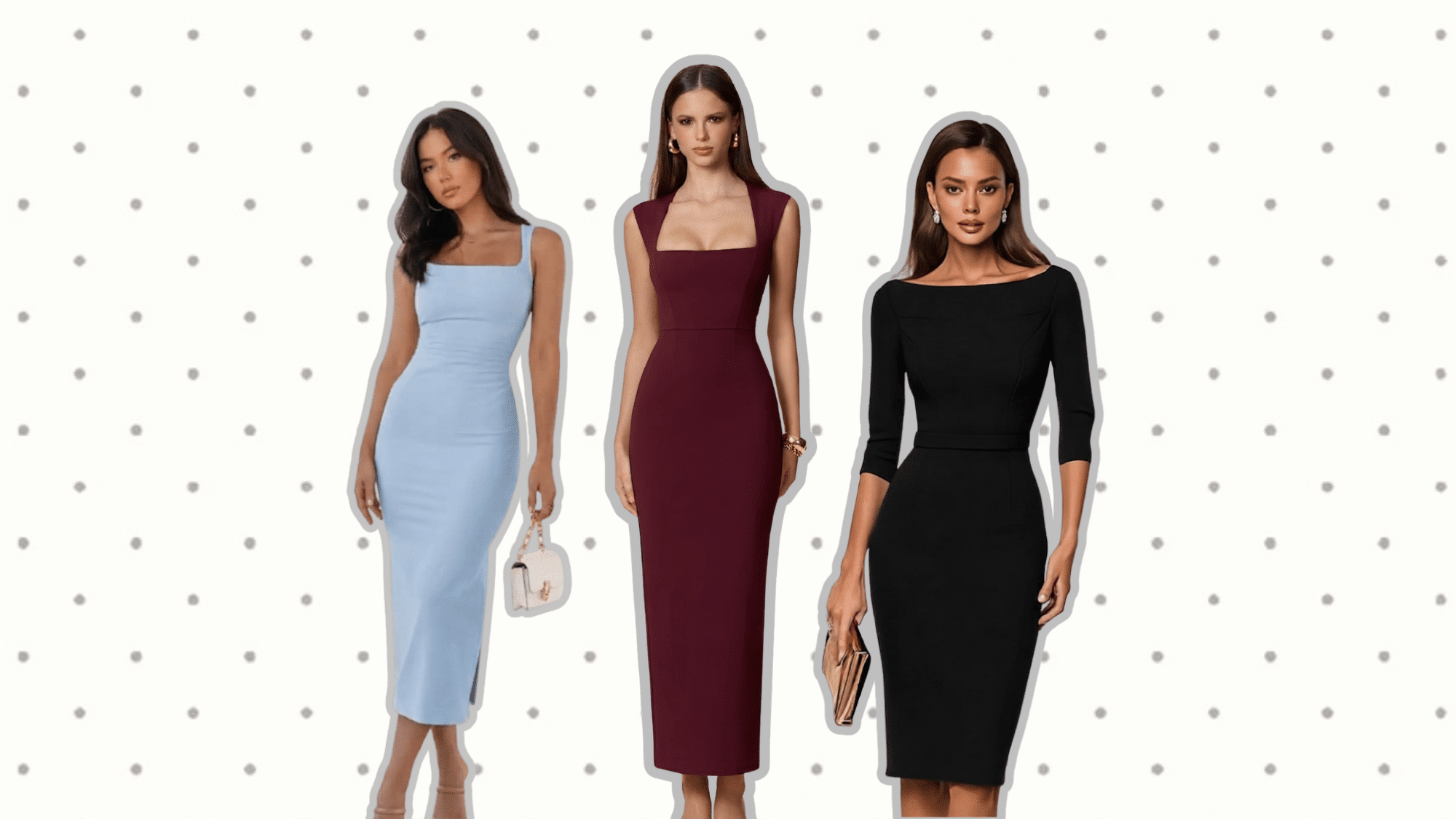
A bodycon dress is designed to fit closely against the body and emphasize its natural shape.
Often made from stretchy fabrics such as jersey or knit blends, it can range from casual to evening styles. Necklines, sleeve lengths, and dress lengths can create different levels of coverage.
9. Shirt Dress
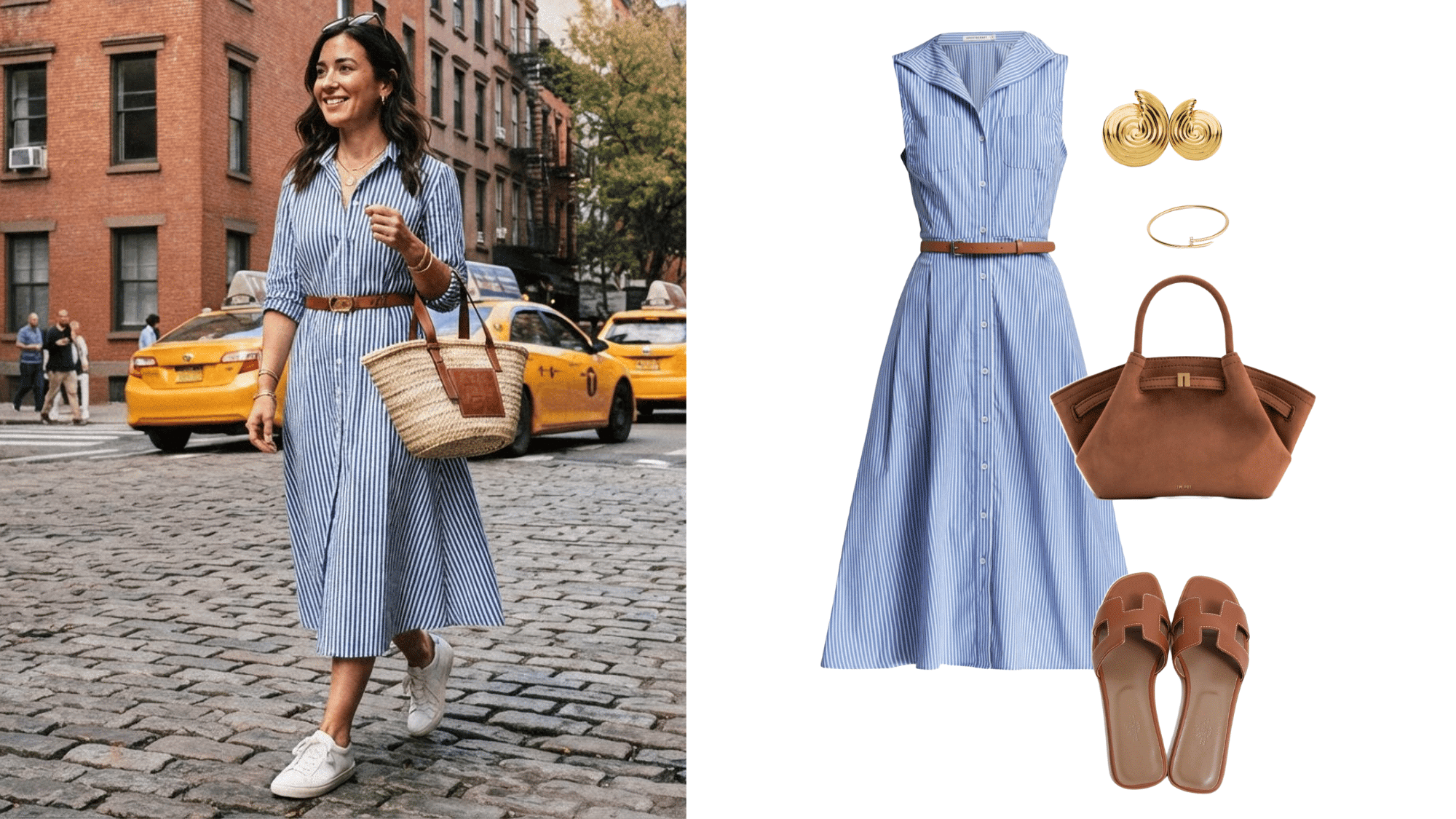
A shirt dress takes design elements from a traditional button-down shirt, often featuring a collar, front buttons, and sleeves.
It may have a fitted or relaxed shape and can be styled with belts, boots, flats, or sneakers. This versatility makes it suitable for casual and smart-casual outfits.
10. T-Shirt Dress
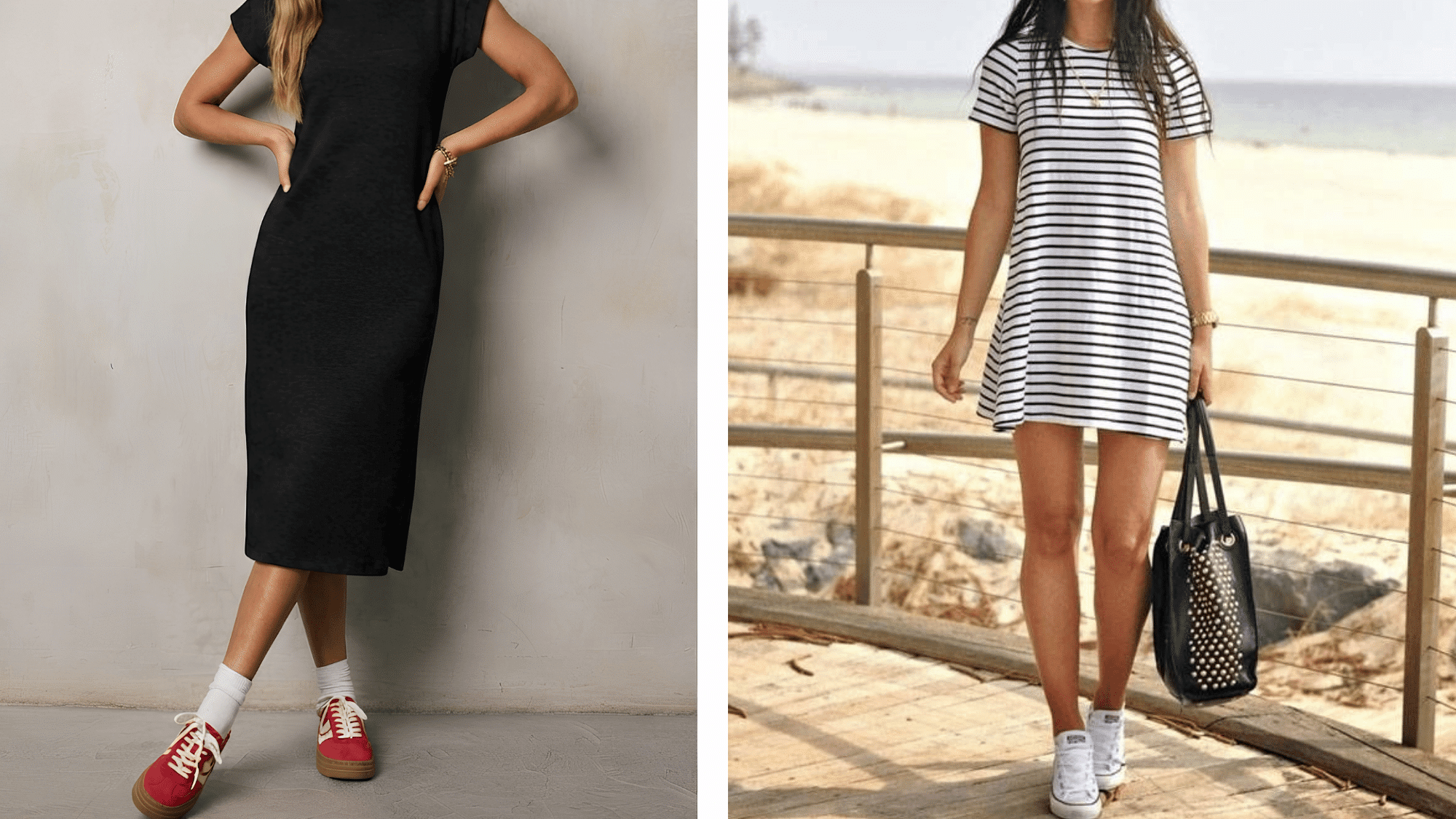
A T-shirt dress combines the relaxed shape and comfort of a T-shirt with a longer dress length.
Usually made from soft materials such as cotton or jersey, it can have short sleeves, a crew neckline, or a loose fit. It is a practical choice for casual everyday dressing.
11. Slip Dress
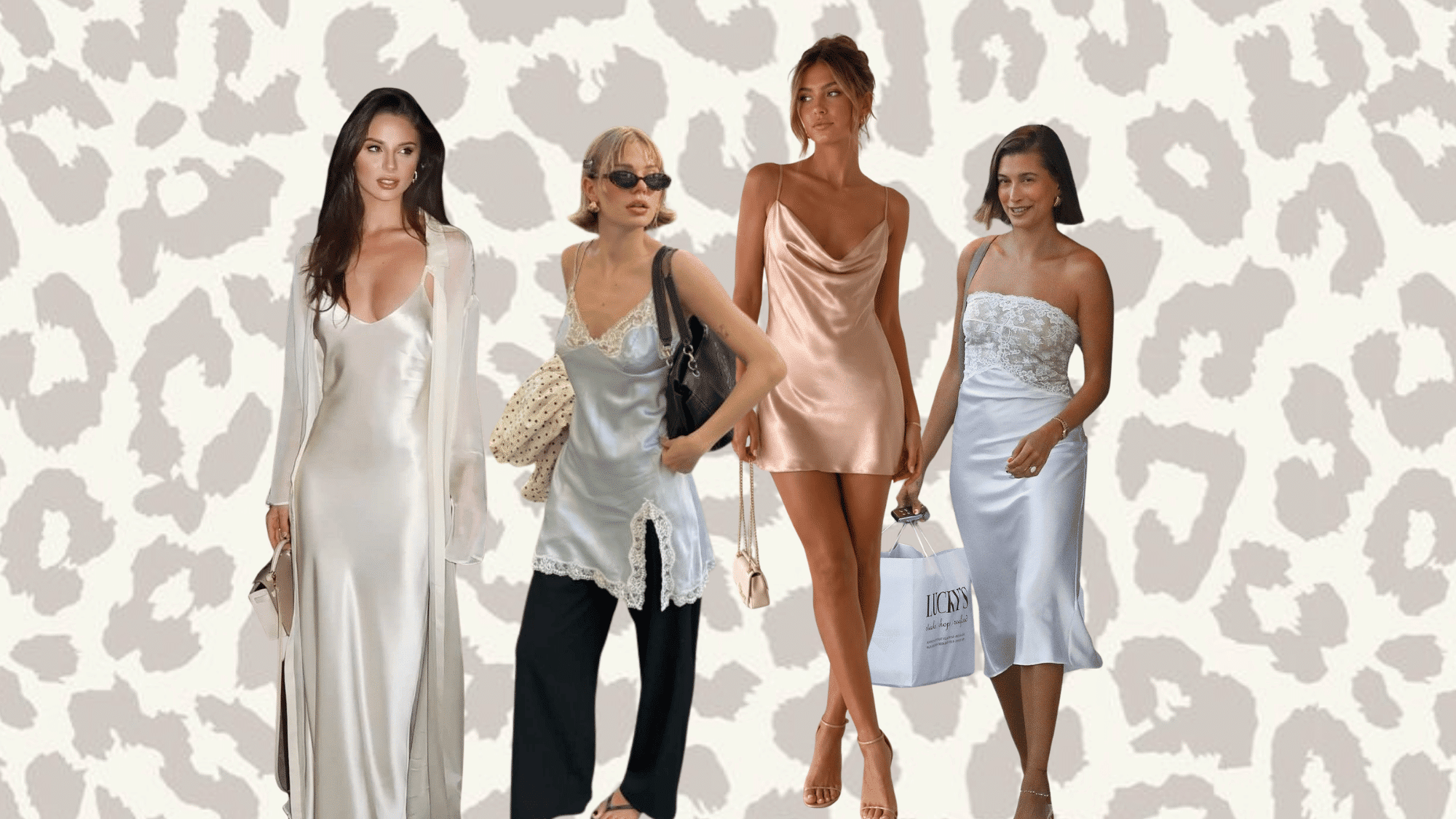
A slip dress is a lightweight style traditionally inspired by lingerie, usually featuring thin straps and a fluid silhouette.
Often made from satin or other smooth fabrics, it can be worn alone for an elegant look or layered over shirts, knitwear, or under jackets for added versatility.
12. Sundress
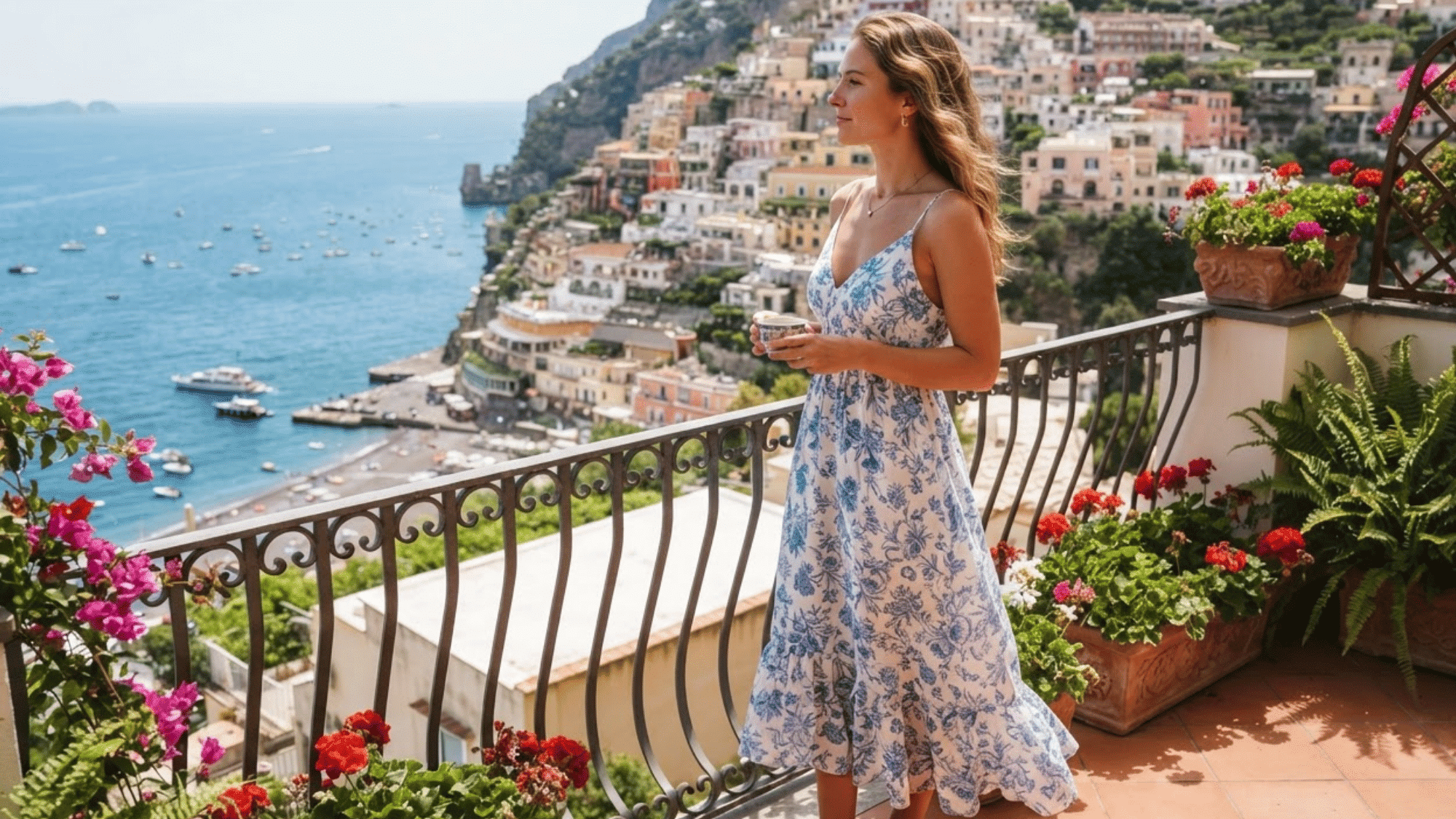
A sundress is a lightweight style designed for warm weather, commonly made from breathable fabrics such as cotton or linen.
It may feature thin straps, short sleeves, or a relaxed shape. Floral prints, bright colors, and flowing skirts are common details, making sundresses popular for summer outings.
13. Sweater Dress
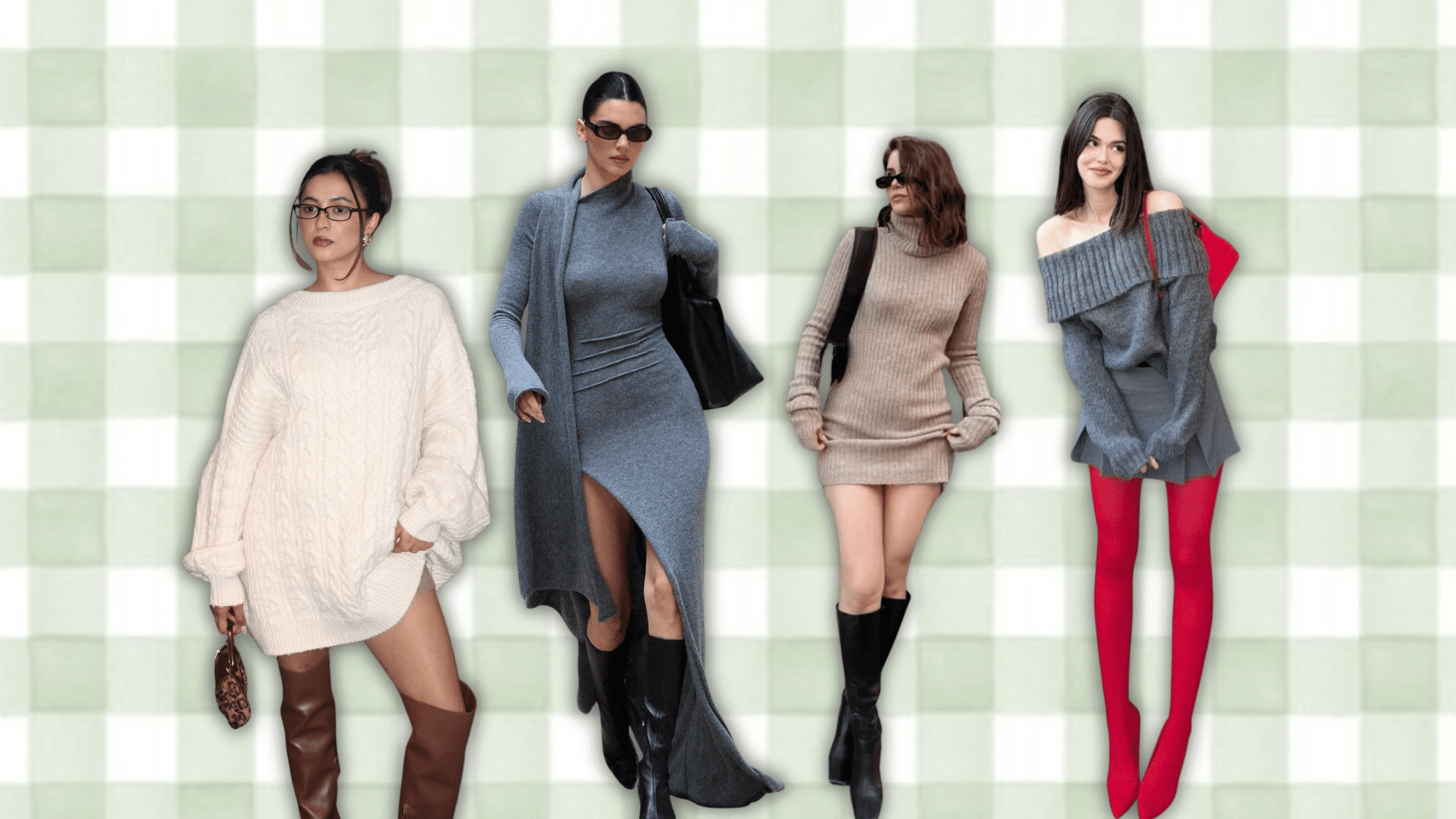
A sweater dress is made from knitted or heavier fabric designed to provide warmth and comfort. It can be fitted, oversized, short, or long, with textures ranging from ribbed knits to cable patterns.
Sweater dresses are especially useful for creating comfortable cold-weather outfits without sacrificing a polished appearance.
14. Blazer Dress
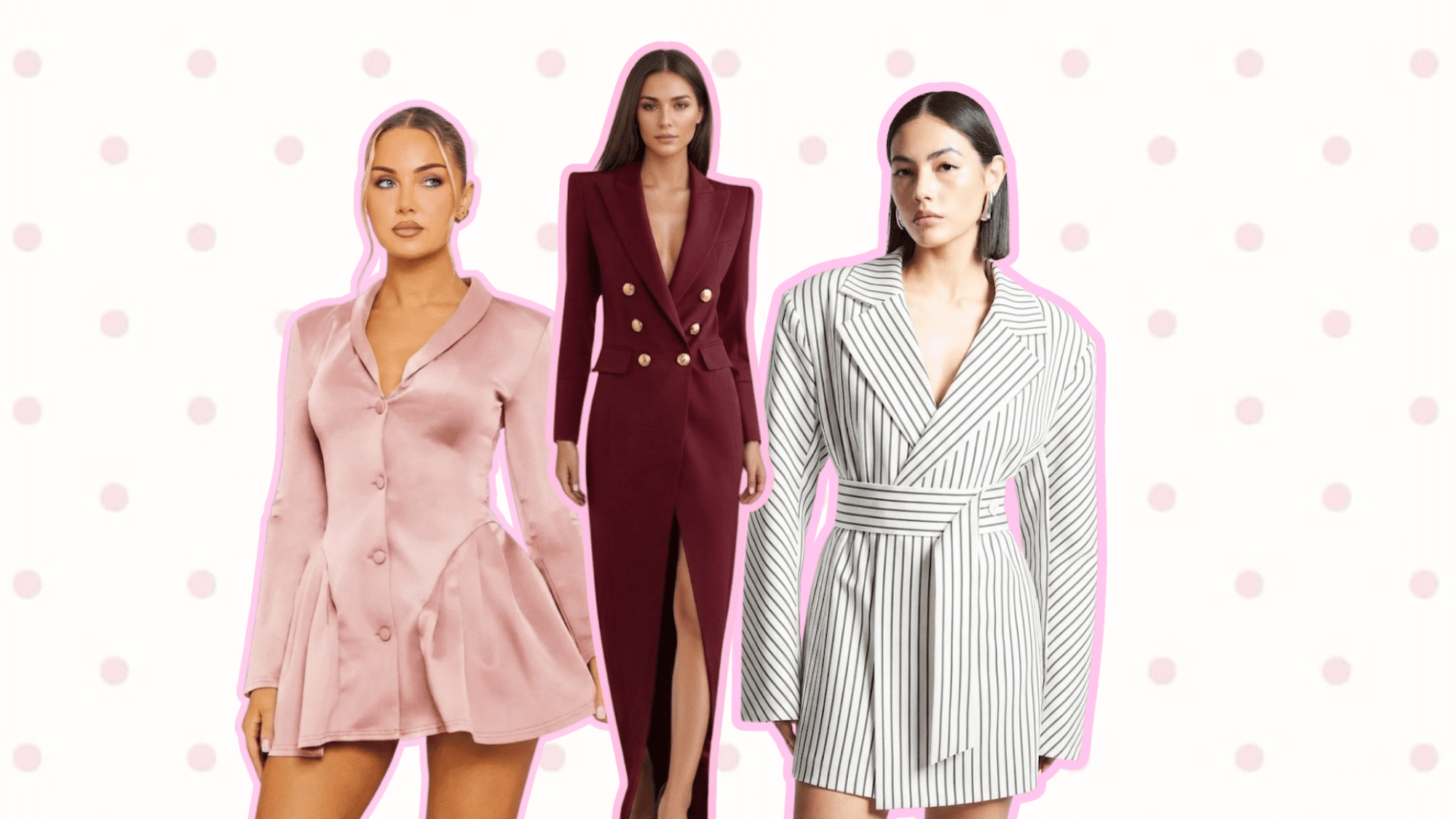
A blazer dress combines the structured appearance of a tailored blazer with the length of a dress. Common details include lapels, buttons, shoulder structure, and pockets.
Depending on its cut and fabric, it can create a polished look for dinners, parties, work-related events, or other dressier settings.
15. Empire Waist Dress
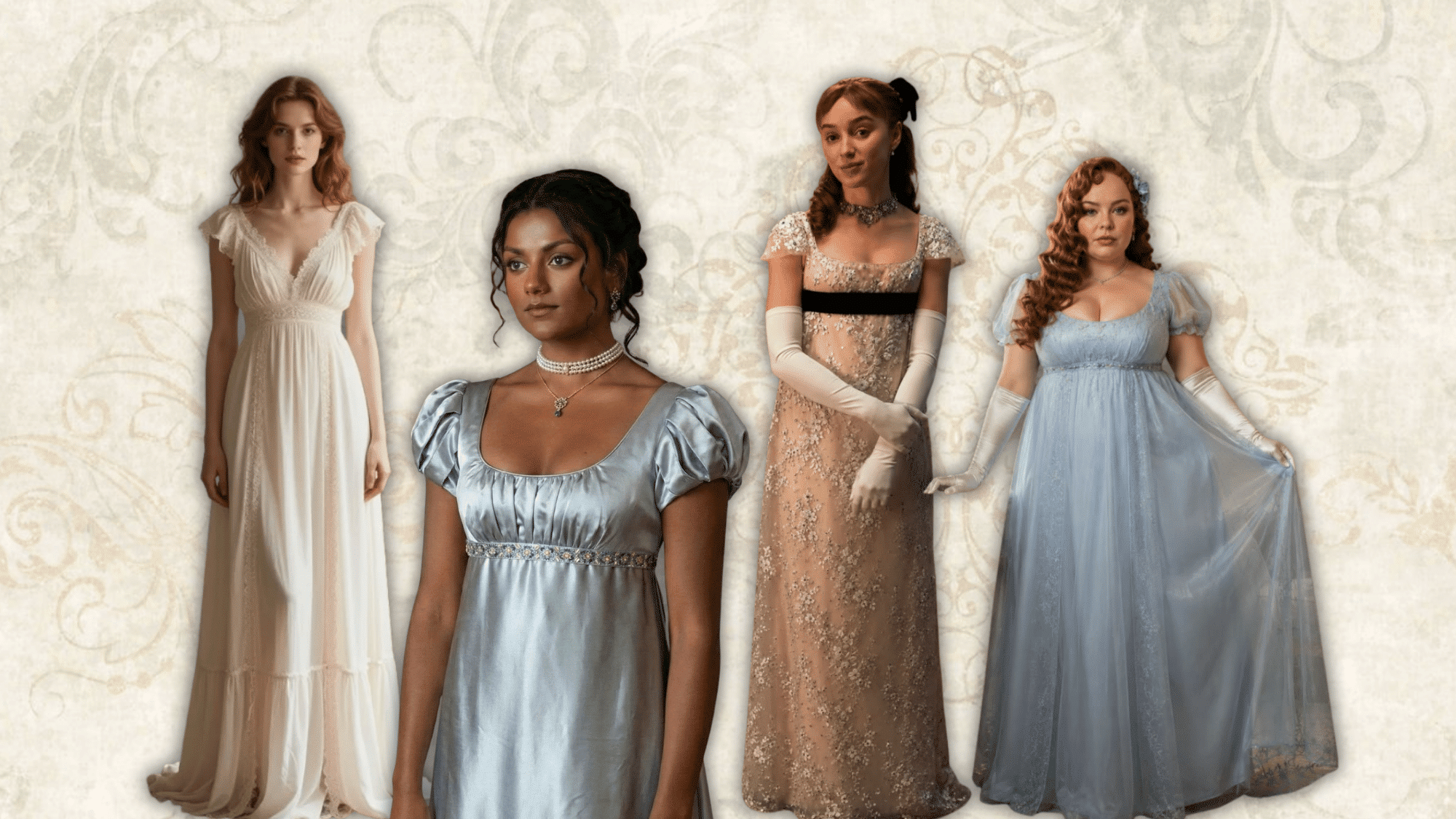
An empire waist dress has a raised waistline positioned just below the bust, with fabric flowing downward from that point.
The silhouette became especially associated with Regency-era fashion. Modern versions range from casual to formal and may feature flowing skirts, delicate fabrics, or structured bodices.
16. Ball Gown
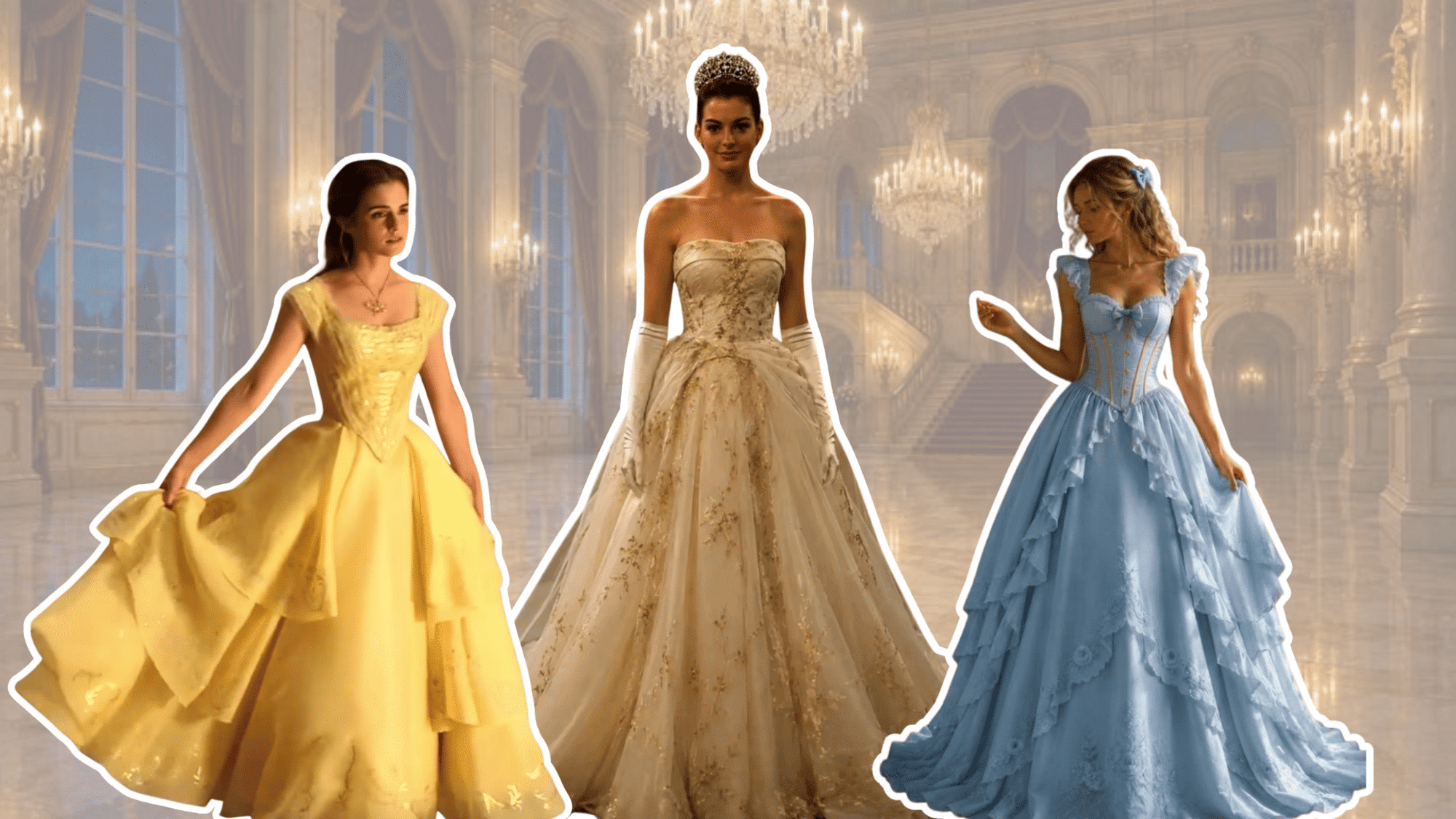
A ball gown is a highly formal dress characterized by a fitted bodice and a dramatically full skirt. It is traditionally associated with formal evening events, balls, galas, and other occasions requiring elaborate attire.
Layers, embellishments, structured fabrics, and sweeping skirts can contribute to its statement-making appearance.
17. Cocktail Dress
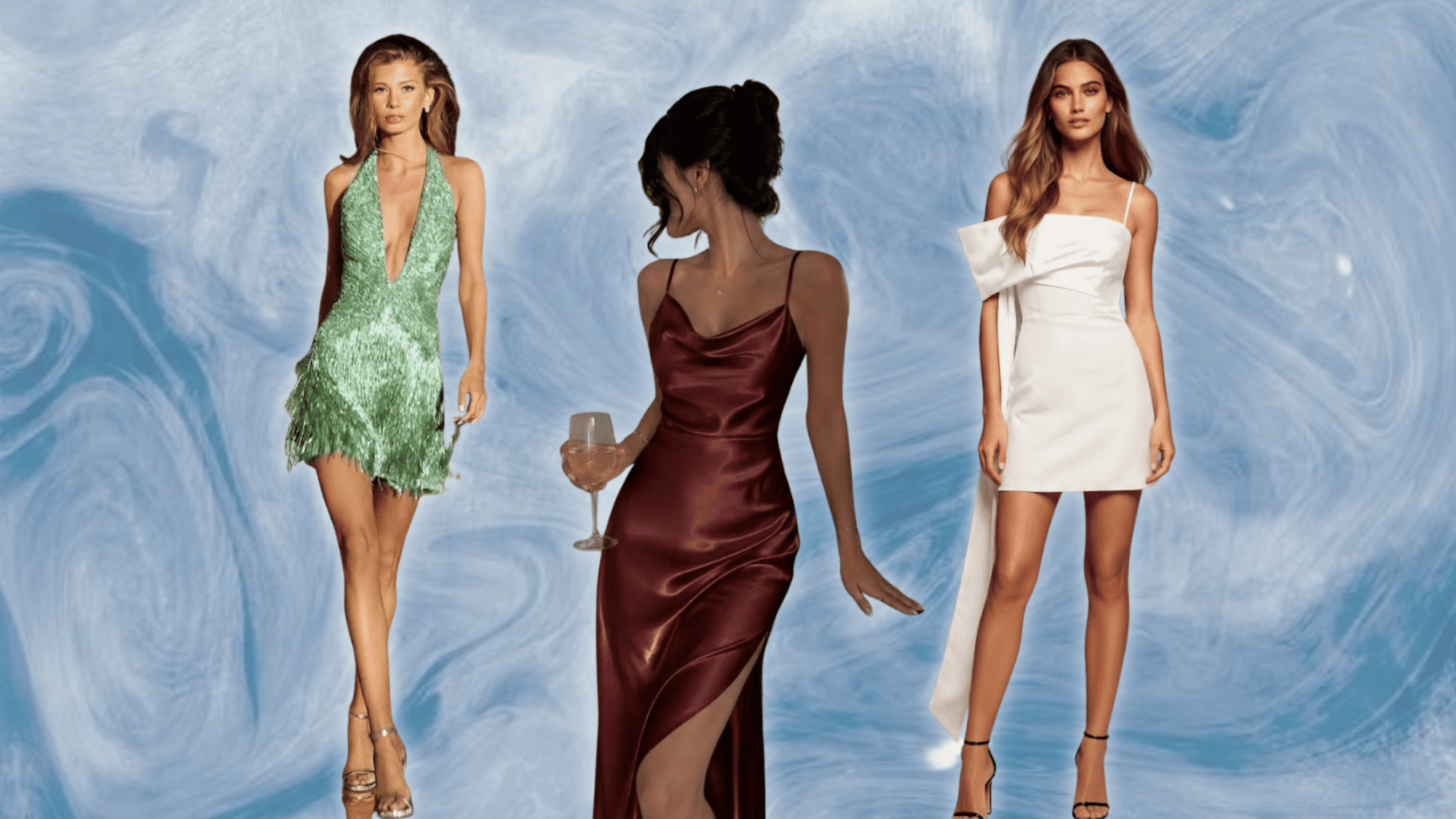
A cocktail dress is generally designed for semi-formal to formal social occasions, such as parties, dinners, and weddings.
It often falls around the knee or slightly above but can come in various lengths. Depending on the fabric and details, cocktail dresses can range from understated to glamorous.
18. Skater Dress
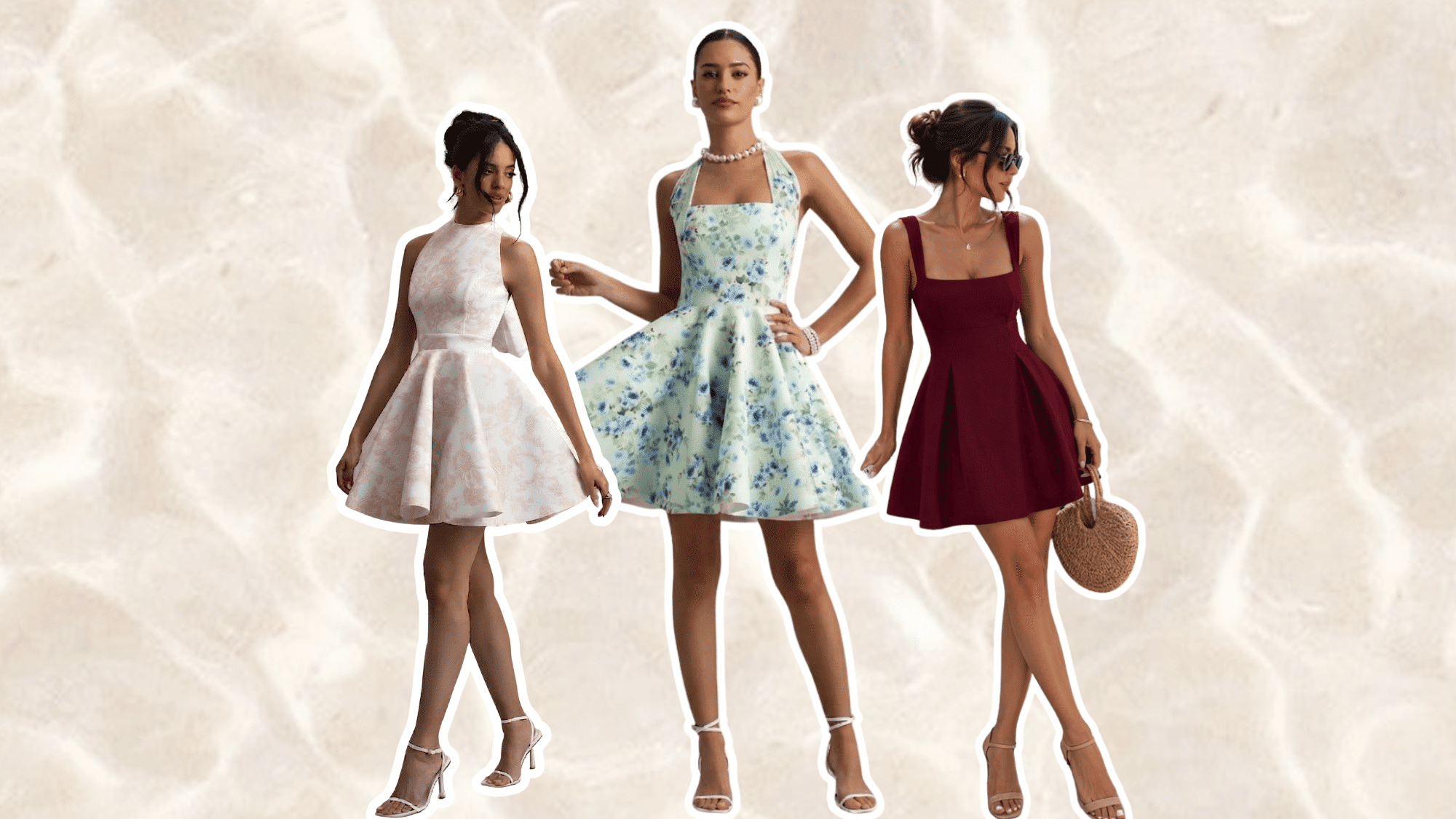
A skater dress has a fitted upper portion and a skirt that flares outward from the waist, often creating an A-line shape. Its shorter, flowing skirt gives it a youthful, playful look.
The style works well for casual outings, daytime events, and relaxed social occasions.
19. Peplum Dress
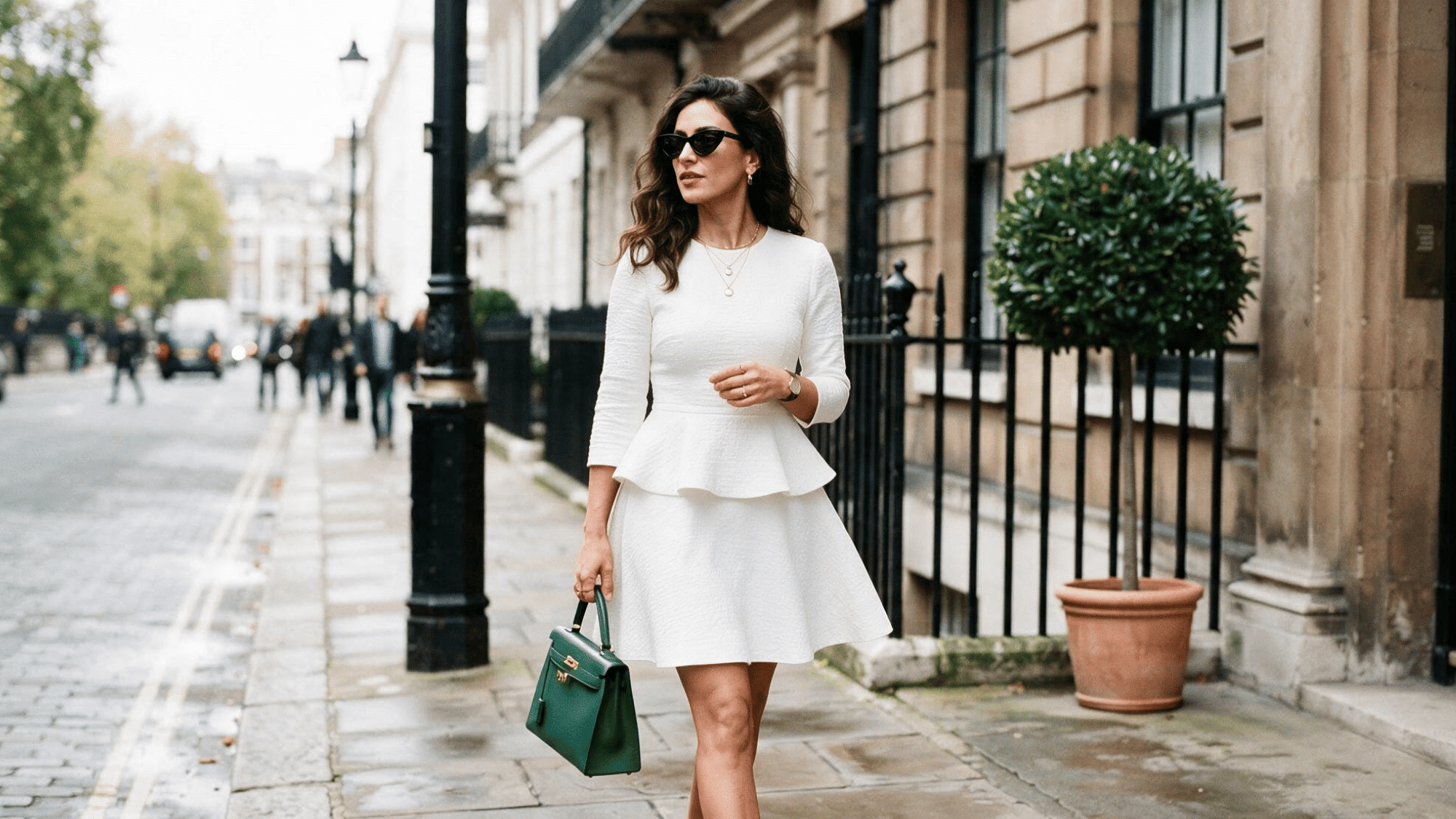
A peplum dress features a short flared or gathered section attached around the waist. This added layer creates definition around the waist and introduces extra volume near the hips.
Peplum details can appear on fitted or structured dresses and are commonly used for polished daytime and occasion looks.
20. Tiered Dress
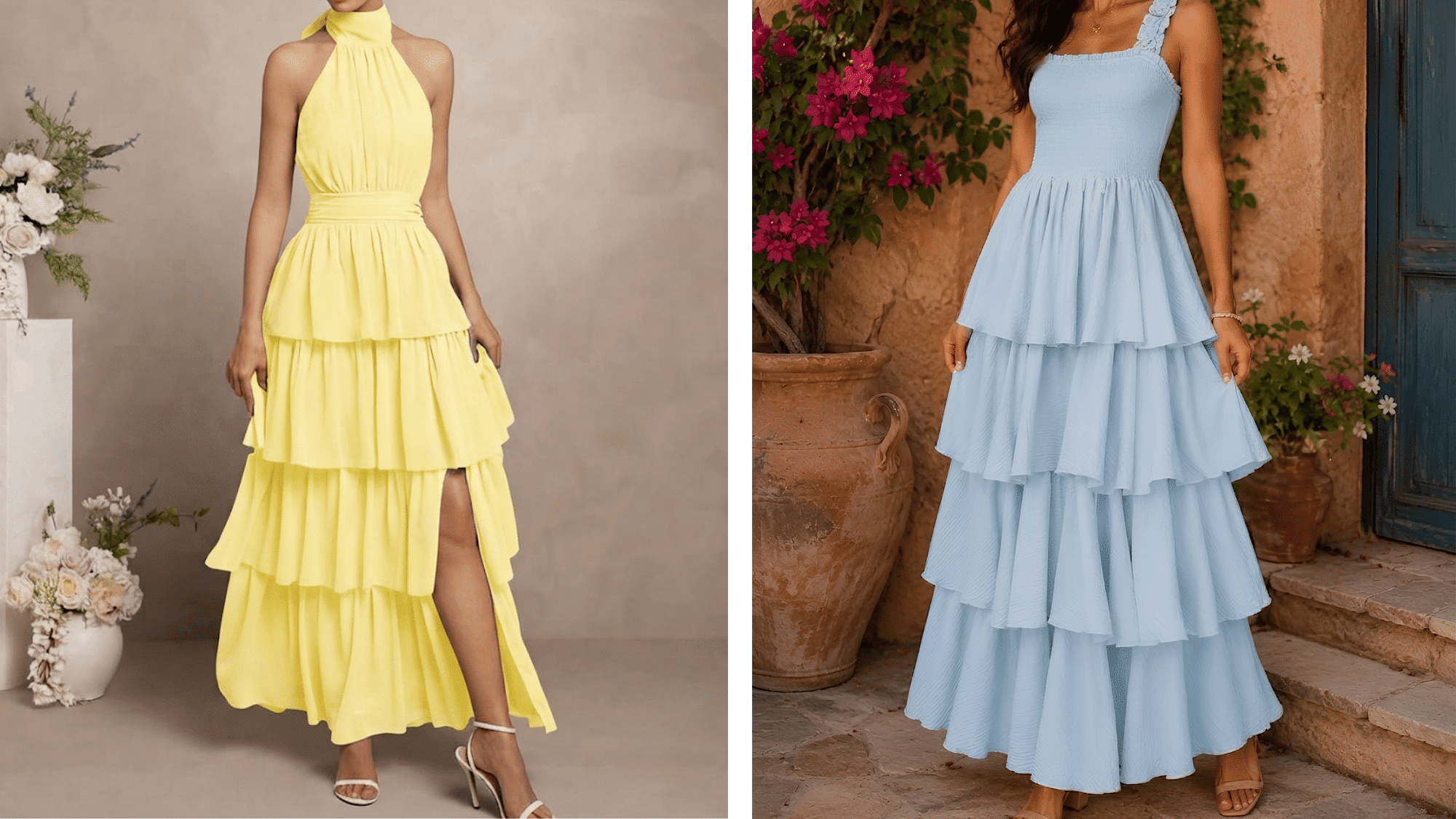
A tiered dress features multiple horizontal sections of fabric that create layers from the bodice toward the hem. The tiers may be subtle or highly voluminous, depending on the design.
This construction adds movement and texture and is often seen in relaxed, bohemian, summer, and casual dress styles.
21. Halter Dress
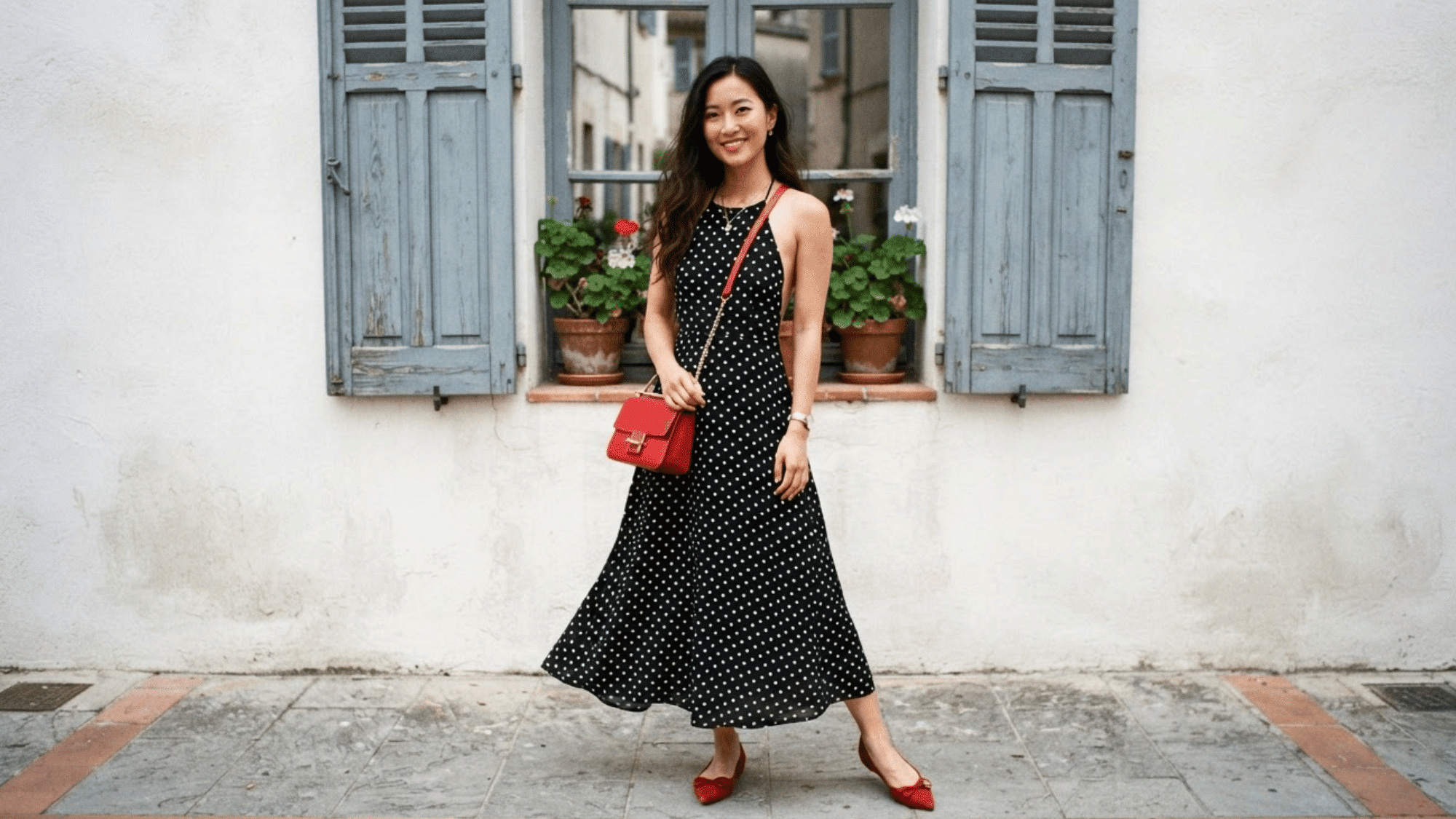
A halter dress features straps or fabric that fasten around the back of the neck, leaving the shoulders and upper back exposed.
The style can be fitted or flowing and may appear in short or long versions. Halter dresses are often chosen for parties, vacations, and evening occasions.
22. Off-Shoulder Dress
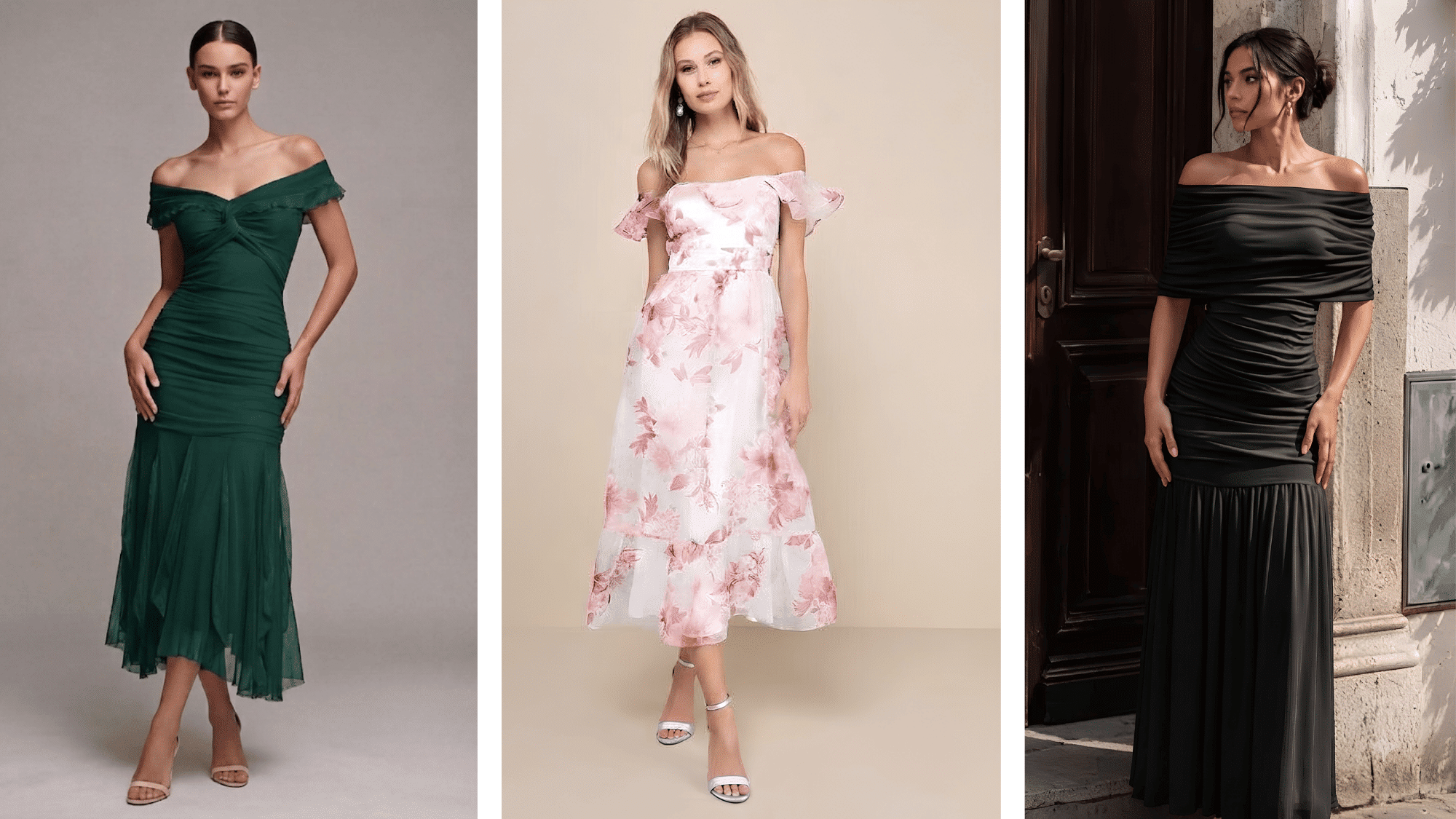
An off-shoulder dress has a neckline that sits below the shoulders, leaving the shoulders and collarbone exposed.
The design can be fitted, flowing, short, or long. It is commonly used for feminine summer outfits, parties, weddings, and other occasions where a more expressive neckline suits the setting.
23. One-Shoulder Dress
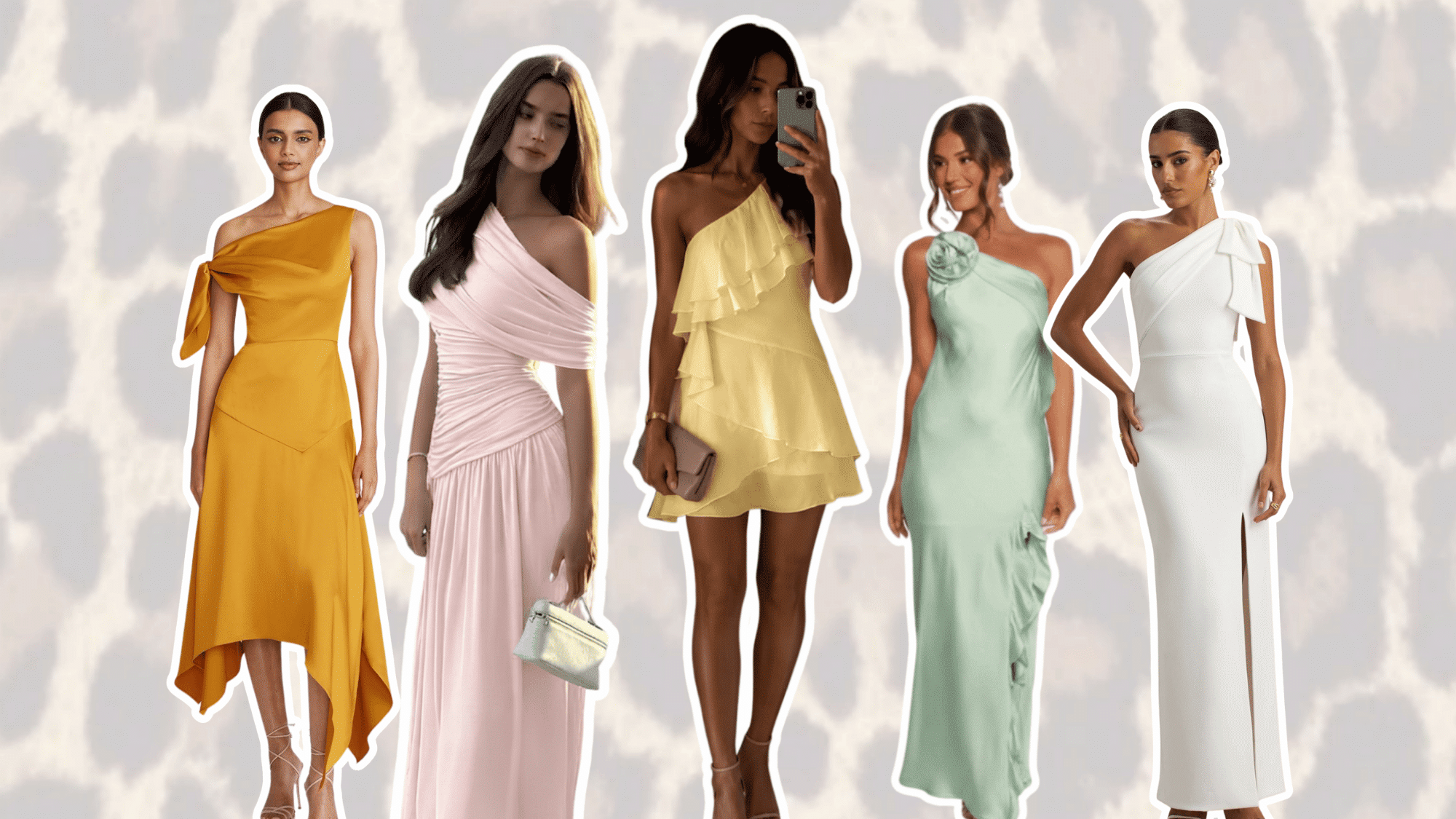
A one-shoulder dress features an asymmetrical neckline that covers one shoulder while leaving the other exposed.
This distinctive detail creates visual interest without requiring elaborate embellishments. One-shoulder styles are commonly found in eveningwear, cocktail dresses, party outfits, and formal designs.
24. Asymmetrical Dress
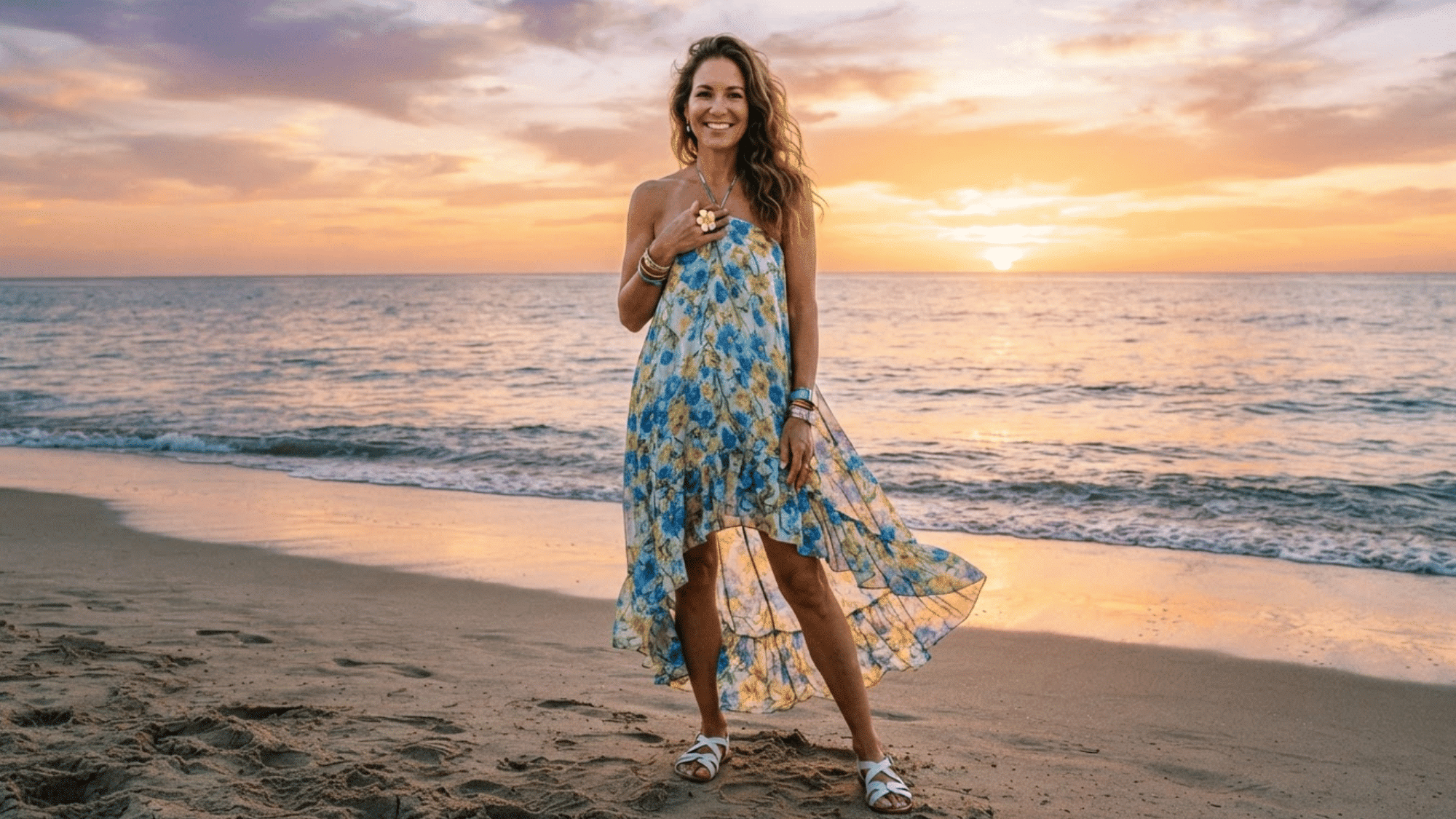
An asymmetrical dress uses uneven lines in its hemline, neckline, or overall construction. A high-low hem is one common example, with the front shorter than the back.
Asymmetrical designs add movement and visual interest, making them useful when a conventional, even silhouette feels too simple.
25. Drop Waist Dress
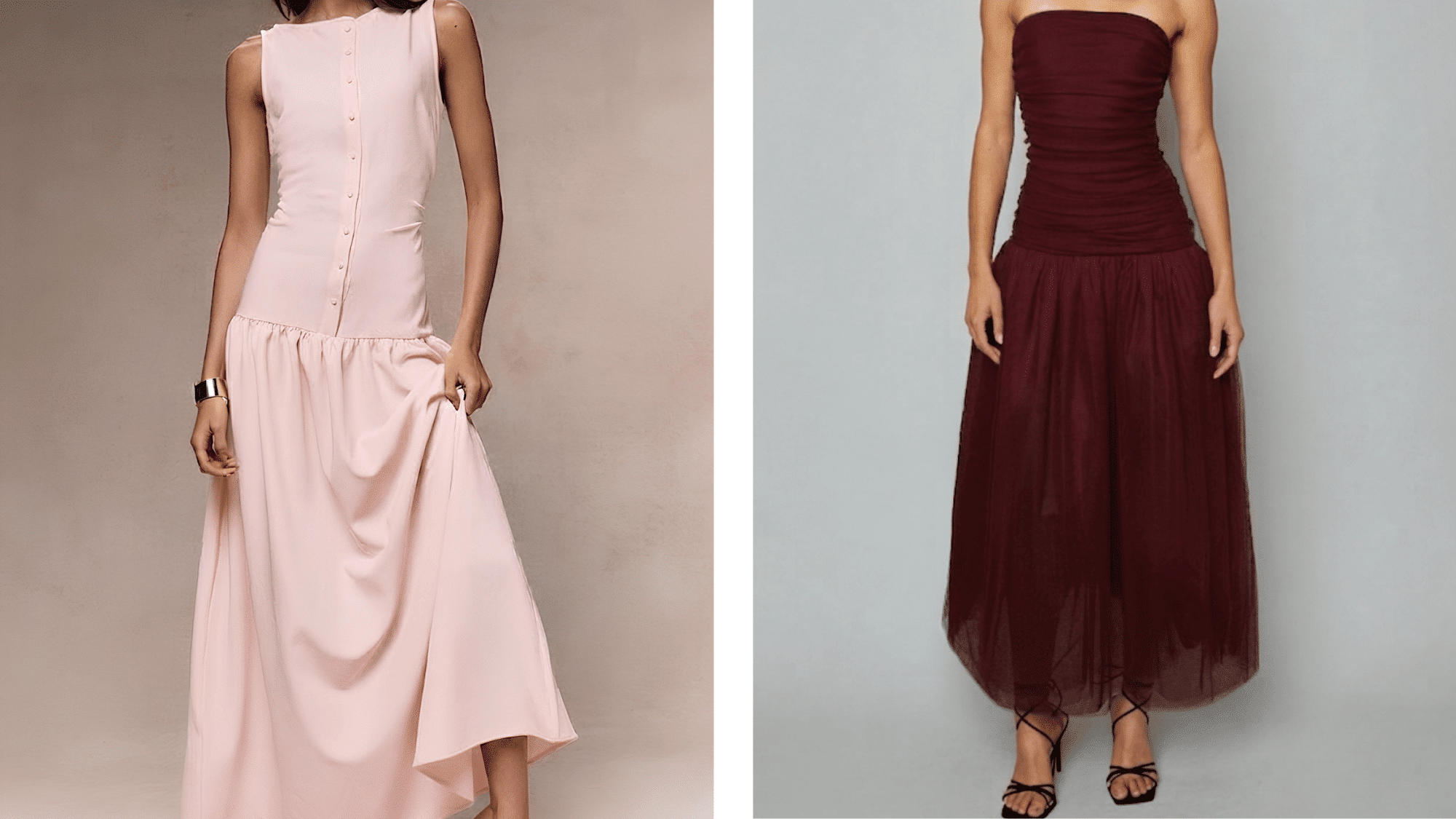
A drop waist dress has its waistline positioned below the natural waist, usually around the hips. The style is strongly associated with 1920s fashion and flapper-inspired silhouettes.
Modern versions may feature straight skirts, pleats, or relaxed shapes that create a distinctive low-waisted appearance.
26. Babydoll Dress
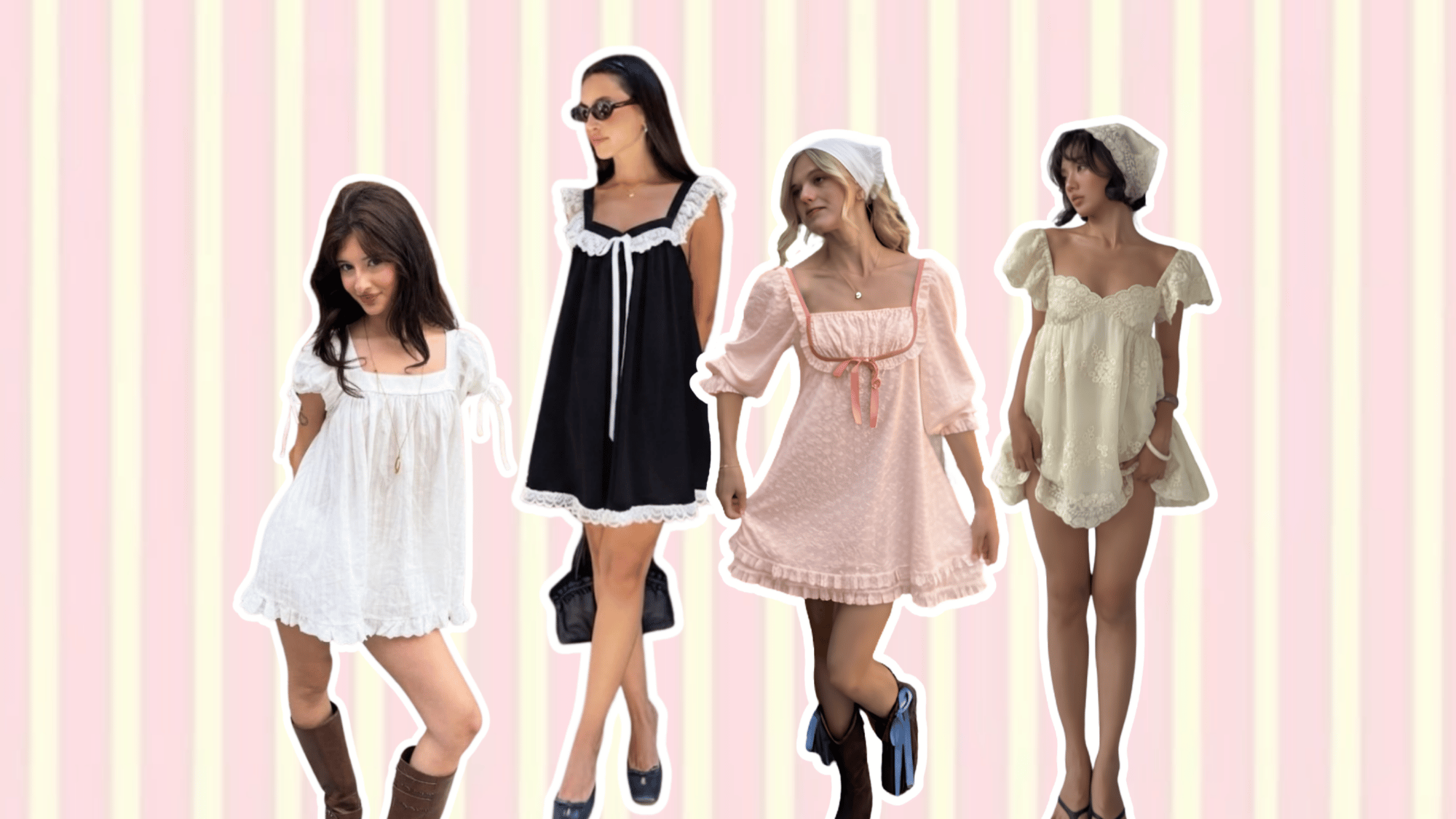
A babydoll dress typically features a high waist, a loose, flowing skirt, and a relatively short length. Its relaxed proportions create a youthful, playful appearance.
Depending on the fabric and detailing, babydoll dresses can feature ruffles, gathers, puff sleeves, or simple construction for casual everyday styling.
27. Pinafore Dress
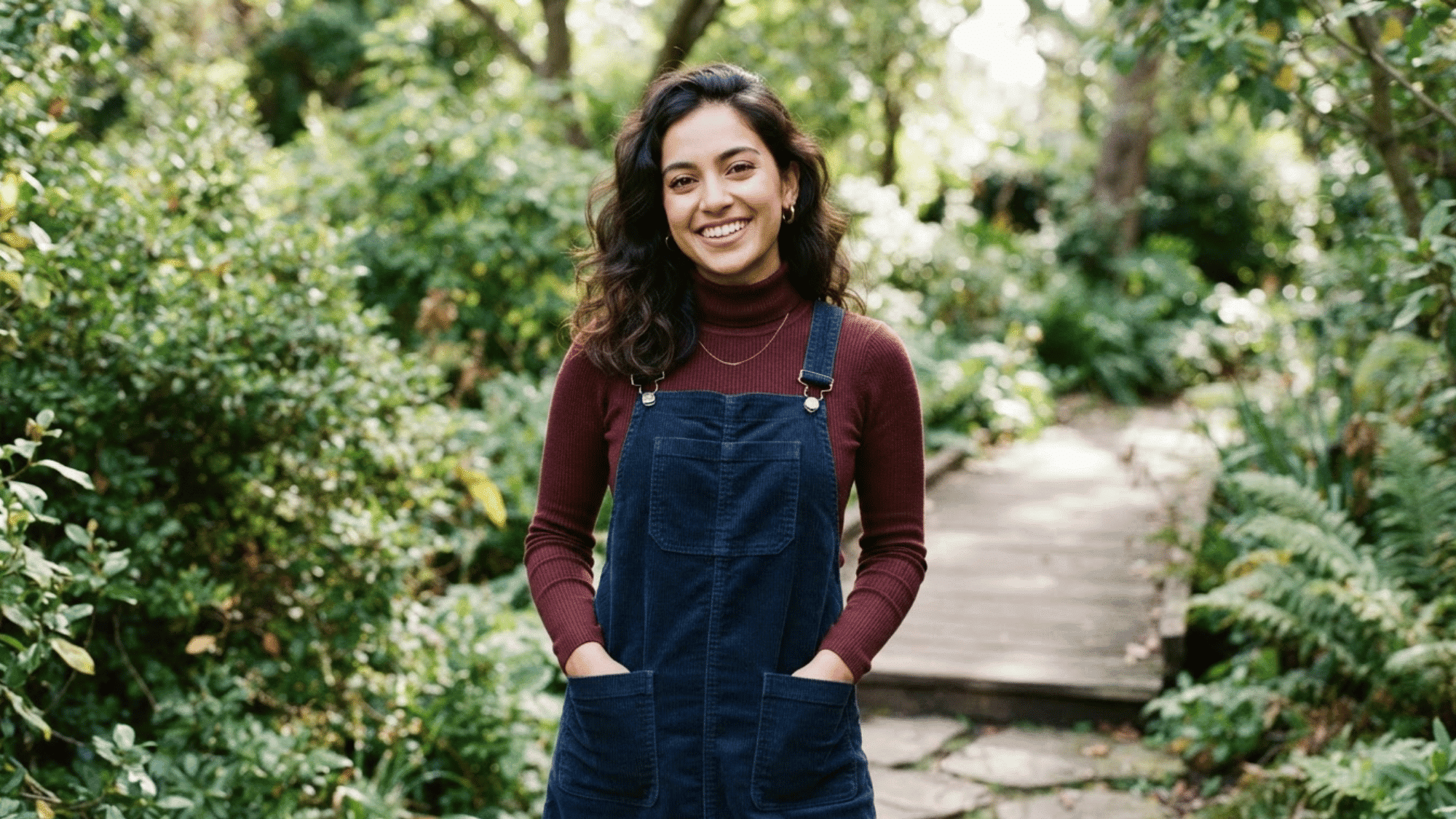
A pinafore dress is a sleeveless style with shoulder straps and a bib-like front, traditionally worn over a blouse or shirt.
It can create a layered, casual appearance and is available in fabrics such as denim, corduroy, and cotton. Modern versions range from playful to minimalist.
28. Peasant Dress
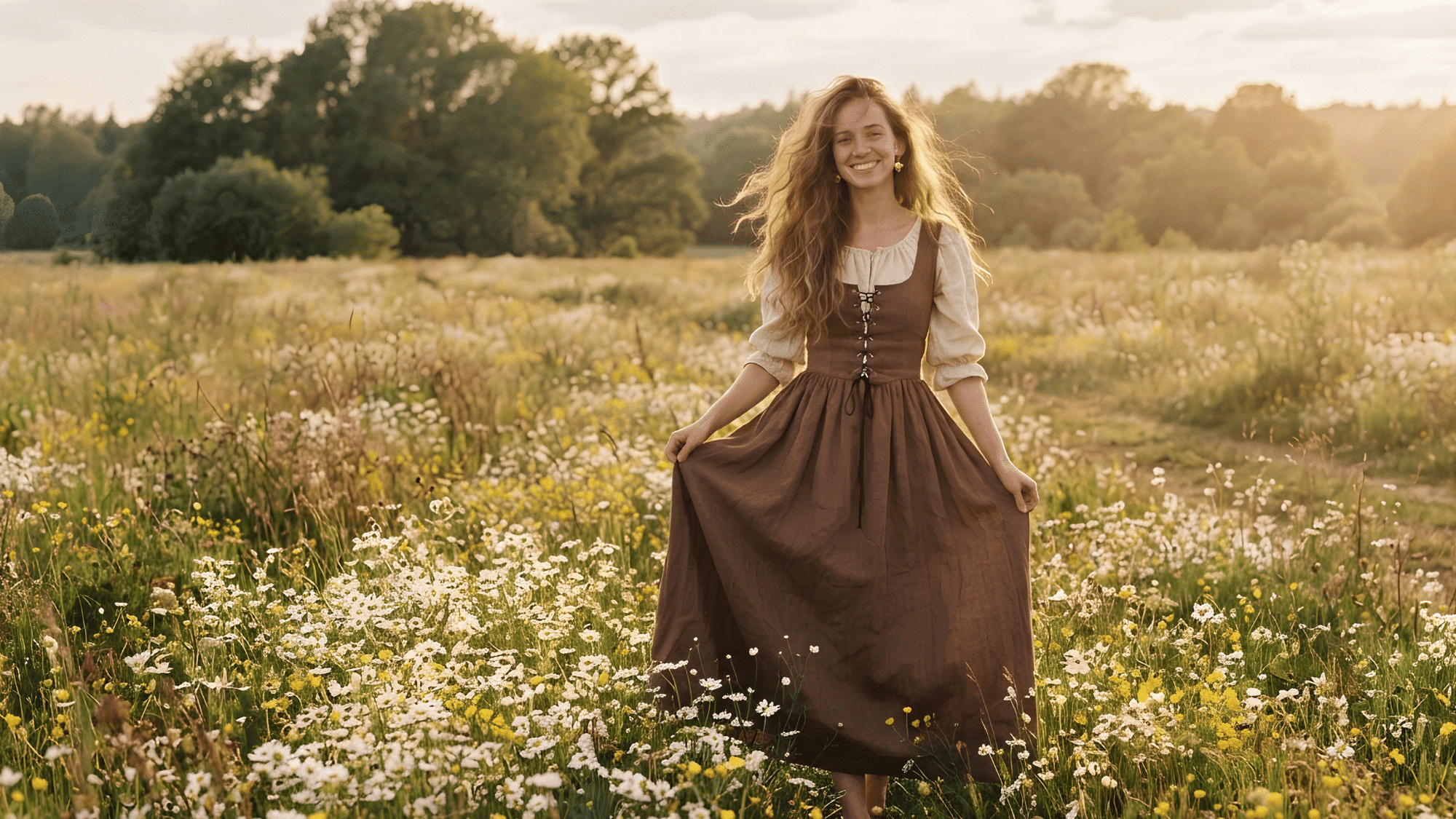
A peasant dress has a relaxed, flowing silhouette often associated with romantic or countryside-inspired fashion. Common details include gathered necklines, loose sleeves, ruffles, embroidery, and lightweight fabrics.
Its comfortable construction makes it particularly suitable for casual outfits, warm weather, and bohemian-inspired styling.
29. Bohemian Dress
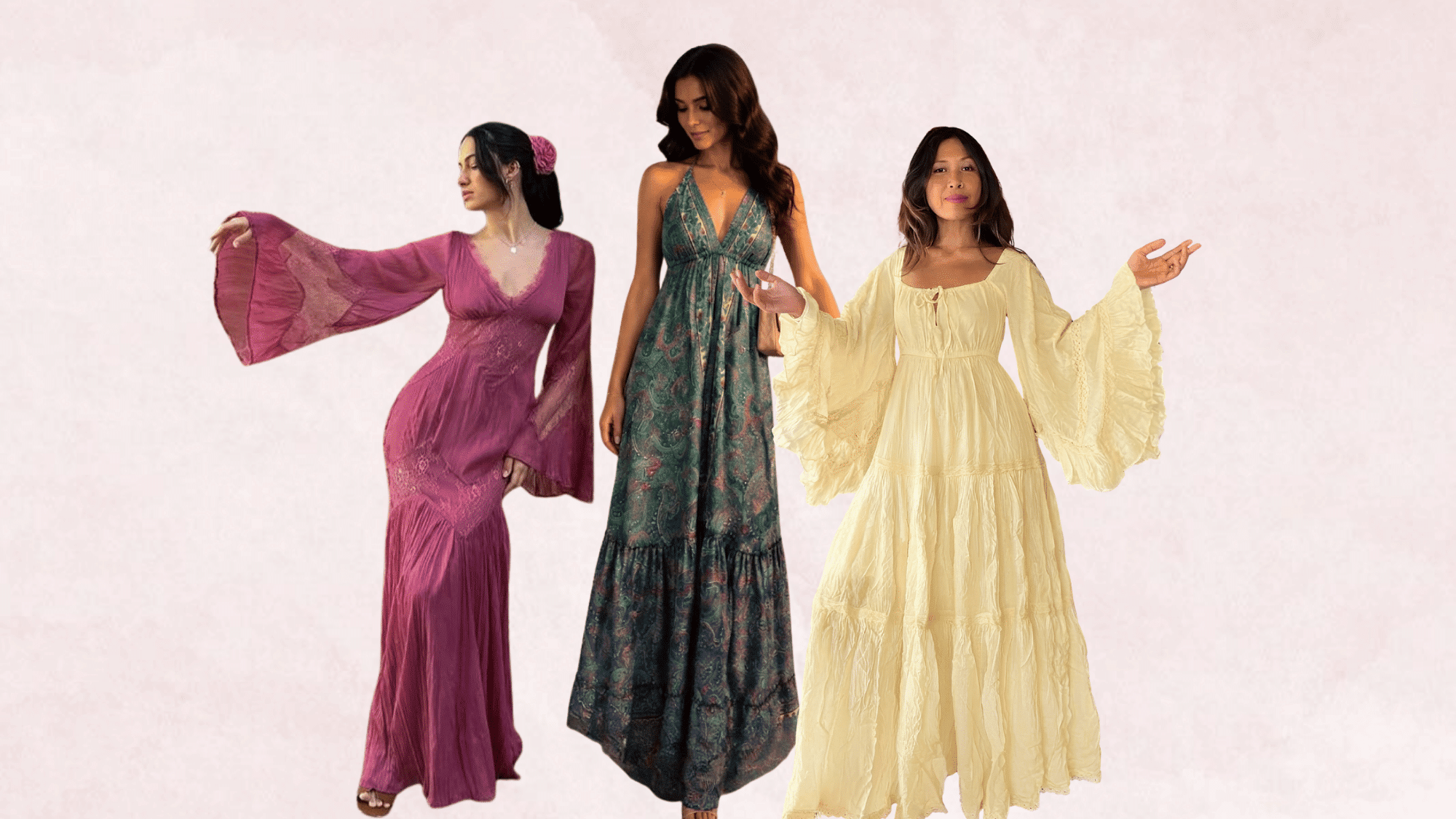
A bohemian dress, or boho dress, typically emphasizes a relaxed, flowing silhouette and expressive details. Floral or paisley prints, embroidery, layered fabrics, tassels, and natural textures are common features.
Depending on its length and fabric, the style can work for everyday outfits, vacations, festivals, and casual gatherings.
30. Column Dress
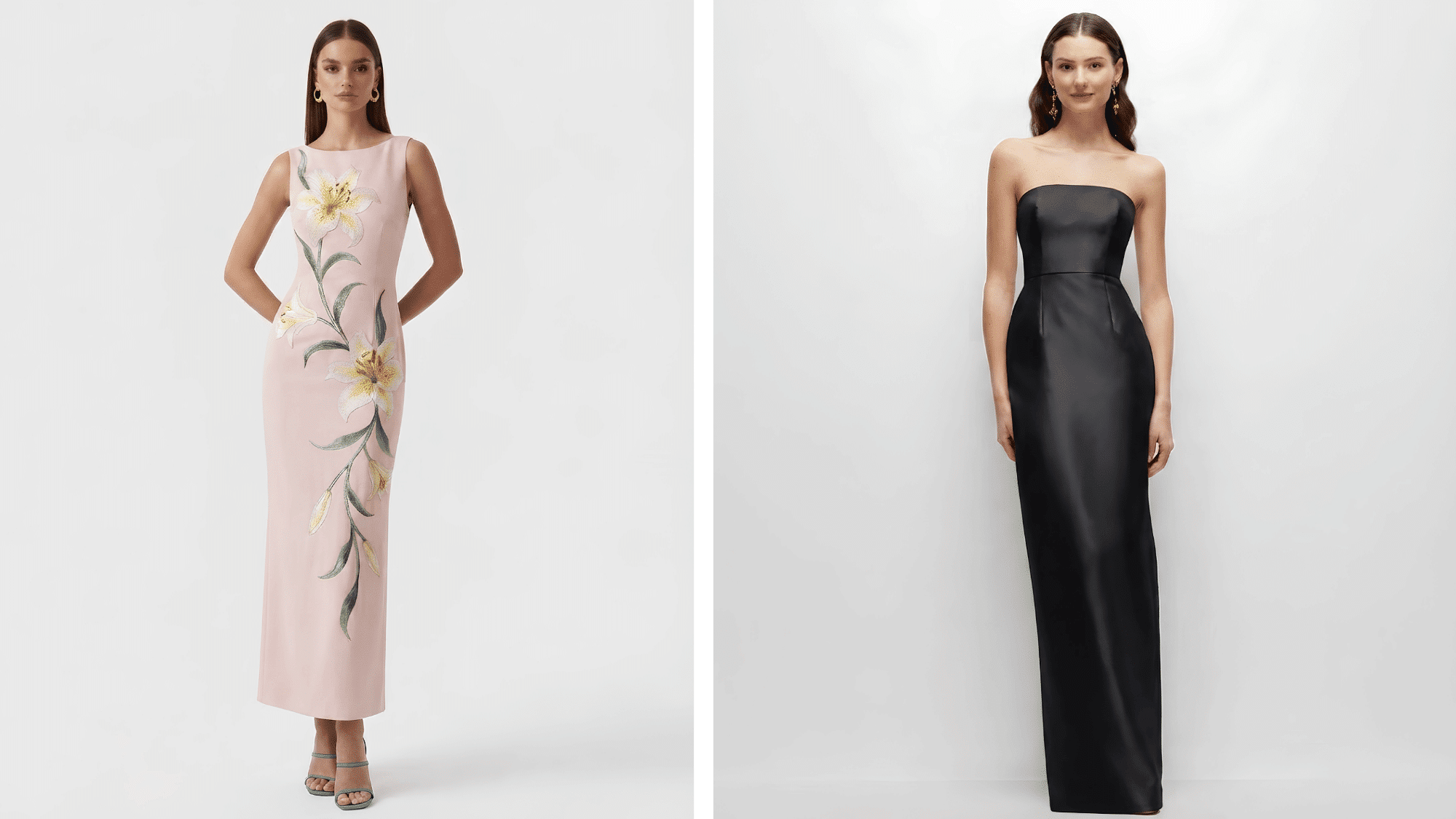
A column dress has a long, straight silhouette that falls relatively evenly from the upper body toward the hem. It creates a streamlined appearance with little dramatic flare.
Column dresses can be simple or embellished and are frequently seen in eveningwear, formal dresses, and elegant occasion outfits.
31. Mermaid Dress
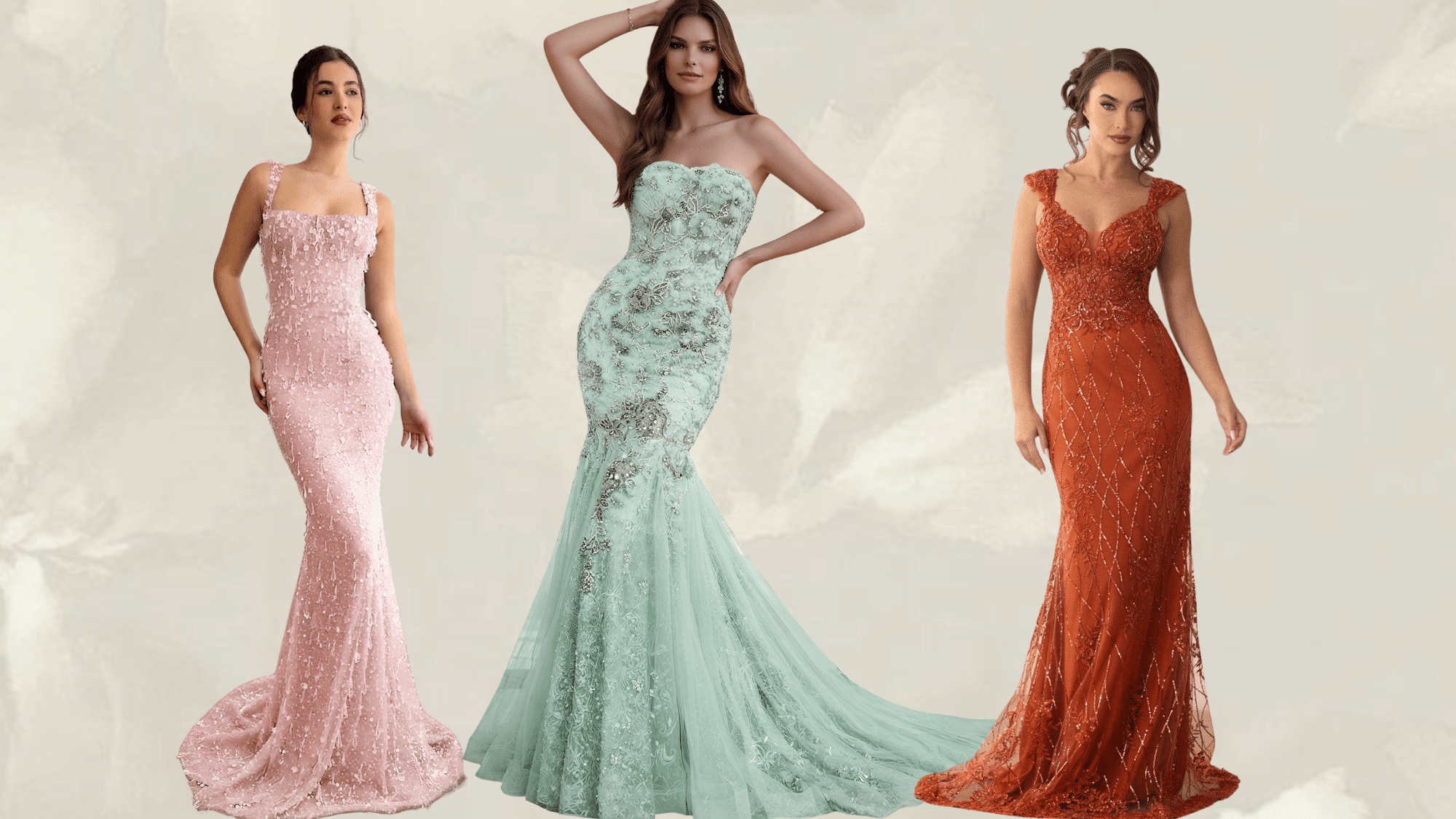
A mermaid dress is fitted through the bodice and hips before dramatically flaring near the lower portion of the skirt.
The shape resembles a mermaid’s tail and creates a distinctly formal silhouette. This style is commonly associated with evening gowns, weddings, proms, and other dressy occasions.
32. Trapeze Dress
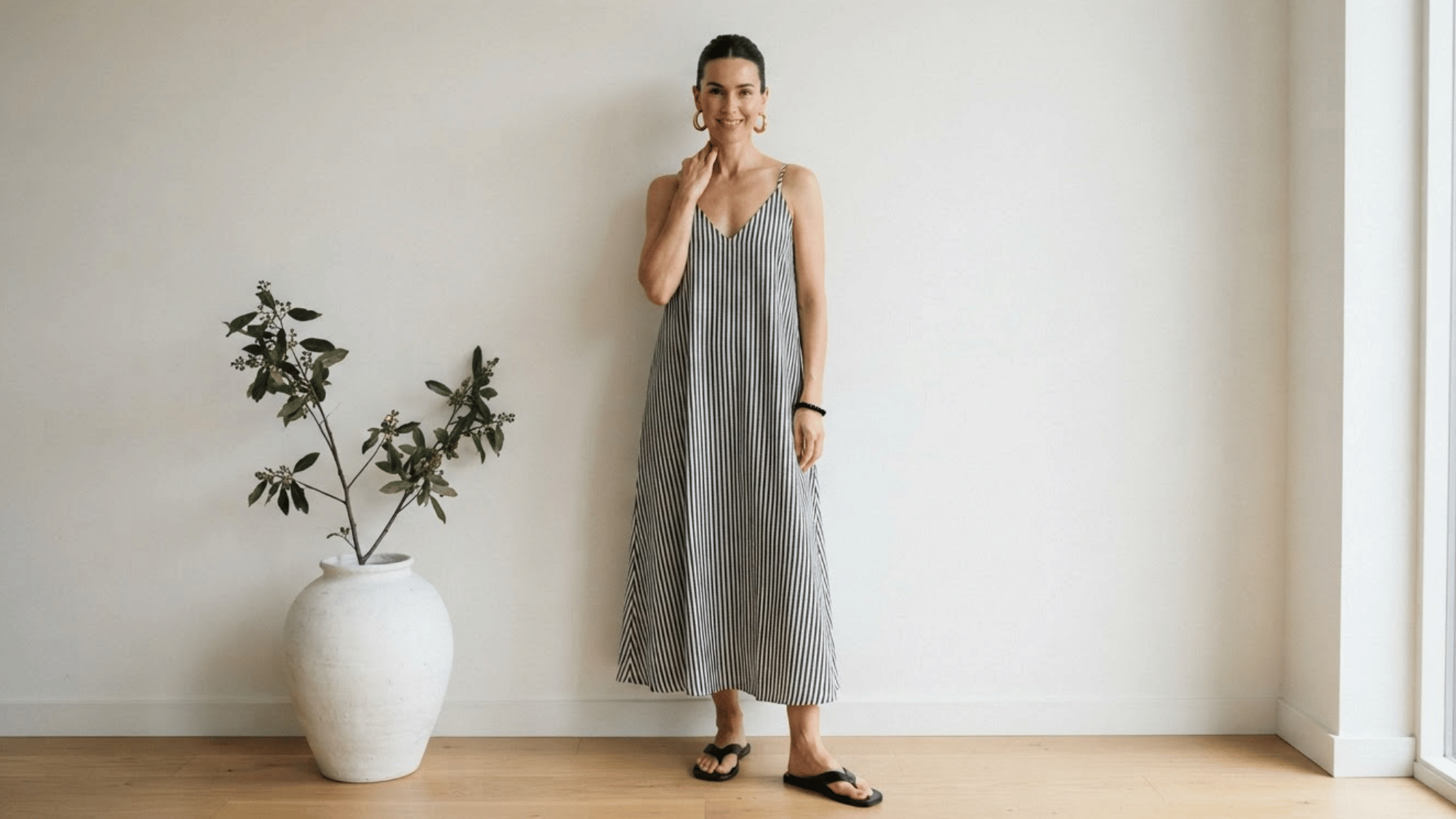
A trapeze dress is fitted around the shoulders and gradually widens toward the hem, creating a loose, swingy silhouette.
Unlike a traditional A-line dress, it usually has less emphasis on the waist. Its relaxed shape makes it practical for casual outfits and comfortable everyday wear.
33. Kimono Dress
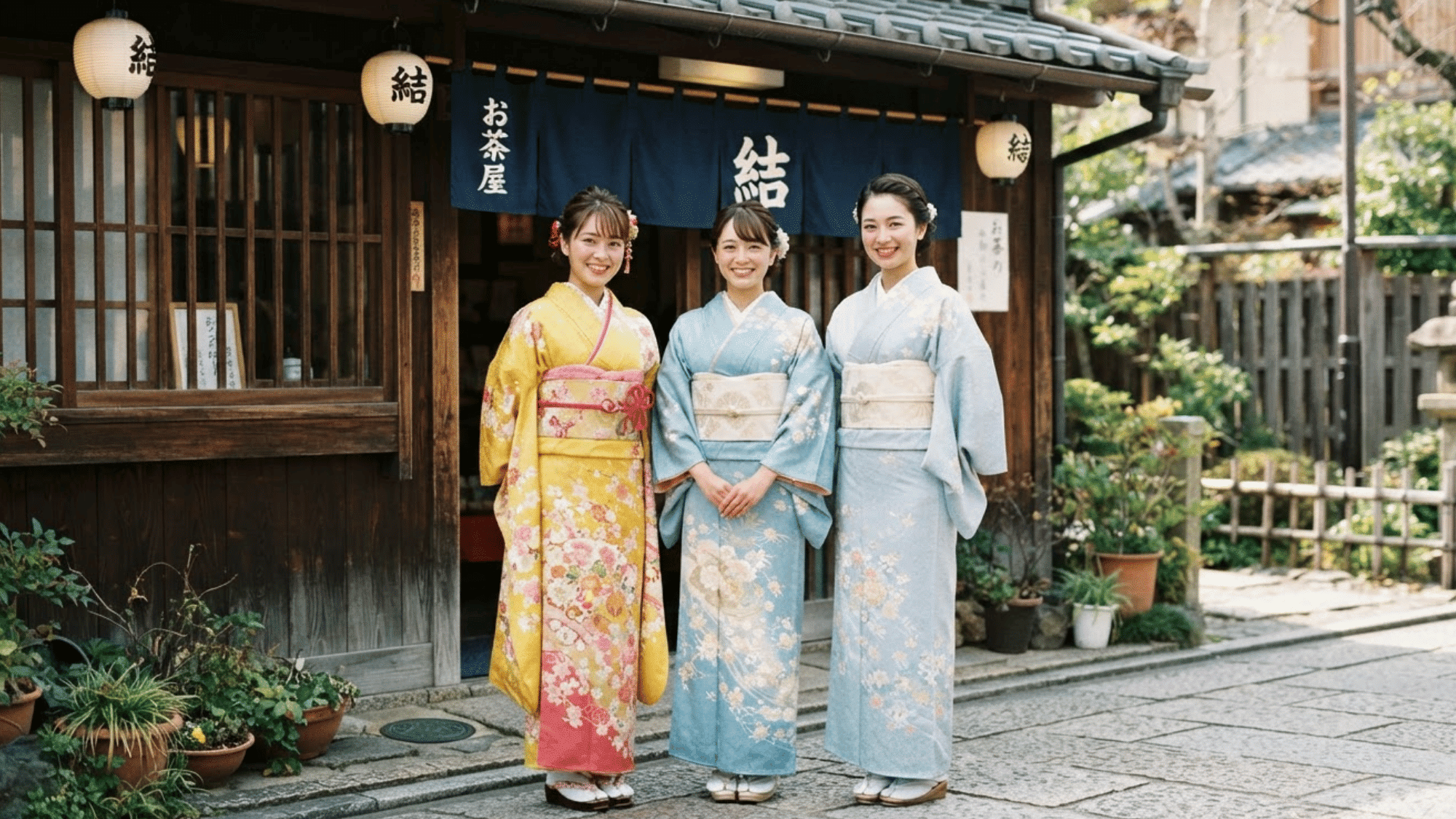
A kimono dress draws inspiration from the traditional Japanese kimono, often incorporating wide sleeves, a loose shape, and wrap-inspired construction.
Contemporary versions may use modern fabrics, prints, and proportions.
The style can range from relaxed everyday designs to more polished pieces featuring distinctive patterns and waist belts.
34. Qipao Dress
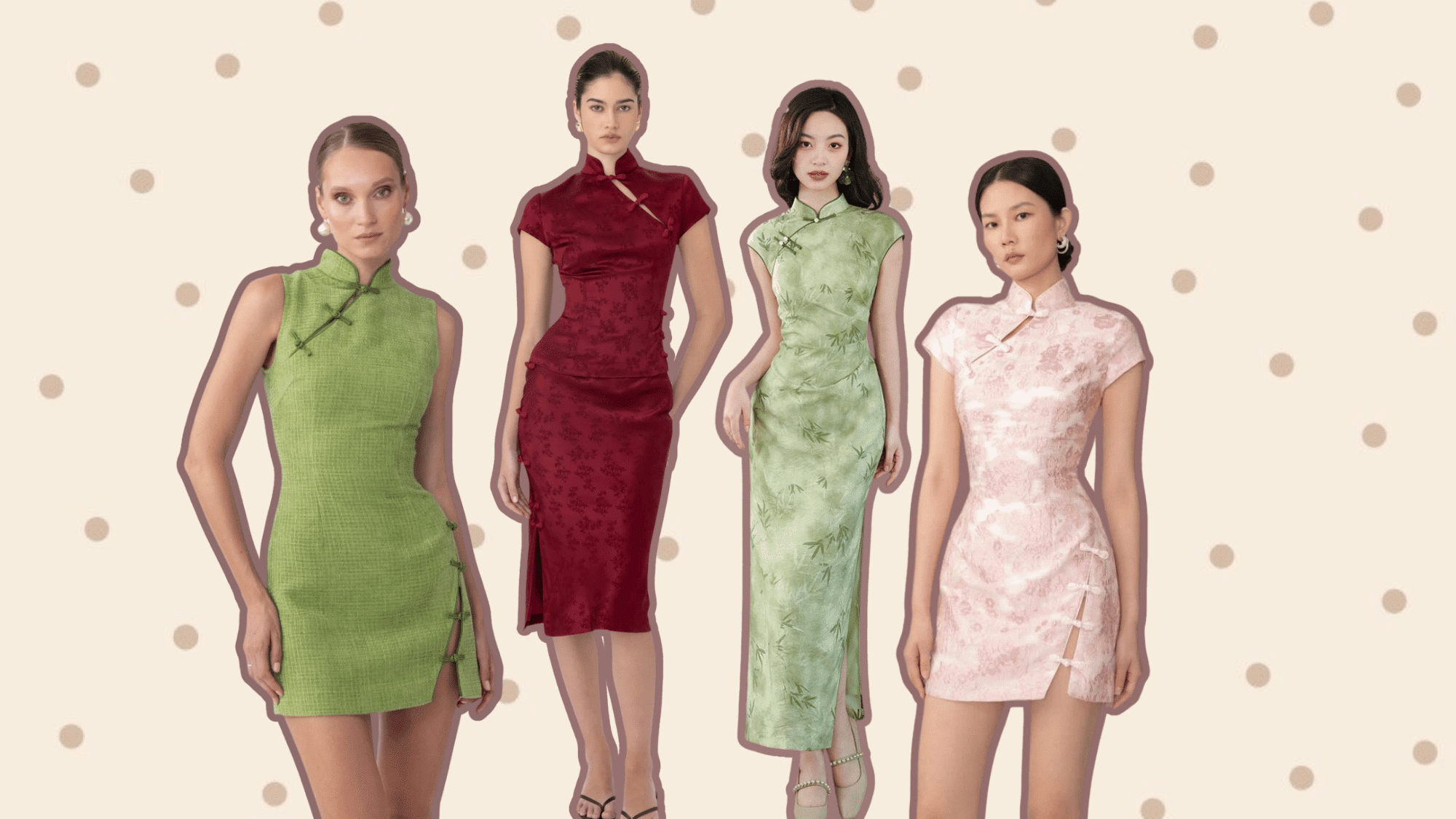
A qipao, also called a cheongsam, is a traditional Chinese dress recognized for its fitted silhouette, high collar, and distinctive closure details.
Traditional versions are often made from luxurious fabrics and may feature embroidery or decorative patterns.
Modern interpretations adapt these elements into contemporary formal and occasionwear.
35. Kaftan Dress
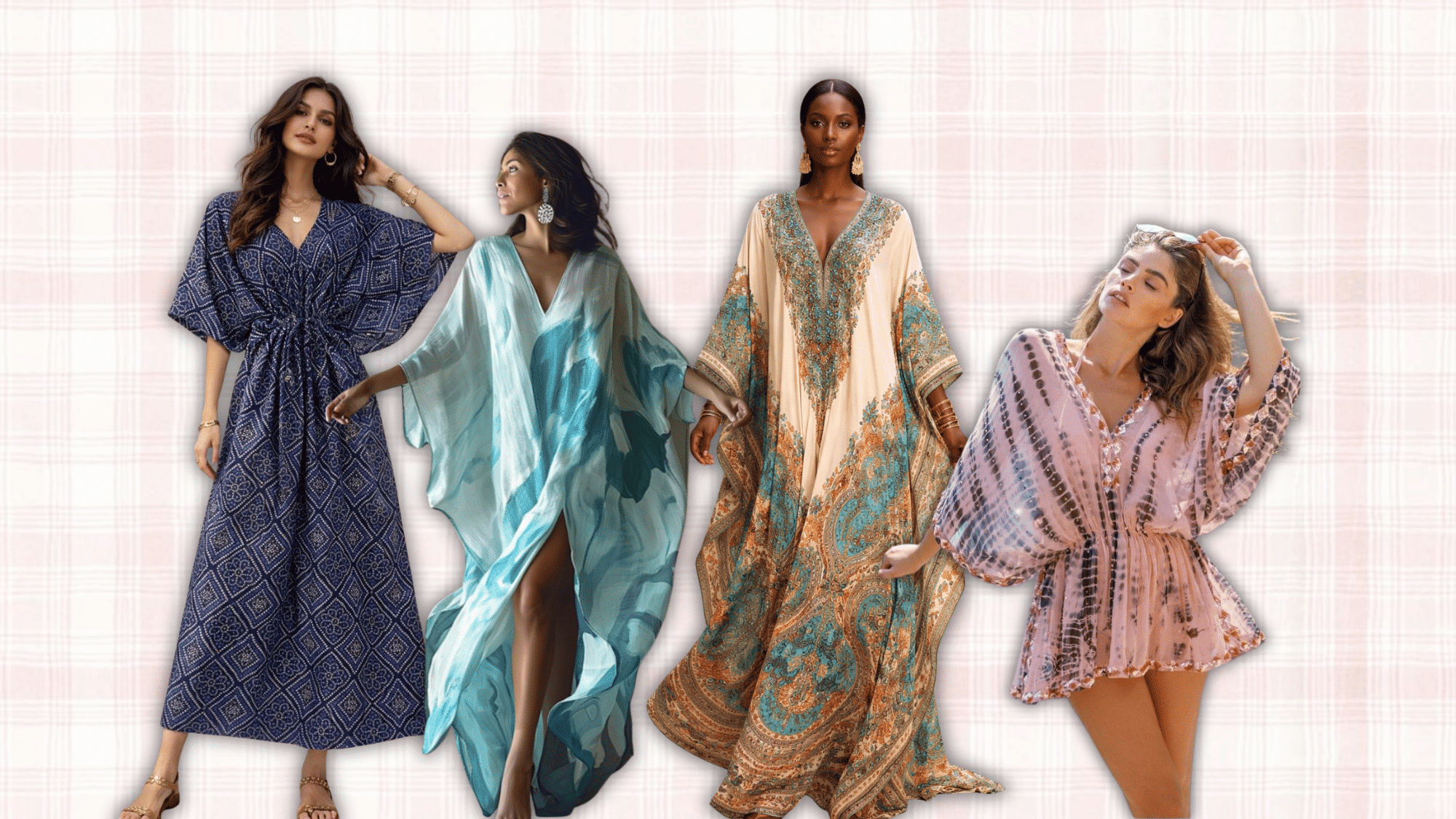
A kaftan dress is a loose, flowing style known for its relaxed silhouette and generous fabric. It may feature wide sleeves, decorative prints, embroidery, or a waist belt for added definition.
Kaftans work especially well for warm-weather dressing, vacations, resort settings, and relaxed occasions where comfort is important.
Conclusion
The many types of dresses offer plenty of ways to express personal style, from easy everyday pieces to polished outfits for special occasions.
Understanding the differences in silhouettes, lengths, fabrics, and details makes choosing a dress feel much more natural.
Styles such as A-line, midi, shirt, wrap, mermaid, and kaftan dresses each bring something different to a wardrobe. Since dress categories can overlap, there is no single way to define every style.
Choose dresses that fit your lifestyle, feel comfortable, and reflect your personality to make everyday dressing more enjoyable.
Frequently Asked Questions
How Do I Choose the Right Dress Type for My Body Shape?
Consider the silhouette, fit, and proportions you feel most comfortable in. Different dress shapes can highlight, define, or create balance around your natural features.
How Many Dresses Should a Woman Have in Her Wardrobe?
There is no fixed number. A versatile wardrobe can include everyday, work, casual, occasion, and formal dresses that suit your lifestyle and personal style.
How Can I Make One Dress Work for Different Occasions?
Change the look with shoes, jewelry, layers, bags, and outerwear. Simple styling changes can make the same dress suitable for casual, work, or evening settings.
What Dress Length Is Most Versatile?
Midi dresses are among the most versatile options, offering a balanced length that can work for casual outings, workwear, daytime events, and semi-formal occasions.
How Should I Store Different Types of Dresses?
Store dresses by fabric and construction. Hang structured styles, fold delicate knits, and use breathable garment bags for special occasion dresses.