Planning a bathroom renovation can be exciting until design decisions meet hidden plumbing, unexpected repairs, and a budget that suddenly feels too small. In Stamford, Connecticut, the population reached an estimated 139,535 in 2025, according to the U.S. Census Bureau. Older properties and newer homes alike can present different renovation challenges, making careful preparation especially valuable. Before choosing tile or ordering a vanity, take time to consider how the room functions, what the project may uncover, and which decisions will protect your investment. A thoughtful plan can prevent expensive mistakes before demolition begins.
Choose the Right Remodeling Professional
A successful renovation depends on more than attractive finishes. Plumbing, electrical work, waterproofing, ventilation, and installation must work together, so choosing a qualified professional is an important early decision.
If you’re comparing local professionals, a Stamford bathroom remodeling company should understand local permitting requirements, common property conditions, and the practical challenges that can emerge during demolition. Ask prospective contractors about licensing, insurance, relevant experience, project timelines, written estimates, and how unexpected problems will be handled. Review the scope of work carefully so you understand which materials, labor, permits, and cleanup services are included.
Pay attention to communication, too. A dependable contractor should explain decisions clearly, identify potential risks, and document changes to the agreed scope. The lowest estimate is not automatically the best value, particularly if essential preparation or waterproofing has been excluded.
Plan Around Daily Life, Not Just Design Trends
A beautiful bathroom still needs to work for the people using it. Before selecting finishes, consider storage, circulation, lighting, accessibility, and the routines the room must support.
Think about whether the vanity provides enough counter space, whether drawers can open fully, and whether the shower feels comfortable. Door swings, towel placement, and access to toiletries may seem like small details, but they influence everyday convenience.
Existing plumbing locations can also affect the budget. Relocating a toilet, shower, or sink may require additional labor and changes behind the walls or beneath the floor. Before committing to a new layout, ask what structural and plumbing work it involves.
Prioritize improvements that solve real problems. A carefully planned storage solution or better lighting may deliver more lasting value than a fashionable feature that looks impressive but adds little practical benefit.
Build a Budget That Can Handle Surprises
A realistic renovation budget includes visible finishes and the less exciting work that makes them function properly. Demolition may reveal damaged subfloors, leaking pipes, deteriorated framing, outdated wiring, or evidence of persistent moisture.
Set aside a contingency reserve before work begins. Depending on the property’s condition and the project’s complexity, a reserve of 10% to 20% can provide useful breathing room, although substantial hidden damage may require more.
Compare estimates by examining their individual components rather than focusing only on the total. Check whether demolition, waste disposal, waterproofing, permits, fixtures, and installation are included. Clarify how additional work will be priced and approved.
It is also sensible to establish a process for decisions during construction. When an unexpected issue appears, ask for an explanation, a written cost estimate, and the effect on the schedule before authorizing additional work. This helps prevent confusion and makes it easier to distinguish necessary repairs from optional upgrades.
Select Materials for Performance and Longevity
Bathrooms experience regular moisture, temperature changes, cleaning products, and everyday wear. Materials should therefore be chosen for their performance as well as their appearance.
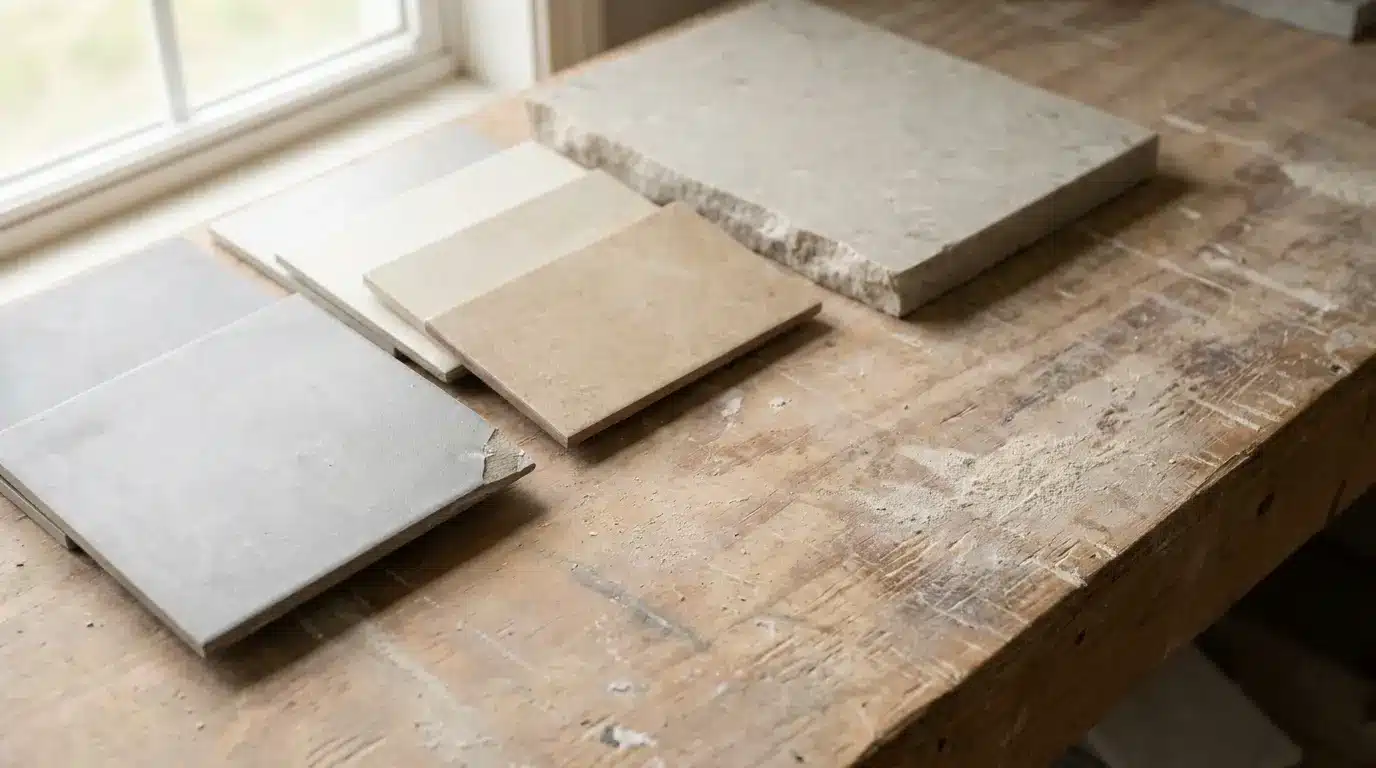
Porcelain tile is often a practical option for bathroom floors and walls because it is durable and generally resists water absorption. For flooring, consider slip resistance and the needs of everyone using the room. Countertops, cabinetry, and hardware should also suit the environment and the level of maintenance you are comfortable performing.
Do not overlook grout, sealants, or installation requirements. Even a durable surface can develop problems when it is installed incorrectly or water reaches vulnerable materials behind it.
Before ordering, obtain samples and view them under the bathroom’s actual lighting conditions. Confirm dimensions, finish details, maintenance requirements, and product specifications. Ordering early can reduce delays, but avoid purchasing large quantities until measurements and selections have been confirmed.
Protect the Bathroom From Moisture
Waterproofing is one of the most consequential parts of a bathroom renovation because much of the protection sits behind the finished surfaces. Tile and grout alone do not create a complete waterproof system.
Showers, tub surrounds, niches, corners, and plumbing penetrations need appropriate preparation and compatible waterproofing materials. Installation should follow the manufacturer’s instructions and applicable building requirements. Rushing this stage can allow moisture to enter wall cavities or damage the structure beneath the floor.
Before demolition, ask how the contractor will inspect concealed areas and address existing leaks. During construction, clarify which waterproofing system will be used and how critical details will be checked before they are covered.
The Environmental Protection Agency’s guidance on remodeling and indoor air quality explains why moisture management and ventilation deserve attention during renovation. Addressing existing water problems before installing new finishes can help protect the completed bathroom from preventable damage.
Give Ventilation and Lighting Proper Attention
A bathroom can look finished and still feel uncomfortable if it remains humid or poorly lit. Exhaust ventilation helps remove moisture produced by showers and baths, reducing the conditions that encourage mold growth and damage to paint, trim, and other materials.
Confirm that the exhaust fan is suitable for the room and discharges outdoors rather than into an attic or enclosed cavity. If the existing fan is noisy, ineffective, or poorly positioned, renovation may be the ideal time to correct the problem.
Lighting deserves similar consideration. General lighting illuminates the room, while well-positioned mirror lighting supports grooming and other close-up tasks. A layered arrangement can make the space more useful without relying on one harsh overhead fixture.
The Centers for Disease Control and Prevention’s advice on preventing mold recommends controlling moisture, fixing leaks, and using bathroom exhaust fans that vent outdoors. These principles support a healthier, more durable renovation.
Balance Resale Appeal With Everyday Comfort
It is tempting to design entirely around future buyers, but your bathroom also needs to serve you now. The most successful choices usually balance broad appeal with practical improvements.
Neutral permanent finishes can provide a flexible foundation, while towels, accessories, and decorative details introduce personality. Adequate storage, easy-to-clean surfaces, reliable fixtures, and comfortable lighting can make the room more enjoyable without tying it to a short-lived trend.
Consider the property’s needs and your expected length of ownership. A primary bathroom may benefit from additional storage or a more comfortable shower, while a shared bathroom may require durable materials and an efficient layout.
Avoid spending money on features that do not suit the space simply because they appear in design inspiration photos. A coherent, functional bathroom is often more satisfying than a room filled with expensive upgrades that compete for attention.
Make the Decisions Before Demolition Day
A successful bathroom remodel begins with preparation, not a sledgehammer. Choose a qualified professional, establish a realistic budget, confirm the layout, and understand how moisture protection, ventilation, and installation will be handled.
Resolve as many material selections and practical questions as possible before construction starts. Some discoveries will still require adjustments, but a clear process makes those decisions easier to manage.
The goal is not to eliminate every surprise. It is to prevent avoidable mistakes and ensure that the finished bathroom looks good, works well, and stands up to everyday use for years to come.