Ever checked the label on a soft, flowy dress and spotted the word viscose without really knowing what it means? Fabric labels can sometimes feel like a language of their own.
So, what is viscose fabric, and why does it appear in everything from breezy summer dresses to everyday shirts and blouses?
Its smooth feel, lightweight texture, and beautiful drape make it an appealing choice for plenty of wardrobe staples. I especially love how effortlessly it can give an outfit that soft, flowy finish.
But viscose has an interesting story behind that silky feel, including what it is made from, how it performs, and what you should know before adding it to your wardrobe.
Key Takeaways
|
What is Viscose Fabric?
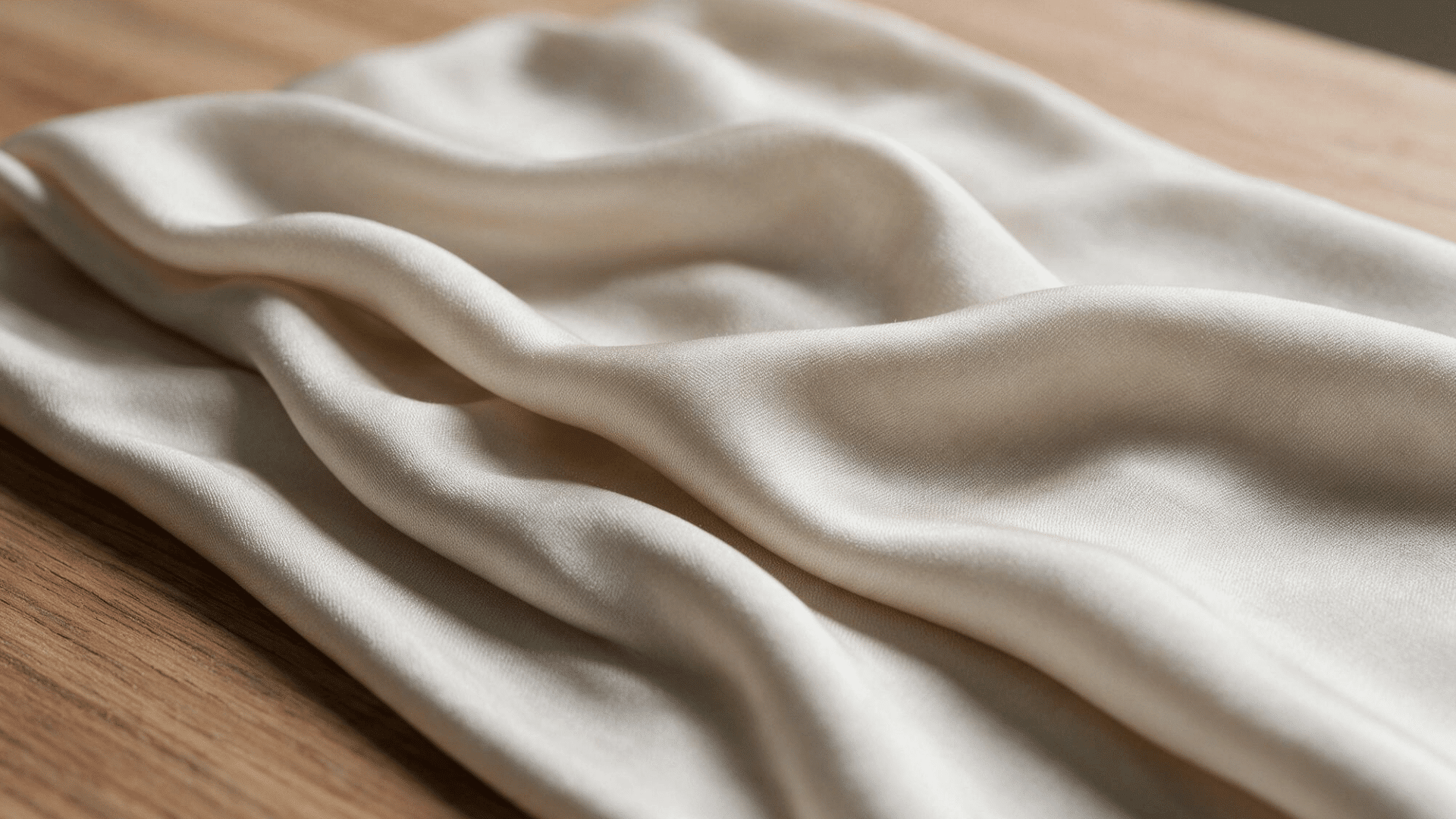
Viscose fabric is a semi-synthetic textile made from regenerated plant cellulose, most often sourced from wood pulp like eucalyptus, beech, or pine.
Manufacturers dissolve that cellulose in chemicals, then push the resulting solution through tiny holes to form fine, silky fibers.
Those fibers get spun into yarn and woven or knit into the soft, flowing fabric most people just call viscose or rayon.
It’s not a fully natural fiber, since the wood pulp goes through heavy chemical processing before it becomes wearable.
But it’s not fully synthetic either, since it starts with plant material instead of petroleum.
That in-between status is why viscose earned the nickname “artificial silk” not long after it was first commercially produced in 1883, when manufacturers needed a cheaper stand-in for real silk.
Key Properties of Viscose Fabric
| Feature | Viscose Fabric |
|---|---|
| Fabric Name | Viscose (also known as Viscose Rayon) |
| Also Known As | Rayon |
| Fiber Type | Regenerated cellulose fiber |
| Main Raw Material | Cellulose, usually from wood pulp |
| Texture | Soft, smooth, and lightweight |
| Breathability | High |
| Moisture Absorption | High |
| Drape | Fluid and flowy |
How is Viscose Fabric Made?
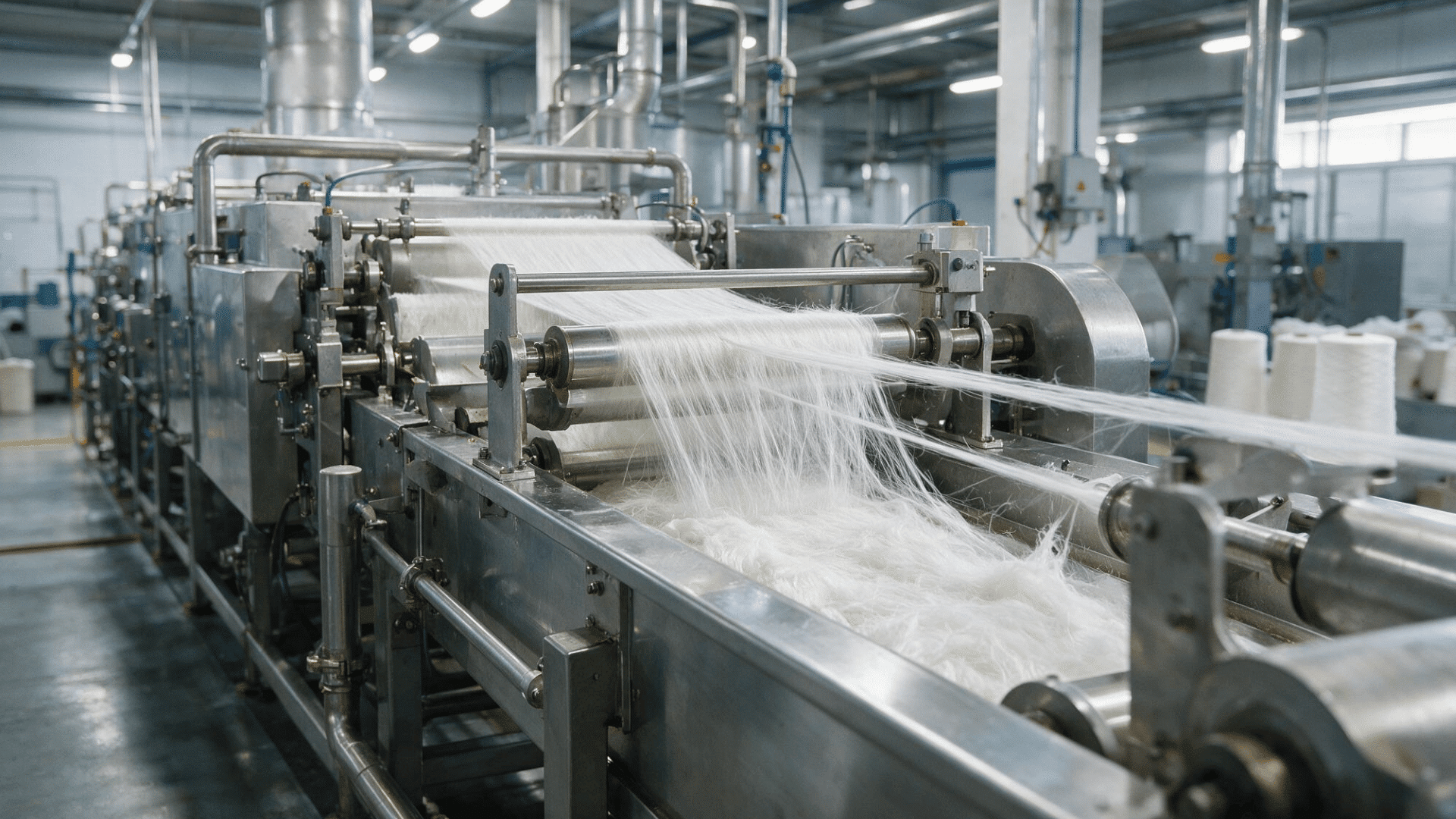
The industrial process has several stages, but you can understand the basics through these steps.
1. Prepare the Cellulose Pulp
The process starts with wood or another cellulose-rich plant source, most often eucalyptus, beech, or pine trees. Manufacturers break the wood down into chips, then cook and purify it into pulp.
This step removes lignin, resins, and other plant components, leaving mostly pure cellulose behind.
That purified cellulose becomes the raw material for every stage that follows, and its quality directly affects how strong and smooth the finished fiber turns out to be.
2. Treat the Cellulose
Next, workers treat the purified cellulose pulp with a sodium hydroxide solution, a strong alkali that alters the cellulose’s chemical structure.
The treated pulp gets shredded into small crumbs and left to age for several hours under controlled temperature and humidity.
This aging step breaks the cellulose chains down to a manageable length, which matters because cellulose that’s too long or too short won’t dissolve evenly in the next stage.
3. Create the Viscose Solution
The aged cellulose reacts with carbon disulfide to form cellulose xanthate, an orange, crumbly compound.
Workers dissolve that compound in more sodium hydroxide, creating a thick, honey-colored liquid called viscose. This is actually where the fabric gets its name, since “viscose” describes the syrupy texture of this solution.
The mixture rests and filters before moving on, which removes air bubbles and undissolved particles that would weaken the finished fiber.
4. Form and Process the Fibers
Manufacturers force the viscose solution through spinnerets, metal discs punched with tiny holes, directly into a bath of sulfuric acid and salts.
The acid regenerates the cellulose almost instantly, turning the liquid into solid filaments.
Machines stretch those filaments to align the cellulose molecules and boost strength, then wash them thoroughly to remove leftover chemicals before drying.
5. Turn the Fibers Into Fabric
Once dried, the viscose fibers get spun into yarn, either alone or blended with cotton, polyester, or spandex for added stretch and durability.
From there, manufacturers weave or knit the yarn depending on the intended use.
A tight weave produces sturdier viscose suited to structured pieces, while a loose knit creates the soft, fluid drape viscose is best known for in dresses and scarves.
Viscose, Rayon, Modal, and Lyocell: What’s the Difference?
These four names get mixed up constantly, so here is a side-by-side look at how they actually compare.
| Feature | Viscose | Rayon | Modal | Lyocell |
|---|---|---|---|---|
| Type | Rayon fiber | Fiber category | Rayon fiber | Rayon fiber |
| Source | Wood pulp | Plant cellulose | Usually beechwood | Wood pulp |
| Feel | Soft, smooth | Varies | Very soft | Silky, smooth |
| Breathability | High | Good | High | High |
| Wet Strength | Lower | Varies | Good | Strong |
| Drape | Flowy | Varies | Fluid | Smooth |
| Common Uses | Dresses, tops | Clothing, textiles | Basics, underwear | Clothing, bedding |
Modal has become one of my go-to fabrics for basics lately, so if you’re curious how it’s made and why it’s so popular right now, our full modal fabric guide breaks it all down.
Is Viscose a Natural or Synthetic Fabric?
Viscose is generally considered a semi-synthetic fabric because it combines a natural raw material with chemical processing.
It starts with cellulose, usually obtained from wood pulp, but the cellulose goes through several chemical treatments before becoming a usable fiber.
This makes viscose different from natural fibers such as cotton, wool, and linen, which require less chemical transformation.
At the same time, it is not fully synthetic like polyester or nylon, which are typically made from petroleum-based materials. For this reason, viscose is more accurately described as a regenerated cellulose fiber rather than purely natural or synthetic.
Viscose vs Other Common Fabrics
The best fabric depends on the intended use. Viscose is a strong choice when softness, breathability, and drape are priorities.
| Fabric | Feel | Breathability | Main Feature |
|---|---|---|---|
| Viscose | Soft and silky | High | Fluid drape |
| Cotton | Soft and natural | High | Everyday durability |
| Polyester | Smooth to varied | Moderate | Strength and easy care |
| Silk | Very soft and luxurious | High | Premium appearance |
| Linen | Crisp and textured | Very high | Cool, airy feel |
Is Viscose Environmentally Friendly?
Viscose is not always environmentally friendly, even though it comes from plant-based cellulose, usually sourced from wood pulp.
Its environmental impact depends largely on how the wood is sourced and how the fabric is produced.
Traditional viscose manufacturing can require significant chemical processing and water use, while poorly managed production may contribute to pollution and deforestation.
However, viscose made with responsibly sourced wood and improved chemical-recovery systems can have a lower environmental impact.
Checking certifications and sourcing information can help you choose more responsibly produced viscose.
Pros and Cons of Viscose Fabric
Weighing the upsides against the drawbacks makes it easier to decide where viscose belongs in your wardrobe.
| Pros | Cons |
|---|---|
| Soft and smooth feel | Can wrinkle easily |
| Lightweight and breathable | May shrink when washed |
| Absorbs moisture well | Weaker when wet |
| Drapes beautifully | Requires gentle care |
| Takes dyes well | May lose shape over time |
| Comfortable in warm weather | Production can have environmental impacts |
| Often more affordable than silk | Less durable than some synthetic fabrics |
How to Wash and Care for Viscose Fabric?
Viscose needs gentle care because the fibers can become weaker when wet. If washing is allowed, use cold or lukewarm water with a mild detergent and avoid vigorous rubbing, twisting, or wringing.
For machine-washable viscose, choose a delicate cycle with a low spin setting. After washing, gently remove excess water and air-dry the garment, preferably flat to help maintain its shape.
Avoid tumble drying and high heat, which may cause shrinking or damage. If ironing is needed, turn the garment inside out and use a low heat setting.
Always check the garment’s care label first, as washing instructions can vary depending on the fabric blend and construction.
Conclusion
Viscose fabric is a soft, lightweight, and breathable material made from regenerated plant-based cellulose.
Its smooth texture, moisture absorption, and flowing drape make it a popular choice for clothing and home textiles.
While viscose offers comfort and an elegant appearance, it needs proper care because the fibers can weaken when wet.
Understanding its properties, uses, benefits, and limitations can help you choose and care for viscose products with confidence.
Have you worn or used viscose fabric before? Share your experience in the comments below.
Frequently Asked Questions
Is Viscose Fabric Good Quality?
Viscose quality varies according to the fiber, fabric construction, and manufacturing process.
Is Viscose Better than Cotton?
Neither fabric is universally better. Viscose offers softness, fluid drape, and a smooth feel, while cotton is generally known for its durability and easy everyday care.
Is Viscose Fabric Good for Summer?
Yes. Its lightweight construction, breathability, and moisture absorption can make it comfortable for summer clothing.