Careful planning with regard to the feeding process can help make it simpler for the owner to give their dog proper nutrition while taking into account any changes that may occur. In terms of the feeding process, it is not just about offering meals whenever it is convenient. The portion sizes, schedule, quality of the food, activity, and daily habits can all impact how effective the routine is.
Establishing Consistent Meal Times
It is always good to give the dog its food at a certain time each day. This will be convenient since an owner will be able to monitor how his dog is eating. In addition, he will be able to track any changes in the eating habits of the dog. Instead of giving the dog the food when the dog seems to be hungry, the owner will be able to create the right schedule of feeding the dog based on his other activities such as work or exercising.
The schedule will depend on several factors like age, size and activities of the dog. It will also be good to take into account what a vet recommends for this particular dog. What is good for one dog may not suit the other one. That is why the schedule will be flexible depending on the pet’s needs.
Selecting Appropriate Food
Proper food choice is another significant aspect in forming a good feeding schedule. Owners can take into account the age, size, physical activity, and nutrition requirements of their pets while comparing various products. Ingredients and nutrition data can give valuable information prior to any purchase. Comparing the best dog food Canada based on the individual requirements of one’s pet can be much more beneficial than basing food choice only on popularity and package design.
Dog food should not be chosen taking into consideration assumptions about personal food preferences of human beings. Pets need particular nutrition which is completely different from what humans need. Even if one buys food for several pets at once, the nutrition of each of them can be different. Thus, searching for the best cat food Canada will have its own peculiarities.
Managing Portions Carefully
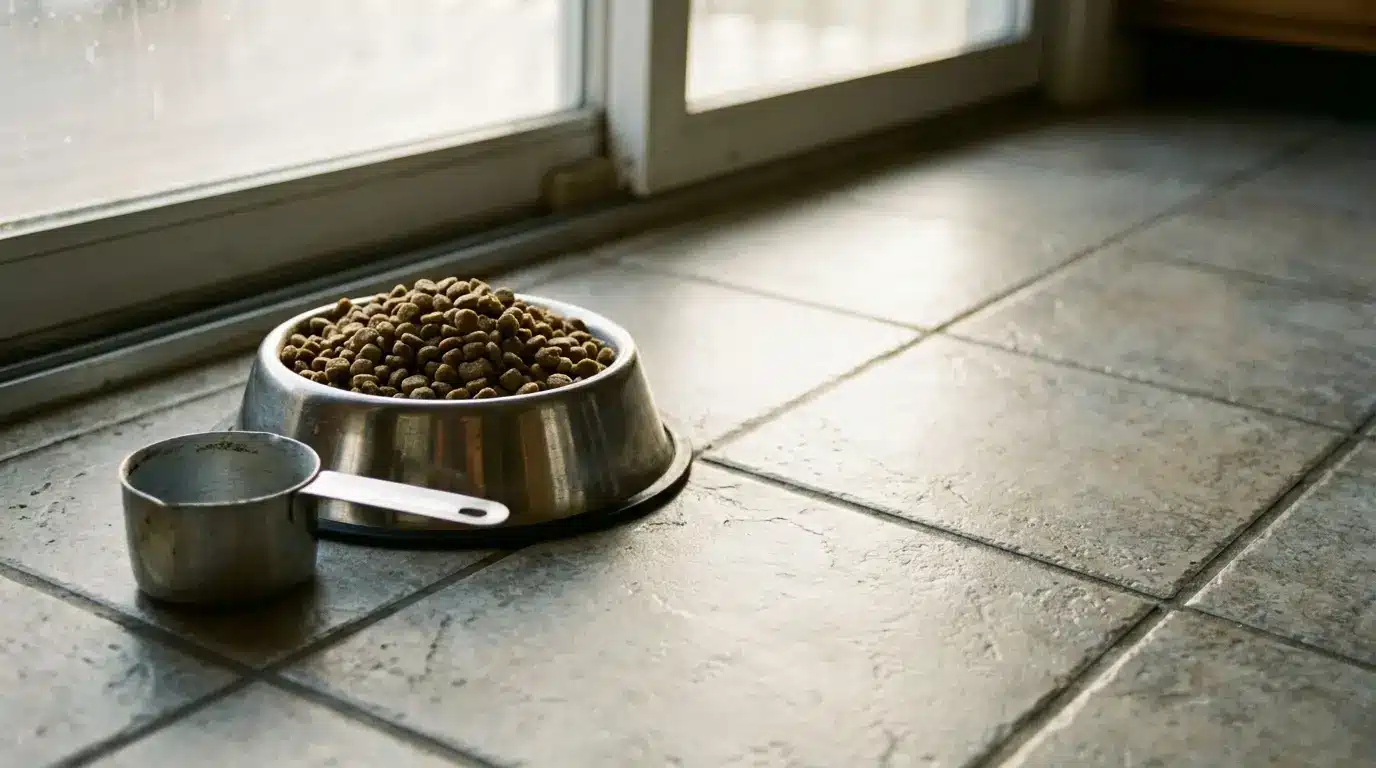
The regulation of food portion sizes is also an important aspect of a consistent feeding regime. The required food quantity might vary depending on some factors, such as the size of the dog, age, level of activity, and calorie content of the food offered to the pet. One should always refer to the feeding recommendations provided for a certain product while taking into account the individual characteristics of a dog.
Feeding dogs treats is also an important aspect of monitoring one’s pet food intake. Providing pets with lots of treats and snacks might contribute extra calories to the daily food consumption of a dog. It does not mean that one cannot give his pet any treats, but it means that treats should be taken into account while organizing the dog’s diet.
Monitoring Changes Over Time
A feeding schedule will permit the owner to detect any changes in the dog’s appetite, weight, energy level, and eating behavior. An instance of a dog that all of a sudden is eating too much or too little requires the owner to look into the matter. It is also an opportunity for the owner to determine if a feeding schedule needs modification and whether a dog needs veterinary assistance.
Changes in lifestyle can also influence a dog’s feeding needs. A dog that becomes more active will require a different strategy compared to a dog whose activity level decreases. Factors such as age, family circumstances, and activity levels can all have an effect on the dog’s routine. Regular observation will enable the owner to make sound judgments.
Developing an effective diet plan requires consistency, appropriate feeding options, correct portion sizes, and constant attention to the developing needs of a dog. It is possible to facilitate the process of feeding and notice essential changes in dogs’ behavior with the help of such an approach. The development of an effective diet plan for your pet will require you to take care of the dog on a daily basis.