When people think about a comfortable home, they usually picture the obvious things first. A calm color palette. Good natural light. A kitchen that feels easy to use. A bedroom that helps you unwind at night. A bathroom that feels clean, warm, and well planned.
But a lot of what makes a home feel truly good is less visible.
You notice it when one room always feels stuffy and another feels perfect. You notice it when the upstairs runs warmer than the main floor. You notice it when the shower pressure drops at the wrong time, when the air feels damp in summer, or when the house never quite reaches the temperature you set. These are not dramatic design problems, but they shape daily life more than many decorative choices ever will.
That is why home comfort should be part of the design conversation, not something treated as an afterthought.
A Beautiful Home Still Has To Work Well
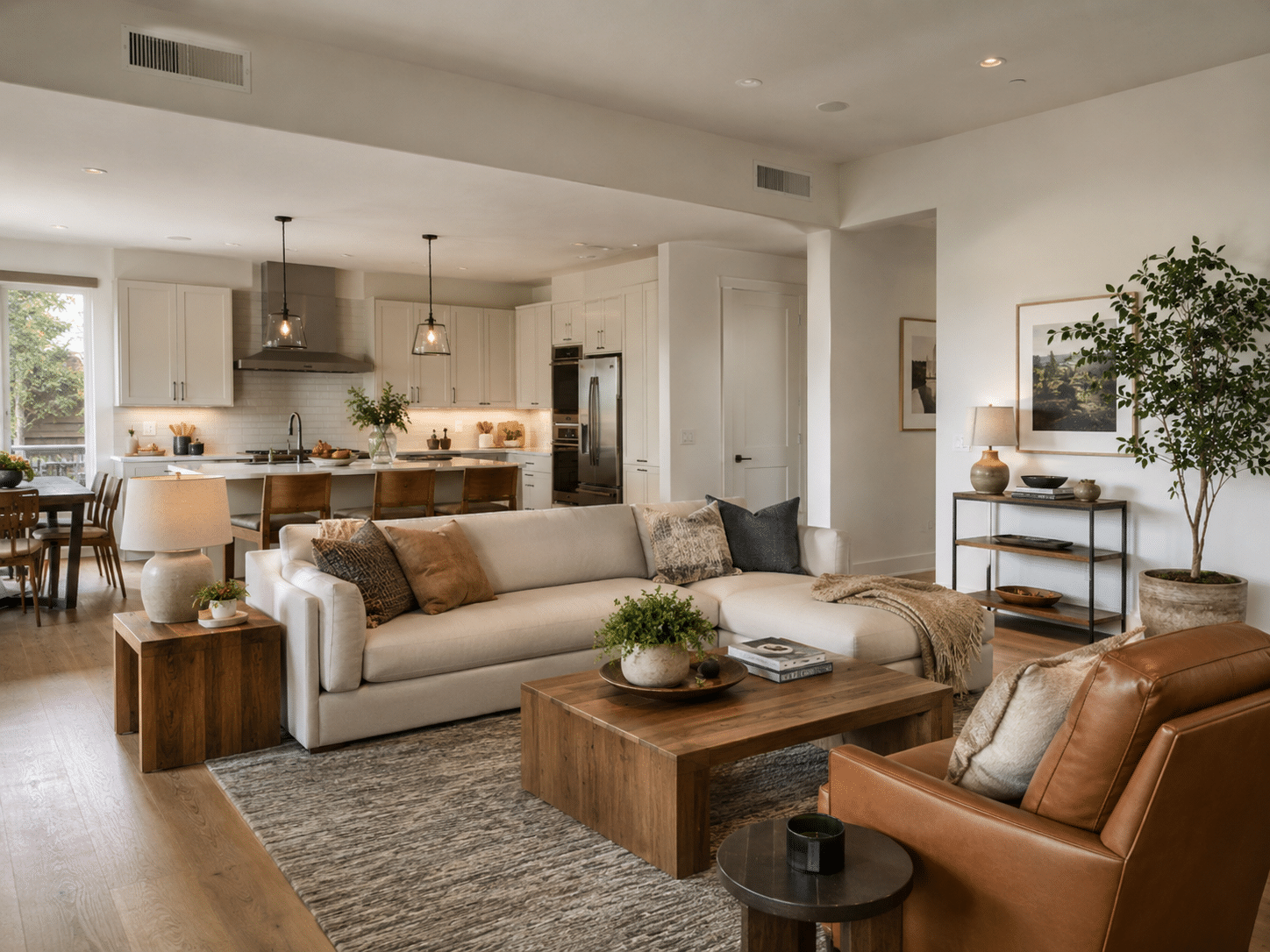
A polished interior can create a strong first impression, but what people remember over time is how the home functions. A living room can look inviting and still feel uncomfortable if airflow is weak. A gorgeous bathroom can lose some of its appeal if humidity lingers too long. Even a well-furnished bedroom feels less restful when temperature control is inconsistent.
The homes that feel easiest to live in usually have a few things in common:
- temperatures stay consistent from room to room;
- airflow feels balanced rather than harsh or weak;
- humidity stays under control;
- plumbing works reliably without small frustrations;
- the house feels comfortable without constant adjustment.
These details do not compete with design. They support it.
Why Comfort Often Gets Missed During Home Planning
A lot of homeowners focus on finishes first because finishes are easy to see. Paint colors, cabinets, tile, lighting, mirrors, hardware, and furniture all feel immediate. Comfort systems are different. They sit behind walls, above ceilings, under floors, or outside the home, which makes them easier to postpone mentally.
That is usually where problems begin.
When layout and aesthetics are finalized before practical home systems are considered, the result can be a house that looks finished but does not feel fully resolved. This often shows up in subtle ways rather than obvious failures.
Common issues that affect how a home feels
- one level of the house stays warmer or cooler than the rest;
- certain rooms never seem to get enough airflow;
- the house feels humid even when cooling is running;
- bathrooms and kitchens work, but not as smoothly as they should;
- homeowners keep adjusting the thermostat without solving the real issue.
These are the kinds of problems that make people say, “Something feels off,” even if they cannot explain it right away.
The Rooms That Reveal Home Performance Fastest
Not every part of the house exposes comfort issues equally. Some rooms show them almost immediately because they are used more often or because expectations are naturally higher there.
|
Area of the home |
What people expect |
What often reveals a problem |
| Bedroom | Quiet, stable temperature, restful comfort | Rooms feel too warm at night or too cold in the morning |
| Kitchen | Reliable function and balanced air | Heat builds up quickly and the room feels heavier than others |
| Bathroom | Good moisture control and dependable plumbing | Lingering humidity, slow drainage, uneven water performance |
| Living room | Steady comfort across larger spaces | Hot and cold spots, weak airflow, constant thermostat changes |
| Upstairs rooms | Even comfort compared with lower levels | Noticeable temperature imbalance between floors |

This is one reason homeowners often become more aware of hidden home-performance issues after spending more time in the space. The house may look complete long before it feels consistently comfortable.
Design and Daily Living Should Support Each Other
Comfort is not separate from style. In a well-functioning home, the two work together. The layout makes sense, but so does the airflow. The bathroom feels relaxing, but it also manages moisture well. The kitchen looks polished, but it also supports everyday use without creating heat or ventilation frustrations.
That balance is what makes a space feel thoughtfully put together.
For homeowners, this usually means asking slightly better questions during upgrades, renovations, or seasonal maintenance. Not just:
- What do I want this room to look like?
But also:
- How do I want this room to feel every day?
- Will the house still feel balanced in summer and winter?
- Are there comfort issues I have gotten used to that should really be addressed?
- Is the problem cosmetic, or is it something deeper in how the home functions?
Those questions often lead to smarter decisions.
Small Problems Tend To Show Up Before Bigger Ones
One of the most useful things a homeowner can do is notice patterns early. A house rarely becomes frustrating overnight. More often, small comfort issues build gradually until they become hard to ignore.
You might start noticing that:
- the air feels heavier than usual;
- cooling seems slower in certain rooms;
- one bathroom is always more humid than the rest;
- airflow feels weaker than it did last season;
- temperatures are harder to keep consistent.
None of these signs automatically mean a major repair is needed. But they do suggest that the home is giving feedback. Paying attention early often makes it easier to preserve comfort and avoid bigger interruptions later.
Why Reliable Home Service Matters More Than People Think
Homeowners do not usually want to spend much time thinking about HVAC or plumbing. That is understandable. Most people simply want the home to feel good and function properly without constant effort.
That is exactly why good service matters.
A strong home service provider helps connect the dots between comfort problems and everyday living. Instead of treating every issue like an isolated technical event, they help homeowners understand how the house is performing as a whole. For anyone thinking more seriously about long-term comfort, maintenance, and practical home function, callhomerangers.com is a useful example of the kind of homeowner-focused support that fits into that bigger picture.
The Best Homes Feel Easy To Live In
That may be the simplest test of all.
A home feels finished when it is not only attractive, but easy. The air feels right. Rooms stay usable through changing weather. Bathrooms and kitchens work the way they should. You are not constantly adjusting, compensating, or working around minor frustrations.
That ease is what turns a nice-looking house into a genuinely comfortable one.
And in everyday life, that difference matters more than most people realize.