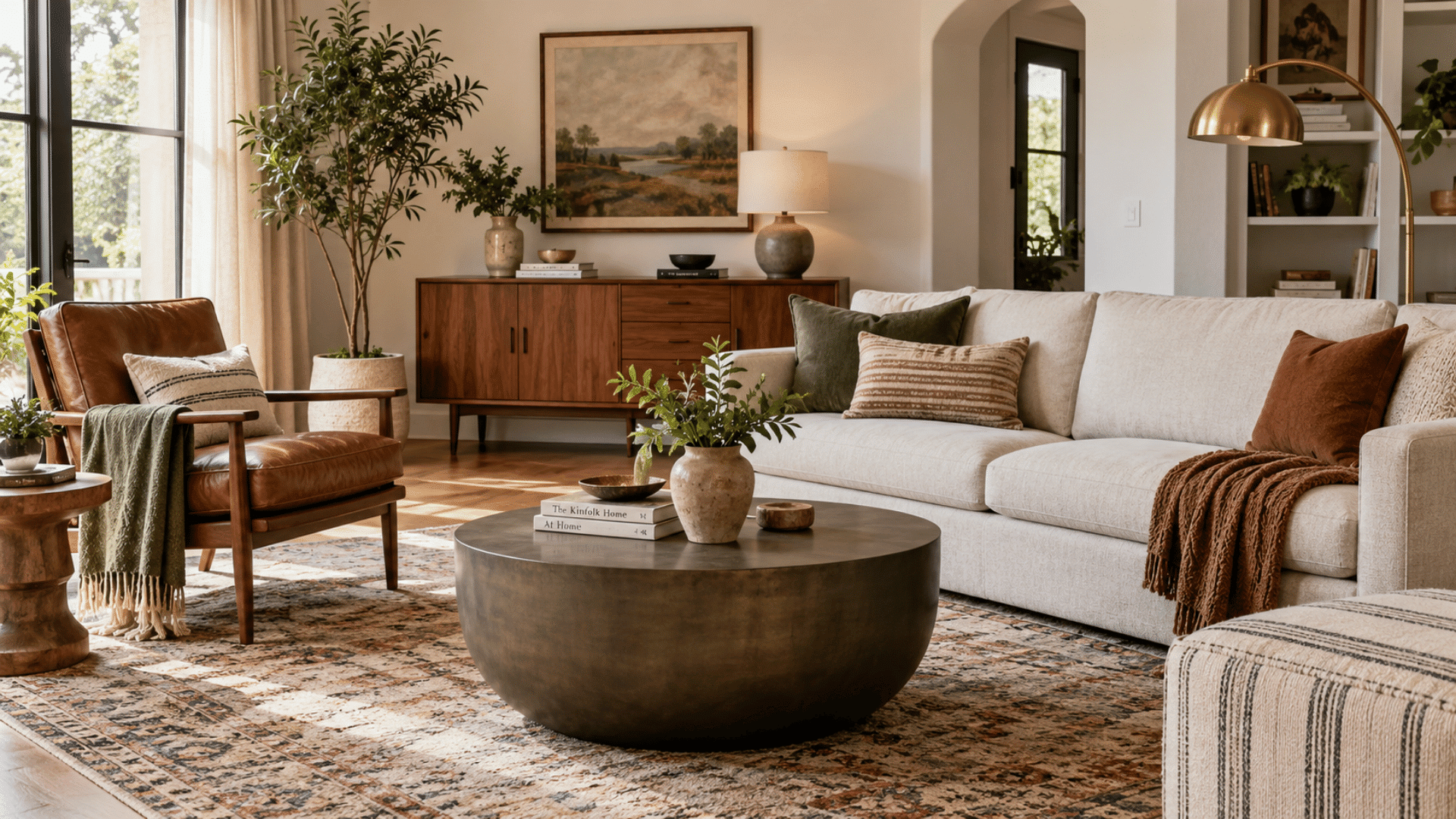
A condo can be beautifully finished and still feel strangely impersonal. That usually happens when a renovation focuses only on visible upgrades rather than the quiet design decisions that shape how a home actually feels. True customization is not always loud, expensive, or obvious at first glance.
The strongest condo renovations often begin with questions that homeowners do not expect. How should the entry feel after a long day. Where does clutter naturally gather? Which views deserve attention, and which awkward corners need to disappear into the design.
This is where a thoughtful design-build approach becomes valuable. Reed Design Build helps homeowners look beyond surface improvements and consider how each choice supports comfort, movement, proportion, and daily use. A custom-feeling condo is rarely created by one dramatic feature; it is built through dozens of precise decisions working together.
Custom Design Begins With How the Home Is Experienced
Many homeowners start with finishes because finishes are easy to picture. Cabinets, flooring, countertops, and fixtures matter, but they should not lead the entire renovation. A condo feels custom when the design responds to the way people live inside it.
That may mean widening a transition between rooms, softening a harsh sightline, or adjusting built-ins so storage feels architectural rather than added later. These decisions are not always noticed immediately, but they are felt every day. They make the home seem calmer, more intentional, and easier to use.
Homeowners exploring Condo Remodeling Naples in Naples, FL often need this level of planning because condos come with fixed boundaries. Walls, building systems, association rules, and shared structures can limit what is possible. Good design works within those limits without making the final space feel compromised.
The Difference Between Decorated and Designed Spaces
A decorated condo may look attractive in photos, but a designed condo feels resolved in person. Decoration adds style to a space, while design shapes the experience of living there. The difference becomes clear in details such as scale, rhythm, storage, lighting placement, and material transitions.
For example, a kitchen island may look impressive but feel wrong if it blocks movement or overpowers the room. A feature wall may seem stylish but become distracting if it interrupts the visual flow. Custom renovation is about knowing when to add, when to simplify, and when to let the architecture breathe.
Reed Design Build approaches renovation with this broader perspective. Instead of treating each room as a separate project, the home is considered as one connected environment. That helps prevent the patchwork feeling that can happen when upgrades are chosen one at a time.
Hidden Choices That Change the Entire Feeling of a Condo
Some of the most important design choices are nearly invisible once the project is complete. Ceiling lines, cabinet depths, door swings, outlet placement, and trim proportions rarely receive much attention from guests. Yet these details can make the difference between a renovation that feels ordinary and one that feels tailored.
Proportion is especially powerful in condo interiors. Slightly taller cabinetry, better-scaled mirrors, cleaner transitions, and properly sized fixtures can make rooms feel more refined without adding visual clutter. These choices create a sense of balance that homeowners may not be able to name, but they immediately recognize.
Another overlooked detail is negative space. Not every wall needs decoration, and not every corner needs furniture. Leaving the right amount of visual breathing room can make a condo feel larger, calmer, and more luxurious.
Personalization Should Not Mean Overdesign
A common mistake in condo renovation is assuming that custom means adding more features. Too many statement elements can compete with one another and make the space feel busy. Real personalization is usually more disciplined than that.
The goal is to identify which details should stand out and which should quietly support the room. A distinctive vanity, a beautifully framed view, or a carefully designed built-in may have more impact when surrounded by restraint. Custom design often succeeds because it knows where to stop.
That restraint also helps a condo age well. Trend-heavy choices can feel exciting at first but may lose appeal quickly. A more thoughtful renovation creates character through proportion, materials, and usability rather than short-lived visual tricks.
Why Coordination Matters in Condo Renovation
Condo projects require more coordination than many homeowners expect. Renovation plans may need to account for building access, elevator scheduling, noise restrictions, plumbing locations, and association approvals. These practical issues can affect design decisions from the beginning.
Experienced professionals specializing in Condo Remodeling Naples in Naples, FL understand how to connect creative goals with construction realities. That matters because even a beautiful concept can fail if it does not respect building limitations. The best renovations feel effortless because the difficult coordination has already been handled behind the scenes.
Reed Design Build brings value by aligning design intent with the way the project will actually be built. This reduces confusion, protects the design vision, and helps homeowners make decisions with better context. A smoother process often leads to a stronger finished result.
A Truly Custom Condo Feels Natural After Completion
The best compliment for a custom renovation is that the home feels as though it should have always been that way. Nothing feels forced, oversized, mismatched, or randomly selected. The rooms support daily life while still offering beauty, comfort, and personality.
That kind of result does not happen by copying popular design ideas. It comes from understanding the homeowner, respecting the structure, and making small decisions with care. In the end, the hidden choices are often the ones that make the renovation feel most personal.
A condo that feels truly custom is not simply updated. It is edited, refined, and shaped around real life. That is what turns a renovation from a collection of new finishes into a home that feels intentional, lasting, and deeply connected to the people who live there.