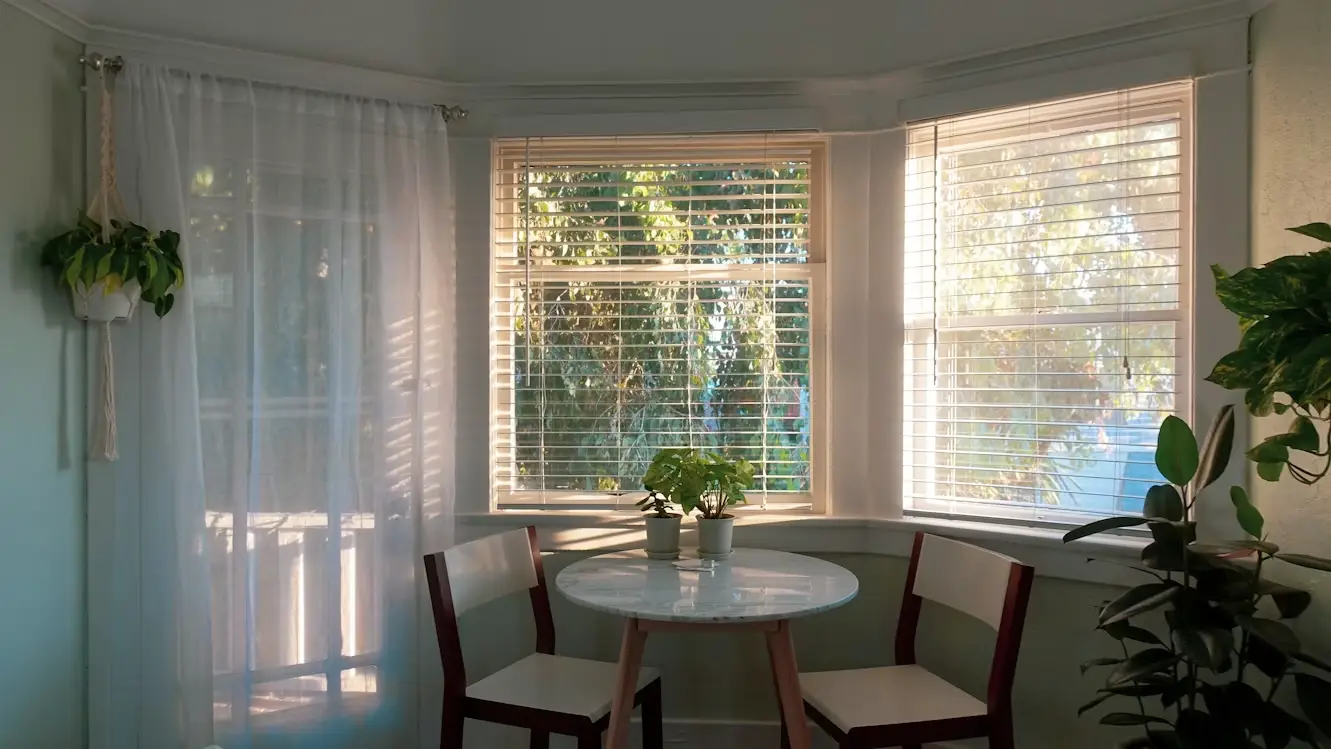
A room can have lovely furniture, beautiful colors, and all the right finishing touches, yet still feel slightly unfinished when the light feels flat. Often, the difference comes down to details you notice more than you realize: a warmer bulb beside the bed, a lamp in a forgotten corner, a gentle glow over the kitchen counter, or a switch placed exactly where your hand expects it to be.
Good lighting changes how a home feels. It can make a room calmer, softer, more useful, and more comfortable to live in, without requiring a full makeover.
Start With the Corners That Feel Flat
Every home has a few spots that seem to disappear once the sun goes down. It might be the corner behind an armchair, the end of a hallway, the side of the bed that never gets enough glow, or a shelf that looks lovely during the day and dull by evening.
These areas are usually simple to improve. A small table lamp can make a reading corner feel intentional. A slim floor lamp can soften the edge of a dark living room. A picture light above a shelf or artwork can add depth to the wall without cluttering. Even a low, warm lamp on a console table can make an entryway feel more welcoming.
The goal is to prevent the room from relying on a single bright ceiling fixture. Once the edges of the space have their own soft glow, everything feels more layered, balanced, and complete.
Choose Bulb Temperature Like a Design Finish
Bulb temperature can change a room as much as paint color or fabric. A bedroom with cool, bright bulbs can feel clinical, even when the bedding is soft, and the furniture is beautiful. A kitchen with bulbs that are overly warm can look cozy, but make chopping, cleaning, and reading labels harder than they should be.
For bedrooms, living rooms, and quiet corners, warm white bulbs usually feel softer and more flattering. In kitchens, laundry rooms, closets, and work areas, clearer light can make daily tasks easier. Choose the mood for the room first, then choose the bulb that supports it.
It also helps to look beyond watts. Modern bulbs are measured by brightness, color, and efficiency, so checking lumens and bulb labels can make the choice feel less like guesswork. Once the temperature is right, the same lamp or fixture can suddenly look much more considered.
Layer Light Instead of Relying on One Ceiling Fixture

One overhead light can make a room look bright, but it rarely makes it feel finished. It tends to flatten everything, leaving the space either harsh or uneven. Layered light gives a room more shape.
Start with the main source of light, such as a ceiling fixture, recessed lights, or a central pendant. Then add task lighting where life actually happens: a lamp beside a chair, under-cabinet lighting in the kitchen, a soft bedside glow, or a small light near a vanity. Accent lighting can come last, bringing warmth to shelves, artwork, plants, or textured walls.
When each layer has a purpose, the room feels easier to use at different times of day. The effect is subtle, but the space begins to feel planned rather than pieced together.
Think About Where the Light Actually Lands
A beautiful fixture can still feel wrong if the glow falls in the wrong place. This happens often in bathrooms, kitchens, and reading corners. The fixture looks lovely on its own, but once it is installed, it casts shadows across the mirror, misses the counter, or leaves the chair beside it feeling dim.
Before choosing a light, think about what the space needs to help you do. A vanity light should brighten the face without harsh shadows. Kitchen lighting should reach the prep area, not stop at the edge of the island. A bedside lamp should be low and soft enough for winding down, but clear enough for reading.
The best light feels natural because it supports the way the room is used. When it lands in the right place, the whole space feels more comfortable and easier to enjoy.
When the Detail Belongs With an Electrician
Some choices stay firmly in the styling category: a warmer bulb, a better lampshade, a table lamp in a dark corner. Others look small from the room side, but require more from the home itself. A new vanity light, recessed fixture, under-cabinet strip, smart dimmer, or pendant in a new location can bring wiring, placement, moisture, load, access, and safety into the picture.
This is where electricians become part of the design story. Their work helps the finished room feel effortless because the practical pieces are considered before the fixtures go up. They are looking at what is already behind the wall, how the room is used, whether the light suits the space, and how the new detail fits with the home’s electrical setup.
Location can shape that work as well. In older Ohio homes, past renovations and wiring paths may need careful attention. In Illinois, planning can vary from city properties to vintage homes to newer suburban spaces. Florida brings moisture, storms, patios, and outdoor fixtures into the conversation, while Texas often adds larger layouts, additions, and exterior lighting. In the Pacific Northwest, damp weather and covered outdoor spaces can affect fixture choices around bathrooms, porches, and entryways.
That same local awareness matters in Michigan. For electricians working in the state, Michigan electrical continuing education can help keep code knowledge current as homes rely more on layered lighting, connected controls, and carefully placed fixtures. Homeowners may notice the glow first, but the best lighting details often depend on the planning they never see.
Use Switches and Dimmers to Make Rooms Feel Easier
A room feels more finished when the lighting works with your routine. That can be as simple as having a switch you naturally reach for, or being able to soften the lights at night without leaving the room completely dark.
Dimmers are especially helpful in spaces that change throughout the day. A kitchen might need bright light for cooking, then a warmer, lower glow once the counters are clear. A bedroom might need enough light for getting dressed in the morning, then something gentler before sleep. Living rooms, dining areas, and bathrooms all benefit from that kind of flexibility.
Smart controls can help in the same way when they are used thoughtfully. The point is not to make every light complicated. It is to make the room feel easier, calmer, and more responsive to real life.
Let One Room Guide the Next
Lighting feels most polished when the rooms have a quiet sense of connection. Not every fixture has to match. The glow, finishes, and mood simply need to feel like they belong in the same home.
Start with the room that bothers you most. If the bedroom feels harsh, soften it with warmer bulbs and lower lamps. If the kitchen feels unfinished, add light where you prep, cook, and gather. If the living room feels flat, bring in a few smaller sources of light instead of relying on the ceiling fixture alone.
Once one room feels right, it becomes easier to make confident choices elsewhere. Looking at real examples of lighting choices that made a home feel brand new can help you see how small changes in scale, warmth, and placement can shift the feeling of a whole space.
Conclusion
A home does not always need a dramatic makeover to feel more complete. Sometimes the difference is a warmer bulb, a better-placed lamp, a softer corner, or a dimmer that makes the evening feel easier.
The best lighting details work quietly. They make a room feel calmer, more useful, and more cared for without demanding attention. When the glow is right, the whole home feels better.