The tree is the heart of Christmas decorating, and choosing one is a yearly debate. Some people love the smell and charm of a real pine, while others prefer the convenience of a tree that lives in a box.
If you are comparing Christmas trees and cannot decide, this guide looks at both options across cost, convenience, style, environmental impact and safety. By the end, you should know which tree wins in your home.
Round One: The Look
A real tree has natural, uneven branches and a fresh scent that fills the room. No two are the same, which is part of the charm. Artificial trees have improved a lot, and many now come in realistic shapes, slim profiles and even pre lit versions. If you want a perfect, symmetrical shape, artificial often wins. If you love character, real is hard to beat.
Round Two: Convenience
An artificial tree comes out of the box, fluffs up and stays put. There is no watering, no needles on the floor and no trip to a tree farm. A real tree needs a stand with water, regular checks and a plan for disposal afterwards. If your December is already packed, convenience may favor artificial.
Round Three: Cost
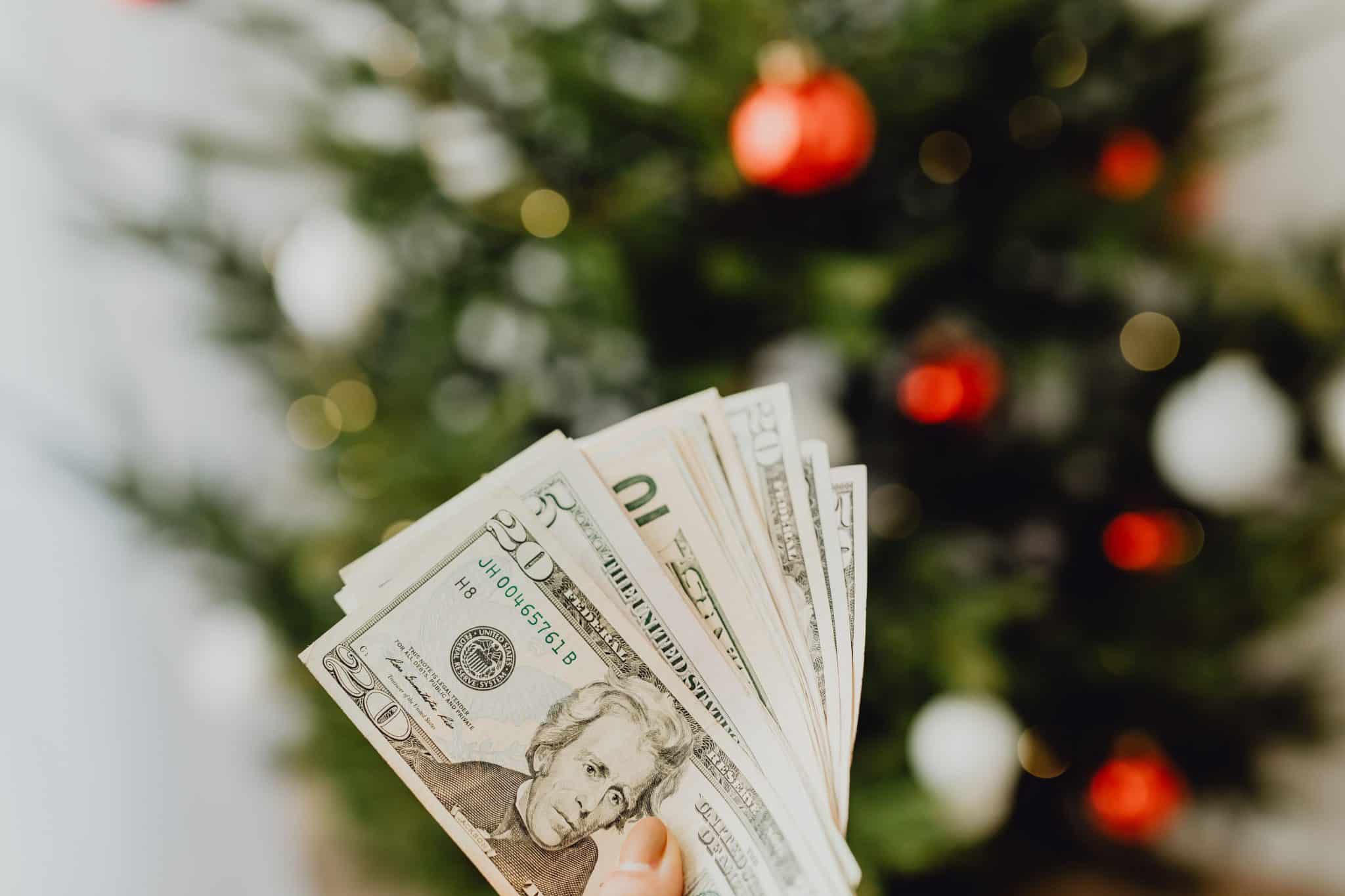
A real tree is a recurring purchase, because you buy a new one each year. An artificial tree costs more upfront but can be used again and again. The longer you keep it, the better the value becomes. Over several seasons, artificial trees often work out cheaper, provided they are stored properly and don’t need replacing.
Round Four: The Environment
This is where the debate gets interesting. Earth.org’s comparison of real and fake Christmas trees estimates that a two-metre real tree has a carbon footprint of about 3.5 kg of carbon dioxide if it is chipped or burned, rising to about 16 kg if it decomposes in landfill.
It estimates that an artificial tree of the same size carries about 40 kg of carbon cost when discarded, and says it would need to be reused for at least 12 years to match a real tree. It also notes that artificial trees are mostly made from PVC and metal and are often manufactured far away before being shipped.
The takeaway is that a real tree, disposed of properly, has a lower footprint, while an artificial tree only makes sense if you keep it for many years.
Round Five: Safety
Whichever tree you choose, safety matters. Fire and Emergency New Zealand’s advice to make your home safe for the holiday season says a fire can kill in under five minutes, and recommends long-life photoelectric smoke alarms in every area where people sleep.
It also suggests keeping exits clear, because guests sleeping on sofas or camp beds can block escape routes, and agreeing on a safe meeting place. Place your tree away from heaters, fireplaces and doorways, and keep it from blocking the way out.
Round Six: Allergies and Cleaning
Real trees can shed needles and may bother people with allergies. Artificial trees can collect dust in storage. Whichever you pick, give it a quick wipe or vacuum before decorating, and keep the area around it tidy.
Round Seven: Space and Storage
A real tree disappears after the season, which makes storage easy. An artificial tree needs a cupboard or a box for eleven months of the year. If your home is small, think about how much space you can spare, and look for a slim or collapsible model.
Round Eight: Decorating
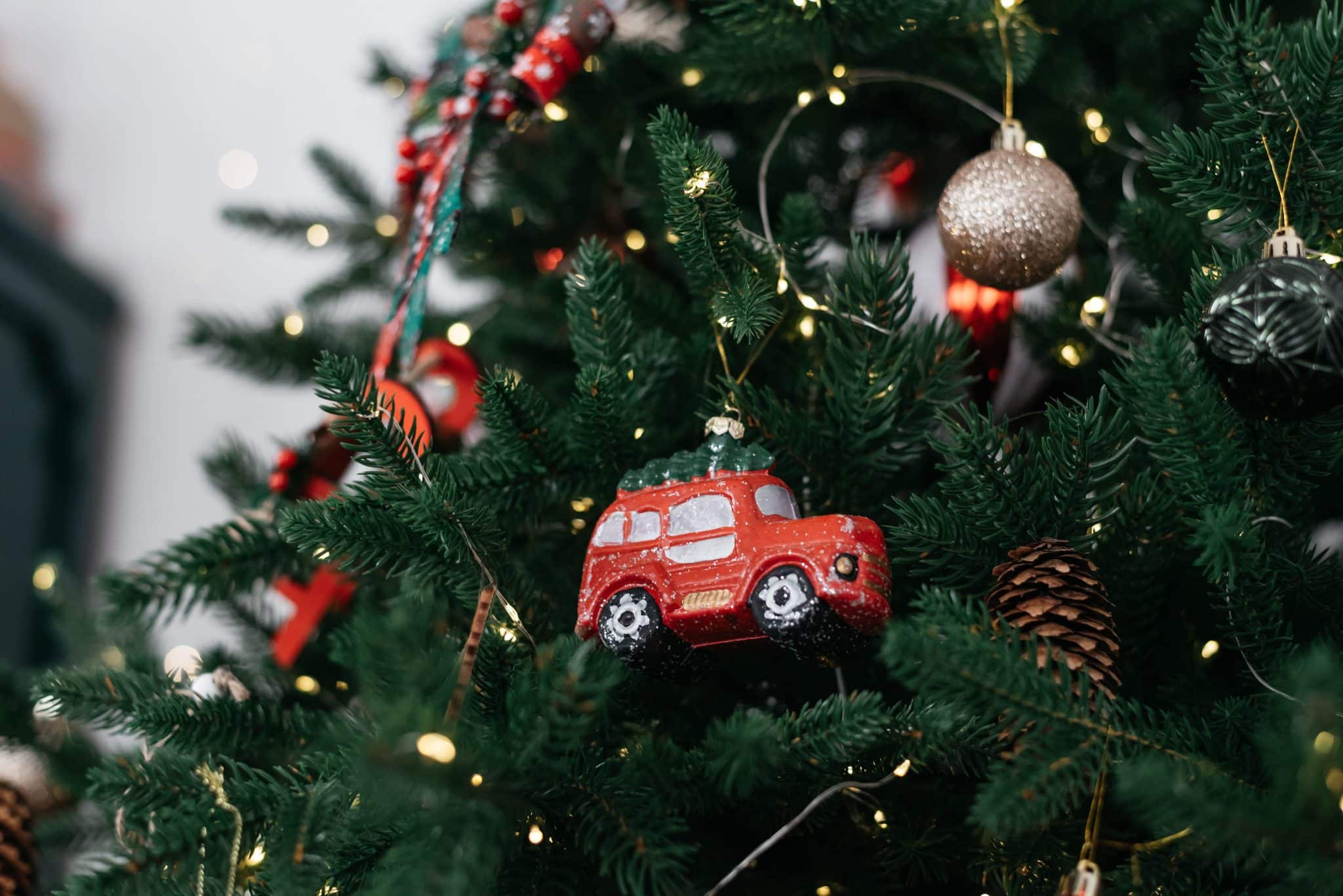
Both tree types decorate beautifully. A real tree has natural gaps that show off ornaments, while an artificial tree has a uniform shape that suits a themed look. Start with lights, add ribbon, then place larger baubles deep in the branches and smaller ones near the tips. Whichever you choose, the decorations make the tree.
The Verdict
If you prioritize character, a lower footprint and a yearly tradition, a real tree wins. If you prioritize convenience, long-term value and a tidy home, an artificial tree wins, as long as you keep it for many years. If you cannot decide, a small real tree in a pot or a compact artificial tree for a corner can be a happy compromise.
Tips for Choosing a Real Tree
Look for a tree with green needles that do not fall off when you tap the trunk. Cu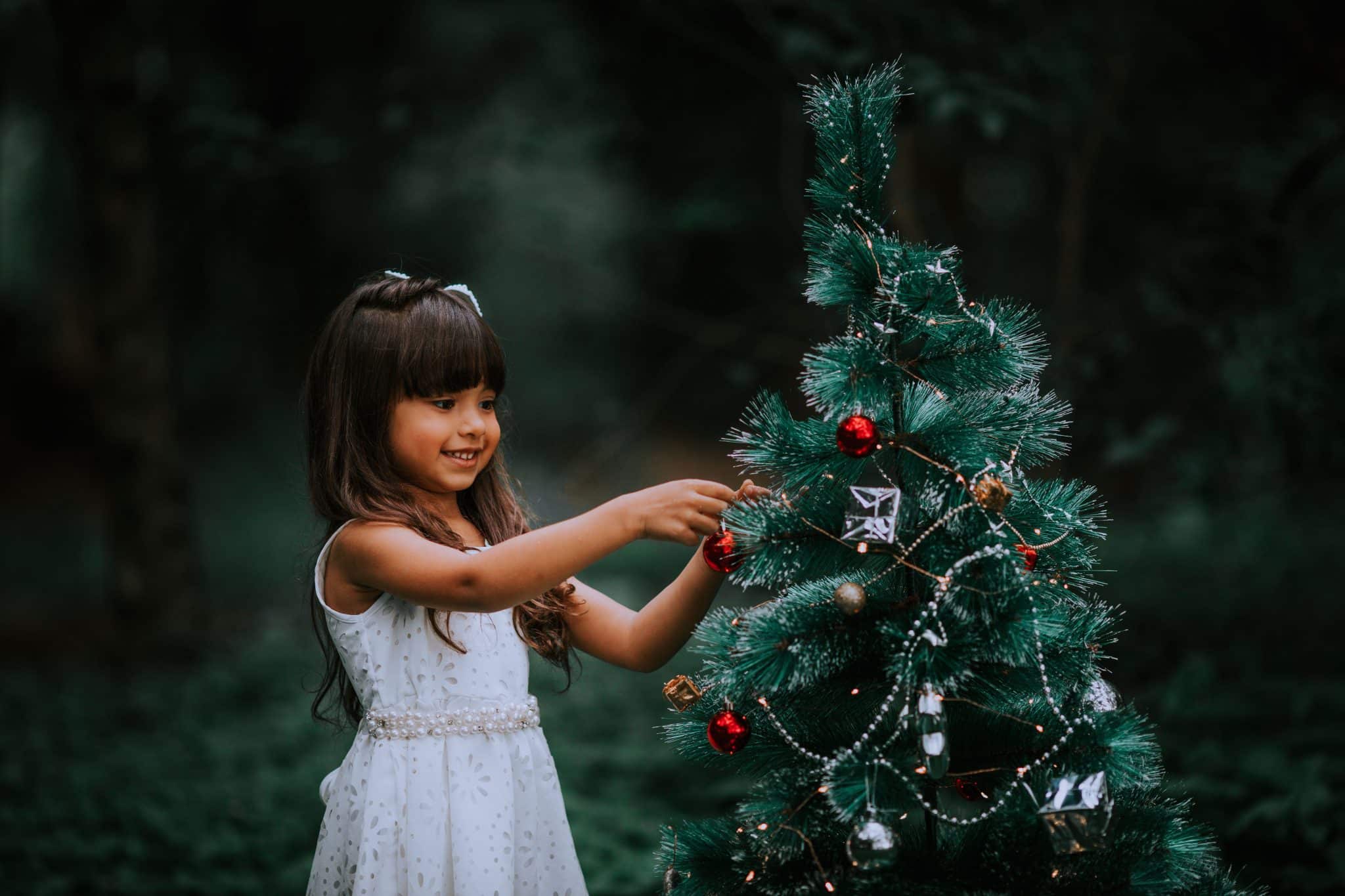 t a small slice off the base before placing it in water, and top up the water every day. Keep it away from direct heat so it lasts through the holiday season.
Tips for Choosing an Artificial Tree
Check the height and width against your space, and choose a sturdy base. Look at the branch tips and fill, and make sure it is easy to assemble. If you want lights, consider a pre-lit model, but check that the lights can be replaced.
Think About Disposal Early
Decide what happens to the tree before you buy it. Many councils and garden centers offer chipping or composting for real trees, which keeps them out of landfill. For an artificial tree, plan to repair or donate it rather than throw it out. Thinking about the end of the tree’s life makes the whole choice more sustainable.
The Takeaway
The best tree is the one that fits your home, your budget and your values. Think about how long you will keep it, how you will dispose of it and how safe it will be. Make a choice you feel good about, and enjoy the season.