Everyone has heard of beauty sleep, but few of us think about the bed that delivers it. A tired face is rarely fixed by one more serum, and a good night on the right mattress can do more for your morning than a stack of products. If you are shopping for the best mattresses to support rest and recovery, it helps to know what to look for.
Here are nine qualities that define a great sleep surface, followed by what research actually says about sleep and appearance, and a few habits that help you get the most from your bed.
1. The Right Firmness for Your Body
Firmness is personal. Heavier sleepers often prefer a firmer feel, while lighter sleepers tend to like something softer. Test a mattress in your usual position and give it several minutes before you decide.
2. Real Support From the Core
Comfort sits on top, but support comes from underneath. A mattress that keeps your spine in a natural line helps you wake without stiffness. If you notice aches in the morning, support is the first thing to check.
3. Pressure Relief for Side Sleepers
Side sleepers need a surface that cushions the shoulders and hips. A softer comfort layer can prevent the tingling and tossing that break up sleep. Look for a feel that lets your shoulder sink slightly without collapsing.
4. A Stable Surface for Back and Stomach Sleepers

If you sleep on your back or stomach, a firmer top layer keeps your hips from dipping too far. That helps keep your neck and lower back comfortable. A supportive pillow completes the setup.
5. Good Motion Isolation for Couples
A partner who moves around can wake you without meaning to. Foam and hybrid designs are often chosen for their ability to absorb movement. Ask about this when you shop, and have both partners test the bed together.
6. Breathable Materials
Waking up hot is a common sleep thief. Look for materials and covers that allow air to move, and pair the mattress with breathable cotton or linen sheets. A cooler bed makes it easier to stay asleep.
7. An Easy-to-Care-for Cover
A cover that can be cleaned or aired keeps the sleep surface fresh. Use a mattress protector, and rotate or turn the mattress if the manufacturer recommends it. Good care protects both your investment and your skin.
8. The Right Size for Your Space
A bed that is too small causes broken sleep. Couples often rest better with extra width, so consider a queen or king if your room allows. Measure the space first, and leave room to walk around the bed.
9. A Sensible Warranty and Trial
A mattress is a long-term purchase. Check the warranty terms and ask about trial or return options. A fair policy lets you adjust if the bed is not right for you.
What Science Says About Beauty Sleep

The idea is popular, but the evidence is more nuanced than the slogan. The Sleep Foundation’s guide to beauty sleep says scientific evidence directly linking sleep to physical attractiveness is limited, partly because beauty standards vary. It notes that poor sleep can show up as dark circles, red or swollen eyes, paler skin, and more noticeable fine lines.
It also describes a small study of women in their 40s in which wrinkle-related changes appeared after a single night of sleep deprivation, and it recommends at least seven hours of sleep each night. In other words, rest will not change your features, but it can help you look and feel more like yourself.
Habits That Protect Your Sleep
A great mattress works best alongside good habits. The health information service healthdirect explains on its sleep page that sleep runs in cycles of about 90 minutes and that most adults need around 7 to 9 hours.
It suggests avoiding alcohol for at least four hours before bed, avoiding tea, coffee and other caffeinated drinks for at least three to seven hours, and keeping any nap to about 20 minutes. These small changes often make a bigger difference than people expect.
Build a Bedtime Ritual
Beauty routines and sleep routines go hand in hand. Wind down with a warm shower, apply your skincare, dim the lights, and put your phone out of reach. A predictable routine signals to your body that it is time to rest.
Match the Pillow to the Mattress
A pillow that is too high or too low can undo the work of a good mattress. Side sleepers usually need a thicker pillow to fill the gap between shoulder and head, while back sleepers do better with something medium and stomach sleepers with something thin. Replace pillows when they lose their shape, and wash pillowcases weekly to keep skin clear.
Give Yourself Time to Adjust
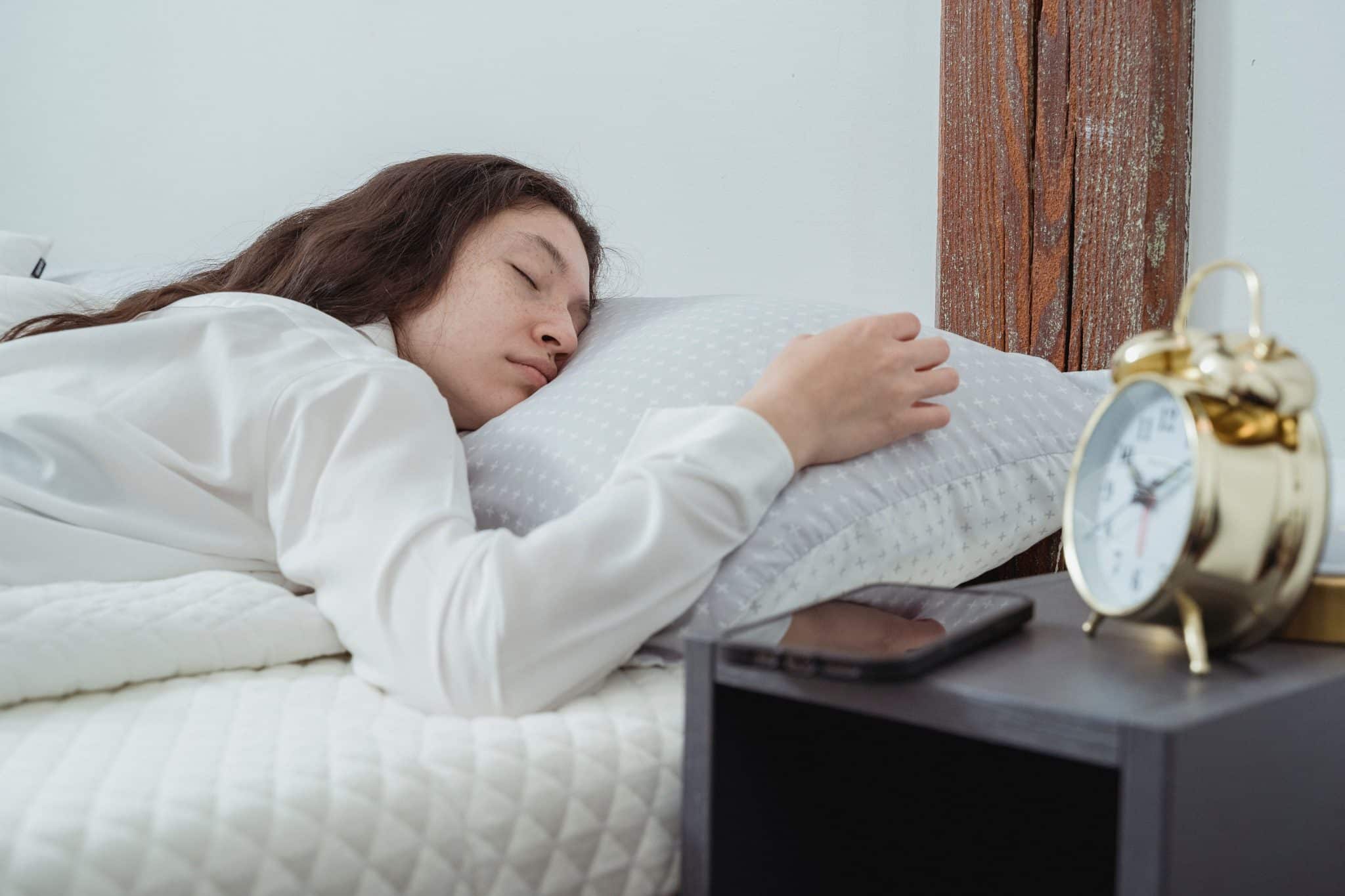
A new mattress can feel different for the first couple of weeks as your body adapts. Keep your sleep schedule steady, track how you feel in the morning and give the bed a fair chance before judging it. If problems continue, use the trial or return options.
Style the Bed for Rest
Choose soft, breathable bedding in colors that feel calming. Keep the bedroom cool, dark and quiet. A tidy, welcoming bed makes it easier to want to be there at the end of the day.
The Takeaway
Beauty sleep is less about perfection and more about consistency. Choose a mattress that supports your body, protect your routine and aim for a full night most nights. You will feel the difference first, and your reflection often follows.