Winter weather has a way of keeping you on your toes, especially when the power suddenly goes out. One minute, you’re enjoying a cozy evening indoors, and the next, you’re wondering how long your house will stay warm without electricity.
Fortunately, there are several ways to keep the cold at bay when your heating system stops working. Whether you’re preparing for a major winter storm or dealing with an unexpected outage, these eight strategies can help you stay warm, comfortable, and safe.
1. Keep the Heat Running With a Whole House Generator
One of the most reliable ways to maintain warmth during an outage is by investing in backup power. A standby generator can keep compatible heating systems running, allowing your household to maintain comfortable temperatures even when the electrical grid goes down.
Professional whole house generator installation provides a convenient, long-term solution for homeowners who frequently experience outages. These systems can automatically restore power to selected household circuits, including heating equipment, depending on generator capacity.
2. Turn One Room Into Your Cozy Winter Headquarters
When your heating system stops working, there’s no need to spread everyone throughout the house. Instead, choose one smaller, well-insulated room where your household can gather.
Close doors to unused rooms, bring in plenty of blankets, and make your chosen space as comfortable as possible. Think of it as an indoor camping adventure, minus the mosquitoes and questionable bathroom facilities. Concentrating everyone in one area makes it easier to stay comfortable while limiting unnecessary heat loss.
3. Trap Existing Warmth Before It Escapes
Your home might be losing valuable warmth through tiny gaps around windows and doors. During an outage, preventing heat loss becomes especially important. Use draft stoppers, rolled towels, or weatherstripping to block cold air from entering. Thick curtains can also provide an additional layer of insulation.
If the sun makes an appearance, open curtains to take advantage of natural warmth. Once evening arrives, close them to help retain heat.
4. Bundle up Like You’re Heading Into the Arctic
Sometimes the simplest heating strategy is to dress for the occasion. Layering clothing helps trap body heat and keeps you comfortable as indoor temperatures drop.
Start with thermal underwear, add a cozy sweater, and finish with thick socks. Blankets and insulated sleeping bags provide additional warmth. Remember, there’s absolutely no shame in wearing your favorite winter hat indoors!
5. Use an Indoor-Rated Portable Heater Safely
When the electricity disappears, certain fuel-burning portable heaters can provide supplemental warmth. However, choosing the right equipment is essential.
Only use heaters specifically approved for indoor operation, and always follow manufacturer instructions regarding ventilation and clearance from flammable materials. Battery-powered carbon monoxide detectors are also important for monitoring potentially dangerous conditions.
Never use outdoor propane heaters, charcoal grills, or camping stoves inside your home. These devices can produce deadly carbon monoxide. Remember, staying warm shouldn’t mean putting your household at risk. Safety always comes first when exploring alternative heating options.
6. Make the Most of a Properly Maintained Fireplace or Wood Stove
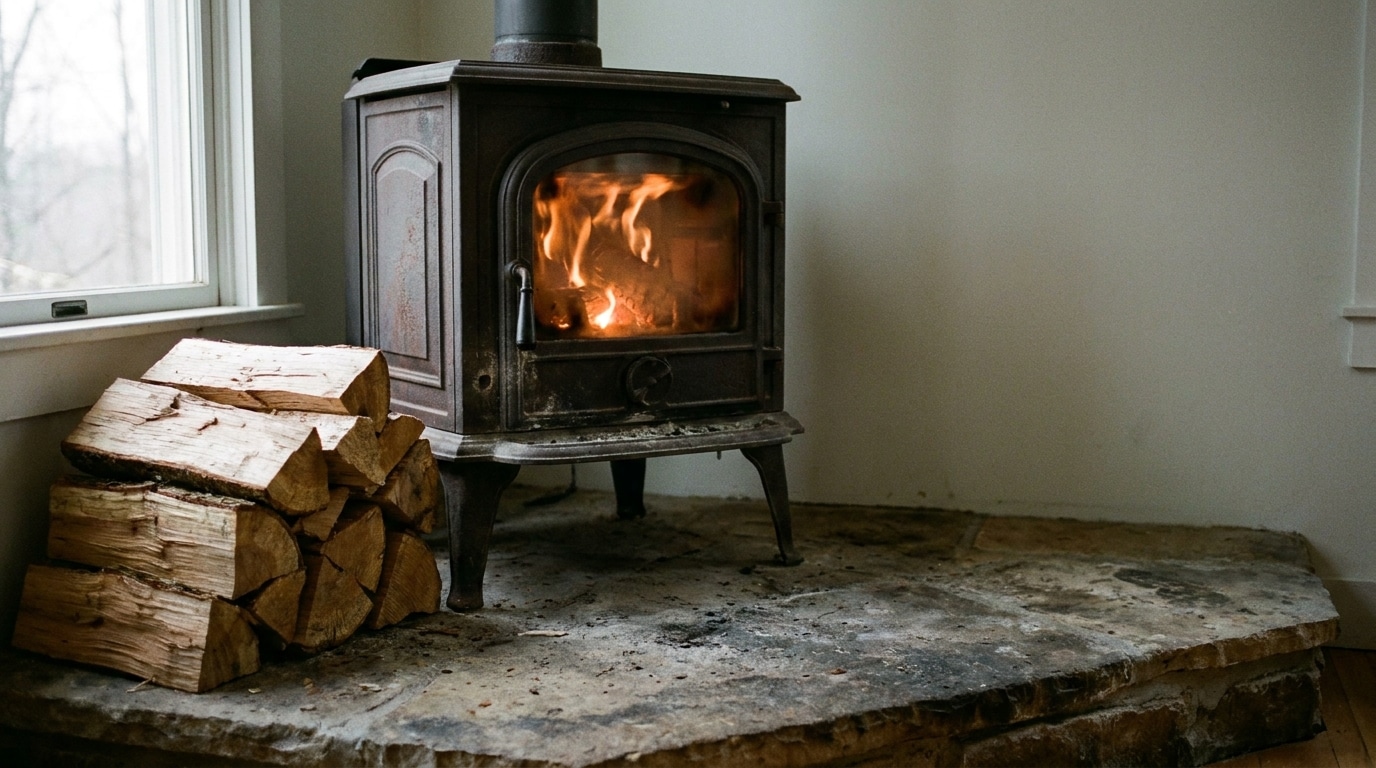
If your home has a wood-burning fireplace or stove, you already have a potential backup heating solution. These traditional heating methods can provide valuable warmth without relying on electricity. However, proper maintenance is essential for safe operation.
Schedule regular chimney inspections, use seasoned firewood, and keep combustible materials away from open flames. Fireplace screens can also prevent sparks from escaping. Keep in mind that some gas fireplaces require electricity to operate, so check your system before an emergency arrives.
7. Create a Warm and Comfortable Sleeping Setup
When nighttime temperatures drop, your regular bedding might need some reinforcements. Gather everyone into one room and create a comfortable sleeping arrangement using thick blankets, insulated sleeping bags, and extra pillows. Sleeping pads and rugs can also help reduce heat loss through cold floors.
Consider keeping emergency blankets in your winter preparedness kit for unexpected situations. With enough cozy layers, your temporary sleeping headquarters might feel more like a winter retreat than an emergency arrangement.
8. Know When It’s Time to Find a Warmer Place to Stay
Sometimes, the safest way to stay warm during a power outage is to temporarily leave home. If indoor temperatures become dangerously cold, consider visiting a designated warming center, staying with relatives, or booking a hotel with functioning heat.
Pay attention to signs of hypothermia, including uncontrollable shivering, confusion, and unusual drowsiness. Seek emergency medical assistance if these symptoms appear. Children, older adults, and individuals with certain medical conditions may be particularly vulnerable to prolonged cold exposure.
Stay Warm When the Power Goes Cold
A winter power outage can disrupt your routine, but preparation makes these situations much easier to manage. From investing in backup power to preventing heat loss and creating cozy sleeping arrangements, several strategies can help your household stay comfortable.
The key is to plan ahead, keep emergency supplies accessible, and understand which heating methods are safe. With the right precautions, you can face winter outages with greater confidence and keep your family protected until the lights come back on.