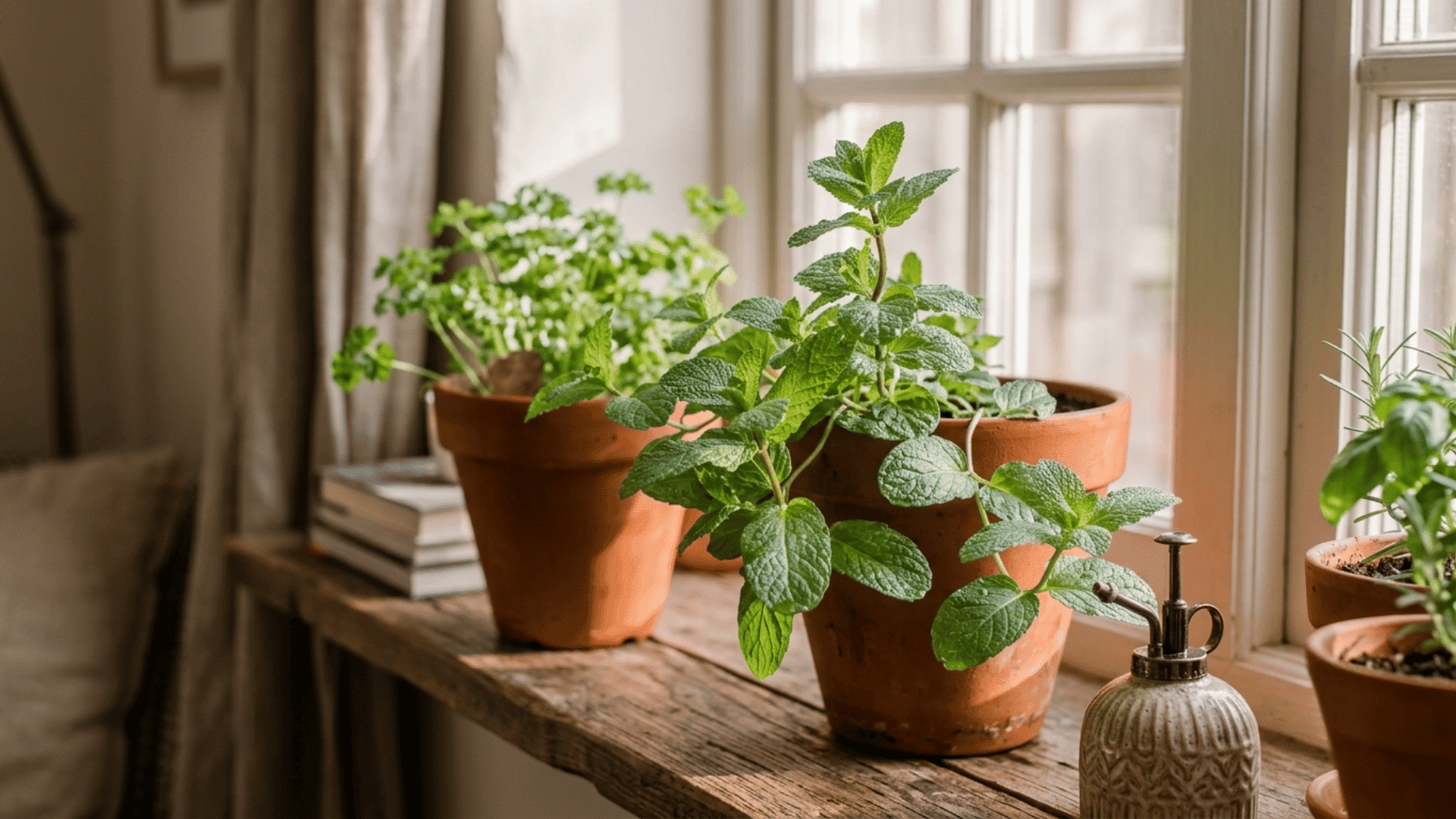
Fresh mint has a way of making everything feel a little brighter, from a chilled summer drink to a simple homemade meal.
I love the idea of having those fragrant green leaves within reach instead of buying a bunch whenever a recipe calls for them.
But bringing mint inside comes with a few questions about where to place it, how to manage its fast growth, and what keeps those leaves looking their best.
Learning how to grow mint indoors can turn a small windowsill plant into a useful addition to your home.
Tools and Materials Required
| What You’ll Need | Simple Recommendation |
|---|---|
| Mint Plant | Choose a healthy plant with fresh green leaves. |
| Container | Use a sturdy plastic pot with drainage holes. |
| Potting Mix | Choose a standard potting mix for container plants. |
| Pruning Shears | Keep a clean pair handy for regular trimming. |
| Knife or Cutting Tool | Use a sturdy tool when dividing crowded roots. |
How to Grow Mint Indoors in Easy Steps
The video transcript gives a clear container-growing process that works well for indoor mint, especially for choosing varieties, repotting, watering, pruning, and controlling vigorous growth.
1. Choose a Mint Variety You Enjoy
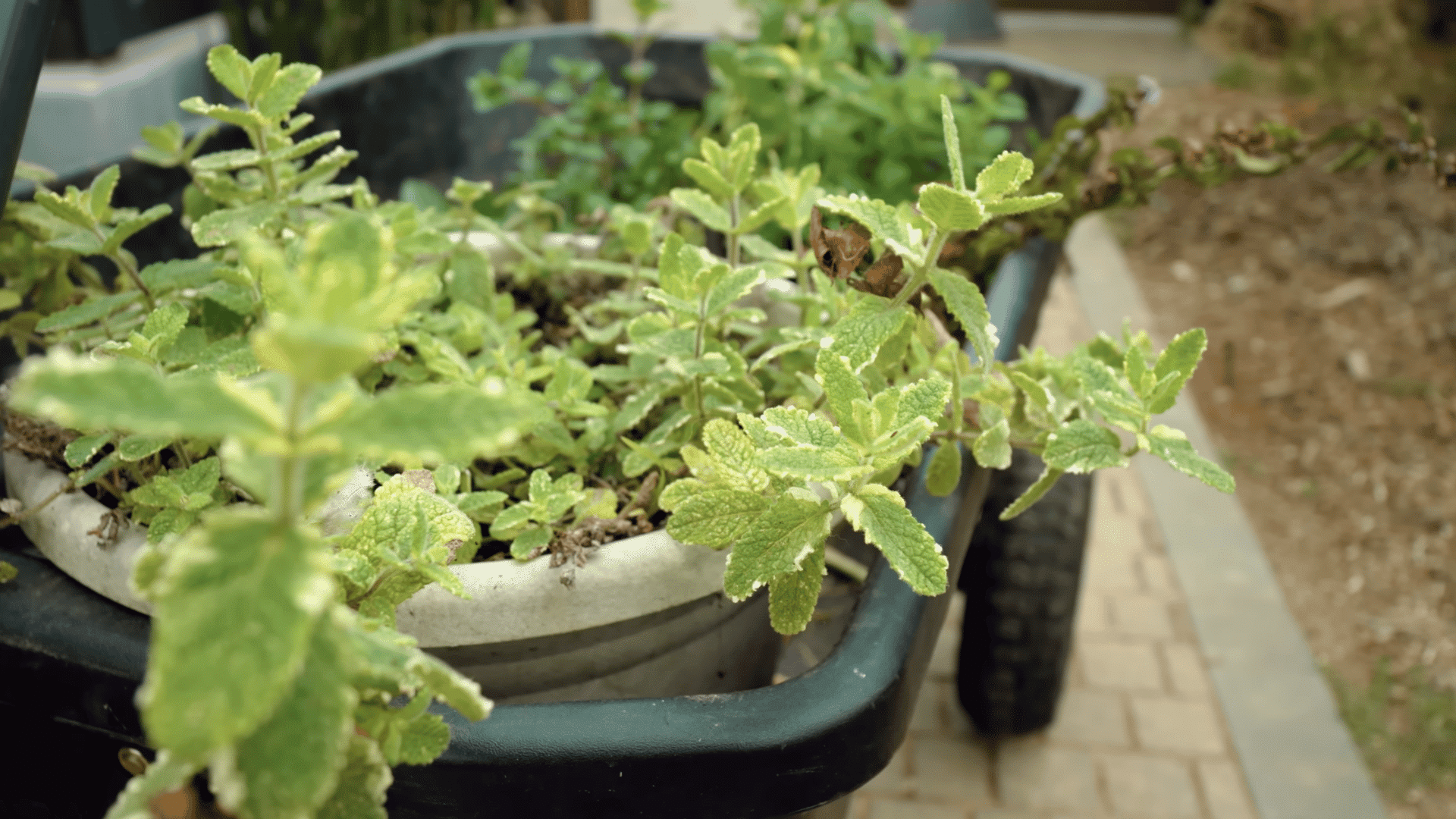
Start by choosing a mint variety that matches how you plan to use it.
Spearmint, peppermint, pineapple mint, mojito mint, orange mint, and flavored varieties all work well.
Since most types have similar basic growing needs, you can focus mainly on flavor. Spearmint and peppermint are simple, versatile choices for beginners growing mint indoors.
2. Select a Container That Holds Moisture
Plant mint in its own container because its underground stems, called rhizomes, spread quickly through the soil.
A sturdy plastic pot works well because it helps prevent the potting mix from drying too quickly.
Whatever container you choose, give the roots enough room to spread while making sure excess water can escape after watering.
3. Repot Mint in Fresh Potting Mix
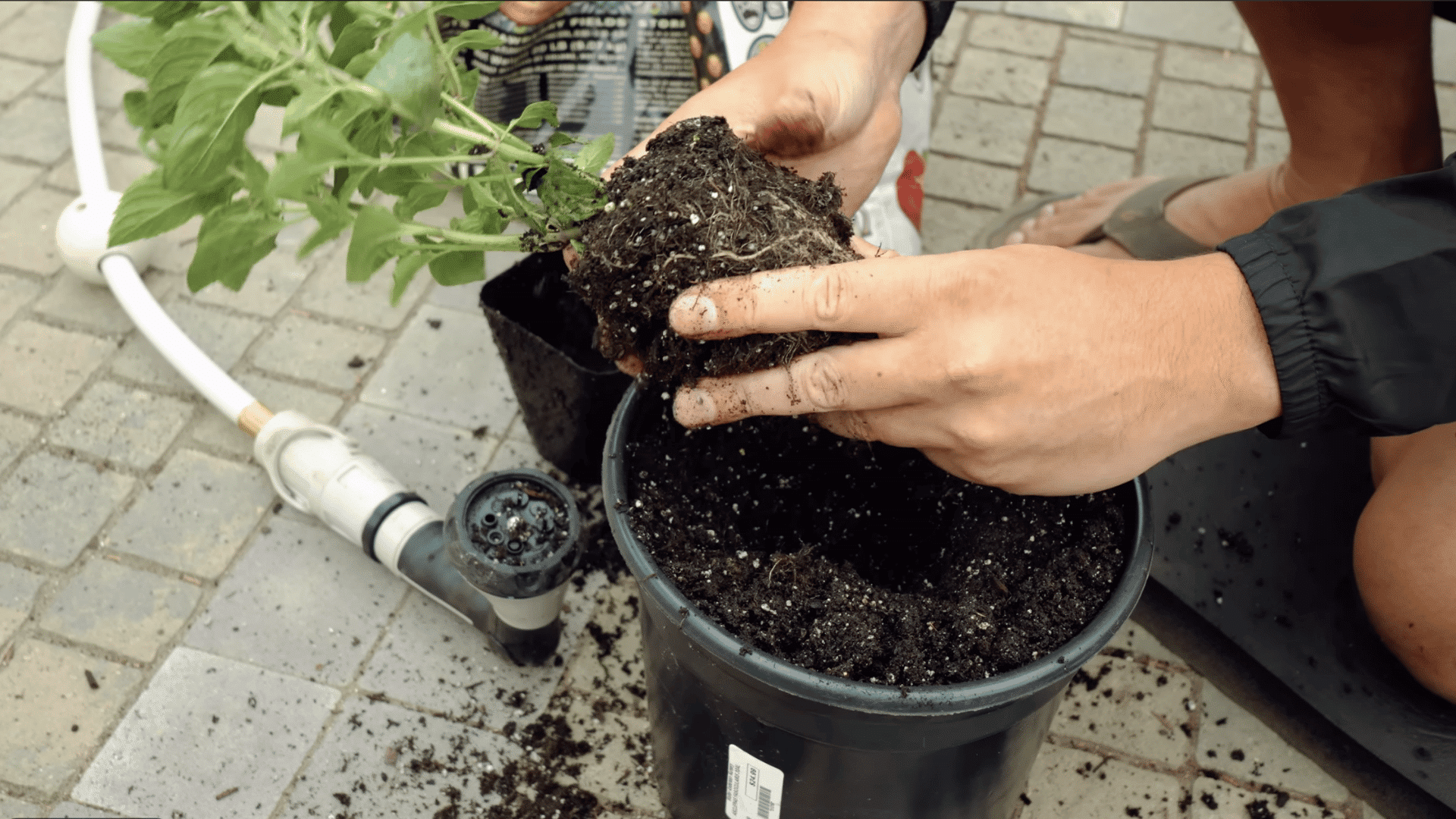
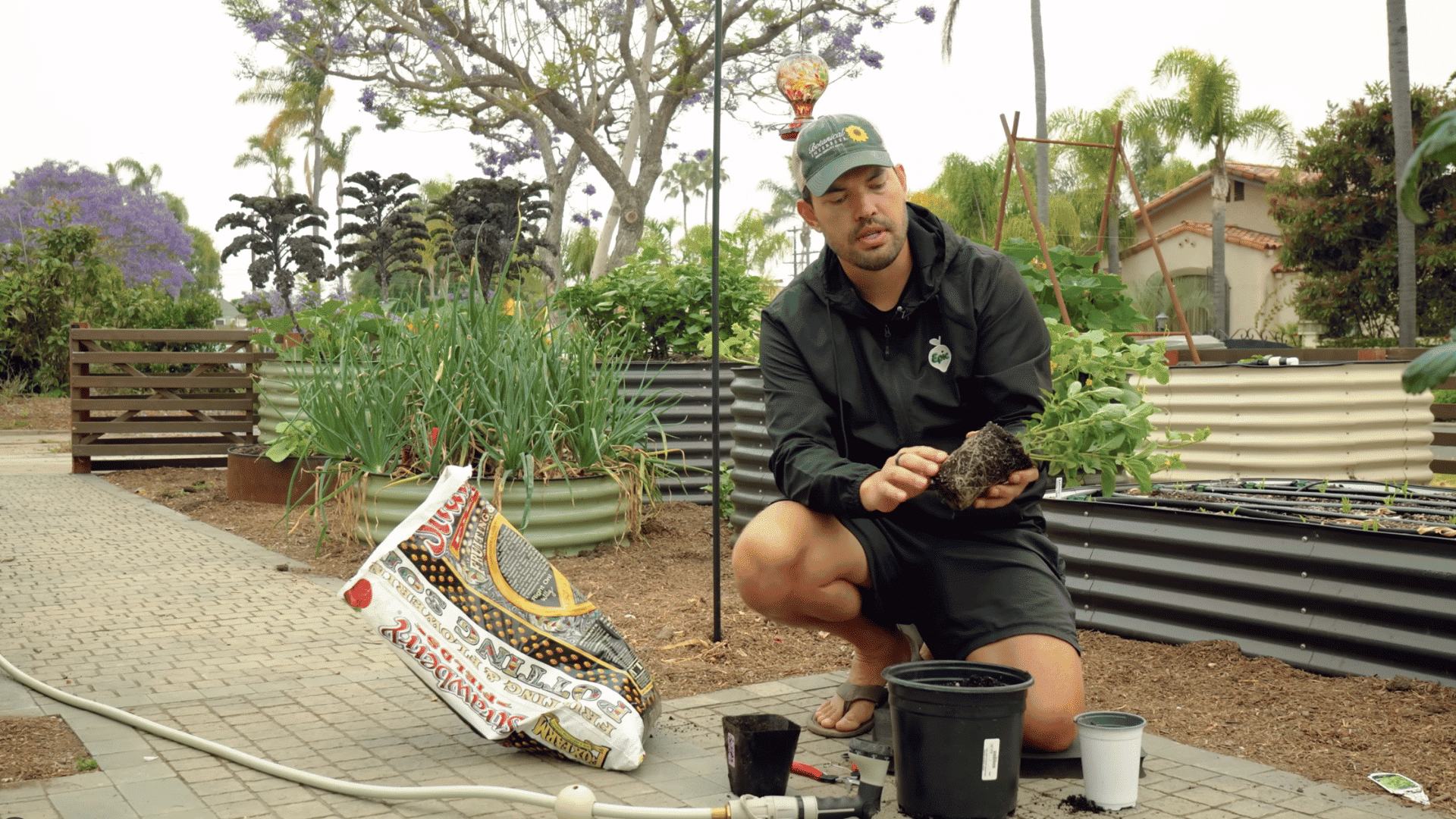
Fill the container with a standard potting mix, then carefully remove the mint from its original pot.
Loosen tightly packed roots with your fingers before positioning the plant near the center. Add more potting mix around the root ball until the plant sits securely at its original depth.
Mint is vigorous, so gentle root disturbance during repotting is usually manageable.
4. Water the Mint and Provide Good Light
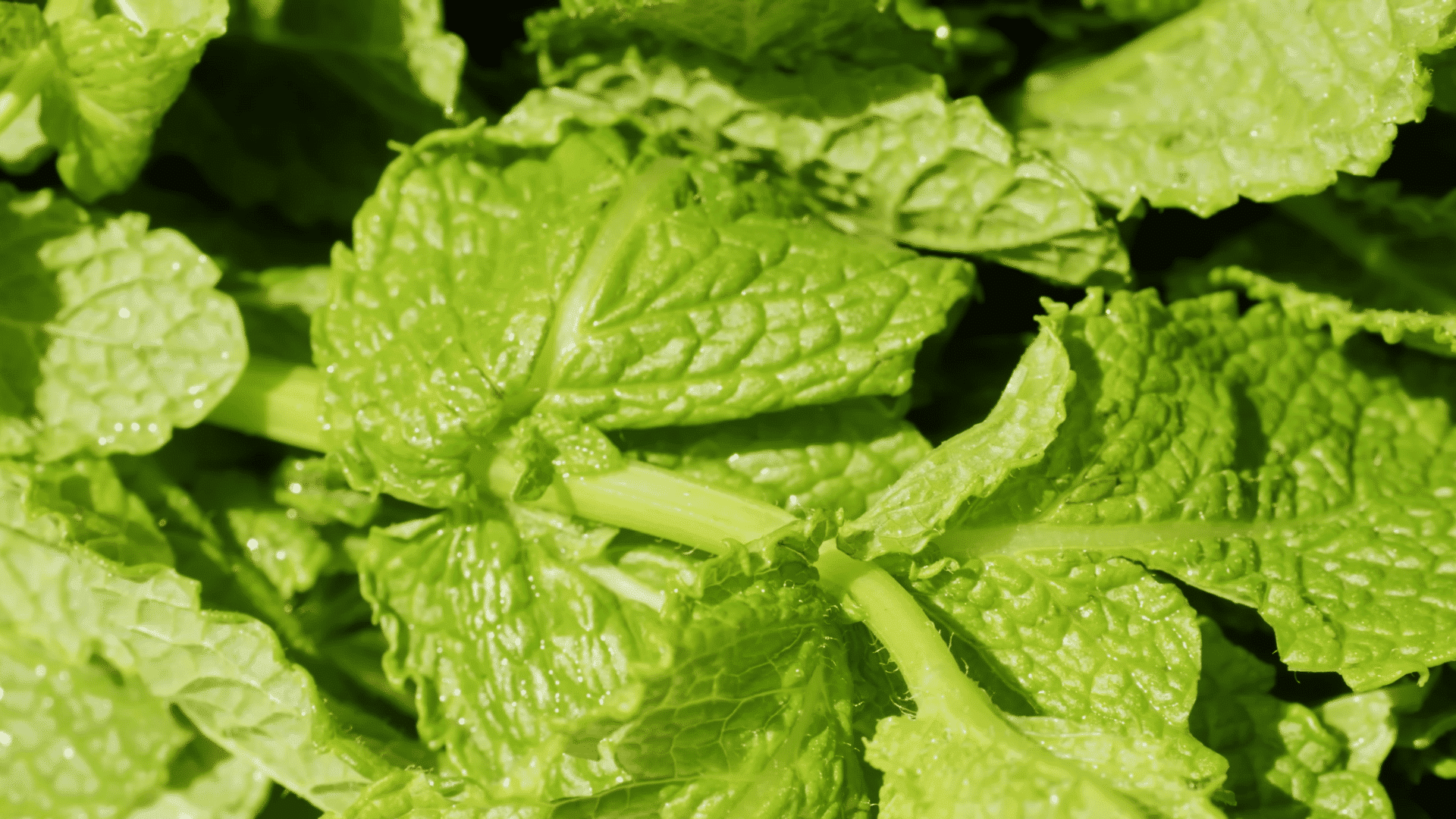
Water the newly potted mint thoroughly after planting and keep the soil consistently moist as it establishes.
Avoid allowing the potting mix to become completely dry for long periods.
Place the container where it receives good light, since adequate moisture and light help the plant produce vigorous new stems and leaves.
5. Prune Above the Growth Nodes
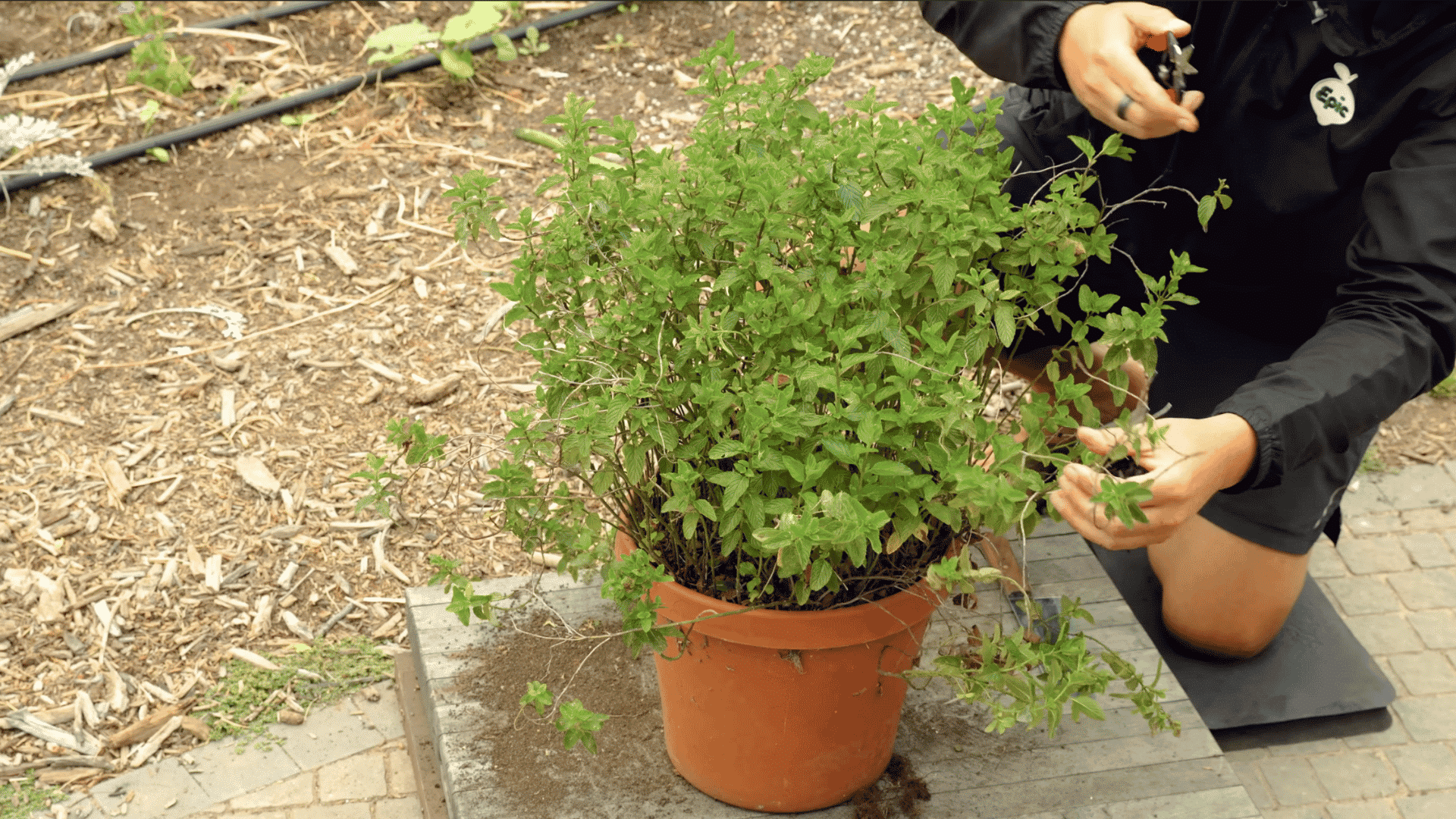
Instead of allowing mint to grow tall and narrow, trim longer stems just above a branching point or visible growth node.
New shoots can then develop from these points and spread outward rather than continuing straight upward.
Repeating this technique across the main stems helps create a fuller, rounded mint plant that is easier to manage and harvest indoors.
6. Remove Dead and Overcrowded Growth
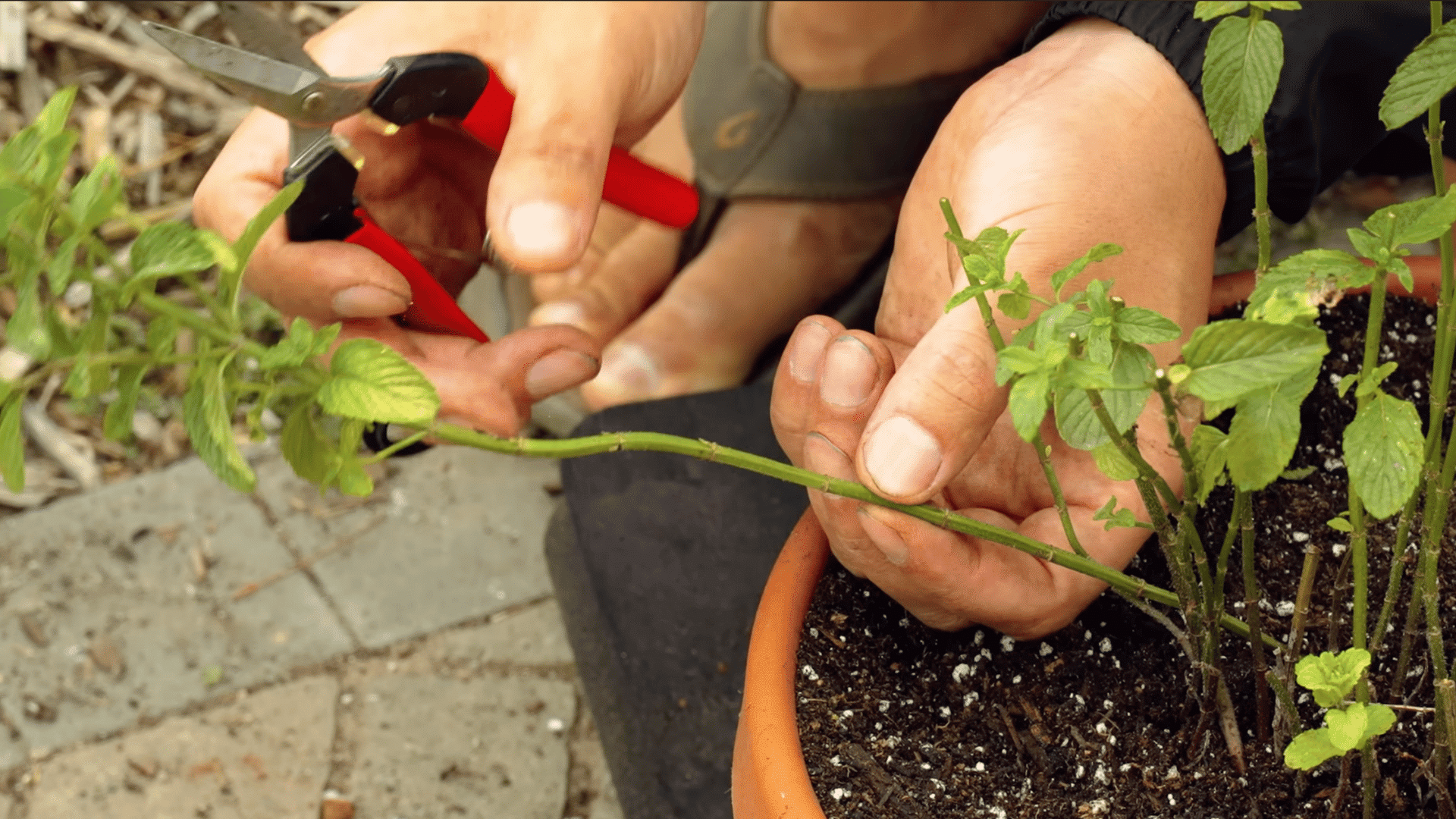
As your mint becomes larger, regularly inspect it for dead, weak, or overcrowded stems.
Remove dead growth down to the base, and give dense plants a light trim as needed.
Regular pruning creates more breathing room within the plant and helps maintain a compact shape, preventing the container from becoming crowded with uncontrolled stems.
7. Divide and Reset an Overgrown Mint Plant
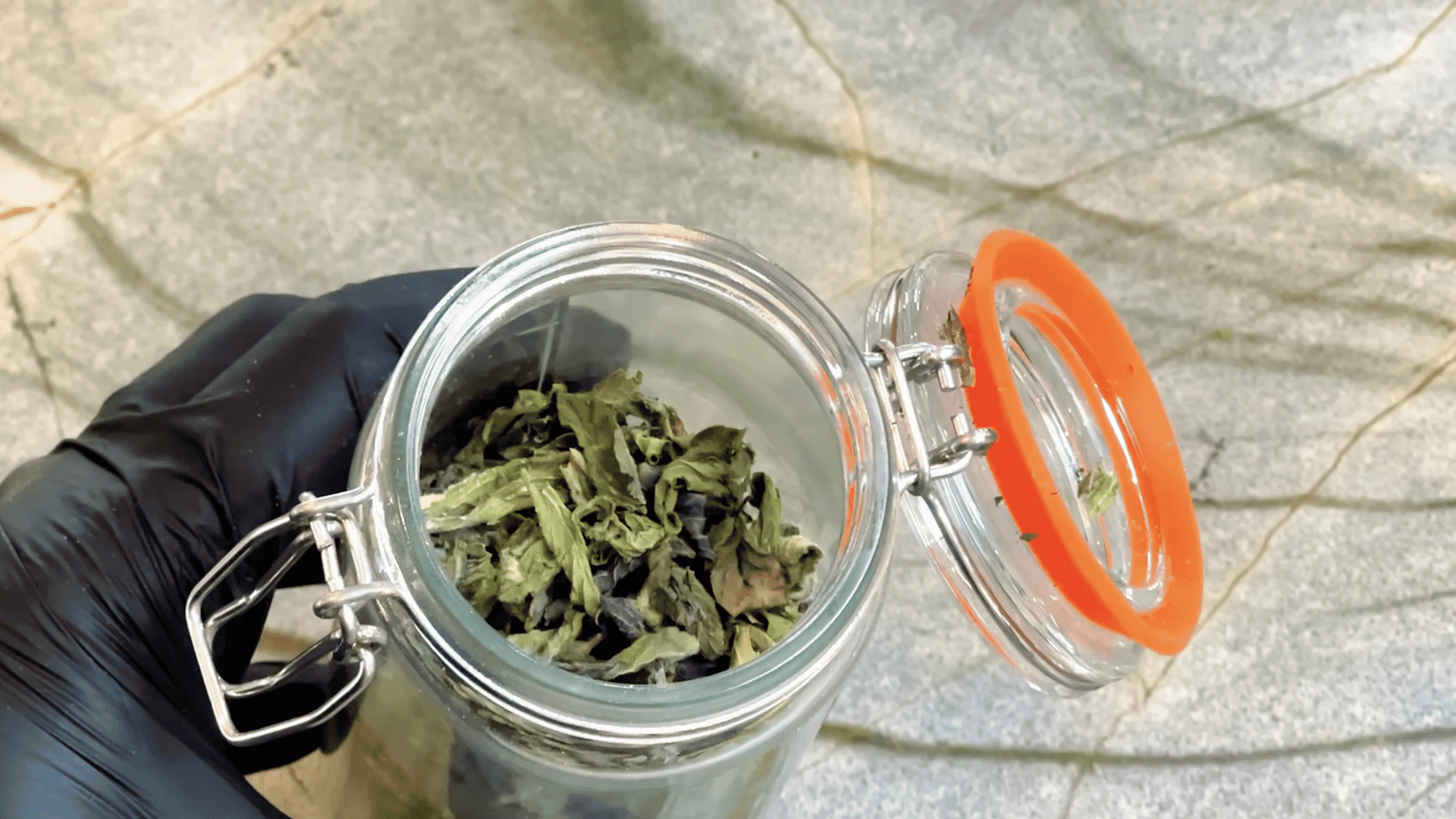
When roots and rhizomes completely fill the container, remove the plant and divide the root mass into smaller sections.
Cut away part of the dense root growth, separate healthy clumps, and replant one in fresh soil. Trim the remaining stems above growth nodes afterward.
Mint usually responds quickly by producing fresh shoots and rebuilding its compact shape.
This tutorial is based on a helpful video by Epic Gardening. You can check out the original video on their YouTube channel here or watch it below.
Benefits of Growing Mint Indoors
Growing mint indoors gives you easy access to fresh, fragrant leaves whenever you need them. It also makes this fast-growing herb easier to manage at home.
- Fresh Mint Anytime: Keep fresh leaves handy for tea, drinks, salads, sauces, and garnishes.
- Better Growth Control: Containers keep mint’s spreading roots from taking over other growing areas.
- Great for Small Spaces: Grow mint in apartments, kitchens, balconies, or other compact spaces.
- Easier to Monitor: Keep a closer eye on watering, light, pests, and overall plant health.
- Longer Growing Season: Indoor conditions can keep mint growing beyond its usual outdoor season.
- Easy to Harvest: Regular trimming provides fresh leaves while encouraging fuller, bushier growth.
Indoor Mint Care at a Glance
This quick table covers the basic watering and fertilizing needs of indoor mint.
| Care Factor | What Mint Needs | Quick Tip |
|---|---|---|
| Watering | Consistently moist soil | Water when the top inch feels slightly dry. |
| Drainage | Well-draining conditions | Let excess water drain completely after watering. |
| Warm-Season Watering | More frequent watering | Check the soil more often during warm, bright months. |
| Winter Watering | Less frequent watering | Reduce watering as indoor growth slows. |
| Fertilizing | Light, occasional feeding | Mint generally does not need heavy fertilizing. |
| Fertilizer Type | Balanced indoor plant fertilizer | Apply lightly during active growth. |
| Overfeeding | Should be avoided | Too much fertilizer can encourage weak, overly soft growth. |
If you notice pests while growing mint, knowing how to get rid of bugs on indoor plants can help protect the leaves and keep the plant healthy.
What Indoor Gardeners Say About Growing Mint?
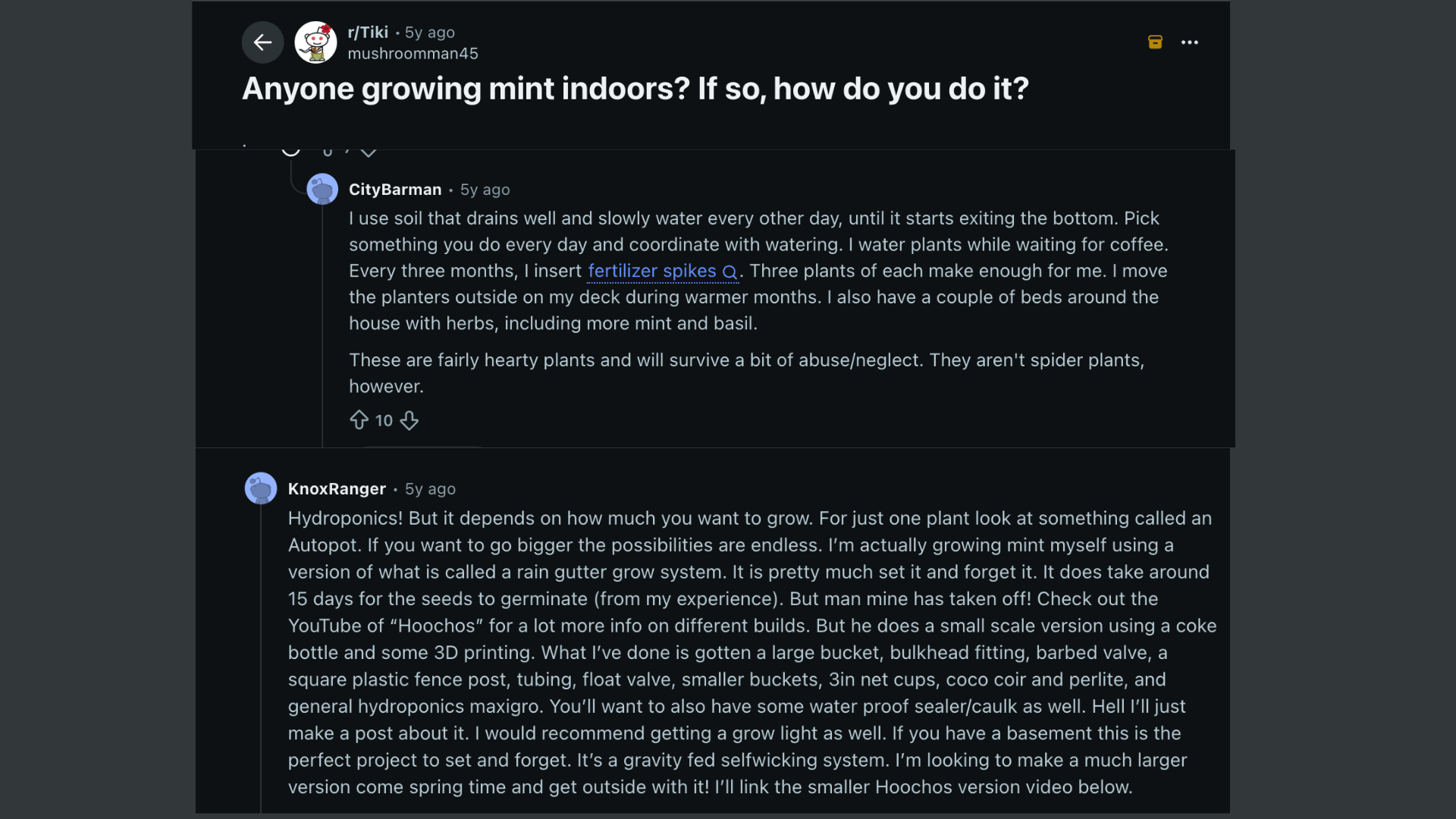
Reddit gardeners generally agree that mint is one of the easier herbs to grow indoors.
Many recommend keeping it in its own pot, using well-draining soil, and placing it near a bright south- or west-facing window.
Watering routines vary, but gardeners commonly keep the soil consistently moist rather than letting it dry completely. Some use grow lights, AeroGarden systems, or hydroponics for year-round growth.
Regular pruning is also encouraged because mint grows quickly, spreads aggressively, and usually responds well when cut back
Common Indoor Mint Problems and Fixes
Most common problems are easy to correct once you identify the cause and adjust the plant’s growing conditions.
| Problem | Likely Cause | Quick Fix |
|---|---|---|
| Yellow Leaves | Too much water | Let the topsoil dry slightly |
| Drooping Leaves | Soil too dry | Water thoroughly |
| Leggy Growth | Not enough light | Move to a brighter spot |
| Brown Leaves | Dry soil or heat | Water consistently and avoid vents |
| Slow Growth | Low light or crowded roots | Improve light or repot |
| Crowded Stems | Too much growth | Prune and thin regularly |
| Roots Fill the Pot | Fast-spreading roots | Divide and replant |
| Plant Leans | Uneven light | Rotate the pot regularly |
How to Care for Your Mint?
Indoor mint stays healthier when you manage its light, moisture, pruning, and root growth.
- Keep the Soil Moist: Water regularly and avoid letting the potting mix dry out completely for long periods.
- Provide Enough Light: Place mint in a bright spot so it can maintain strong stems and steady leaf growth.
- Prune Regularly: Trim stems above growth nodes to encourage branching and prevent the plant from becoming too tall.
- Remove Dead Growth: Cut away dry, weak, or damaged stems to give healthy growth more space.
- Watch for Crowded Roots: Check the container as the plant grows because mint can quickly fill the pot with roots and rhizomes.
- Divide When Necessary: Separate an overgrown root mass and replant a healthy section in fresh potting mix to refresh the plant.
Wrapping Up
Growing mint indoors makes it easy to keep fresh, fragrant leaves close at hand for drinks, meals, and garnishes.
A bright location, consistently moist soil, regular pruning, and enough room for the roots can help your mint stay full and productive.
Since mint grows quickly, keeping an eye on crowded roots and trimming long stems can prevent many common problems.
I like how little attention mint needs once the basic routine is in place. Start with a healthy plant, adjust its care as it grows, and harvest regularly to encourage fresh new leaves.
If you grow mint indoors, share your favorite variety or growing tips in the comments.
Frequently Asked Questions
Does Potted Mint Come Back Every Year?
Yes. Mint is a perennial herb, so healthy potted plants can return each year with proper care, pruning, and protection from extreme conditions.
How Do You Cut Mint so It Keeps Growing?
Cut stems just above a leaf node or branching point. This encourages new shoots and helps the plant grow fuller instead of becoming tall and leggy.
How Long Will a Mint Plant Live Indoors?
Indoor mint can live for several years when it receives enough light, moisture, pruning, and occasional repotting or division as roots become crowded.
Can You Grow Mint in Water Only?
Yes. Mint can grow in water, especially from cuttings, but long-term growth is usually better with nutrients supplied through a hydroponic setup.