There’s nothing more frustrating than spotting tiny invaders on your beloved houseplants. I’ve been there, watching helplessly as bugs colonize leaves and soil, threatening months of careful nurturing.
Learning how to get rid of bugs on indoor plants and soil changed my plant care from reactive panic to confident prevention. After years of trial and error, I’ve found that managing pests doesn’t require harsh chemicals or expensive treatments.
With the right knowledge and consistent habits, you can protect your green companions naturally and effectively. I’ll walk you through everything I’ve learned, from identifying common culprits to implementing solutions that actually work.
Here are practical strategies that have saved my collection countless times.
Understanding Indoor Plant Pests: What You’re Up Against
Before tackling any infestation, I need to identify exactly what I’m dealing with. Mealybugs appear as white, fuzzy clusters that look like cotton stuck to stems and leaves, draining sap while leaving yellowing foliage and sticky residue.
Aphids gather on tender new growth, causing leaves to curl and twist as they feed relentlessly. Those pesky little flies hovering around my pots are fungus gnats; their larvae live in moist soil and damage delicate roots.
Spider mites spin fine webbing between leaves while creating stippled, discolored patches across foliage.
Scale insects disguise themselves as small brown or tan bumps clinging to stems, quietly sapping nutrients and weakening plants over time. Each pest leaves telltale signs that help me catch problems early, preventing them from spreading throughout my entire collection.
Step-by-Step Guide to Treating Bugs on Indoor Plants
I always start with the simplest solutions before bringing out stronger treatments. This approach has saved my plants countless times without exposing them to harsh chemicals. Let me walk you through my process.
Step 1: Isolate the Affected Plant
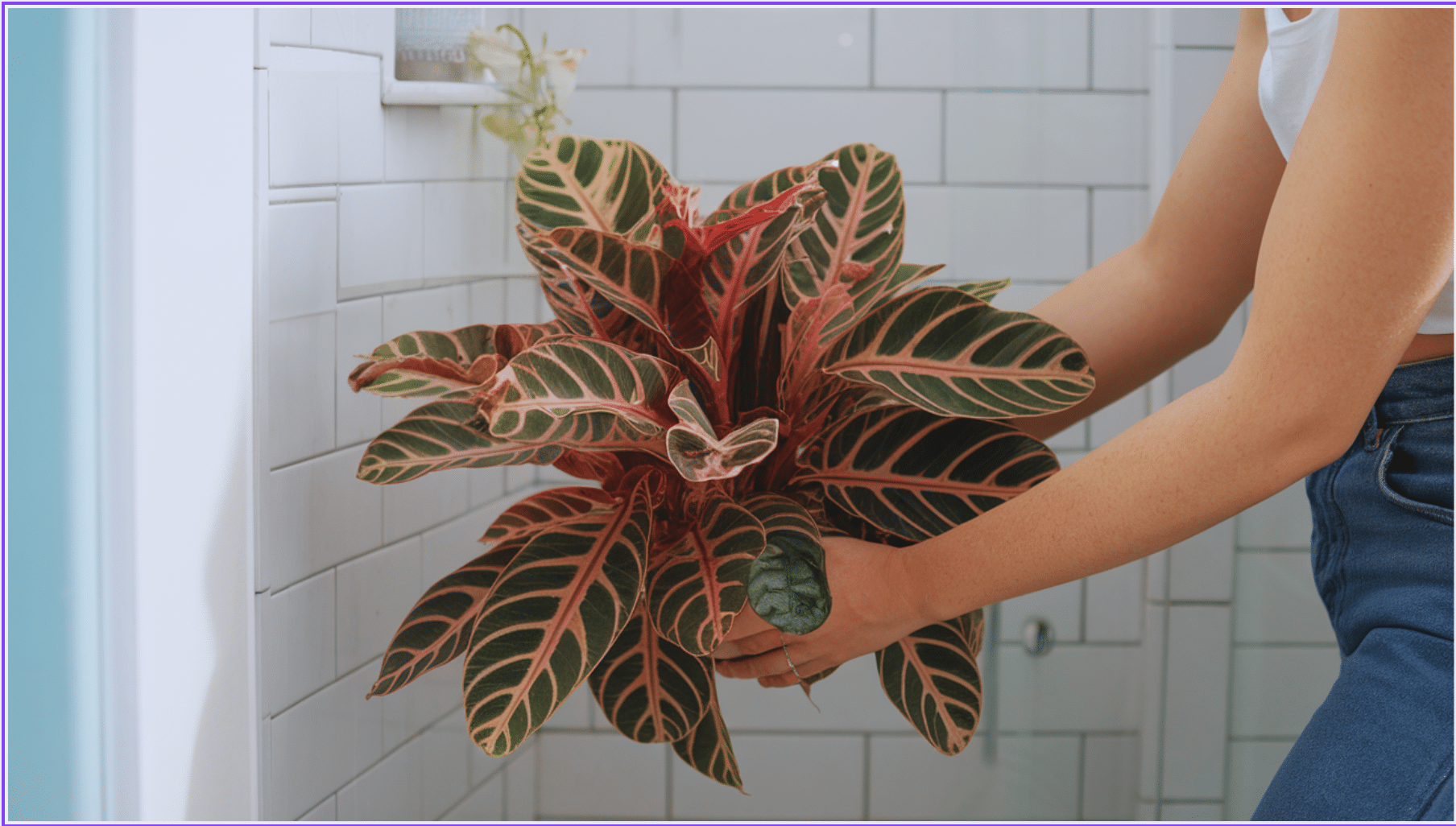
The moment I spot any pests, I immediately move that plant away from my healthy ones. I’ve learned this lesson the hard way. One infested plant can quickly spread bugs to an entire collection. I typically use my bathroom or a spare corner where the plant can recover on its own.
Step 2: Physically Remove
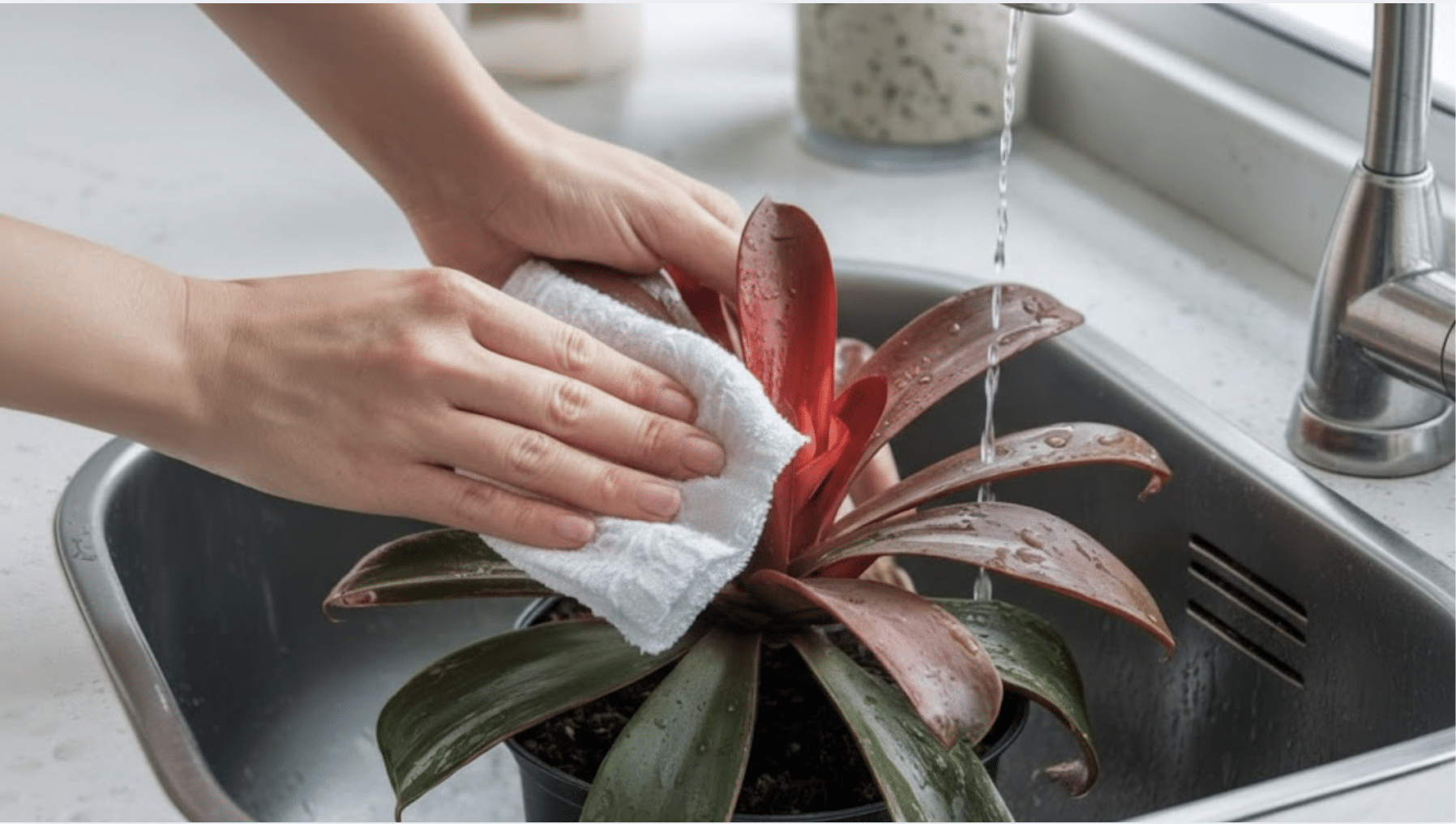
I always start by rinsing my plant at the sink. I pay special attention to the undersides of leaves where bugs love to hide. For tougher pests like mealybugs, I gently wipe each leaf with a damp cloth. This manual removal is surprisingly effective and chemical-free.
Step 3: Apply Natural Remedies
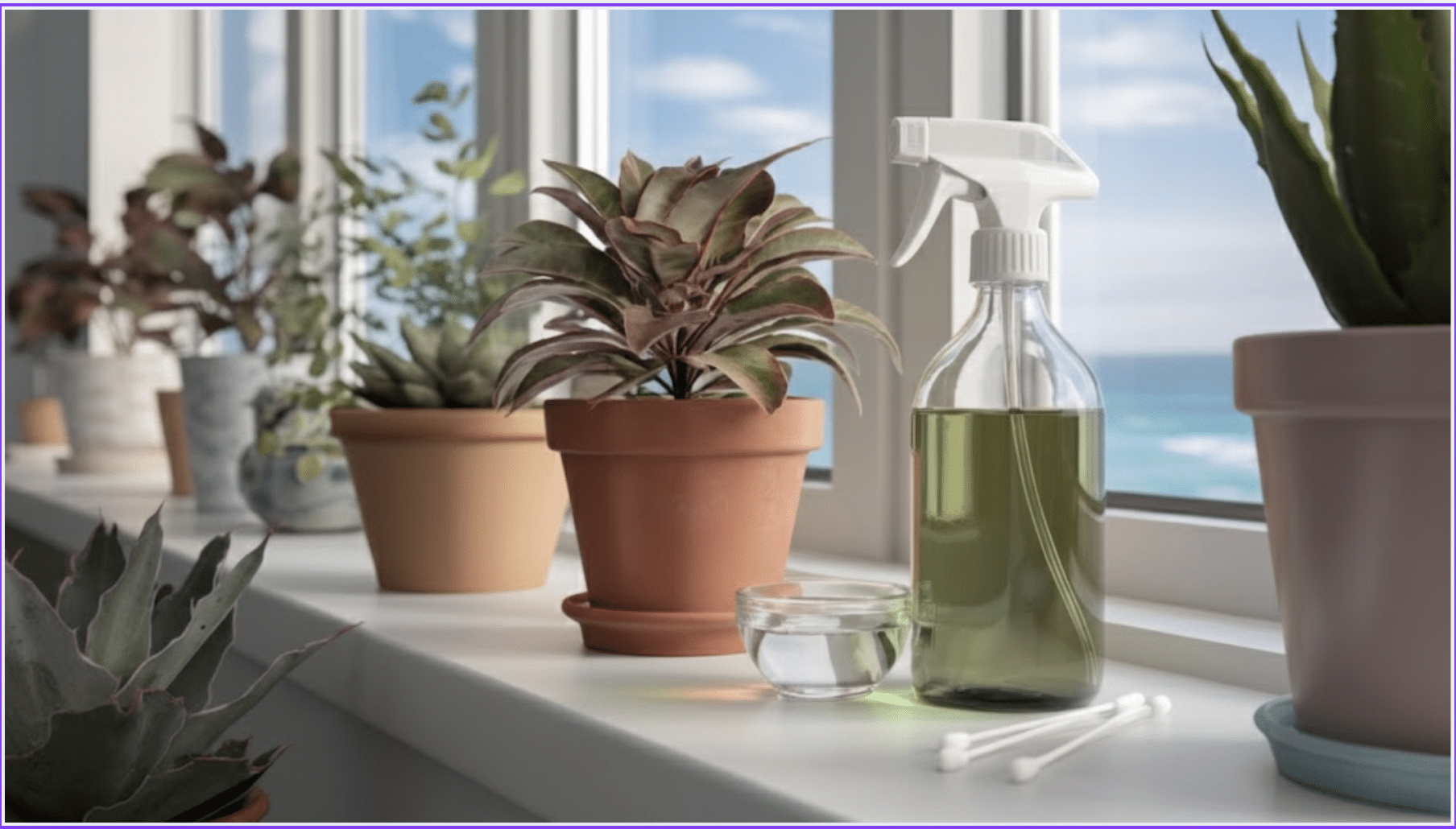
Neem oil has become my go-to treatment for most pest problems. I mix one teaspoon with a quart of water and a drop of dish soap, then spray every five to seven days. For mealybugs, I dab rubbing alcohol directly on them with a cotton swab; they die instantly. These natural solutions work perfectly.
With consistent treatment and patience, I’ve successfully eliminated pests from all my plants. Remember to monitor your plants weekly and act quickly when problems arise. Prevention is always easier than a cure.
Step 4: Treat the Soil
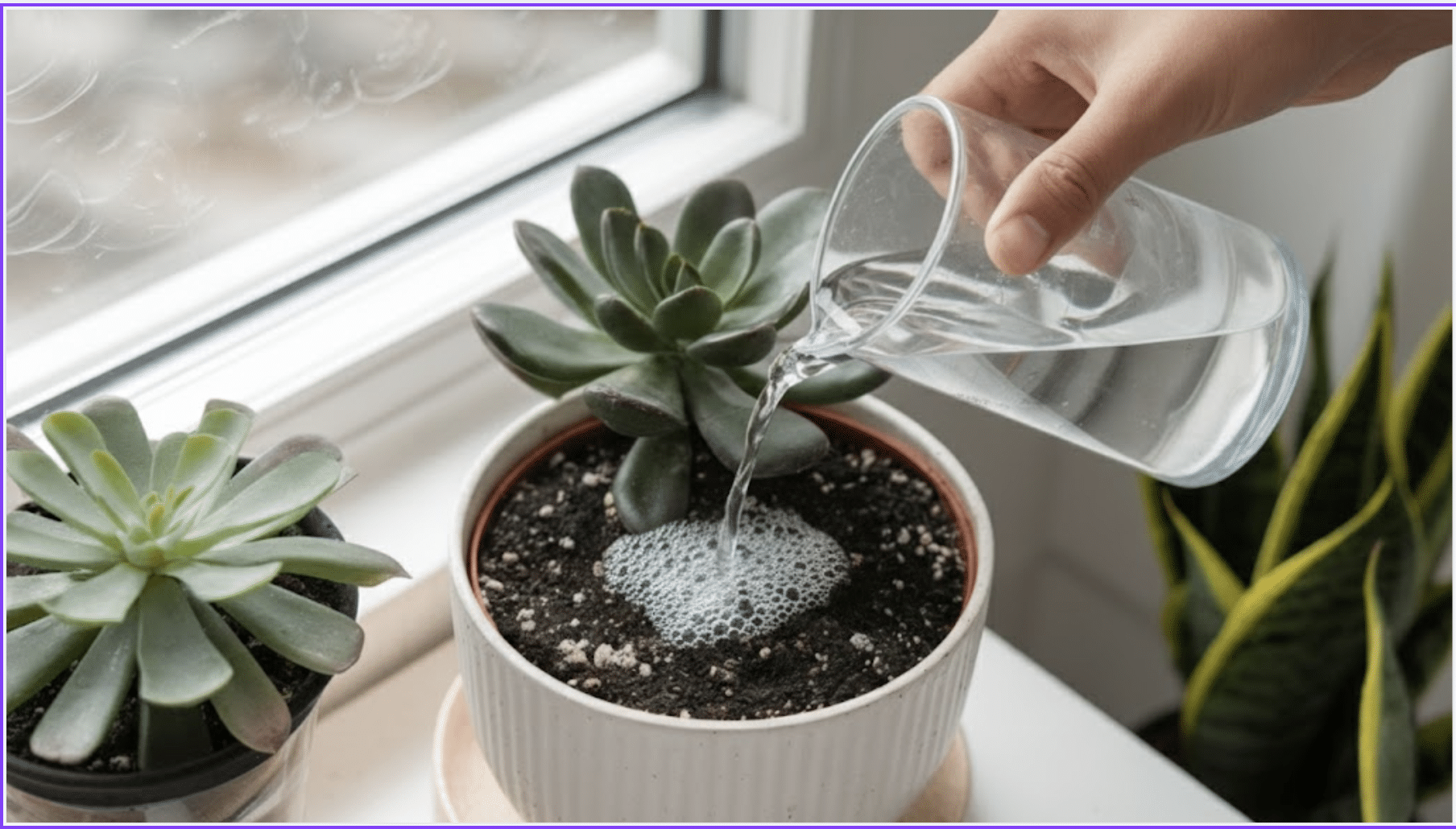
After addressing the visible pests, I turn my attention to the soil where eggs and larvae hide. I drench the soil with a hydrogen peroxide solution (one part peroxide to three parts water) to eliminate any underground threats. This step ensures I’m breaking the entire pest life cycle, not just treating surface problems.
Organic and Eco-Friendly Pest Control Methods
I’ve learned that protecting plants naturally creates a safer space for my family. These methods work beautifully without introducing anything harsh into our home, giving me confidence while maintaining healthy greenery around curious kids and pets.
Physical Barriers and Natural Powders
Physical barriers and natural powders provide effective pest control without harsh chemicals. Here’s what works best:
- Diatomaceous earth for crawling insects: Sprinkle it over dry soil to damage pests’ outer layers and provide a non-toxic control.
- Cinnamon for fungal prevention: Dust lightly over potting mix to prevent fungus gnats and discourage fungal growth.
- Sand or gravel top layer: Add a half-inch layer on the soil to block fungus gnats from laying eggs.
These methods start working right away and keep doing their job as long as they stay dry. Whenever I water my plants or the layer gets disturbed, I just add a bit more to keep the protection going.
Plant-Based Deterrents and Strategic Placement
I’ve learned that plant-based solutions use natural compounds that repel pests without harming your household. Here’s how I create protective barriers naturally:
- Essential oil spray: Mix 5-10 drops of peppermint, neem, or tea tree oil with water and spray weekly around vulnerable plants.
- Companion planting indoors: Keep basil, chives, or marigolds near susceptible plants to naturally repel insects through aromatic compounds.
- Garlic or onion spray: Blend garlic or onion with water, strain, and spray on leaves to deter aphids and spider mites.
These plant-based approaches create lasting protection while keeping households safe. This strategy alters plant collections into ecosystems where plants help protect each other from pest invasions.
Why Bugs Are Attracted to Your Indoor Plants?
So why are these pests drawn to your plants in the first place? Understanding what invites them helps you prevent future problems while treating current ones effectively:
- Overwatering creates paradise: Excess moisture in soil becomes a breeding ground for fungus gnats and root-damaging larvae that thrive in damp conditions
- Weak plants signal vulnerability: Stressed or unhealthy plants emit chemical signals that attract aphids, spider mites, and other sap-feeding insects looking for easy targets
- Indoor warmth welcomes hitchhikers: Your cozy apartment provides stable temperatures year-round, letting pests reproduce continuously without seasonal interruptions
- New plants bring stowaways: Store-bought plants often harbor hidden eggs or larvae in their soil, introducing infestations directly into your collection
- Dust accumulation blocks defenses: Dirty leaves can’t photosynthesize properly, weakening plants and making them more susceptible to pest colonization
Now that you understand what attracts them, let’s tackle how to remove these unwanted guests and reclaim your healthy plant collection.
Community Discussion: How Plant Lovers Handle Pests
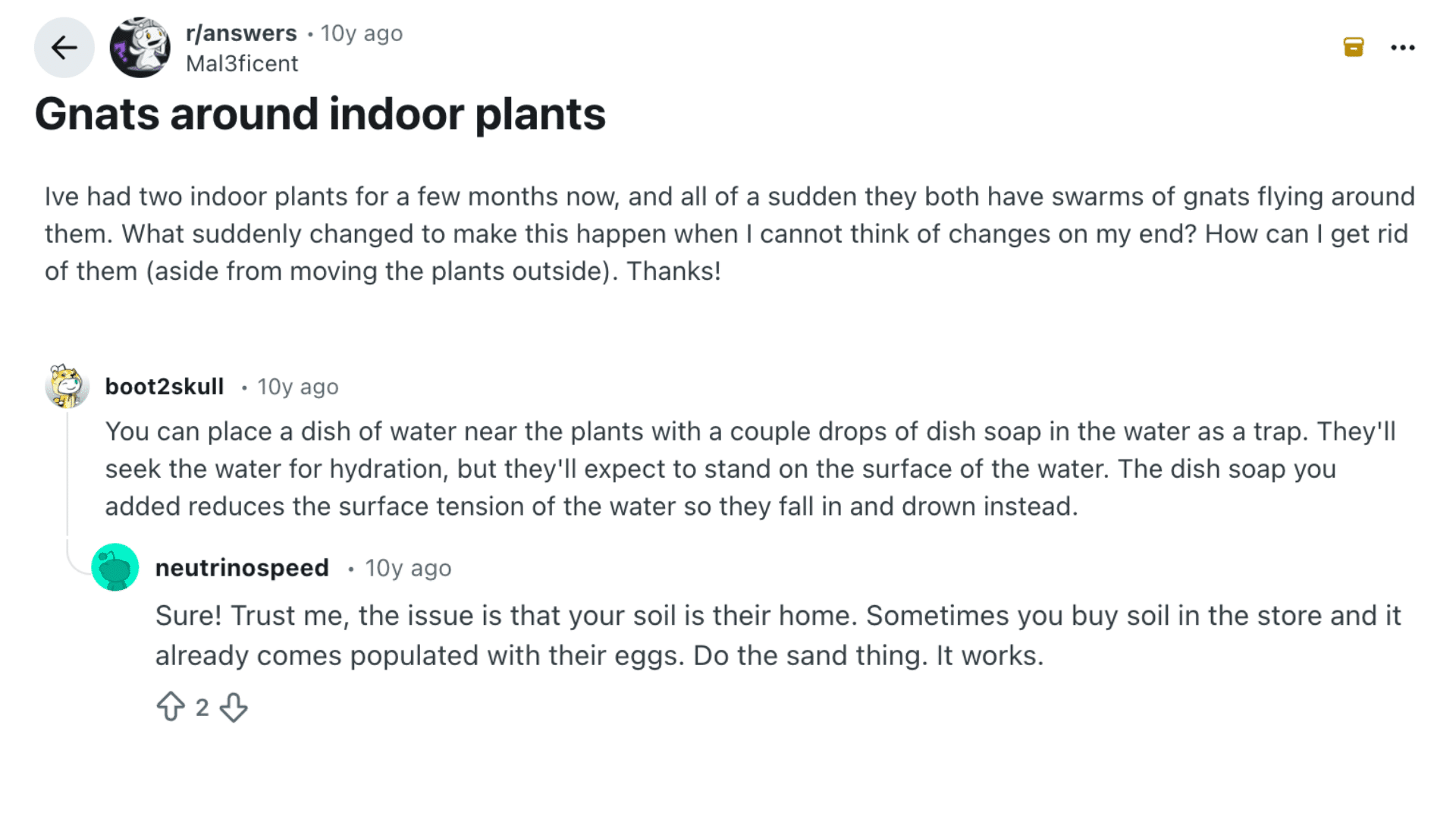
I found this Reddit chat and loved reading about how others handle pests on their plants. One user recommended garlic spray made from crushed cloves steeped overnight as a natural way to keep bugs at bay. Another suggested placing cinnamon sticks in the soil to repel pests.
Several gardeners tackled spider mite infestations by increasing humidity and consistently using neem oil. Others solved their fungus gnat problems through bottom-watering. One user said, “Sometimes you buy soil in the store, and it already comes populated with their eggs. Do the sand thing. It works.”
Of course, there were mistakes too. One gardener over-applied neem oil and burned the leaves. Another waited too long to act and lost a plant entirely.
The consensus is clear: patience and consistency matter more than any single product. Learning from others’ experiences helps you avoid common mistakes and find new solutions that work for your collection.
Preventing Future Bug Infestations
After dealing with an infestation, prevention becomes my top priority. These habits have kept most of my plants pest-free for months at a time. Here are my essential prevention strategies that I follow religiously:
- Quarantine new plants: I isolate new arrivals for two weeks to catch hidden pests before they spread.
- Clean leaves regularly: I wipe smooth-leaved plants weekly with a damp cloth to remove dust and spot issues.
- Water properly: I let the top two inches of soil dry between waterings to prevent fungus gnats.
- Maintain humidity: I group plants, use pebble trays, or run a humidifier to deter spider mites in dry months.
- Prune damaged leaves: I remove infected foliage immediately to stop the spread of pests and encourage healthy growth.
These simple practices have transformed my plant care routine. By staying consistent with prevention, I rarely deal with serious infestations anymore. The effort I put in weekly saves me hours of treatment later.
Final Verdict
Managing pests has taught me that prevention beats treatment every time. Understanding how to get rid of bugs on indoor plants empowers you to act quickly and effectively when problems arise.
I’ve lost plants to infestations in my early days, but those experiences shaped my current approach, which is focused on vigilance, natural solutions, and consistent care. Your plants deserve the same protection.
Start implementing these strategies today by conducting a thorough inspection of your collection. Check the undersides of leaves, examine soil surfaces, and isolate any suspicious plants immediately.
Have you found any other pest control methods that work well? Share your ideas in the comments below.