For businesses that depend on garage doors for daily operations, choosing the right system and maintaining it properly is as important as maintaining any other critical facility. A commercial garage door that fails unexpectedly can disrupt workflow, compromise security, and potentially result in lost revenue. Understanding what separates commercial garage door systems from residential options, and knowing when to call for professional service, helps keep your business running smoothly.
How Commercial Garage Doors Differ From Residential Systems
While residential and commercial garage doors may look similar at first glance, they’re designed and built for completely different operating conditions.
Cycle frequency: A residential garage door typically operates 2-10 times per day. A commercial loading dock door might open and close 100+ times daily. This dramatic difference in usage means commercial doors need heavier construction, stronger springs, more durable rollers, and higher-grade materials throughout.
Load and size requirements: Commercial doors often need to accommodate larger vehicles, heavier loads, or specialized access requirements. A door serving a commercial warehouse might need to support equipment delivery, while a parking structure requires doors sized for full-size vehicles.
Integration with building systems: Commercial doors frequently integrate with security systems, access controls, fire suppression systems, and facility management software. These integrations require sophisticated operators and control systems that go far beyond the basic openers found in residential applications.
Safety and compliance: Commercial facilities must meet specific building codes and safety standards. This includes backup power systems, specific sensor configurations, emergency overrides, and documented maintenance records that prove compliance with regulations.
Choosing the Right Commercial Garage Door System
The process of selecting a commercial garage door should begin with a clear assessment of your facility’s actual needs rather than assumptions based on similar businesses.
Assess your operational requirements: How many times per day will the door operate? What’s the largest vehicle or load it needs to accommodate? Do you need rapid operation for high-traffic periods? Will the door remain open for extended periods or operate in frequent cycles? Honest answers to these questions guide every subsequent choice.
Consider access and control needs: Do you need the ability to open doors remotely? Should certain personnel have restricted access? Do you need audit trails showing when doors were accessed? Should the system integrate with your building’s security infrastructure?
Evaluate environmental factors: Will the door operate in freezing temperatures, salt air, or high humidity? Is wind load a concern for your geographic location? Will the door encounter frequent impacts or harsh conditions?
When evaluating options and vendors, commercial garage doors and services provide comprehensive guidance on specifications, features, and what to expect from professional installation and support.
Budget for the total cost of ownership: Commercial garage doors are an investment. While purchase price matters, also consider installation costs, maintenance requirements, and the potential expense of downtime if the system fails. A more expensive, reliable system often provides better long-term value than a cheaper option that requires frequent repairs.
Installation Considerations for Commercial Facilities
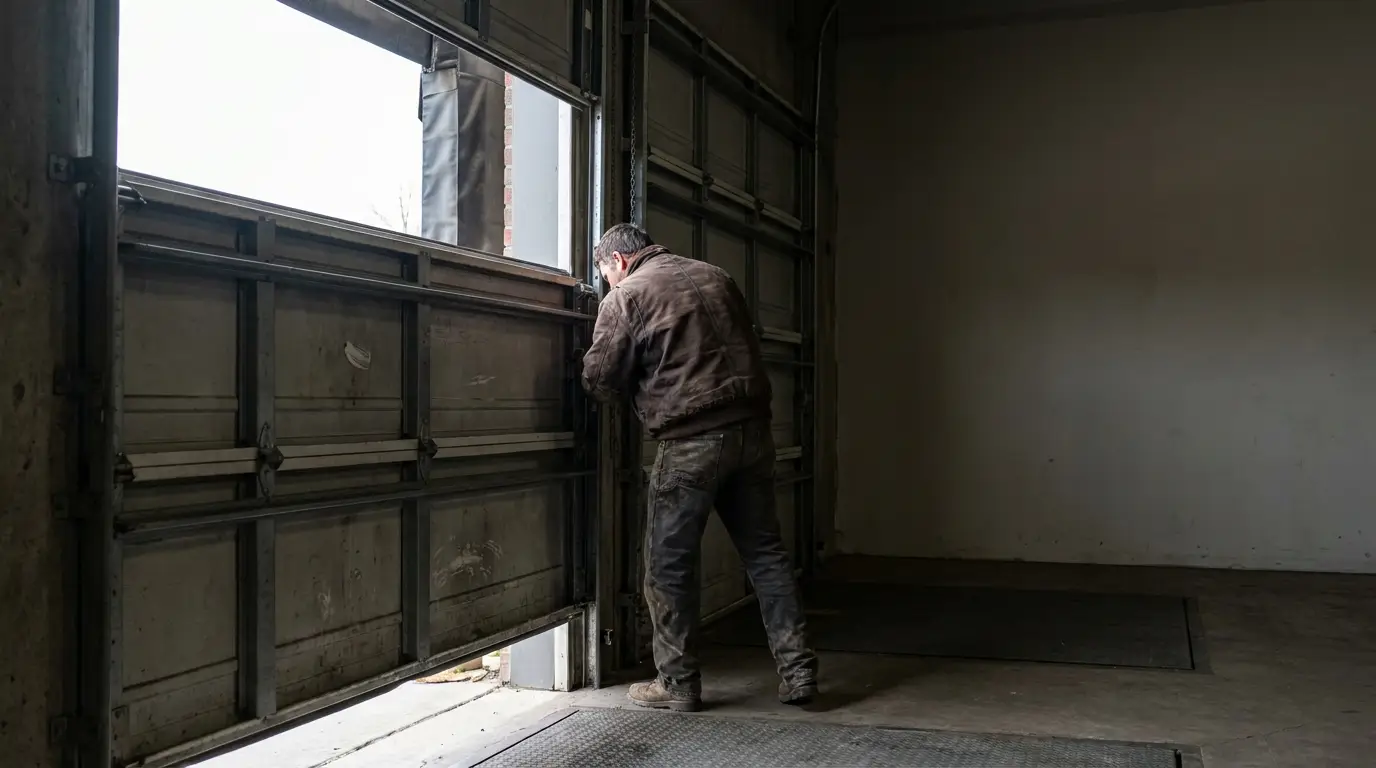
Professional installation is non-negotiable for commercial garage doors. Unlike residential installations that a homeowner might attempt, commercial door installation requires specialized knowledge, equipment, and expertise.
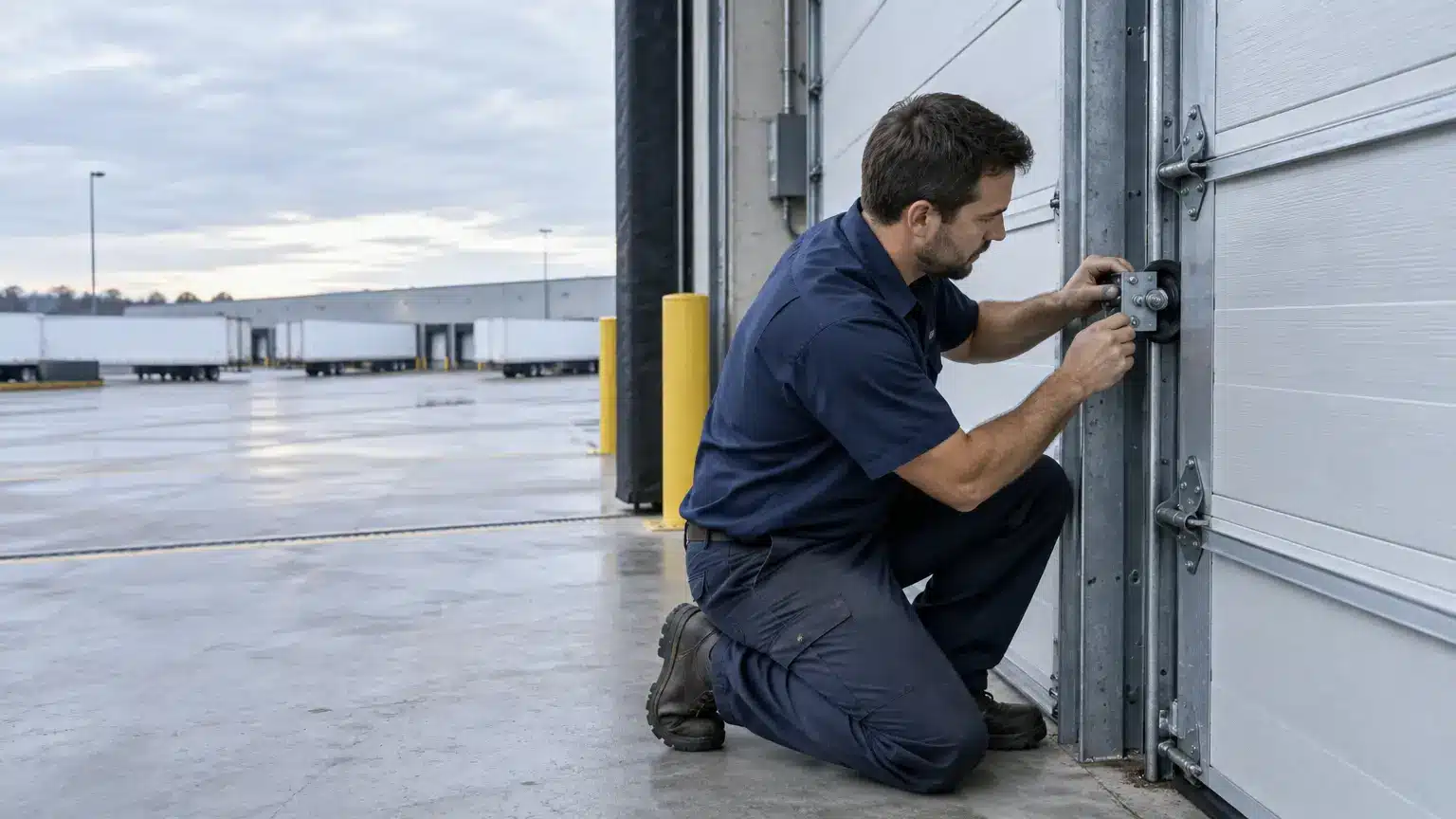
Why professional installation matters: Springs in commercial doors carry significant tension and can cause serious injury if mishandled. Tracks must be perfectly aligned or the door will operate roughly and wear prematurely. Operators need proper electrical connections and safety device calibration. A professional installer ensures all these elements are completed correctly and safely.
Coordination with building systems: If your door needs to integrate with access control, fire systems, or other building infrastructure, installation becomes more complex. This integration requires coordination between different trades and careful planning to ensure systems work together properly.
Timeline and disruption: Professional installers understand how to minimize business disruption. They schedule installation during low-traffic periods and work efficiently to have your door operational quickly. The total installation time varies based on door size and system complexity but typically takes a full day.
Warranty and guarantees: Professional installation by authorized dealers protects your investment through proper warranties. Parts are covered under manufacturer warranties, and labor is covered under the installer’s service guarantee.
Maintaining Your Commercial Garage Door
Regular maintenance is the most cost-effective way to extend your door’s lifespan and prevent unexpected failures.
Routine inspection: Visual inspections every few months can catch developing problems early. Look for rust or corrosion, check that rollers are moving smoothly, listen for unusual sounds, and verify that safety sensors are functioning.
Spring maintenance: Springs are wear items that eventually weaken, rust, or break. Springs in commercial doors experience constant stress from frequent operation. A professional should inspect springs annually and replace them before they fail, preventing sudden downtime.
Lubrication: Moving parts need regular lubrication to reduce friction and wear. However, lubrication needs vary by climate and usage intensity. A maintenance professional will recommend the appropriate lubrication schedule for your specific situation.
Sensor testing: Safety sensors must be tested regularly to ensure they’re detecting obstacles properly. A failed sensor is a serious safety issue that requires immediate professional attention.
Track alignment: Tracks gradually shift due to vibration and stress. Misaligned tracks cause rough operation and accelerated wear. Professional maintenance includes checking track alignment and making adjustments as needed.
When to Call Commercial Garage Door Professionals
Some issues require professional attention immediately, while others can be handled during routine maintenance. However, certain problems should never be ignored.
If your door is operating roughly, making unusual sounds, moving slowly, or failing to open and close properly, professional diagnosis is needed. Springs that have broken or weakened will cause these symptoms, and a professional must handle spring service safely.
Safety sensor failures should be treated as urgent. If the door is not detecting obstacles properly, it’s a hazard that needs correction before the door is used.
For complex access control integration, security questions, or situations where downtime affects business operations, having a trusted relationship with experienced professionals becomes valuable. When you need reliable service in your specific location, garage door professionals serving Burlington represent the type of local expertise that understands your facility and can respond quickly to issues.
Planning for Replacement
Commercial doors typically last 15-20 years with proper maintenance, though heavy-use facilities may find their doors wearing out sooner. Planning for replacement before failures occur helps you control the timing and budget the expense strategically.
A replacement provides an opportunity to upgrade to systems that better serve your current needs. If your facility has grown, your access requirements have changed, or you want improved automation or security integration, replacement is the time to implement those enhancements.
Conclusion
Commercial garage door systems are built for a fundamentally different purpose than residential doors. Their reliability directly affects your business operations, security, and safety. Investing in proper installation by professionals, maintaining your system according to manufacturer recommendations, and calling for professional service when issues develop ensures your commercial door system performs dependably for years. Regular attention to maintenance and timely professional service prevent expensive emergency repairs and keep your facility secure and operational.