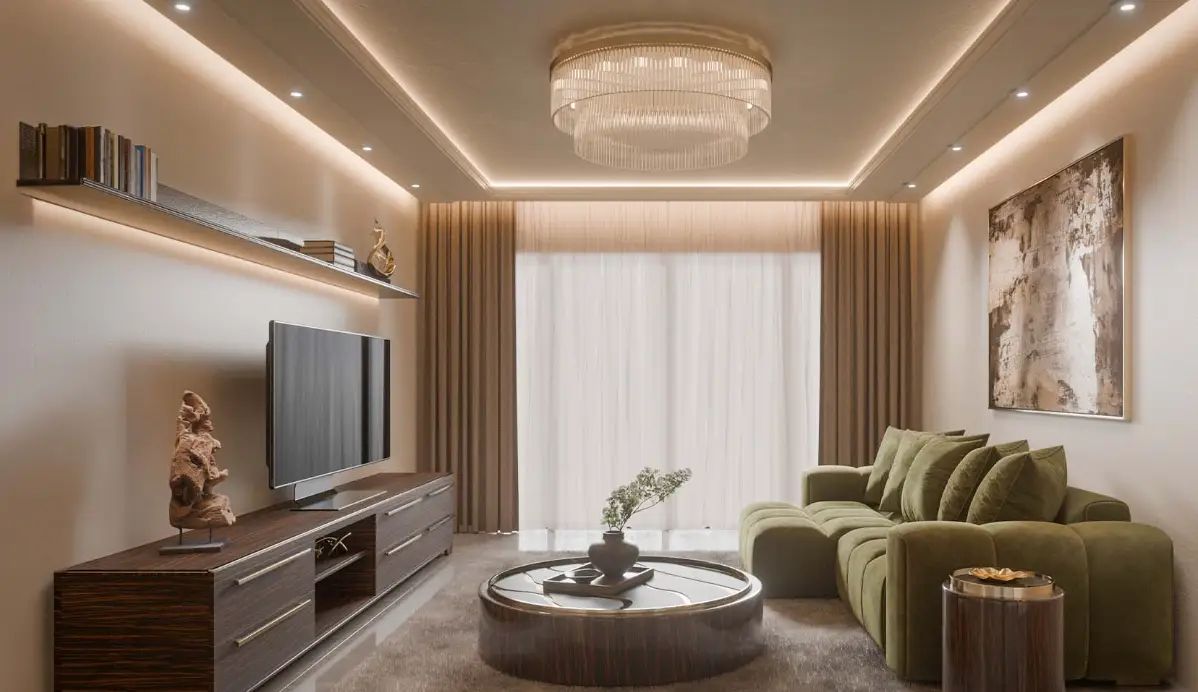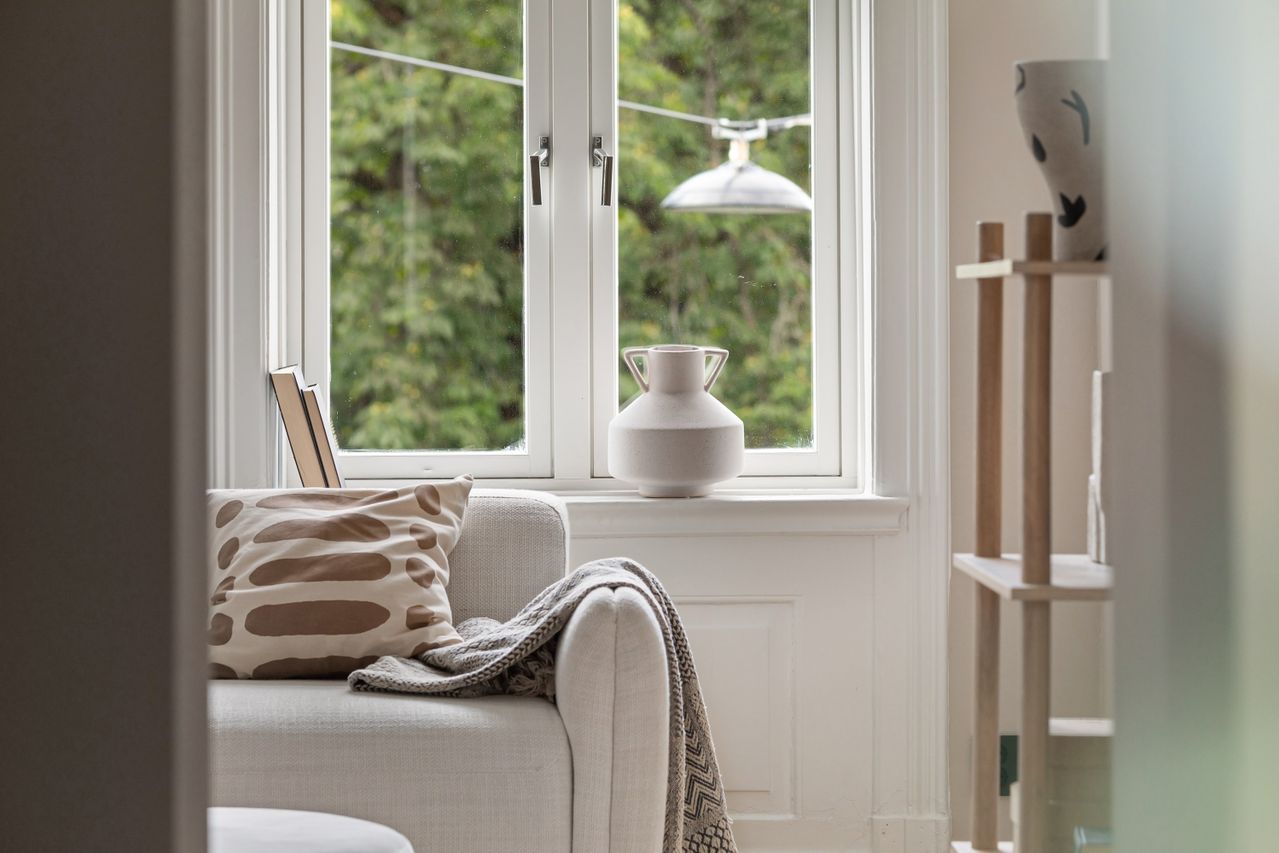
A restful home is not defined by square footage or expensive furniture. It is shaped by how a space supports the people who live there. In Dayton, Texas, where the population grew from 8,777 in the 2020 census to an estimated 10,226 in 2025, new housing choices make it especially relevant to think about comfort beyond appearances. Whether moving or refreshing familiar rooms, aim for easy movement, daylight, less clutter, and space to unwind.
Decide How You Want Each Room to Feel
Before buying another chair or repainting a wall, consider what the room needs to do. A living area might need to accommodate conversation, quiet evenings, and occasional visitors. A bedroom may need fewer distractions rather than more decorative details. A kitchen should be comfortable to use.
The environment surrounding your home can influence how comfortable and relaxed you feel indoors. For example, River Ranch Dayton TX is a master-planned residential community offering new homes alongside outdoor recreational spaces, walking trails, and shared amenities.
Its design highlights how the relationship between residential spaces and their surroundings can contribute to everyday comfort. Even if you’re simply updating your current home, you can apply a similar principle by improving natural light, creating better connections to outdoor areas, and arranging rooms around the activities you enjoy.
Give Furniture a Layout That Makes Sense
A room rarely feels peaceful when every trip across it involves navigating furniture. Start by observing how people actually move through the space. Are dining chairs blocking a doorway? Is the coffee table too close to the sofa? Does a sideboard block a window?
Adjust the arrangement before buying replacements. Leave comfortable walking routes, position seating where conversation feels natural, and give frequently used objects a convenient place. In smaller rooms, furniture with visible legs and lighter proportions can make the floor feel less crowded.
Create a conversation area with a rug or a pair of chairs. A thoughtful layout should support everyday habits without demanding constant rearrangement.
Make Daylight Work With the Room
Natural light changes how a space feels throughout the day. Notice where sunlight enters, when glare appears, and which corners remain dim.
Sheer curtains can soften direct light while preserving brightness. Mirrors placed thoughtfully may distribute light through a darker room. In spaces with limited windows, layered lamps can create a welcoming evening atmosphere without depending on one harsh overhead fixture.
The idea of using daylight strategically extends beyond making rooms brighter. Window placement and shading influence heat gain, glare, and the need for artificial lighting. Work with the conditions you have rather than treating every room as though it receives the same light.
Bring Warmth Through Texture and Material
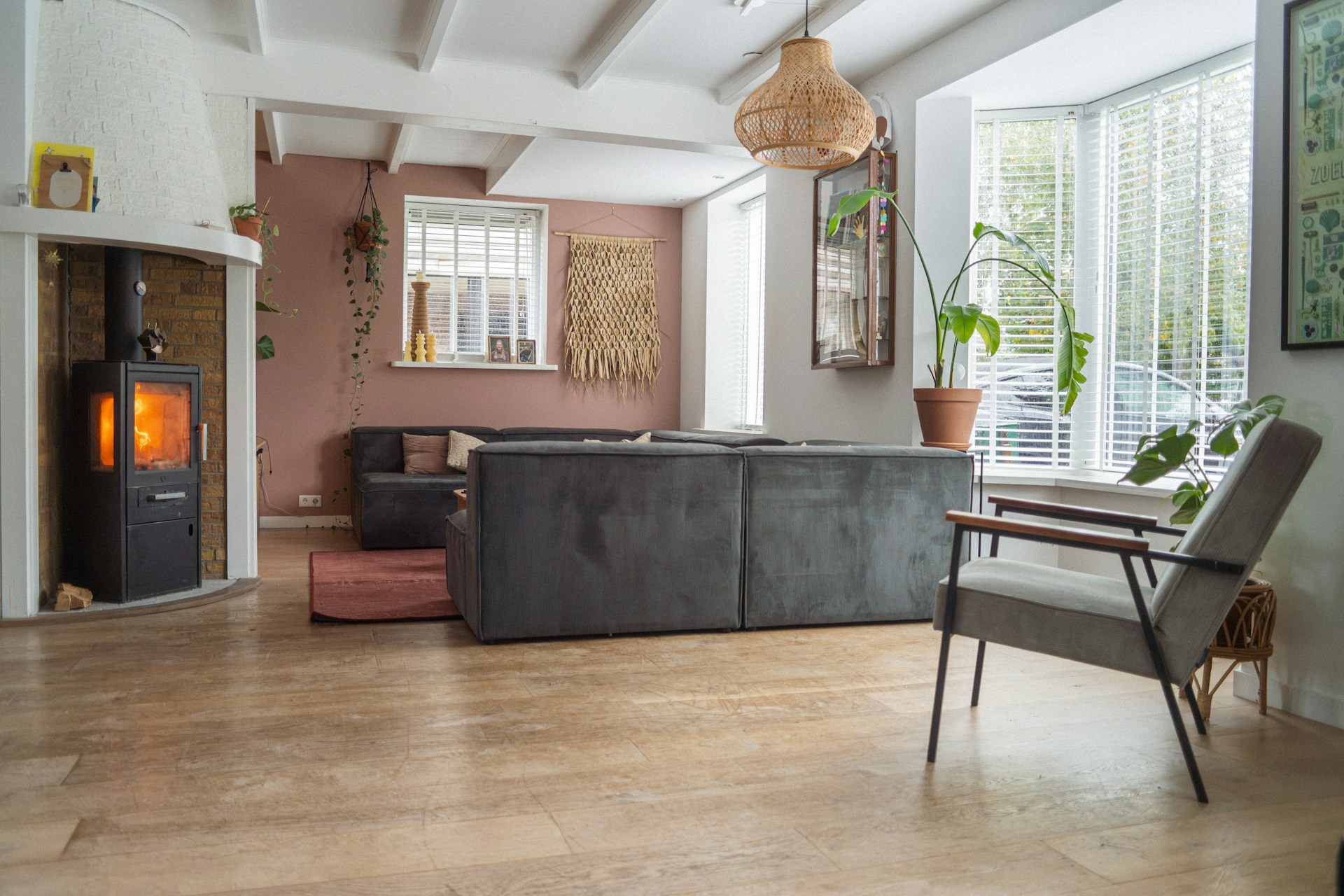
A neutral room can still feel uninviting if every surface is hard, glossy, or identical. Texture adds depth without requiring bold patterns or a dramatic renovation.
Try combining a wood table with soft upholstery, woven storage, ceramic accessories, or cotton curtains. A textured rug adds comfort without crowding the room.
Choose materials according to how the household lives. A delicate fabric may look beautiful but create stress in a room used by children or pets. Easy-care textiles and durable finishes can feel more relaxing precisely because they do not require constant worry.
Aim for variety without visual noise.
Keep Color Consistent Without Making It Bland
Calm interiors do not have to be entirely beige. The goal is to create relationships between colors so the rooms feel connected rather than visually disconnected.
Start with a restrained base: warm white, muted gray, soft taupe, or another shade that works with the home’s existing flooring and fixed finishes. Add personality through one or two accent colors in artwork, pillows, or smaller furnishings.
Pay attention to undertones. Two neutrals can clash in a room. Test paint on more than one wall and observe it in morning and evening light before committing.
A cohesive palette does not erase individuality. It provides a quiet background that allows meaningful objects and interesting details to stand out.
Give Everyday Clutter a Real Home
Clutter often gathers where storage does not match behavior. Shoes collect by the entrance, mail lands on the counter, and chargers drift toward whichever outlet is closest. Design around those habits.
Use a tray for keys, a cabinet for paperwork, and baskets for items that need to be gathered quickly. Closed storage can reduce visual distraction in busy rooms, while a few open shelves leave space for favorite objects.
Comfort also depends on what you cannot see. Improving indoor air quality involves controlling pollution sources, maintaining appropriate ventilation, and considering filtration when needed. Keeping surfaces manageable and dealing promptly with dampness can support a home that feels as pleasant to occupy as it looks.
Add Personal Details Without Filling Every Corner
A retreat should feel like your home, not an impersonal showroom. Display photographs, books, collected objects, or artwork that brings back a good memory. Let those pieces tell the story instead of spreading decorative items across every available surface.
Grouping a few objects together creates a clearer focal point than scattering many small items. Vary height and shape, and leave some empty space around displays so each piece has room to be noticed.
You can also introduce personality through a single distinctive lamp, a vintage table, or a favorite textile. One meaningful object can offer more warmth than trendy accessories.
Design for the Life That Happens Every Day
A beautiful room is not automatically a restful one. Comfort comes from being able to sit down, find what you need, move easily, and enjoy ordinary moments without the space working against you.
Start with the room that causes the most daily friction. Rearrange furniture, improve a dark corner, or solve one recurring storage problem. Live with the change before tackling the next area.
Over time, those decisions build a more coherent home. The result may not resemble a magazine cover, and it does not need to. A genuine everyday retreat is simply a place that makes daily life feel easier, more comfortable, and unmistakably your own.