Looking at acne scars in the mirror can make you feel like your skin is telling a story you wish you could erase. I’ve spent years battling these stubborn marks and testing countless products that promised miracles but delivered disappointment.
The truth is that learning how to get rid of acne scars doesn’t require expensive treatments or complicated routines.
You have plenty of effective options, from affordable home remedies to professional treatments that dermatologists trust and recommend. Some methods work faster than others, and what helps your friend might not work the same for you.
Your skin is unique, so finding the right approach takes patience and a willingness to experiment. Let me share what actually worked for me.
A Simple Overview of Acne Scars
Acne scars are permanent marks left on your skin after severe acne heals, caused by damage deep beneath the surface. I’ve dealt with acne myself and learned that when acne inflames your skin deeply, it destroys tissue and collagen.
Ice pick scars look like deep, narrow holes poked into your skin, while rolling scars create wave-like indentations. Boxcar scars are wide depressions with sharp edges that resemble tiny craters on your face.
I’ve learned that hyperpigmentation causes dark spots but isn’t a true scar since it eventually fades naturally.
Acne scars appear when severe inflammation damages your skin’s healing process and destroys collagen production underneath completely.
I’ve made the mistake of picking or squeezing pimples, which made my scarring much worse by pushing bacteria deeper.
Best Skincare Ingredients to Help Fade Acne Scars
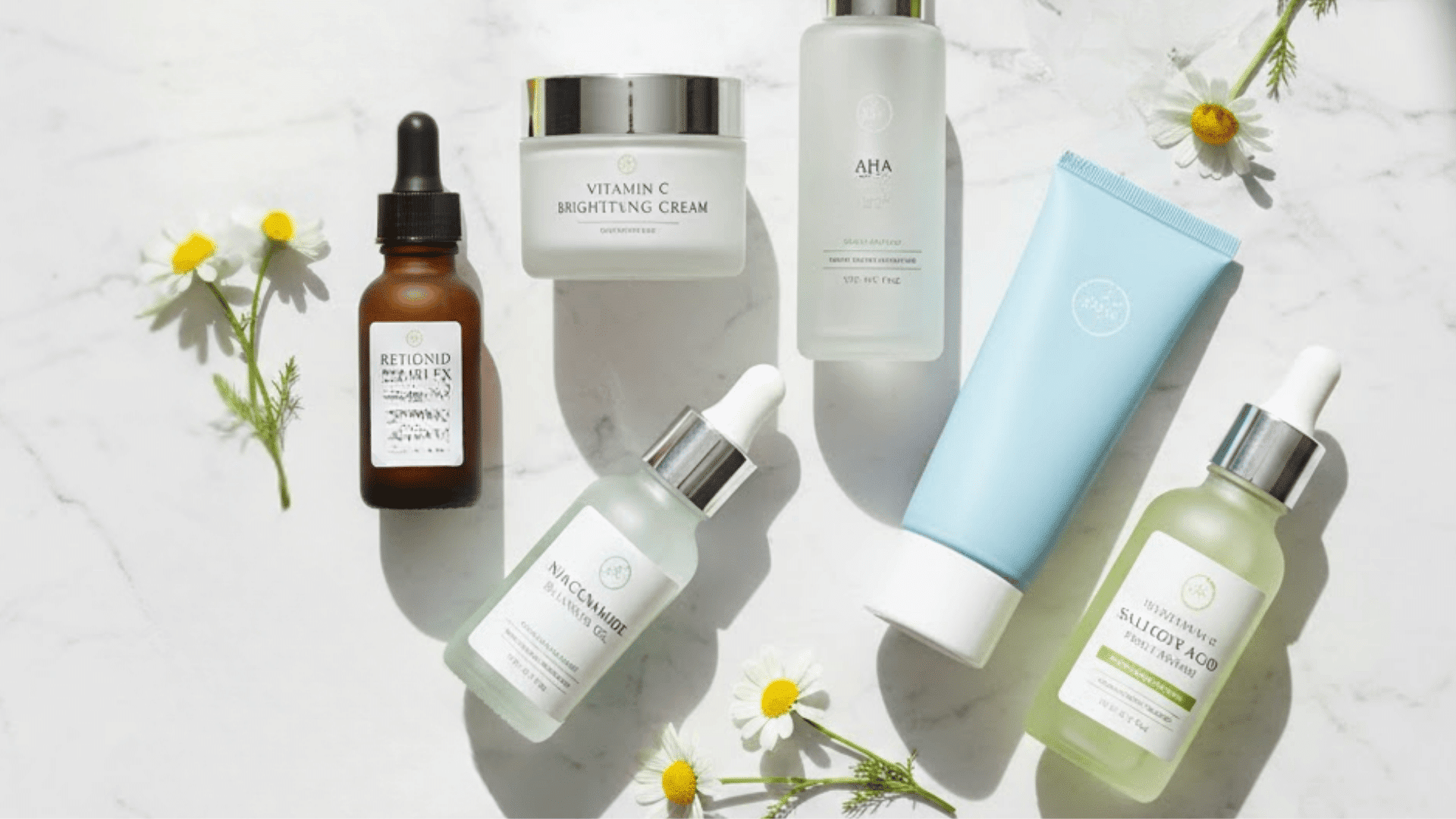
I’ve tried many products over the years and found that certain ingredients really make a difference in fading scars. Here are the most effective skincare products I recommend for treating acne scars:
1. Retinoids
Retinoids are powerful vitamin A derivatives that speed up cell turnover and push damaged skin cells to the surface. They help fade acne scars by promoting new skin growth and boosting collagen production deep within your skin.
Start with a low concentration and use retinoids only at night since they make skin sensitive to sunlight. Apply a pea-sized amount to clean, dry skin before moisturizer.
- Suitable for: All skin types; works on ice pick scars, rolling scars, boxcar scars, hyperpigmentation, and rough texture.
- Available Forms: Prescription tretinoin, adapalene, over-the-counter retinol serums, creams, gels.
- Recommended Products:CeraVe Resurfacing Retinol Serum, RoC Retinol Correxion Deep Wrinkle Night Cream.
2. Vitamin C
Vitamin C is a powerful antioxidant that brightens skin, fades dark spots, and protects against environmental damage naturally. It works by inhibiting melanin production, which helps lighten hyperpigmentation and even out your overall skin tone.
I’ve found that using vitamin C serum in the morning under sunscreen gives the best results for fading marks. Apply it to clean skin before moisturizer.
- Suitable for: All skin types; best for hyperpigmentation, dark spots, post-inflammatory marks, not deep indented scars.
- Available Forms: Serums, creams, powders, L-ascorbic acid formulas, sodium ascorbyl phosphate derivatives.
- Recommended Products:CeraVe Skin Renewing Vitamin C Serum, TruSkin Vitamin C Serum, Mad Hippie Vitamin C Serum.
3. Alpha Hydroxy Acids (AHAs)
AHAs are chemical exfoliants that dissolve the bonds holding dead skin cells together on your skin’s surface. They help fade acne scars by removing dull, damaged layers and revealing smoother, fresher skin underneath gradually.
Glycolic acid and lactic acid are the most common AHAs used for treating acne scarring effectively. Start with lower concentrations and use sunscreen daily.
- Suitable for: Most skin types; works on surface scars, rough texture, hyperpigmentation, and shallow rolling scars.
- Available Forms: Toners, serums, creams, peels, cleansers, pads.
- Recommended Products:s: The Ordinary Glycolic Acid 7% Toning Solution,Paula’s Choice 8% AHA Gel Exfoliant.
4. Niacinamide
Niacinamide is a form of vitamin B3 that reduces inflammation, lightens dark spots, and strengthens your skin barrier. It helps fade acne scars by reducing redness and preventing new hyperpigmentation from forming after breakouts heal. I’ve noticed that niacinamide is gentle enough to use twice daily without causing irritation or sensitivity issues. Apply it morning and night before moisturizer.
- Suitable for: All skin types, including sensitive; works on hyperpigmentation, redness, post-inflammatory marks, and all scar types.
- Available Forms: Serums, moisturizers, toners, combination products.
- Recommended Products:CeraVe PM Facial Moisturizing Lotion, Paula’s Choice 10% Niacinamide Booster.
5. Salicylic Acid
Salicylic acid gets deep into your pores to clear out oil, dirt, and dead skin cells that cause breakouts. It helps fade acne scars by keeping pores clean and preventing new pimples from forming in the first place.
This ingredient also gently removes the top layer of damaged skin over time. That reveals fresher, smoother skin underneath and makes scars less visible.
- Suitable for: Oily and acne-prone skin; works on clogged pores, surface scars, rough texture, and new breakouts.
- Available Forms: Cleansers, spot treatments, toners, serums, pads, masks.
- Recommended Products:CeraVe Renewing SA Cleanser, Paula’s Choice 2% BHA Liquid Exfoliant.
Natural Ways to Fade Acne Scars at Home
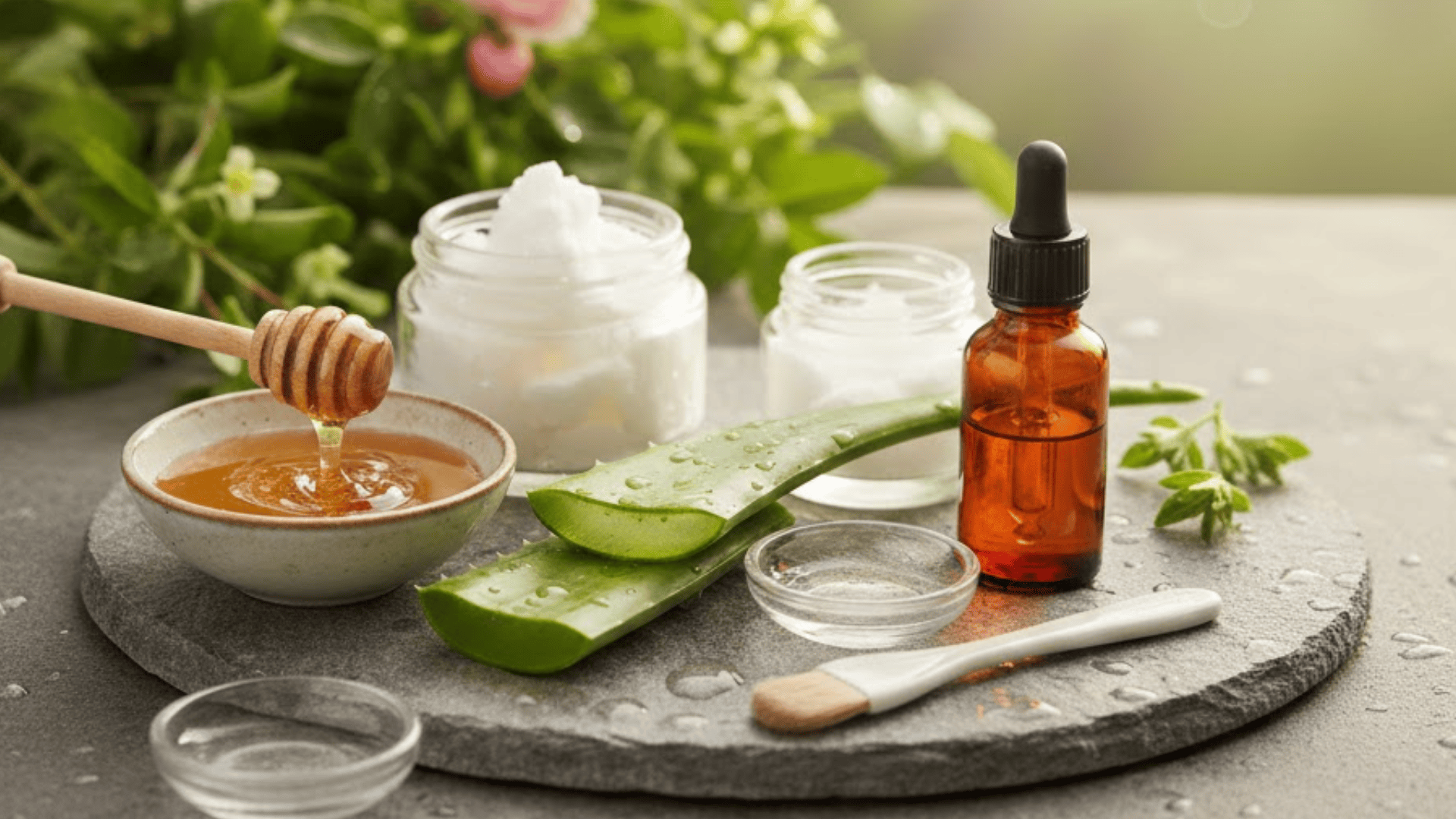
I’ve experimented with natural remedies over the years and found that some work surprisingly well for fading scars. Here are my favorite home remedies that actually make a difference:
1. Aloe Vera
Aloe vera is a natural plant gel that calms irritated skin and helps scars fade over time. It contains vitamins and enzymes that speed up healing and reduce redness from old acne marks.
Apply fresh aloe gel directly to clean skin twice daily. Leave it on for 30 minutes, then rinse with cool water. You can also leave it on overnight for deeper healing.
- Suitable for: All skin types, especially sensitive skin; works best on fresh scars, redness, and mild hyperpigmentation.
- Ingredients to Combine with: Honey, vitamin E oil, tea tree oil, rosehip oil, and coconut oil.
2. Honey
Raw honey is a natural healer that moisturizes skin while fading scars and dark spots effectively. It has antibacterial properties that prevent new breakouts and keep your skin clean while healing.
I’ve found that applying honey as a mask twice weekly really helps lighten my acne marks. Spread a thin layer on clean skin and let it sit for 20 minutes before rinsing off.
- Suitable for: All skin types, especially dry or sensitive skin; works on surface scars and post-inflammatory hyperpigmentation.
- Ingredients to Combine with: Cinnamon, aloe vera, turmeric, yogurt, coconut oil, oatmeal.
3. Coconut Oil
Coconut oil deeply moisturizes skin and contains fatty acids that promote healing and reduce scar visibility. It creates a protective barrier that locks in moisture and helps damaged skin repair itself naturally.
Warm a small amount between your fingers and gently massage it into scarred areas before bed. Use virgin or unrefined coconut oil for the best results and most natural healing benefits.
- Suitable for: Dry and normal skin types; works on shallow scars, rough texture, and mild discoloration marks.
- Ingredients to Combine with: Honey, aloe vera, vitamin E oil, tea tree oil, lavender oil, and turmeric powder.
4. Rosehip Oil
Rosehip oil is packed with vitamins A and C that brighten skin and boost collagen production naturally. It contains essential fatty acids that penetrate deep to repair damaged skin and fade stubborn scars.
Apply 2-3 drops to clean skin at night and gently massage it in circular motions. This lightweight oil absorbs quickly and works while you sleep to improve your skin’s texture.
- Suitable for: All skin types; works best on hyperpigmentation, dark spots, rolling scars, and uneven skin tone.
- Ingredients to Combine with: Vitamin E oil, jojoba oil, aloe vera gel, frankincense oil, carrot seed oil.
Professional Treatments for Acne Scars
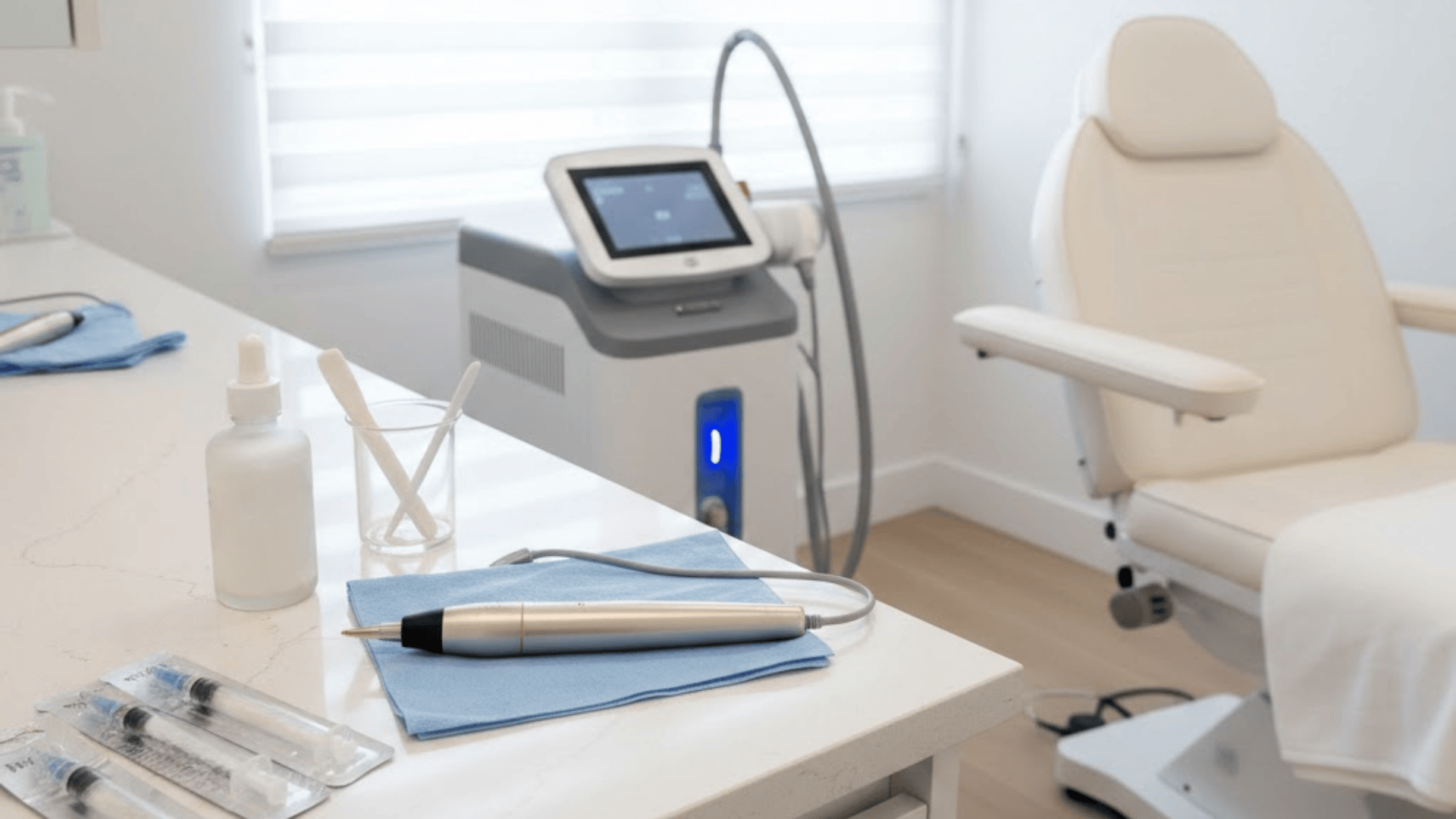
When home remedies aren’t enough, professional treatments can make a real difference for stubborn acne scars. Here are the most effective professional options dermatologists recommend:
1. Microneedling
Microneedling uses tiny needles to create controlled micro-injuries in your skin that trigger natural healing. This treatment stimulates collagen and elastin production deep within the skin layers where scars form.
The new collagen fills in depressed scars and smooths out rough texture. Results appear slowly as collagen builds up over several weeks after each treatment.
- Suitable for: All skin types and tones; works best on rolling scars, boxcar scars, and textured skin.
- Frequency: Most people need 3-6 sessions spaced 4-6 weeks apart, then maintenance treatments every 6-12 months.
2. Chemical Peels
Chemical peels use acids to remove damaged outer layers of skin and reveal fresher skin underneath. They work by dissolving the bonds between dead skin cells and encouraging new cell growth.
I tried a series of glycolic peels last year and noticed my shallow scars fading noticeably. Your skin will peel for several days as it sheds damaged layers and regenerates.
- Suitable for: Most skin types; lighter peels for sensitive skin, deeper peels for severe scarring and hyperpigmentation.
- Frequency: Light peels every 2-4 weeks; medium peels every 3-6 months; deep peels only once or twice.
3. Laser Treatments
Laser treatments use focused light energy to remove damaged skin and stimulate collagen production beneath the surface. Fractional lasers create tiny treatment zones that heal quickly while leaving surrounding skin intact.
CO2 lasers are more aggressive and remove entire layers of skin for dramatic results. These treatments deliver visible improvements for stubborn scars that don’t respond to other treatments.
- Suitable for: Most skin types; fractional lasers are safer for darker skin, and CO2 lasers are best for lighter skin.
- Frequency: Fractional lasers need 3-5 sessions spaced 4-6 weeks apart; CO2 lasers usually require just one session.
4. Dermal Fillers
Dermal fillers are injectable substances that plump up depressed scars from underneath to level them with the surrounding skin. They work by literally filling in the indented areas where your skin has lost volume.
Results are immediate and can last anywhere from several months to over a year. This treatment works best for deep, narrow scars like ice pick scars and rolling scars.
- Suitable for: All skin types; works best on ice pick scars, rolling scars, and deep boxcar scars.
- Frequency: Results last 6-18 months, depending on filler type; repeat treatments are needed to maintain scar improvement.
Precautionary Note: Always consult a dermatologist before starting any new treatment, especially if you have severe scarring or sensitive skin. They can recommend the safest and most effective options for your specific needs.
How Long Does It Take to Get Rid of Acne Scars?
Getting rid of acne scars takes time, and honestly, there’s no quick fix that works overnight. Mild scars and hyperpigmentation usually fade in 3-6 months with consistent treatment and proper skincare.
Deeper scars like ice pick or boxcar scars can take 6-12 months or even longer to improve. The healing time depends on how severe your scars are and which treatments you use.
Professional treatments like microneedling and lasers generally work faster than home remedies or over-the-counter products. Your skin type, age, and how consistently you stick to your routine also affect results.
I’ve learned that patience is absolutely key when treating acne scars. Some scars may never completely disappear, but they can improve significantly with the right approach and realistic expectations.
Lifestyle Tips to Prevent New Acne Scars
Preventing new scars is just as important as treating existing ones you already have. Here are simple daily habits that protect your skin and stop new scars from forming:
- Avoid Picking or Squeezing Pimples: Picking at pimples pushes bacteria deeper into your skin and damages tissue, which creates inflammation and permanent scarring.
- Sun Protection: UV rays darken existing scars and make them much harder to fade, so use broad-spectrum SPF 30 daily.
- Healthy Diet: Foods rich in antioxidants, vitamins, and omega-3 fatty acids support skin repair and reduce breakouts that lead to scarring.
- Hydration: Drinking enough water keeps your skin cells healthy and helps them regenerate faster after damage from acne breakouts.
These habits might seem small, but they make a huge difference in preventing future scars. I’ve noticed my skin heals much faster when I’m consistent about drinking water throughout the day.
Glow Forward
You’ve just understood a complete roadmap for saying goodbye to those frustrating acne scars that have bothered you for so long. I’ve shared everything from powerful ingredients like retinoids to professional treatments that alter your skin over time.
The way to smoother skin isn’t always quick, but every step you take brings you closer to real results. Pick methods that fit your budget and skin type, then commit to using them consistently without skipping days.
Don’t forget that sunscreen prevents new scars while you heal the old ones. Your clearer, more confident skin is waiting on the other side of patience.
Share your favorite scar-fading tip in the comments below!