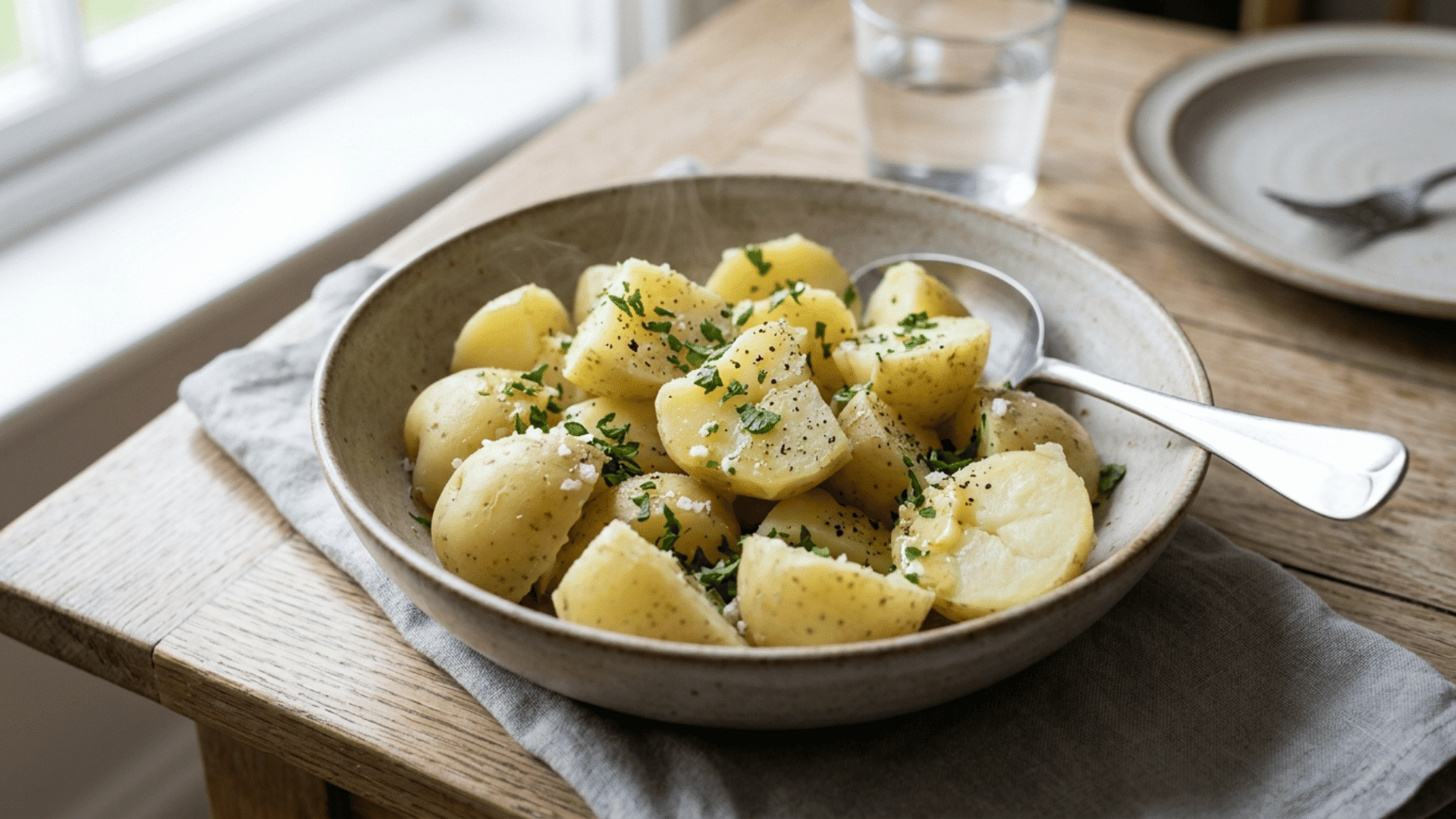
Boiling potatoes sounds simple, but getting them tender without turning them watery or mushy takes a little know-how.
The right potato size, water level, salt, heat, and cooking time all make a noticeable difference.
If you want to learn how to boil potatoes properly or make an easy boiled potatoes recipe with butter, garlic, and herbs, a few simple steps can help you get better results every time.
Keep reading to master the method and serve perfectly cooked potatoes with confidence.
Jump to recipe
How Long to Boil Potatoes?
Boiling time depends mainly on the size of the potatoes and whether they are whole or cut into pieces. Use the timings below as a guide, then check the largest potato with a fork or knife before draining.
| Potato Type or Size | Approximate Boiling Time | Best Use |
|---|---|---|
| 1-inch potato cubes | 10–15 minutes | Mashed potatoes and quick sides |
| Baby potatoes | 12–15 minutes | Buttered or herbed potatoes |
| Small whole potatoes | 15–20 minutes | Salads and side dishes |
| Medium whole potatoes | 20–25 minutes | General serving |
| Large whole potatoes | 25–35 minutes | Mashing or meal prep |
| Halved potatoes | 15–20 minutes | Roasting or seasoned sides |
Best Potatoes for Boiling
The best potatoes for boiling depend on whether you want them to stay firm or turn soft and fluffy. Waxy and all-purpose varieties usually hold their shape better, while starchier potatoes work well for mashing.
- Yukon Gold Potatoes: Creamy, buttery, and versatile, they stay tender while holding their shape well after boiling.
- Red Potatoes: Their waxy texture helps prevent breaking, making them ideal for salads and simple side dishes.
- Baby Potatoes: Small and quick to cook, they work well whole with butter, herbs, garlic, or seasoning.
- Fingerling Potatoes: Firm and slightly waxy, they maintain their shape and are excellent for warm potato salads.
- Russet Potatoes: High in starch, they become soft and fluffy, making them a better choice for mashed potatoes.
- White Potatoes: Mild and moderately waxy, they offer a good balance of firmness and tenderness for everyday recipes.
How to Boil Potatoes Step by Step
Boiling potatoes is simple when you control the size, water level, heat, and cooking time. Follow these seven steps to get evenly cooked potatoes that stay tender without becoming mushy.
1. Wash and Prepare the Potatoes
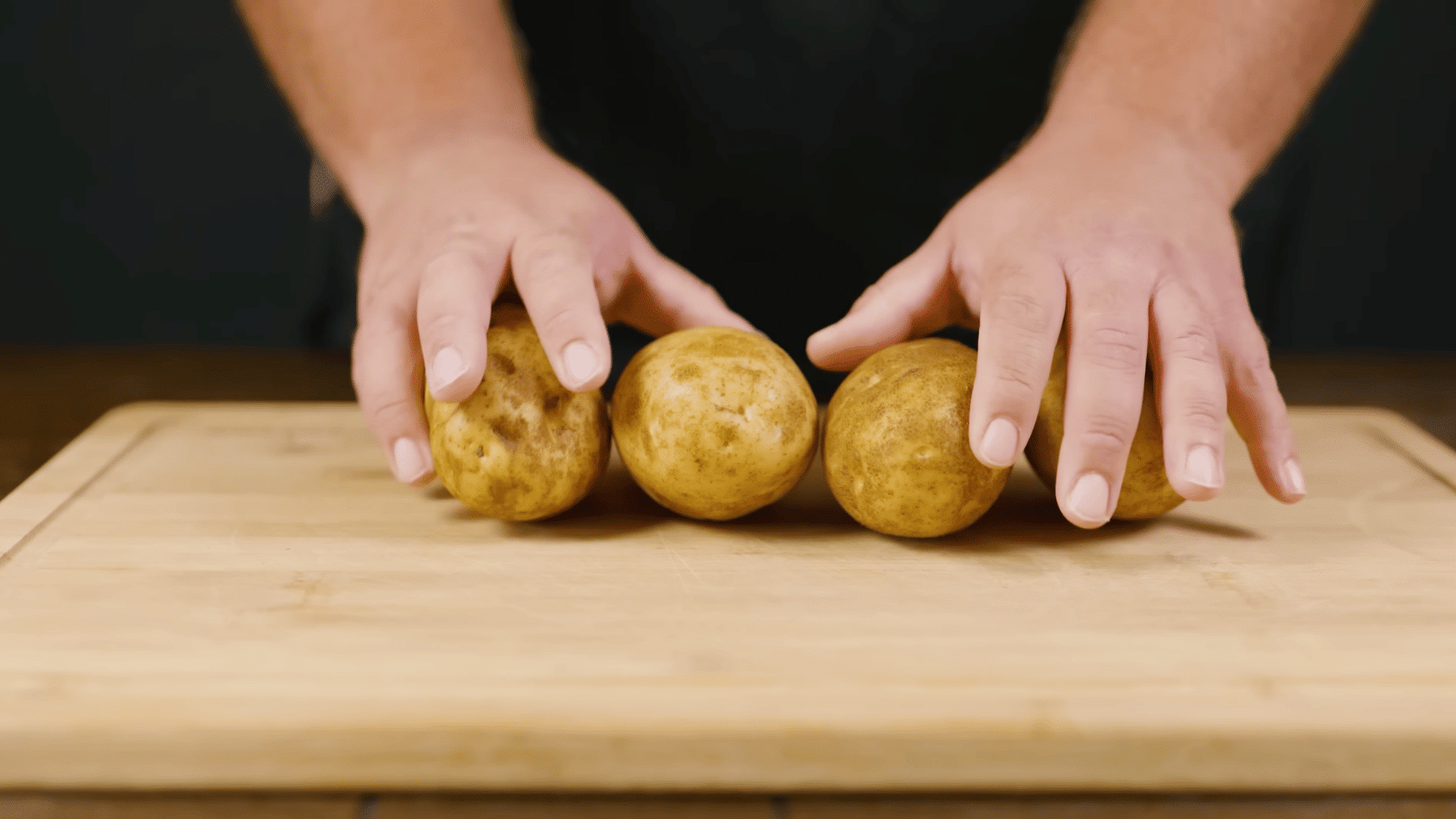
Rinse the potatoes thoroughly under running water and scrub away any visible dirt. Peel them if you prefer a smoother texture, or leave the skins on for a more rustic finish.
Remove dark spots, eyes, or damaged areas before cooking. If peeling them ahead of time, keep them in cold water to prevent browning.
2. Cut the Potatoes Evenly
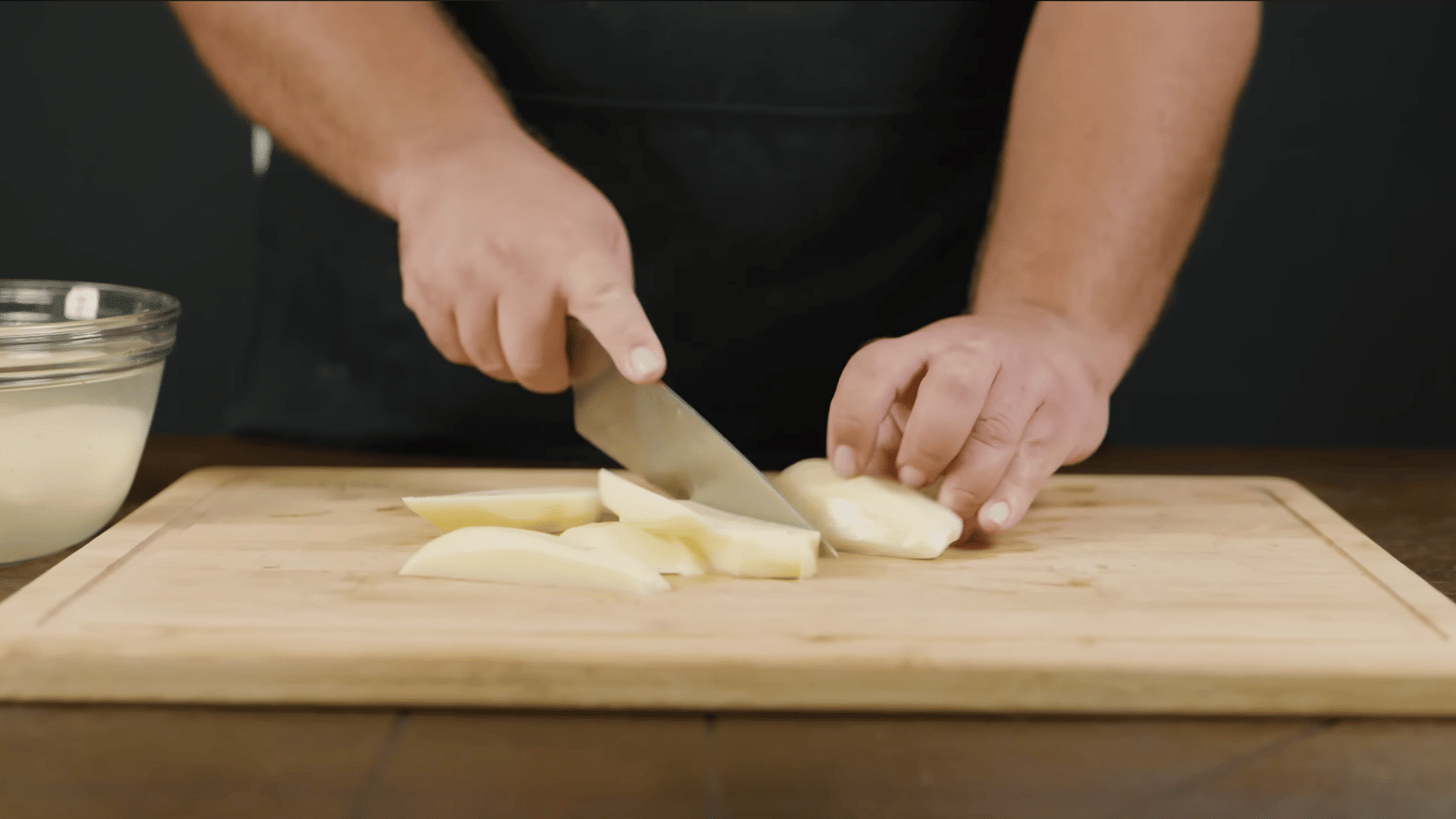
Leave small potatoes whole or cut larger potatoes into halves, quarters, or evenly sized chunks. Smaller pieces cook faster, while whole potatoes need more time.
Keeping every piece similar in size helps them cook evenly and prevents smaller pieces from becoming soft before the larger ones are completely tender.
3. Cover With Cold Water
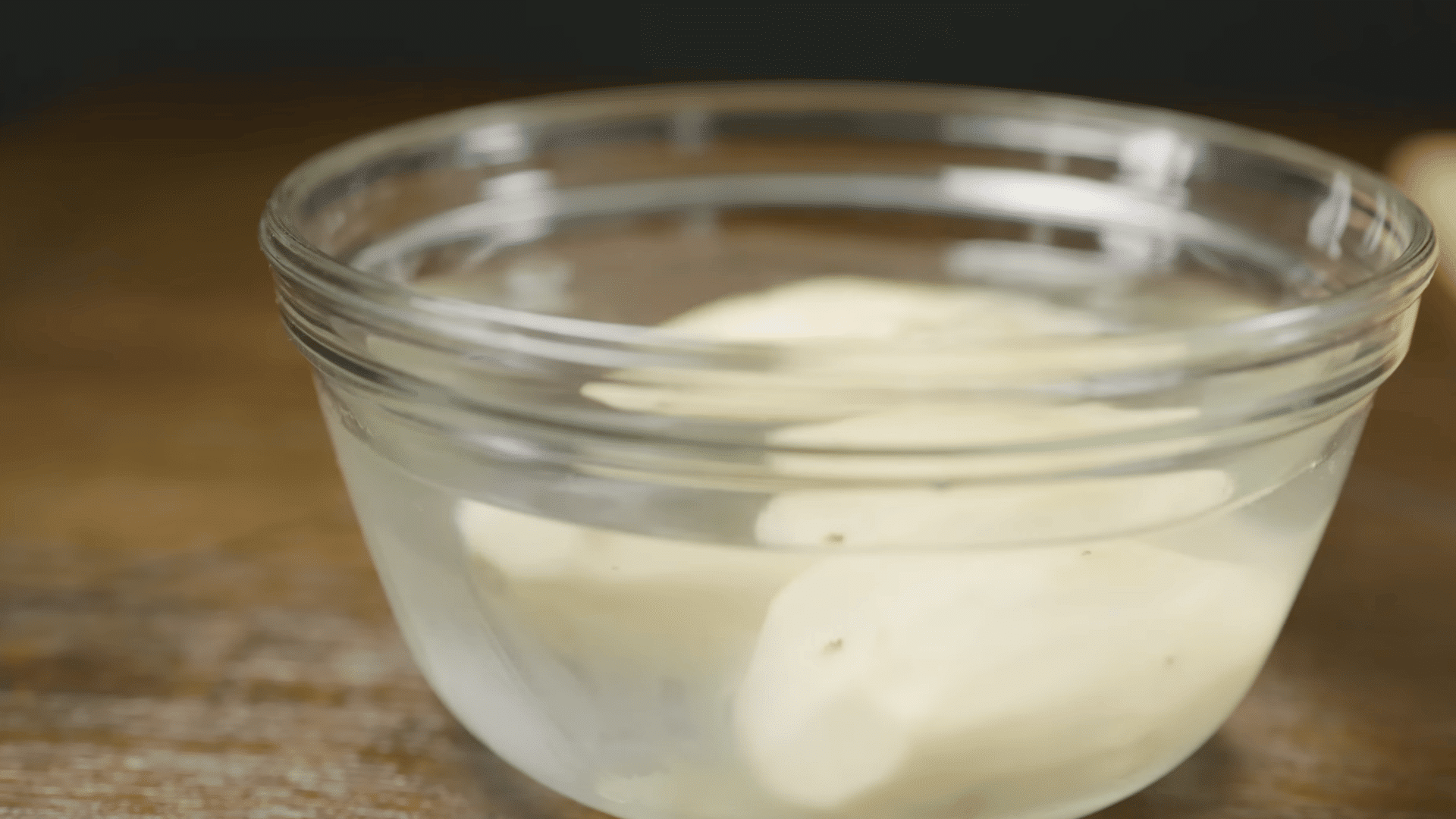
Place the prepared potatoes in a large saucepan and add enough cold water to cover them by about one inch.
Starting with cold water allows the potatoes to heat gradually and cook more evenly. Avoid overfilling the pot because excessive water can increase cooking time and may boil over onto the stove.
4. Add Salt and Bring to a Boil
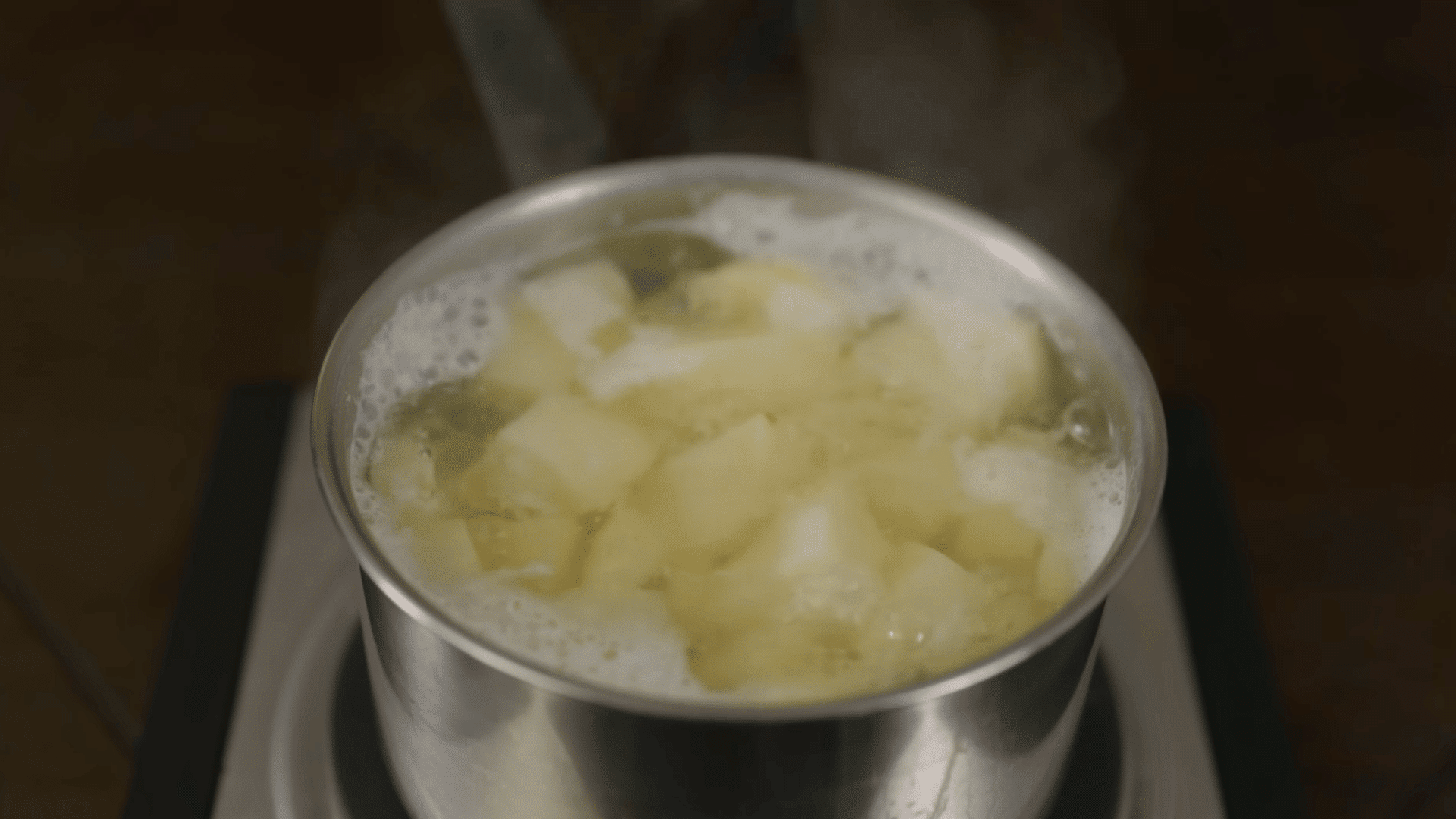
Season the water before cooking so the potatoes absorb flavor as they soften. A useful starting point is about one teaspoon of salt per pound of potatoes.
Place the pot over high heat and bring the water to a steady boil, keeping the saucepan uncovered to make bubbling easier to control.
5. Reduce the Heat and Simmer
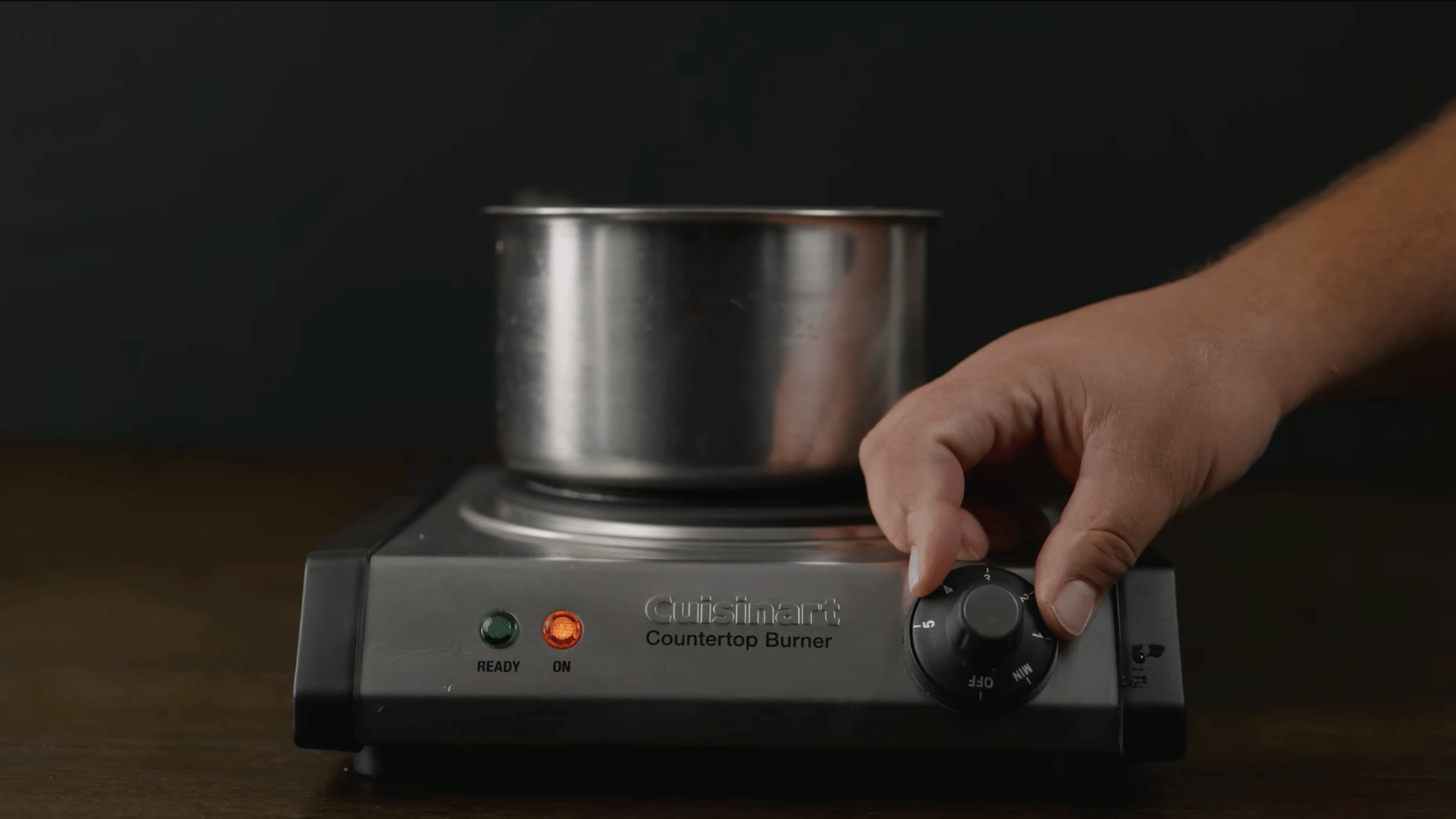
Once the water reaches a boil, lower the heat to medium-low and maintain a gentle simmer.
Diced potatoes may take around 7 to 10 minutes, quarters 10 to 15 minutes, halves 15 to 20 minutes, and whole potatoes roughly 20 to 25 minutes, depending on their exact size.
6. Check the Potatoes with a Fork
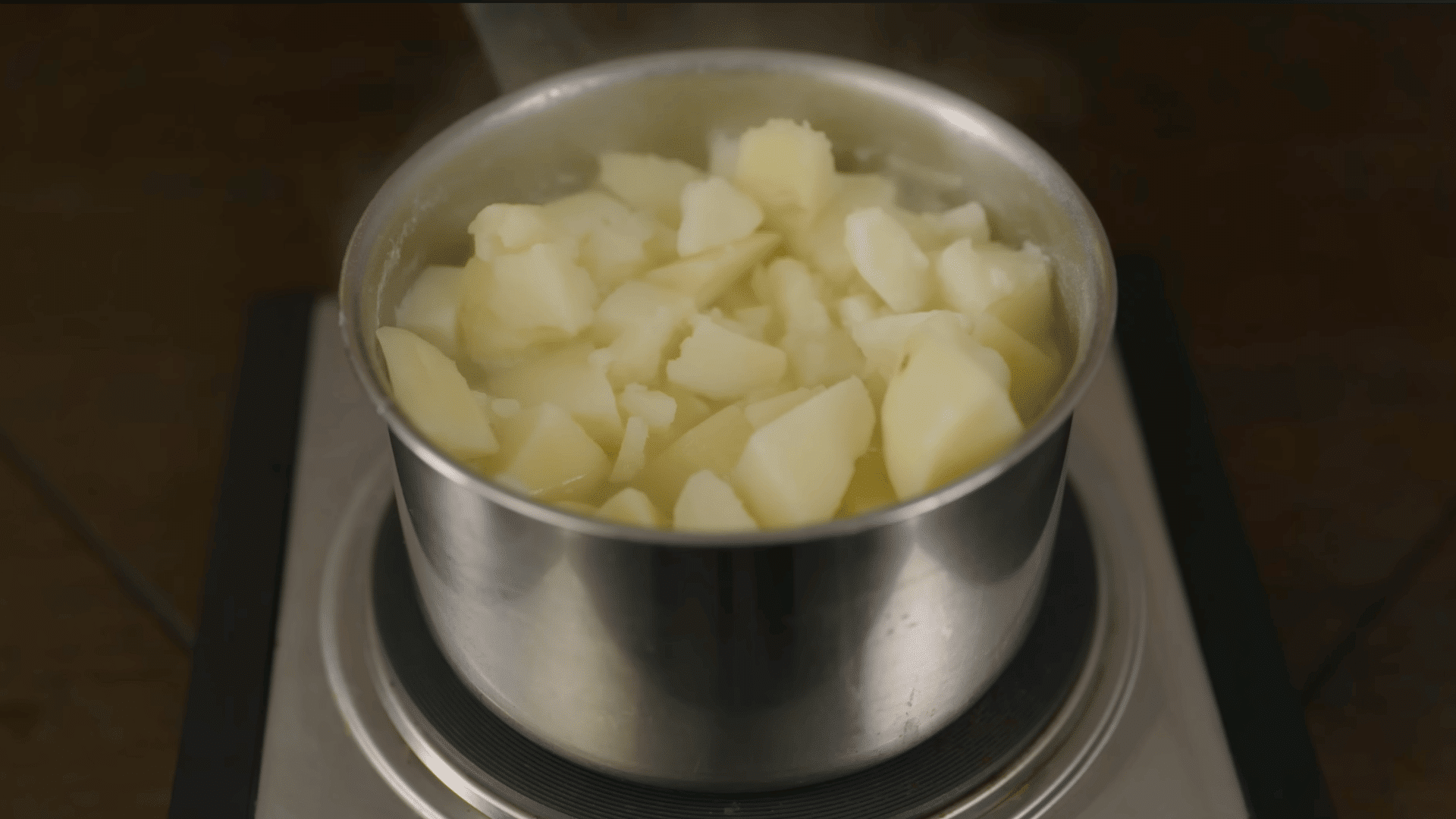
Begin testing the potatoes during the final few minutes of cooking. Insert a fork or thin knife into the center of the largest piece. If it slides in easily with little resistance, the potatoes are ready.
Check frequently near the end to prevent overcooking, which can make the potatoes break apart or become mushy.
7. Drain and Dry the Potatoes Before Serving
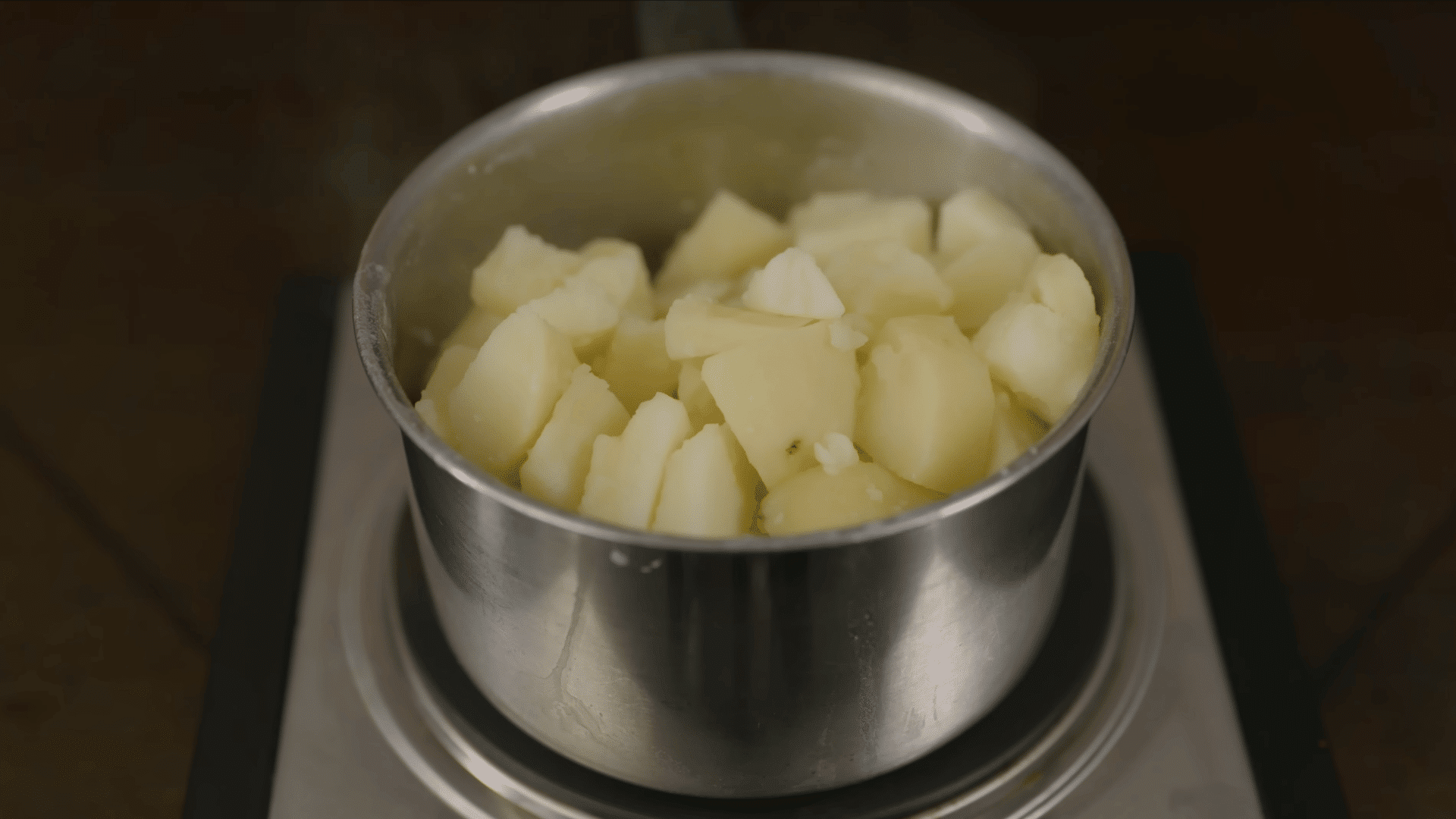
Drain the potatoes immediately once they are tender and return them to the warm saucepan with the heat turned off.
Let them sit for about 30 seconds to one minute so excess moisture can evaporate. This creates a better texture for serving and works especially well before making mashed potatoes or potato salad.
This tutorial is based on a helpful video by StatUpBox. You can check out the original video on their YouTube channel here or watch it below.
Should You Peel or Cut Potatoes Before Boiling?
No, you do not need to peel potatoes before boiling them. The choice mainly depends on the potato variety and how you plan to serve them.
- Keep the Skin On: Thin-skinned potatoes such as Yukon Gold, red, baby, and fingerling potatoes can be boiled without peeling.
- Peel for a Smooth Finish: Remove the skin when preparing mashed potatoes or dishes where a completely smooth texture works better.
If you keep the skin on, scrub the potatoes well before boiling. If you peel them, cut away any eyes or damaged areas before cooking.
What Can You Make With Boiled Potatoes?
Boiled potatoes work as a base for many dishes, so you can prepare them ahead and use them in different ways.
Serve small or baby potatoes whole as a simple side, mash softer varieties such as Russets or Yukon Golds, or chill firm potatoes for potato salad.
You can also lightly crush boiled potatoes before roasting them for crisp edges, slice them into soups and stews, or add them to breakfast skillets or set them alongside a simply cooked piece of fish, which is one of my favorite easy dinner combinations.
Choosing what you plan to make after boiling also helps determine the best potato variety, size, and cooking time for the dish
Easy Boiled Potatoes Recipe Flavor Variations
Boiled potatoes are easy to customize with butter, herbs, cheese, and simple seasonings. These are quick recipes you can prepare for everyday lunches, dinners, or family meals.
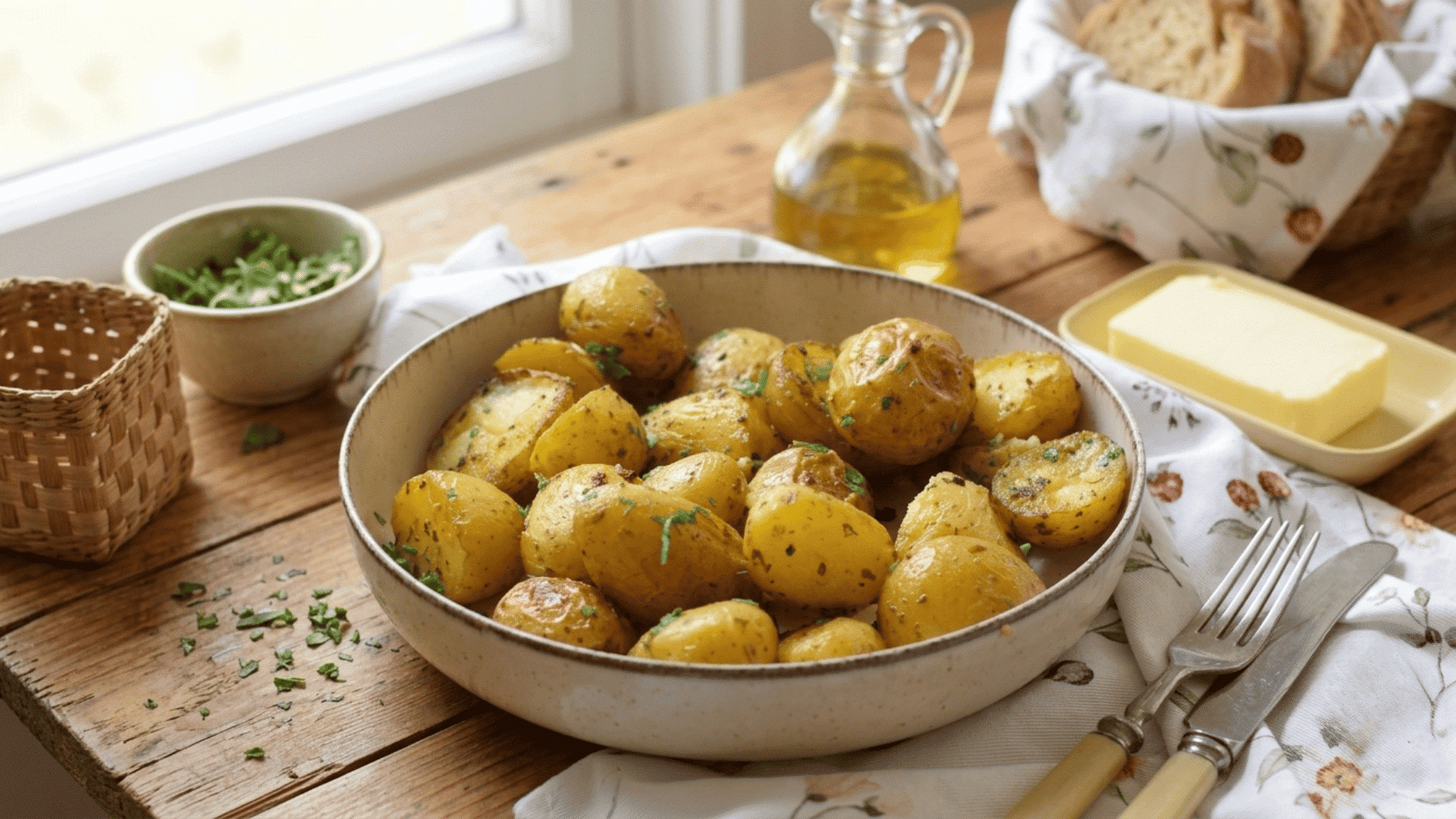
1. Garlic Butter Boiled Potatoes
Prep Time: 10 minutes
Cook Time: 15–20 minutes
Ingredients Needed: Baby potatoes, butter, minced garlic, parsley, salt, and black pepper.
Method: Boil the potatoes until fork-tender and drain well. Melt butter with garlic, then toss it with the warm potatoes. Add parsley, salt, and black pepper before serving.
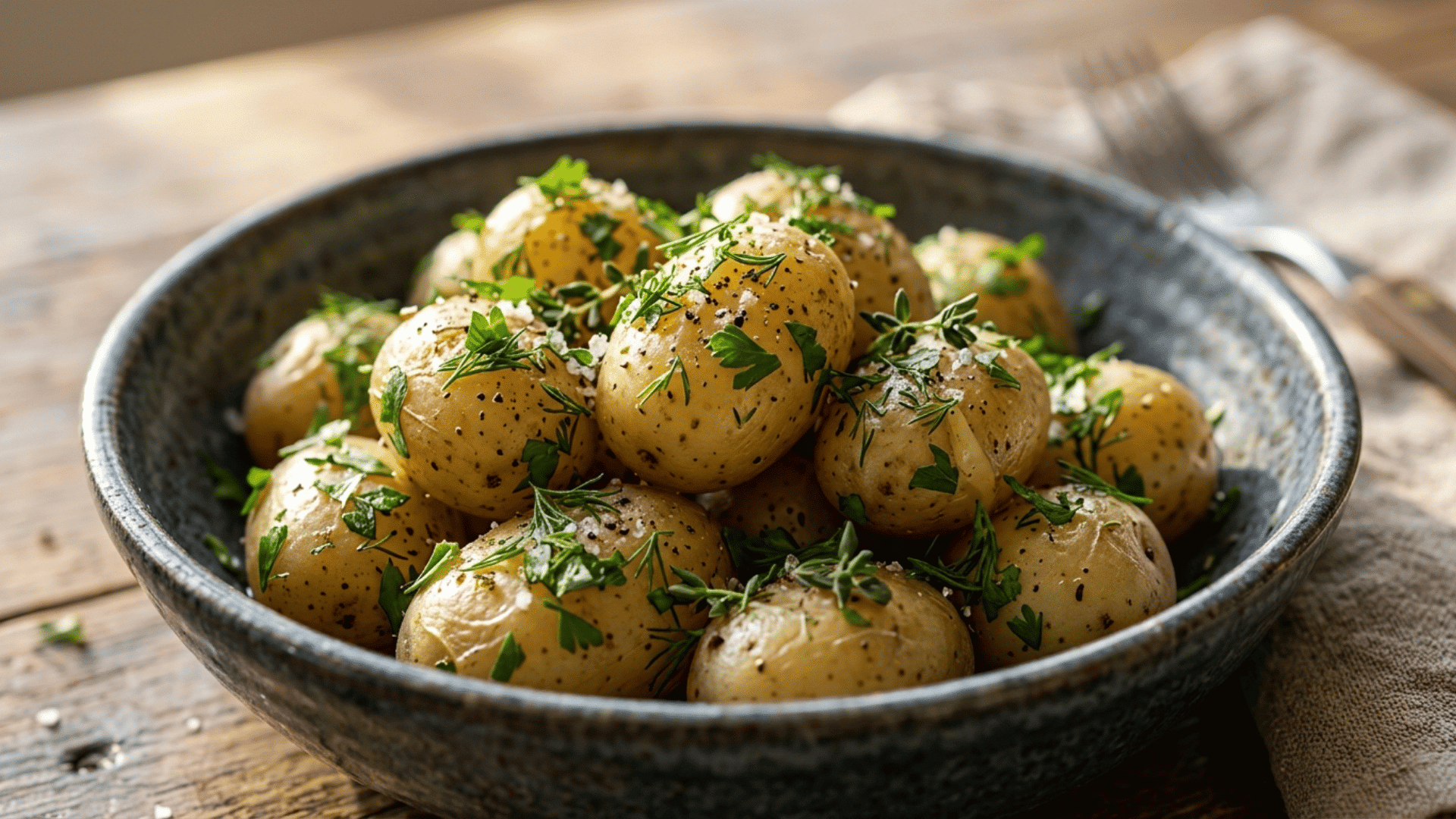
2. Herb Boiled Potatoes
Prep Time: 10 minutes
Cook Time: 15–20 minutes
Ingredients Needed: Yukon Gold potatoes, butter or olive oil, parsley, dill, chives, salt, and pepper.
Method: Boil the potatoes until tender, then drain and let excess moisture evaporate. Toss them with butter or olive oil and fresh herbs. Season with salt and pepper and serve warm.
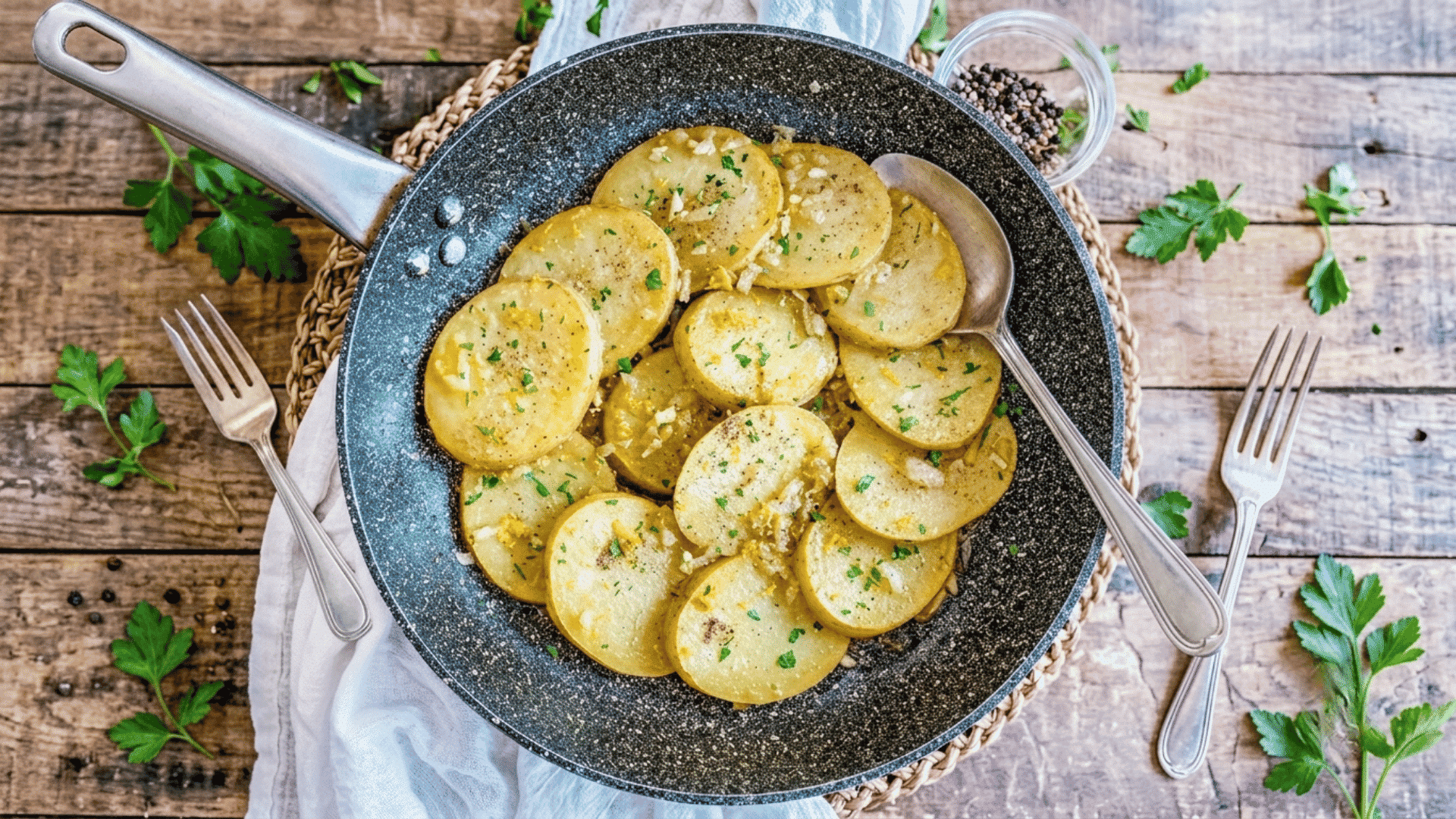
3. Lemon Pepper Boiled Potatoes
Prep Time: 10 minutes
Cook Time: 15–20 minutes
Ingredients Needed: Baby potatoes, olive oil, fresh lemon juice, lemon zest, black pepper, and salt.
Method: Cook the potatoes in salted water until tender and drain thoroughly. Toss the warm potatoes with olive oil, lemon juice, and zest. Finish with black pepper and salt to taste.
4. Parmesan Boiled Potatoes
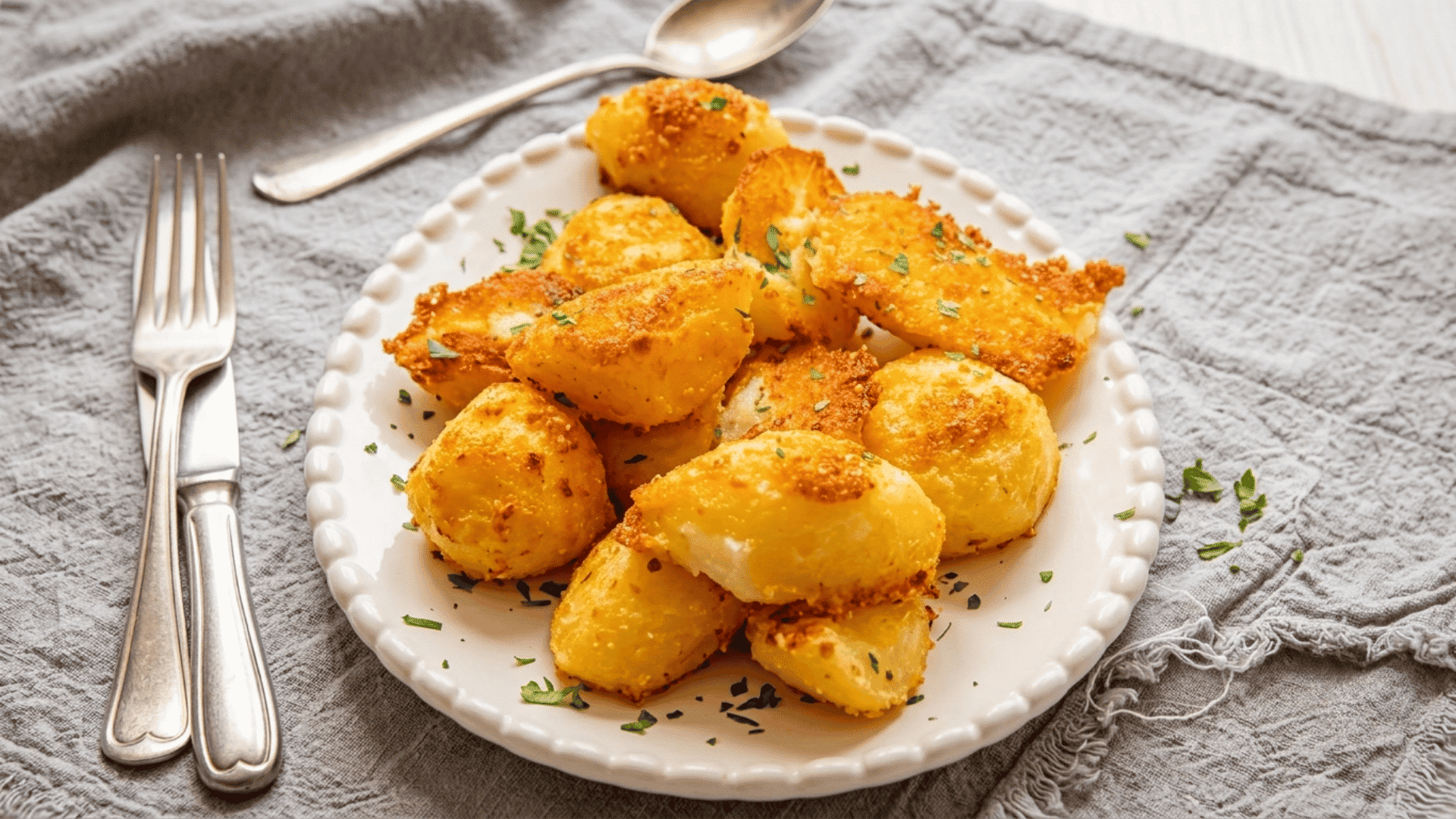
Prep Time: 10 minutes
Cook Time: 15–20 minutes
Ingredients Needed: Red potatoes, butter, grated Parmesan cheese, parsley, black pepper, and salt.
Method: Boil the potatoes until a fork slides easily into the center. Drain well and toss with melted butter. Sprinkle Parmesan, parsley, salt, and black pepper over the warm potatoes and mix gently.
5. Creamy Dill Boiled Potatoes
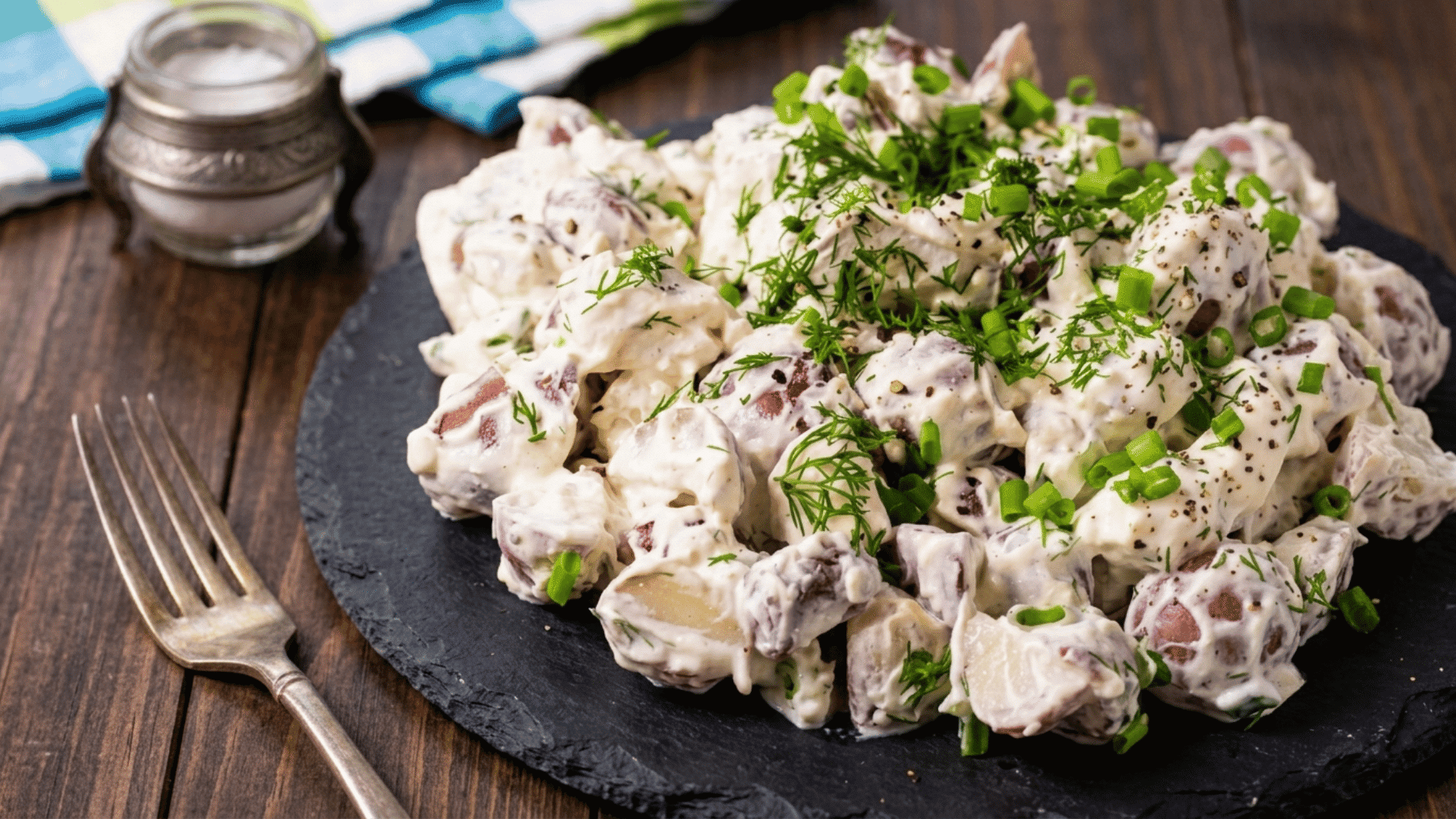
Prep Time: 10 minutes
Cook Time: 15–20 minutes
Ingredients Needed: Small potatoes, sour cream, fresh dill, lemon juice, salt, and black pepper.
Method: Boil the potatoes until tender, drain, and let them cool slightly. Mix sour cream with dill and lemon juice, then gently coat the potatoes. Season with salt and pepper before serving.
For an easy grain option to serve alongside your meal, see how to cook quinoa in the microwave for a quick and convenient side dish.
How to Store and Reheat Boiled Potatoes?
Let boiled potatoes cool before storing them so excess steam does not create moisture inside the container.
Place them in an airtight container and refrigerate them within two hours of cooking. For the best quality, use them within 3 to 5 days.
To reheat, choose a method based on how you plan to serve them.
- Microwave: Heat in short intervals until warmed through.
- Skillet: Reheat with a little butter or oil for lightly crisp edges.
- Oven: Warm at 350°F until hot in the center.
Wrapping Up
Boiling potatoes may be simple, but a few smart choices can make them far better.
Starting with cold water, seasoning early, watching the timing, and checking for tenderness helps you avoid bland or mushy results.
Once you know how to boil potatoes properly, you can turn them into anything from a buttery side dish to a creamy salad or mash.
Try one of the easy flavor variations above, then add your favorite herbs or seasonings and share your go-to combination in the comments.
Frequently Asked Questions
How Much Salt Should You Add when Boiling Potatoes?
Use about one teaspoon of table salt per pound of potatoes, dissolved into the water before it boils.
Can You Boil Potatoes Ahead of Time and Reheat Them Later?
Yes. Boil them slightly underdone, drain well, and refrigerate in an airtight container for up to a few days.
Why Do Boiled Potatoes Sometimes Fall Apart or Turn Mushy?
This usually comes down to overcooking, a hard rolling boil instead of a gentle simmer, or using a starchy variety like Russet when you needed a waxy one