Comparing gluten-free soy sauce bottles can feel confusing when all you want is something that honors both your dietary needs and your commitment to flavor. You’re not alone in navigating these choices. Understanding how Tamari compares to other gluten-free soy sauce alternatives can empower you to cook with confidence for yourself and your loved ones.
Why Isn’t All Soy Sauce Gluten-Free?
The brewing process for most soy sauce includes wheat as a foundational ingredient. It helps fermentation and contributes specific flavors, which is why many common varieties contain up to 50% wheat alongside soybeans.
This nearly equal ratio creates the familiar taste but introduces gluten. For those managing celiac disease or gluten sensitivity, even trace amounts pose concerns. That’s where Tamari and other options come in.
What Is Tamari and How Is It Made?
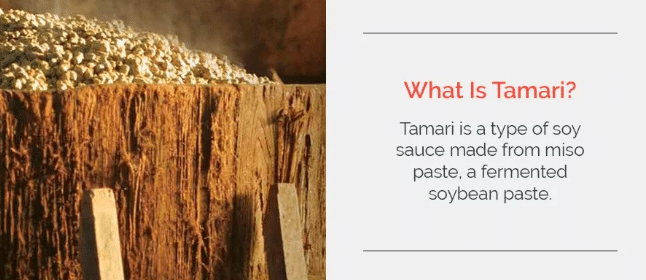
SAN-J has been brewing Tamari the traditional way since 1804.
Tamari is a traditional Japanese sauce brewed from soybeans without wheat. Some manufacturers — such as eighth-generation family firm SAN-J — have refined Tamari Soy Sauce production for over two centuries.
Its process uses 100% soybeans and no wheat, with its Tamari being certified gluten-free by the Gluten-Free Certification Organization. Soaked soybeans are cooked, dusted with the dormant spores of the fungus Aspergillus oryzae called “seed koji” and incubated for two days to kick-start the process.
Water and salt are added to the matured koji to create moromi, which then ages for up to six months. Finally, it is pressed, pasteurized and filtered to create the finished Tamari Soy Sauce This extended brewing develops complex, savory notes, and the wheat-free process means flavor comes purely from soy, creating richness and depth.
What Are Some Other Common Gluten-Free Soy Sauce Alternatives?
Beyond Tamari, two other options appear frequently on store shelves.
Liquid Aminos
Liquid aminos come from unfermented soybeans. Instead of fermentation, the production process uses hydrolysis to extract amino acids. This approach creates a salty, slightly sweet liquid that resembles soy sauce in color and consistency. However, without extended fermentation, the flavor profile remains milder and less complex than Tamari’s layered depth.
Coconut Aminos
Coconut aminos are made from fermented coconut sap, not soybeans. This makes them suitable for those avoiding both gluten and soy. The fermentation process is shorter than Tamari’s, and the coconut base brings a noticeably sweeter taste with less of the deep savory quality associated with soy-based products.
How Do These Gluten-Free Soy Sauces Compare?
When you compare Tamari with other gluten-free soy sauce options, several key differences emerge.
Flavor and Umami Richness
Tamari delivers more pronounced umami flavor than either amino option. Months-long fermentation of whole soybeans creates layers of savory complexity. For example, SAN-J notes that its Tamari contains 30% more umami flavor than typical soy sauces.
Liquid aminos offer a lighter, sweeter profile that works well when you want subtlety. Coconut aminos bring a distinct sweetness from their coconut base, which can complement certain dishes but may not suit preparations that call for pure savory notes.
Ingredients and Nutritional Profiles
All three options have relatively simple ingredient lists. Tamari contains soybeans, water and salt, while liquid aminos use similar ingredients without fermentation. Coconut aminos contain coconut sap, salt and sometimes added seasonings. Sodium content varies by brand, though many Tamari producers offer reduced-sodium versions.
Key Dietary and Allergen Differences
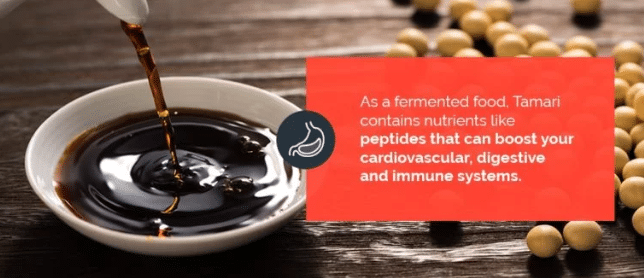
SAN-J’s Tamari Soy Sauce retains the health-boosting properties of fermented soy.
Compared to other gluten-free soy sauce alternatives, Tamari and liquid aminos both contain soy, which eliminates them for anyone with soy allergies. Coconut aminos become the clear choice in that scenario.
However, the fermentation process of Tamari creates compounds with antioxidant and anti-inflammatory properties that unfermented products lack. This is a meaningful distinction for those valuing wellness benefits. If you’re seeking both gluten-free status and the advantages of fermentation, Tamari serves both purposes.
Here’s a quick reference table to help you select the product you need.
|
Tamari |
Liquid Aminos |
Coconut Aminos |
|
|---|---|---|---|
|
Base Ingredient |
Fermented soybeans |
Soybeans |
Coconut sap |
|
Gluten-Free |
Typically, but check the label |
Yes |
Yes |
|
Soy-Free |
No |
No |
Yes |
|
Flavor Profile |
Rich, complex, nuanced umami |
Muted umami, less full-flavored than Tamari |
Mild, much less salty, slightly less sweet |
|
Production |
Fermented |
Not fermented |
Not fermented |
|
Cost |
Typically higher than regular soy sauce |
Generally more expensive than Tamari |
Generally more expensive than Tamari |
Creative Ways to Use Tamari in Your Kitchen
Tamari is a highly versatile condiment. It can enhance dishes beyond Asian cooking, bringing umami depth to unexpected applications. Consider incorporating it into:
- Roasted vegetables: Drizzle over Brussels sprouts, carrots or cauliflower before roasting to develop caramelized, savory edges
- Grain bowls: Mix into quinoa, farro or rice for an umami foundation that ties ingredients together
- Salad dressings: Whisk with olive oil, citrus and garlic for vinaigrettes with complex depth
- Marinades for proteins: Coat chicken, beef, fish or tofu to tenderize and infuse savory notes
- Soups and stews: Stir into broths, chili or bean soups to enhance overall richness
- Pasta dishes: Add to garlic butter sauce or mushroom preparations for extra dimension
The long fermentation process in SAN-J’s Tamari Soy Sauce means it doesn’t flash off at high temperatures, so you can enjoy its full character no matter when you add it in while cooking.
What to Look For in a Tamari Soy Sauce Brand
When selecting Tamari, certain markers indicate quality:
- Certification: Look for verification from organizations like the Gluten-Free Certification Organization. SAN-J holds this certification, which is twice as strict as the FDA standard for gluten-free labeling. This offers greater assurance for those with celiac disease.
- Ingredient list: Shorter lists typically indicate fewer additives. Quality Tamari contains just soybeans, water and salt.
- Non-GMO verification: Products verified by the Non-GMO Project indicate identity-preserved supply chains.
- Brewing method: Longer fermentation periods generally develop more complex flavors.
Frequently Asked Questions About Gluten-Free Soy Sauce
When you’re trying to compare gluten-free soy sauce options, you may have questions.
Is all Tamari gluten-free?
Traditionally-made Tamari is gluten-free. However, some small-batch or specialty versions may contain trace wheat or be produced in facilities that handle gluten. Certification from the Gluten-Free Certification Organization confirms that the product meets strict testing standards, with gluten levels below 10 parts per million.
Can you substitute Tamari for soy sauce in recipes?
You can substitute Tamari for soy sauce at a 1:1 ratio in virtually any recipe. The richer umami profile may actually enhance dishes, providing deeper savory notes. You might find you prefer the fuller flavor Tamari brings to marinades, stir-fries and dipping sauces.
What makes Tamari different from regular soy sauce?
Regular soy sauce is brewed with a combination of wheat and soybeans, often in nearly equal proportions. Tamari is made only from soybeans, water and salt. This wheat-free brewing process makes Tamari inherently gluten-free while delivering a richer, more concentrated umami flavor that comes entirely from fermented soy.
Choosing the Right Sauce for Your Pantry
Your ideal choice depends on your dietary needs and flavor preferences. Tamari offers the deepest umami character and fermentation benefits for rich, gluten-free flavor. Liquid aminos provide a lighter alternative, while coconut aminos serve those avoiding soy.
Compared to other gluten-free soy sauce alternatives, Tamari delivers the closest experience to wheat-based soy sauce. Understanding these distinctions helps you cook with confidence for yourself and your loved ones.