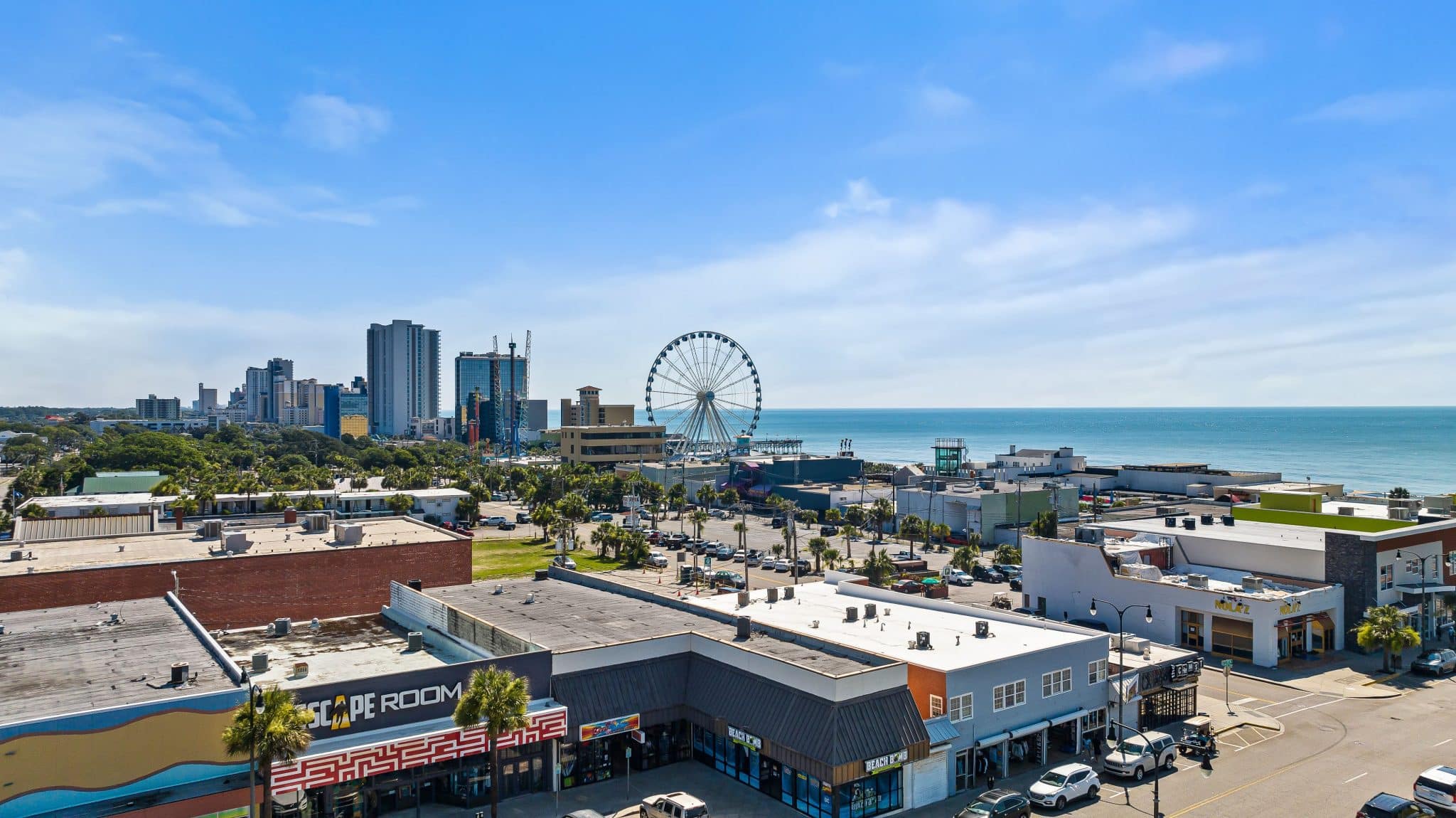
The idea of owning a condo by the coast carries both lifestyle appeal and financial curiosity. Buyers often ask whether these properties can still offer solid returns. Market shifts, rental demand, and pricing trends all play a role in the answer. A closer look reveals a mix of opportunity and caution worth weighing.
Rental Demand and Seasonal Appeal
Tourism remains a major driver of condo performance in Myrtle Beach. Condos for sale in Myrtle Beach often reflect how strong visitor traffic supports rental demand. Vacation travel fuels short-term rental income, especially for oceanfront units. Investors who track peak travel months can align pricing with demand.
Many experts highlight how location within the city affects occupancy rates. Properties near popular attractions tend to show stronger rental histories over time. Proximity to the beach, dining spots, and entertainment boosts booking potential. These factors shape how quickly a unit pays back its purchase cost.
Price Trends and Entry Points
Property prices in Myrtle Beach have seen steady movement, though not without small corrections. Entry costs still remain lower than in many coastal markets, which attracts first-time investors. Lower initial investment can improve return margins if rental income stays consistent. However, price growth alone should not be the sole focus.
A careful review of recent sales helps reveal realistic expectations. Some condos appreciate modestly, while others rely more on rental income. Buyers who compare past data gain a clearer view of long-term value. This approach reduces the risk of overpaying in a competitive phase.
Expenses That Shape Net Returns
Owning a condo involves monthly fees, maintenance costs, and property taxes, all of which affect net returns. In Myrtle Beach, homeowners’ association fees can vary based on amenities and building upkeep. These costs must be factored into any ROI calculation.
Key Costs to Watch
- Homeowners association fees and reserve funds
- Property management charges for rental units
- Insurance costs for coastal properties
- Maintenance and repair budgets
Each of these expenses can shift profit margins significantly. A unit with lower fees but fewer amenities may outperform a luxury option with high overhead. Clear budgeting ensures there are no surprises after purchase.
Location Within the City Matters
Oceanfront condos tend to attract higher nightly rates, though they also come with higher purchase prices. Units slightly inland may cost less and still see steady rental demand. The balance between cost and income potential is key.
Local trends also show that walkable areas with easy beach access remain popular. Buyers who study neighborhood patterns can spot pockets of strong performance. A well-chosen location does more for ROI. This makes research an essential step before any decision.
Long-Term Value and Short-Term Gains
Some investors focus on quick rental income, while others aim for long-term appreciation. Myrtle Beach offers a mix of both paths depending on the property type. Oceanfront condos may provide steady income, while smaller units can serve as entry-level investments. Each strategy carries its own timeline for returns.
Listings like condos for sale in Myrtle Beach often show a range of options that fit different goals. A patient approach can lead to better outcomes over time. Market cycles may shift, but consistent demand for coastal stays supports long-term value.
Condos in Myrtle Beach can deliver solid returns, but success depends on more than location alone. Rental demand, pricing, and ongoing costs all shape the final outcome. A balanced view that considers both income and expenses leads to smarter decisions. With the right approach, these properties can still hold strong appeal for those who plan carefully.