I used to drink coffee without thinking twice. Just pour, sip, repeat. Then one day, I wondered—how many calories are in my coffee?
That one question changed how I saw my daily cup. Turns out, what you add matters a lot. Even a splash of cream or a spoonful of sugar can turn a near-zero-calorie drink into a mini meal.
Now you’re probably wondering the same thing. Is your favorite drink adding more than you think? Are those sweet add-ins quietly building up?
This blog breaks it all down for you. I’ll show you exactly where the calories in coffee come from, how different drinks compare, and how you can keep your coffee tasty without loading up on extras.
What’s Really Hiding in Your Coffee Cup?
Coffee on its own seems like a calorie-free drink. Black coffee has almost nothing in it, just brewed beans and water. But the moment you add sugar, cream, milk, or flavor shots, those extras quietly raise the calorie count. And they do it fast.
Even small amounts can add up. A bit of flavored creamer here, a spoon of sugar there; it all stacks up over time. If you drink more than one cup a day, those extra calories can sneak into your diet without you even noticing.
Why does this matter? Because understanding where those hidden calories come from helps you manage your energy intake. It gives you more control over your weight and overall health.
You don’t have to stop enjoying coffee; you just need to know what’s in your cup so you can make smarter choices without feeling like you’re giving anything up.
Understanding Calories in Coffee Based on Type of Drink
Not all coffee drinks are the same when it comes to calories. Some are light and simple, while others are packed with milk, sugar, and flavored syrups that add up.
I’ll show you exactly how much is in each kind of coffee: from basic black to the more indulgent kinds. Here’s how the calories change with different sizes and milk options:
1. Latte
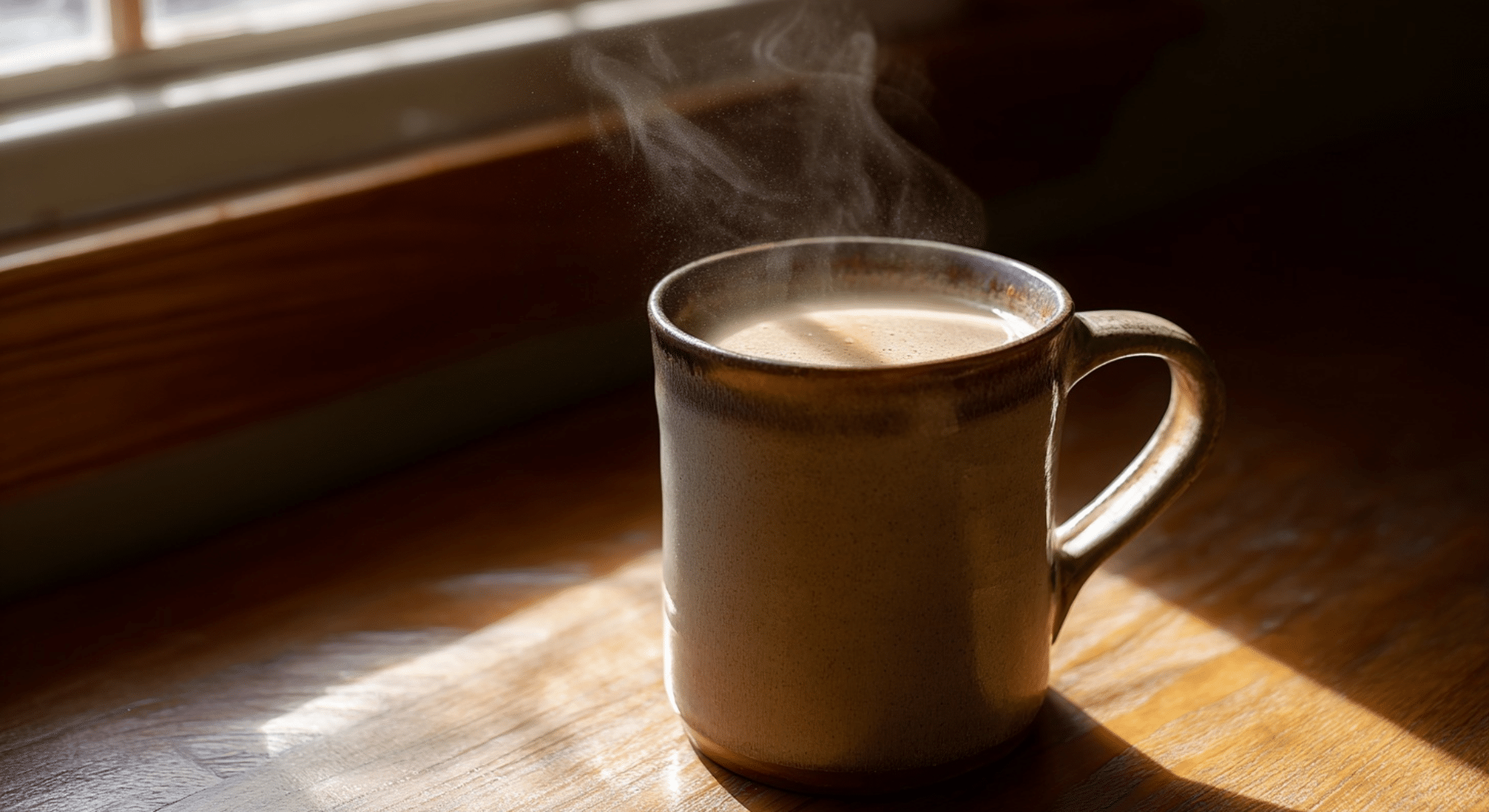
Lattes are made with espresso and steamed milk, which means they carry more calories than plain coffee.
- 8 oz: ~100 calories
- 12 oz: ~150 calories
- 16 oz: ~200 calories
The milk is the biggest contributor. Using whole milk keeps the calories high. Swap in almond or skim milk, and you can lower it by 30–50 calories.
Want a flavored latte? Add 1–2 pumps of syrup, and you’re tacking on 30–60 more calories. Whipped cream makes it heavier, too. If you drink lattes often, switching milk types or skipping flavors can really help over time.
2. Cappuccino
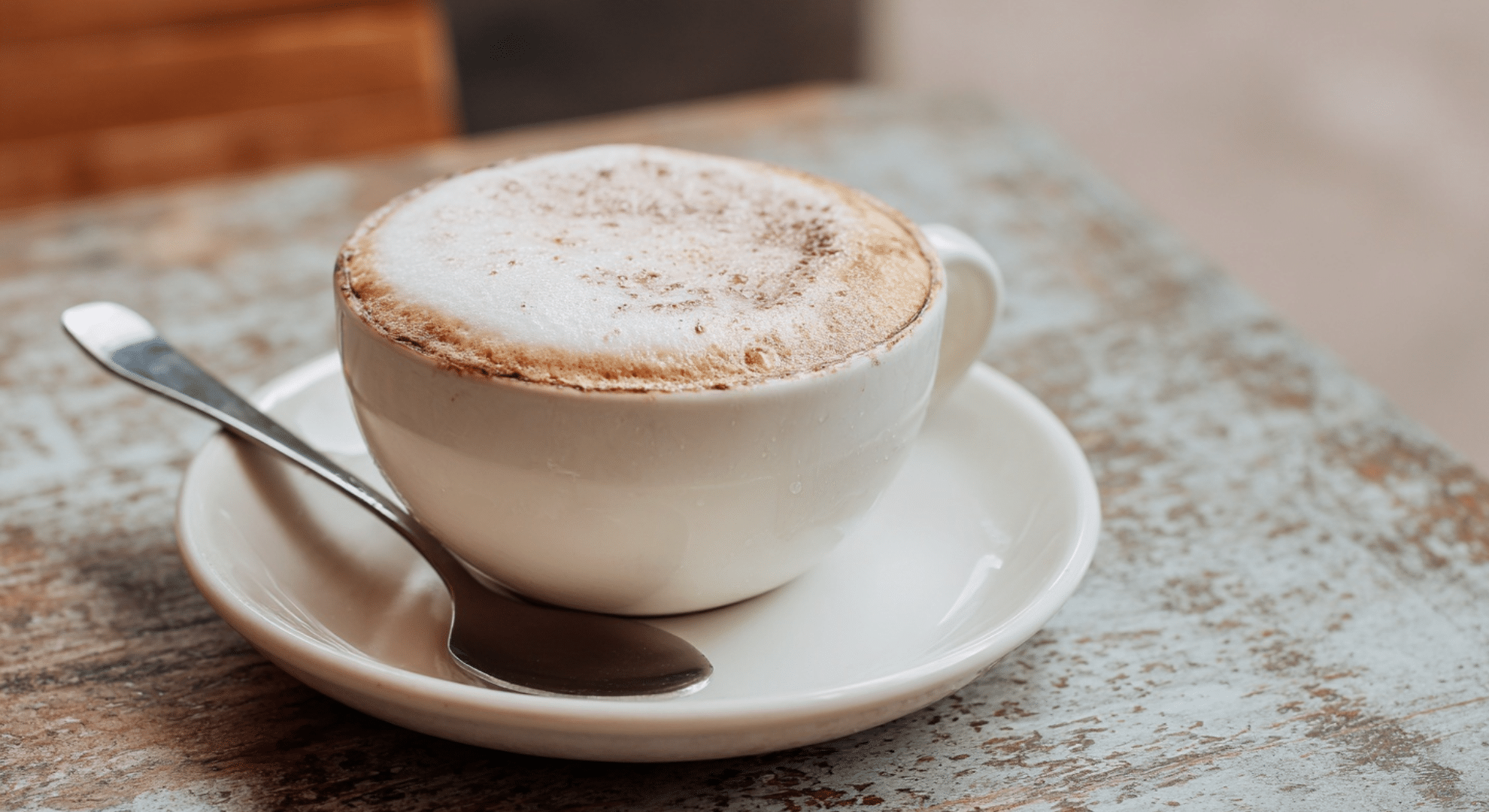
A cappuccino is a mix of one-third espresso, one-third steamed milk, and one-third foam. That foam saves you calories.
- 8 oz: ~80 calories
- 12 oz: ~120 calories
- 16 oz: ~160 calories
Since it uses less milk than a latte, it’s naturally lighter. But adding sweeteners or flavored powders can quickly raise the total. Some shops top cappuccinos with cocoa or cinnamon, which doesn’t add much.
If you want a creamy drink with fewer calories, a cappuccino made with low-fat milk is a good choice. Keep an eye on those flavored versions, though they can fool you with added sugars.
3. Flat White
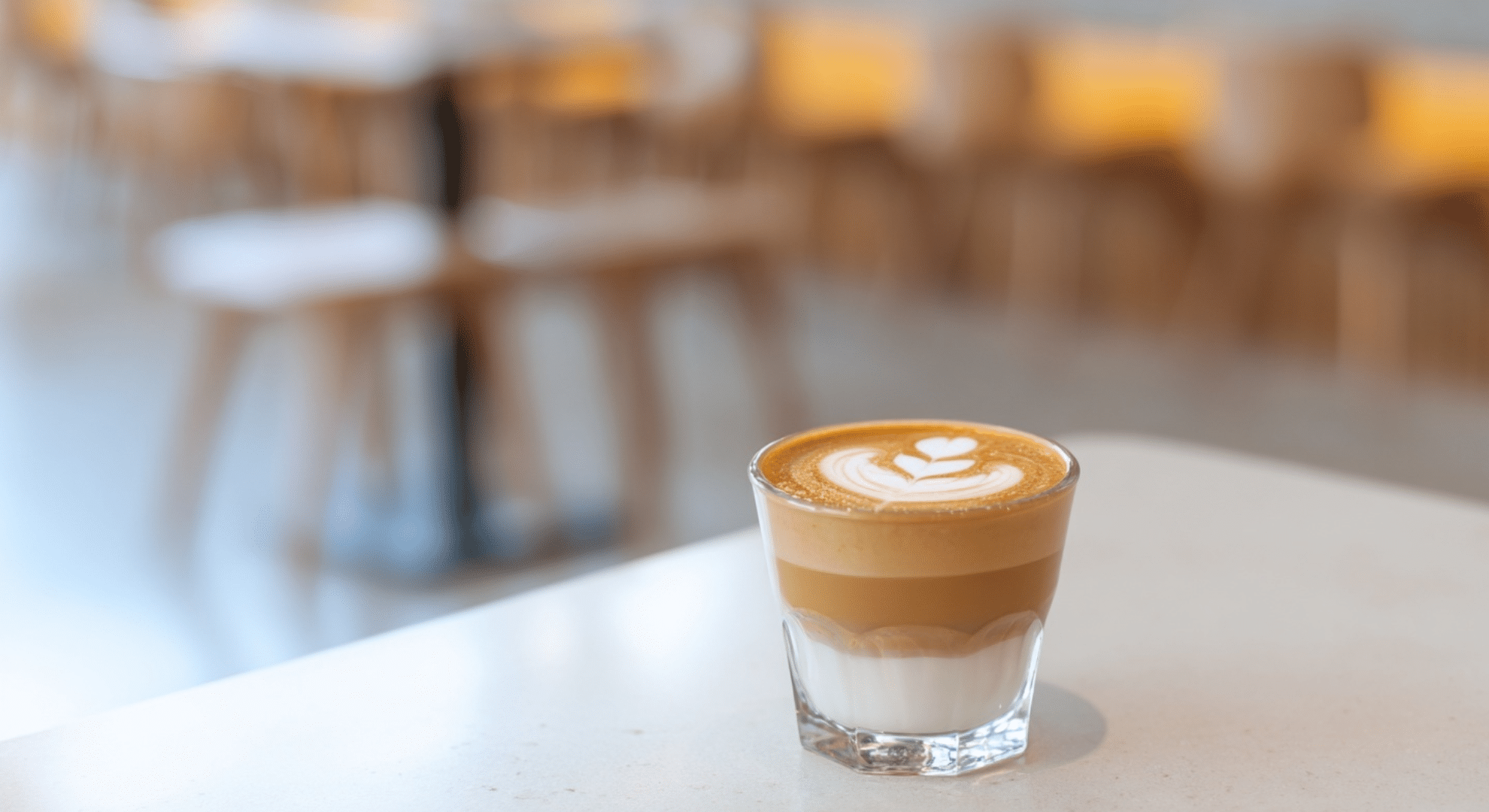
Flat whites are similar to lattes but use microfoam (very fine milk foam), which gives them a creamier feel.
- 8 oz: ~90 calories
- 12 oz: ~135 calories
- 16 oz: ~180 calories
These are usually made with whole milk, which gives that rich texture but also boosts the calorie count. They often feel heavier than cappuccinos because they have less air and more milk.
Want a lower-calorie flat white? Ask for it with almond milk or oat milk, though oat milk has more carbs. If you’re looking for a smooth drink with a strong coffee taste, this one hits that mark, just watch the milk type.
4. Mocha
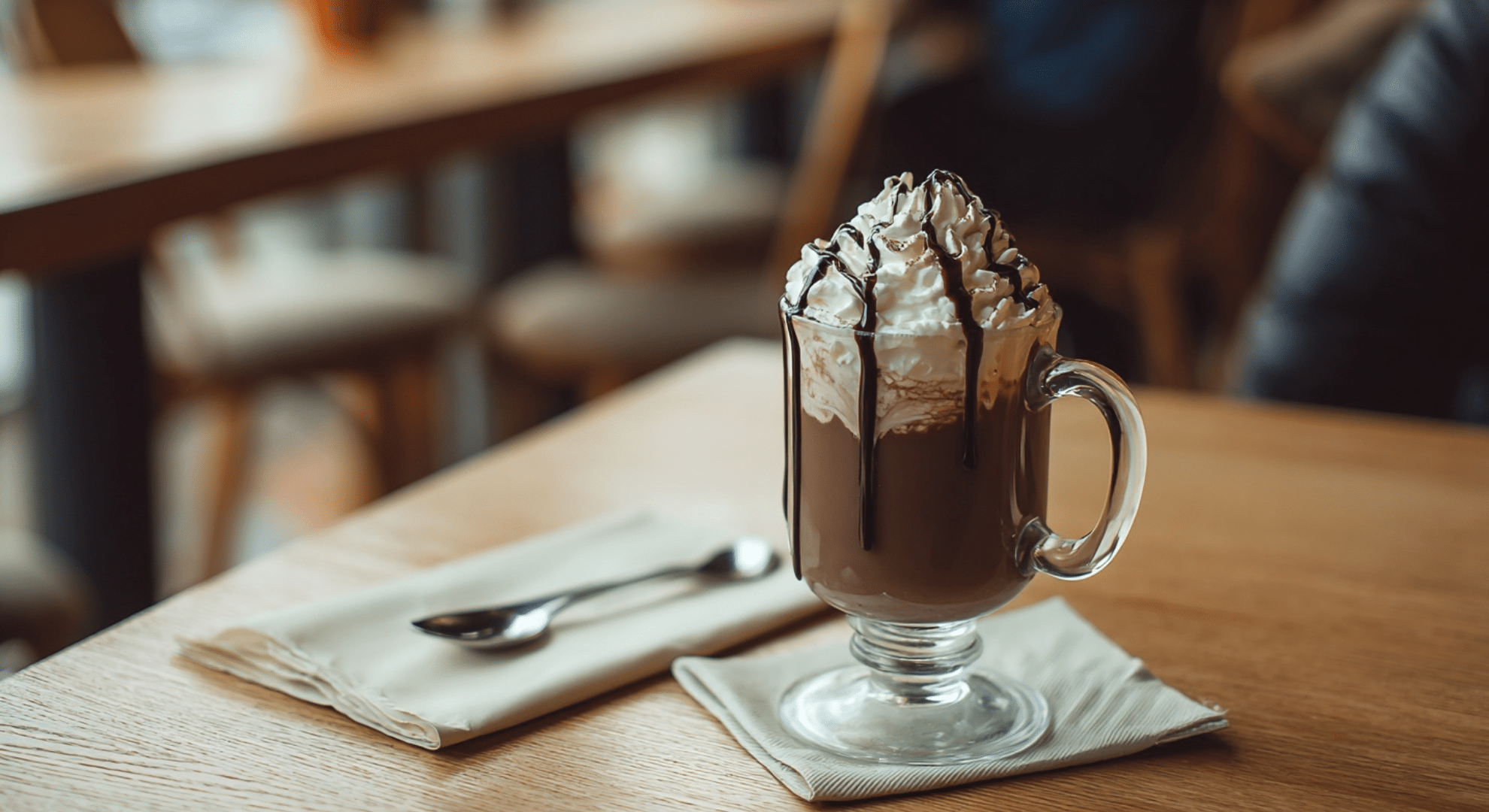
A mocha is more like a dessert than a plain coffee drink. It includes espresso, chocolate syrup, steamed milk, and usually whipped cream.
- 8 oz: ~120 calories
- 12 oz: ~180 calories
- 16 oz: ~240 calories
That chocolate syrup adds up fast, especially with sweetened milk. If you like mochas but want to cut calories, ask for half the syrup or skip the whipped cream.
You can also ask for skim milk or almond milk.
But the biggest thing to watch is the syrup: it’s often where most of the sugar and calories come from. Some shops offer sugar-free options, which can save 30–50 calories per drink.
5. Macchiato
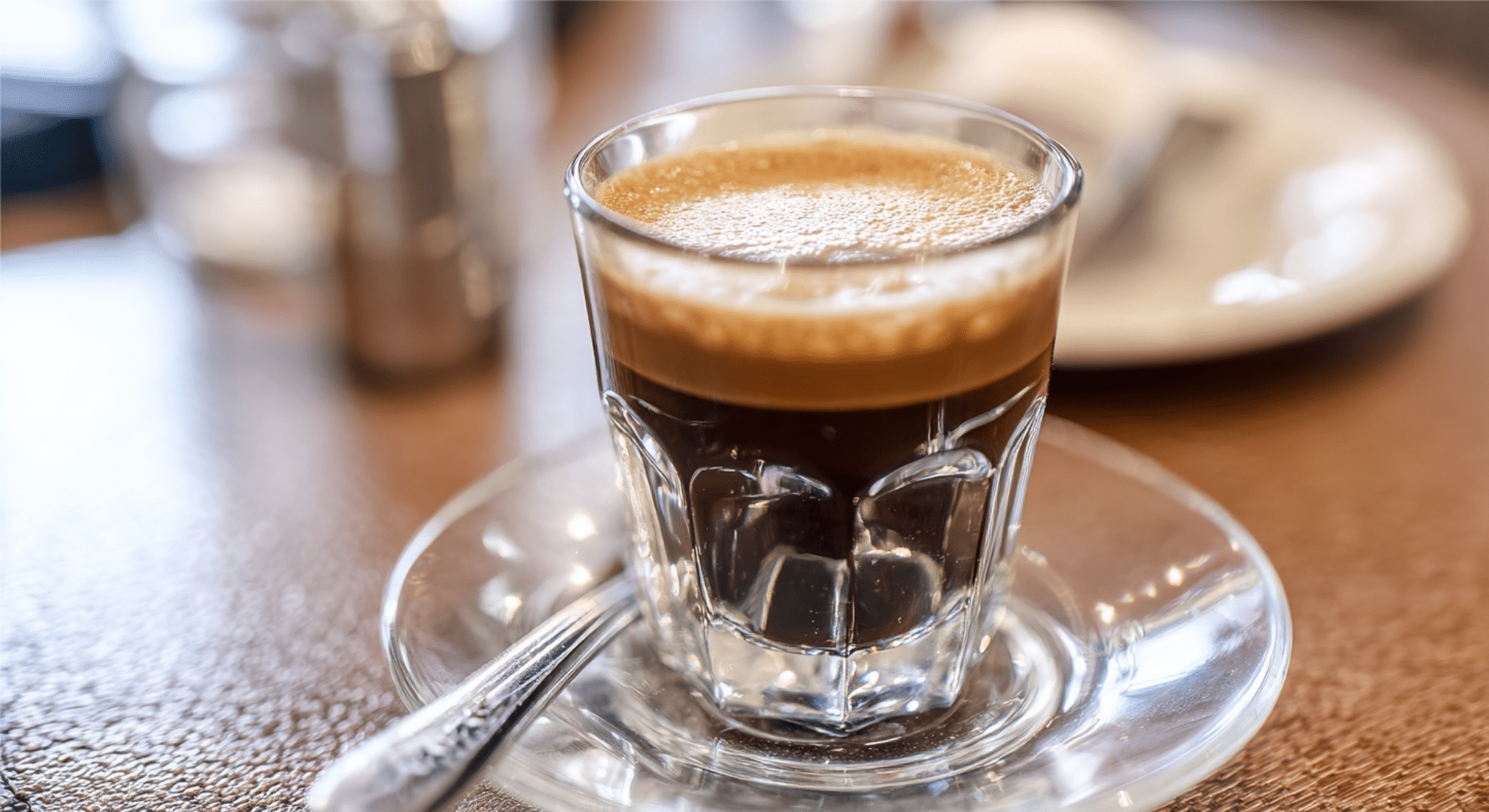
Macchiatos are usually just a shot of espresso with a small amount of milk. Simple and light—at least in their traditional form.
- 8 oz (traditional): ~60 calories
- 12 oz (flavored): ~90 calories
- 16 oz (flavored): ~120 calories
The newer flavored versions, like caramel macchiatos, are loaded with syrups and extra milk. That’s where the calories rise.
Stick with the basic kind for a low-cal option. Or ask for just one pump of flavor instead of the usual two or three.
If you like a bold coffee taste with a hint of milk, this is a solid choice. Just be careful with the toppings and sweet syrups.
6. Iced Coffee
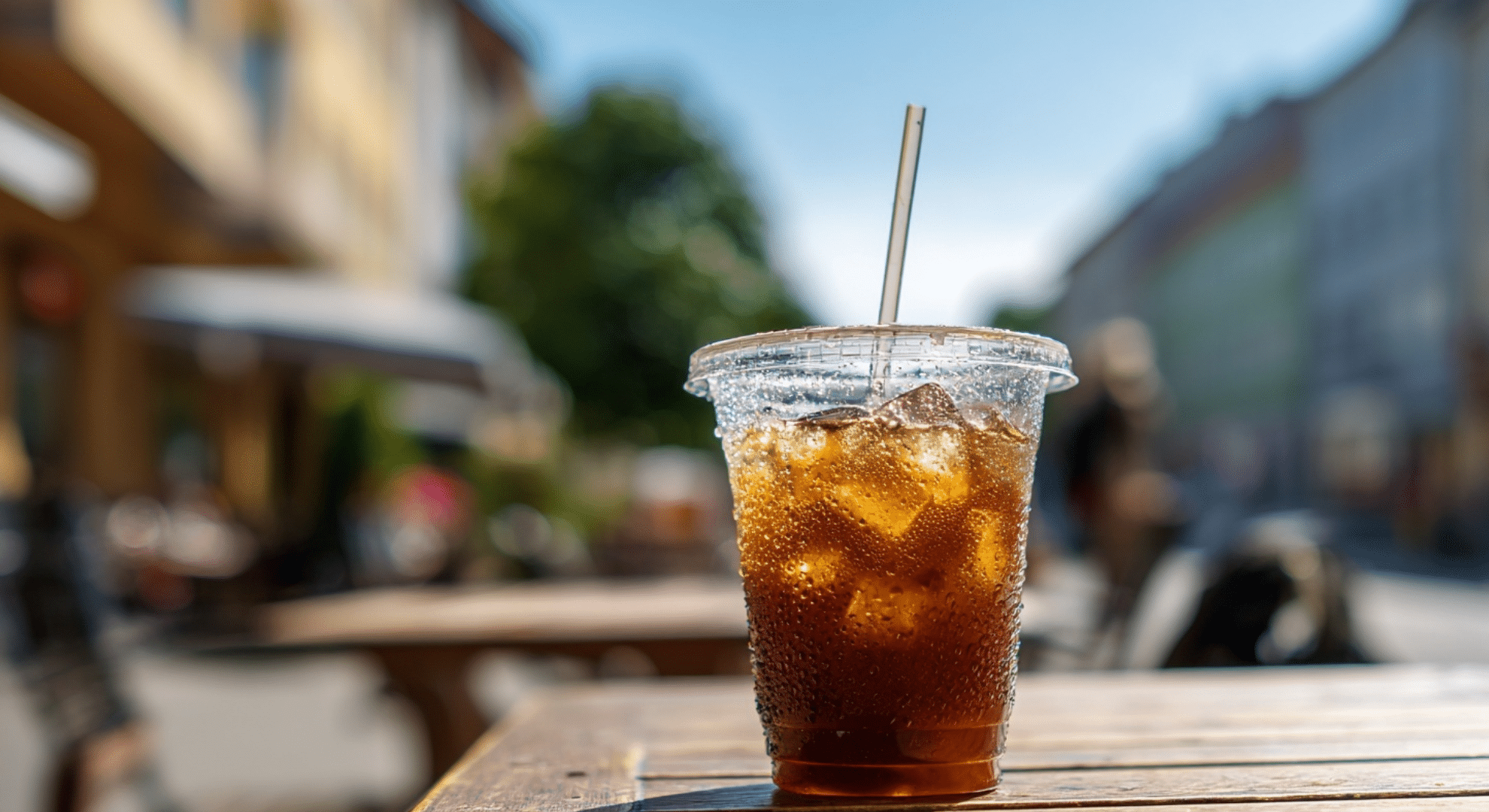
Iced coffee is brewed hot and then cooled. It seems light, but it can be surprisingly high in calories depending on what’s added.
- 8 oz: ~70 calories
- 12 oz: ~105 calories
- 16 oz: ~140 calories
Most iced coffees at cafés come pre-sweetened or with flavored creamers. That’s where the numbers creep up. Black iced coffee is almost calorie-free, but once you add sugar, milk, or syrup, things change.
Want to keep it less heavy? Ask for no sweetener or just a splash of milk. Try using unsweetened almond milk or ask for it black with a little cinnamon for flavor. It still feels like a treat, but without the added weight.
7. Cold Foam Coffee
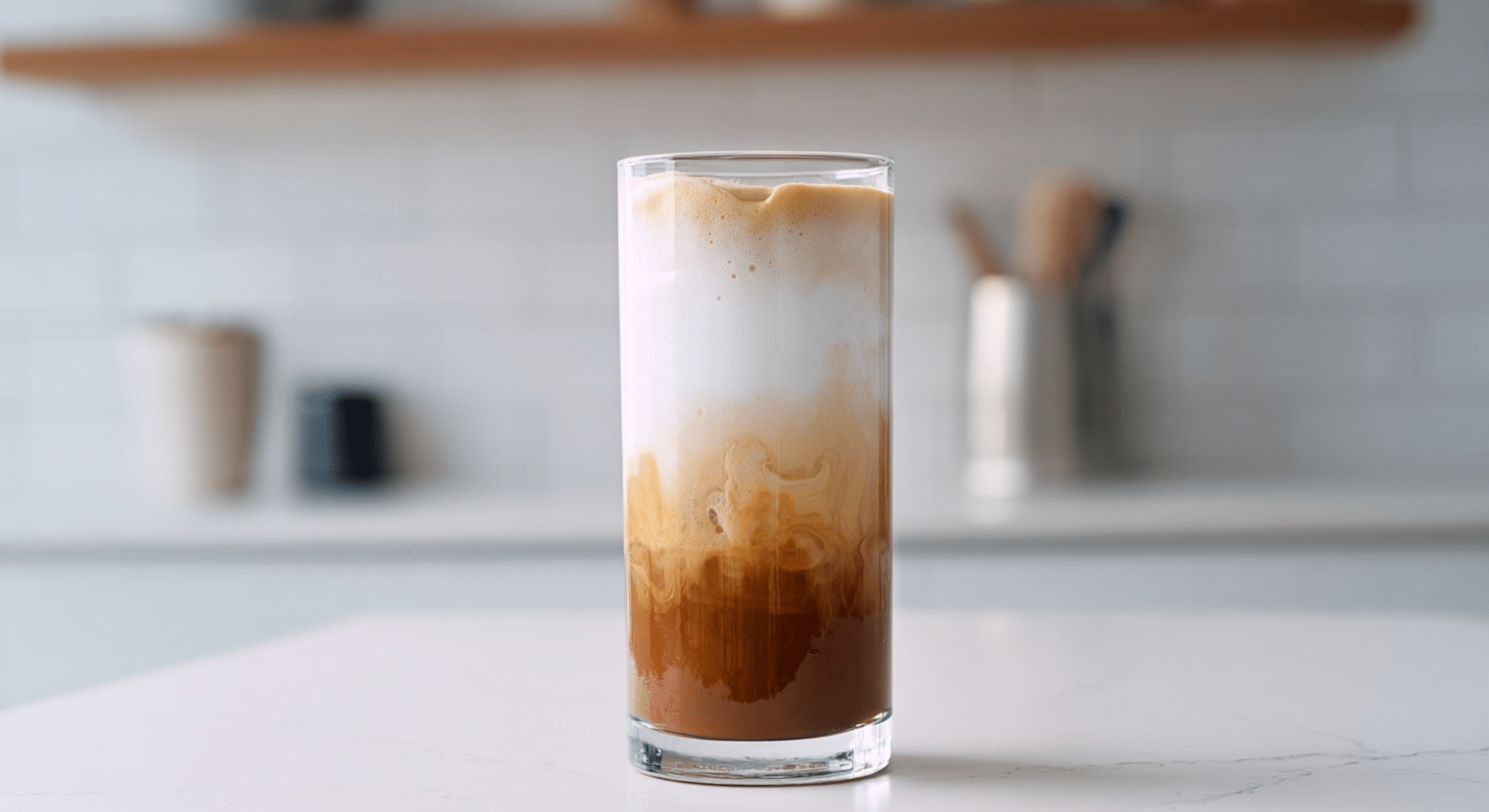
Cold foam coffee adds a whipped, airy layer to iced coffee. It feels rich and creamy even though it’s cold.
- 8 oz: ~60 calories
- 12 oz: ~90 calories
- 16 oz: ~120 calories
The foam is made by whipping milk, often with sweeteners or flavored syrups. That’s where the calories hide. If it’s vanilla or caramel-flavored, the sugar adds up.
Want to cut back? Ask for non-fat milk, cold foam, or go with less foam. Some places offer “light” cold foam, which helps too. It gives your iced coffee a fun texture and taste, but it’s good to know what’s really in the topping.
8. Café au Lait
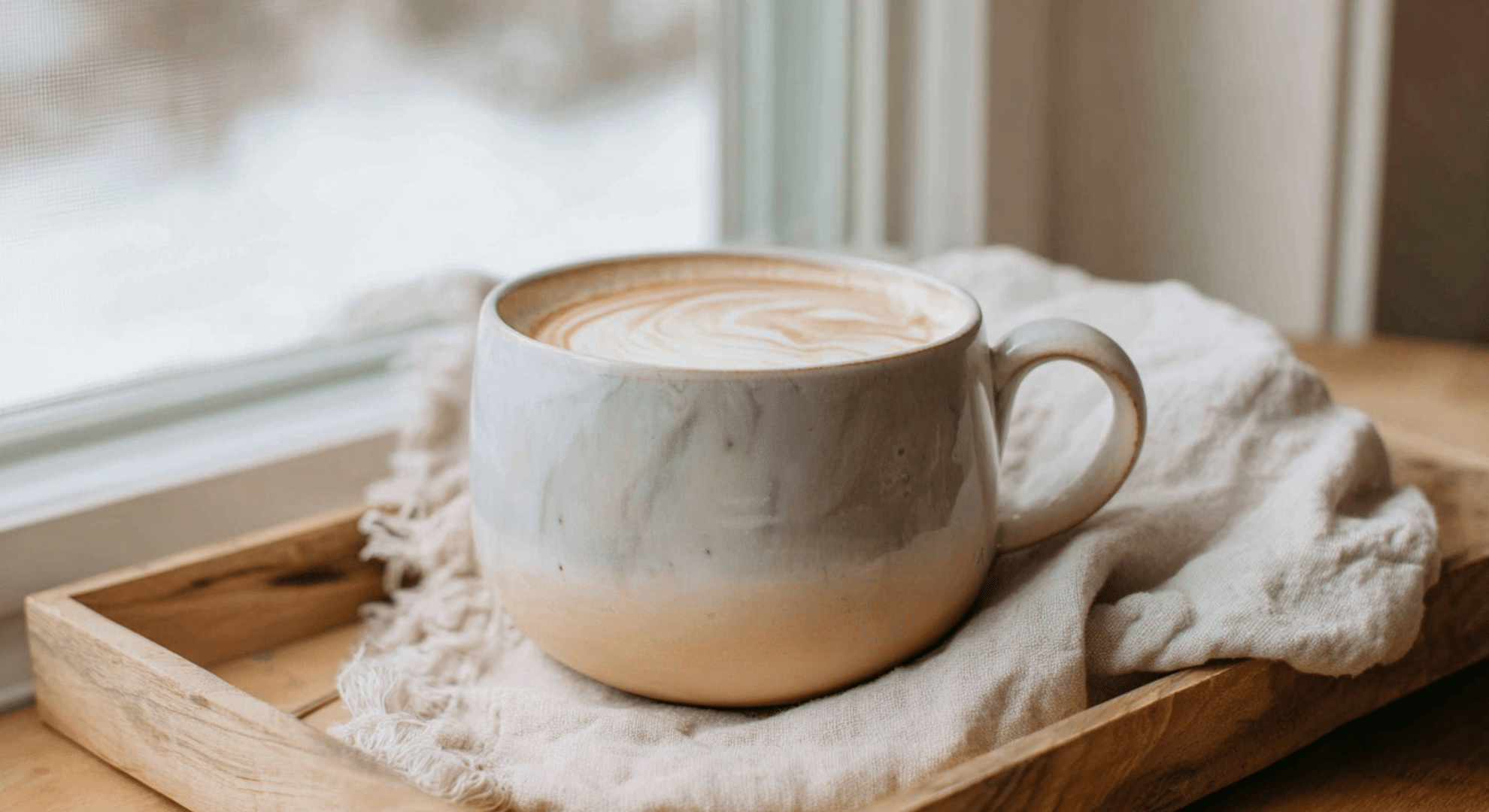
This drink is made with half-brewed coffee and half-steamed milk. It’s smoother than black coffee but lighter than a latte.
- 8 oz: ~90 calories
- 12 oz: ~135 calories
- 16 oz: ~180 calories
The calorie count depends mostly on the type of milk. Whole milk adds more; skim or almond milk cuts it down.
Because there’s no espresso, it’s often less bitter and easier to drink for some people. If you want a mild drink with some creaminess but fewer calories than a latte, this is a smart pick.
9. Frappuccino

Frappuccinos are blended iced drinks often topped with whipped cream and made with flavored syrups, milk, and sugar.
- 8 oz: ~180 calories
- 12 oz: ~250 calories
- 16 oz: ~350+ calories
They are the heaviest drinks on this list. The base mix, sweeteners, and toppings can stack up quickly. Even the smallest-sized packs contain more calories than some meals.
You can make it lighter by asking for no whipped cream, half the syrup, or using skim milk. Still, if you’re watching calories, this is more of a once-in-a-while treat than a daily drink.
What Really Adds Calories to Coffee
Calories in coffee don’t just appear from nowhere. It’s not the coffee itself that’s the problem; it’s what goes into it.
Milk, cream, syrups, sweeteners, and even trendy add-ins like butter or coconut oil can quietly raise your cup’s calorie count without you noticing.
1. Milk and Cream Options
Milk and cream are often the first things added to coffee, and they make a big difference. Here’s how different types compare (per 30 ml or about 2 tablespoons):
- Whole milk: ~19 calories
- Skim milk: ~10 calories
- Oat milk: ~22–30 calories
- Almond milk (unsweetened): ~8–10 calories
- Half & half: ~40 calories
- Heavy cream: ~50–60 calories
Whole milk and cream have more fat, which makes drinks feel richer but also raises calories. Oat milk is popular but can be higher in carbs.
Lactose, the sugar in milk, also plays a part. If you’re lactose-sensitive or watching your sugar intake, almond milk or lactose-free options might work better.
2. Sugar, Syrups, and Sweeteners
Sugar may seem small, but it adds up fast. One teaspoon of sugar has 16 calories. Many flavored drinks use 2 to 4 teaspoons or more.
Flavored syrups can add even more:
- One pump = 20–40 calories
- A full drink may have up to 150+ from syrup alone
Whipped cream, drizzles, and toppings? Add another 50–100+ calories. Want a sweet taste with fewer calories?
Try natural sweeteners like:
- Stevia
- Monk fruit
They don’t raise blood sugar and have zero calories. Some use artificial ones, such as aspartame or sucralose, but these aren’t everyone’s favorite due to taste or stomach issues.
Natural choices are a safer bet for most people wanting fewer calories without cutting sweetness completely.
3. Bulletproof and Specialty Additions
Some people add butter or coconut oil to their coffee, especially those on a keto diet. This is often called bulletproof coffee. It’s meant to replace breakfast and keep you full.
But calorie-wise, it’s heavy:
- 1 tbsp butter = ~100 calories
- 1 tbsp coconut oil = ~120–130 calories
Together, they can push your coffee over 160–250 calories, even before any milk or sweetener.
This type of coffee doesn’t make sense for everyone. It’s mainly used by people trying to stay in ketosis or following low-carb, high-fat eating plans.
If you’re not skipping a meal or tracking macros, adding this much fat to your drink might not be helpful.
Coffee Calories by Size, Brand, and Brewing Style
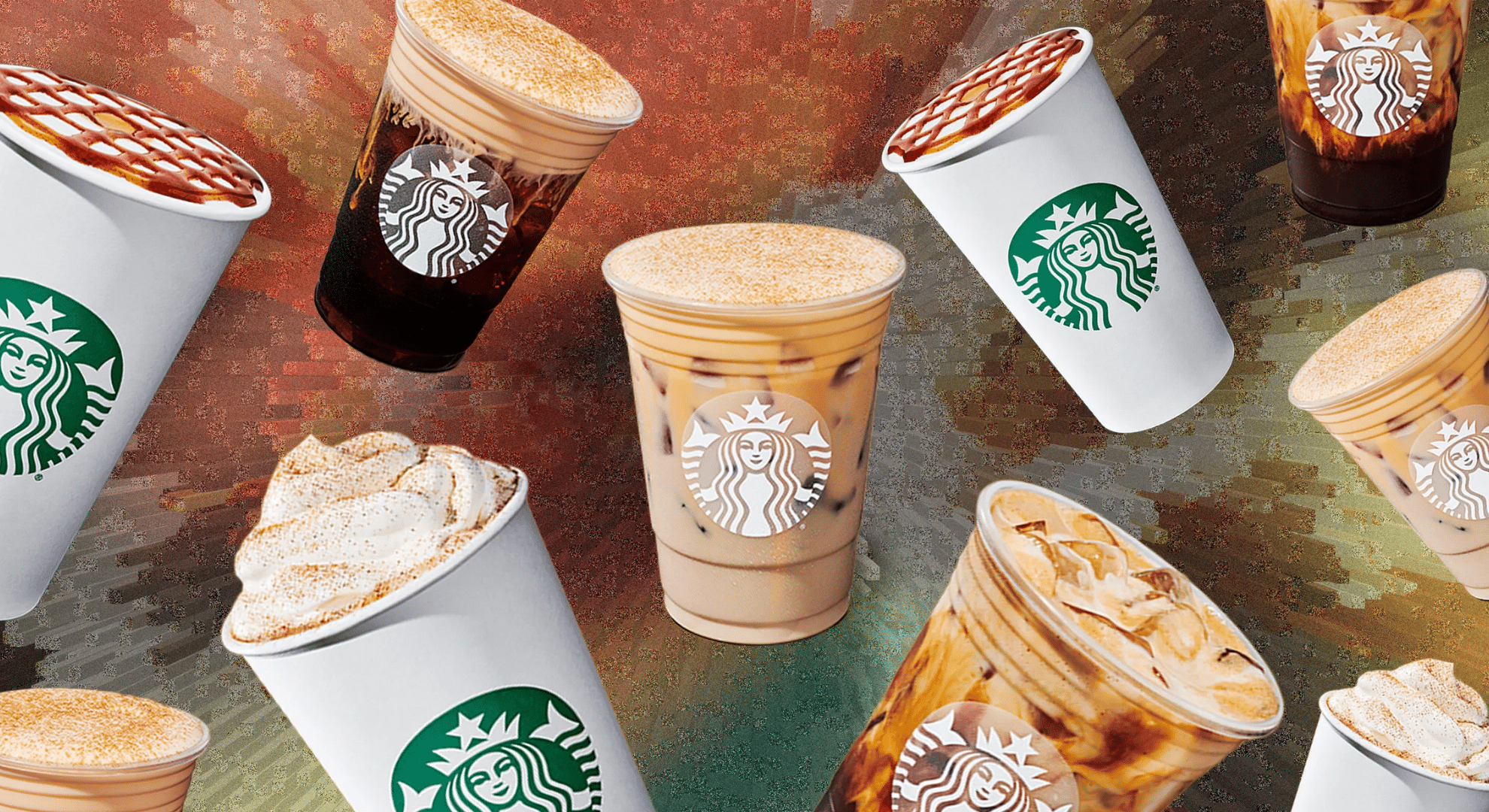
If you’ve ever wondered how your favorite drink stacks up, this lays it all out.
From Starbucks to McCafé, and from drip coffee to cold brew, you’ll see how calories can change based on brand, size, and how the coffee is brewed:
| Brand | Drink Type | Size | Calories (Approx.) | Brewing Style |
|---|---|---|---|---|
| Starbucks | Latte (Whole Milk) | Tall (12 oz) | ~150 | Espresso-based |
| Starbucks | Latte (Whole Milk) | Grande (16 oz) | ~190 | Espresso-based |
| Starbucks | Latte (Whole Milk) | Venti (20 oz) | ~250 | Espresso-based |
| Dunkin’ | Latte (Whole Milk) | Small (10 oz) | ~120 | Espresso-based |
| Dunkin’ | Latte (Whole Milk) | Medium (14 oz) | ~180 | Espresso-based |
| Dunkin’ | Latte (Whole Milk) | Large (20 oz) | ~240 | Espresso-based |
| McCafé | Latte (Whole Milk) | Small (12 oz) | ~140 | Espresso-based |
| McCafé | Latte (Whole Milk) | Medium (16 oz) | ~180 | Espresso-based |
| McCafé | Latte (Whole Milk) | Large (21 oz) | ~240 | Espresso-based |
| All Brands | Black Drip Coffee | 8 oz | ~2–5 | Drip |
| All Brands | Cold Brew | 8 oz | ~5–10 | Cold Brew |
| All Brands | French Press | 8 oz | ~3–5 | French Press |
| All Brands | Espresso Shot | 1 oz | ~1–2 | Espresso |
Size matters, and so does how your coffee is made. Drinks with milk and syrups can add up fast in calories, especially in large sizes.
Brewing styles like drip or French press stay light, but once you add sweeteners or cream, they can add up too.
How to Keep Your Coffee Low-Calorie Without Losing Flavor
You don’t have to drink boring coffee just to save calories. A few smart swaps can keep the taste without the extra sugar or fat.
Start by using spices like cinnamon, vanilla extract, or unsweetened cocoa powder. These add flavor without adding much or any calories.
You can also switch from whole milk to unsweetened almond milk, saving about 60 calories per cup. Even skim milk cuts around 30–40 calories compared to whole milk.
Ordering out? Choose a smaller size or ask for it half-sweet. Just cutting back on syrup by one pump can save up to 40 calories.
Here’s a swap example:
A 16-oz flavored latte with whole milk and whipped cream? About 350 calories.
Ask for almond milk, no whip, and half the syrup; now it’s closer to 180.
Small changes really add up when you’re drinking coffee daily.
Can Coffee Help You Lose Weight?
Coffee on its own can play a small role in weight loss, mainly because of caffeine. Caffeine can slightly boost your metabolism and may help you burn a few extra calories.
It can also lower hunger for a short time, especially when taken before a workout.
But here’s the catch: adding sugar, cream, or flavored syrups can quickly cancel out those benefits. A drink that started at 5 calories can jump to 300 or more with just a few sweet extras.
If you’re drinking coffee for fat-burning, it’s best to have it in the morning or 30–60 minutes before exercise. That’s when caffeine can give you the most energy boost.
Worried about coffee “breaking” a fast? Black coffee usually won’t, since it has almost no calories. But if you add milk or sugar, it could. Just keep it plain if you’re trying to stay in a fasted state.
Common Myths About Coffee and Calories
Coffee seems simple, but there’s a lot of confusion about what really adds calories. Let’s clear up some of the most common myths so you can make better choices without guessing.
- Black coffee has zero calories: It’s very low, but not zero, usually 2–5 calories from natural oils and proteins.
- Adding just a little syrup doesn’t matter: Even one pump can add 20–40 calories, and most drinks have more than one.
- Non-dairy milk is always lower in calories: Not always, oat milk can have more calories than skim milk.
- Cold brew has fewer calories than hot coffee: Cold brew is just stronger coffee; it only adds more calories if sweetened or pre-mixed.
- Whipped cream doesn’t add much: It can add up to 100 calories, especially with flavored drizzles.
- Espresso has more calories because it’s strong: It’s actually very low, about 1–2 calories per shot.
- Coffee helps you lose weight on its own: Not quite. It may boost metabolism a little, but not enough without diet and activity.
Clearing up these small myths can go a long way in helping you enjoy coffee with more confidence.
Conclusion
I’ve come to see that keeping my coffee low in calories doesn’t mean losing the flavor I enjoy; it just means making smarter choices.
Understanding where the extra calories come from has helped me enjoy my cup without overdoing it.
Now that you know how calories in coffee can sneak in, you can take charge of what goes into your cup. A few small swaps can make a big difference without changing your routine.
Keep this in mind next time you order or make your brew.
Want more simple, no-fluff tips like this? Check out the rest of the blogs on the website to keep learning and making choices that work for you!