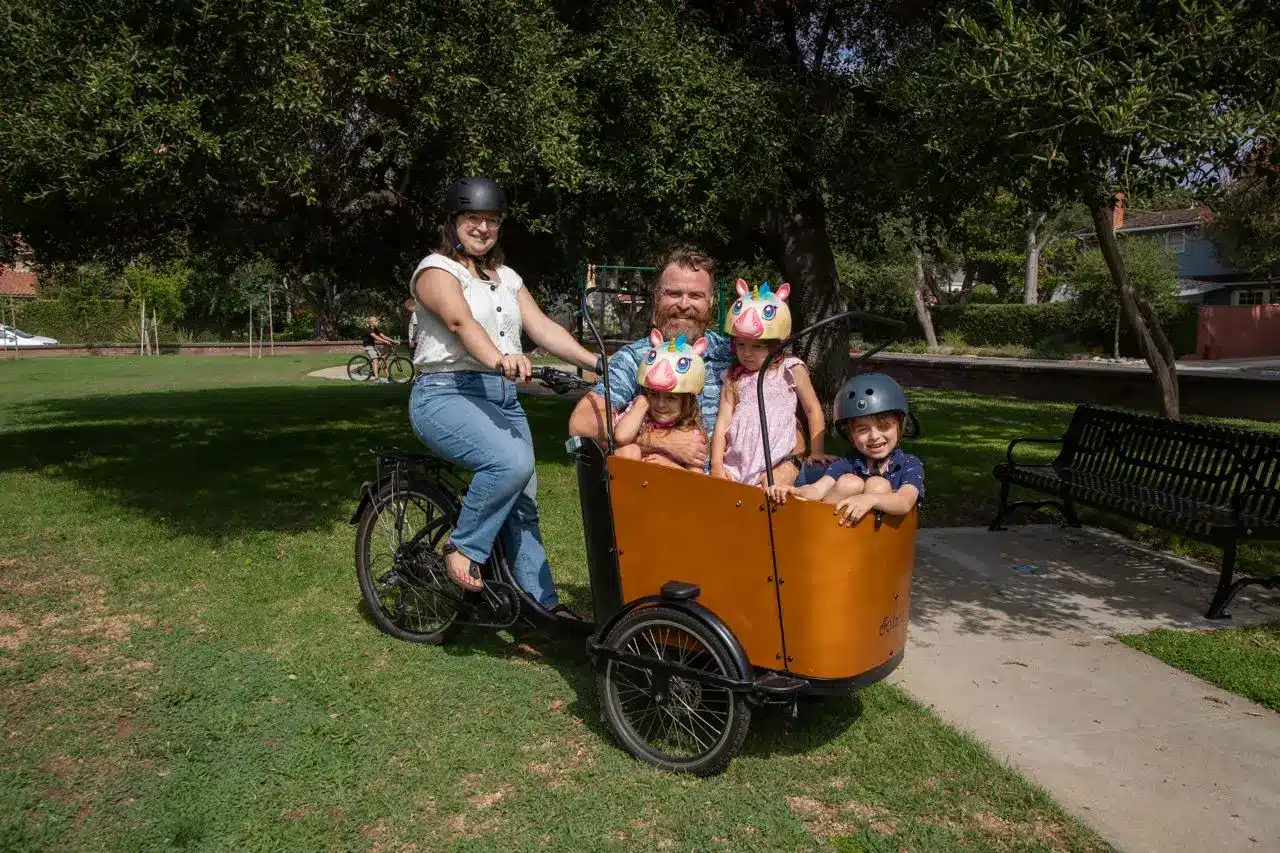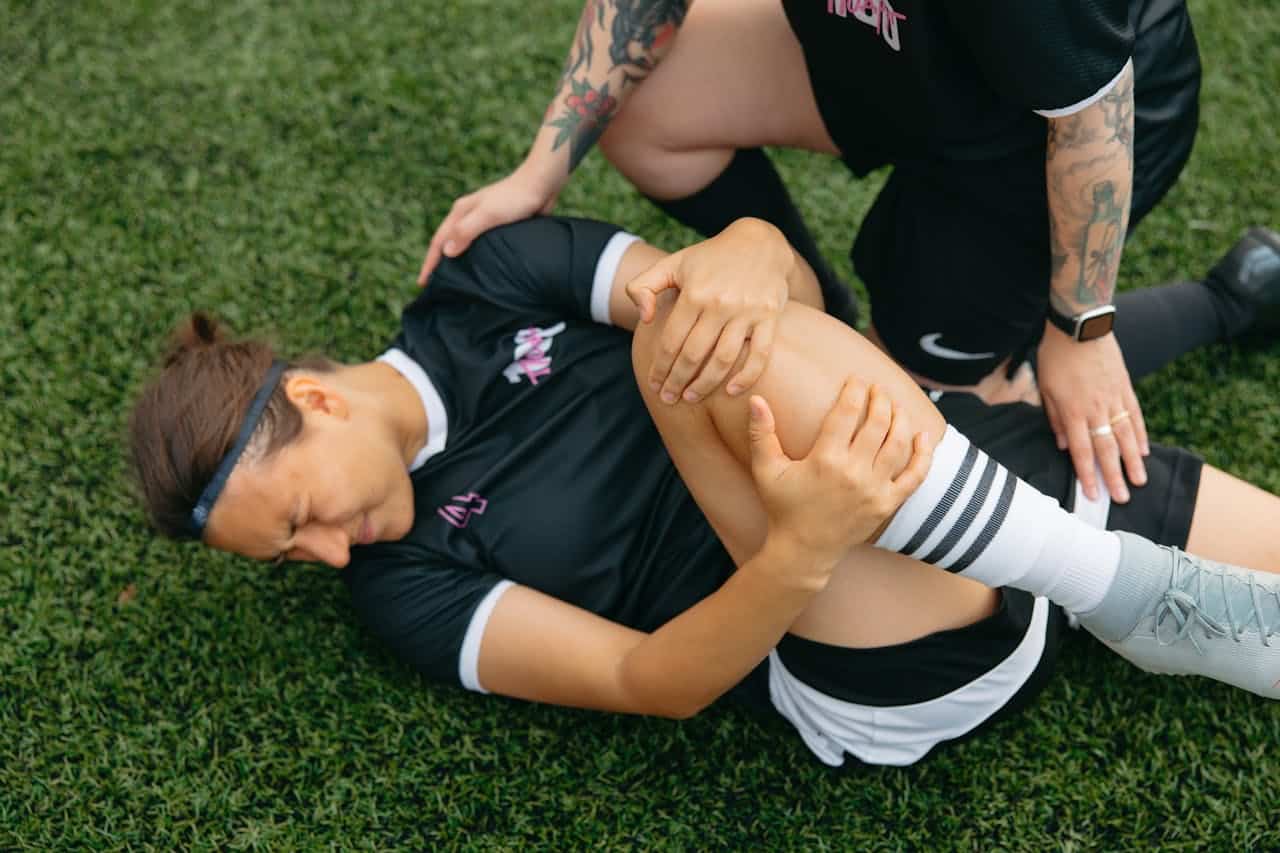
When One Injury Isn’t Just One Problem
Sports injuries are often thought of as isolated events, such as an ankle twist, a broken arm, or a chipped tooth. In reality, high-impact accidents in sports can affect multiple parts of the body at the same time. A single collision, fall, or hit can damage both the facial structure and the upper limbs, creating the need for both dental and orthopedic care.
Athletes in contact sports like football, hockey, cycling, and martial arts are especially at risk. These injuries often require a coordinated recovery approach to restore both function and appearance.
The Hidden Complexity Behind Sports-Related Trauma
What makes sports injuries more complicated is the force behind them. A fast-moving impact doesn’t just affect one area; it transfers energy throughout the body. This is why a player who falls hard on the ground may suffer a shoulder fracture while also experiencing dental trauma.
Common combined injury patterns include:
- Facial impact with tooth damage
- Shoulder or elbow fractures from falling
- Jaw injuries alongside upper body fractures
Understanding this connection helps explain why treatment is rarely one-dimensional.
When Dental Damage Goes Beyond a Broken Tooth
Dental injuries in sports are more serious than they appear on the surface. A knocked-out or fractured tooth can also involve damage to the jawbone, which supports long-term oral health.
In some cases, bone loss in the jaw makes traditional dental restoration difficult. This is where dental implants become necessary to restore both function and stability.
For patients dealing with severe trauma, recovery may involve advanced solutions. In fact, learn more about getting implants with bone loss at Doctors Implants if the bone structure has been compromised after injury. These treatments help rebuild oral health after significant sports-related damage.
Why Shoulder and Elbow Injuries Are So Common in Athletes
While facial injuries get immediate attention, upper limb injuries are just as frequent in sports accidents. Shoulder and elbow fractures often occur when athletes try to break a fall or absorb impact.
Typical injuries include:
- Shoulder dislocations
- Elbow fractures
- Ligament tears from sudden force
- Joint instability after impact
These injuries can significantly affect mobility and may require surgical intervention followed by rehabilitation.
Why Both Injuries Often Happen at the Same Time
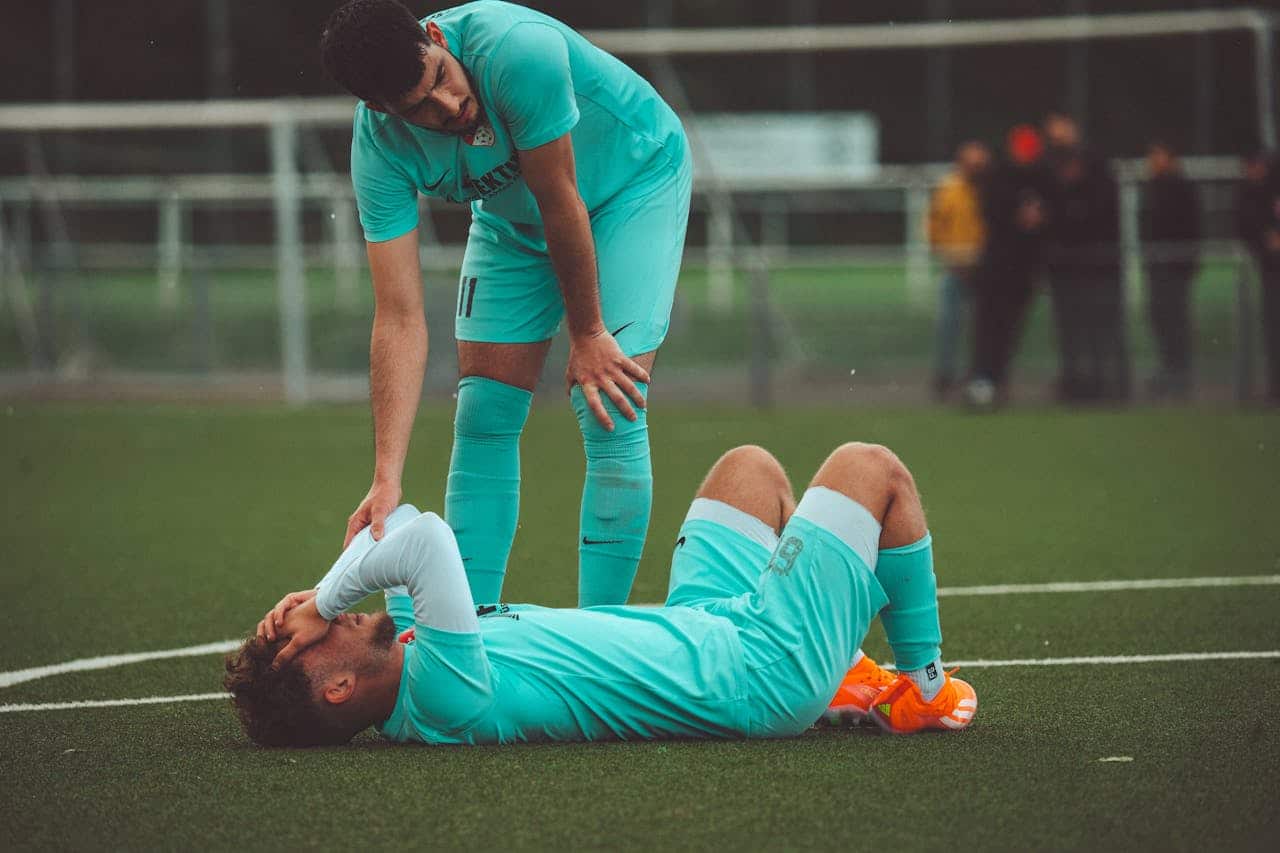
Many sports injuries are caused by high-energy impacts. A cyclist hitting the ground, a football player colliding mid-air, or a skateboarder falling forward can all experience multiple injuries simultaneously.
For example:
- A forward fall can lead to both a broken arm and dental trauma
- A direct collision may impact the face and shoulder area at once
- Lack of protective gear increases multi-zone injuries
This overlap explains why both dental and orthopedic treatments are sometimes needed together.
Coordinated Treatment for Full Recovery
When both dental and bone injuries occur, treatment must be carefully coordinated. Orthopedic care focuses on stabilizing and healing fractures, while dental care restores oral function and structure.
Orthopedic treatment typically involves:
- Imaging and diagnosis
- Fracture stabilization or surgery
- Physical therapy for mobility recovery
Dental treatment may include:
- Assessment of tooth and bone damage
- Healing period for jawbone recovery
- Implant placement when necessary
For patients dealing with serious upper limb injuries, you can visit Dr. Kevin Kruse if you need elbow and shoulder fracture treatment in Dallas to ensure proper orthopedic care and recovery planning.
The Challenges of Recovering From Multiple Injuries
Recovering from both dental and orthopedic injuries can be physically and emotionally demanding. Healing timelines may overlap, making recovery more complex.
Some challenges include:
- Difficulty eating during dental recovery
- Limited mobility from fractures
- Managing pain in multiple areas
- Longer overall recovery time
Patients often require a structured plan that addresses both issues without delaying either recovery process.
Returning to Sports After Major Injuries
Athletes are often eager to return to their sport, but rushing recovery can lead to long-term complications. Full healing must be confirmed for both dental and orthopedic injuries before resuming physical activity.
Key recovery milestones include:
- Full bone healing confirmed by imaging
- Restored joint strength and mobility
- Stable dental restoration
- Clearance from medical professionals
A gradual return to training helps reduce the risk of reinjury.
How Athletes Can Prevent Serious Combined Injuries
While not all accidents can be prevented, many serious injuries can be reduced with proper precautions.
Preventive strategies include:
- Wearing mouthguards in contact sports
- Using helmets and protective padding
- Strength training to support joints
- Learning safe falling techniques
- Following sport-specific safety rules
Prevention plays a key role in reducing both dental and orthopedic trauma.
A Complete Approach to Sports Injury Recovery
Serious sports injuries often go beyond a single area of the body. When trauma affects both teeth and bones, recovery requires a coordinated approach that addresses each injury properly.
By combining dental restoration with orthopedic treatment, patients can regain full function, confidence, and quality of life. A well-planned recovery strategy ensures that both oral health and physical mobility are fully restored, helping athletes return safely to the activities they love.