Visual clutter rarely feels like a problem in the beginning. It often reads as personality, detail, even creativity. A layered backsplash adds character. Open shelving brings a sense of openness. A mix of finishes feels curated rather than chaotic. Then something shifts. The space starts feeling harder to sit in, harder to move through, harder to focus in. Nothing looks wrong in isolation, though everything together begins to compete.
This quiet competition is what homeowners are starting to respond to. It shows up in small ways. A kitchen that feels overwhelming during a simple task. A living area where the eye keeps searching for a place to rest. The reaction is not dramatic, though it is consistent. Upgrade plans begin to move toward restraint. Not minimalism for the sake of style, but a deliberate effort to create spaces that feel composed, where each element has room to exist without fighting for attention.
Kitchen Clutter
Kitchens carry visual weight faster than any other space. They hold daily activity, constant movement, and a mix of materials that build over time. A patterned backsplash sits behind countertops filled with appliances. Cabinet finishes shift slightly from one section to another. Open shelves start with intention, then slowly fill with items that stay out for convenience. The result feels layered, though not in a controlled way. It feels busy.
At this point, small adjustments rarely solve the issue. Clearing surfaces helps temporarily, though the structure of the space continues to pull clutter back into view. In response to this, full remodel conversations begin. Working with firms like Lux Design Builds often comes into focus once homeowners recognize that the problem sits in the layout itself.
The goal becomes reducing visual friction at its source. Storage moves behind clean surfaces. Materials align instead of competing. The kitchen starts functioning as a single composition rather than a collection of separate ideas.
Mixed Materials
A mix of materials can create depth, though it can just as easily create tension. A warm wood tone against a cool-toned stone. Matte finishes next to high gloss. Metal accents that do not quite relate to anything around them. Each element might look strong on its own. Together, they pull the space in different directions.
This tension becomes noticeable over time. The eye moves constantly, trying to reconcile what it is seeing. Homeowners are starting to respond by narrowing their material palette. Not to remove variation entirely, but to create continuity. When finishes speak to each other, the space feels intentional rather than assembled. It allows the design to settle instead of constantly shifting.
Clean Edges
Clean lines bring a kind of visual discipline that cluttered spaces lack. They define boundaries without adding weight. Cabinetry that aligns precisely. Countertops that read as uninterrupted planes. Transitions that feel considered rather than incidental.
Movement becomes easier because the layout feels readable. Surfaces feel calmer because they are not interrupted by unnecessary detail. The space does not ask for attention at every turn. Instead, it allows attention to move naturally. This subtle change is why clean edges are gaining traction.
Layered Decor
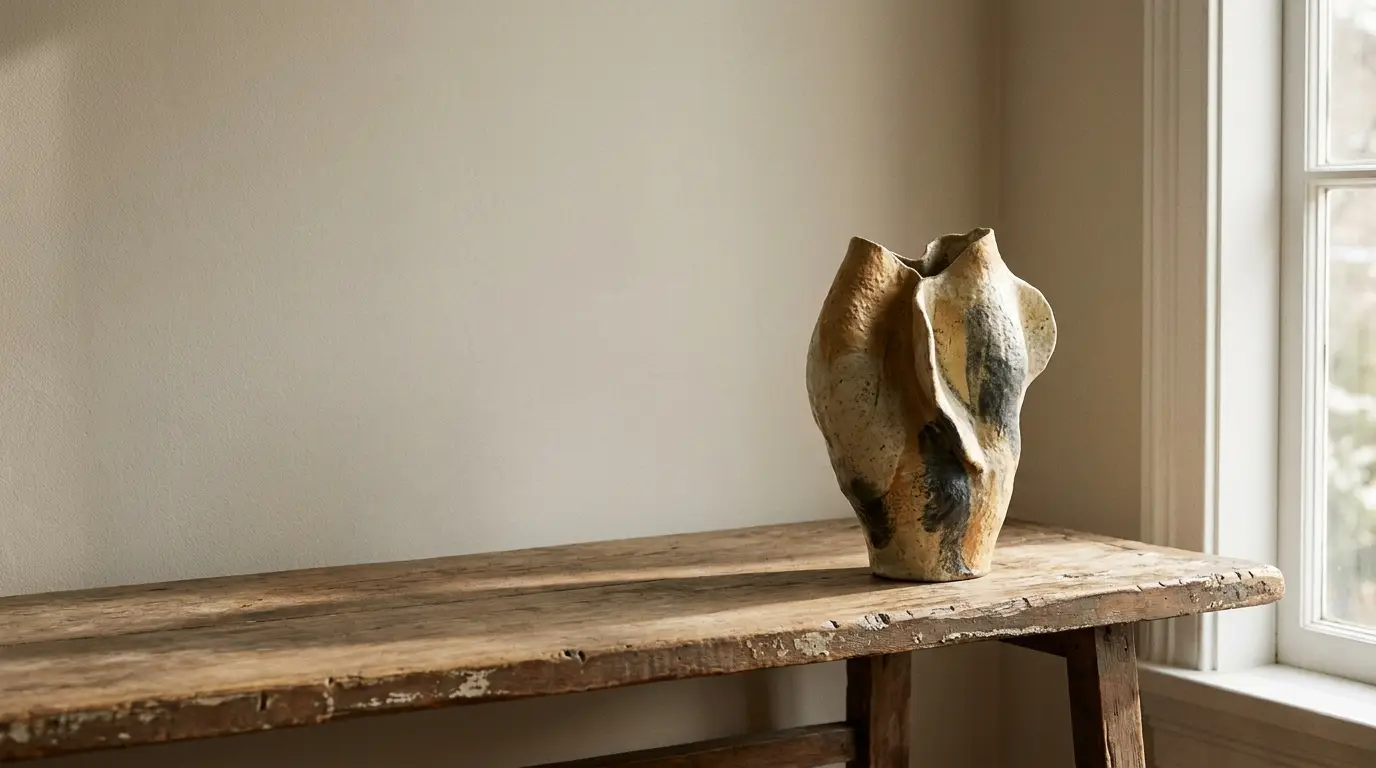
Layering has long been used to create interest, though in high-use spaces, it tends to accumulate rather than refine. Decorative objects stack over time. Textures overlap. Surfaces become filled with items that once felt intentional. The result often feels heavier than expected.
Homeowners are beginning to edit more carefully. Not removing personality, but curating it. A single sculptural piece on a console carries more presence than several smaller items competing for attention. Negative space starts becoming part of the design rather than something to fill.
Busy Patterns
Patterns draw attention by design. A bold backsplash or a detailed tile can anchor a space, though constant exposure changes how that detail feels. What once felt expressive begins to feel demanding. The eye does not get a break, especially in spaces used throughout the day.
That is where the shift toward quieter surfaces begins. Homeowners are leaning toward finishes that hold interest without overwhelming. Subtle texture replaces high contrast. Tone replaces pattern. The space still carries depth, though it no longer insists on being noticed at every moment.
Simpler Color Direction
Color can either steady a space or pull it apart. Busy combinations tend to create subtle tension, especially once they sit in the background of daily life. A bold wall paired with contrasting cabinetry and layered accents might feel exciting at first, though over time, it becomes something the eye keeps working to process. That effort adds to the overall sense of visual noise, even if each color was chosen with intention.
That is why many homeowners are moving toward a more controlled palette. Not plain, not empty, just more focused. A softer range of tones allows materials and shapes to stand out without competition. The space starts feeling grounded.
Entryway Pressure
The entryway is the first visual impression and often the most overloaded. Shoes stack near the door, bags land wherever there is space, keys collect in small piles. Add a mirror, a console, a few decorative pieces, and suddenly the space feels crowded before you even step further inside.
That buildup creates a subtle sense of disorder that carries into the rest of the home. Homeowners are starting to notice how much that first moment matters. Clearing visual clutter in the entryway changes the entire experience.
Walls That Compete
Art, frames, shelves, decorative accents. Each piece might hold meaning, though together they can start to compete. The eye moves from one item to another without ever settling. Instead of feeling personal, the wall begins to feel crowded.
That is where editing becomes important. Homeowners are pulling back, keeping pieces that truly stand out and letting the rest go. A single large artwork can carry more presence than several smaller ones scattered across the same surface.
Lighting Reveals Everything
A well-lit room highlights every surface, every detail, every object left in view. In a cluttered space, that means everything becomes more noticeable. What once blended into the background starts standing out in ways that feel overwhelming.
That realization is no longer just about brightness, but about control. Where the light falls, what it highlights, and what it softens.
Tech in Plain Sight
Technology has quietly become one of the biggest contributors to visual clutter. Cables, chargers, small devices, routers, speakers. They tend to gather in the same areas where people spend the most time. Even in well-designed spaces, those elements can break the visual flow.
That disruption becomes more noticeable once everything else is simplified. Homeowners begin looking for ways to integrate or conceal these elements so they do not interrupt the overall design. It is less about hiding technology completely and more about controlling how visible it is.
Visual clutter has become something people feel in their daily routines. The move toward simpler, more composed spaces is not about removing personality. It is about creating environments that feel steady, clear, and easy to live in without constant visual interruption.