Kitchen remodeling can completely transform the way a home looks, feels, and functions. New cabinets, countertops, flooring, appliances, and layouts can make an outdated kitchen more attractive and practical. However, before the finished space comes together, homeowners and contractors have to deal with one unavoidable part of renovation: debris.
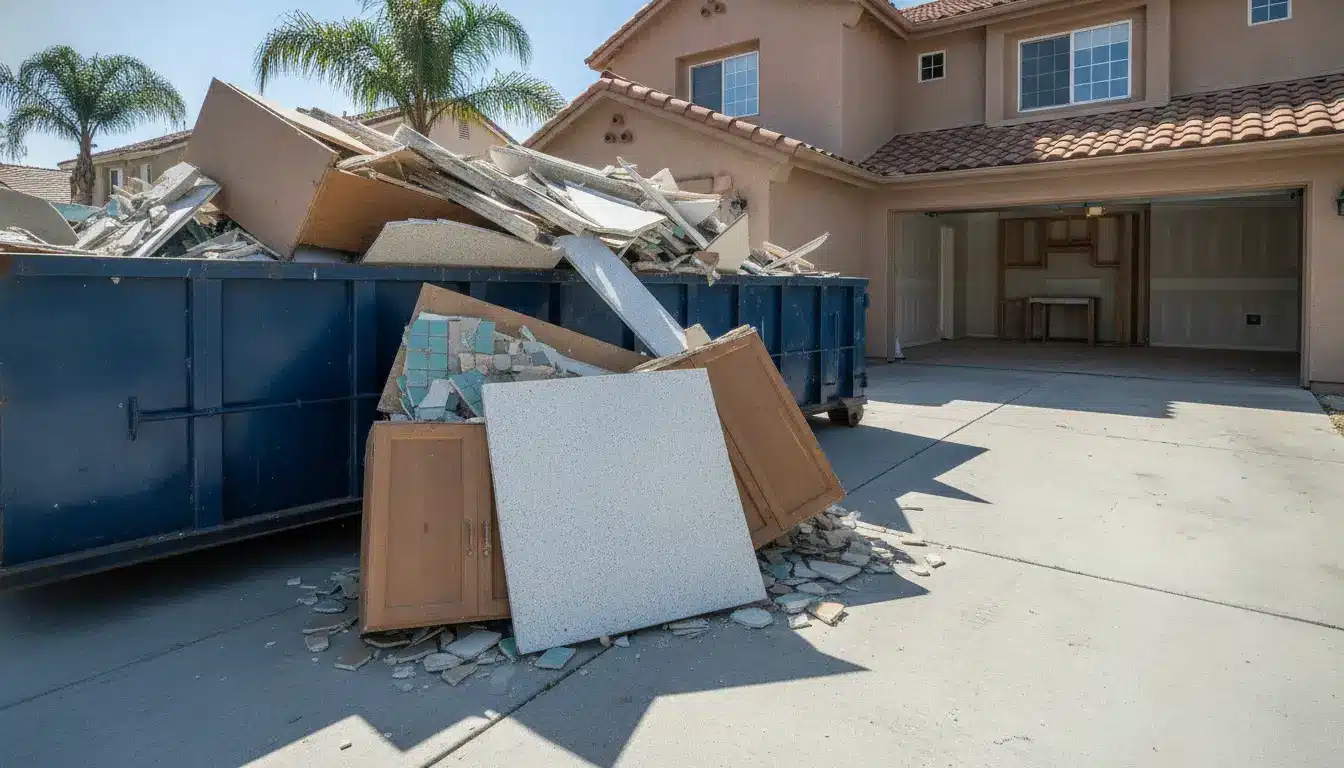
Old cabinets, broken tile, drywall, countertops, packaging, and other construction waste can accumulate surprisingly quickly. For many Kitchen Remodeling Thousand Oaks projects, arranging a Dumpster Rental before demolition begins can make waste management safer, cleaner, and more efficient throughout the renovation.
Kitchen Remodels Produce More Debris Than Expected
A kitchen may occupy only a portion of the home, but remodeling one can generate a substantial amount of waste.
Removing existing cabinets alone can create a large pile of bulky material. Add old countertops, backsplashes, flooring, drywall, sinks, fixtures, and appliance packaging, and the volume increases quickly.
Without a waste-management plan, debris may end up scattered across a driveway, garage, backyard, or work area. This creates additional cleanup work and can interfere with contractors moving materials in and out of the house.
Having a designated container gives the project one centralized place for acceptable construction waste.
A Dumpster Keeps the Job Site Organized
Organization is particularly important during remodeling because multiple trades may be working within a relatively small area.
Demolition crews, electricians, plumbers, cabinet installers, flooring professionals, and painters may all need access to the kitchen at different stages. When discarded materials are left around the property, they can occupy valuable working space.
A dumpster allows workers to remove unwanted materials from the kitchen as demolition progresses instead of creating temporary debris piles.
A cleaner job site also makes it easier to see what materials remain, what work has been completed, and what needs to happen next.
It Can Improve Work-Site Safety
Construction debris is more than an inconvenience. It can create potential safety hazards.
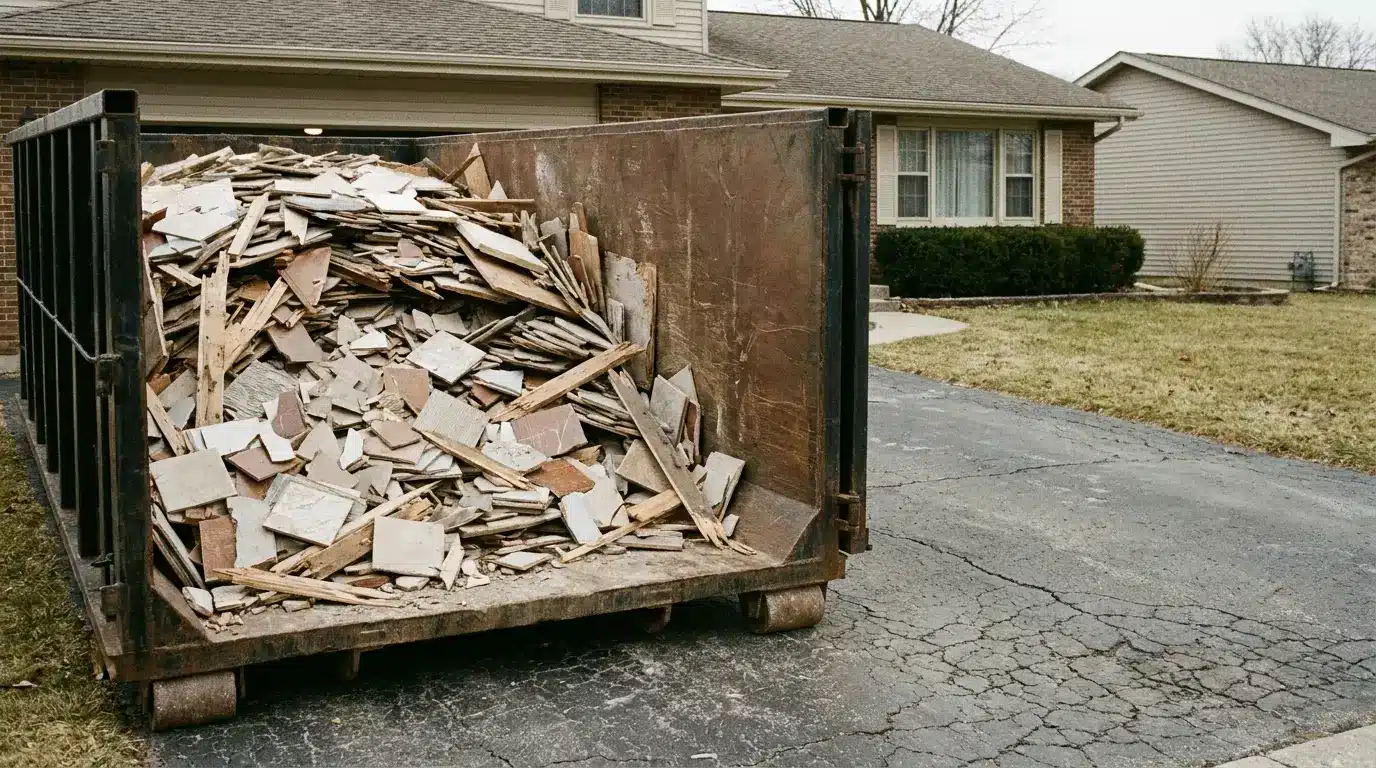
Broken tile may have sharp edges. Nails and screws can remain attached to old cabinetry or lumber. Pieces of drywall, wood, and packaging can create tripping hazards when left in walkways.
Moving waste into a designated dumpster as it is generated helps keep primary work areas and access routes clearer.
Homeowners should still follow appropriate safety practices and make sure contractors handle potentially hazardous or restricted materials according to local requirements.
Demolition Becomes More Efficient
Demolition is usually one of the first major stages of a kitchen renovation, and efficient waste removal can help keep the project moving.
Imagine removing an entire set of cabinets and then having nowhere to put them. Workers may need to move the same materials multiple times—from the kitchen to the garage, from the garage to a vehicle, and eventually to an appropriate disposal facility.
With a properly positioned dumpster, debris can often be removed from the work area and placed directly into the container.
Reducing unnecessary material handling can save time and allow contractors to concentrate on the renovation itself.
It Helps Protect Other Areas of the Property
When there is no designated waste area, construction debris can spread beyond the kitchen.
Homeowners may find pieces of material in the garage, driveway, side yard, or other areas being used for temporary storage. Heavy or sharp debris can potentially damage finished surfaces when repeatedly moved or stored improperly.
Planning the dumpster location in advance helps contain the mess in one controlled area.
Placement should be coordinated carefully so the container does not unnecessarily block vehicles, entrances, contractor access, or other essential parts of the property.
Choosing the Right Dumpster Size Matters
Not every kitchen remodel generates the same amount of waste.
A cosmetic renovation involving new paint, fixtures, and cabinet refinishing may require significantly less disposal capacity than a complete demolition involving flooring, cabinets, countertops, walls, and structural modifications.
Choosing a dumpster that is too small could require additional pickups or another container. Renting one that is unnecessarily large may mean paying for capacity the project never uses.
Before scheduling a Dumpster Rental, discuss the approximate scope of demolition and the types of materials being removed. A rental provider can explain available container sizes and help determine which option is appropriate.
Understand What Can Go Into the Dumpster
Homeowners should never assume that every item removed during remodeling can automatically be placed in a standard construction dumpster.
Rules can vary depending on the rental provider and local disposal requirements. Certain paints, chemicals, batteries, electronics, appliances, and other materials may require separate handling.
Ask the provider for a list of prohibited or restricted materials before demolition starts. Contractors should also be informed of these requirements so prohibited items are not accidentally placed in the container.
Taking a few minutes to understand the rules can help prevent delays or unexpected charges later.
Dumpster Placement Should Be Planned Early
The location of the dumpster can affect both convenience and efficiency.
Ideally, it should be close enough to the renovation area that workers can dispose of debris easily while still allowing normal access to the home. The delivery vehicle also needs adequate space to safely place and retrieve the container.
Driveway protection may be worth discussing with the rental provider, particularly when a heavy container will remain on the property for an extended period.
Depending on where the dumpster will be placed, homeowners should also determine whether local rules, community requirements, or permits apply.
Rental Timing Can Support the Remodeling Schedule
A dumpster should ideally arrive before major demolition begins.
Having it delivered too late means workers may need to create temporary waste piles. Having it arrive too early could use up rental days before the project actually generates significant debris.
Coordinate delivery with the remodeling contractor’s schedule. For larger renovations, it may also be helpful to estimate when the majority of demolition will be completed and whether additional pickups could be necessary.
Good scheduling helps ensure waste removal supports the project rather than becoming another source of delays.
Cleaner Sites Can Make Remodeling Less Disruptive
Living through a kitchen remodel can be challenging. Homeowners may already be dealing with noise, dust, contractors entering the property, and the temporary loss of an important living space.
Uncontrolled piles of construction waste add another layer of disruption.
A designated dumpster will not eliminate the inconvenience of remodeling, but it can help keep the exterior work area more orderly. This is especially valuable when homeowners remain in the property during construction.
Waste Planning Should Be Part of the Project From the Beginning
Homeowners often spend considerable time selecting cabinets, countertops, appliances, flooring, and fixtures but give much less thought to what happens to the materials being removed.
Waste management should be included in the renovation plan alongside demolition, material deliveries, contractor schedules, and inspections.
For Kitchen Remodeling Thousand Oaks projects involving substantial demolition, discussing disposal requirements with the contractor before work starts can prevent confusion over who is responsible for ordering the container, paying rental fees, and arranging pickup.
Final Thoughts
Successful kitchen remodeling depends on much more than selecting attractive finishes. The practical details behind the project—including demolition and debris removal—can have a significant impact on how smoothly the renovation progresses.
A properly planned Dumpster Rental provides a centralized location for construction waste, helps keep working areas organized, reduces unnecessary handling of debris, and supports a cleaner and safer renovation environment.
By choosing the appropriate container size, understanding disposal restrictions, planning placement, and coordinating delivery with the construction schedule, homeowners can take care of one of the least glamorous—but most important—parts of a kitchen remodel before demolition even begins.