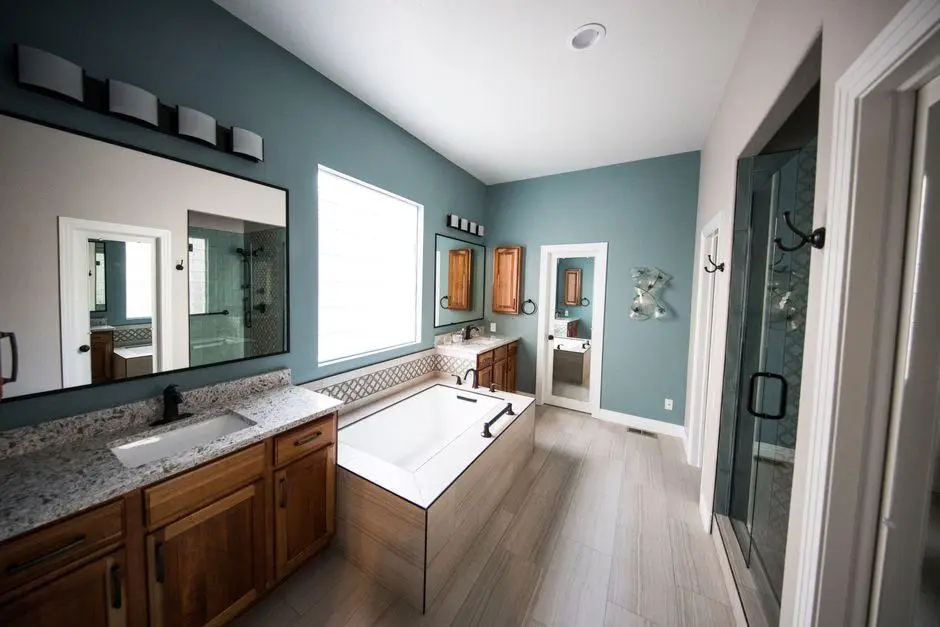
A remodeling project can change direction quickly once demolition begins inside an older home. Fresh paint colors, updated flooring, and modern fixtures may seem like the primary focus during the planning stage, but hidden conditions behind walls and beneath surfaces often tell a very different story. Renovation work regularly exposes aging materials and long-ignored structural issues that homeowners never realized existed.
Many problems stay hidden for decades because finished surfaces conceal what is happening underneath. A room may appear perfectly stable while moisture slowly damages framing behind the drywall. Floors can look level even when old support systems have already started weakening beneath them. Remodeling simply becomes the moment when those concealed problems finally come into view.
This is one reason experienced contractors spend significant time evaluating older homes before major renovations begin. Projects involving Home remodeling in Columbus, OH frequently uncover outdated systems that no longer match current safety standards or modern living demands. Discoveries like these can initially surprise homeowners, but addressing them during renovation often prevents larger problems later.
Aging Electrical Systems Often Struggle With Modern Demands
Homes built decades ago were designed around much lower electrical usage than what families require today. Older wiring systems originally supported a limited number of appliances, lights, and outlets. Modern households, however, rely on computers, entertainment systems, large kitchen appliances, charging stations, and home office equipment throughout the day.
Once walls are opened during renovation, contractors often discover overloaded circuits, outdated wiring materials, or electrical modifications completed improperly years earlier. Some homes contain additions or upgrades that were connected into existing systems without adequate planning. While everything may appear functional on the surface, hidden strain can create long-term safety concerns.
Electrical modernization becomes especially important during kitchen remodeling and basement finishing projects where energy demand increases significantly. Updating wiring while walls are already exposed usually proves more practical than postponing corrections for the future. In many renovation projects managed through Homecraft Remodeling, electrical upgrades become a necessary part of improving overall functionality and safety together.
Water Damage Frequently Exists Beyond Visible Areas
Moisture problems rarely remain limited to one small visible location. Water often travels slowly behind walls, beneath flooring, or around insulation before any clear signs appear inside the home. By the time stains or soft surfaces become noticeable, hidden deterioration may already extend much farther than expected.
Bathrooms, kitchens, laundry rooms, and basements commonly reveal concealed moisture damage during demolition. Leaking pipes, failed seals, poor ventilation, or roof drainage issues can gradually weaken surrounding materials over many years. Homeowners are often surprised by how long these conditions remained hidden without obvious warning signs.
Once flooring or drywall is removed, contractors may uncover mold growth, damaged framing, or deteriorating subfloor systems requiring immediate attention. Correcting these issues during renovation helps protect the long-term durability of the updated space rather than covering the problem temporarily beneath new finishes.
Previous Remodeling Work Sometimes Creates New Challenges
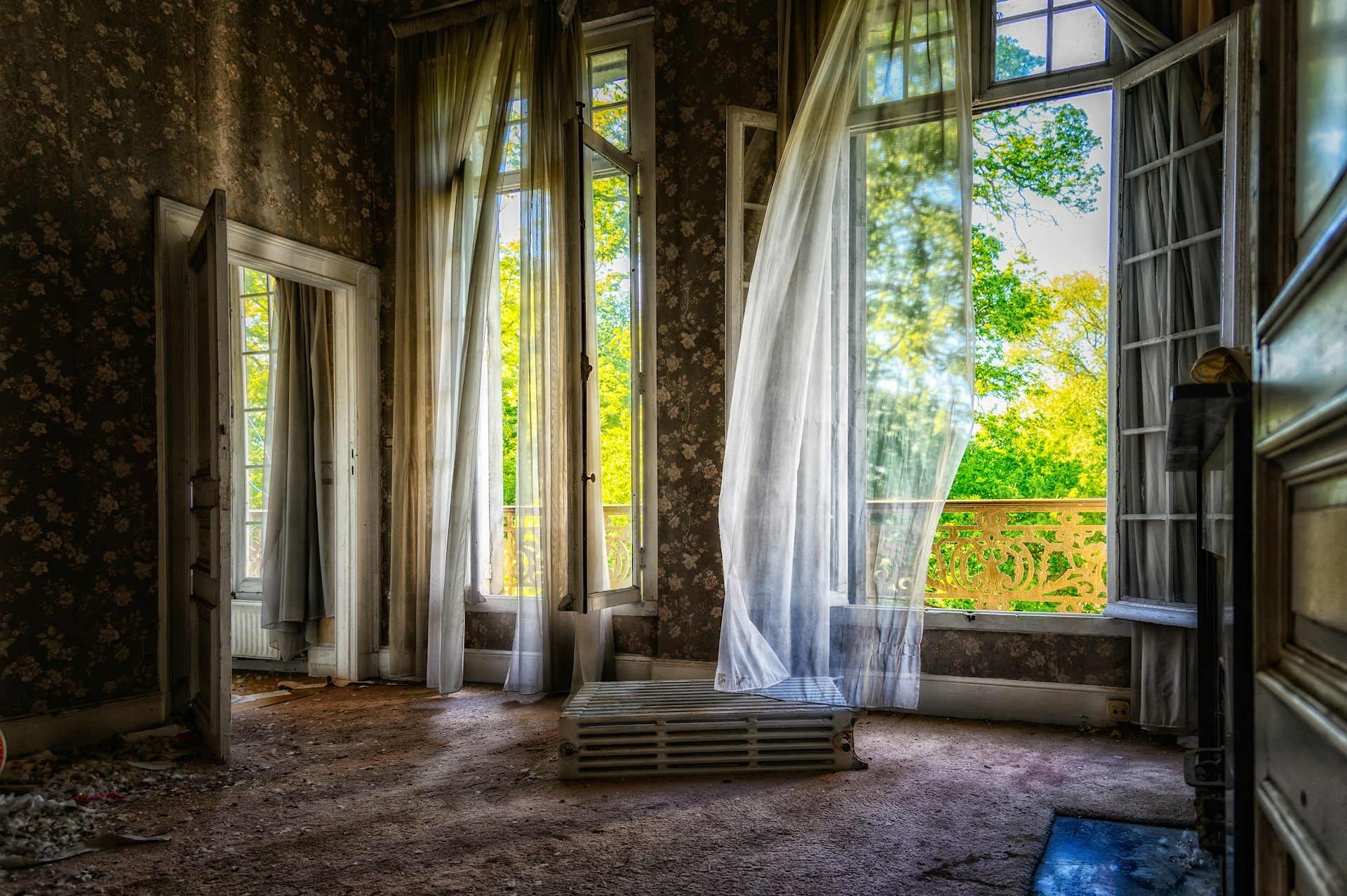
Not every hidden issue comes from age alone. Older homes occasionally contain renovation work completed decades earlier using outdated methods or shortcuts that no longer meet modern standards. Once demolition begins, contractors may discover inconsistent framing, unsupported openings, or improperly installed plumbing and electrical systems.
Some homeowners unknowingly inherit these conditions after purchasing properties that appeared fully renovated on the surface. Cosmetic improvements may have hidden deeper construction problems rather than solving them properly. Remodeling exposes these earlier decisions in ways homeowners often do not anticipate during initial planning stages.
Unexpected discoveries can affect timelines and budgets, but they also create opportunities to correct long-standing issues correctly. Renovating over flawed work typically leads to larger complications later. Proper structural corrections help ensure new upgrades remain stable and reliable moving forward.
Insulation Problems Become More Obvious During Demolition
Many older homes contain insulation systems that no longer perform effectively compared to modern efficiency expectations. Some walls have minimal insulation entirely, while other areas contain compressed or deteriorated materials that provide very little temperature control. Homeowners may only realize how inefficient the home has become once renovation work exposes these hidden conditions.
Drafts, inconsistent temperatures, and high utility costs often connect directly to outdated insulation behind walls and ceilings. Poor insulation can also contribute to moisture buildup when airflow and ventilation systems fail to regulate interior conditions properly. Renovation creates an ideal opportunity to improve energy efficiency before surfaces are closed again.
Better insulation not only affects heating and cooling costs but also improves indoor comfort throughout the year. Rooms maintain more stable temperatures, outside noise decreases, and HVAC systems operate more efficiently overall. These upgrades often provide benefits homeowners notice immediately after the project is completed.
Structural Surprises Are More Common Than Many Expect
Structural movement develops gradually over time, especially in homes exposed to decades of settling, weather changes, or moisture exposure. Small cracks and uneven surfaces may appear minor visually while larger underlying issues continue progressing beneath the surface. Renovation work often reveals how those stresses have affected framing and support systems internally.
Contractors sometimes uncover weakened joists, shifted supports, or sagging floor structures once flooring and drywall are removed. In some homes, previous owners may have altered walls without fully understanding how those changes affected structural stability. Correcting these conditions becomes essential before cosmetic improvements continue.
Not every structural issue indicates severe danger, but ignoring these discoveries can create long-term complications if renovations proceed without proper reinforcement. Careful evaluation helps determine which corrections are necessary to support the updated layout safely.
Plumbing Layouts May No Longer Fit Modern Usage
Older plumbing systems were designed around very different household expectations than modern homes demand today. Pipe placement, drainage capacity, and fixture layouts sometimes become inefficient once homeowners attempt larger kitchen or bathroom renovations. Demolition often reveals outdated piping materials or awkward plumbing routes hidden inside walls and floors.
Galvanized pipes, aging shut-off systems, and poorly positioned drains may restrict renovation possibilities unless updates are completed first. Some homeowners discover that previous repairs used temporary solutions that no longer support reliable long-term performance. These problems typically remain hidden until renovation work reaches the underlying infrastructure directly.
Modern plumbing improvements allow layouts to function more efficiently while supporting updated appliances and fixtures. Addressing these concerns during renovation prevents future disruptions after new finishes are already installed.
Renovation Often Improves More Than Appearance Alone
Many homeowners begin remodeling projects focused mainly on visual improvements, but the process frequently becomes an opportunity to strengthen the home behind the scenes as well. Hidden issues uncovered during demolition can feel frustrating initially, yet correcting them improves long-term safety, efficiency, and durability in ways cosmetic upgrades alone cannot achieve.
Older homes often contain strong architectural character and lasting value, but decades of wear gradually affect the systems supporting everyday comfort. Renovation allows homeowners to modernize both visible spaces and concealed infrastructure at the same time. Addressing hidden conditions early usually creates stronger long-term results than postponing repairs repeatedly.
Teams at Homecraft Remodeling regularly guide homeowners through these unexpected discoveries with practical solutions that balance structural needs, functionality, and design goals. Once underlying problems are corrected properly, the finished renovation tends to feel more dependable, efficient, and built to last for many years ahead.