There’s a moment most parents remember.
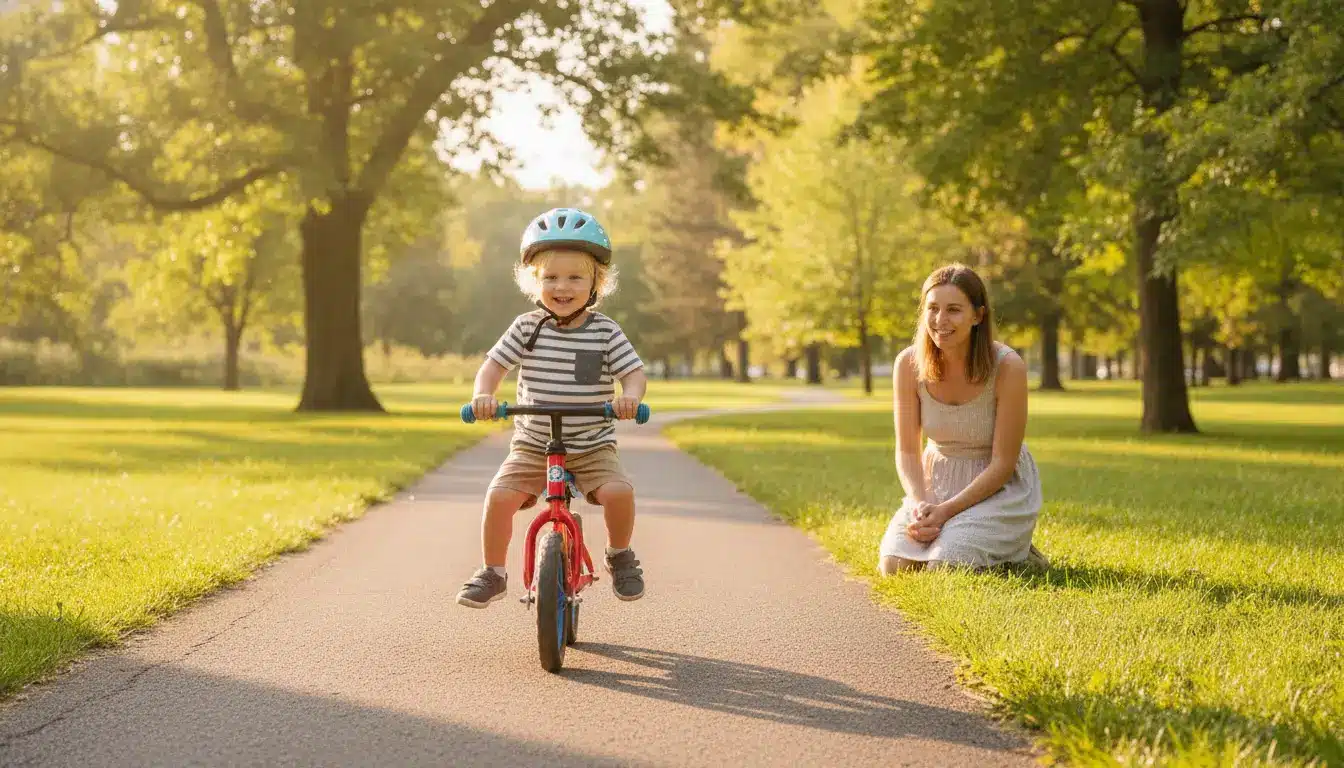
Your toddler spots another child riding across the playground with a huge smile. They point excitedly and ask, “Can I try that?”
At first glance, it looks like a tiny bicycle—but something seems missing. There are no pedals. No training wheels. Just two wheels, a seat, and a child gliding confidently across the pavement.
Honestly, I used to think balance bikes were just another trendy toy. But after watching how quickly kids learn to ride them, I realized they’re much more than that.
If you’ve been wondering what is a balance bike for kids, you’re not alone. More parents are choosing balance bikes over traditional bikes with training wheels because they make learning to ride feel natural, fun, and surprisingly stress-free.
Let’s take a closer look at why.
What Is a Balance Bike for Kids?
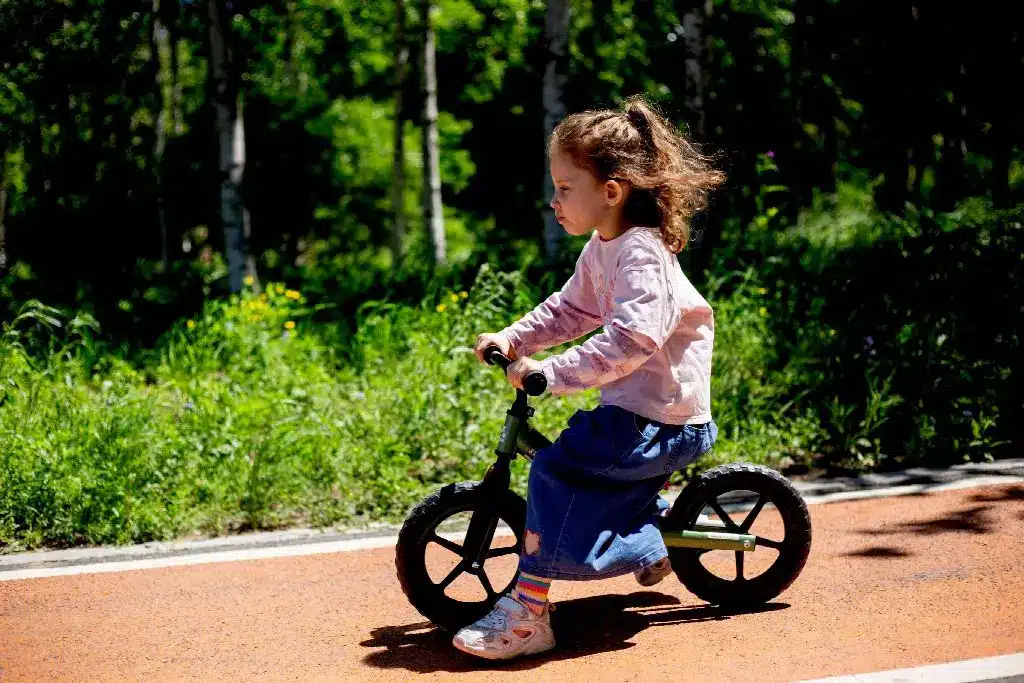
A balance bike for kids is a small bicycle without pedals or training wheels. Instead of pedaling, children push themselves forward using their feet while learning how to balance, steer, and stop on their own.
It may sound almost too simple, but that’s exactly why it works.
Rather than depending on training wheels—which can actually delay balance skills—a balance bike teaches the most important part of riding first: staying upright.
Children naturally progress through a few stages:
- Walking while pushing the bike
- Sitting and taking small steps
- Gliding with both feet off the ground
- Steering confidently around corners
- Learning to stop safely
- Transitioning to a regular pedal bike
Because they’re learning balance from the beginning, many children skip training wheels altogether.
How Does a Balance Bike Work?
The secret is simple.
Instead of focusing on pedaling, children can put all their attention on controlling the bike.
Every little push helps them understand:
- How to keep their balance
- How to steer smoothly
- How to slow down safely
- How to judge speed and direction
You know what? Kids often don’t even realize they’re learning.
To them, it simply feels like play.
As they become more comfortable, they’ll naturally lift both feet for longer periods and glide farther. Before long, balancing becomes second nature.
That’s why so many parents are amazed by how quickly their children transition to a traditional bicycle.
What Age Is a Balance Bike Best For?
One of the most common questions parents ask is when to start.
Generally, children are ready once they can walk confidently on their own. For many toddlers, that’s between 12 and 18 months, although every child develops at a different pace.
A few signs your child may be ready include:
- Walking steadily without support
- Standing on one foot for a few seconds
- Enjoying climbing and running
- Showing curiosity about bikes
There’s no need to rush.
Some toddlers hop on immediately, while others spend several weeks simply pushing the bike around before sitting on it. That’s completely normal.
The goal isn’t speed—it’s confidence.
Why Starting Early Makes a Difference
One of the biggest advantages of introducing a balance bike early is that children develop important physical skills naturally.
When toddlers balance their own bodies instead of relying on training wheels, they activate muscles and coordination that traditional beginner bikes don’t encourage.
As they learn to push, steer, glide, and stop, they’re strengthening:
- Core muscles
- Leg strength
- Balance
- Coordination
- Spatial awareness
- Reaction time
These skills help far beyond bike riding.
Whether they’re climbing playground equipment, running through the park, or learning a new sport later in life, strong balance and coordination make everyday movement easier.
Balance Bikes Build Confidence
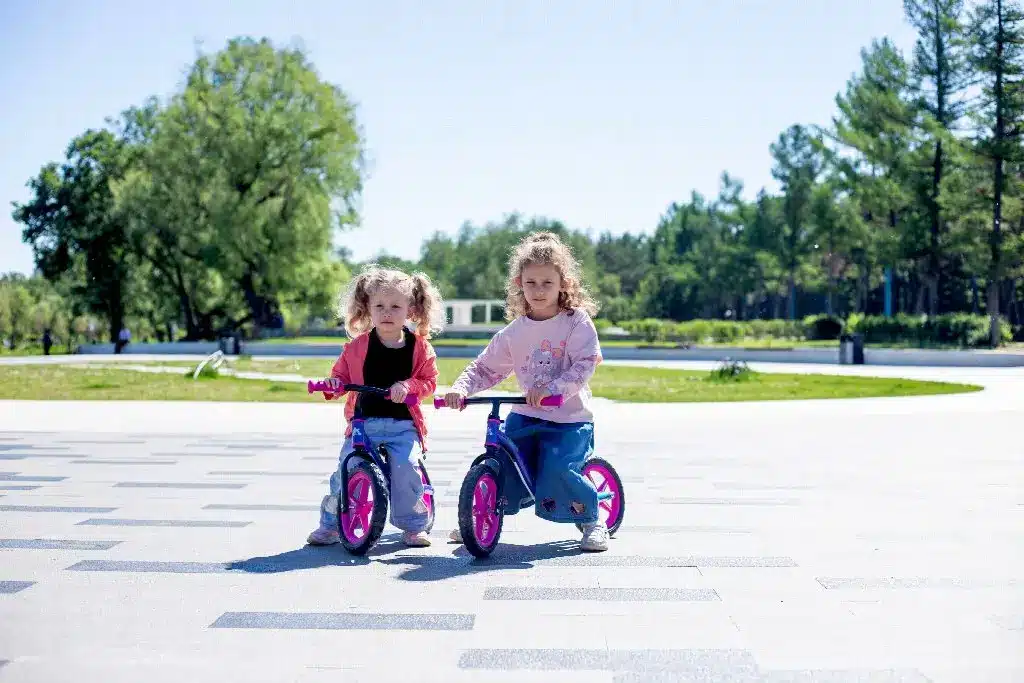
Learning new skills can feel intimidating for toddlers.
Balance bikes remove much of that fear because children’s feet remain close to the ground.
If they lose balance?
They simply put their feet down.
If they want to slow down?
They stop naturally.
That feeling of control makes a huge difference.
I didn’t expect confidence to be one of the biggest benefits, but after watching so many young riders, it’s hard to ignore.
Children quickly realize they’re in charge of the bike. Every little success—gliding a few feet farther or making a smooth turn—encourages them to keep trying.
Confidence grows one ride at a time.
A Smart Investment for Growing Toddlers
Let’s be honest. Toddlers outgrow toys incredibly fast.
Fortunately, many balance bikes are designed with adjustable seats and handlebars, allowing them to grow alongside your child for several years.
That makes them an excellent value compared to toys that lose their appeal after only a few weeks.
For example, KRIDDO toddler balance bikes feature adjustable designs that accommodate growing riders, helping families get more use from a single bike.
If you’re shopping for a birthday gift, especially for a little one turning two, a toddler bike offers much more than excitement on the big day. It gives children a fun outdoor activity while teaching a lifelong skill.
How to Teach Your Child to Ride a Balance Bike
Parents often wonder how much instruction is needed.
Honestly, probably less than you think.
One of the biggest advantages of balance bikes is that children naturally figure things out through play.
Here are a few tips that make learning easier:
- Let your child explore the bike before expecting them to ride.
- Avoid holding the bike unless it’s absolutely necessary.
- Praise effort instead of speed.
- Keep practice sessions short but frequent.
- Allow your child to progress at their own pace.
Don’t worry if your toddler doesn’t immediately sit on the seat. Some children begin by walking beside the bike. Others straddle it while taking tiny steps. Eventually those little steps become longer pushes, and before you know it, they’re gliding across the driveway.
Learning doesn’t happen overnight, but it often happens faster than parents expect.
Common Mistakes Parents Should Avoid
It’s natural to want to help. Sometimes, though, helping too much actually slows learning.
Here are a few common mistakes:
Choosing the Wrong Size Bike.
Your child’s feet should rest flat on the ground while sitting comfortably on the seat.
Pushing Children Before They’re Ready.
Every child learns differently. Avoid comparing your toddler with others.
Practicing on Steep Hills.
Flat sidewalks, driveways, or parks provide the safest learning environment.
Holding the Bike Constantly.
Children learn balance by making small adjustments on their own. Giving them space builds both skills and confidence.
Balance Bike vs. Training Wheels
Parents often ask whether training wheels are still necessary. For many families, the answer is no. Training wheels teach children how to pedal before learning balance. Balance bikes reverse that order.
Since balance is the hardest part of riding a bicycle, learning it first often makes the transition to pedals much smoother. Many children who start on balance bikes move directly to a regular bicycle without ever needing training wheels. That saves both time and frustration.
Final Thoughts
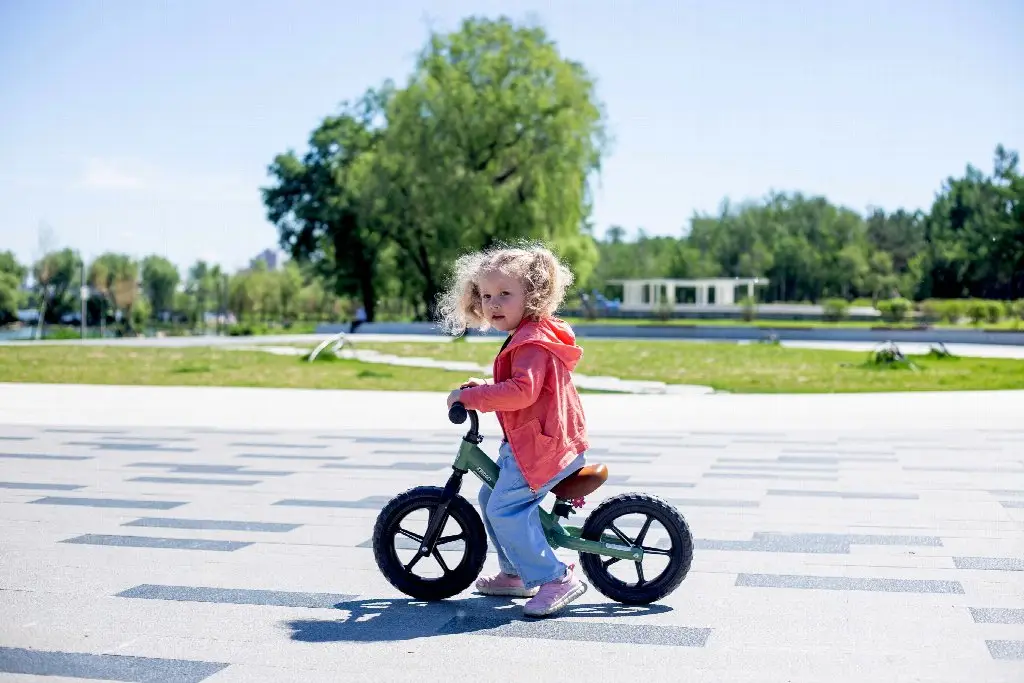
So, what is a balance bike for kids?
It’s much more than a bike without pedals.
It’s a simple tool that helps toddlers develop balance, coordination, confidence, and independence while having fun outdoors.
Whether your child starts riding at 18 months or closer to age three, the experience is less about reaching milestones quickly and more about allowing them to learn through exploration.
Watching your toddler push off for the very first glide is one of those parenting moments you’ll probably never forget.
And when the day comes that they hop onto a pedal bike without asking for training wheels, you’ll understand why so many families choose a balance bike as that important first step.