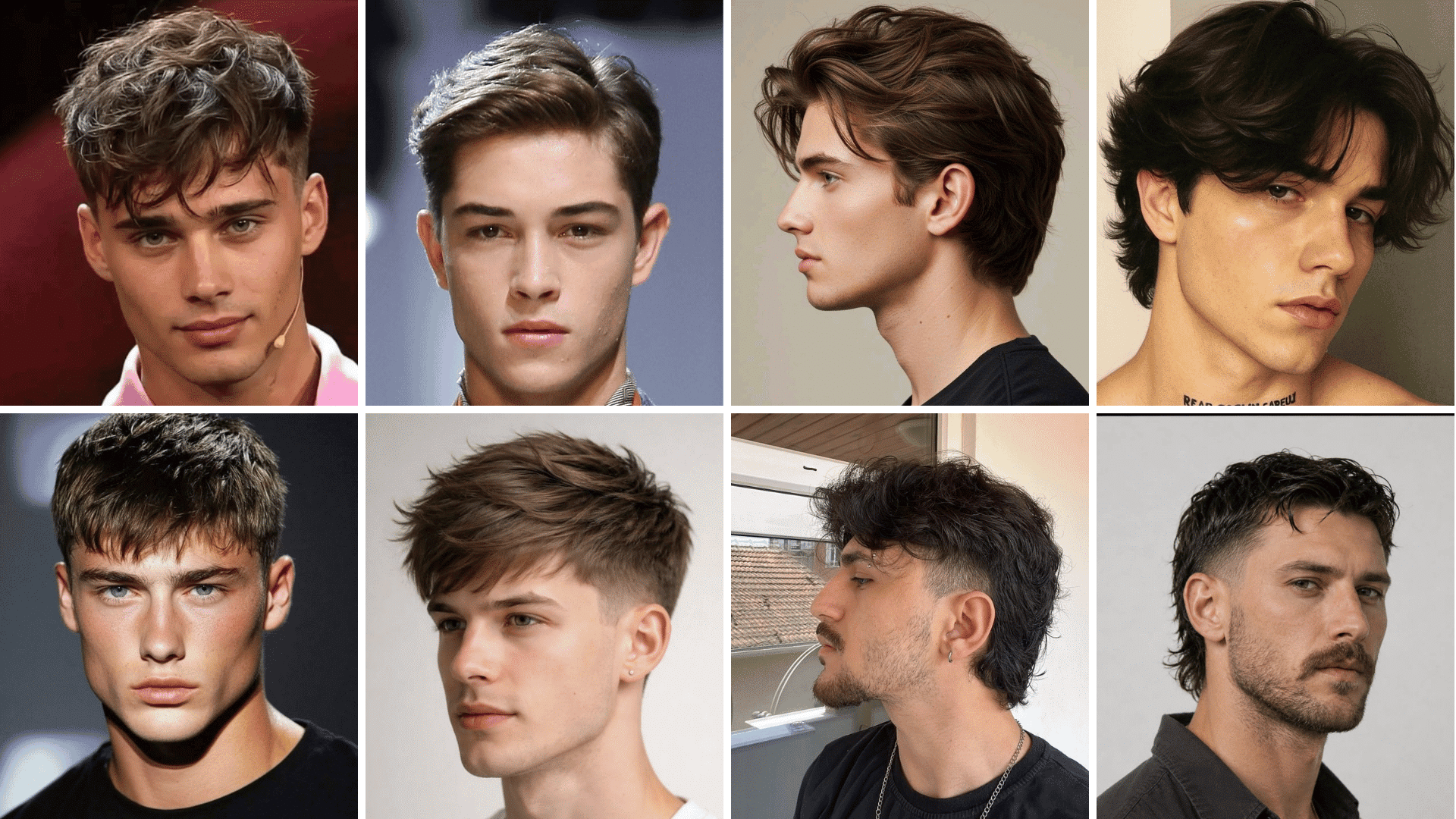
Choosing a new haircut can get confusing fast, especially when so many styles look similar at first glance.
I’ve seen how easy it is to like a haircut in a photo but still struggle to explain it at the barbershop. With so many men’s haircut options, even small differences in length, texture, or shape can change the overall look.
Knowing the common names makes it easier to compare styles and feel more confident before your next appointment.
Types of Men’s Haircuts at a Glance
Men’s haircuts vary by length, shape, texture, and maintenance, so a quick comparison can make it easier to narrow down the right style.
| Haircut | Best For | Hair Length |
|---|---|---|
| Buzz Cut | Simple everyday style | Very short |
| Crew Cut | Clean and versatile look | Short |
| French Crop | Textured modern finish | Short |
| Taper Haircut | Polished natural shape | Short to medium |
| Pompadour | Volume and definition | Medium |
| Curtain Haircut | Relaxed face-framing style | Medium |
Popular Haircuts for Men
Men’s haircuts range from simple low-maintenance styles to bold cuts that require regular styling.
1. Buzz Cut

A buzz cut keeps the hair very short and evenly clipped across the entire head using clippers.
Its clean and simple appearance makes it ideal for men who prefer minimal styling and easy upkeep.
The cut works especially well for active lifestyles and warmer weather while creating a sharp masculine finish that stays manageable between barber visits.
2. Crew Cut
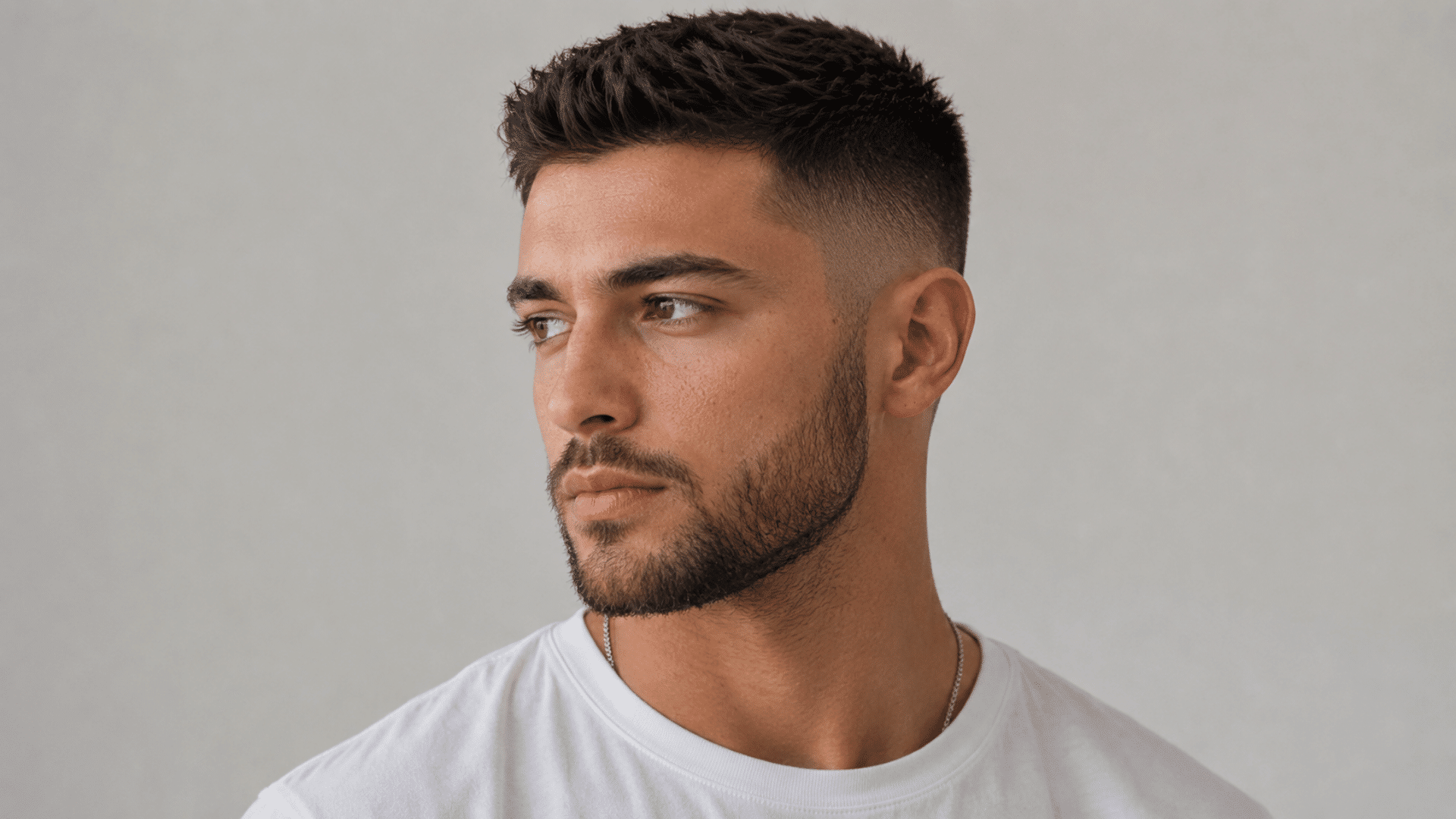
The crew cut combines short sides with slightly longer hair on top, gradually becoming shorter toward the crown.
It creates a structured and polished appearance without requiring much daily styling.
Because it suits many hair textures and face shapes, the crew cut works equally well for professional settings, casual outfits, and men who prefer practical hairstyles.
3. Ivy League
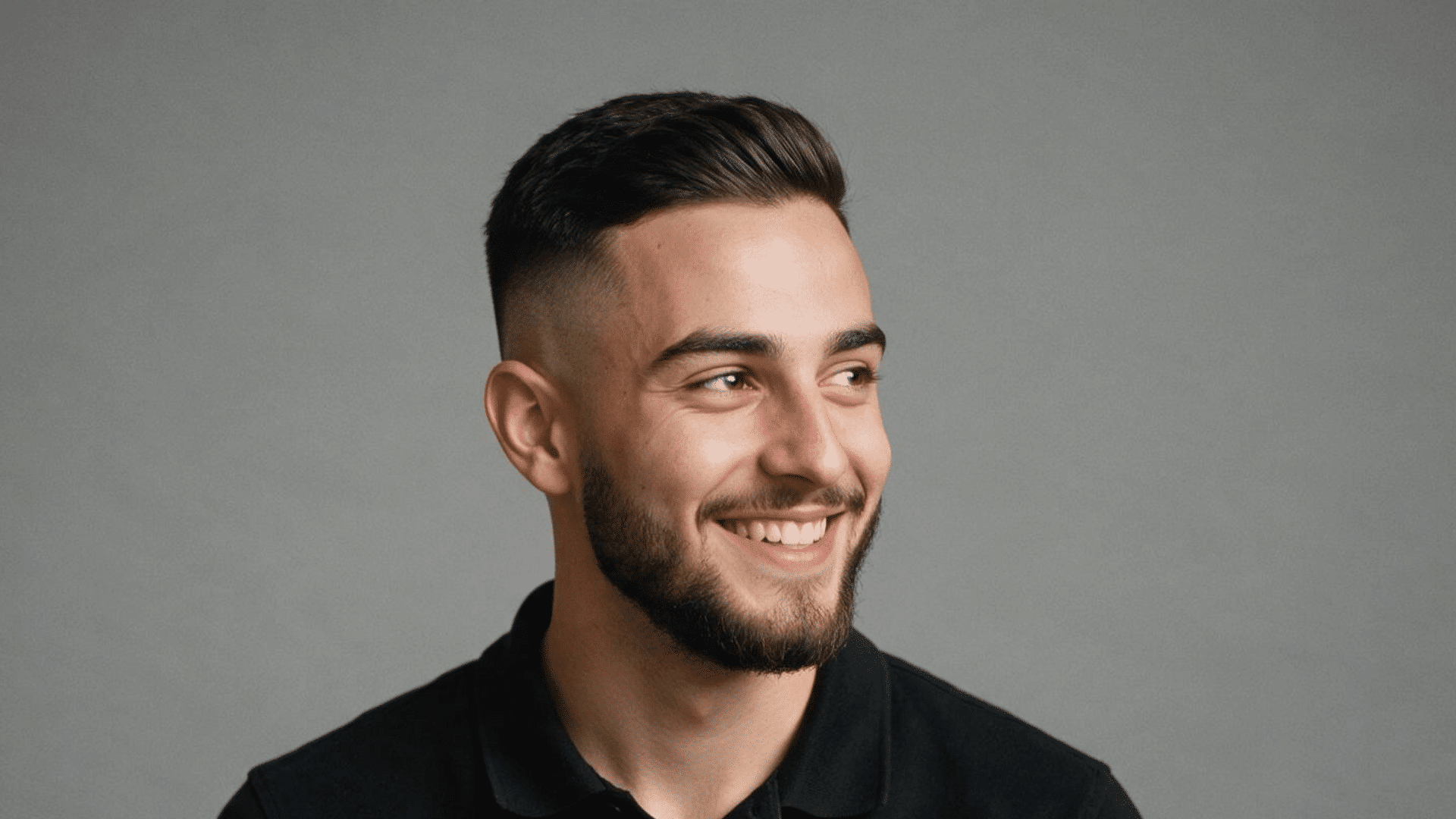
The Ivy League is a refined variation of the crew cut with enough length on top to create a neat side part.
The sides are usually tapered for a clean transition.
Its polished appearance makes it especially suitable for offices and formal occasions while still offering enough styling flexibility for more relaxed looks outside of work.
4. Caesar Cut
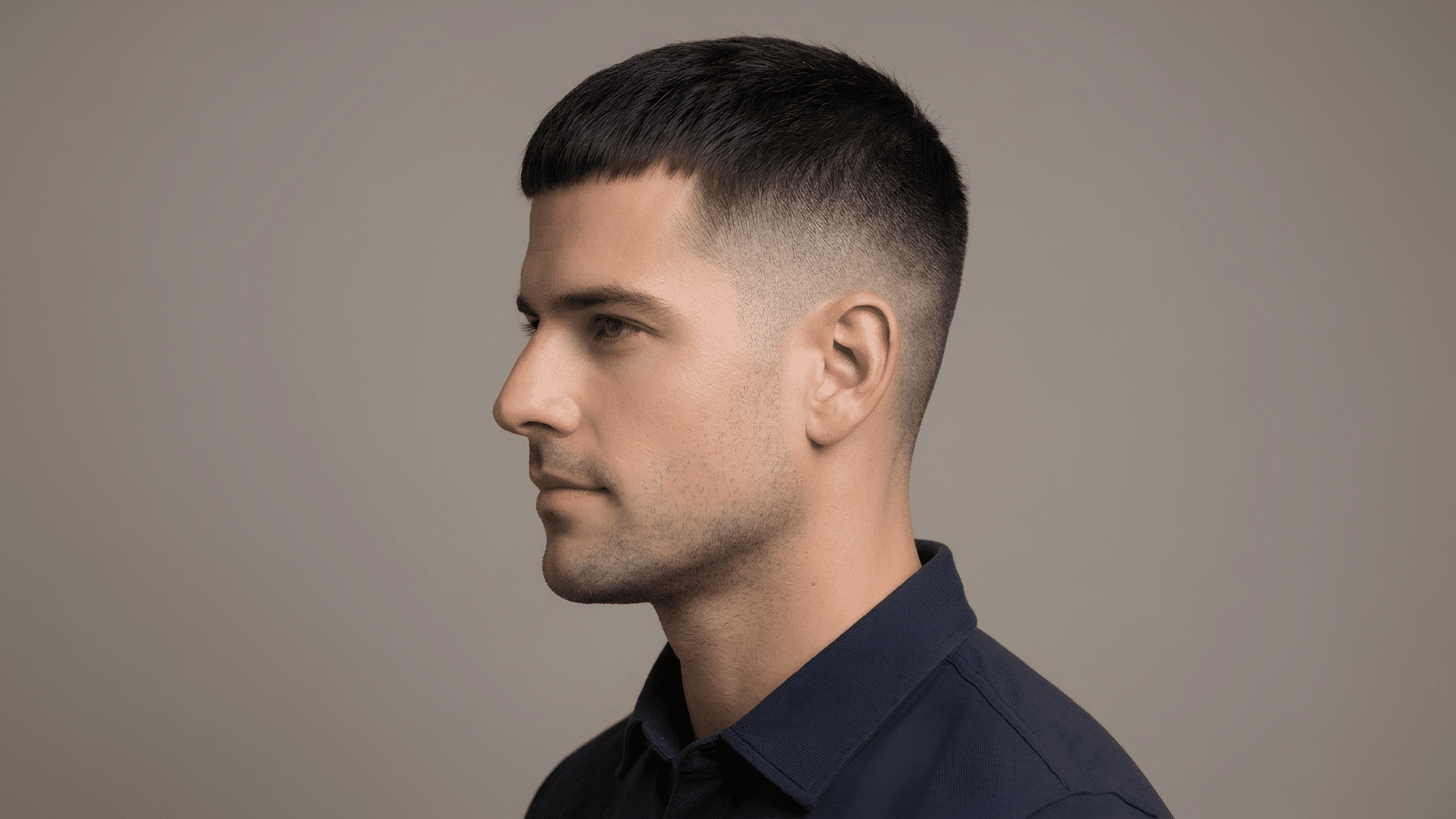
The Caesar cut features short hair throughout with a small horizontal fringe styled forward across the forehead.
Its uniform shape creates a neat appearance and requires little daily maintenance.
The forward fringe may also help make thinning areas around the hairline appear less noticeable, making this a practical option for men with fine or thinning hair.
5. French Crop
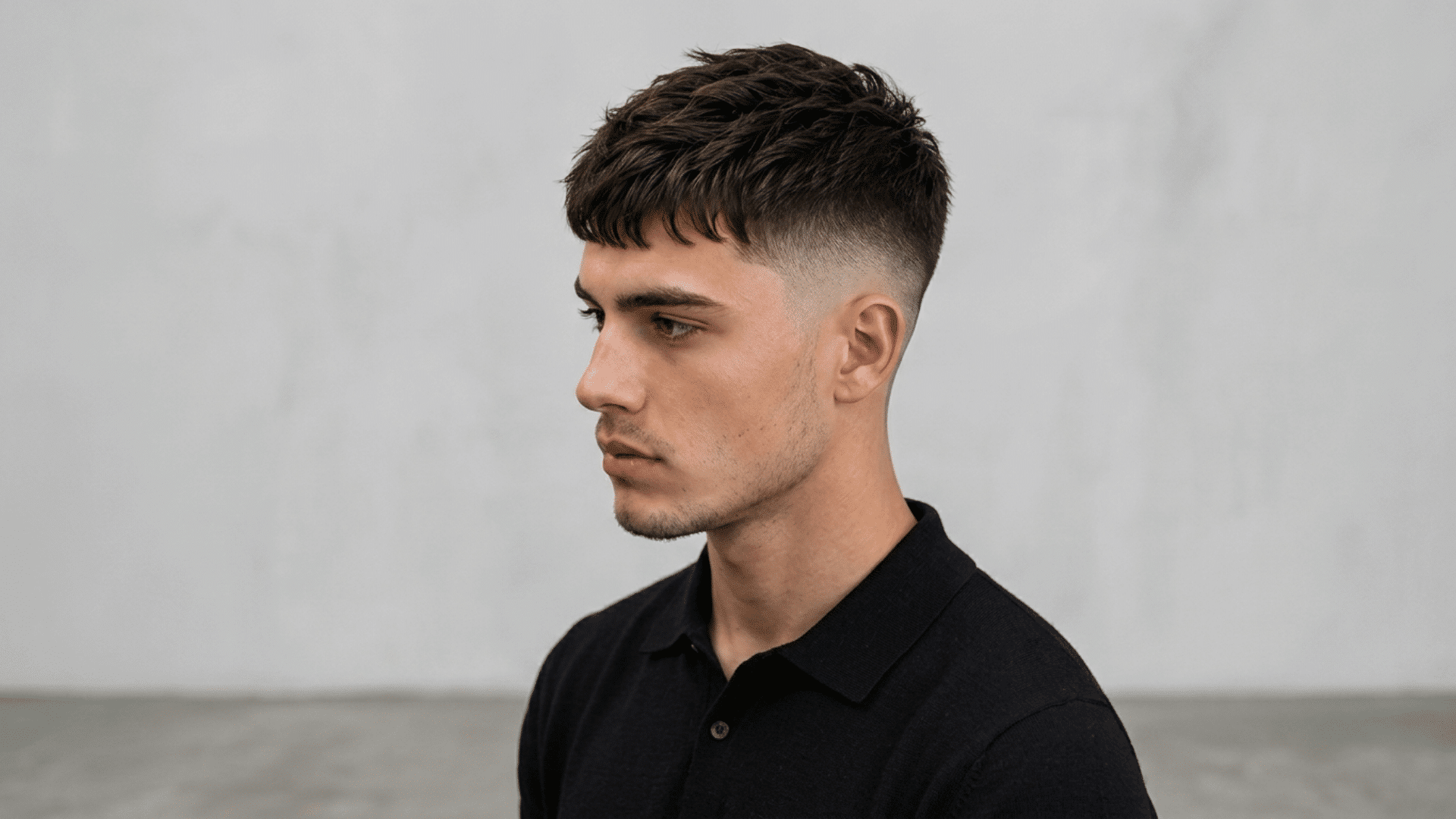
The French crop combines short or faded sides with a textured top and a defined fringe across the forehead.
It provides plenty of shape without requiring complicated styling each morning.
The textured finish works particularly well with thicker hair and makes the French crop a popular choice for men wanting something modern yet easy to maintain.
6. Undercut
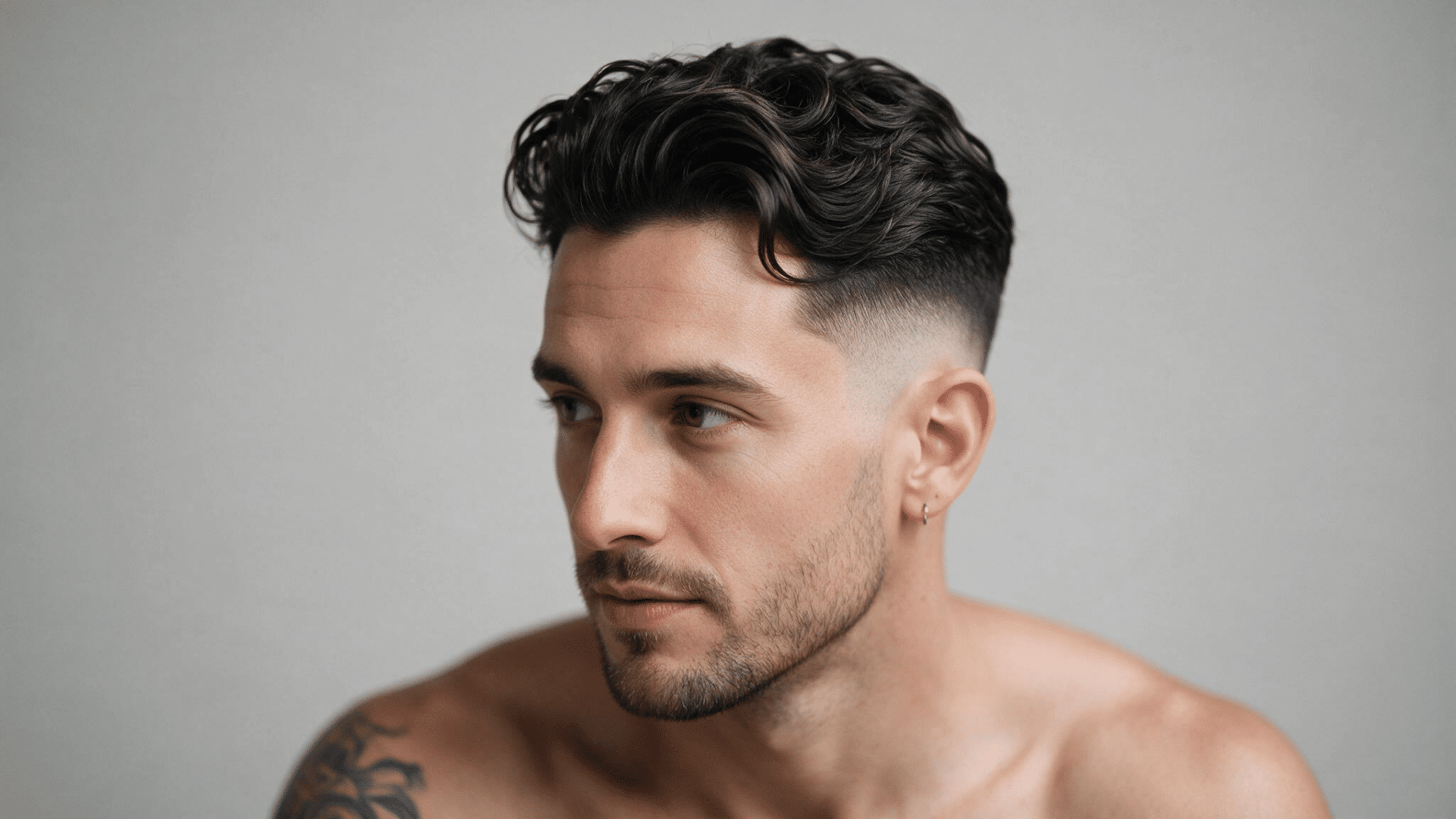
An undercut creates noticeable contrast by keeping the sides and back very short while leaving significantly more length on top.
Unlike a fade, the transition is usually more distinct rather than gradually blended.
The longer section can be styled slicked back, textured, swept sideways, or shaped into a pompadour for different looks.
7. Pompadour
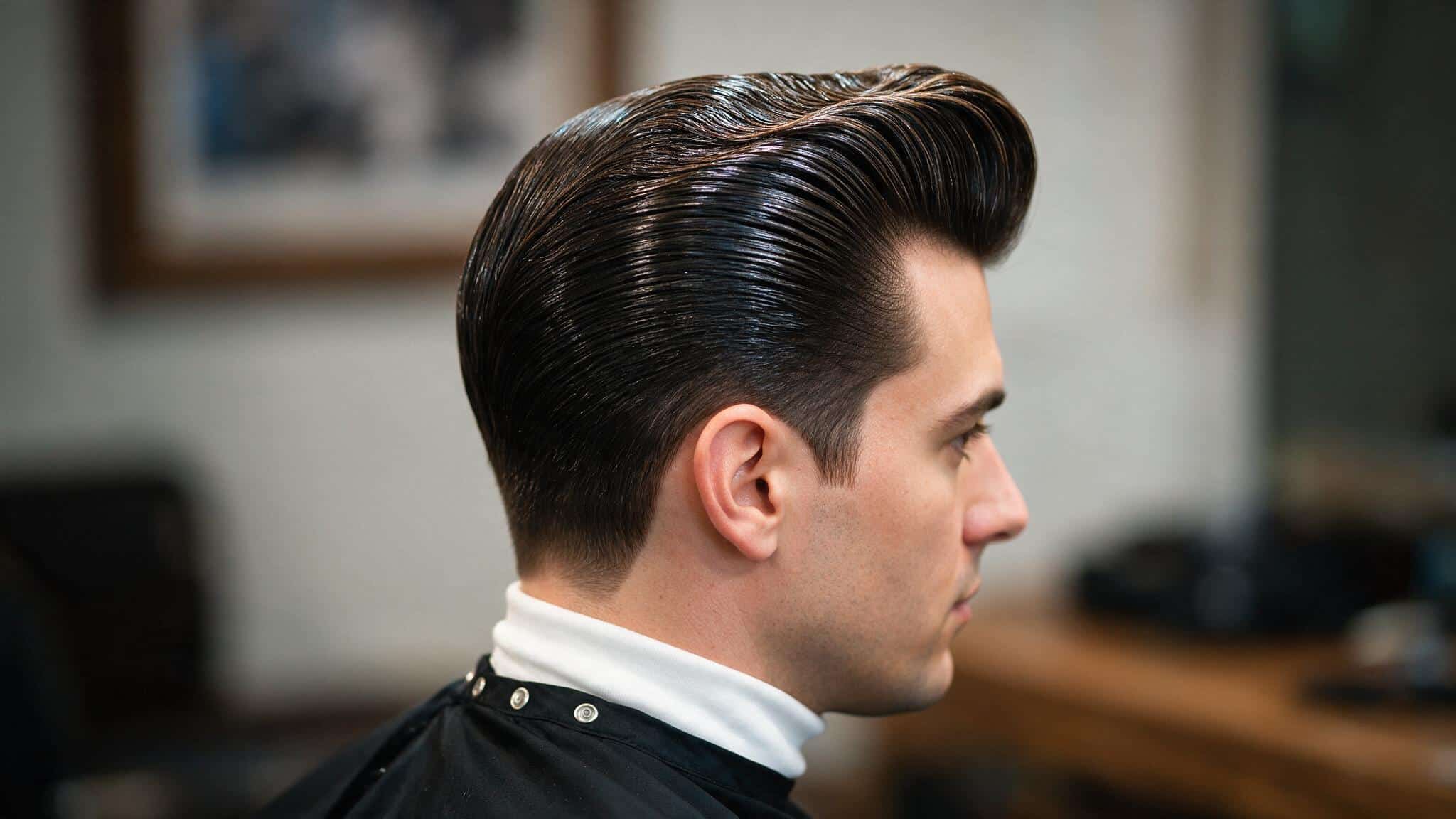
The pompadour keeps substantial length on top and styles the hair upward and backward to create noticeable height and volume.
Shorter sides help emphasize the fuller top section.
This haircut works particularly well with thick or medium-density hair, although maintaining its signature shape requires blow-drying and a suitable styling product such as pomade or clay.
8. Mohawk
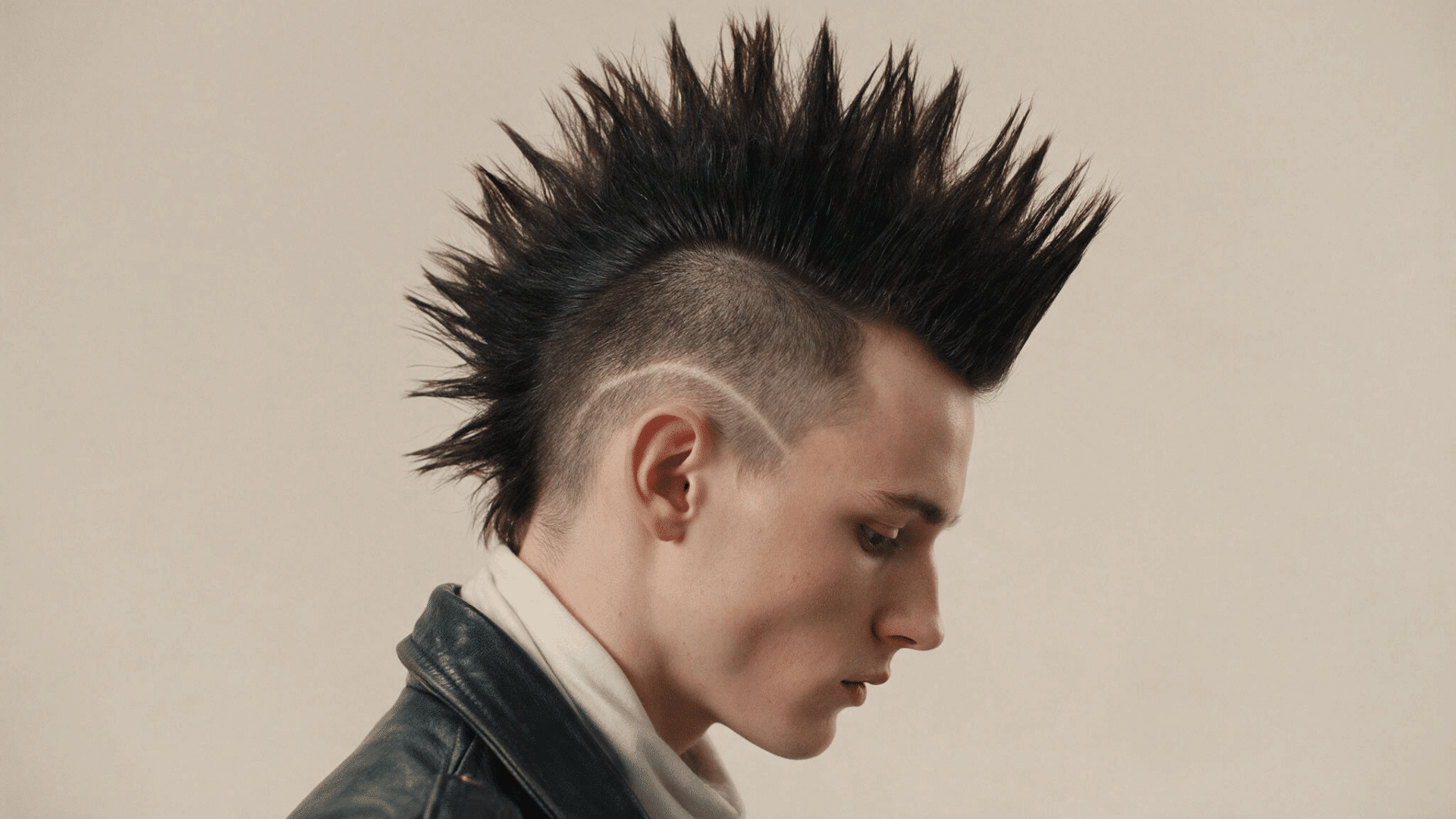
The mohawk features very short or shaved sides with a noticeably longer strip of hair running through the center of the head.
Its dramatic contrast creates a bold, expressive look.
Depending on hair length and texture, the center can be styled upright, textured, or slightly relaxed, allowing different interpretations of this distinctive haircut.
9. Afro
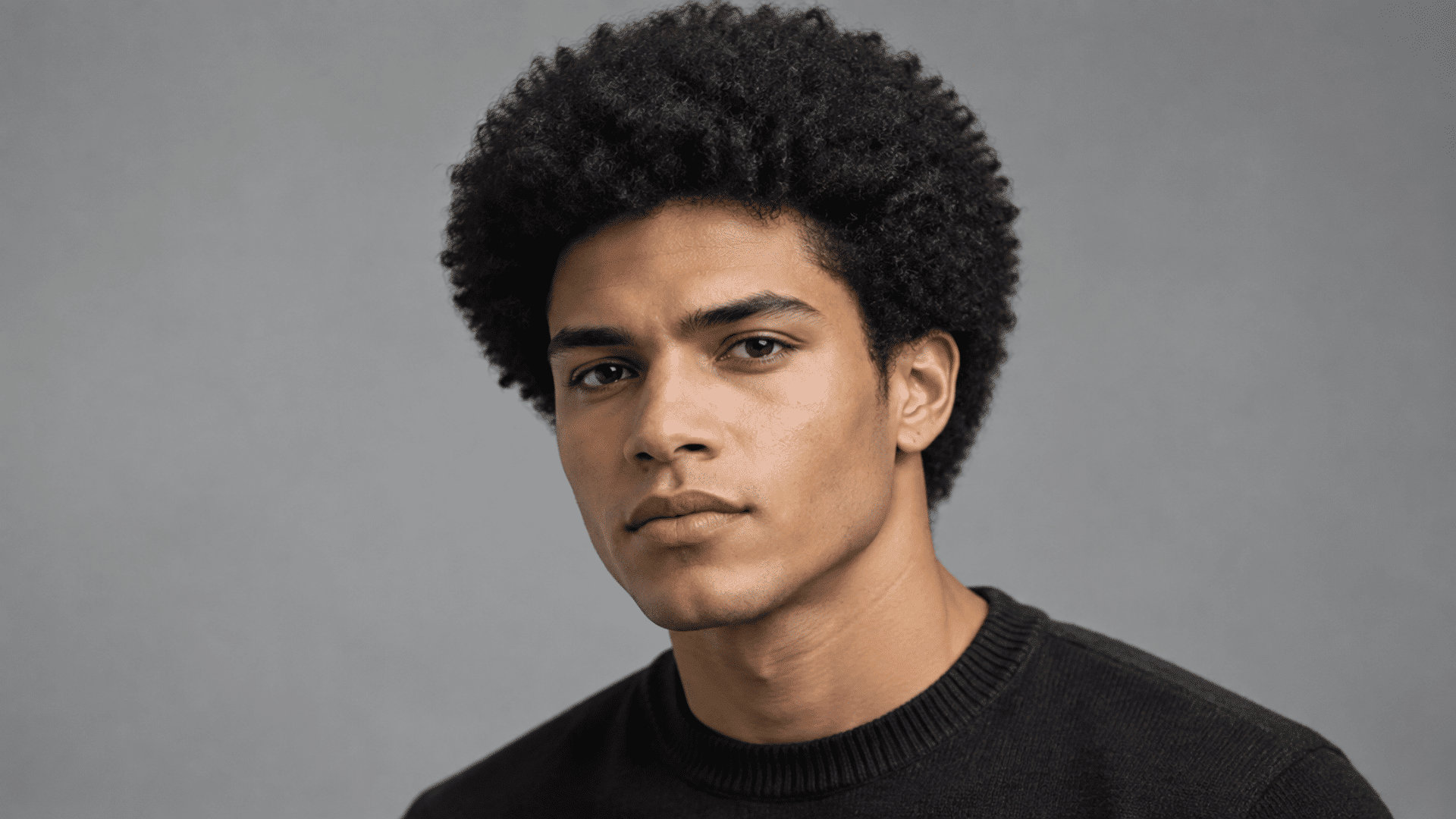
An afro haircut celebrates natural texture by keeping curls rounded and evenly shaped around the head.
This style highlights volume and personality while allowing different lengths depending on preference.
Modern afro styles can include tapered sides, fades, or sharp lineups for a cleaner appearance. It works best with proper moisture care and regular shaping.
10. Dreadlocks
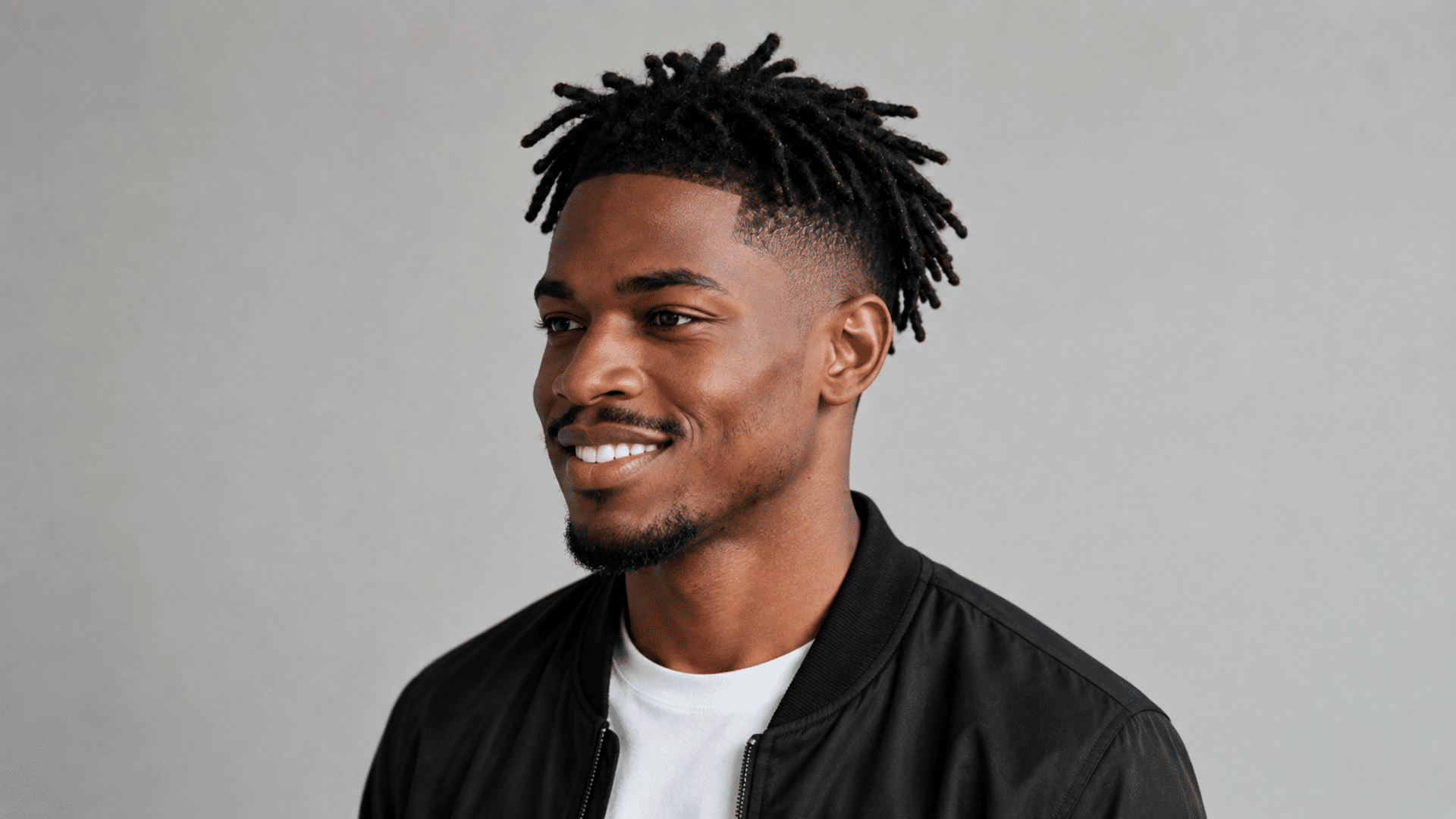
Dreadlocks are a distinctive hairstyle created by forming sections of hair into rope-like strands over time.
This style can be worn in various lengths, from short locs to longer flowing versions.
Dreadlocks offer a unique appearance and can be styled with fades, buns, or tied-back looks, but they require consistent maintenance to keep them neat.
11. Faux Hawk
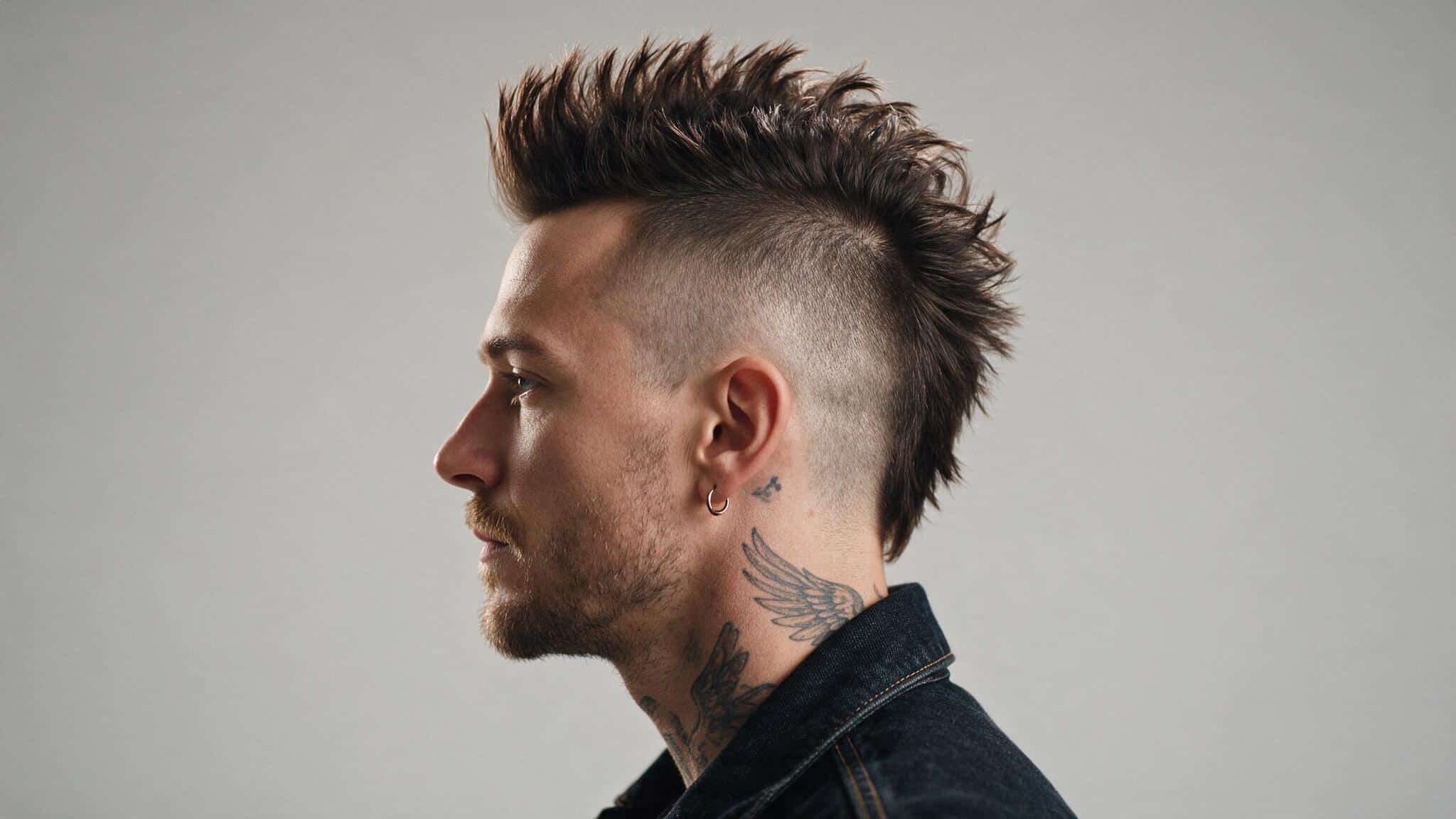
The faux hawk takes inspiration from the traditional mohawk but creates a softer and more wearable result.
Instead of completely shaving the sides, the hair is kept shorter and gradually blended while the top is styled toward the center.
It provides noticeable texture and height without being overly dramatic, making it easier to wear every day.
12. Taper Haircut
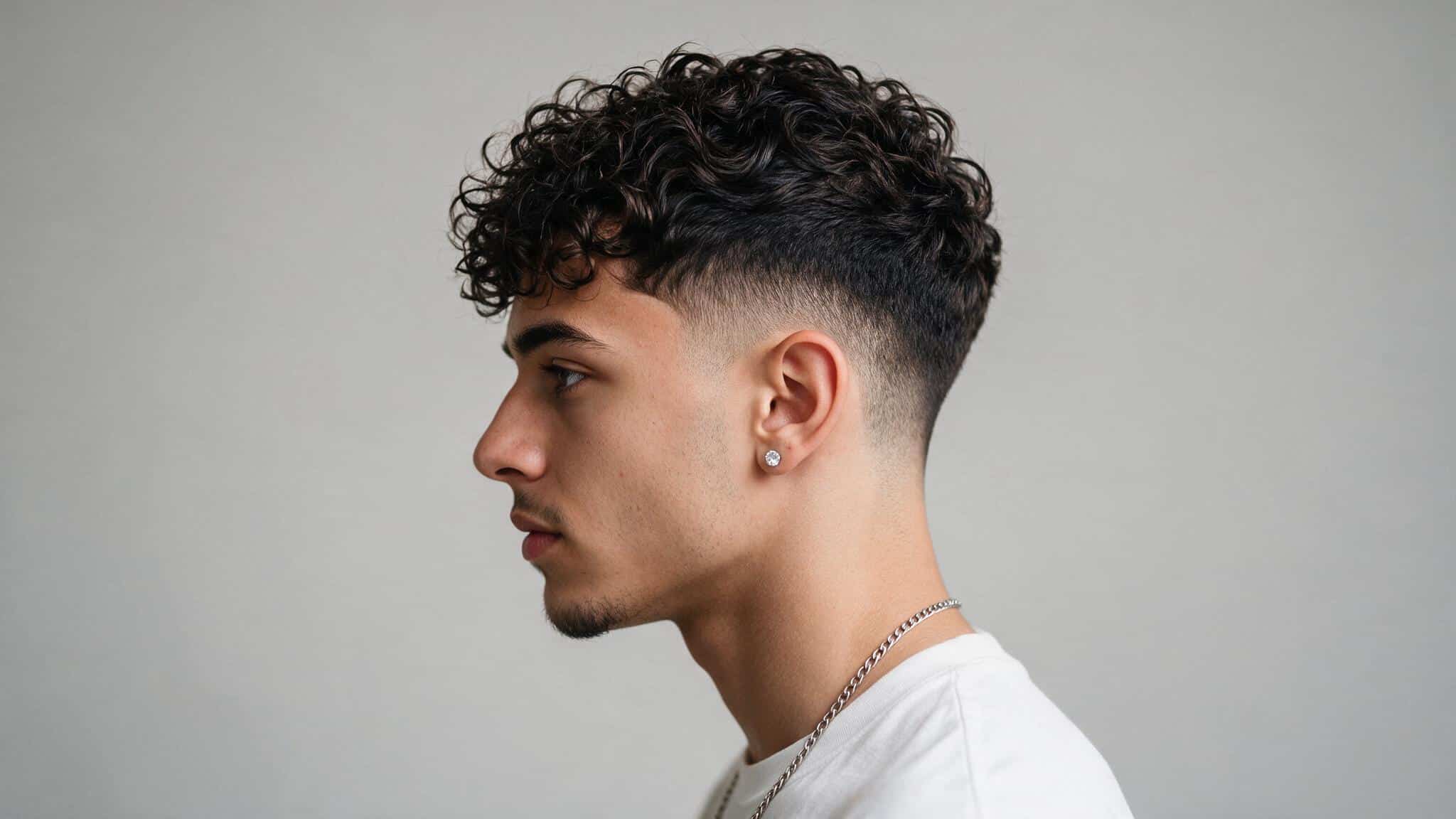
A taper gradually shortens the hair around the sides, neckline, and sideburns while leaving some visible length throughout.
Unlike many fades, it usually does not blend completely down to bare skin.
The subtle transition creates a classic and polished appearance that works especially well for professional environments and grows out naturally between barber appointments.
13. Bowl Cut
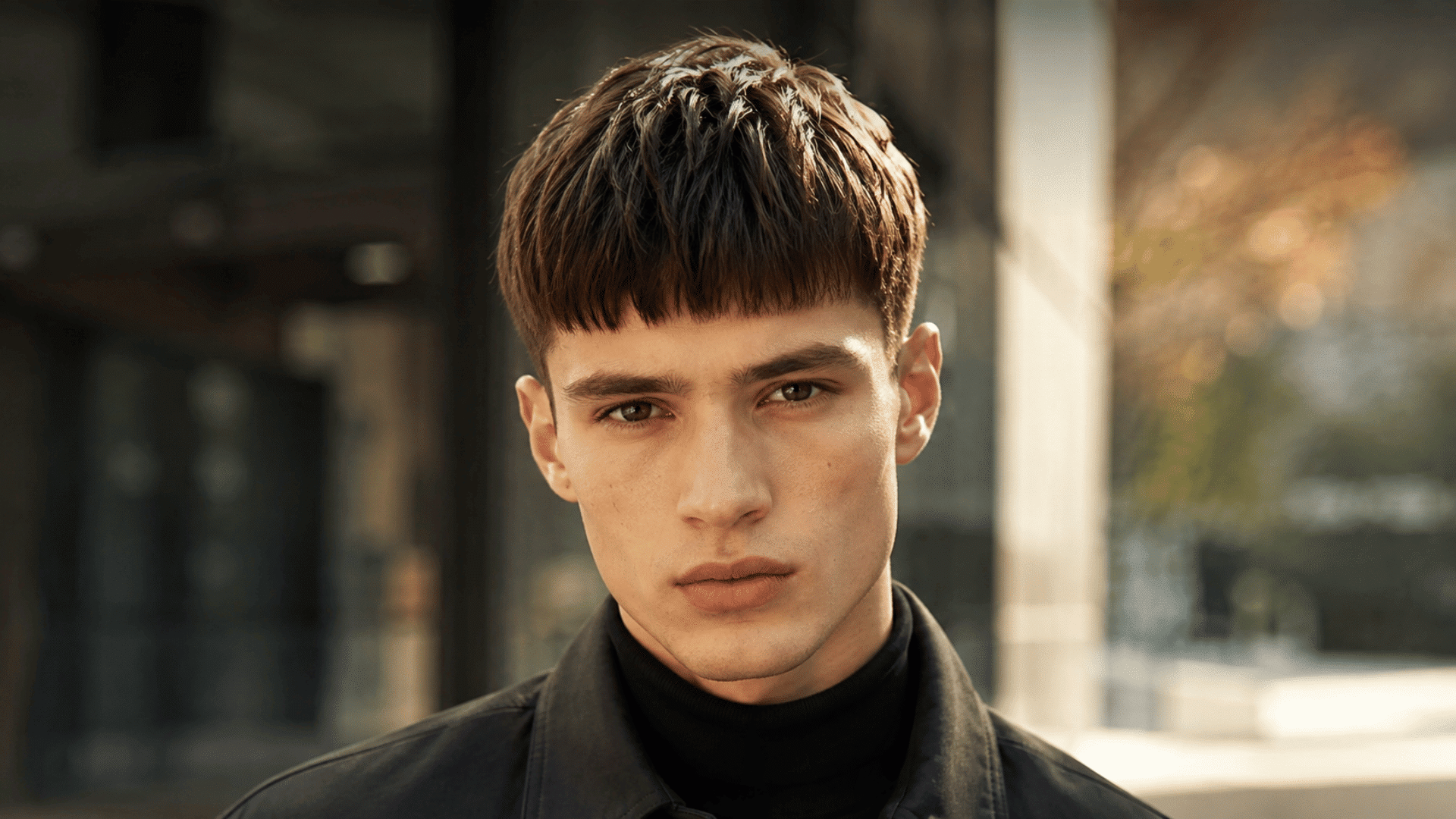
A bowl cut is a retro-inspired hairstyle featuring even-length hair around the head with a rounded shape.
Modern versions add texture, fades, or softer layers to create a more updated look.
This haircut works well for straight and thick hair, offering a bold style that frames the face while keeping maintenance relatively simple.
14. Low Fade
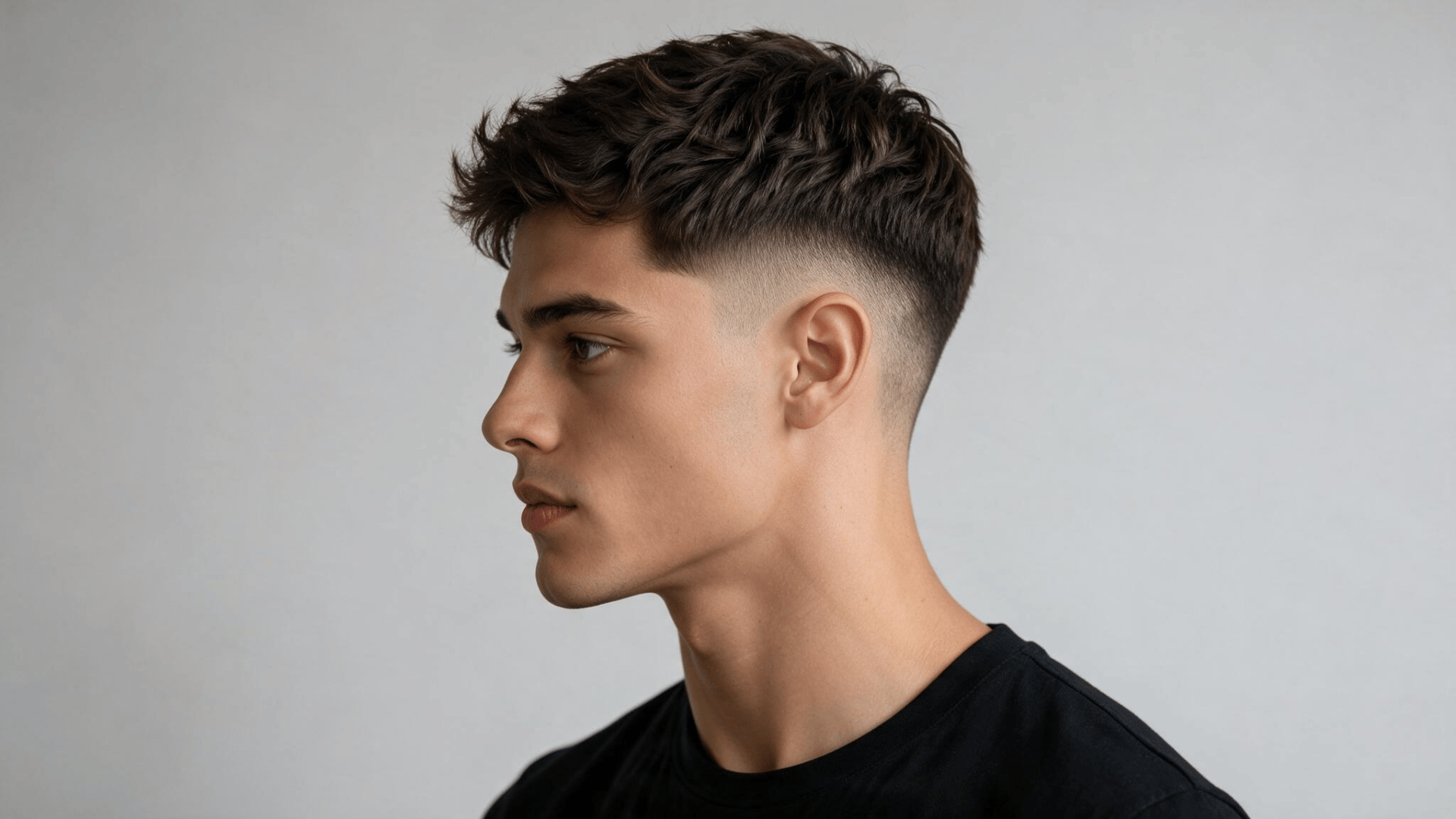
A low fade begins close to the ears and neckline before gradually blending into longer hair higher on the head.
Because the transition stays relatively low, it creates a subtle and clean appearance without removing too much hair from the sides.
Its versatility allows it to complement crew cuts, crops, quiffs, curls, and many other hairstyles.
For the boldest version of this contrast, our skin fade style guide breaks down exactly how far barbers can take the shave.
15. High Fade
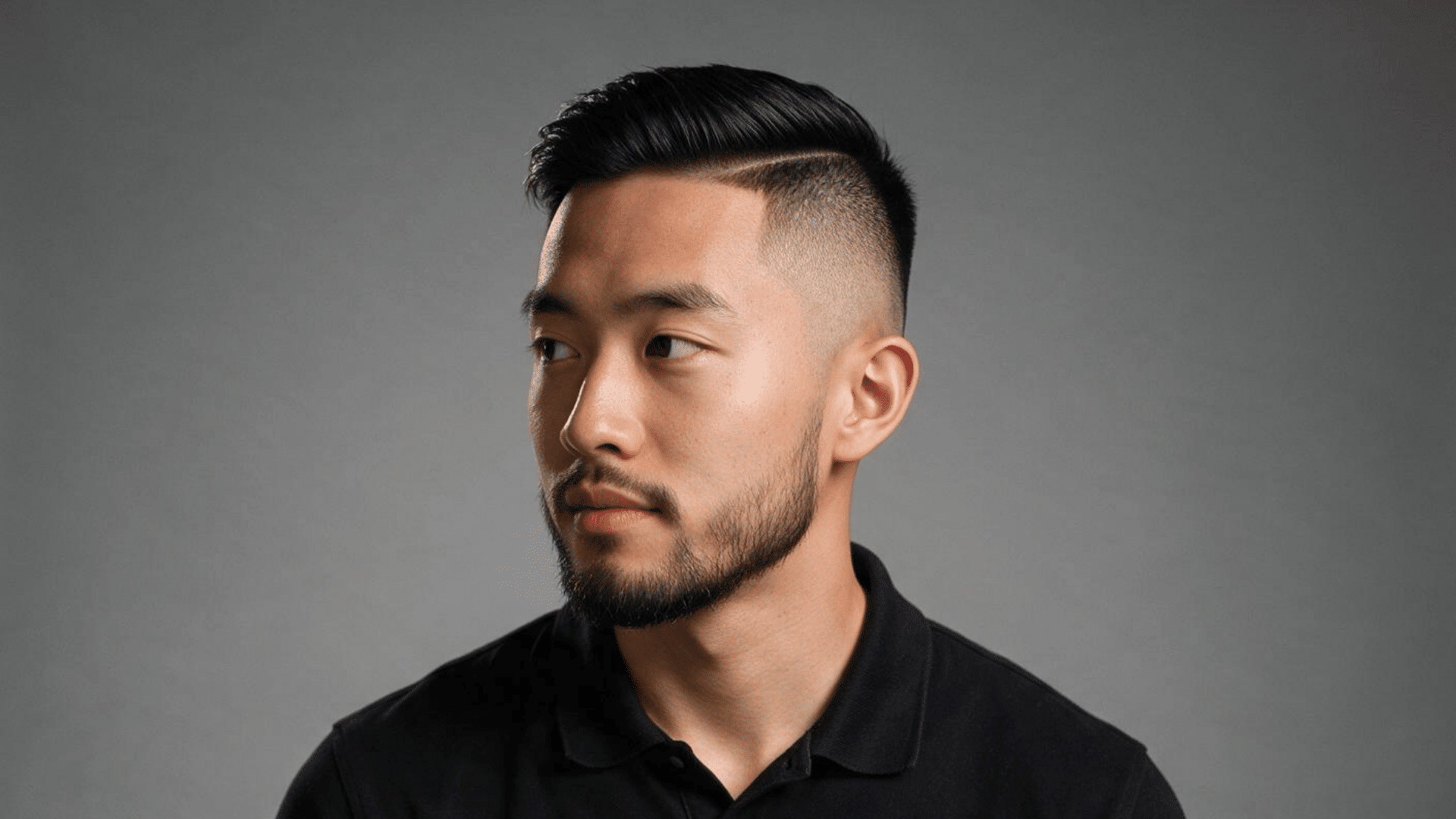
A high fade begins farther up the sides of the head, leaving a larger area of closely cropped hair beneath the longer top section.
This creates stronger contrast and draws more attention toward the hairstyle above.
High fades pair especially well with textured tops, curls, pompadours, and other cuts where added definition is desired.
16. Curtain Haircut
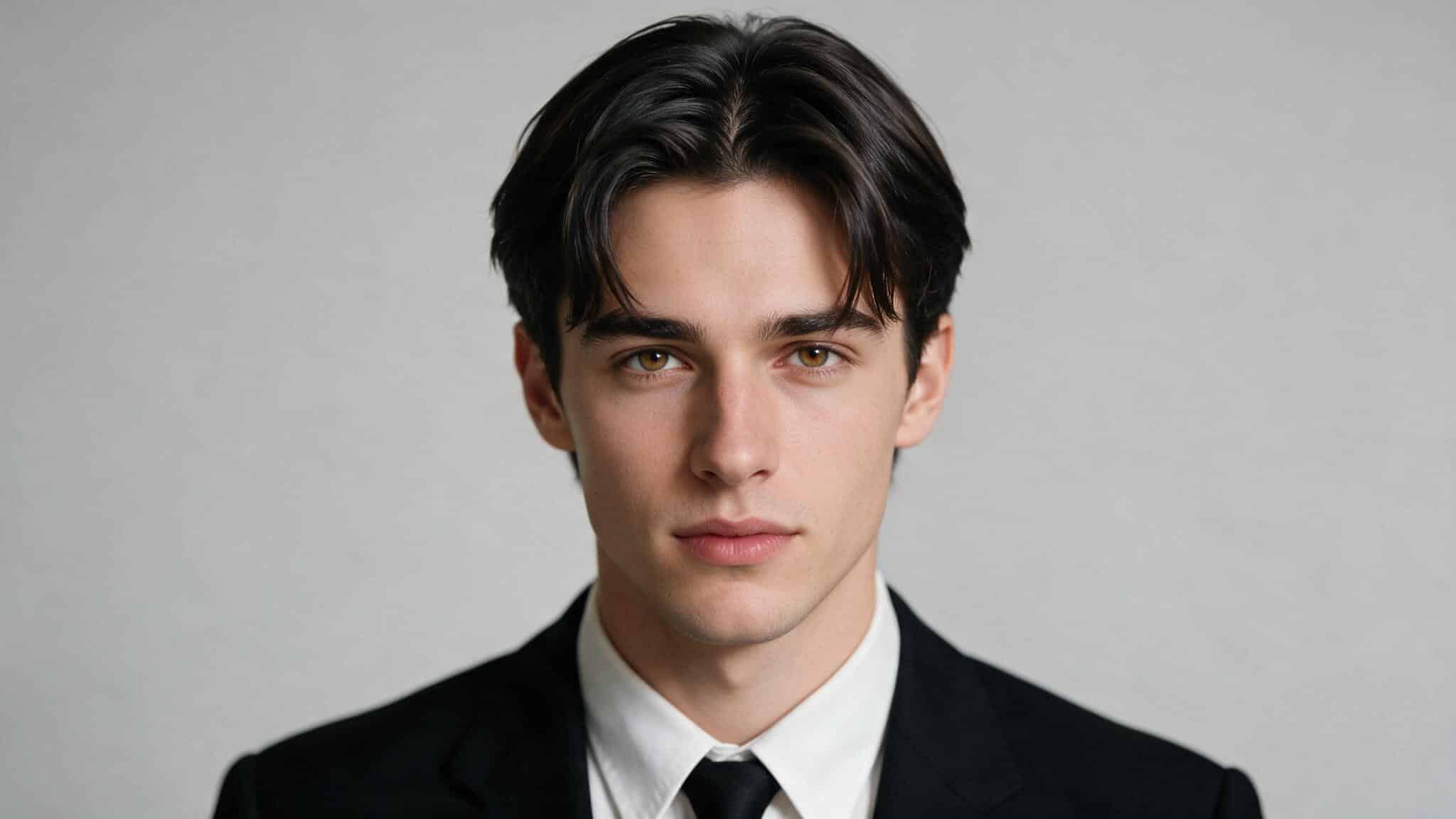
The curtain haircut features medium-length hair parted through the center or slightly off-center, allowing the front sections to frame the face naturally.
It creates a relaxed, youthful look with plenty of movement and works especially well with straight or wavy hair.
This style can be worn smooth or textured, depending on the preferred finish.
17. Mullet
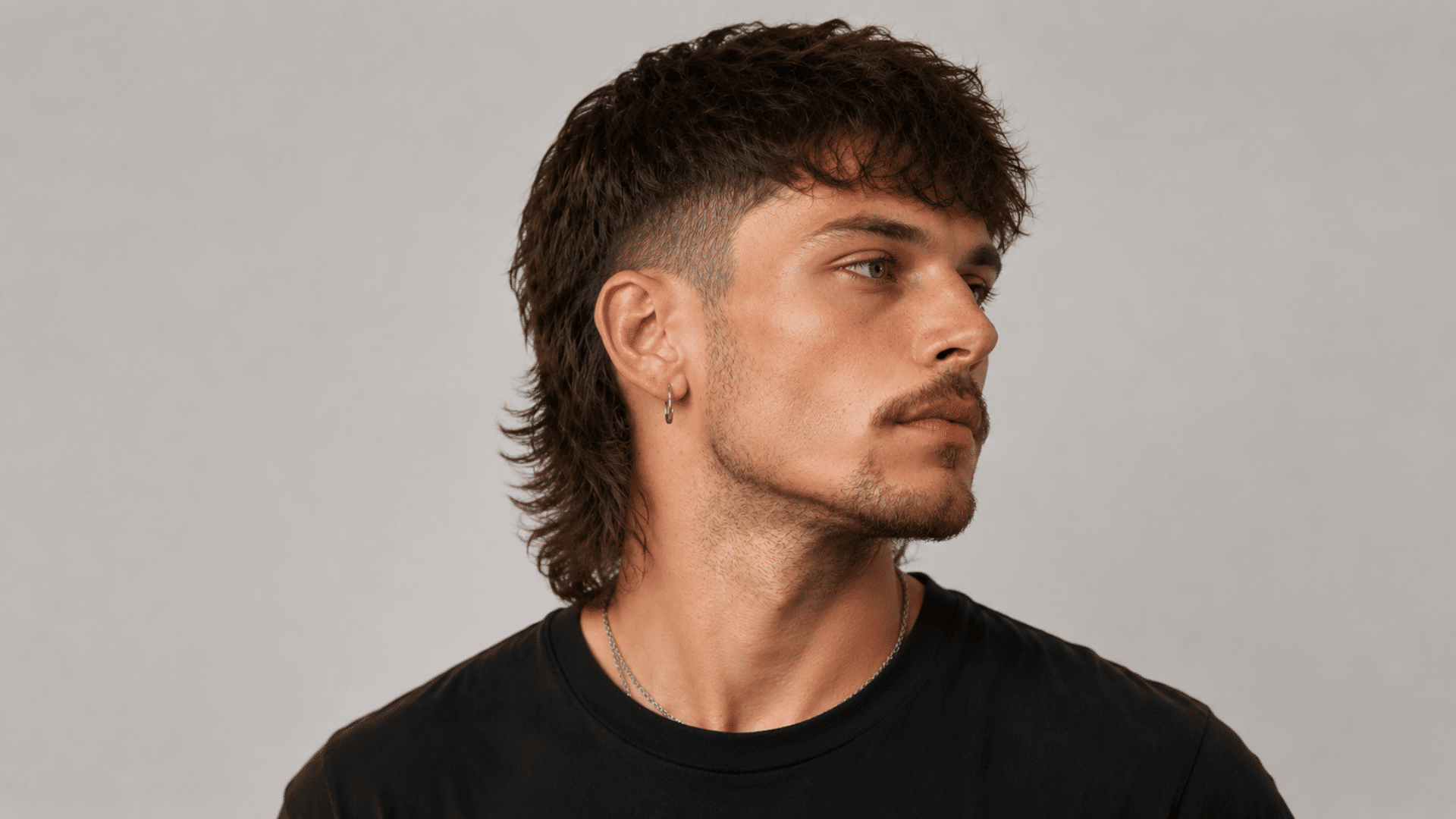
The mullet keeps the hair shorter around the front and sides while leaving noticeably more length at the back.
Modern versions often add texture, layers, or softer transitions to make the style easier to wear.
It works well for men who want a bold haircut with personality and can be adapted for straight, wavy, or curly hair.
18. Shag Haircut
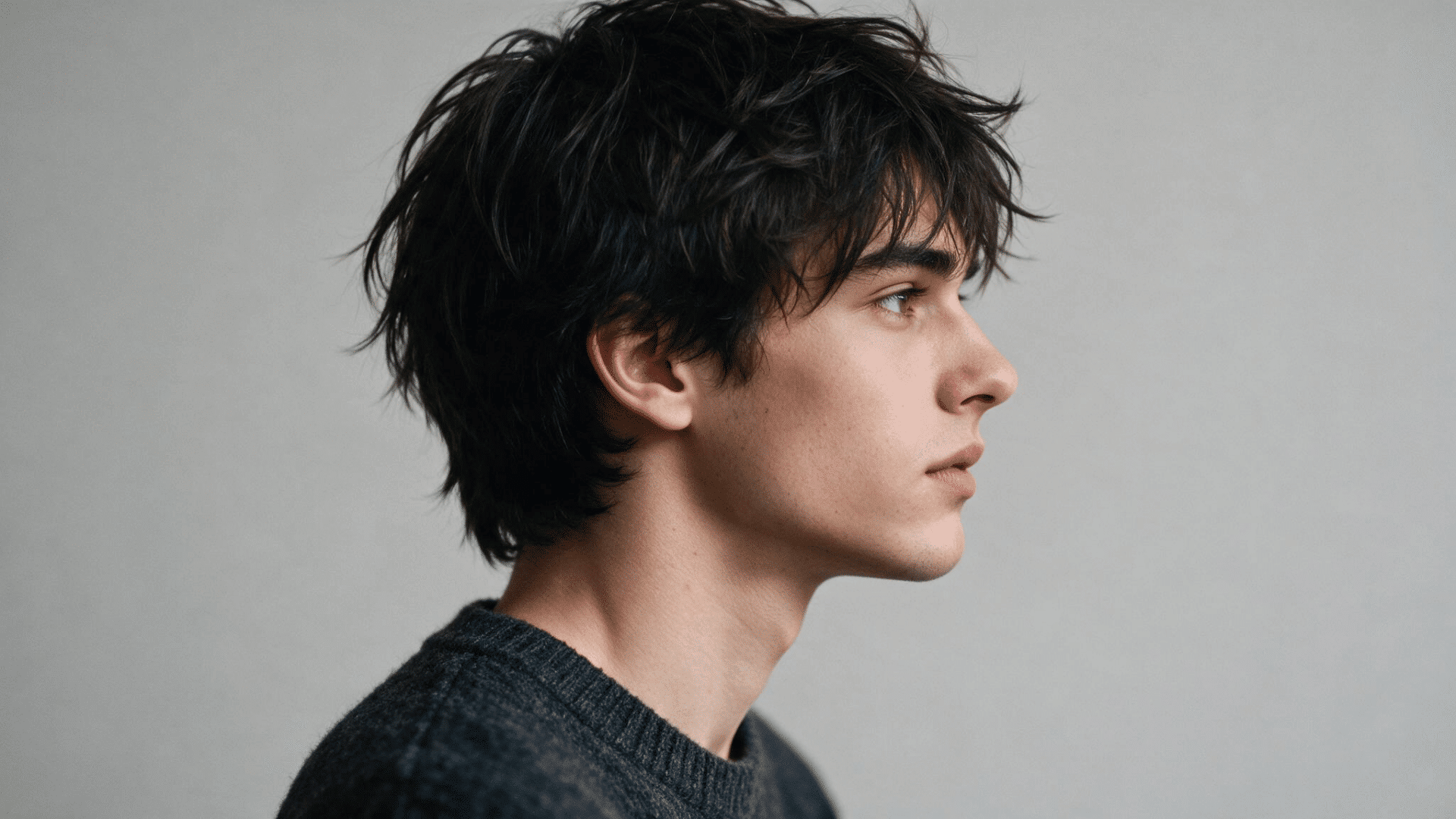
The shag haircut uses layered cutting to create movement, volume, and a relaxed shape through medium or longer hair.
Its intentionally tousled finish gives the style a casual, effortless appearance.
Shags work especially well with wavy or textured hair and are a good choice for men who prefer a less structured haircut with plenty of natural movement.
19. Man Bun
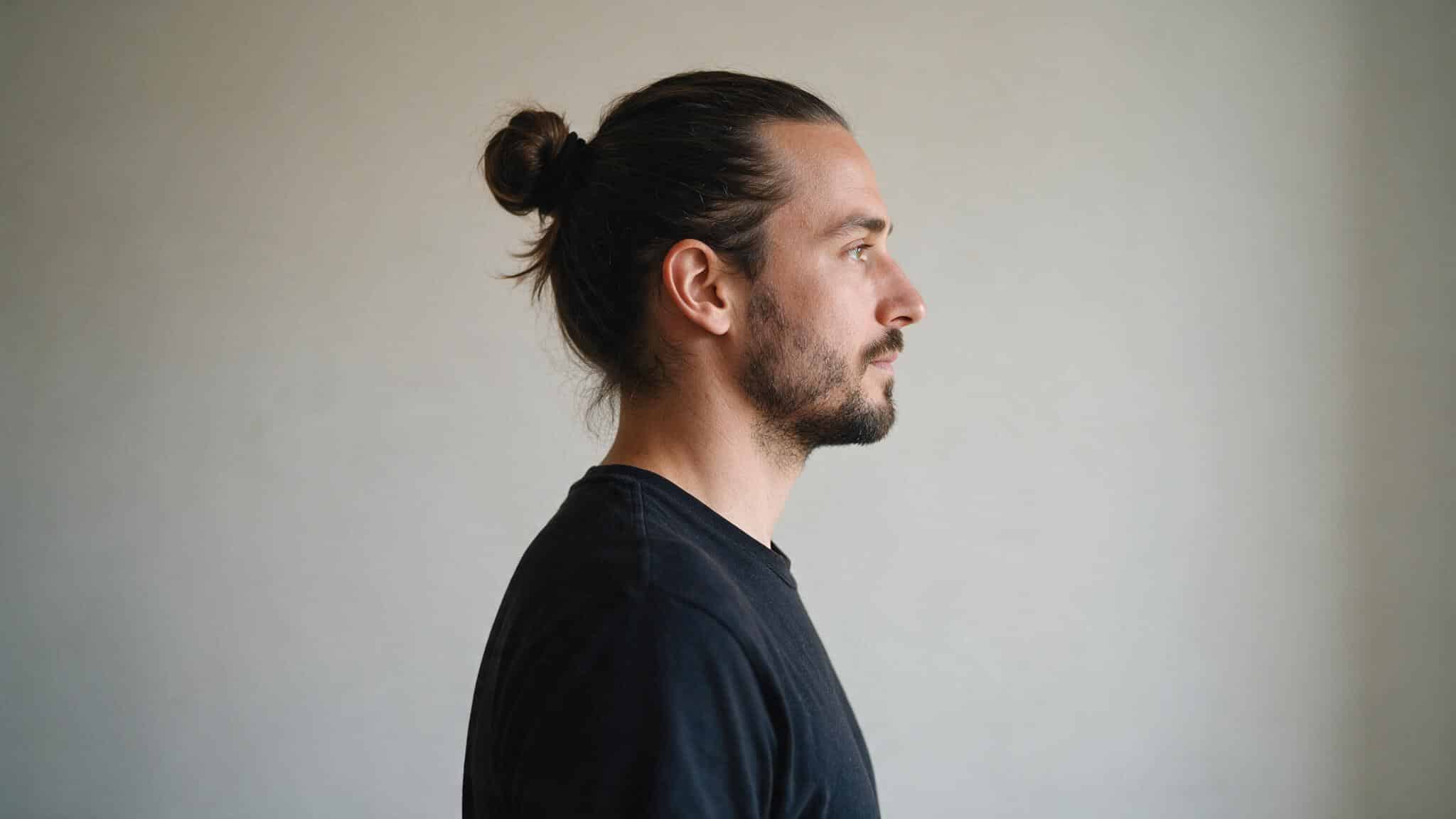
The man bun is a long hairstyle where the hair is gathered and tied into a bun at the back or crown of the head.
It keeps longer hair controlled while maintaining a relaxed, masculine look.
The style works best when the hair has enough length to tie comfortably and can be worn neat, loose, or slightly messy.
20. Wolf Cut
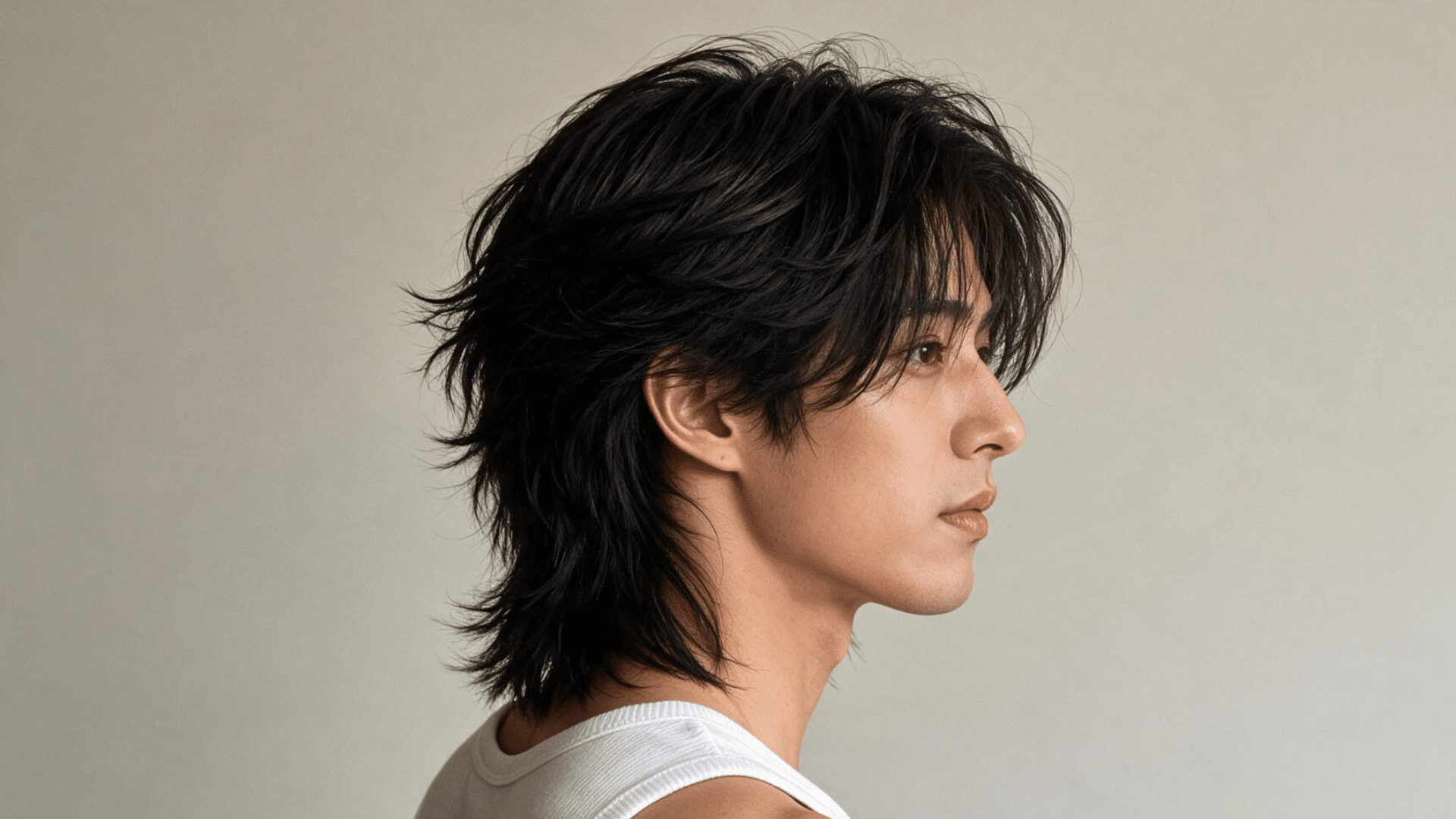
The wolf cut combines shaggy layers with extra volume around the top and longer, textured sections toward the back.
It creates a slightly wild, effortless appearance with plenty of movement.
This haircut works particularly well with wavy or thick hair and suits men who want a modern layered style that feels expressive without requiring a perfectly polished finish.
21. Messy Fringe
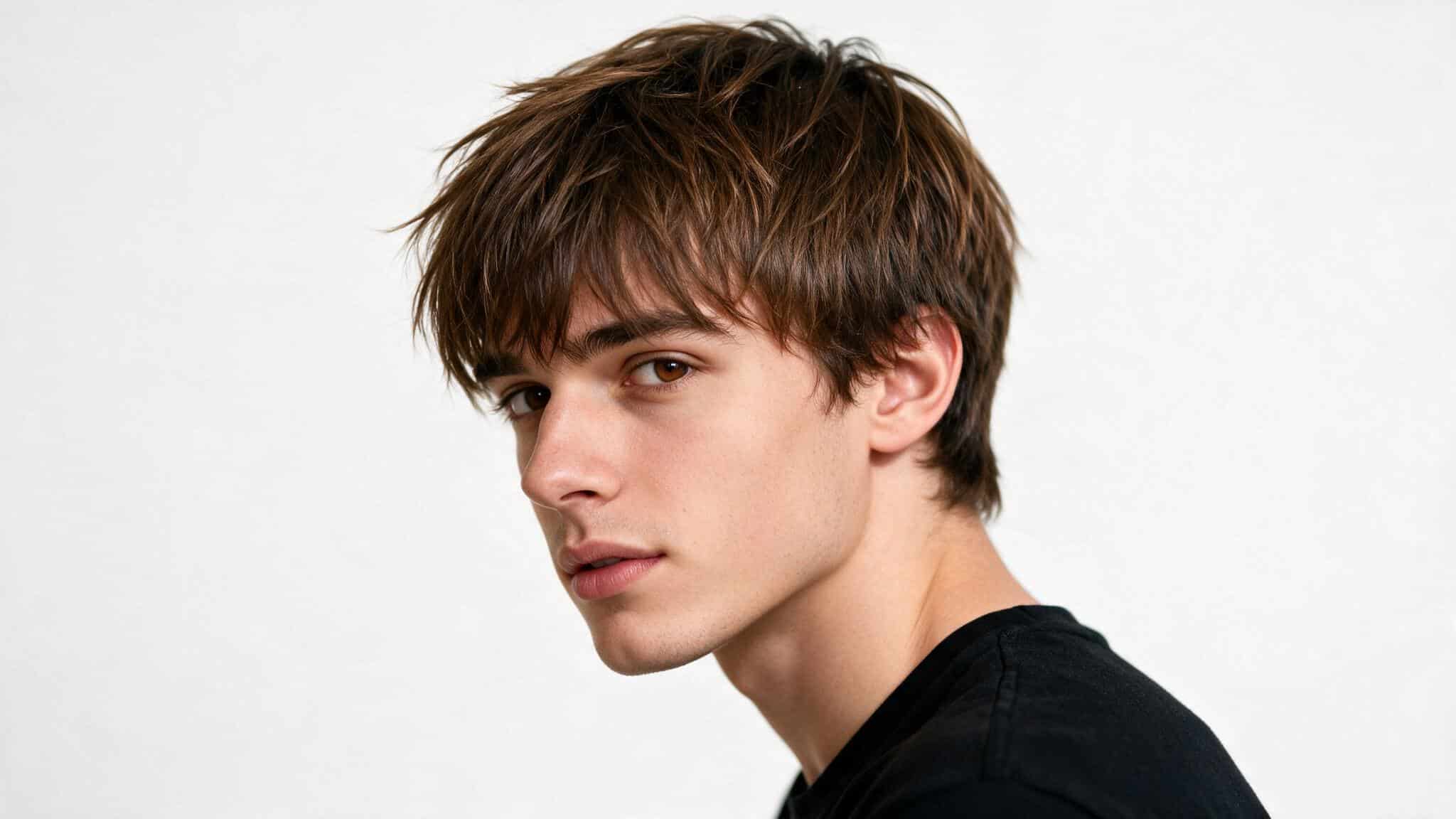
The messy fringe keeps the top textured and styles the front hair forward in a loose, natural-looking way.
It creates a casual appearance that works well with straight, wavy, or slightly curly hair.
The uneven texture helps prevent the style from looking too structured, making it a practical option for men who prefer relaxed everyday styling.
Choosing a Haircut for Your Face Shape
Your face shape can point you toward haircuts that create better balance and highlight your strongest features. However, hair type, natural growth pattern, and the amount of styling you prefer should also influence your choice.
| Face Shape | Features to Consider | Haircuts to Try |
|---|---|---|
| Oval | Keep the natural balance or add definition with texture. | Side part, crew cut, slick back |
| Round | Create height on top while keeping the sides neat and short. | Pompadour, quiff, undercut |
| Square | Work with the defined jawline using clean or textured cuts. | Buzz cut, crew cut, textured crop |
| Rectangle | Avoid excessive height and keep some fullness at the sides. | Side part, curtains, textured crop |
| Heart | Use fringe or side volume to balance a broader forehead. | Curtains, textured fringe, side part |
| Diamond | Add width around the forehead while avoiding overly tight sides. | Shag, curtains, textured fringe |
Men’s Haircut Maintenance Tips
A few simple habits can help your haircut stay neat longer, keep its shape, and make styling easier between regular barber visits.
- Schedule Regular Trims
- Use Gentle Hair Care
- Keep the Neckline Tidy
- Choose the Right Styling Product
- Avoid Using Too Much Product
- Protect Hair While Sleeping
Wrapping Up
The right haircut can make daily styling easier and help you feel more confident in your overall look.
With so many men’s haircut options, the best choice depends on your hair type, preferred length, face shape, and how much maintenance you want.
Fades, tapers, crew cuts, crops, and longer styles can all work well when they suit your routine and personal style.
Before your next appointment, save a few reference photos and show them to your barber so you can choose a haircut that feels right for you.
Frequently Asked Questions
What is the Difference Between a Fade and a Taper?
A fade blends hair very short toward the skin, while a taper gradually shortens hair around the edges.
What Haircut Makes Thin Hair Look Thicker?
Textured crops, crew cuts, and Caesar cuts can make thin hair appear fuller by reducing length and adding visible texture.
Which Men’s Haircut Grows out Best?
Taper haircuts generally grow out smoothly because the gradual transition keeps the sides and neckline looking balanced for longer.
What Haircut Works without Styling Products?
Buzz cuts, crew cuts, and short Caesar cuts usually look neat without styling products because they need little control.