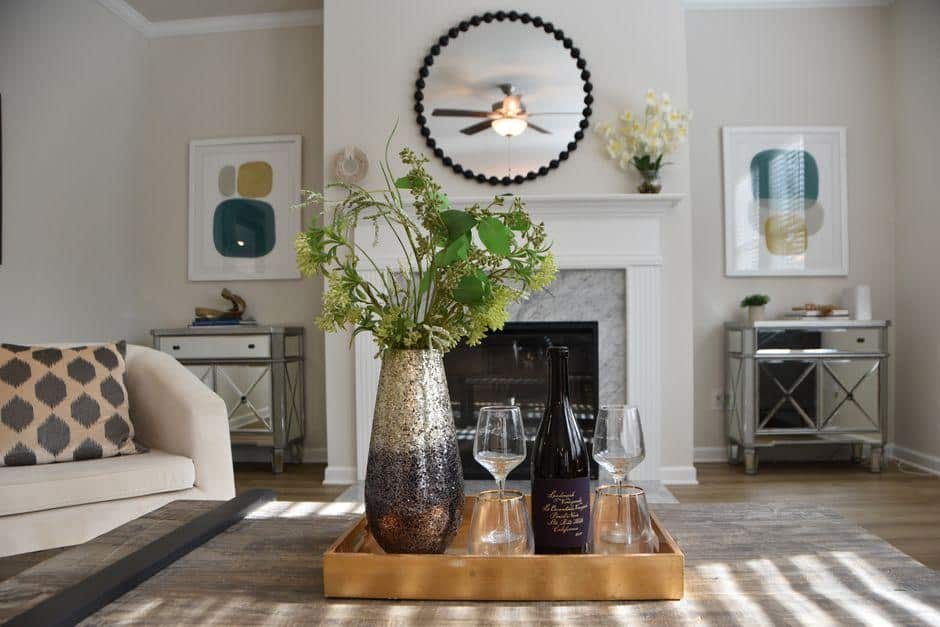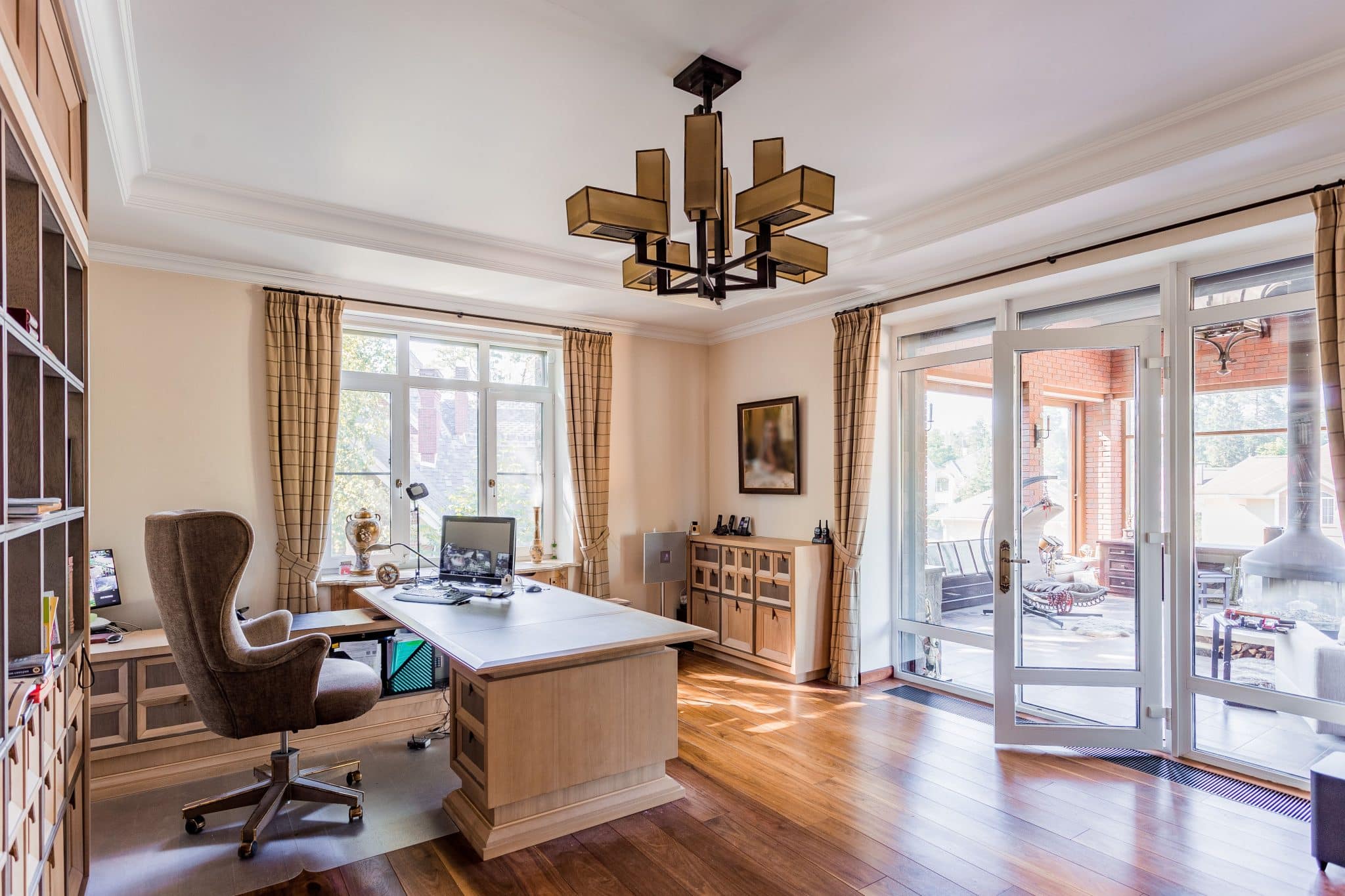
Walking into a beautifully designed living room only to find a cold, clinical corporate desk in the corner instantly breaks the visual harmony of your home.
Many remote workers establish their workspaces as purely functional afterthoughts, dragging in ugly plastic task chairs and heavy metal filing cabinets that belong in a traditional office building. This creates a jarring aesthetic disconnect, making your home feel fragmented and stressful. Designing a home office that feels like a natural extension of your existing decor simply requires a shift in how you select materials, furniture, and storage solutions.
In this article, we will discuss how to create a sophisticated environment that enhances your home’s character while fiercely supporting your daily productivity.
Why a Home Office Should Not Feel Separate From the Rest of the House
Treating your workspace like an isolated, commercial island disrupts the welcoming atmosphere of your home. When you introduce harsh industrial finishes and cold metal hardware into a warm residential setting, you build a constant visual reminder of corporate stress.
The aesthetic divide makes it incredibly difficult to relax in the evenings, as the sterile office elements continuously pull your attention back to your unread emails. We believe that your work zone should complement your home’s architecture rather than compete with it. Integrating your desk setup into your broader interior theme creates a cohesive environment that reduces mental fatigue and respects your living space.
Start With the Style Your Home Already Has
Forcing a hyper-modern, minimalist glass desk into a cozy, rustic farmhouse living room creates a design clash. Before buying any new furniture, you must analyze the dominant design language of your house. Take note of the existing wood tones, metal finishes, and structural lines that define your favorite rooms.
If your home features mid-century modern lines with warm walnut finishes, your desk should echo those specific characteristics. Matching your workspace foundation with your current interior theme ensures the new station feels intentional, permanent, and perfectly integrated from day one.
Pick Furniture That Works Like Office Gear but Looks Like Decor
Finding pieces that bridge the line between residential elegance and professional utility requires skipping standard corporate suppliers. Richard Huang, founder of ReframeSpace, puts it this way: a home workspace succeeds when the primary furniture pieces perform complex ergonomic tasks without broadcasting a clinical, institutional aesthetic. He advises sourcing solid-wood writing tables with hidden wire-routing channels or executive desks featuring premium brass hardware.
Instead of a bulky plastic task chair, choose a sleek seating option upholstered in heavy linen, top-grain leather, or performance velvet that matches your living room armchairs. This selection process allows you to secure the physical support required for intensive eight-hour shifts while maintaining the sophisticated look of a high-end residential interior.
Also read: 33 Small House Open Concept Kitchen and Living Room Ideas
Color Choices That Help the Workspace Blend In
Painting your workspace a jarring, clinical white in a room filled with warm, earthy tones instantly creates a visual disconnect. Match your desk wall to the surrounding room’s paint color to erase the physical boundaries of the office. If you want to define the work area without disrupting the room’s flow, use a tone that sits just one or two shades away on the same color wheel.
For example, matching a deep sage green accent wall with a warm beige living room brings sophisticated depth without creating visual chaos. Sticking to a unified color palette allows the desk, chair, and computer monitors to slip quietly into the background when you step away for the evening.
Storage Ideas That Keep the Room Pretty and Practical
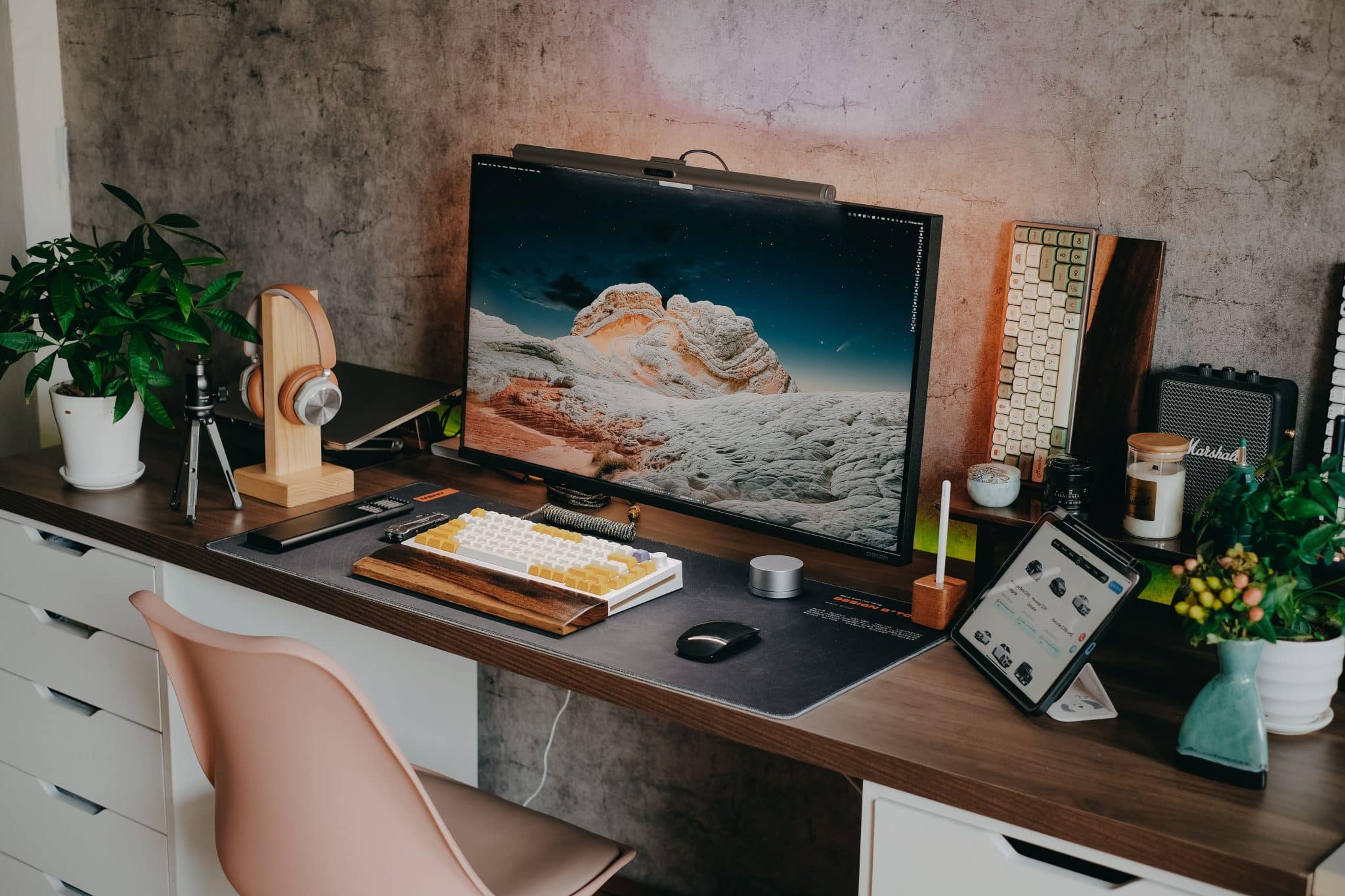
Exposed plastic filing bins and cardboard document boxes quickly ruin a sophisticated residential aesthetic. To maintain a beautifully polished room, you must invest in closed, design-forward storage solutions. Replace corporate metal cabinets with elegant wooden credenzas or woven-cane sideboards that resemble high-end dining room furniture.
Woven Cane Sideboards: These pieces conceal large printers and internet routers while adding rich, natural texture to your living room.
Floating Oak Shelves: These structures easily hold heavy professional reference binders while providing a premium platform to display ceramic art and green plants.
Lidded Fabric Bins: These compact containers corral loose power cords and daily paperwork, allowing them to slide neatly out of sight into your existing media consoles.
Inside these elegant pieces, you can easily install pull-out trays to hide heavy hardware and messy stacks of documents. Utilizing furniture that conceals your professional tools keeps your home feeling organized, calm, and strictly residential.
Light Choices That Make the Setup Feel Warm and Polished
Harsh, blue-toned fluorescent light bulbs drain the life out of a room and cause rapid eye strain during long afternoons. Pick a tiered lighting strategy using warm-white bulbs (around 2700K to 3000K) to make the workspace feel like a natural extension of your home.
Start by placing a beautifully crafted ceramic or brass task lamp on your desk surface to provide targeted light for reading and writing. Next, add a slim LED light bar directly behind your monitor to project a soft, glare-free glow against the wall. This combination provides the bright, focused illumination you need for precision work while maintaining the cozy, sophisticated ambiance of your main living areas.
How to Make Work Essentials Look Less Like Clutter
Standard office supplies like plastic pen cups, black power strips, and metal paper trays look messy and uninspiring. Replace these clinical items with curated accessories made from premium, natural materials. Swap your plastic holders for hand-tossed ceramic mugs, and use a heavy travertine stone tray to contain your daily note pads and business cards.
For your computer setup, choose a wool felt desk mat instead of a neon synthetic mousepad. Improving the look of these tiny, everyday tools turns your necessary work gear into a beautiful, intentional display that complements your surrounding decor.
Small Details That Pull the Whole Space Together
The final success of an integrated home workspace relies on the subtle, micro-design choices you make throughout the area. Leaving minor details uncoordinated makes the desk feel like a temporary intrusion. Paying close attention to hardware, lines, and textures ensures the entire setup looks expensive, cohesive, and perfectly intentional.
Matching Materials
Coordinate the metal and wood finishes of your workspace directly with the nearest pieces of furniture in the room. If your living room coffee table features a matte black steel frame and light oak wood, your desk and task lamp should use the same materials. This repetition of textures throughout the space blurs the visual boundaries between your office gear and your home decor.
Softer Shapes
Standard commercial office desks feature sharp, rigid 90-degree angles that scream corporate utility. Source furniture with softer, rounded silhouettes to echo a residential aesthetic. Choosing a desk with soft oval edges or a task chair with a curved silhouette instantly dials down the corporate intensity, helping the workspace settle gracefully into your home’s architecture.
Hidden Storage
Exposed wiring and bulky power blocks ruin the lines of a beautiful room faster than anything else. Mount a heavy-duty cable management tray directly beneath the underside of your desk surface to hold your power strip and charging blocks. Gathering your wires together and running them down a single desk leg inside a matching fabric sleeve keeps the floor space completely clean and unobstructed.
Art and Decor Balance
A desk surface completely bare of personal touches feels sterile, while an overcrowded one leaves no room to execute your work. Find a way to balance your technical hardware with intentional decorative pieces that carry visual weight. Placing a single striking ceramic sculpture next to your monitor or hanging a beautifully framed abstract art print directly above the desk anchors the area, transforming a standard computer setup into a stylish focal point.
What to Do When Your Office Is Part of Another Room?
When a workspace shares square footage with a bedroom or a dining area, you must establish clear psychological boundaries. Staring at an open laptop filled with unread emails while trying to eat dinner or fall asleep keeps your brain in a constant state of professional alertness.
Use lightweight, mobile design elements to signal the end of the workday. Sliding a sophisticated woven room divider in front of your desk at five o’clock or using a drop-front secretary desk that shuts completely allows you to hide your work tools. This physical act of concealment instantly shifts the room back into a relaxing, residential space.
Can a Beautiful Office Still Work for Long Days?
A workspace can look like a high-end design showroom while providing the heavy-duty physical support required for intensive eight-hour shifts. The secret lies in prioritizing premium, hidden ergonomics. Look for performance features that blend into residential silhouettes.
For example, choose an adjustable-height monitor arm with a brushed brass finish rather than a standard black plastic one, or select a task chair that conceals advanced lumbar controls beneath an elegant linen fabric. Investing in these sophisticated, supportive pieces ensures your body remains perfectly comfortable without degrading your home’s aesthetic.
Is It Better to Match the Room or Let the Office Stand Out?
We always recommend matching the surrounding room’s foundational style to maintain structural harmony throughout your home. Making a small office stand out with contrasting paint colors or radically different design styles breaks the visual flow of your house and makes the space feel cluttered.
Keep your large items, such as the desk, chair, and shelving, perfectly matched with your existing interior theme. If you want to create a sense of professional distinction, do so through temporary, elevated details. Introduce unique textures with a wool desk mat, add a signature ceramic pen holder, or hang a striking piece of artwork that complements the room’s color palette.
The Bottom Line
Blending a highly productive home office into your residential design doesn’t require sacrificing your personal style or your physical comfort. By avoiding clinical corporate furniture, hiding your power cables, and selecting premium storage that matches your home’s existing wood tones, you can build a workspace that looks entirely intentional. A beautifully integrated setup respects your professional workload during the day and slips quietly into the background when you clock out.