I used to think a bohemian house had to look a certain way to feel right. Over time, I noticed it was more about comfort and personal choices than perfect setups.
You have probably seen homes that feel warm and easy without trying too hard. That is what many people want from a bohemian house. The challenge often comes from mixing colors, furniture, and decor without making rooms feel messy or uncomfortable.
When done well, this style makes daily life easier and more relaxed. Below, you will find clear ideas that show how each room can feel balanced, useful, and personal, without overthinking every detail.
Key Features of a Bohemian House
This style focuses on comfort, textures, personal items, warm colors, layouts, plants, soft lighting, and spaces that feel lived in.
- Comfort comes first, with soft seating, layered rugs, pillows, and relaxed layouts.
- Rooms use mixed colors, patterns, and textures instead of matching sets.
- Furniture often includes vintage, secondhand, or well-worn pieces.
- Natural materials like wood, rattan, clay, and linen are often used.
- Personal items such as books, art, and travel finds are part of the decor.
- Plants are placed throughout the home to add life and softness.
- Lighting stays warm and low using lamps, lanterns, and candles.
- Spaces feel flexible and casual rather than stiff or formal.
Bohemian House Ideas
These ideas offer clear, usable ways to style each room using comfort, texture, color, and personal items at home easily.
1. Layered Rugs in Living Spaces
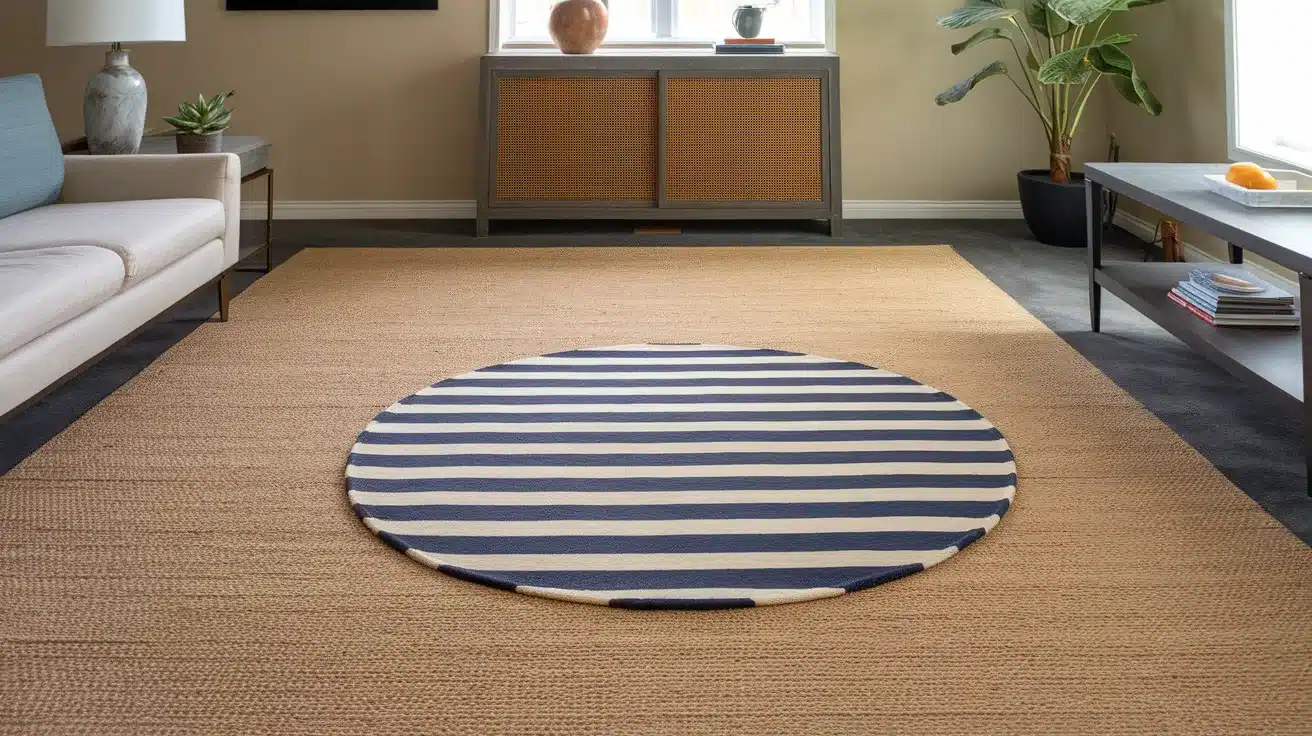
Layered rugs help living spaces feel warm and relaxed without needing large furniture changes. Start with a larger neutral rug as a base, then place a smaller patterned rug on top.
You can mix shapes, such as a rectangular rug with a round one. Keep colors within the same range so the space feels calm. This setup works well under sofas, coffee tables, or seating areas. Rugs also help define spaces in open layouts while adding softness underfoot.
2. Floor Cushions and Poufs
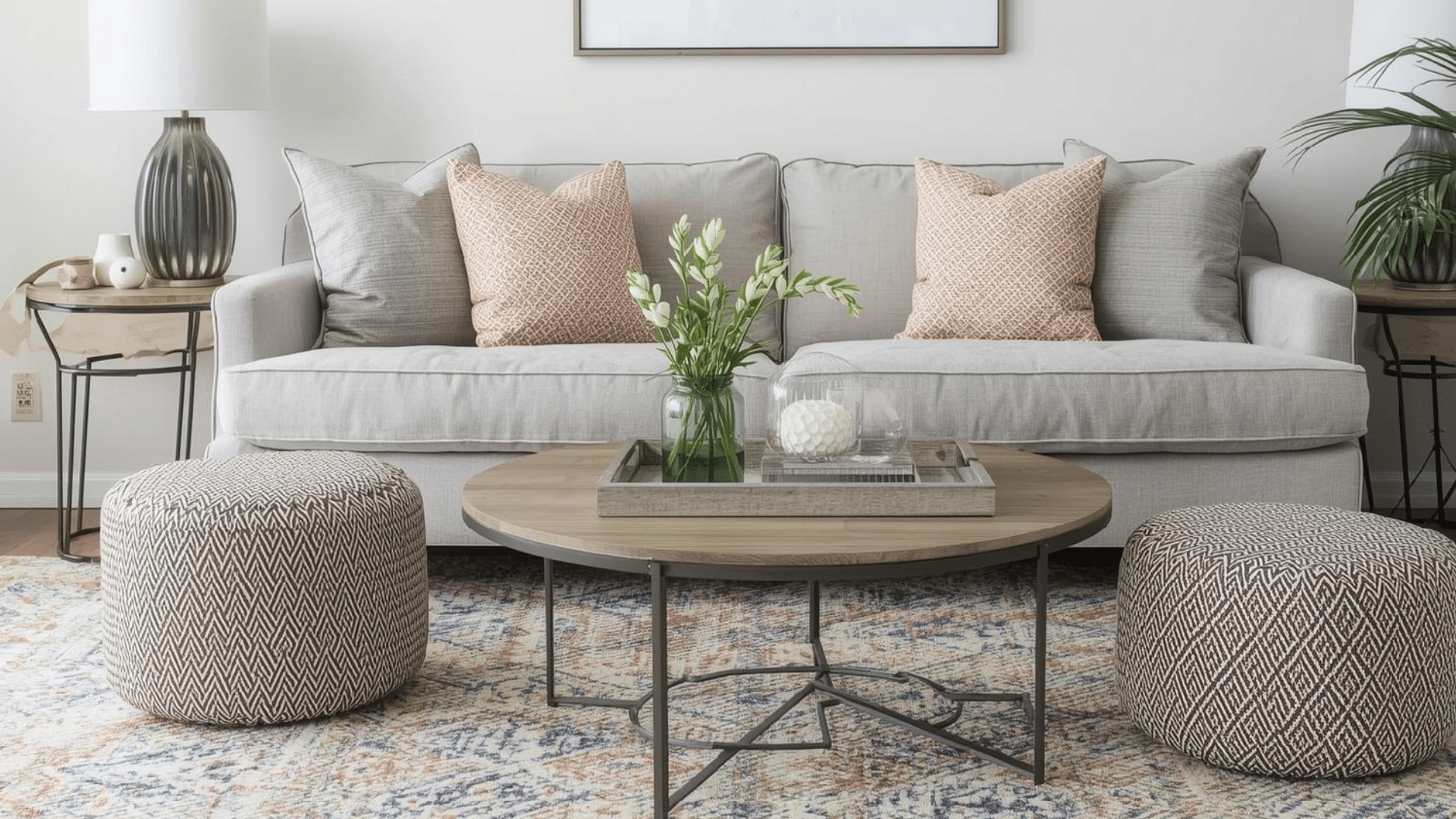
Floor cushions and poufs add flexible seating without taking up much room. They work well in living rooms, bedrooms, or reading corners. Choose covers made from cotton, linen, or woven fabric for comfort.
You can move them easily when guests visit or when you want extra seating. Neutral colors keep things simple, while patterned covers add interest. Poufs can also double as footrests or small side tables when topped with a tray.
3. Earth-Tone Color Base
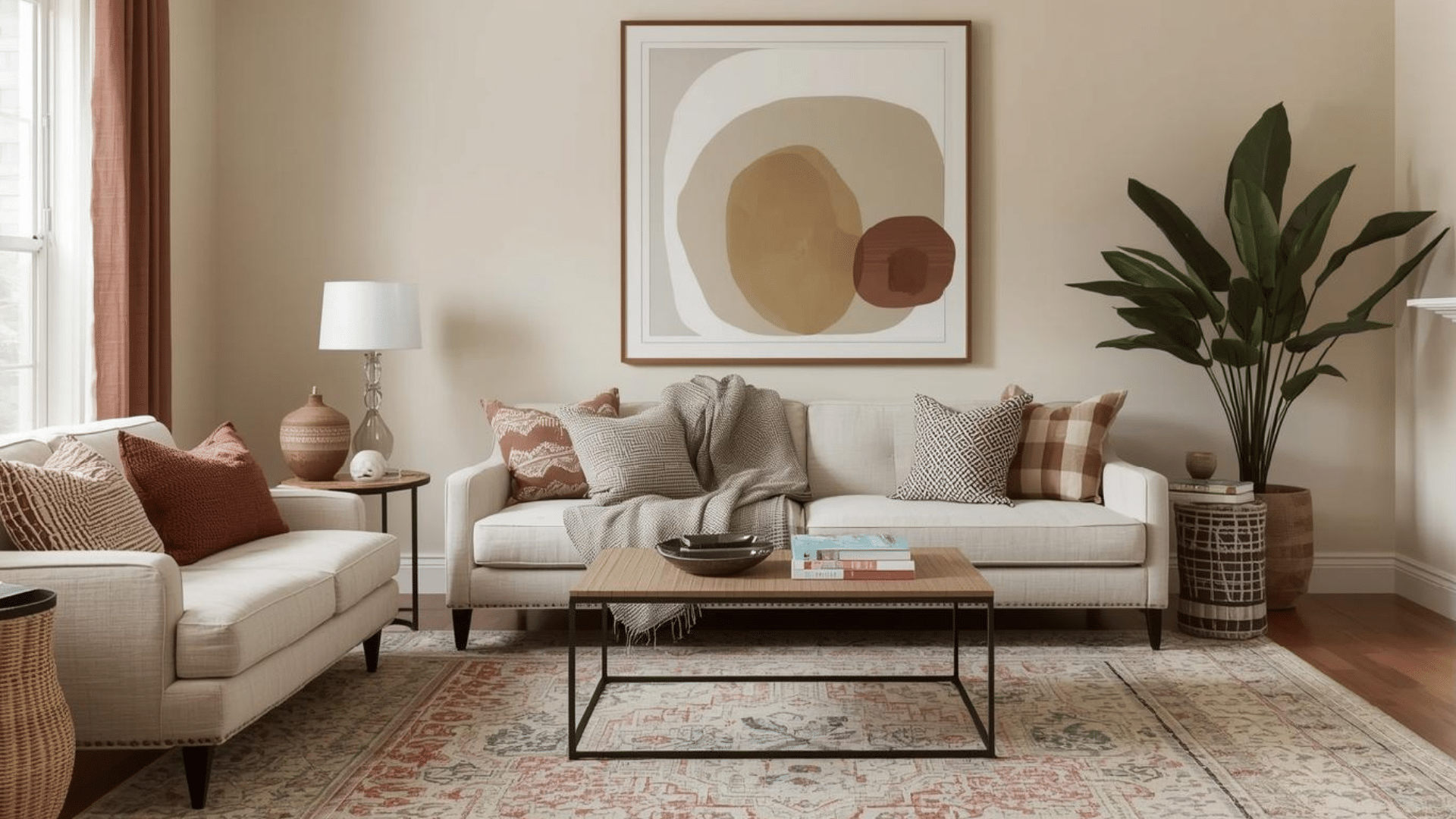
An earth-tone color base creates a calm foundation for a bohemian house. Shades like beige, tan, soft brown, clay, and muted green work well on walls and large furniture. These colors help other items stand out without feeling busy.
You can keep walls light and add deeper shades through rugs, pillows, and art. Using similar tones across rooms helps the house feel connected while still allowing different textures and patterns in each space.
4. Collected Wall Art
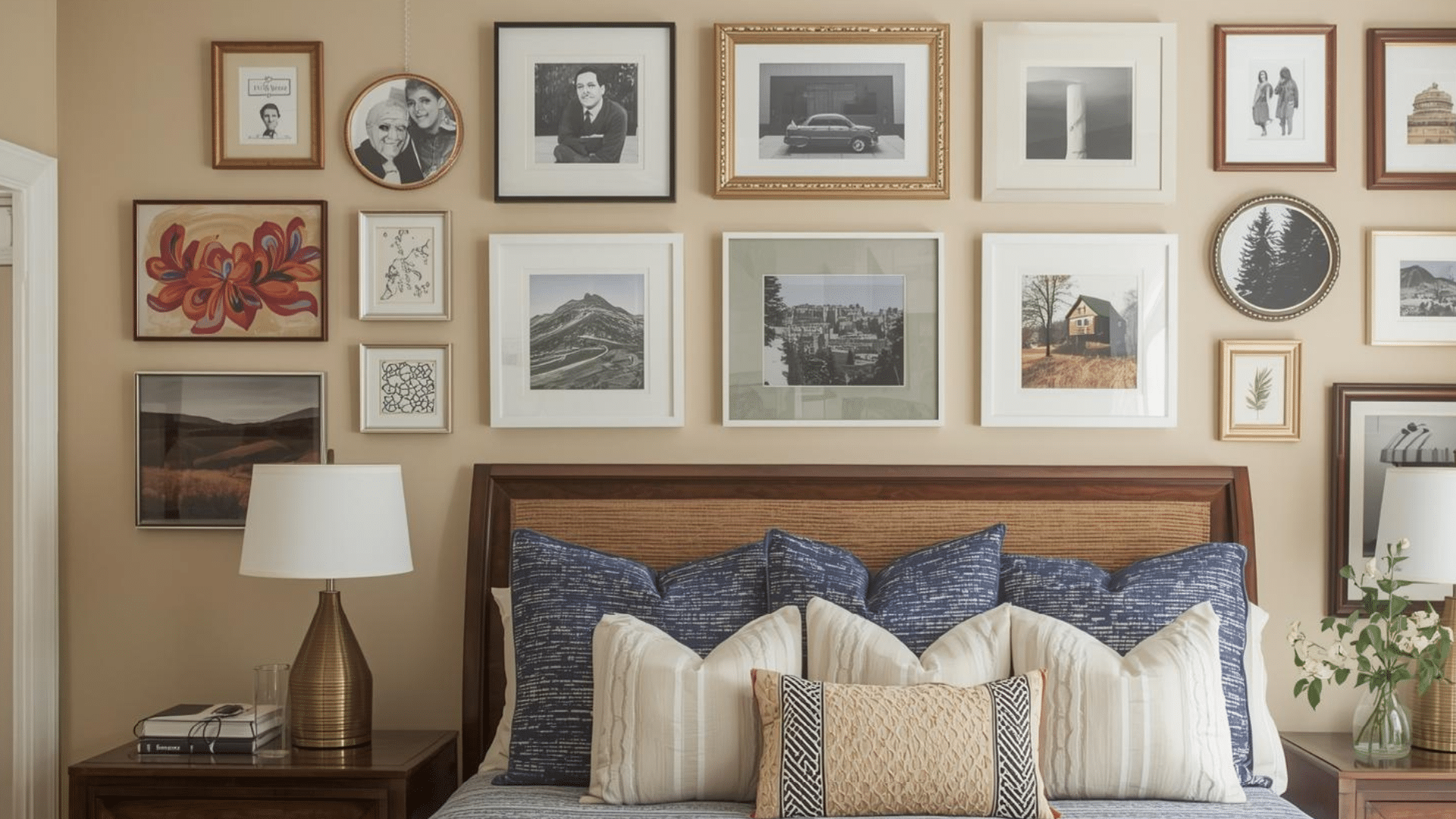
Collected wall art gives your home a personal feel. Instead of matching frames, use different sizes and styles. Hang photos, prints, fabric pieces, or handmade items together. You can arrange them in a loose grid or a free-form layout.
Keep spacing uneven for a relaxed look. Wall art does not need to be expensive. Items you already own often work best. This approach works well in hallways, living rooms, and above beds.
5. Plants in Every Corner
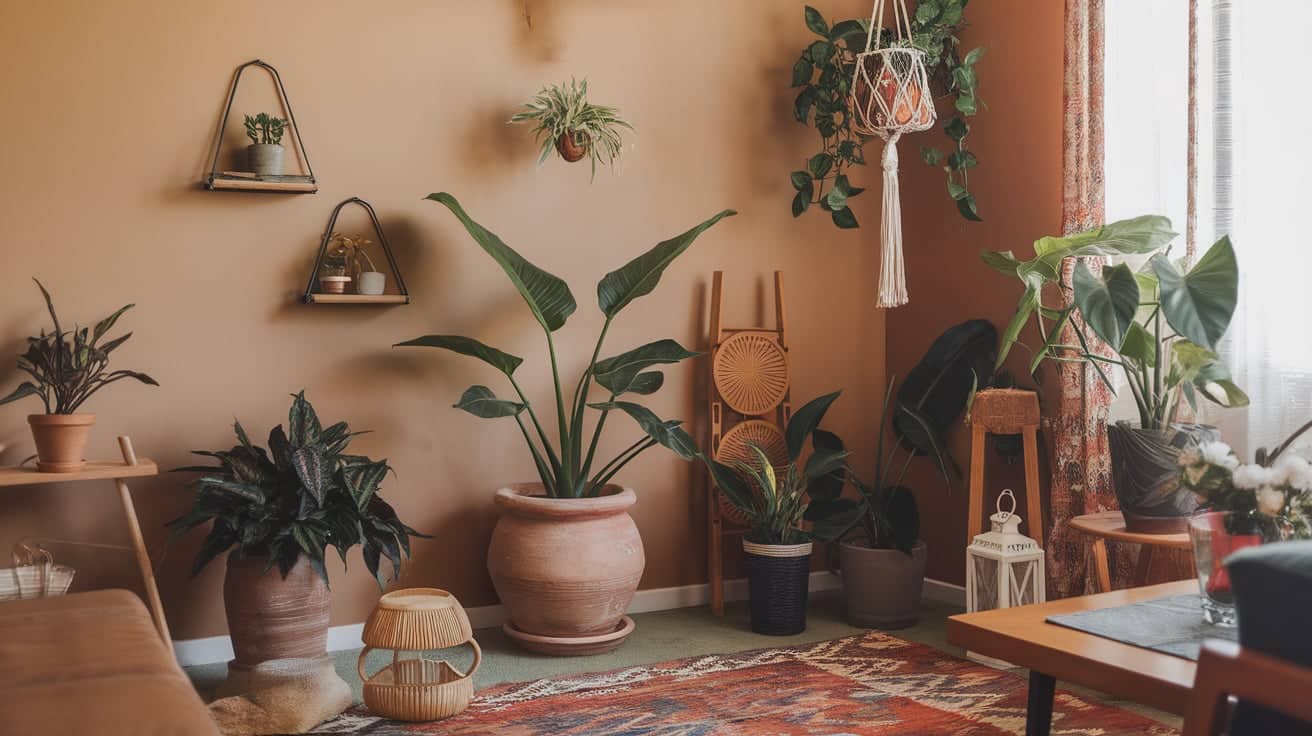
Plants bring life into every room of a bohemian house. Place them on shelves, floors, window sills, or hang them from the ceiling. Use different sizes to create balance. Small plants work well on tables, while larger ones fill empty corners.
Clay pots and woven planters fit this style well. You do not need rare plants. Simple, easy-care options still add softness and movement. Spread plants across rooms instead of grouping them in one spot.
6. Vintage Wood Furniture
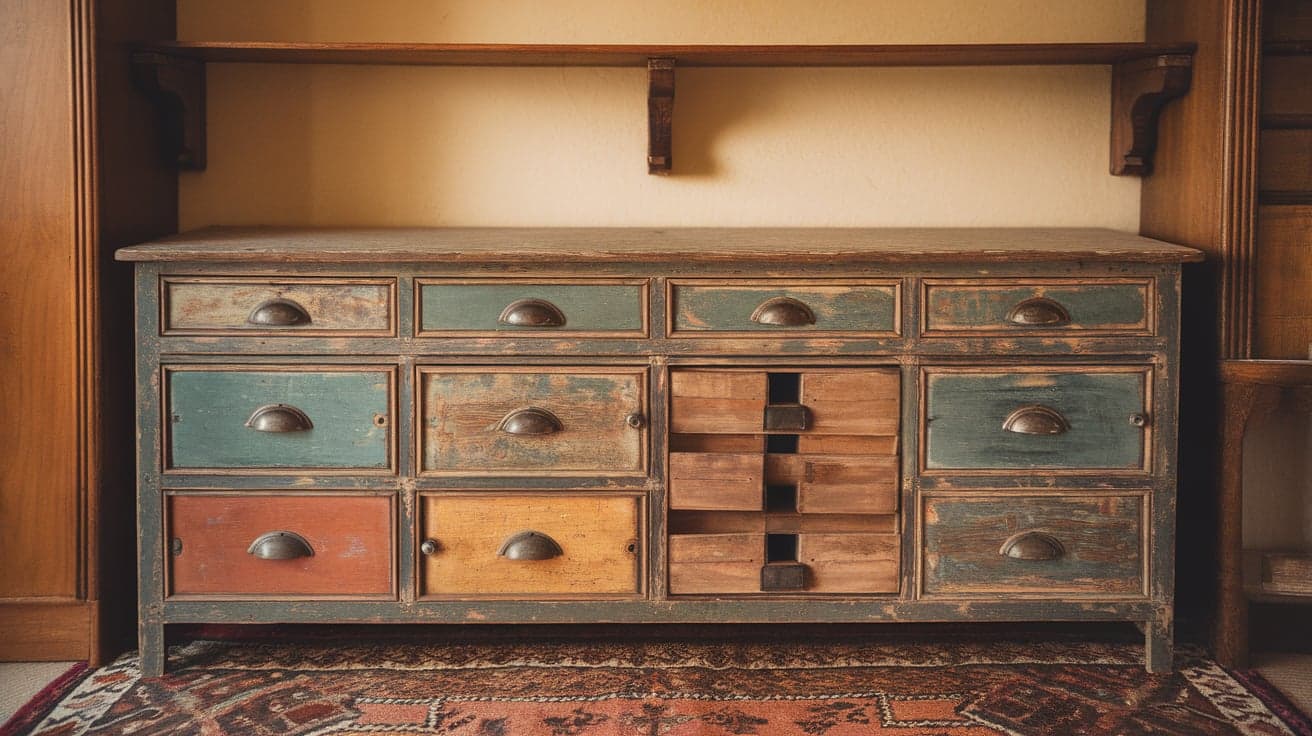
Vintage wood furniture adds warmth and character to your home. Look for tables, cabinets, or chairs with visible grain and signs of age. These pieces do not need to match. Mixing light and dark wood works well.
Vintage furniture often feels sturdy and useful, making it easy to use every day. You can place one statement piece in each room or use smaller items like stools and side tables to bring this look into the space.
7. Sheer Curtains for Soft Light
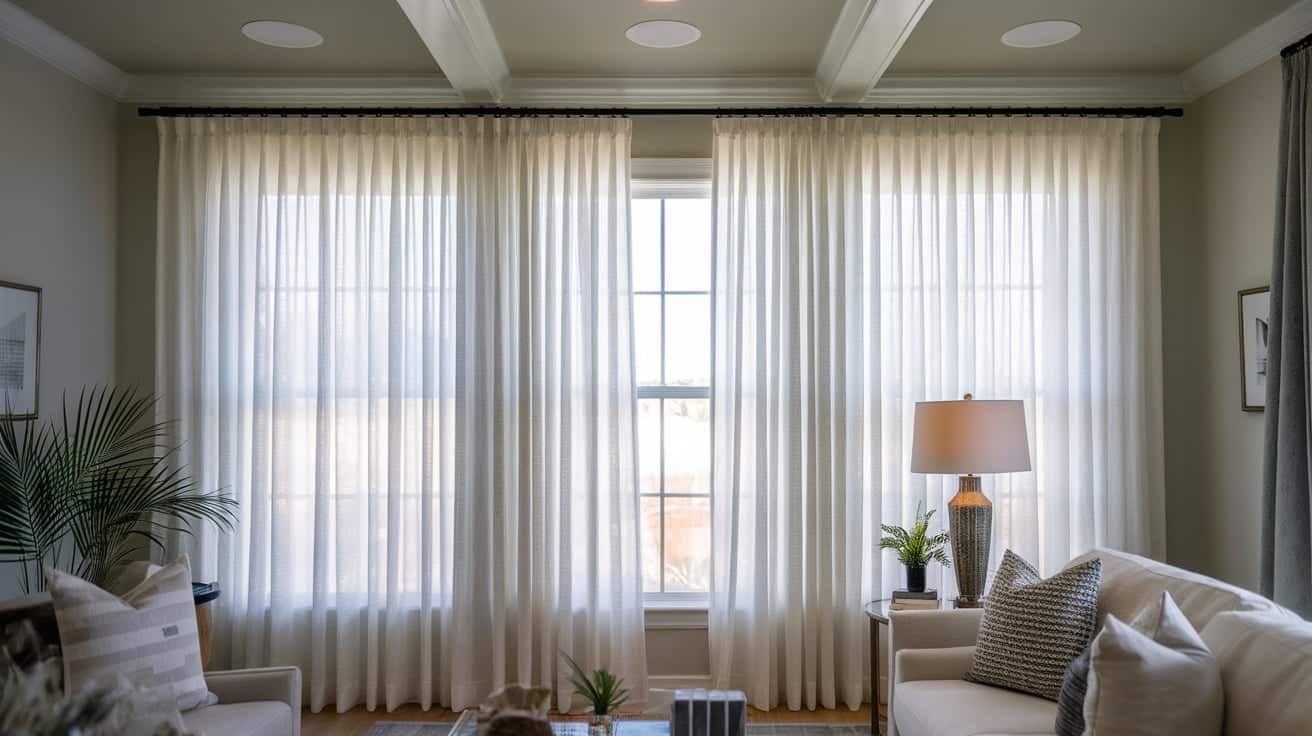
Sheer curtains help control light without blocking it fully. They work well in living rooms and bedrooms where natural light matters. Light fabrics allow sunlight to pass through while keeping the space private.
Choose neutral shades like white, cream, or soft beige. Hang curtains higher than the window frame to make the room feel taller. This setup keeps rooms bright during the day and calm in the evening without heavy window coverings.
8. Textured Throw Pillows
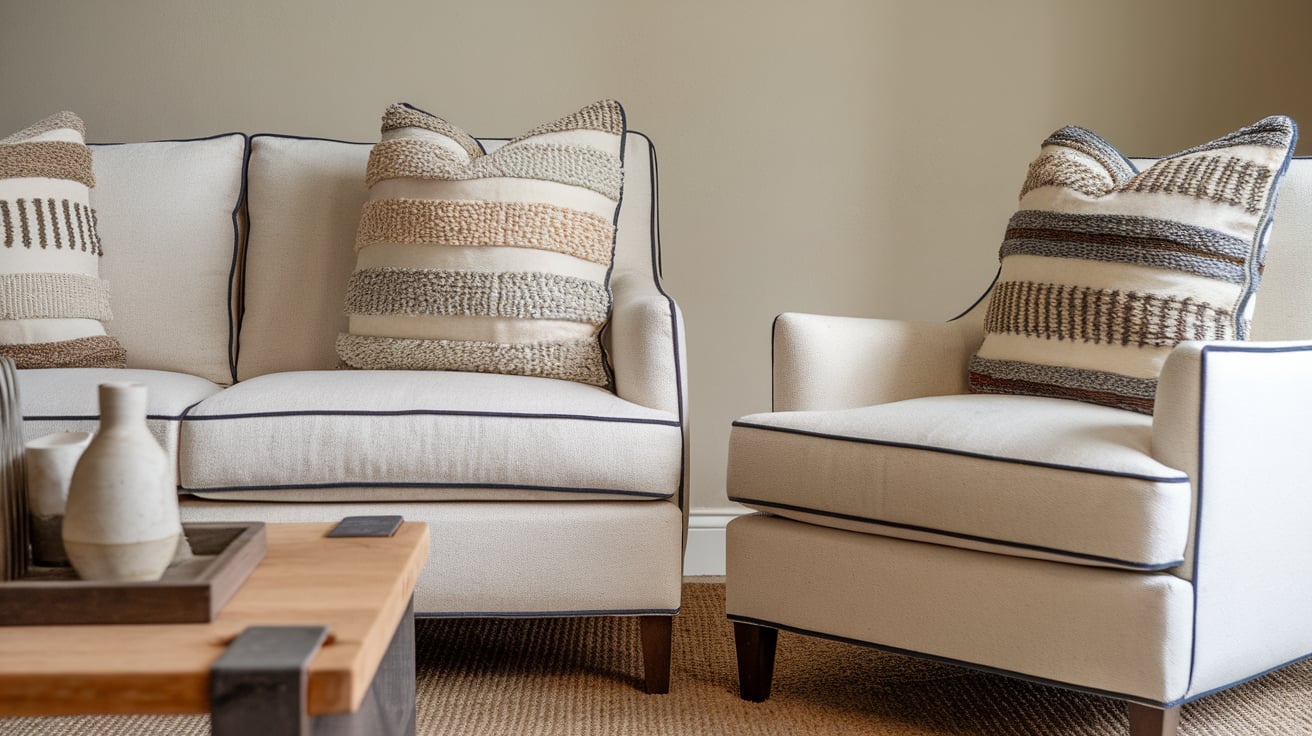
Textured throw pillows add comfort and interest to seating areas. Use different fabrics like linen, woven cotton, or knit covers. Mix square and rectangular shapes for variety. Keep colors within a similar range to avoid clutter.
You can change pillow covers with the seasons instead of buying new pillows. Place them on sofas, beds, and chairs to soften the look of furniture. Textured pillows help rooms feel welcoming without needing major changes.
9. Woven Wall Hangings
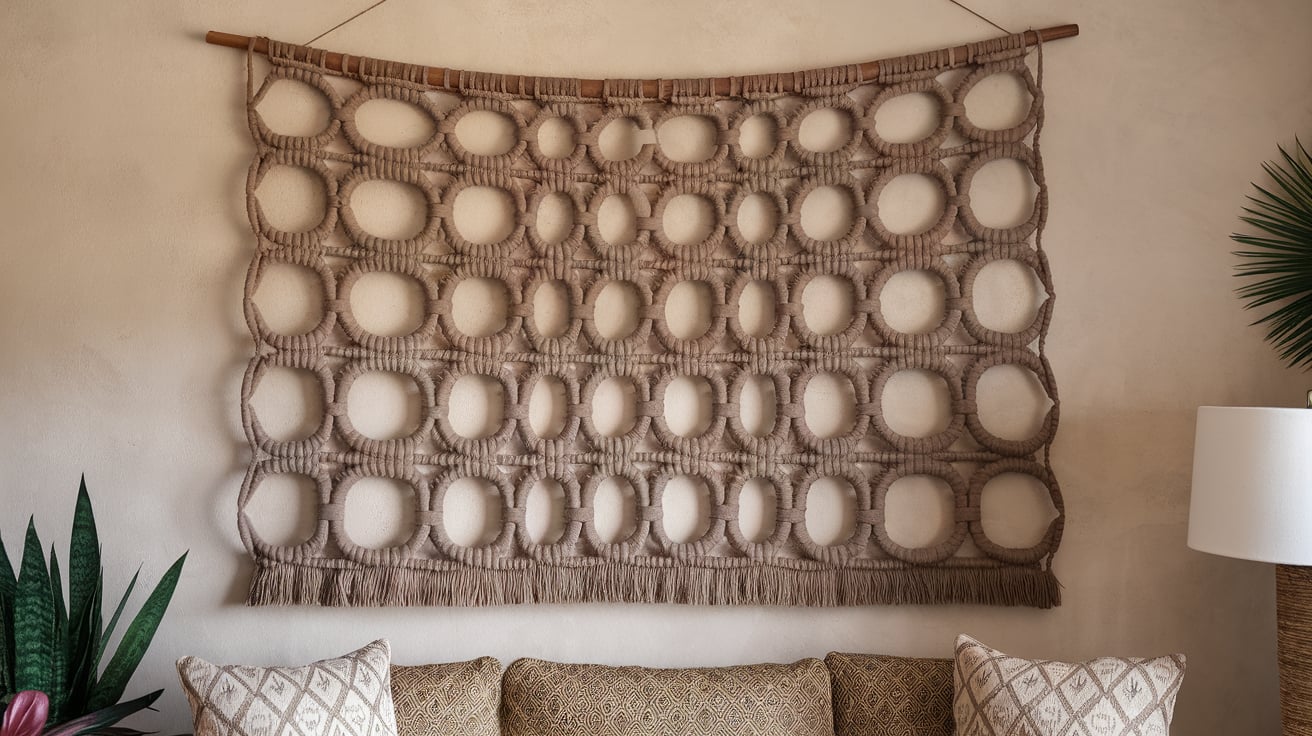
Woven wall hangings bring texture to empty walls. These pieces work well above sofas, beds, or in entryways. Choose simple patterns and neutral colors for easy pairing with other decor.
Wall hangings made from yarn, rope, or fabric add softness without using frames. They are lightweight and easy to hang. You can use one large piece or group smaller ones together. This option adds interest without making walls feel crowded.
10. Open Shelving With Decor
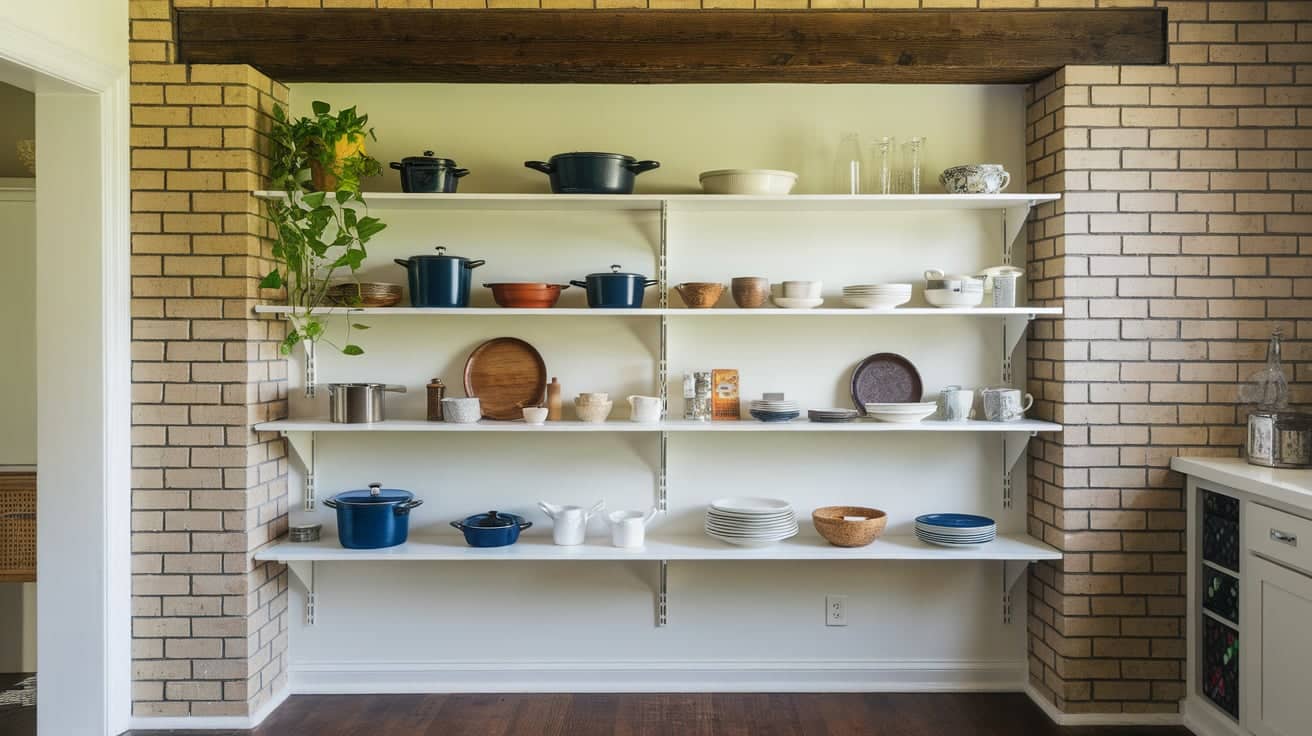
Open shelving allows you to display items you use and enjoy. Use shelves in kitchens, living rooms, or bedrooms. Place books, plants, pottery, and baskets together.
Keep spacing loose so shelves do not feel packed. Stick to a small color range to keep things calm. Open shelves work best when you rotate items now and then. This keeps the space fresh while still feeling personal and useful.
11. Cozy Reading Nook
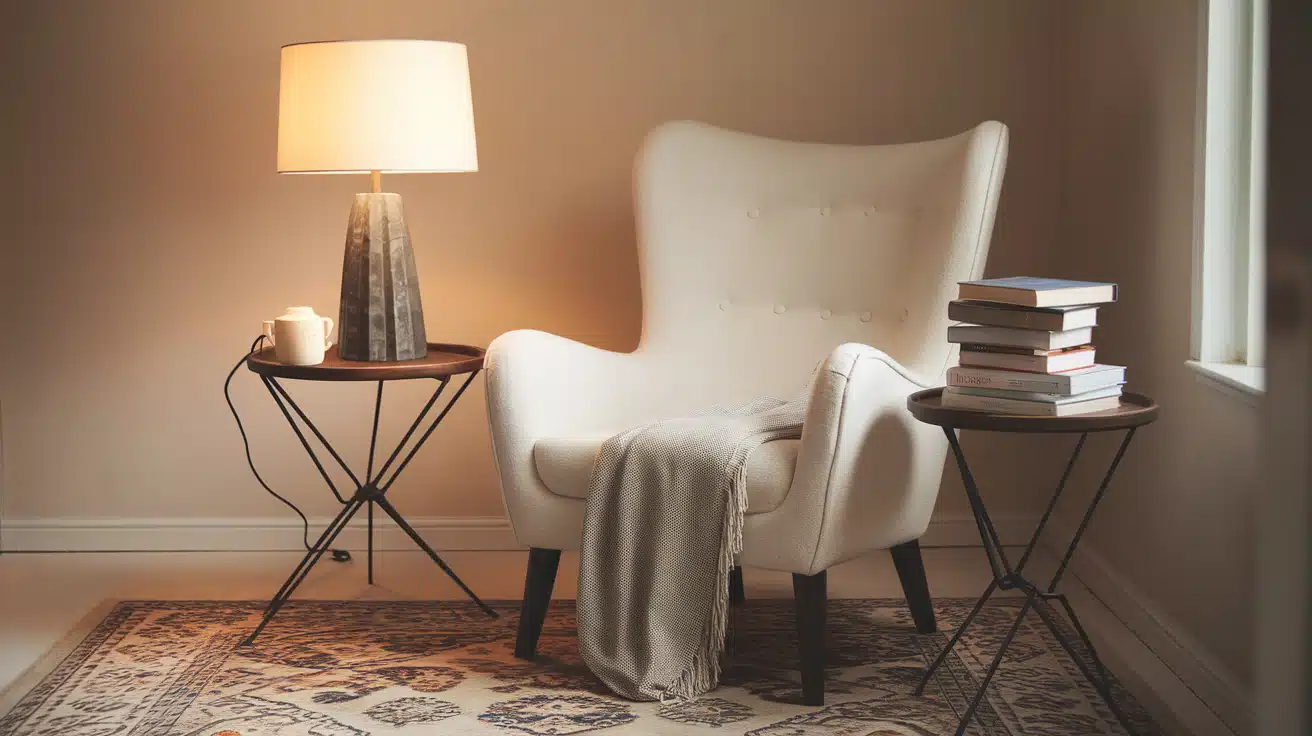
A reading nook gives you a quiet place to slow down and relax. Choose a corner near a window or lamp. Add a comfortable chair, floor cushion, or small bench. Use a soft throw and one or two pillows for support.
A small side table helps hold books or a cup. Keep the lighting gentle so your eyes stay comfortable. You do not need a large space. Even a small corner can work when it feels calm and easy to use every day.
12. Natural Wood Accents
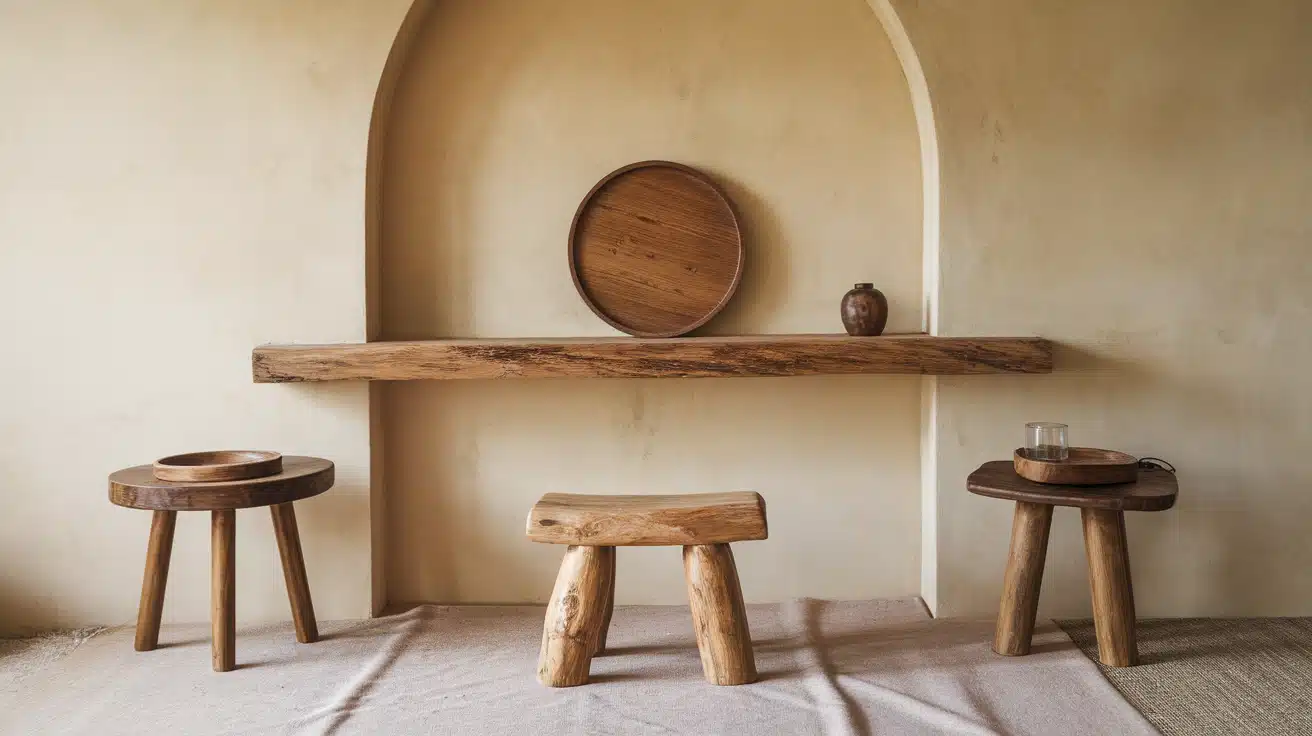
Natural wood accents add warmth and balance to a bohemian house. You can use wood in shelves, stools, trays, frames, or small tables. These pieces help ground the space and work well with soft fabrics.
Lighter wood feels airy, while darker wood adds depth. Mixing both is fine. You do not need perfect finishes. Slight marks and texture often add character. Spread wood accents across rooms so the home feels connected and comfortable instead of stiff.
13. Mixed Patterns in One Room
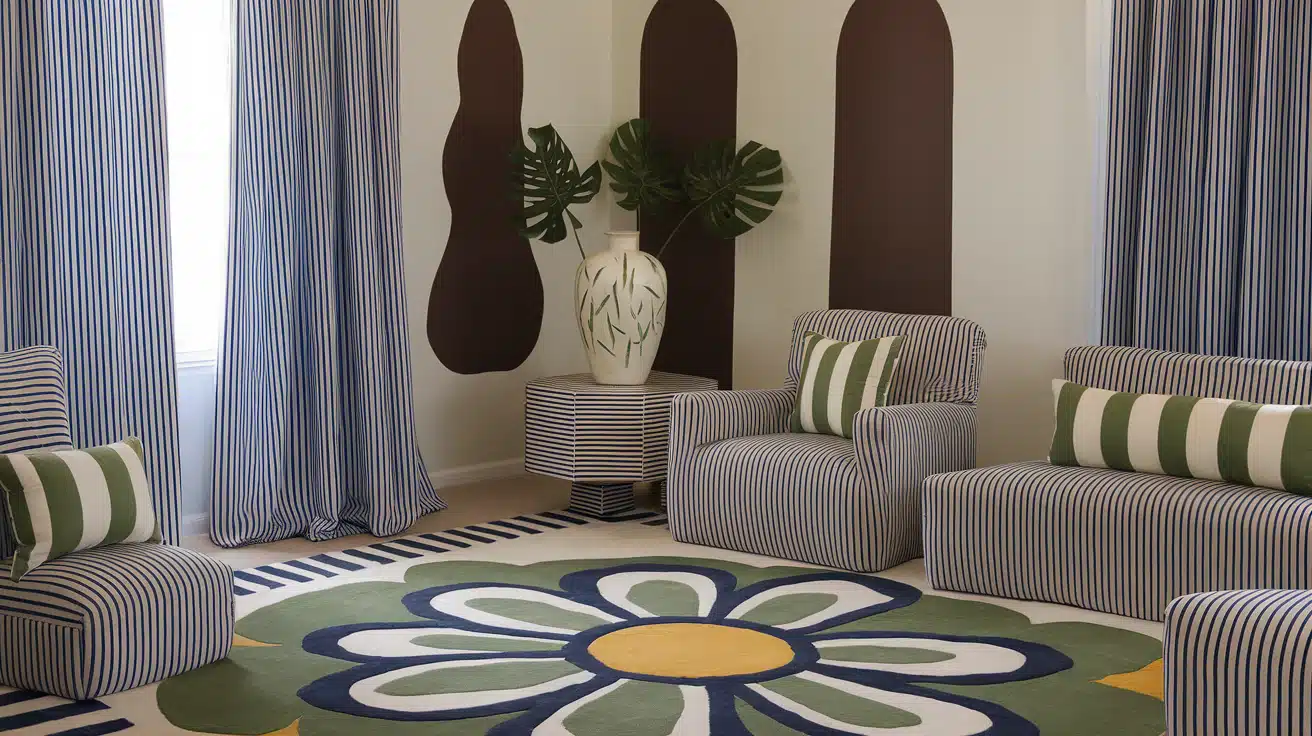
Mixed patterns help a room feel relaxed and lived in. Start with one main pattern, such as a rug or curtain. Add smaller patterns through pillows, throws, or wall pieces. Keep colors within the same range so the room feels calm.
Stripes, florals, and simple shapes can work together when spacing feels balanced. Avoid placing too many patterns close together. Spread them out so each one has room. This approach adds interest without making the space feel busy.
14. Soft Ambient Lighting
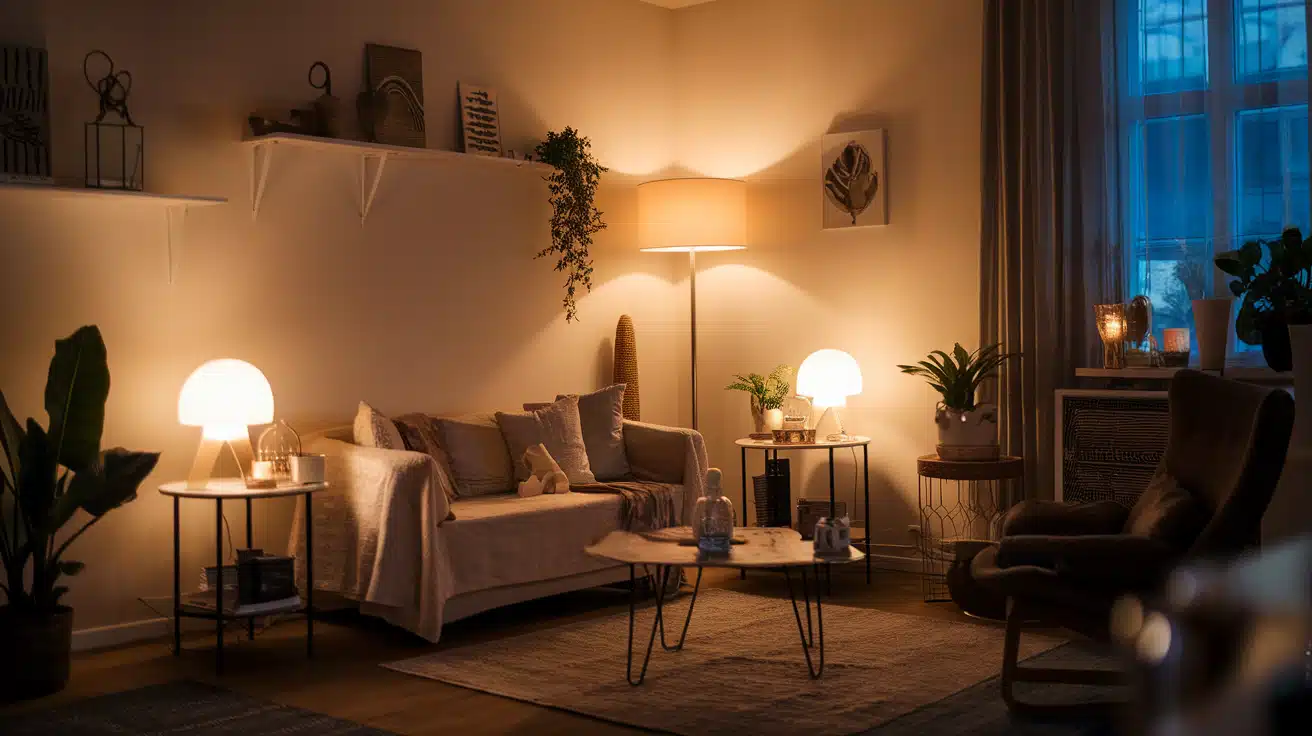
Soft lighting helps rooms feel calm and welcoming. Use table lamps, floor lamps, or wall lights instead of strong ceiling lights. Place lamps at different heights to spread light evenly. Warm bulbs work best for evenings.
You can add lanterns or candles on shelves or tables for a gentle glow. Lighting should support rest, not strain your eyes. Keep switches easy to reach so the space stays useful during different times of day.
15. Layered Bohemian Bedding
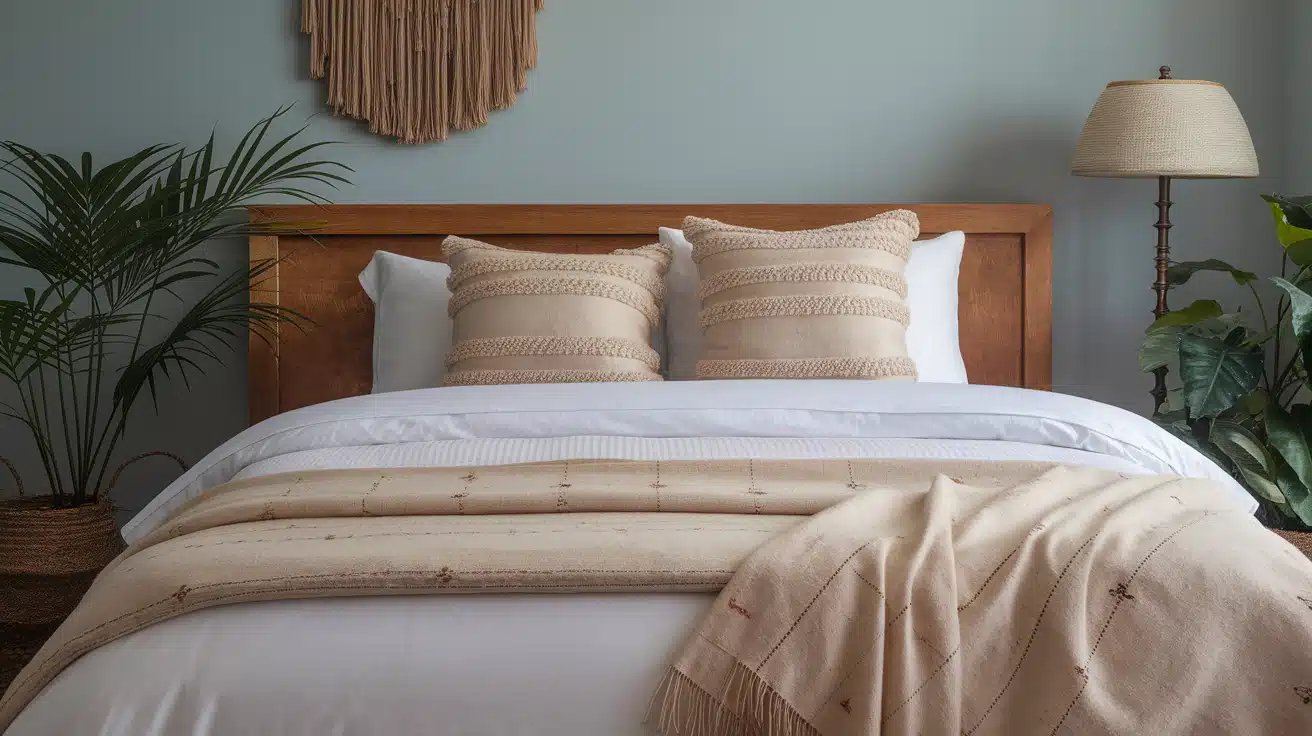
Layered bedding makes a bedroom feel comfortable and relaxed. Start with simple sheets, then add a quilt or light blanket. Place a throw at the foot of the bed for texture. Use pillows in different sizes, but do not overcrowd the bed.
Cotton and linen fabrics work well for daily use. Stick to soft colors that help you rest. Layering lets you adjust warmth easily and keeps the bed looking inviting without extra effort.
16. Global-Inspired Decor
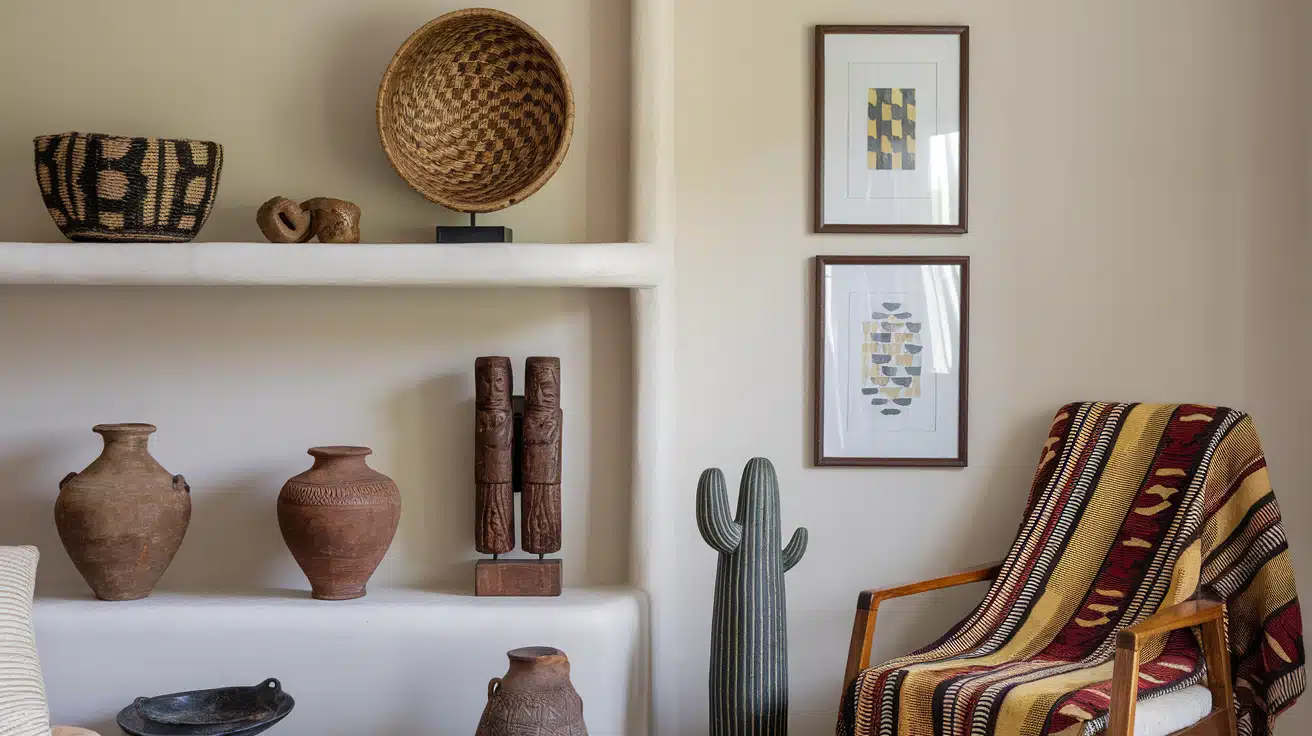
Global-inspired decor brings variety through shapes, colors, and materials from different places. You can use baskets, textiles, pottery, or carved pieces. Choose items that feel meaningful to you.
Keep the number limited so the room does not feel crowded. Place these items on shelves, walls, or tables where they stand out. Mixing these pieces with simple furniture helps balance the look. This approach adds interest while keeping the space calm and personal.
17. Extra Floor Seating
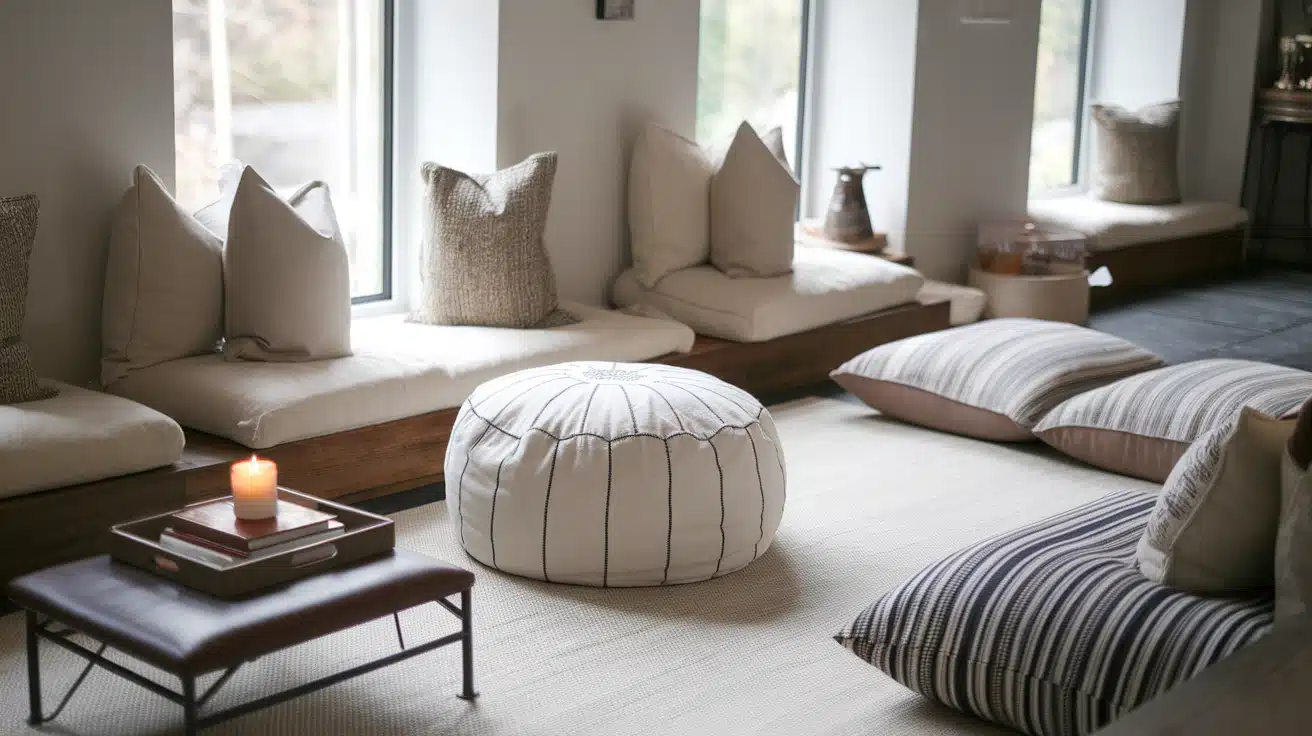
Extra floor seating makes rooms more flexible. Floor cushions, poufs, or low stools work well for guests or relaxed evenings. These pieces are easy to move and store. Choose covers that feel soft but hold shape.
Neutral colors help them fit into different rooms. Floor seating works well in living rooms, bedrooms, or near windows. It encourages a casual layout and keeps the space open. You can add a tray on top when extra surface space is needed.
18. Neutral Walls With Bold Accents
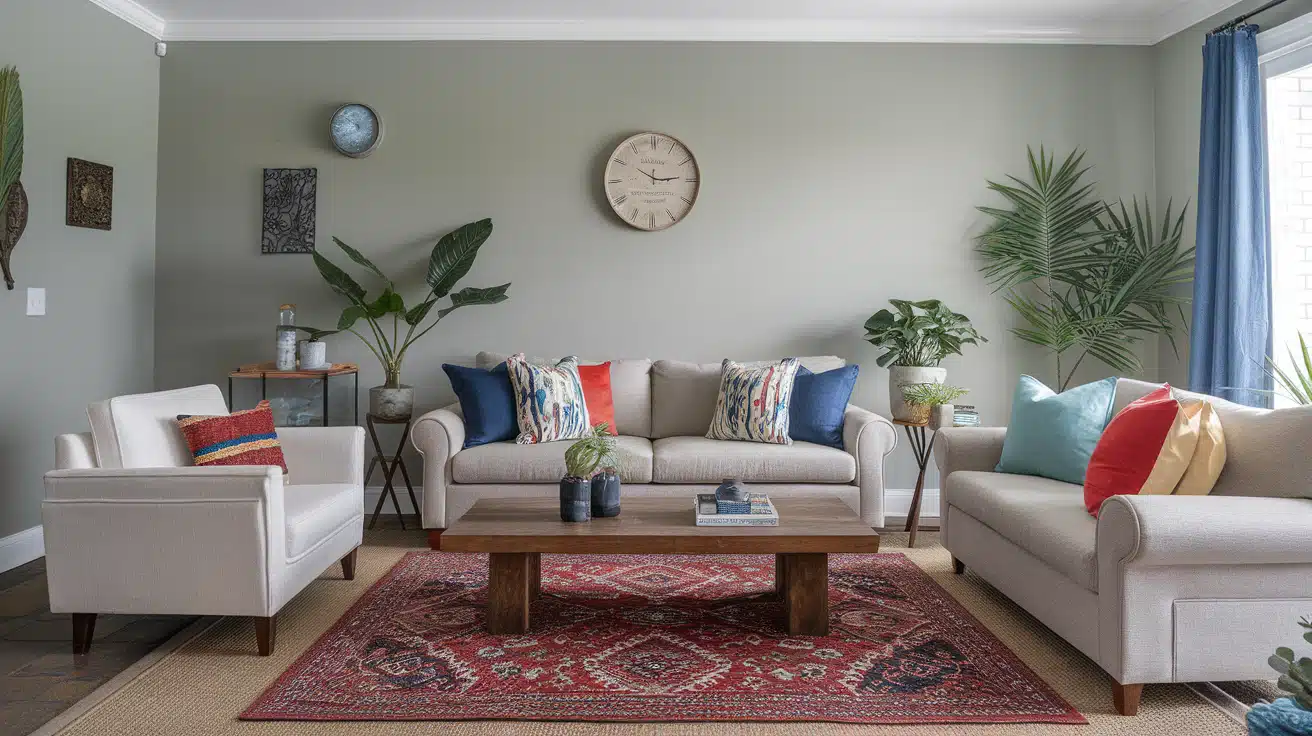
Neutral walls create a calm base for a bohemian house. Light shades like cream, beige, or soft gray work well. These colors allow furniture and decor to stand out.
Add bold accents through rugs, pillows, art, or plants. This keeps the space interesting without making walls feel heavy. Neutral walls also make it easier to change decor over time. You can update accents as tastes change while keeping the main space steady and balanced.
19. Handmade or DIY Decor
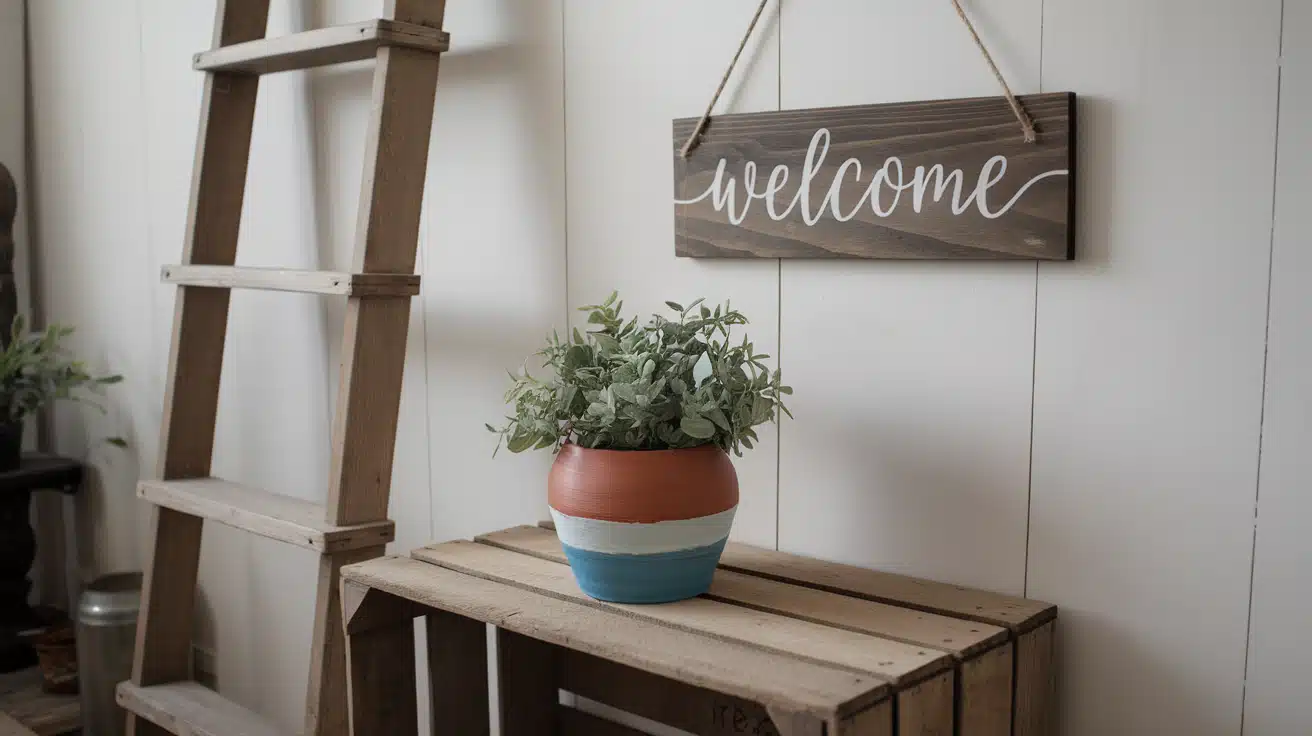
Handmade or DIY decor adds a personal touch to your home. You can use painted pots, simple wall pieces, or reused furniture. These items do not need to look perfect. Small marks and texture add warmth.
Place handmade pieces where they can be seen and used. Limit the number so each item stands out. This approach helps your home feel thoughtful and relaxed. It also allows you to update decor slowly without high costs.
20. Relaxed Dining Setup
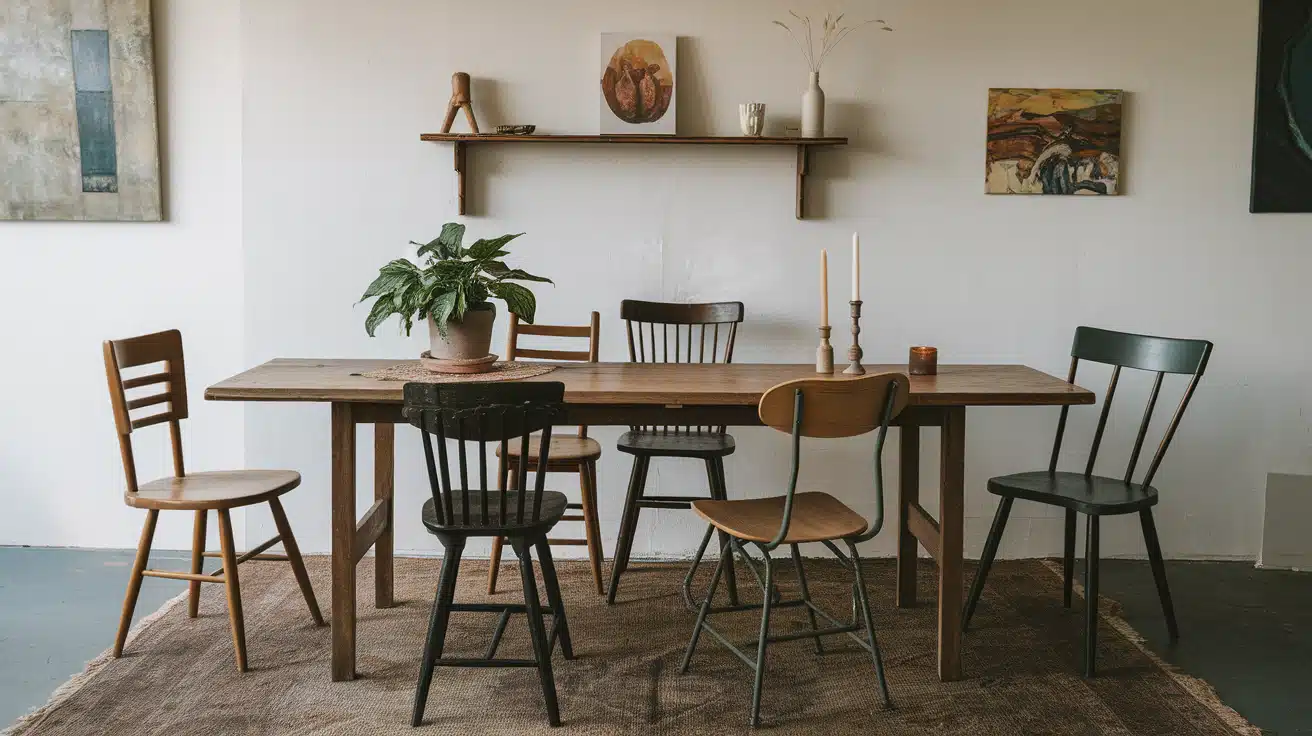
A relaxed dining setup makes meals feel easy and welcoming. Mix dining chairs instead of matching sets. Use a simple table runner or cloth instead of a full table setting. Keep dishes and glassware within reach.
Open shelves or nearby storage help keep things practical. Add a small plant or candle to the table for softness. This setup works well for daily meals and gatherings. The goal is comfort and ease, not formal layouts.
21. Plants as Soft Room Dividers
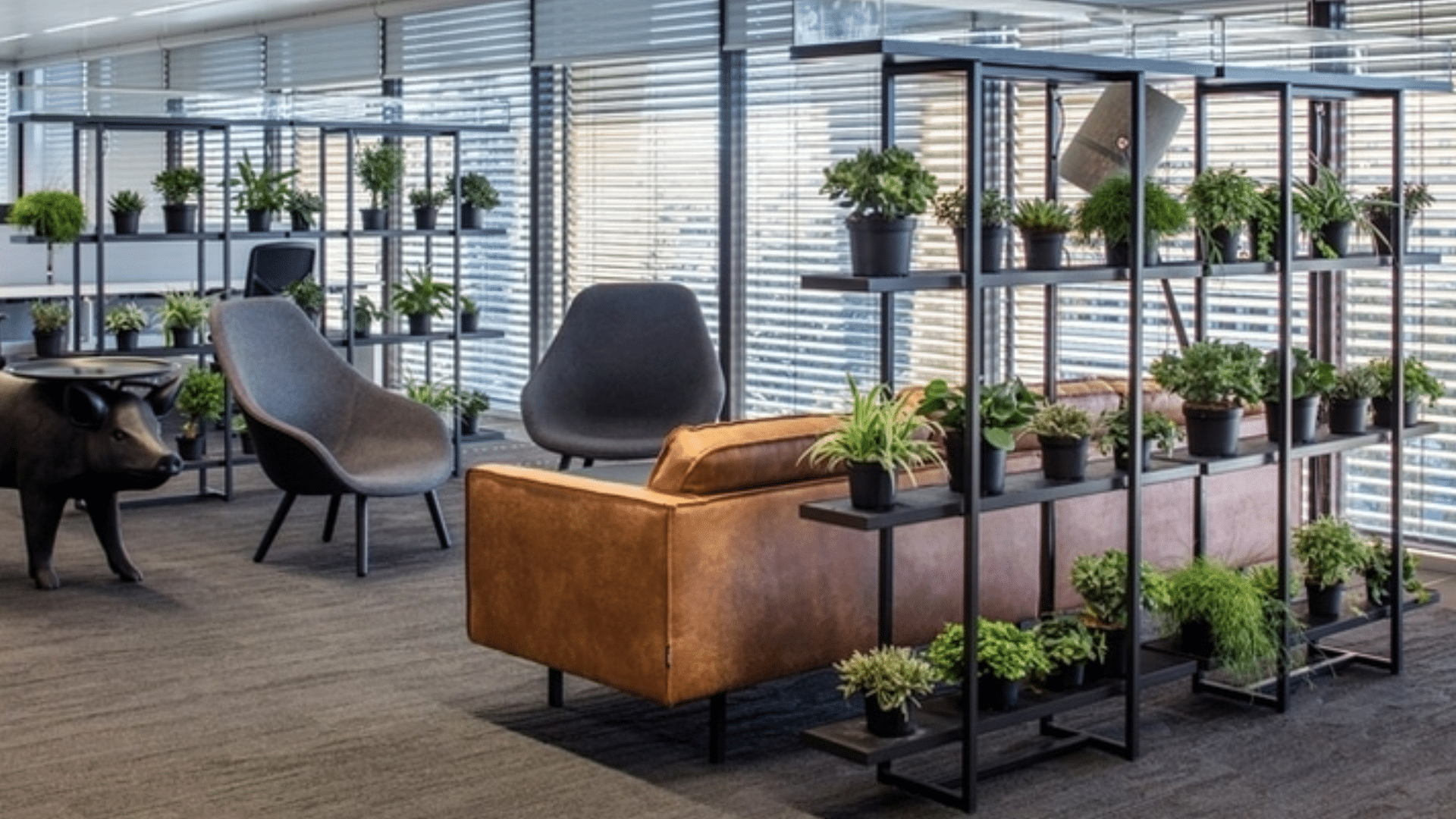
Plants can separate areas without closing off space. Tall plants work well between seating zones or near doorways. Medium plants on stands also help guide movement through a room. This method keeps light flowing while adding structure.
Choose sturdy pots that stay balanced. Group plants at different heights to avoid a flat look. You can move them easily if the layout changes. This option works well in open homes where clear zones are needed without walls or screens.
22. Blankets Draped Everywhere
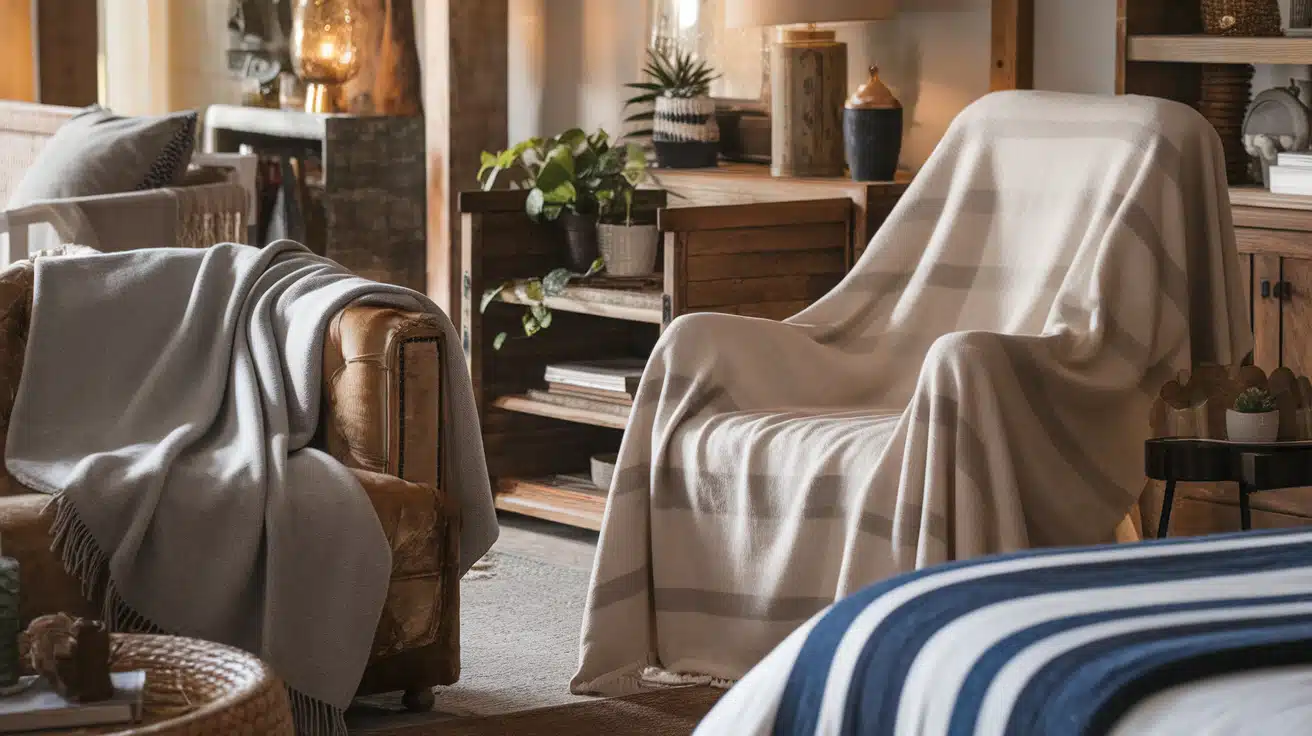
Blankets add warmth and comfort across the house. Place them over sofa arms, chair backs, or at the foot of beds. Choose soft fabrics that are easy to wash and use daily. Neutral shades keep things calm, while patterns add interest.
Do not fold them too neatly. A relaxed placement fits this style better. Blankets also make rooms more useful during cooler evenings. Keep a few within reach so the space stays practical and inviting.
23. Open and Airy Corners
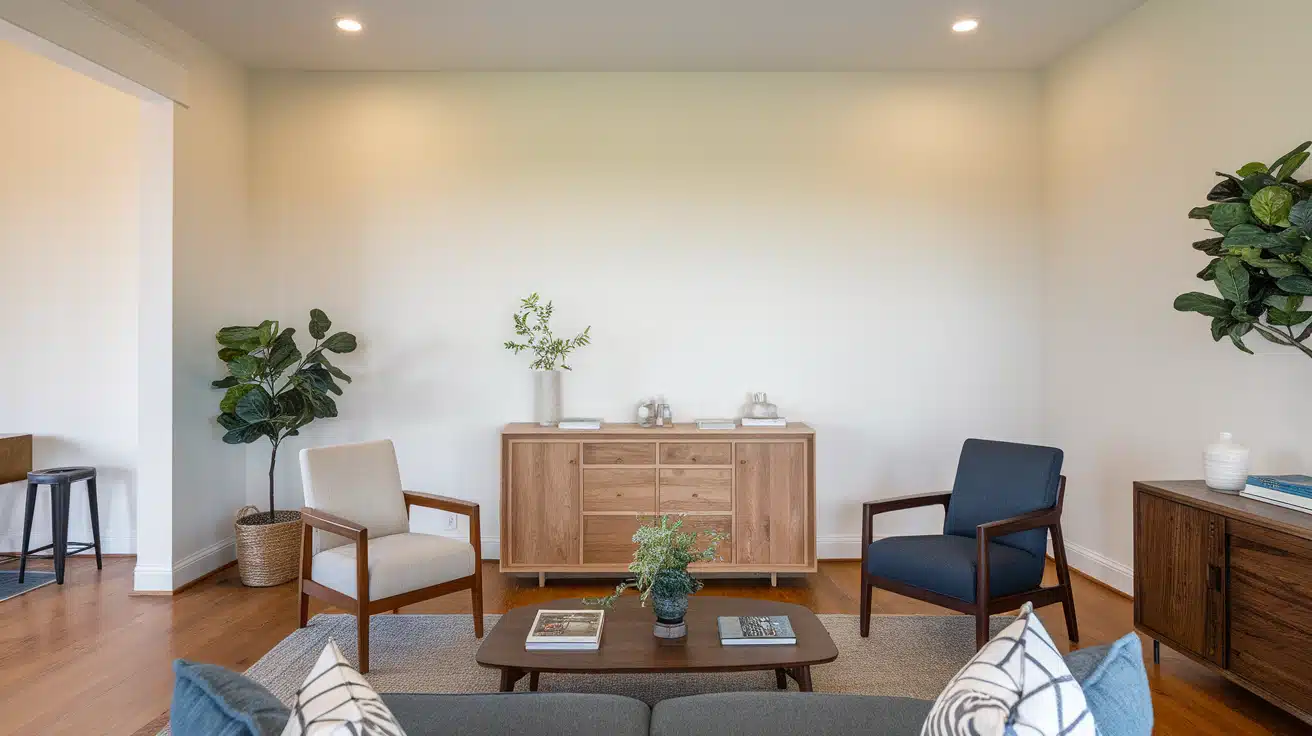
Leaving some corners open helps the house breathe. Not every space needs furniture or decor. Open corners make rooms feel lighter and easier to move through.
You can place one small item, such as a plant or stool, instead of filling the area. This balance keeps rooms from feeling crowded. Open corners also help highlight nearby decor. They give the eyes a place to rest and make the layout feel calm and well planned.
24. Personal Collections on Display
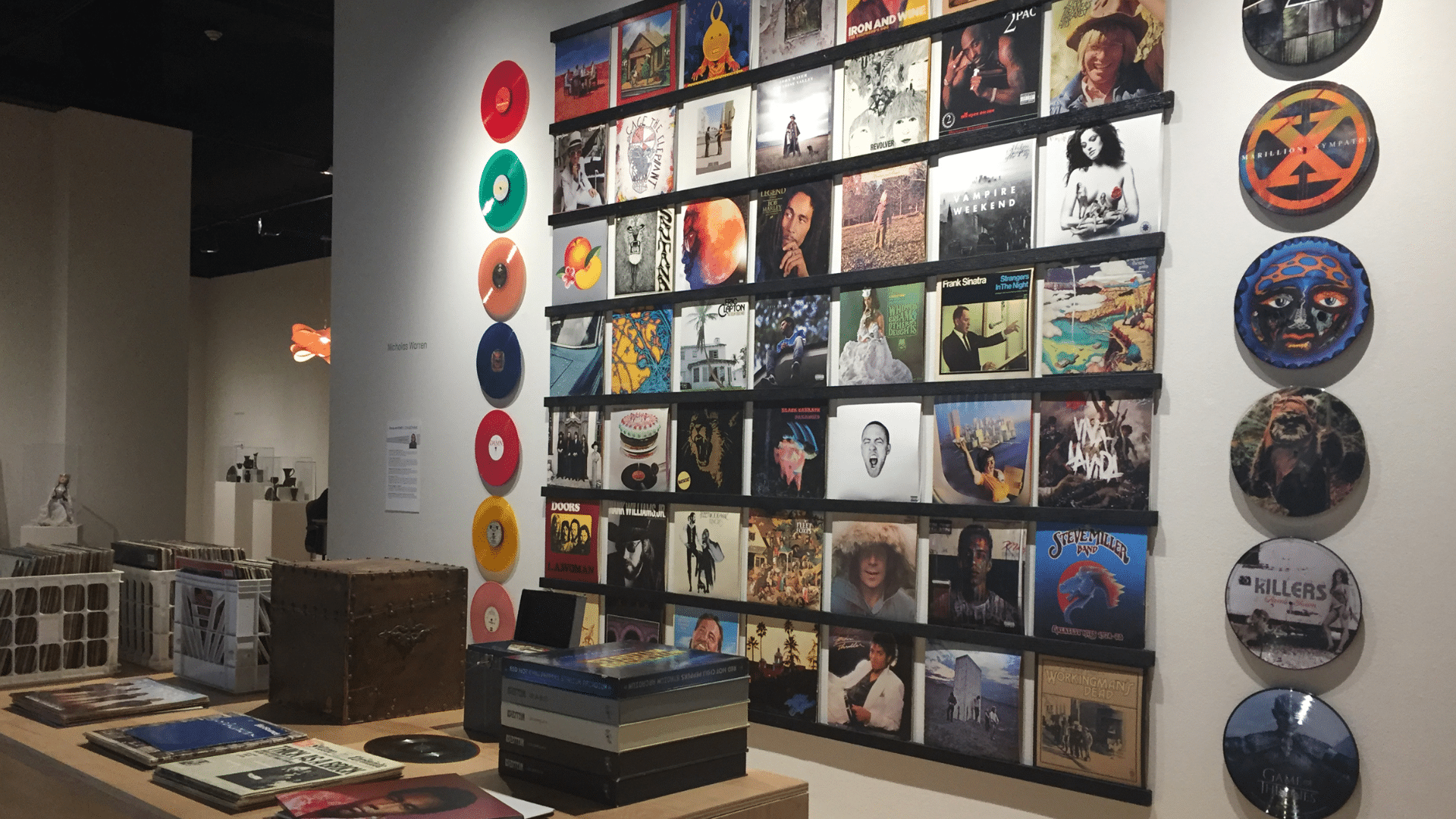
Displaying collections helps the home reflect daily life. Books, records, pottery, or small items work well on shelves or tables. Group similar items together to keep things organized. Leave space between pieces so each one stands out.
Avoid filling every surface. Rotate items now and then to keep the setup fresh. Collections do not need to be large. A few meaningful pieces can add interest and help rooms feel thoughtful and lived in.
25. Comfort-Focused Styling
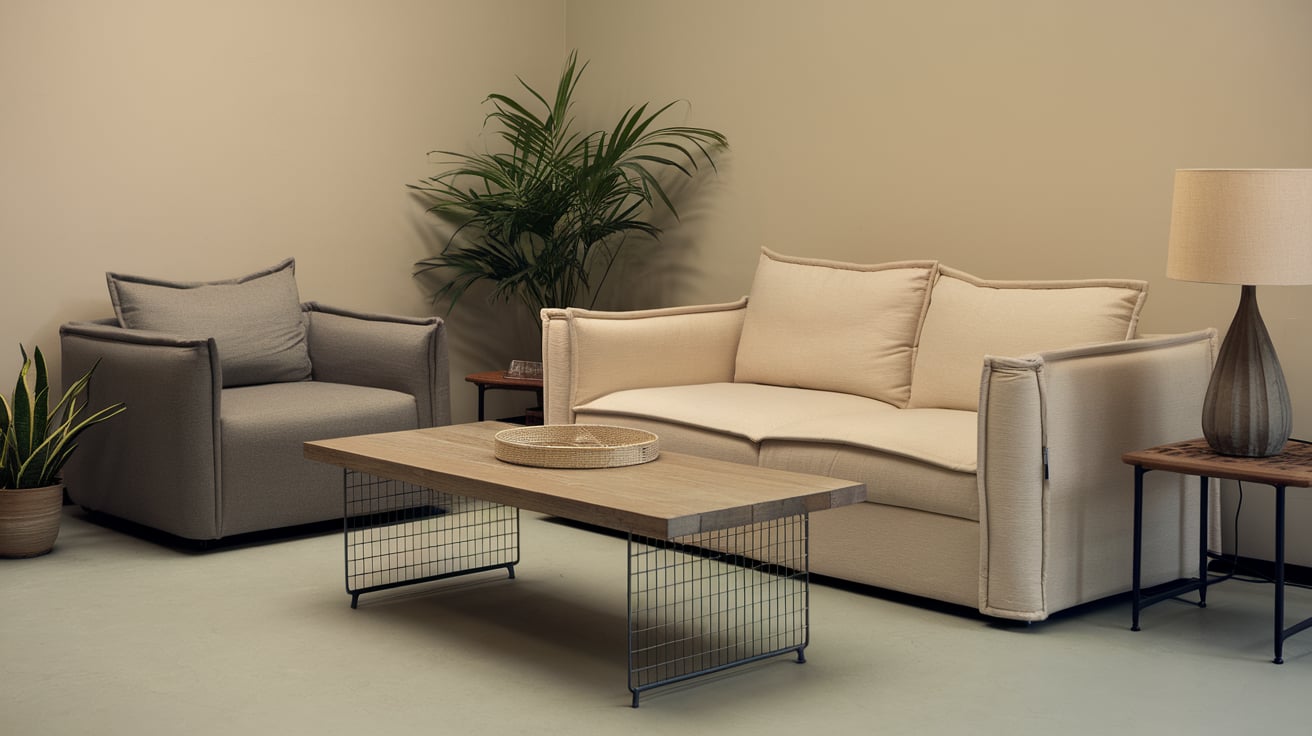
Comfort-focused styling keeps the house easy to use every day. Choose furniture that supports rest and movement. Soft seating, reachable lighting, and clear walking paths matter more than looks alone.
Decor should not block the use of the space. If something feels awkward to use, adjust or remove it. This approach helps rooms stay useful over time. When comfort leads the setup, the home stays welcoming without constant changes or updates.
Common Bohemian House Mistakes to Avoid
These mistakes can make a bohemian house feel crowded or uncomfortable instead of relaxed, balanced, and easy to live in daily.
- Adding too many items at once makes rooms feel crowded and hard to use.
- Using too many patterns together without keeping colors within a similar range.
- Filling every wall, shelf, or corner instead of leaving some open space.
- Choosing decor that looks nice but feels uncomfortable or awkward to use daily.
- Buying matching sets instead of mixing furniture and decor pieces naturally.
- Ignoring lighting and relying only on strong overhead lights.
- Forgetting storage, which leads to clutter instead of a relaxed setup.
Conclusion
A bohemian house works best when comfort and daily use guide every choice. Throughout this post, I covered color, texture, furniture, lighting, and layout ideas that keep spaces calm and easy to live in. You do not need to change everything at once.
Small updates like rugs, seating, or lighting can already shift how your home feels. I always find that choosing what feels right matters more than following rules.
If you are working toward a bohemian house that fits your life, start with one idea and build from there. Want more room-by-room ideas like this? Take a look at the other home decor blogs and keep finding what works best for you.