I used to think picking a shower wall material was simple: just grab something that looks nice and move on. But once I started looking into it, I hit a wall. Some options looked great but were hard to clean. Others were cheap but didn’t last.
I kept asking myself: What’s really the best option for my bathroom, something that works, lasts, and doesn’t give me a headache to maintain?
That question stuck with me, and I decided to find a real answer.
In this blog, you’ll get clear info on different materials, how they hold up with water and steam, how much work they take to clean, and what kind of cost you’re looking at. Let’s make the decision easier.
Things to Think About Before Picking a Shower Wall Material
Choosing the right shower wall material starts with knowing how your bathroom works day to day.
High moisture and humidity levels mean you’ll need something that won’t warp, peel, or grow mold over time. If the space doesn’t dry out quickly, focus on materials that handle constant dampness well.
Think about how often the bathroom is used. A guest bathroom with light use won’t need the same toughness as a busy family bathroom. Daily use calls for something strong and easy to clean.
Also, consider how much cleaning you’re willing to do. Some surfaces show soap scum or need regular scrubbing, while others stay looking clean with little effort.
If you’re planning to install it yourself, look for panels made for easy setup. Some materials require tools and skills best left to pros.
Lastly, your style matters too; no matter if it’s clean and simple or more natural and warm, the material should match your look.
Best Shower Wall Materials and Panels
When it comes to shower walls, not all materials are made the same. Some are quick to install but don’t last as long. Others look great for years but need more care.
Each material has its ups and downs. Use this to match the right one to your bathroom needs:
1. Acrylic Panels
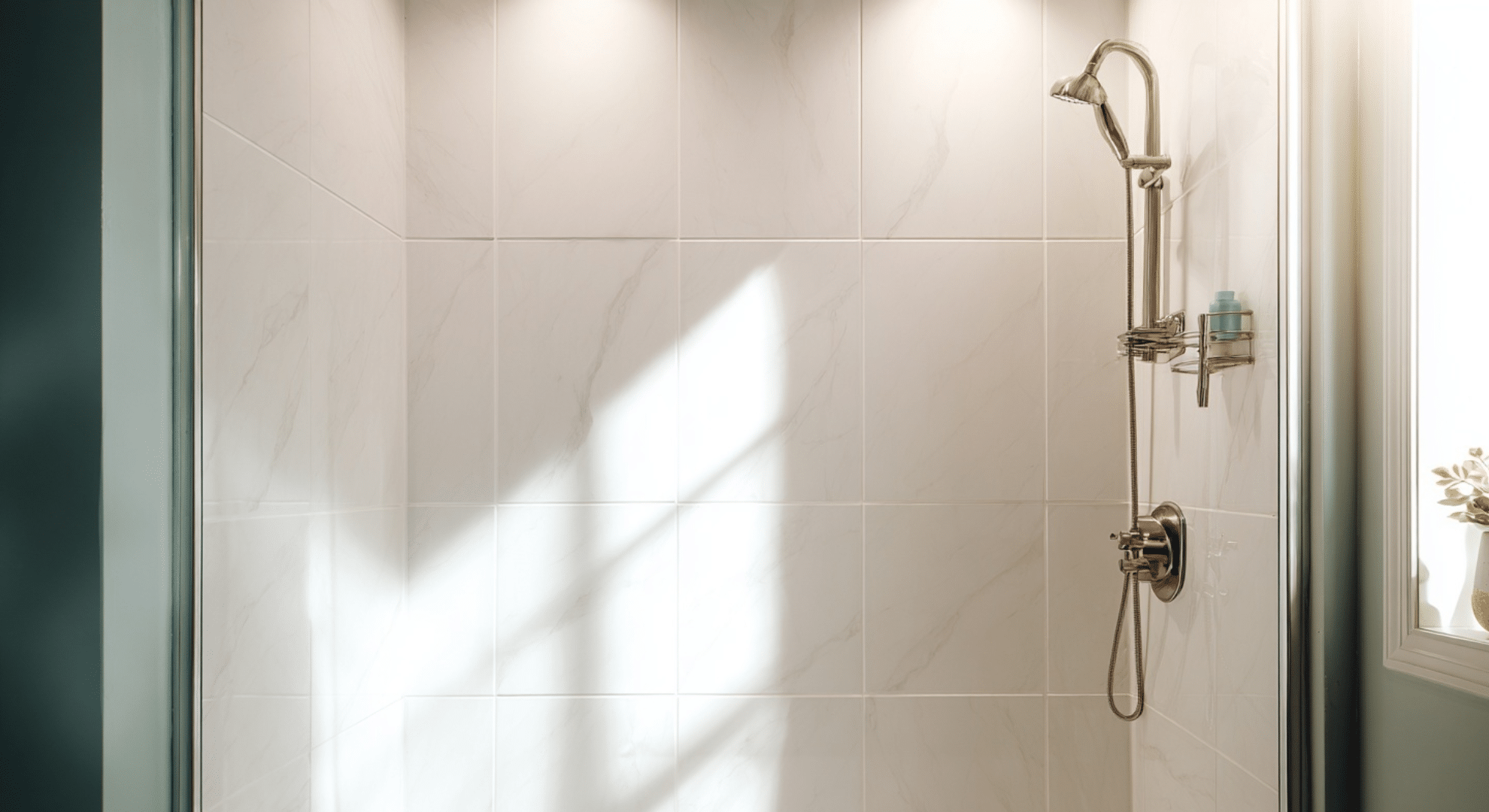
Acrylic panels are smooth, lightweight, and come in many colors and styles. They’re made of plastic sheets that are strong enough to handle daily shower use without much trouble.
They’re known for being easy to install, often fitting right over old tile. They’re also simple to clean since there’s no grout to scrub.
But over time, they can wear down. The surface may fade or turn yellow, especially in bathrooms with a lot of sunlight. Scratches are also common with regular use.
Best for: Quick remodels, rental bathrooms, or anyone who wants a fast, low-fuss upgrade.
Lifespan: Around 10–15 years with proper care.
2. Fiberglass Panels
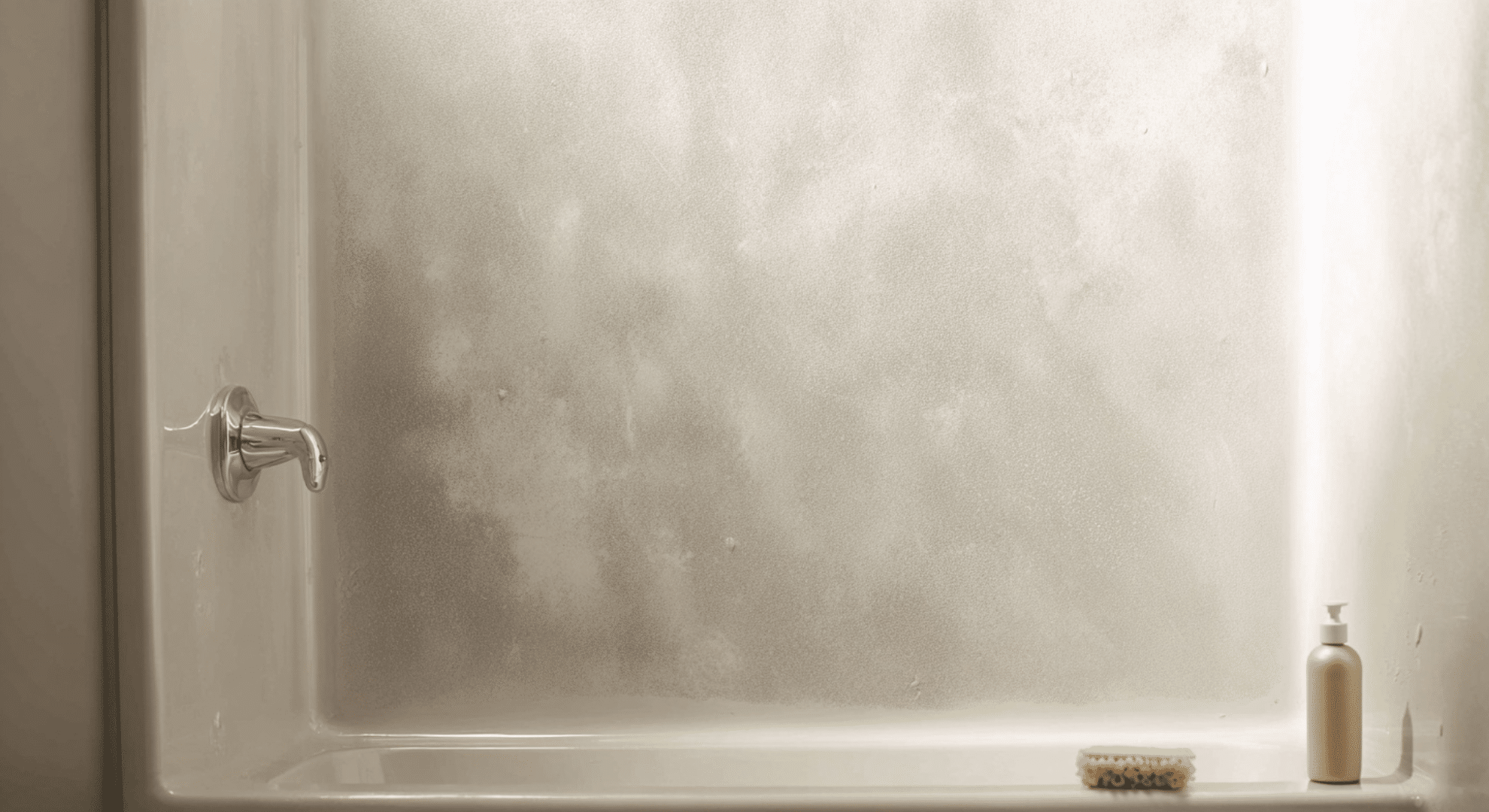
Fiberglass is one of the most affordable choices. It’s very light and can be installed quickly, even by someone doing it themselves.
It’s usually sold as a full unit (walls and base together), which helps avoid leaks. It’s a good pick when money and time are tight.
But fiberglass can scratch easily, and it doesn’t hold up well to high heat. If you drop something sharp or clean with rough tools, it may leave marks. It also tends to look worn faster than other materials.
Best for: Budget projects, guest bathrooms, or short-term setups.
Lifespan: 8–12 years, depending on usage and cleaning habits.
3. Solid Surface
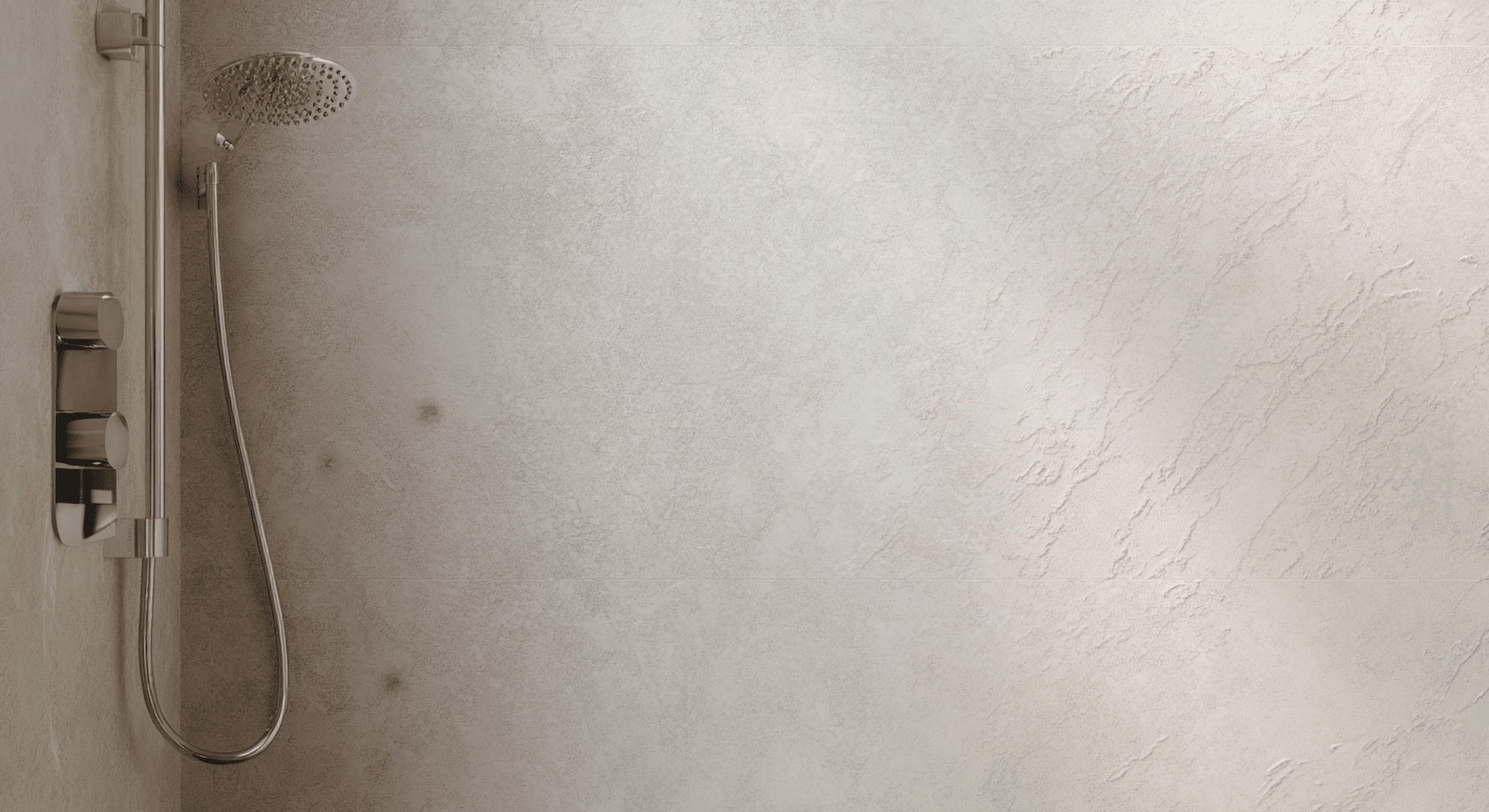
These panels are made from nonporous materials, so water won’t soak in. They offer a smooth, clean look without grout lines and come in many styles and colors.
Solid surface brands include Swanstone, Onyx, and Tyvarian. They usually cost more than acrylic or fiberglass but look more polished and last longer.
They don’t stain easily and are less likely to crack or fade. They’re also easier to clean than tile, with fewer seams for grime to build up.
Best for: Long-term bathroom upgrades, primary bathrooms, or homeowners who want less cleaning.
Lifespan: 20–30 years with low maintenance.
4. Tile
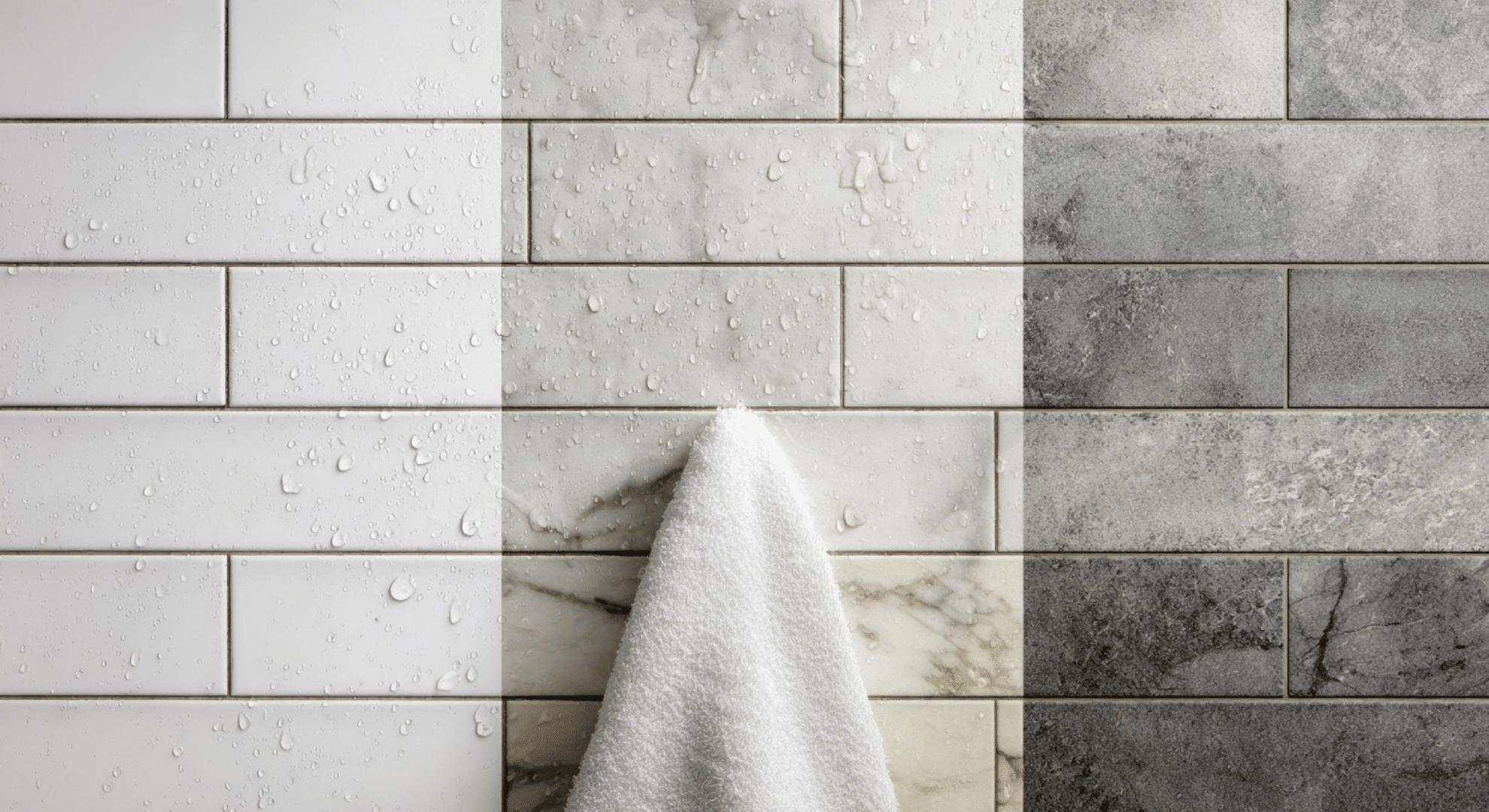
Tile is a classic choice and lets you pick any color or pattern. There are three common types:
- Ceramic: Less expensive, easier to cut, but more likely to chip.
- Porcelain: Denser, stronger, and better for wet areas.
- Natural stone (like marble or slate): Beautiful but needs more upkeep.
Tile looks great, but the grout between tiles needs regular cleaning. If not sealed right, it can trap mold or mildew. Stone tiles need resealing every year or two. Use a grout sealer every 6–12 months and avoid harsh scrub brushes to keep tile looking fresh.
Best for: Custom designs, long-term homes, and homeowners who are okay with a little extra cleaning.
Lifespan: 25–50 years, depending on material and care.
5. PVC and Laminate Panels
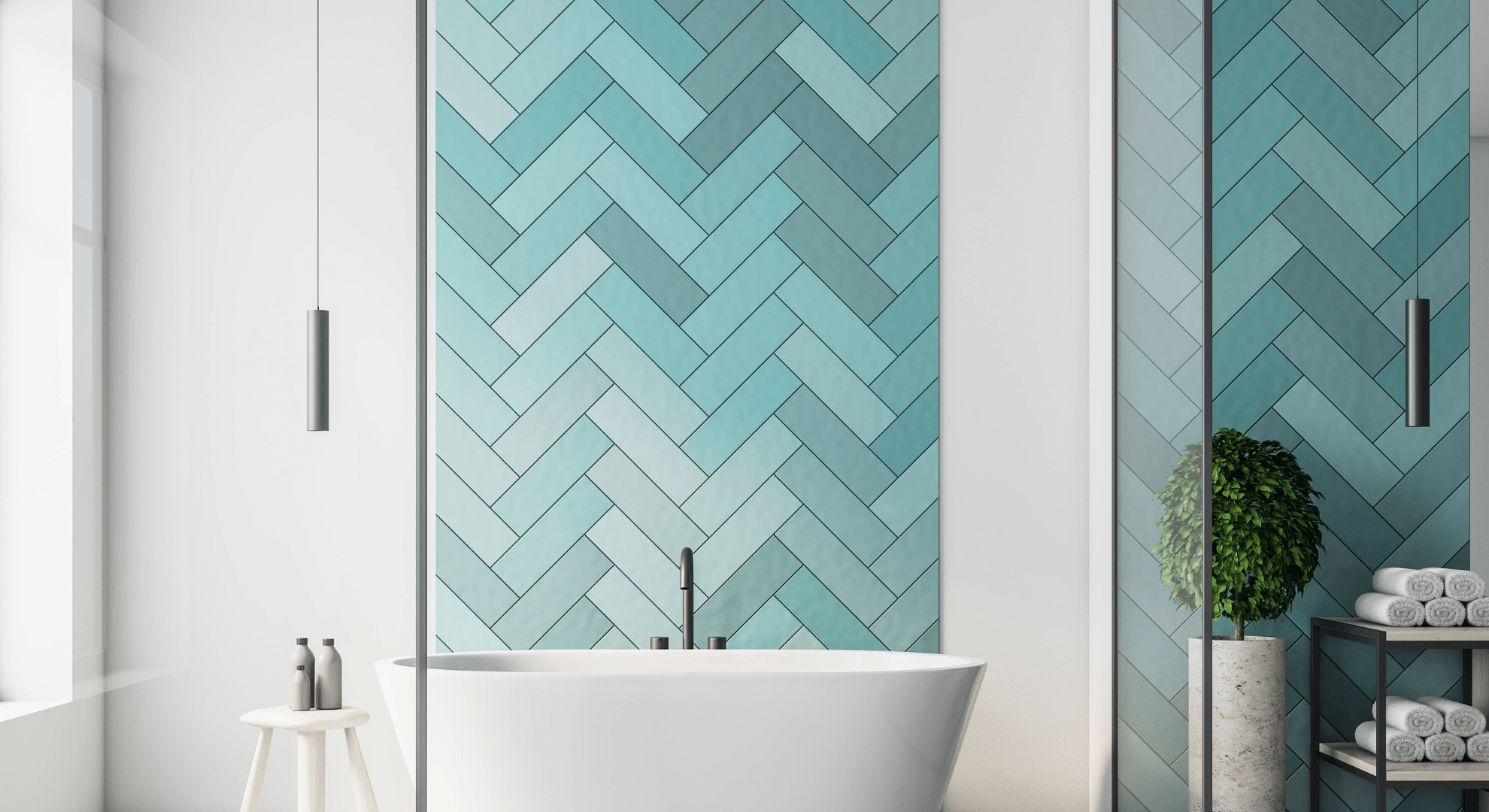
PVC and laminate panels are newer to the market. They’re made to look like tile or stone but are much lighter and easier to install. Most snap together with tongue-and-groove edges and can even go over old walls.
They’re also budget-friendly and water-resistant, making them a solid DIY option. But they don’t always look as real up close. They can also soften or warp in high heat, like in bathrooms with poor airflow.
Best for: Low-cost updates, small bathrooms, or do-it-yourself remodels.
Lifespan: 10–15 years with regular care.
6. Glass and Custom Stone Panels
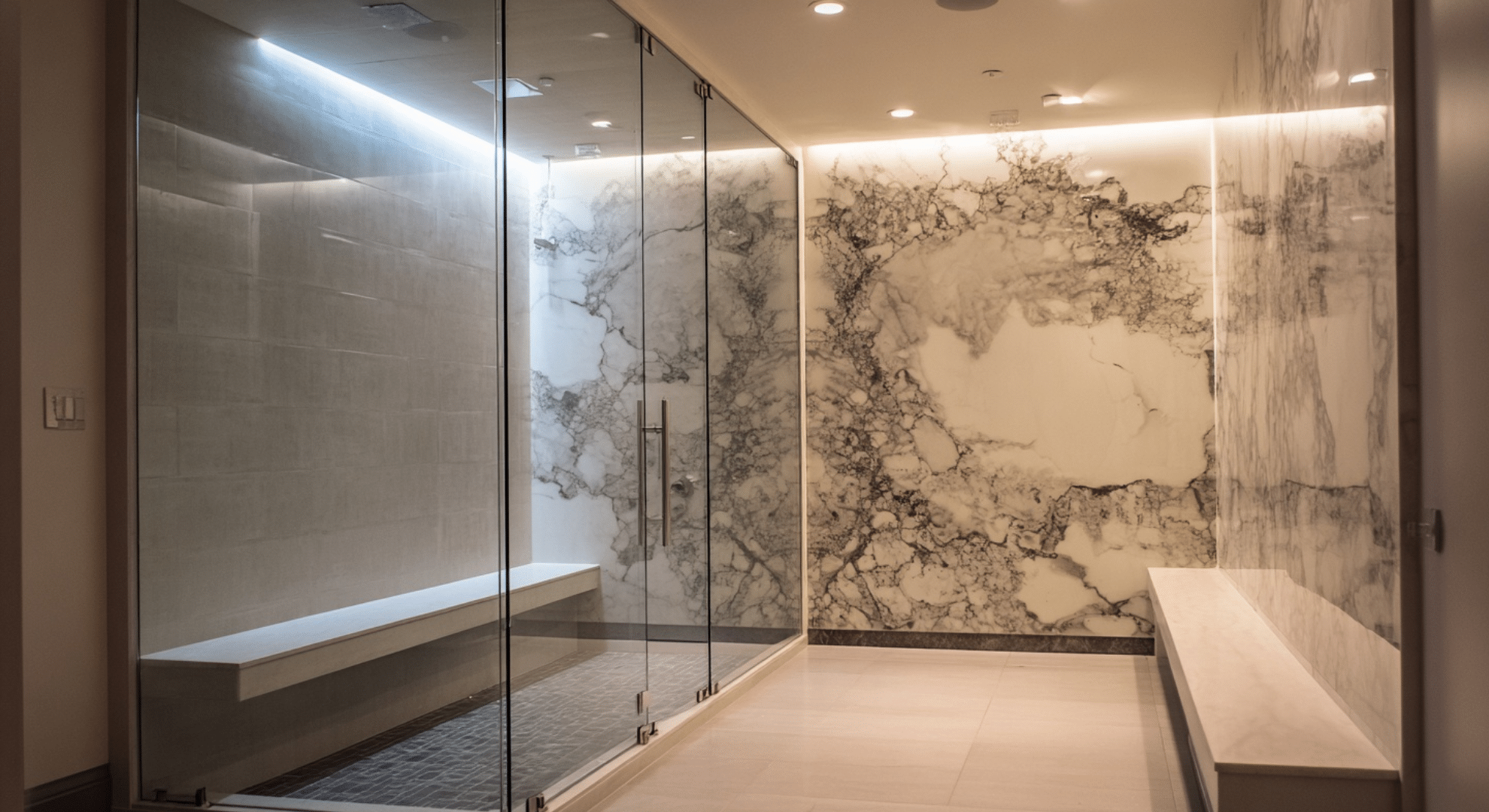
These are high-end options made for looks and long-term use. Glass panels give a sleek, clean feel and are super easy to wipe down.
Custom stone panels (like full slabs of quartz or marble) are heavy but add a bold, solid look to any shower.
These choices cost more and often need professional help to install. But once they’re in, they last a long time and require less work than small tiles or soft plastics.
Some stone materials are also recyclable, and both glass and stone can last for decades with good care.
Best for: High-end bathrooms, luxury remodels, or long-term homes.
Lifespan: 30–50 years or more with proper sealing and cleaning.
Shower Wall Material Comparison
If you’re trying to compare your options at a glance, this table breaks down the key details: cost, lifespan, water resistance, and more.
Use this to quickly spot which shower wall material fits your budget, style, and comfort level with care or installation:
| Material | Average Cost (per sq. ft.) | Lifespan | Waterproof | Maintenance | DIY-Friendly | Design Flexibility |
|---|---|---|---|---|---|---|
| Acrylic Panels | $8 – $20 | 10–15 years | Yes | Low | Yes | Medium |
| Fiberglass Panels | $5 – $15 | 8–12 years | Yes | Low | Yes | Low |
| Solid Surface Panels | $20 – $40 | 20–30 years | Yes | Low | No | Medium to High |
| Ceramic Tile | $1 – $15 | 25–50 years | Yes (with grout sealing) | Medium to High | Maybe (advanced DIY) | High |
| Porcelain Tile | $3 – $20 | 30–50 years | Yes (with grout sealing) | Medium to High | Maybe (advanced DIY) | High |
| Natural Stone Tile | $10 – $50+ | 30–50 years | Yes (with sealing) | High | No | High |
| PVC/Laminate Panels | $5 – $12 | 10–15 years | Yes | Low | Yes | Medium |
| Glass Panels | $30 – $60+ | 30–50 years | Yes | Low | No | Low to Medium |
| Custom Stone Panels | $40 – $100+ | 30–50+ years | Yes (with sealing) | Low to Medium | No | Medium |
With the key details laid out, you can now spot which materials match your needs at a glance. No second-guessing, just clear choices.
Eco-Friendly and Sustainable Shower Wall Options
If you’re trying to make more earth-friendly choices in your home, your shower walls are a good place to start.
Some materials are better for the environment than others, not just because of what they’re made from, but also how long they last and how they affect indoor air.
One thing to look for is low-VOC materials. VOCs (volatile organic compounds) are chemicals that can get into the air and affect your health.
Low-VOC shower panels are better for air quality, especially in small, steamy spaces like bathrooms. Many acrylic and solid-surface options are now available with low-VOC formulas or recycled content.
You can also choose recycled glass tile, which is made from crushed glass and gives a clean, modern look while keeping waste out of landfills.
Composite stone panels, made from a mix of recycled stone and resin, they’re durable, water-resistant, and last for decades.
Speaking of lasting, longevity matters. A panel that lasts 30–50 years is more sustainable than one that needs replacing every 10 years. It reduces waste, saves resources, and lowers your long-term footprint.
To know if a product is truly eco-conscious, check for labels like:
- LEED (Leadership in Energy and Environmental Design): Shows the product helps meet green building standards.
- GREENGUARD Certification: Means it meets strict limits on chemical emissions, helping keep indoor air cleaner.
Choosing sustainable shower walls is about making smarter choices that last, save resources, and support a healthier home.
How to Choose the Right Shower Wall for You
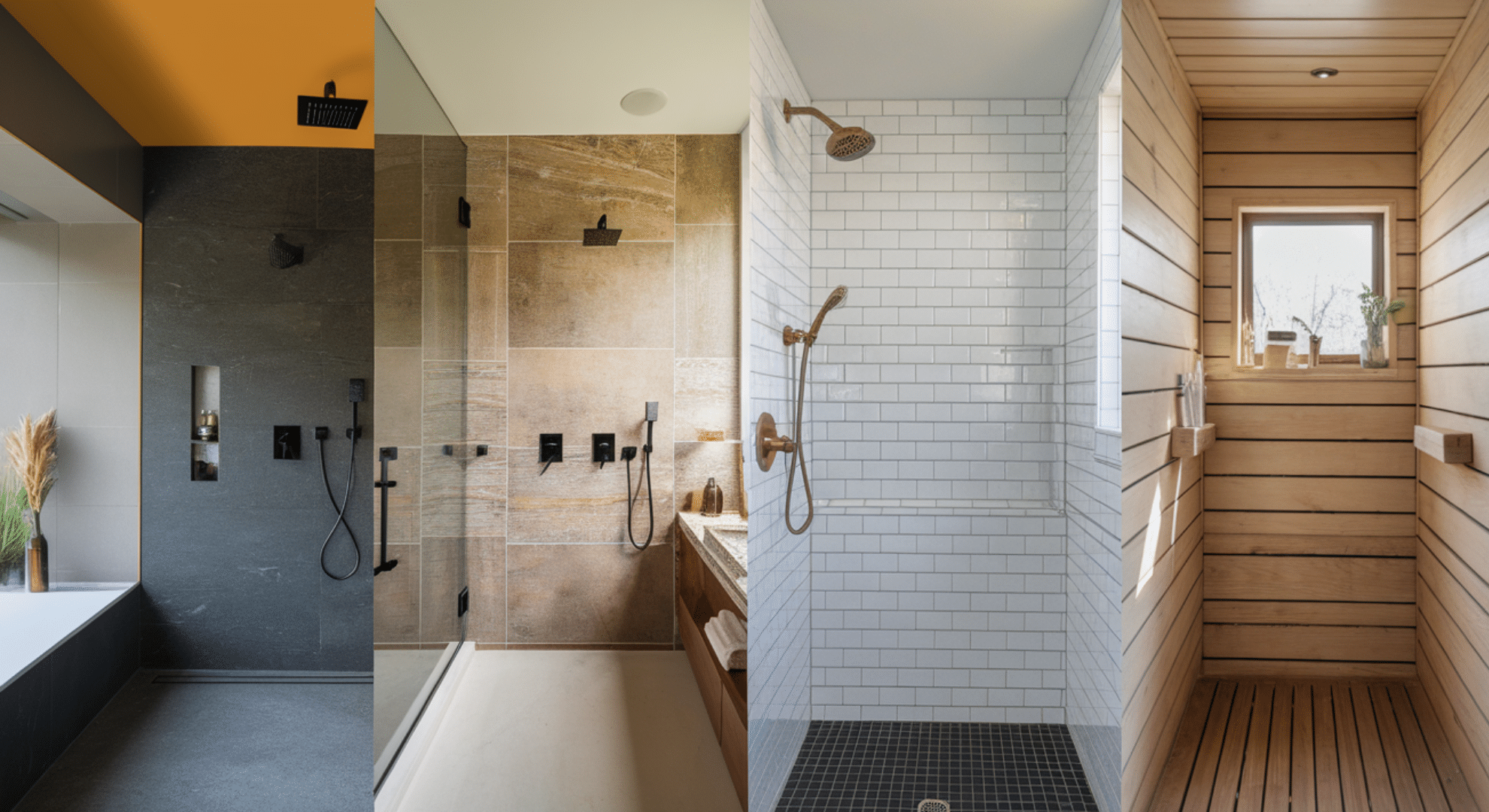
When it comes to picking a shower wall, the best choice depends on what kind of bathroom you’re working with. Here’s a quick guide to help match the right material to your needs:
For Family Bathrooms: Busy bathrooms need something strong that can take a lot of use. Go for solid surface panels, tile, or acrylic. These hold up well and are easy to wipe down, even with daily use.
For Guest Bathrooms: These spaces don’t see much action. A simple and lower-cost option like fiberglass works well. It looks clean and doesn’t need much attention.
For Rental Properties: You want something easy to care for and not too pricey. Acrylic or fiberglass panels are smart picks. They’re also easier to replace if damaged.
For Small Bathrooms: Choose light-colored panels that bounce light around. This makes the space feel bigger. Large tiles or smooth walls work well here, especially if they come in big pieces with fewer lines.
For DIY Projects: If you’re putting it in yourself, look for kits made for homeowners. Some wall panels snap or stick into place without grout or special tools. Tile and stone usually need pros.
For Quick Clean-Ups: Don’t want to scrub? Skip stone or tile with grout lines. Instead, pick a surface that wipes clean fast, like acrylic or high-gloss solid panels.
For a Natural Look: If you like wood or stone looks, there are waterproof panels that copy that style without the upkeep. Just make sure they hold up well in damp spaces.
For Tight Budgets: Fiberglass is one of the most budget-friendly choices. It may not last forever, but it works well in the short term and costs less to install.
For Long-Term Use: Planning to stay in your home for a while? Invest in materials that last longer, like tile or solid surface. They may cost more up front but save money later.
For Easy Repairs: Panels are easier to fix than full tile walls. If you’re worried about future cracks or chips, go for a wall system that lets you swap out one part without tearing out the whole thing.
There’s no single “best” shower wall for every bathroom. It depends on who’s using it, how much work you want to do, and how long you want it to last. Use the tips above to match the right wall to the right space—and save yourself time and money later on.
DIY vs. Professional Installation: What You Should Know
Before picking your shower wall material, consider who will install it: you or a pro. Some materials are beginner-friendly, while others need special tools, sealing, or careful handling.
Here’s a simple breakdown to help you decide:
| Material | DIY-Friendly | Tools/Skills Needed | Best Installed By |
|---|---|---|---|
| Acrylic Panels | Yes | Basic tools, measuring, and sealing | DIY or Pro |
| Fiberglass Panels | Yes | Very simple setup, often one-piece | DIY |
| Solid Surface Panels | No | Heavy, needs exact cuts and sealing | Pro |
| Ceramic/Porcelain Tile | Maybe | Tile cutter, grout work, sealing | Skilled DIY or Pro |
| Natural Stone Tile | No | Heavy, needs sealing and cutting | Pro |
| PVC/Laminate Panels | Yes | Snap-together or adhesive tools | DIY |
| Glass Panels | No | Heavy, breakable, needs an exact fit | Pro |
| Custom Stone Panels | No | Requires lifting tools and sealing | Pro |
Choosing the right installer i also about getting it done right the first time. If the job looks tricky or involves heavy panels, hiring a pro may save you stress and repairs later.
Common Mistakes When Choosing Shower Wall Materials
It’s easy to focus on how a material looks and forget how it works in everyday use. To avoid problems down the road, watch out for these common mistakes that can lead to water damage, extra cleaning, or regret after installation:
- Not thinking about how much moisture or steam builds up in your bathroom
- Picking tile but skipping proper grout sealing, which can lead to mold or stains
- Choosing materials that look good but need more cleaning than you’re willing to do
- Forgetting to check long-term maintenance costs, like resealing or deep scrubbing
- Skipping the step of testing samples in your actual bathroom lighting
- Choosing style over durability in high-use spaces like family bathrooms
Avoiding these mistakes makes it easier to choose something that looks good and holds up over time.
Can You Combine Materials for a Custom Look?
Yes, you can mix shower wall materials to create a custom look that fits your style and budget. This is a great way to get both function and personality in your bathroom without spending too much.
For example, you might use tile on the main wall for texture and detail, then choose acrylic or solid surface panels on the side walls for easier cleaning and less upkeep.
Some people also pair glass panels with stone slabs to blend modern and natural styles.
Just make sure the materials are moisture-resistant and can be sealed properly where they meet. A clean, tight edge will keep water out and help the mix look smooth and well-planned.
Conclusion
Learning about each shower wall material helped me stop guessing and start making smarter choices.
I saw how things like moisture levels, cleaning time, and cost really shape what works in a bathroom, not just what looks nice. Once I matched those things to my space, the decision felt a lot easier.
Now it’s your turn to think through what fits your bathroom and your daily routine. Pick something that works for your space, not just something that looks good in pictures.
Here’s a final tip: test samples in your actual bathroom light before deciding. It makes a big difference.
Want more help making clear, simple choices? Check out the other blogs on the website!: