
Sacramento carries the weight of being California’s state capital, but that title only tells part of the story. Beyond the Capitol dome and the government corridors, the city holds a genuinely lively social scene built on walkable neighborhoods, independent businesses, a celebrated food culture, and plenty of reasons to gather with the people you care about.
Exploring Sacramento’s Shopping Scene
Shoppers who venture past the usual chain stores find a city that rewards curiosity. Midtown is the natural starting point. Boutiques, bars, and casual dining spots abound across its walkable streets, and the mix of clothing shops, vintage finds, home goods, and specialty gifts makes an afternoon there feel genuinely varied.
Places like Scout Living on 18th Street carry curated home furnishings, while spots such as Sugar Shack Boutique on J Street lean into playful fashion. The district’s character comes from the fact that most of these businesses are locally owned and shaped by the people who run them.
Across its 66 blocks, 10 new businesses opened in early 2025, and in 2024 alone, 41 new small businesses launched in the area. That kind of momentum keeps the retail landscape fresh and worth revisiting.
Downtown Commons, known as DOCO, offers a different kind of shopping day. It sits near the Golden 1 Center and combines retail with entertainment, making it easy to turn a few hours of browsing into a full evening out. The shopping experience across both areas works best when treated as a social activity rather than a task. Grab coffee at Temple Coffee, duck into a neighborhood cafe, and suddenly it stops feeling like an errand. More like a day well spent.
Neighborhoods That Bring People Together

Midtown
Midtown’s appeal is hard to separate from its walkability. The grid layout keeps most things close together, and the mix of creative businesses, weekend markets, and community events gives the neighborhood an energy that builds over time. The Midtown Farmers Market has been ranked the number one farmers market in California, drawing locals and visitors every Saturday morning to browse produce, local art, and prepared food from regional vendors. It is the kind of place where you run into people you know.
Old Sacramento Waterfront
Old Sacramento offers a different atmosphere entirely. The historic wooden storefronts, cobblestone streets, and views of the Sacramento River create a setting that feels removed from the rest of the city without actually being far away. Shops selling gifts, antiques, and local goods sit alongside restaurants and bars, and the riverfront gives people a reason to slow down. It works well as a destination on its own or as part of a longer day that starts in Midtown and winds its way west.
Neighborhood Markets and Local Events
Beyond the two most well-known districts, neighborhood markets and seasonal events offer consistent chances to find independent businesses and connect with local makers. Each pocket of the city has its own personality. Spending time in more than one of them reveals just how much variety exists within a relatively compact area.
Food Scene: More Than Just a Good Meal
The farm-to-fork identity Sacramento has built over the past decade is not marketing language. It reflects the geography. The region is surrounded by 1.5 million acres of farms and ranches that grow more than 160 crops for markets both local and abroad, supported by a year-round growing season and an ideal climate. That proximity to the source shapes what ends up on restaurant plates in a way that is genuinely noticeable.
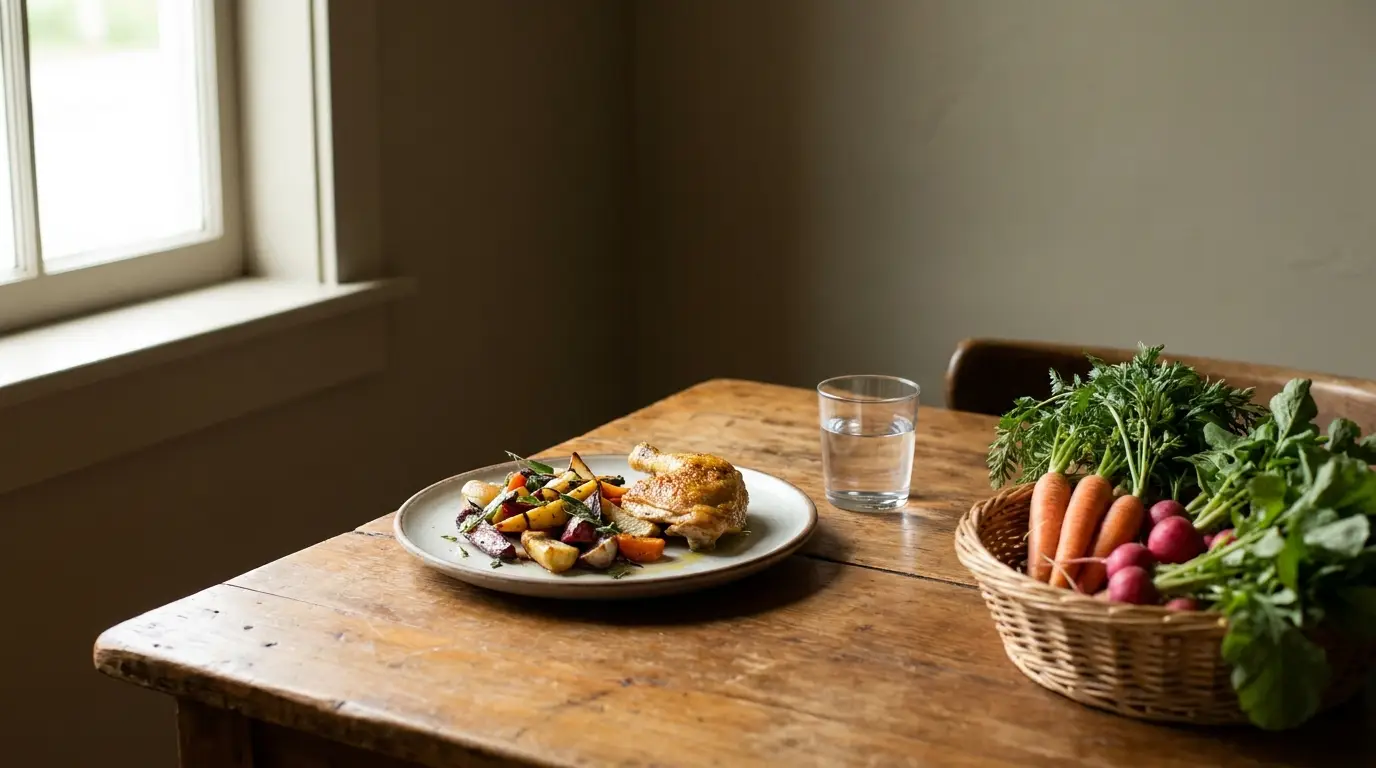
Menus across the city change with the seasons. At places like Magpie Cafe in Midtown and Mulvaney’s B&L, the ingredient list reflects what is actually growing nearby rather than what a distributor happens to have in stock. The Michelin-starred Kitchen takes that approach to a formal level, while casual brunch spots and neighborhood cafes make the same philosophy accessible on a Tuesday morning.
The variety of options matters as much as the quality. The dining scene runs from relaxed neighborhood spots to upscale restaurants built for a longer, more considered meal. But what connects them is the role they play as gathering places. A birthday dinner, a work lunch, a Saturday brunch with friends: restaurants here function as the backdrop for the moments that actually matter, not just the food that arrives with them.
Celebrating Special Moments
The city offers plenty of ways to celebrate special occasions, whether it is a birthday, anniversary, graduation, or family gathering. The city’s restaurant scene provides options for different group sizes and preferences, from casual neighborhood spots to more refined dining experiences.
For smaller celebrations, a restaurant with a welcoming atmosphere and a seasonal menu can be an easy choice. Larger gatherings may call for a more intimate setting where everyone can sit together and enjoy the occasion without the noise and activity of the main dining area.
Private dining rooms give guests a separate space for birthday dinners, family celebrations, business gatherings, and other special events. Depending on the venue, these rooms may include dedicated menus, personalized service, and additional amenities that make organizing a group dinner easier.
Celebrations can also extend beyond the restaurant. Sacramento makes it easy to combine dinner with live entertainment, a walk along the waterfront, or a visit to one of the city’s lively neighborhoods. Adding a few activities around a meal can turn a simple gathering into a more memorable occasion.
Finding the Perfect Balance Between Shopping, Dining, and Leisure
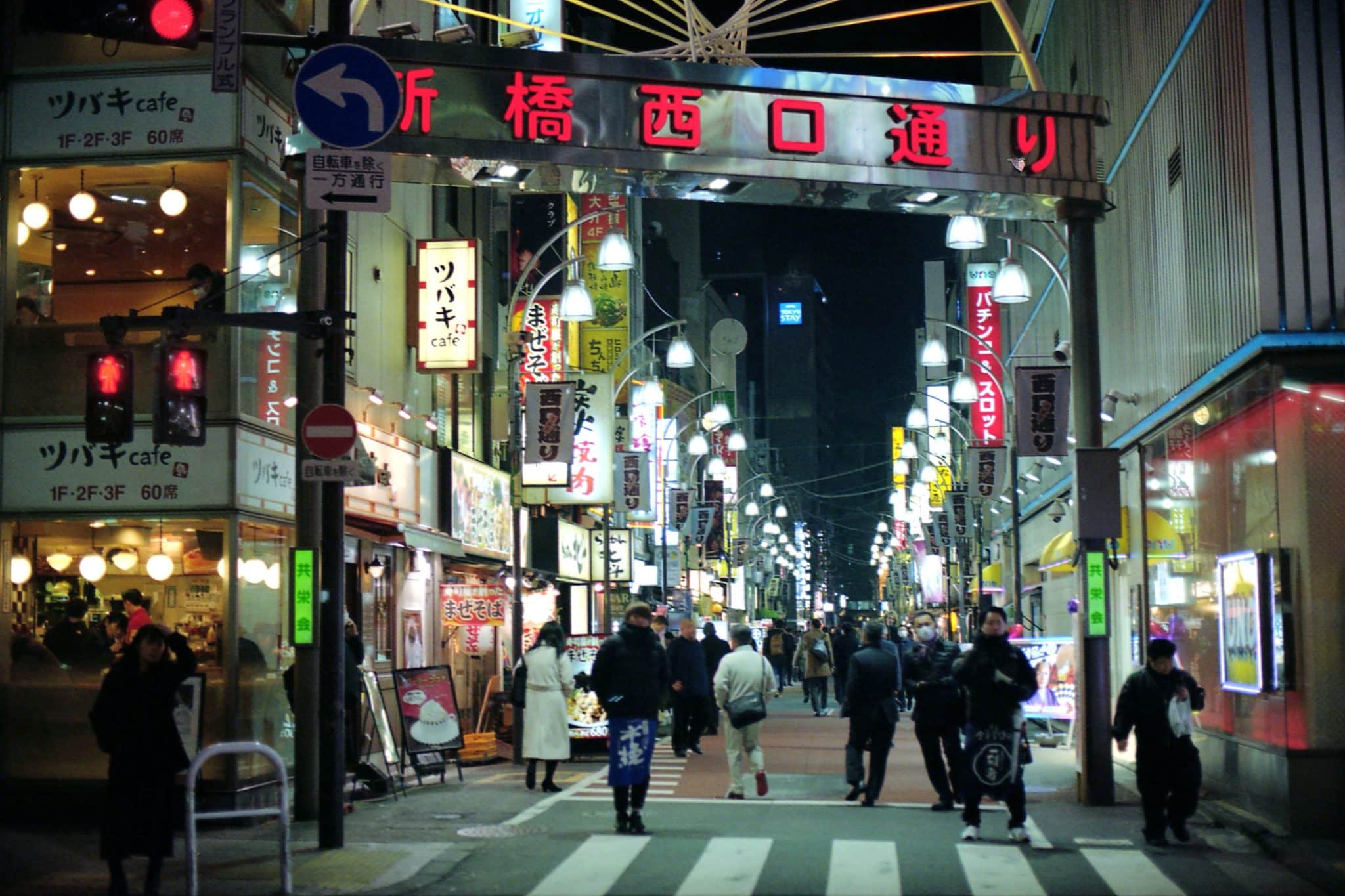
The best days tend to be the ones without a rigid schedule. A morning at the Midtown Farmers Market, a few hours browsing boutiques on J Street, lunch somewhere that uses whatever looked good at the market that week, and an evening that ends with a proper dinner. That is a day that uses the city well.
Parks and green spaces give the afternoon somewhere to breathe. McKinley Park in East Sacramento and Capitol Park near downtown both offer a place to sit between activities without feeling like you are wasting time. The city’s different neighborhoods also mean that a laid-back afternoon in one district can shift naturally into a livelier evening in another.
The Sacramento region’s agriculture fuels a broader economy generating $12 billion yearly and supporting more than 55,000 jobs, and that economic foundation shows up in the quality and density of what is available to visitors. The food is good because the ingredients are close. The shops are interesting because the owners live here. And the city rewards people who leave a little room for spontaneous discovery rather than planning every hour in advance.
The Takeaway
The capital of California is the kind of city that reveals itself gradually. The historic neighborhoods, the independent businesses, the farm-driven food culture, and the welcoming gathering spots all contribute to something that feels cohesive rather than assembled for tourism.
The best version of a visit here is the one spent doing ordinary things in good company: a market, a meal, a walk, a reason to stay a little longer. That is where the city’s real character shows up.