Scroll through any beauty-focused corner of social media lately and it’s hard to miss the buzz around plasma skin treatments. Clients are walking into salons asking for tighter, smoother skin without the surgery, the syringes, or the weeks of recovery that come with more invasive options.
For beauty therapists watching this demand grow, the real question isn’t whether to get on board, it’s how to do it properly.
Plasma treatments sound futuristic, and in a way, they are. But behind the science is a very learnable skill, provided a therapist chooses the right training path. Here’s a breakdown of what’s actually involved.
The Plasma Boom, Explained
Plasma skin treatments use energy, either through direct electrical discharge or ionised gas, to stimulate the skin’s natural collagen production. The appeal is obvious: visible tightening and smoother texture without going under the knife. That combination of results and minimal invasiveness is exactly why demand has exploded, and why salons offering it tend to build long client waitlists fast.
Two treatments dominate this space right now, and while they’re often lumped together, they work quite differently.
Plasma Fibroblast Treatment
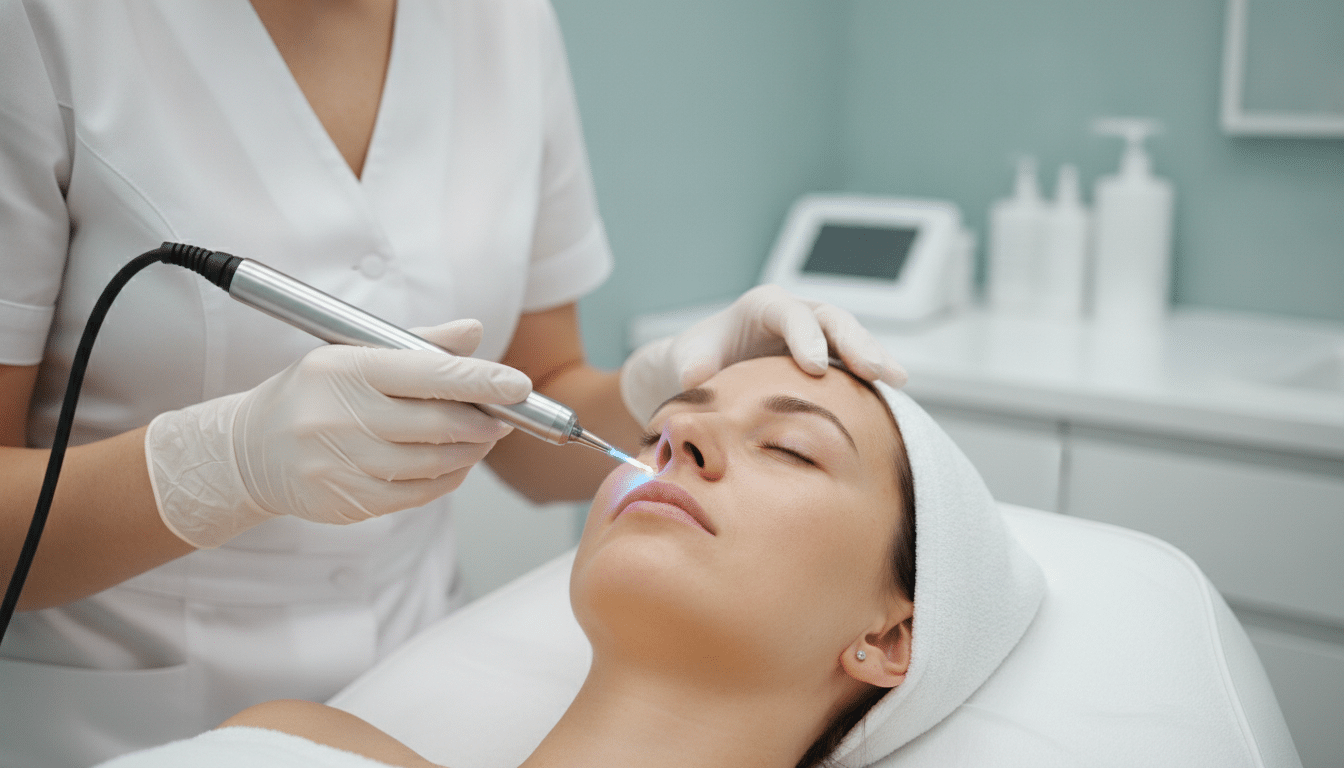
This is the more intense of the two options. A handheld device, commonly known as a plasma fibroblast pen, creates small electrical arcs on the skin’s surface. These tiny points of controlled heat cause immediate skin contraction, then kickstart a longer collagen-building process underneath as the skin heals.
Because this treatment involves genuine skin trauma, however controlled, it requires solid training before a therapist should even think about offering it to clients. Reputable courses cover skin anatomy, contraindications, sterile technique, and plenty of supervised hands-on practice.
This is not something to attempt after a single afternoon workshop. Aftercare knowledge matters just as much as application technique, since clients will need clear guidance through a week or more of visible healing.
Cold Jet Plasma Treatment
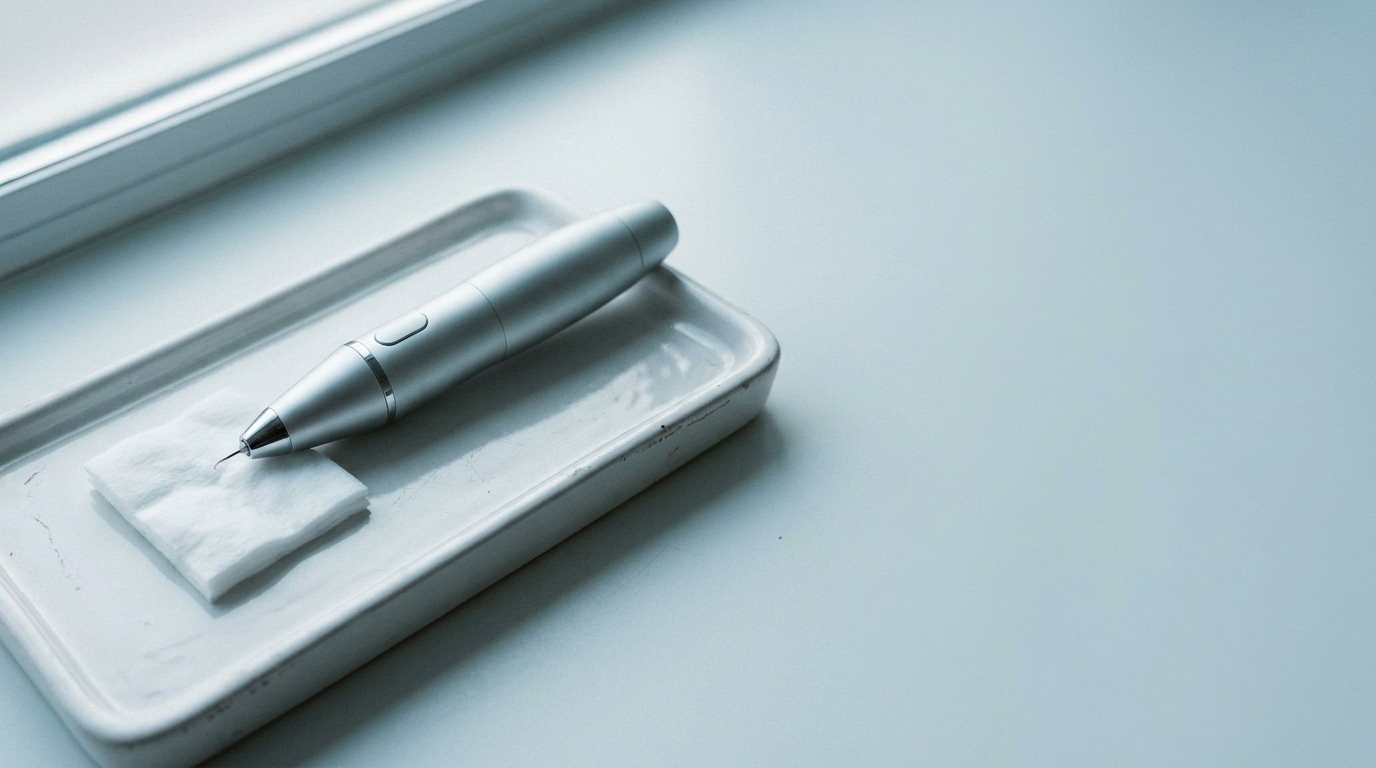
For therapists wanting a gentler entry point into plasma-based skincare, cold jet plasma treatment is worth exploring. Instead of direct contact, this method uses cooled, ionised gas directed at the skin, which still stimulates collagen renewal but without breaking the skin’s surface in the same way. Downtime is minimal, often just a bit of redness, which makes it an easier sell to clients hesitant about longer recovery.
Training for this treatment tends to be more approachable, but that doesn’t mean it should be rushed. A proper course still needs to cover device handling, client consultation, and realistic expectation-setting, since results build gradually rather than dramatically.
Choosing the Right Plasma Pen Training
With interest in these treatments rising, plasma pen training courses have multiplied just as quickly, and not all of them meet the same standard. A few things worth checking before signing up for any course:
- Does it lead to a certification accepted by UK insurers? Without this, offering the treatment commercially simply isn’t possible.
- Does the course cover complications, not just the ideal-case scenario? Understanding how to manage things like hyperpigmentation or delayed healing is just as important as technique.
- Is there support after the course ends, such as a mentor to reach out to with real client questions?
A course that skips these basics in favour of a quick certificate might feel like a shortcut, but the gaps tend to show up exactly when it matters most, mid-treatment, with a client in the chair.
Is It Worth the Investment?
For beauty therapists looking to stand out in a crowded market, yes. Advanced skills like plasma treatments allow for higher price points, longer client retention, and a menu that feels genuinely current rather than generic. But the investment only pays off with proper training behind it. Clients researching these treatments are more informed than ever, and they notice the difference between a confident, well-trained therapist and one who’s winging it.
The plasma trend isn’t going anywhere in 2026. For therapists ready to upskill, the smartest move is picking a course that treats the training with the same seriousness the treatment itself deserves.