I used to think essential oils were only about scent, not skin care. Then I kept hearing people ask, Is frankincense good for skin, and I got curious.
You’ve probably seen it mentioned in face oils or night routines, but it can feel confusing to know what actually works and what is safe. The truth is, using frankincense the wrong way can irritate skin, while using it correctly can feel simple and supportive.
That difference matters. In this blog, I break things down in a clear, practical way, from skin types to safe use and realistic results.
Everything here is meant to help you feel more confident before putting anything on your skin, and ease into it step by step.
Is Frankincense Good for Skin?
Yes, frankincense is good for skin when you use it the right way. This essential oil comes from tree resin and has been used on the skin for a very long time.
Many people use it to support smoother-looking skin and help with dryness or uneven tone. It is also known for its calming feel, which can help when your skin feels stressed or uncomfortable.
Frankincense works best when mixed with a carrier oil, since using it straight can irritate skin. When diluted properly, it can fit into simple face or body care routines.
It is often used by people with dry, mature, or sensitive skin, but results can vary. Like any essential oil, patch testing is important before regular use to make sure your skin reacts well.
Which Skin Types Benefit Most From Frankincense Oil
Frankincense oil can work for different skin types, but results depend on how you dilute it and which carrier oil you choose.
Frankincense Oil for Dry Skin

Frankincense oil works well for dry skin because it helps support moisture and reduces tight, uncomfortable feelings. Dry skin often lacks natural oils, which can make it feel rough or flaky.
When diluted properly, frankincense blends well with richer carrier oils that help lock in moisture. Good carrier oils include jojoba oil, sweet almond oil, and avocado oil. These oils absorb slowly and support hydration.
You can apply the blend after washing your face or showering, while your skin is still slightly damp. This helps seal moisture and keeps skin feeling softer for longer periods.
Frankincense Oil for Oily or Combination Skin

Oily or combination skin can still benefit from frankincense oil when used in very small amounts. The key is using a light carrier oil and keeping dilution low. Too much oil can make skin feel greasy or heavy.
Jojoba oil and grapeseed oil are good choices because they absorb quickly and feel light on the skin. Use only one or two drops of diluted oil for the entire face.
Apply it at night to avoid shine during the day. Always start slow and see how your skin responds before regular use.
Frankincense Oil for Sensitive Skin
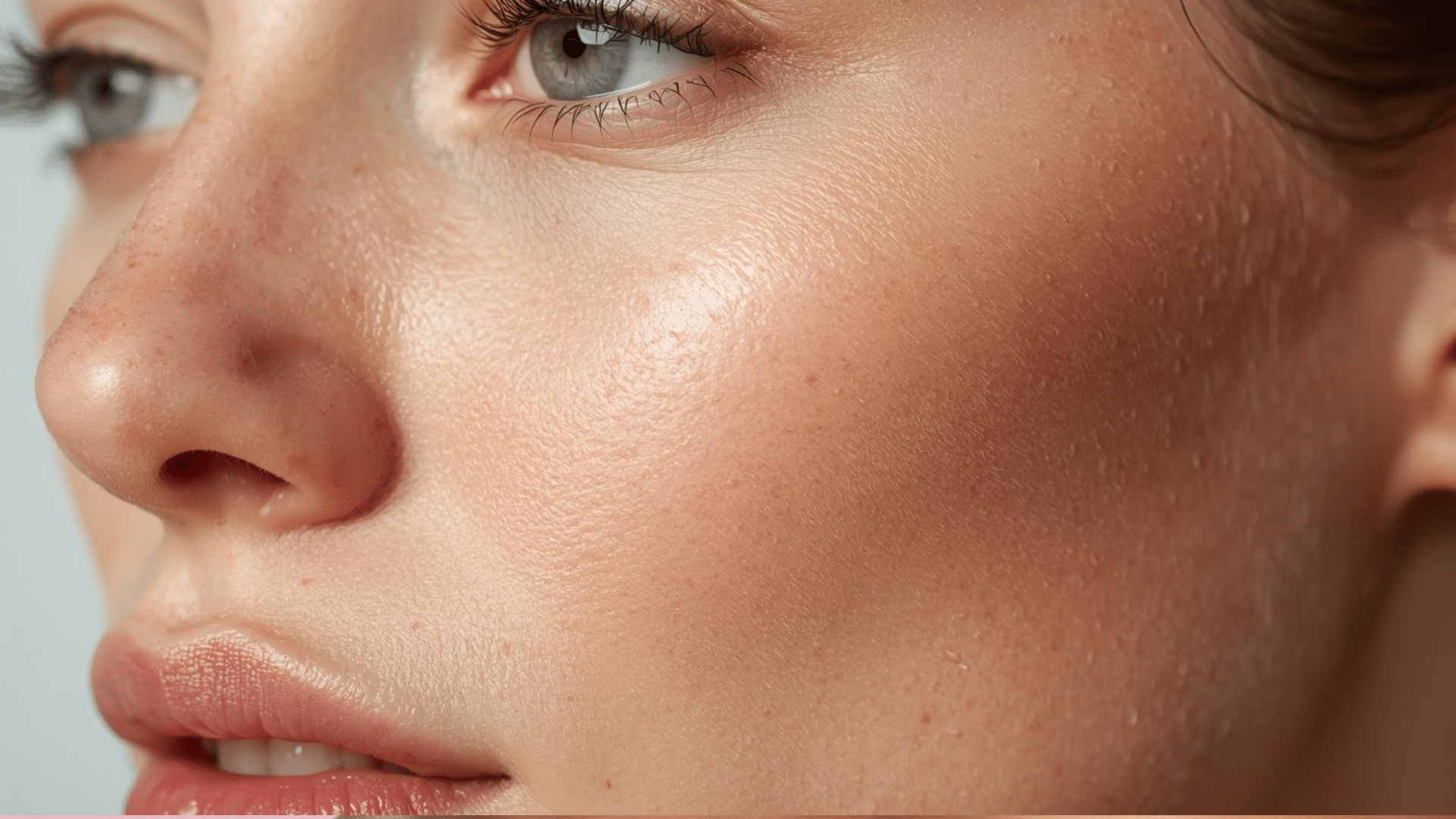
Frankincense oil may help sensitive skin feel calmer when used correctly, but caution is very important. Sensitive skin reacts easily, even to natural products.
Frankincense should always be diluted more than usual for this skin type. It may help when skin feels dry or stressed, but it should be avoided during active irritation, rashes, or flare-ups.
Patch testing is essential before use. Apply a small amount to your inner arm and wait 24 hours. If redness, itching, or burning appear, do not use it on your face.
Frankincense and Myrrh Benefits for Skin
Frankincense and myrrh are often used together in skin care because they support comfort, balance, and gentle care when properly diluted and applied consistently.
- Support skin that feels dry, rough, or uncomfortable
- Help maintain a smoother-looking skin texture
- Offer a calming feel when the skin feels stressed
- Often used together in diluted face and body oils
- Can fit into simple daily skin care routines
- Work best when mixed with suitable carrier oils
How to Use Frankincense Oil on Skin Safely
Using frankincense oil the right way protects your skin, lowers irritation risk, and helps you get steady results over time.
Can You Apply Frankincense Oil Directly to Skin?
Essential oils are highly concentrated plant extracts, which makes them too strong for direct skin use. Applying frankincense oil without dilution can upset your skin barrier and lead to unwanted reactions.
- Essential oils must be diluted to slow absorption and reduce irritation risk
- Undiluted use can cause redness, burning, itching, or dryness
- Repeated direct use may increase skin sensitivity over time
- Dilution helps spread the oil evenly and makes it safer for daily routines
Correct Dilution Ratios for Skin Use
Using the right dilution keeps frankincense oil gentle while still effective. The amount you need depends on where and how often you apply it.
- Face use: 1 drop frankincense oil mixed with 1 teaspoon carrier oil
- Body use: 3 to 5 drops mixed with 1 tablespoon carrier oil
- Spot use: 1 drop mixed with 1 tablespoon carrier oil for short-term use
Best Carrier Oils for Frankincense
Carrier oils dilute essential oils and add their own skin support. Choosing the right one helps frankincense absorb better and feel comfortable on your skin.
- Jojoba oil: Lightweight, absorbs fast, works well for most skin types
- Sweet almond oil: Softens skin and helps with dryness
- Coconut oil: Best for body use, provides moisture but feels heavier
- Rosehip oil: Supports mature skin and absorbs without a greasy feel
A Simple Way to Use Frankincense Oil on Your Face
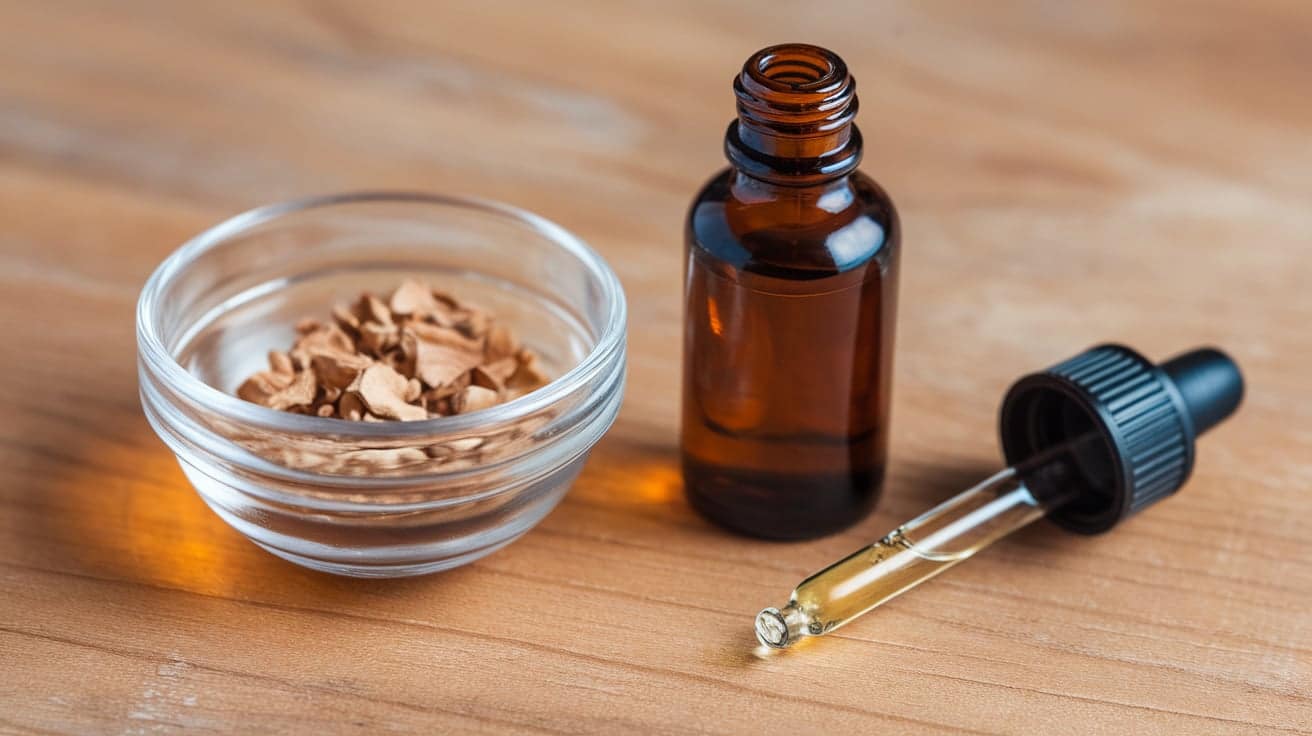
This face oil is made for everyday use when your skin feels dry, tight, or a bit tired. You only need jojoba oil, frankincense essential oil, and a small dark glass bottle.
The blend stays light and absorbs well, so it does not leave a greasy feel. When mixed properly, the scent remains soft and comfortable rather than strong.
Makes: One small bottle, about 30 ml
Timing: About 5 minutes
Uses: 8–10 applications
To prepare it, add two tablespoons of jojoba oil to a clean, dry bottle, then mix in three drops of frankincense essential oil. Roll the bottle gently between your palms to combine.
At night, apply two to three drops to clean, slightly damp skin and press it into your face and neck, avoiding the eye area. With steady use, it fits easily into a simple skin care routine without extra steps.
How Long Does It Take to See Results
The time it takes to see results from frankincense oil can vary based on your skin type, routine, and consistency.
Some people notice small changes in skin comfort or softness within the first week of use. These early changes often come from improved moisture and reduced dryness.
More visible changes, such as smoother-looking skin or a more even appearance, usually take several weeks of regular use. Frankincense oil works gradually, not overnight.
Using it too often or in high amounts will not speed up results and may irritate the skin instead. For best results, apply a properly diluted blend consistently and give your skin time to respond naturally.
Safety Tips for Using Frankincense Oil on Skin
Using frankincense oil safely helps protect your skin from irritation and ensures you get benefits without unwanted reactions or long-term sensitivity issues.
- Always dilute frankincense oil with a carrier oil before applying it to your skin
- Perform a patch test on a small area before first-time use
- Avoid using on broken, inflamed, or irritated skin
- Stop use if redness, itching, or burning appear
- Keep away from the eyes, mouth, and sensitive areas
- Store oil in a cool, dark place to prevent quality loss
- Consult a professional before use during pregnancy or on children
Who Should Avoid Frankincense Oil
Frankincense oil is not suitable for everyone, even when diluted. Pregnant or breastfeeding individuals should avoid using it unless a healthcare provider says it is safe.
People with very sensitive skin or known allergies to essential oils may react badly, even at low dilution levels. Those with active skin conditions, such as eczema flare-ups, rashes, or open wounds, should not apply frankincense oil to affected areas.
Children and infants should also avoid topical use, since their skin is thinner and more reactive. If you take medication or have a medical condition, it is best to check with a healthcare professional first.
Always stop using the oil if you notice burning, redness, itching, or discomfort after application.
Frankincense Oil Compared to Other Skin Oils
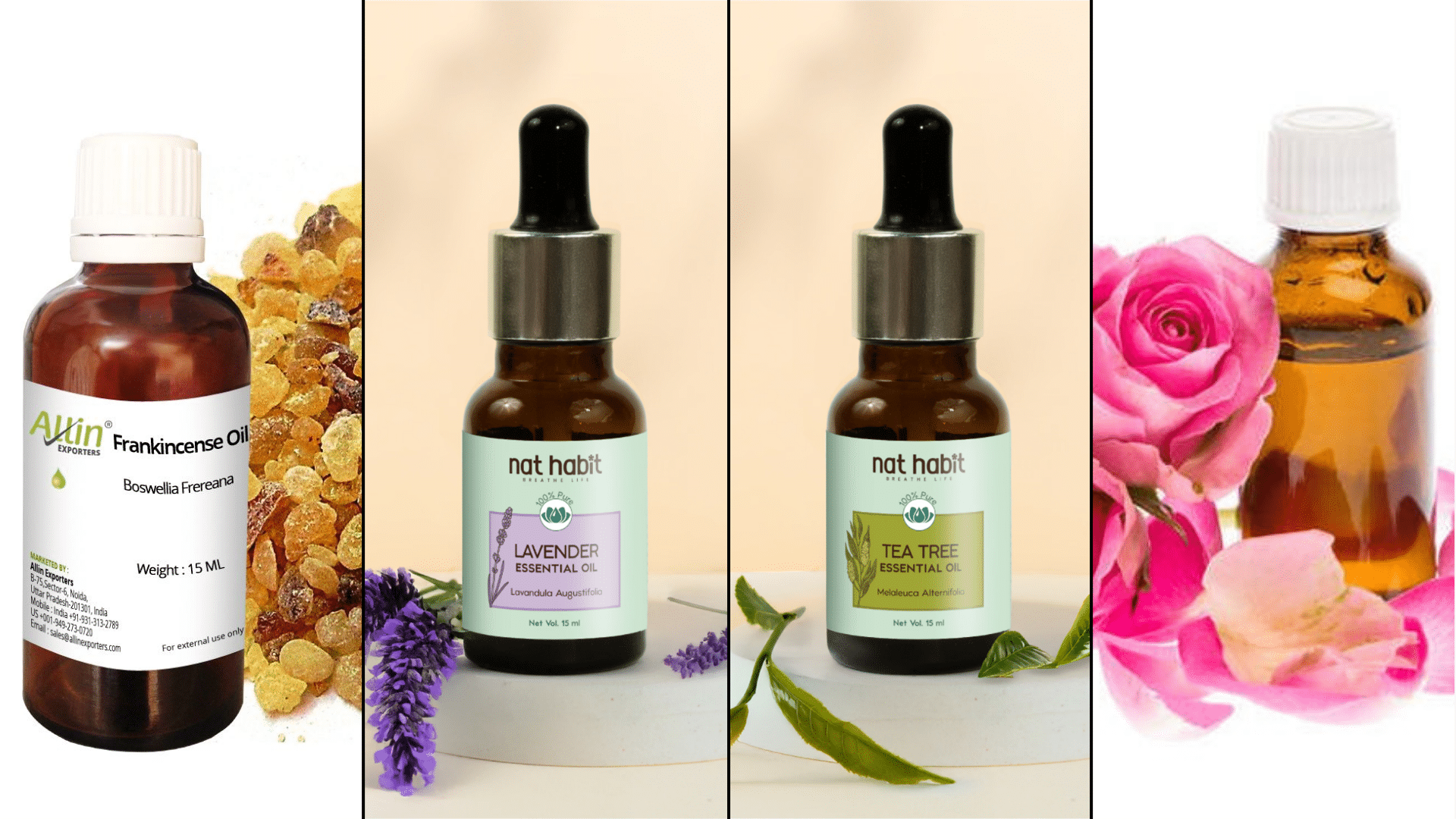
Many people wonder how frankincense compares to other essential oils used on the skin. This table shows simple differences to help you choose based on your skin needs.
| Oil Type | Best For | Skin Feel | How Often to Use | Key Notes |
|---|---|---|---|---|
| Frankincense oil | Dry, mature, uneven skin | Balanced, not heavy | Daily when diluted | Works well in face oils |
| Lavender oil | Sensitive or stressed skin | Very light | Daily when diluted | Known for a calming feel |
| Tea tree oil | Oily or breakout-prone skin | Drying | Spot use only | Strong and can irritate |
| Rose oil | Dry or aging skin | Light and soft | Occasional use | Often more expensive |
Each oil supports the skin in different ways. Frankincense is a good option if you want gentle, daily care without a heavy feel.
How to Choose a Quality Frankincense Essential Oil
Choosing a high-quality frankincense essential oil helps protect your skin, reduces irritation risk, and ensures the oil performs as expected when used in daily skin care routines.
What to Look for on the Label
A good frankincense essential oil label should clearly list the botanical name of the plant, such as Boswellia sacra or Boswellia carterii. This tells you exactly which resin the oil comes from.
The label should also state that the oil is one hundred percent pure, without added fragrance, fillers, or carrier oils.
Look for information about the extraction method, usually steam distilled, and packaging in a dark glass bottle. Clear labeling shows transparency and helps you avoid misleading or diluted products.
Why Quality Matters for Skin Safety
Quality matters because poor-grade essential oils can increase the risk of skin irritation or reactions. Low-quality oils may contain synthetic fragrance, contaminants, or improper dilution that irritates skin.
Some products are blended with unknown substances that can clog pores or cause redness. When applied regularly, these issues can weaken your skin barrier over time.
A high-quality oil is more consistent, safer for repeated use, and easier to dilute properly, helping you avoid unwanted reactions and long-term skin sensitivity.
Conclusion
By now, you’ve seen how frankincense fits into skin care when used with care and proper dilution.
From choosing the right carrier oil to understanding skin types, the goal is simple: steady use rather than quick changes. The key takeaway is balance. Used gently, frankincense can support comfort and routine without overdoing it.
If you’ve been wondering whether is frankincense good for skin, the answer depends on how thoughtfully you use it and how your skin responds over time.
I recommend starting slow, paying attention to results, and adjusting as needed. Want to go deeper into natural skin routines or oil comparisons? Take a look at the other related blogs and keep building a routine that works for you.