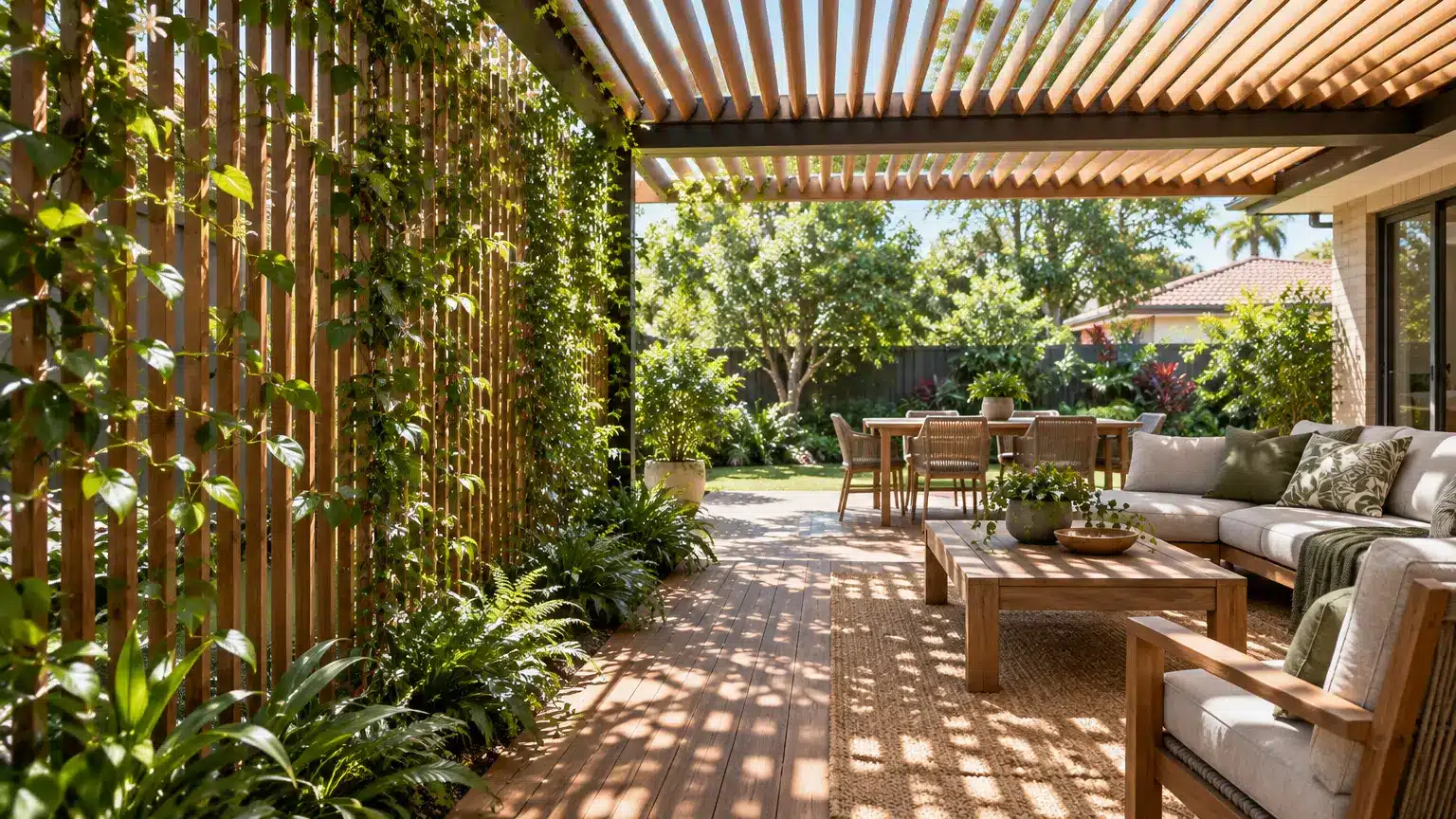
An empty backyard corner might seem like wasted space, but with a little creativity, it can become one of the most attractive parts of your outdoor area. Whether you have a spacious lawn or a compact backyard, thoughtful landscaping can turn an overlooked spot into a colorful garden, relaxing retreat, or practical outdoor feature. The key is choosing a design that complements your home, fits the available space, and remains easy to maintain.
Start With a Plan That Fits Your Space
Before adding plants or furniture, consider how you want to use the corner. It could become a peaceful reading spot, a small flower garden, or an area for growing herbs and vegetables. Evaluating sunlight, soil conditions, and drainage is an important first step when redesigning an unused backyard area. Clearing weeds, removing debris, and leveling uneven ground can also make the space easier to work with.
Measure the area and identify any existing features, such as fences or trees, that could influence your design. Choose materials and colors that complement the rest of your yard to create a cohesive appearance.
Create a Colorful Garden With Layered Plants
One of the simplest ways to improve an empty corner is by filling it with greenery. Combining plants of different heights, colors, and textures can create a garden that looks attractive throughout the seasons. Layer flowering perennials, ornamental grasses, shrubs, and foliage plants to add depth and visual interest. Taller plants can form the background, while medium-height flowers and low-growing groundcovers fill the space in front.
For sunny corners, consider lavender, coneflowers, or other climate-appropriate flowering plants. Shadier areas may benefit from ferns and hostas. If you prefer something easier to maintain, choose hardy native plants suited to your local growing conditions. Adding mulch around plants can help retain moisture and reduce weeds, making ongoing maintenance more manageable.
Make the Most of Small Corners With Vertical Gardens
When ground space is limited, vertical gardening offers a practical way to introduce greenery without overcrowding the area.
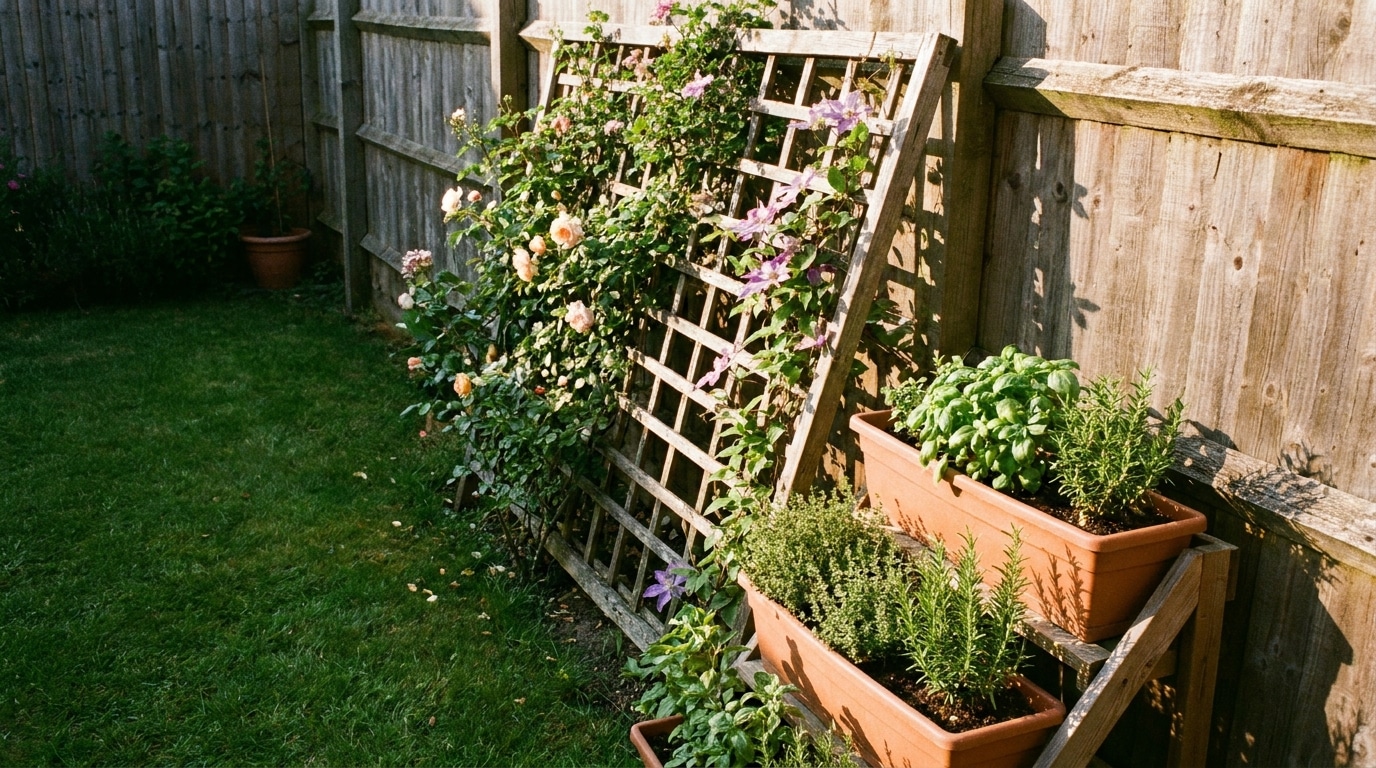
Use wall-mounted planters, hanging baskets, trellises, and stacked containers to transform compact garden corners. A wooden trellis with climbing flowers can soften a plain fence, while tiered pots can hold herbs such as basil, thyme, and rosemary. Hanging planters at different heights can also create a fuller appearance without taking up valuable floor space.
Choose weather-resistant materials and ensure wall-mounted structures are securely installed. For easier upkeep, group plants with similar sunlight and watering requirements.
Add Seating and Decorative Features
A backyard corner doesn’t have to be dedicated entirely to plants. With a few practical additions, it can become a comfortable place to relax or entertain. Benches, Adirondack chairs, pergolas, and decorative garden features are ways to make unused corners more functional.
A small wooden bench surrounded by potted flowers can create a quiet reading nook. For a more inviting atmosphere, add weatherproof cushions, a compact side table, and solar-powered lanterns. Stepping stones or a short gravel pathway can connect the corner to the rest of the backyard. A small fountain, birdbath, or decorative sculpture can serve as a focal point without requiring extensive landscaping.
Keep the design proportional to the space so the corner feels welcoming rather than crowded.
Choose Improvements That Are Attractive and Practical
A well-maintained backyard can improve a home’s overall appearance and make outdoor spaces more appealing to potential buyers. Homeowners looking to increase their home’s appraised value should prioritize practical improvements, landscaping maintenance, and repairs rather than expensive upgrades that may not deliver comparable returns.
If you’re planning to buy before you sell, improving an overlooked backyard corner can also help prepare your current property for listing while keeping renovation expenses manageable. Focus on durable materials, easy-care plants, and features that complement the home’s existing style. Regular trimming, cleaning pathways, and replacing damaged planters can help preserve the space’s appearance.
Ultimately, transforming an empty backyard corner doesn’t require a major renovation. With thoughtful plant choices, comfortable furnishings, and a few decorative details, even the smallest unused area can become a beautiful and functional extension of your home.