Waiting years for the first homegrown asparagus harvest might sound like a serious test of patience, but there is something exciting about planting a vegetable that can return season after season.
Asparagus is different from vegetables you plant and harvest within the same season, which makes getting the early stages right especially important.
Whether you are working with a backyard garden, raised bed, or dedicated vegetable patch, a little planning now can set the stage for plenty of fresh spring spears later.
Asparagus Plant Overview
|
How Does Asparagus Grow?
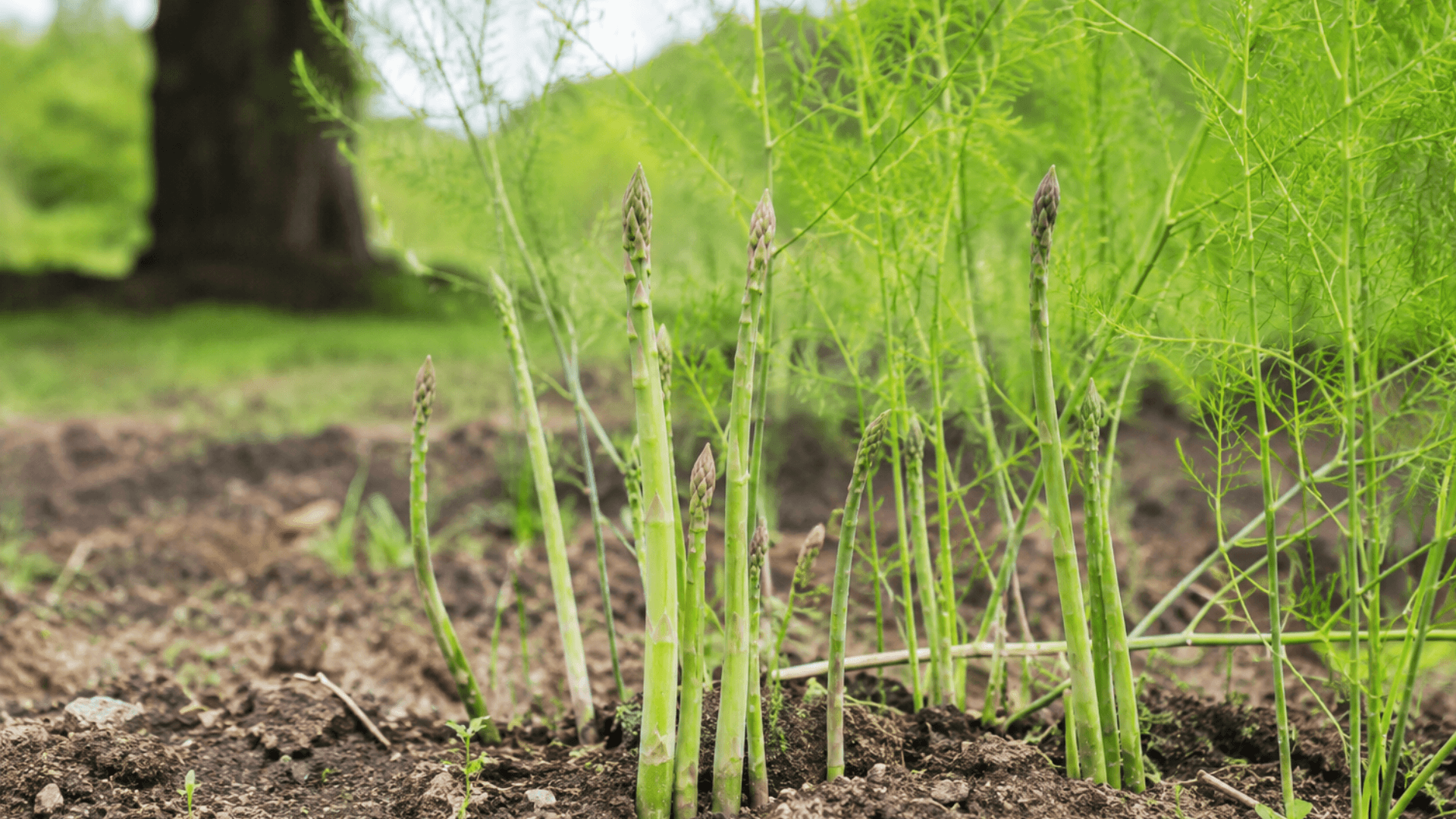
Asparagus grows from underground crowns that spread roots and help the plant return each year. During spring, young asparagus spears push through the soil and grow quickly.
These tender shoots are the part we harvest and eat. If the spears are left to grow, they turn into tall, feathery green plants that store energy for the next season.
Asparagus is a perennial plant, so it comes back every year. It usually takes 2–3 years after planting before you can harvest a good crop, but established plants can produce for many years.
Asparagus Growing Conditions
| Condition | Requirement |
|---|---|
| Sunlight | Full sun |
| Soil | Fertile, well-drained soil |
| Soil pH | 6.5–7.5 |
| Temperature | Cool to moderate climate |
| Water | Regular watering |
| Spacing | Wide root space |
| Fertilizer | Compost or balanced fertilizer |
| Climate | Temperate regions |
Choosing the Right Asparagus Variety
Choosing the right variety can make a big difference in how well your asparagus bed grows and produces over the years.
Asparagus plants are either male or female. Male plants usually produce more spears because they do not use energy to develop seeds.
Female plants produce red berries that contain seeds, which may lead to extra asparagus seedlings growing around the bed.
- Jersey Giant (All-Male Hybrid): Vigorous growth, disease resistance, and large dark green spears.
- Jersey Knight (All-Male Hybrid): Cold-hardy variety with high yields and resistance to rust and Fusarium.
- Purple Passion (Mixed Male and Female): Produces purple spears with a mild, sweet flavor but generally has lower yields.
- Mary Washington (Mixed Male and Female): An older heirloom variety that remains popular but is less vigorous than newer hybrids.
Most modern hybrid varieties are bred to be all-male for this reason, which is worth considering when you buy crowns.
How to Plant Asparagus Crowns
Planting asparagus crowns starts with a deep trench, proper spacing, careful root placement, light soil coverage, steady watering, and gradual filling as shoots grow well.
1. Choose Healthy Asparagus Crowns
Asparagus crowns are young root systems with roots, rhizomes, and buds. Choose firm crowns with healthy roots and visible buds.
Avoid crowns that look dry, soft, damaged, or rotten. One-year-old crowns are commonly sold for home gardens and can be planted directly into a prepared asparagus bed.
2. Dig the Planting Trench
Prepare the asparagus bed by digging a planting trench about 6 to 8 inches deep.
Keep the trench wide enough for asparagus roots to spread without bending or crowding.
Loose, well-drained soil gives crowns room to settle. Remove weeds and large stones before planting.
Adding compost can improve garden soil before you place asparagus crowns in the prepared trench in spring.
3. Position the Asparagus Crowns
Set each asparagus crown inside the trench with the buds facing upward. Spread the asparagus roots outward across the soil rather than leaving them twisted together.
Healthy root placement gives each crown room to settle into the asparagus bed.
Handle crowns gently while planting, since dry or damaged roots may affect early growth after the new plants begin producing shoots.
4. Space the Asparagus Plants
USDA recommends spacing asparagus crowns 6 to 12 inches apart and about 4 to 5 feet between rows.
Place the crowns within this spacing range so each plant has enough room to grow.
Wider row spacing also gives mature asparagus ferns room to develop without crowding nearby plants.
Avoid planting crowns too close together, since asparagus stays in the same bed for many years.
5. Cover the Asparagus Crowns
Cover newly planted asparagus crowns with about 2 to 3 inches of loose garden soil at first. Do not fill the planting trench immediately.
A lighter soil layer allows young asparagus shoots to reach the surface as growth begins.
Keep crown buds facing upward while covering them, and avoid pressing the soil firmly around the delicate asparagus roots during planting.
6. Water the Asparagus Bed
Water the asparagus bed after planting so the soil settles around the crowns and roots.
Keep the soil evenly moist while young asparagus plants become established, especially during dry periods.
Avoid leaving the bed soaked, since asparagus grows best in well-drained soil.
Check moisture during early growth and water near the soil surface when the planting area begins drying out.
7. Gradually Fill the Planting Trench
Add more soil to the planting trench as the asparagus shoots grow taller. Gradually cover the shoots until the trench reaches the surrounding soil level.
This planting method gives asparagus crowns time to grow while the bed fills naturally.
Keep watering as needed and watch for weeds around young plants while asparagus roots continue settling into their permanent garden bed.
How to Grow Asparagus From Seed?
- Start seeds indoors: Sow asparagus seeds in small containers 10 to 12 weeks before the last expected frost date to give seedlings enough time to develop.
- Prepare the soil: Choose a sunny location with well-draining soil, and mix in compost or organic matter to create a nutrient-rich growing environment before sowing.
- Plant the seeds: Sow seeds about ½ inch deep and keep the soil evenly moist until germination begins, which can take two to three weeks in warm soil.
- Care for seedlings: Provide plenty of sunlight, water regularly, and remove weaker seedlings so stronger plants have enough space to grow.
- Transplant outdoors: Move seedlings to the garden once they are healthy and established, spacing them about 12 to 18 inches apart.
How to Harvest Asparagus?
Asparagus is ready to harvest when the spears reach about 6 to 8 inches tall, usually during spring. Harvest young asparagus plants lightly, or not at all, during their first few years to help them establish strong roots.
- Choose the right spears: Pick spears that are firm, straight, and about 6 to 8 inches tall before the tips start opening.
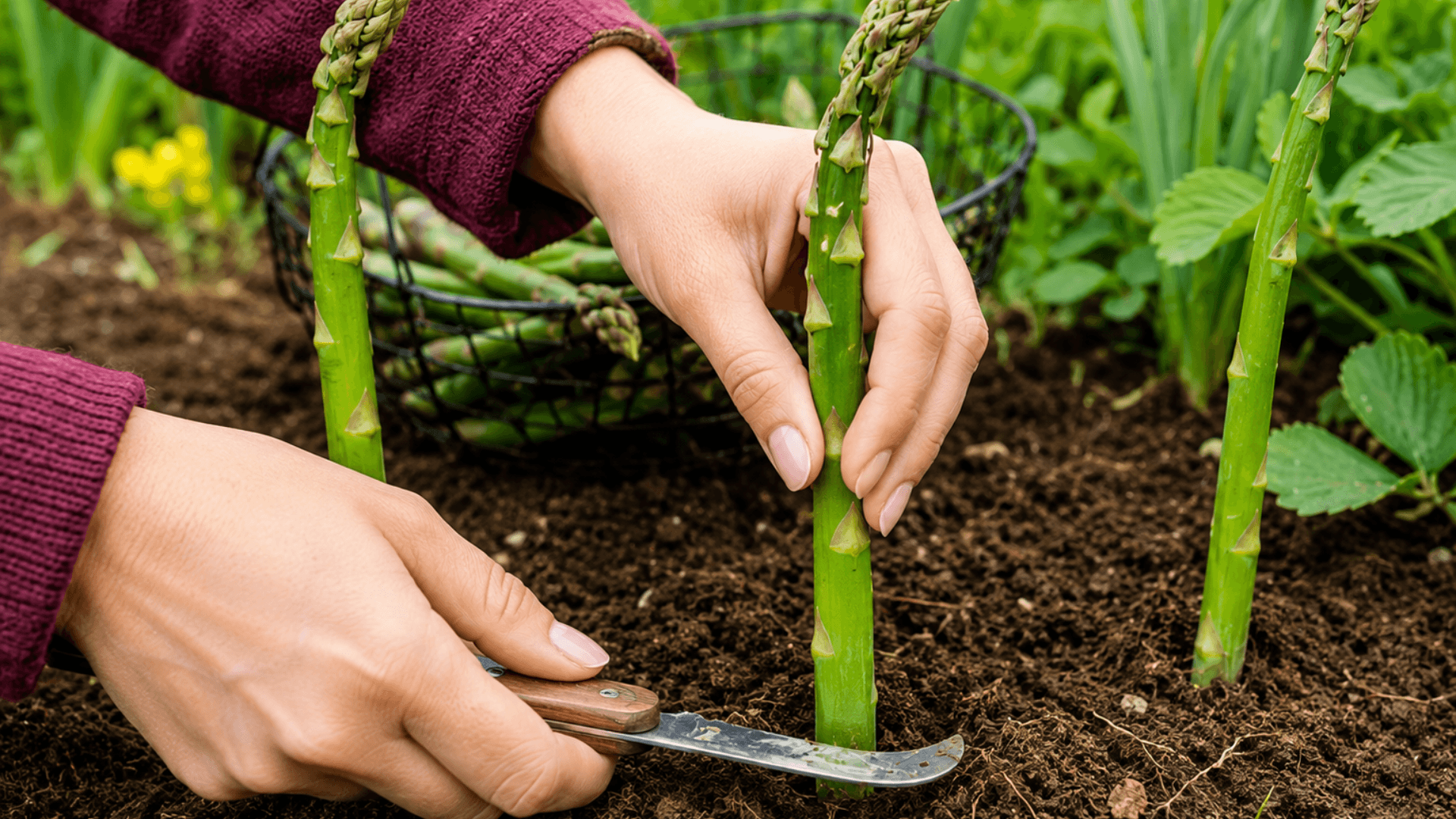
- Cut carefully: Use a clean, sharp knife to cut each spear about 1 inch below the soil surface without disturbing nearby shoots.
- Timeline: Check plants every few days during the growing season because asparagus spears can grow quickly in warm weather.
- Avoid overharvesting: Stop harvesting after about 6 to 8 weeks and allow the remaining spears to grow into fern-like foliage. The NIH report states that carbohydrates stored in asparagus roots support spear and fern growth during later growth cycles.
- Let foliage grow: The fern-like leaves help the plant store energy and prepare for stronger growth in the next season.
Once your asparagus is ready to pick, you can also use fresh spears alongside other ingredients when planning a vegetarian, protein-packed meal.
Common Asparagus Growing Problems
Asparagus is generally easy to care for once established, but a few problems can affect its growth. Here are some common signs to watch for and simple ways to fix them.
| Problem | Signs | What to Do |
|---|---|---|
| Weeds | Weeds growing around plants | Pull weeds and add mulch around the bed. |
| Thin Spears | Spears look small or weak | Add compost or fertilizer and avoid overharvesting. |
| Yellow Foliage | Ferns turn yellow too early | Check watering and make sure the soil drains well. |
| Slow Growth | Plants develop slowly | Provide full sun and keep the bed free of weeds. |
| Asparagus Beetles | Damaged spears or chewed foliage | Remove beetles by hand and clear plant debris. |
| Asparagus Rust | Orange or brown spots on foliage | Remove infected foliage and improve airflow around plants. |
Conclusion
Growing asparagus takes time, but the results can be worth the wait. With good soil, enough sunlight, proper spacing, and regular watering, your asparagus bed can keep producing fresh spears for many years.
I like that once the plants are well established, they return each spring without needing to be planted again. The main thing is to give young plants enough time to grow strong before harvesting too much.
With a little care and patience, we can enjoy fresh asparagus straight from the garden each season.
If you grow asparagus at home or plan to start soon, share your experience, questions, or growing tips in the comments below!
Frequently Asked Questions
Can Asparagus Grow In Raised Beds?
Yes, raised beds can work for asparagus when they provide deep soil, enough growing space, and good drainage for the expanding root system.
How Many Asparagus Plants Should I Plant Per Person?
A common home garden estimate is about 5 to 10 asparagus plants per person, based on how often your household plans to eat asparagus.
Can You Grow Asparagus In Containers?
Yes, but containers need enough depth and width for the large root system. Long-term growth can be harder because asparagus stays planted for years.
Does Asparagus Spread After Planting?
Yes, Asparagus crowns slowly become larger underground as plants age. Female plants may also produce seeds that create new seedlings around an established bed.
Can You Transplant Established Asparagus Plants?
Yes, though moving mature asparagus can disturb its large root system. Early spring is commonly preferred, before new spear growth becomes active.