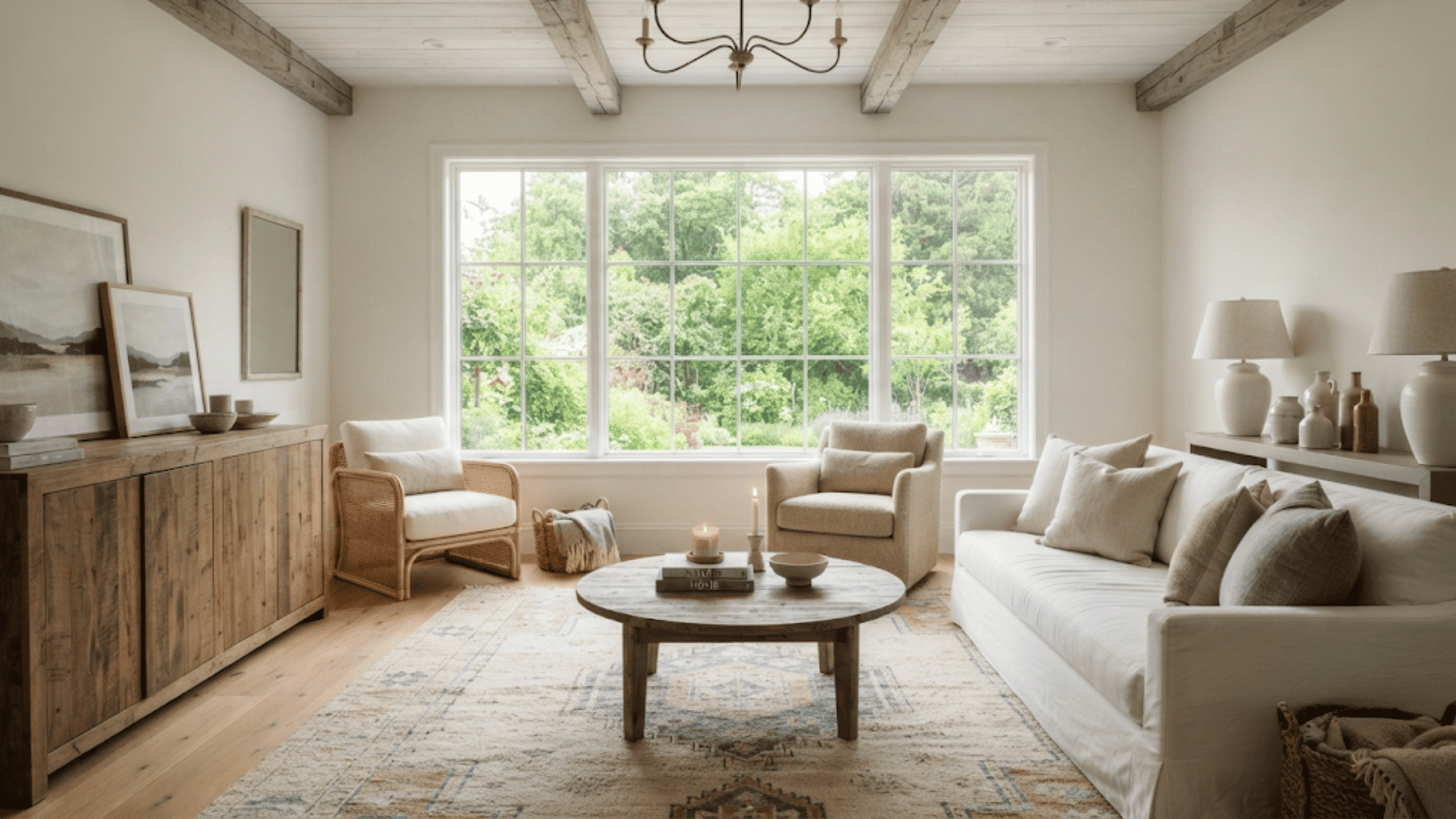
A small room can feel cramped surprisingly fast, especially when every piece of furniture competes for attention. I know how frustrating it can be when a space you love starts feeling busy, closed in, or harder to enjoy.
Even a compact room can feel more comfortable and inviting when you approach the space a little differently. If you have been thinking about how to make a small room look bigger, you do not need to completely redo your space.
Sometimes, small shifts in how a room looks and flows can completely change the way it feels.
Why Small Rooms Feel Cramped?
Small rooms often feel cramped when furniture, clutter, dark colors, or poor lighting take up too much visual space.
Oversized furniture can block walkways, while too many decor pieces make surfaces and walls look busy.
Heavy curtains may reduce natural light, and dark corners can make the room feel more closed in. Poor furniture placement can also break up the floor area, making the space seem smaller than it really is.
How to make a small room look bigger?
Small changes in color, lighting, furniture, and layout can make a compact room feel more open without changing its actual size.
1. Choose Light Wall Colors
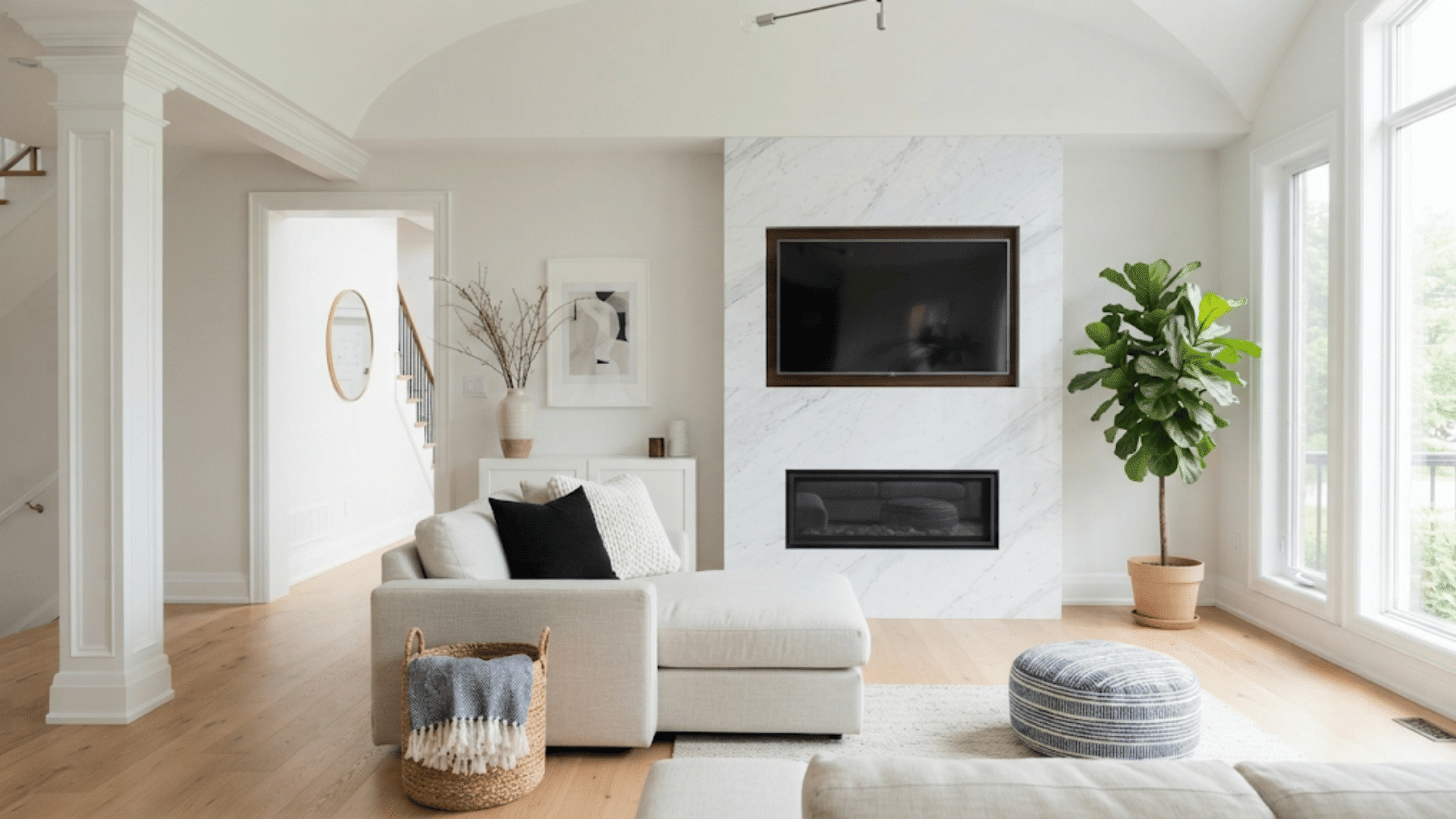
Light shades such as warm white, soft beige, pale gray, or muted blue reflect more light around the room. Using similar tones on the walls and trim also reduces strong visual breaks that can make a compact space feel divided.
2. Bring in More Natural Light
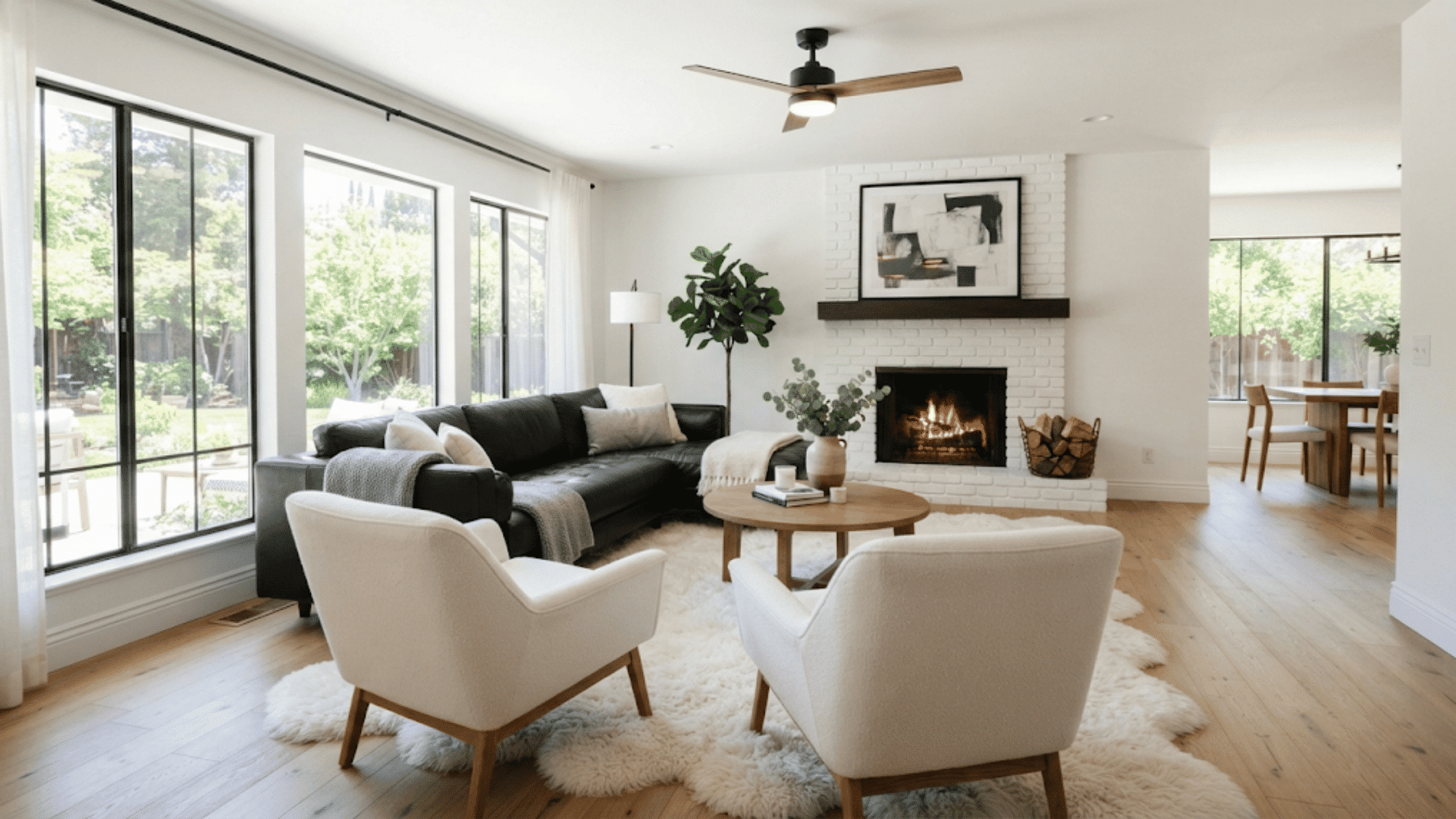
Keep windows uncovered during the day and replace thick drapes with sheer curtains or lighter window treatments where privacy allows.
Natural light can also reduce the need for artificial lighting, and the U.S. Department of Energy explains how natural light in the home can brighten interiors while supporting energy savings.
Rule: Keep tall furniture away from windows so it does not block incoming daylight.
3. Place Mirrors Near Windows
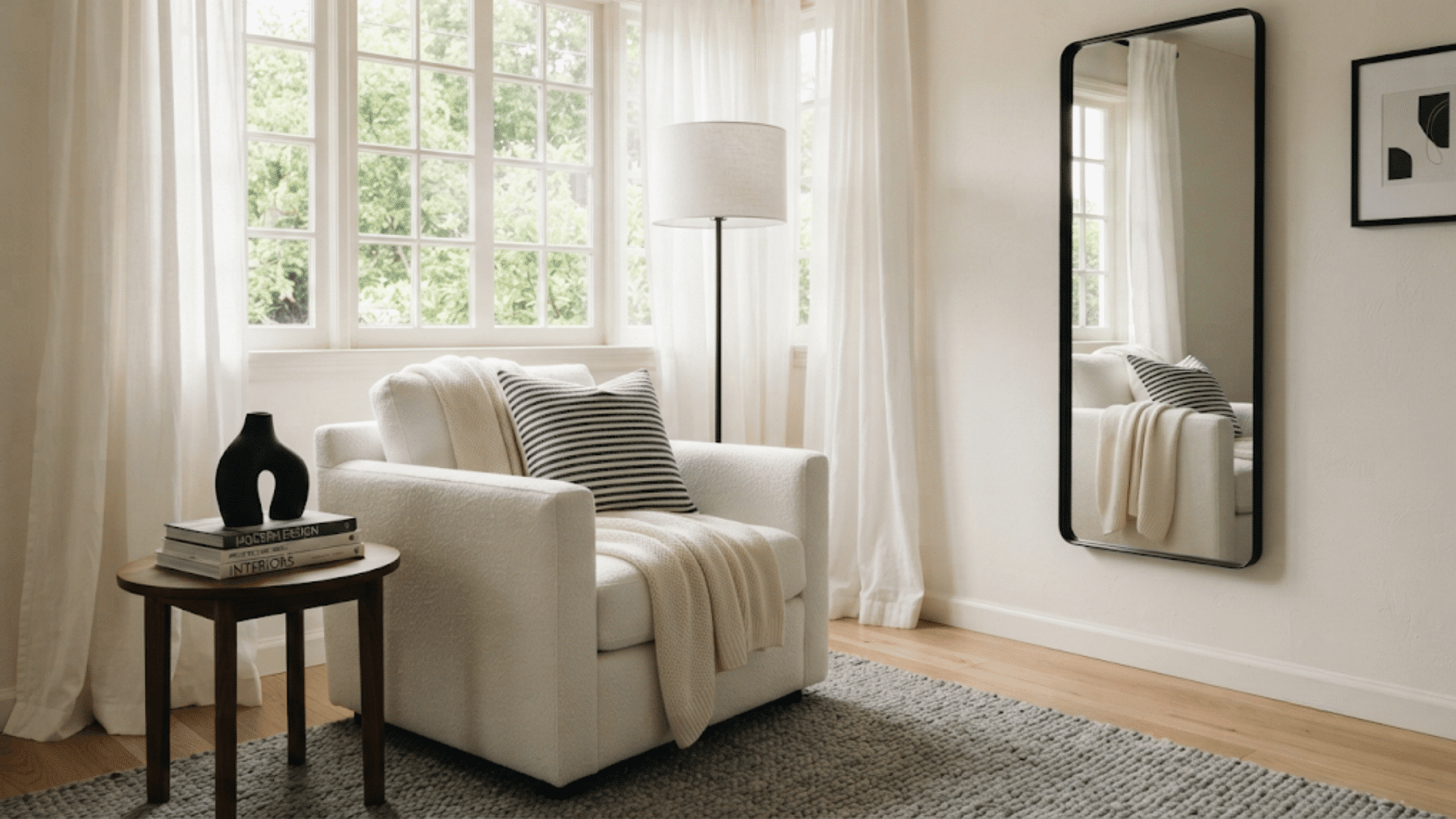
A well-placed mirror reflects both light and part of the room, creating a stronger feeling of depth. Large mirrors often work better than several tiny ones because they create a broader reflection without making the wall look busy.
4. Use Furniture with Visible Legs
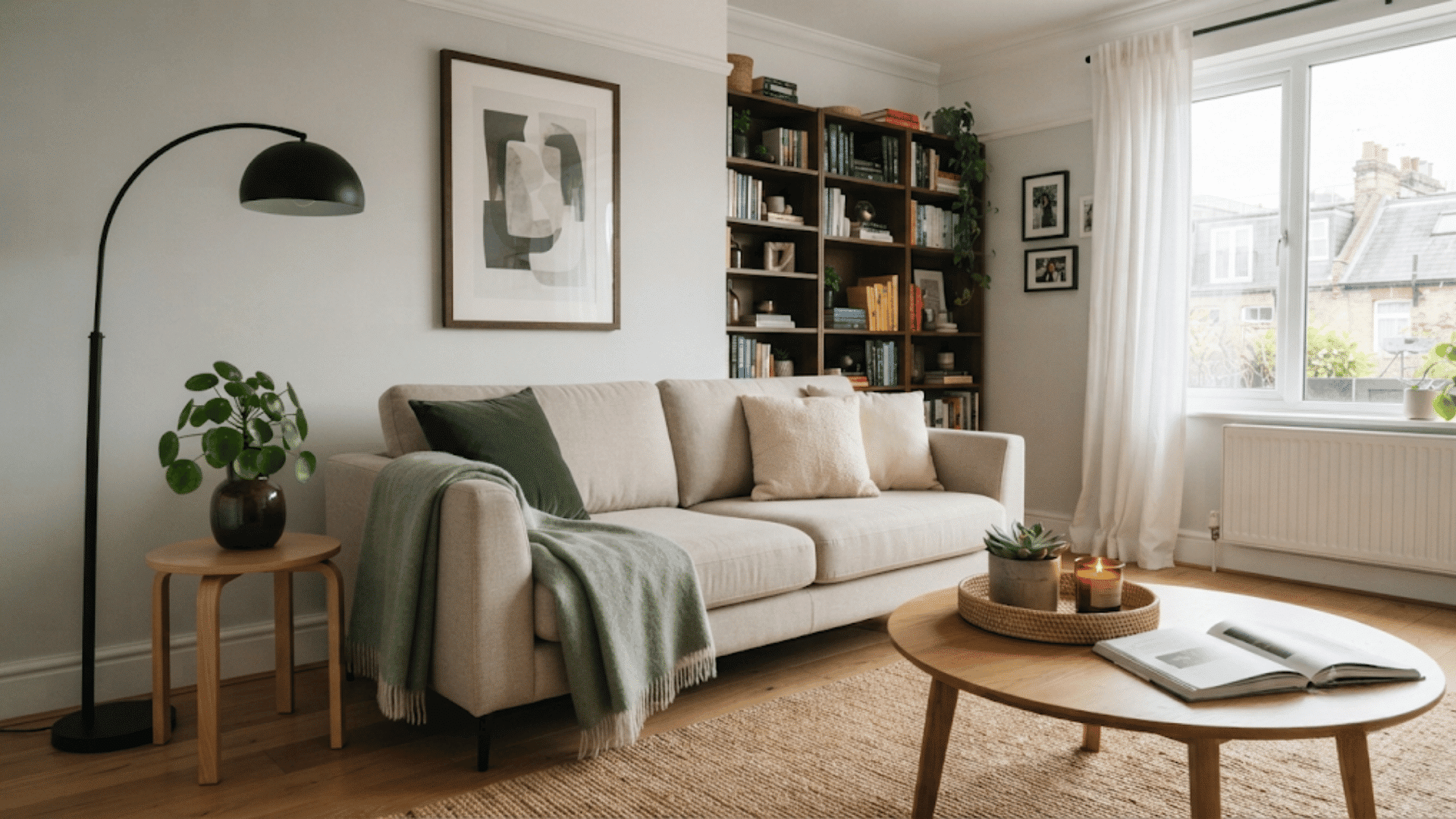
Sofas, chairs, tables, and beds with raised legs leave more flooring visible underneath. This extra sightline makes the floor appear less crowded and gives larger furniture a lighter appearance, which works especially well in compact bedrooms and living rooms.
Rule: Avoid filling the open space beneath raised furniture with baskets or boxes.
5. Choose Fewer Furniture Pieces
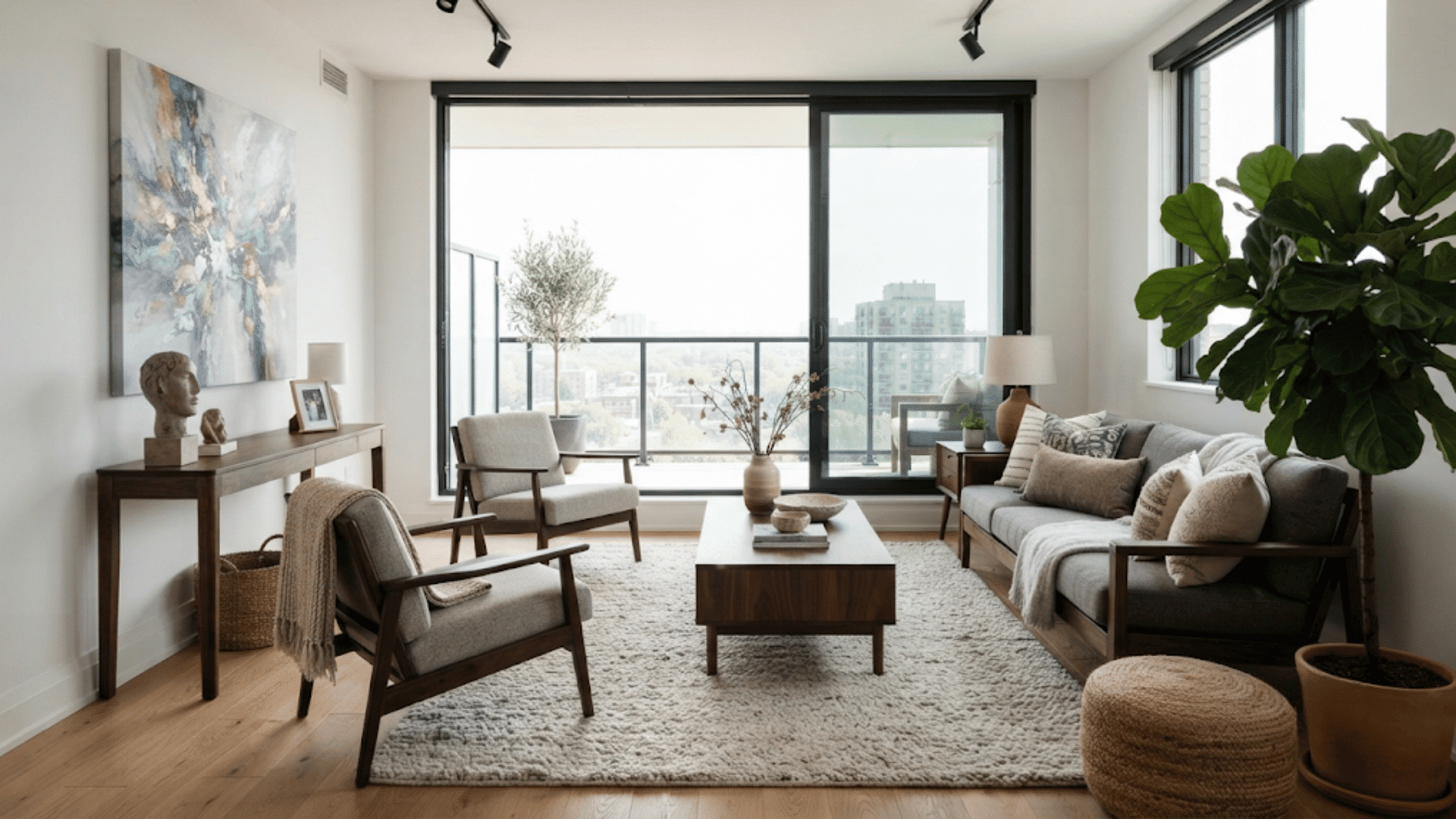
Too many chairs, tables, cabinets, and small storage pieces can quickly crowd a limited floor plan. Keep the furniture you regularly use and remove pieces that serve no clear purpose so the room has more breathing space between items.
6. Keep Walking Paths Clear
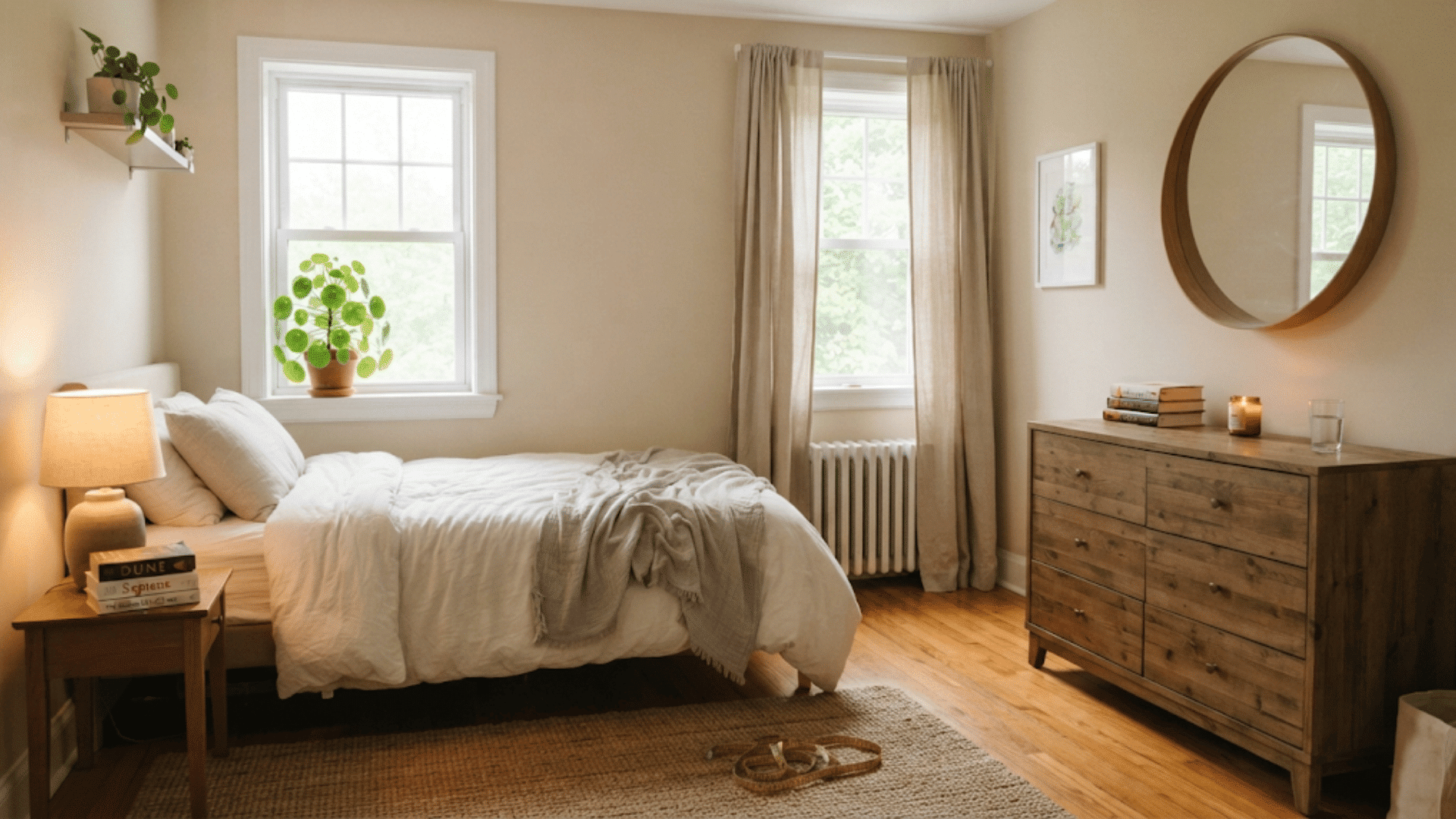
Clear pathways make a room easier to move through and allow your eye to travel farther across the floor. Avoid placing chairs, side tables, or storage units where they narrow doorways or interrupt the natural route through the room.
Rule: Leave commonly used routes open rather than arranging furniture across them.
7. Hang Curtains Higher and Wider
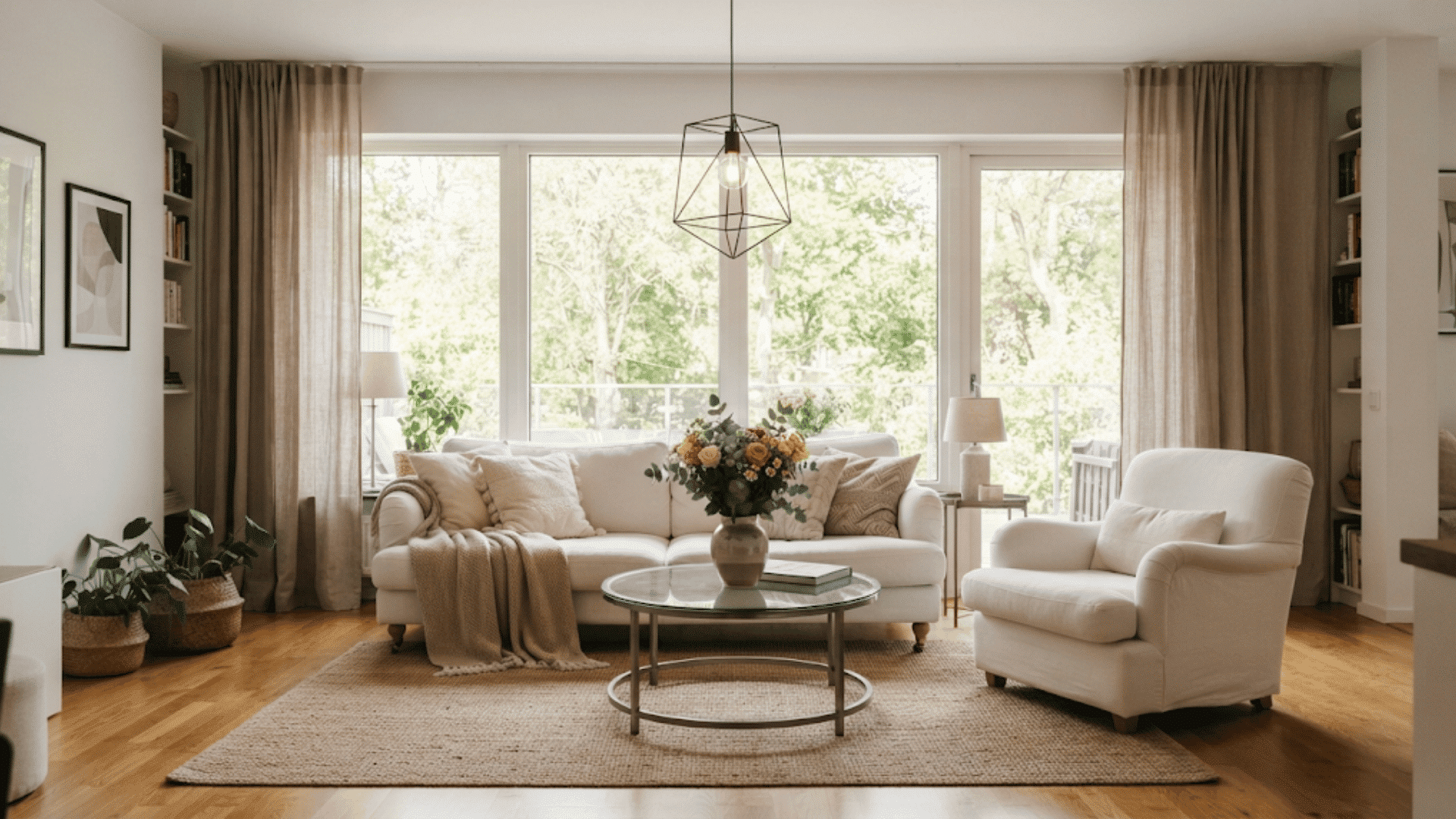
Mount curtain rods above the window frame to draw the eye upward and make the wall appear taller. Extending the rod beyond each side of the window also lets curtains sit outside the glass, allowing more daylight into the room.
8. Add Lighting Around the Room
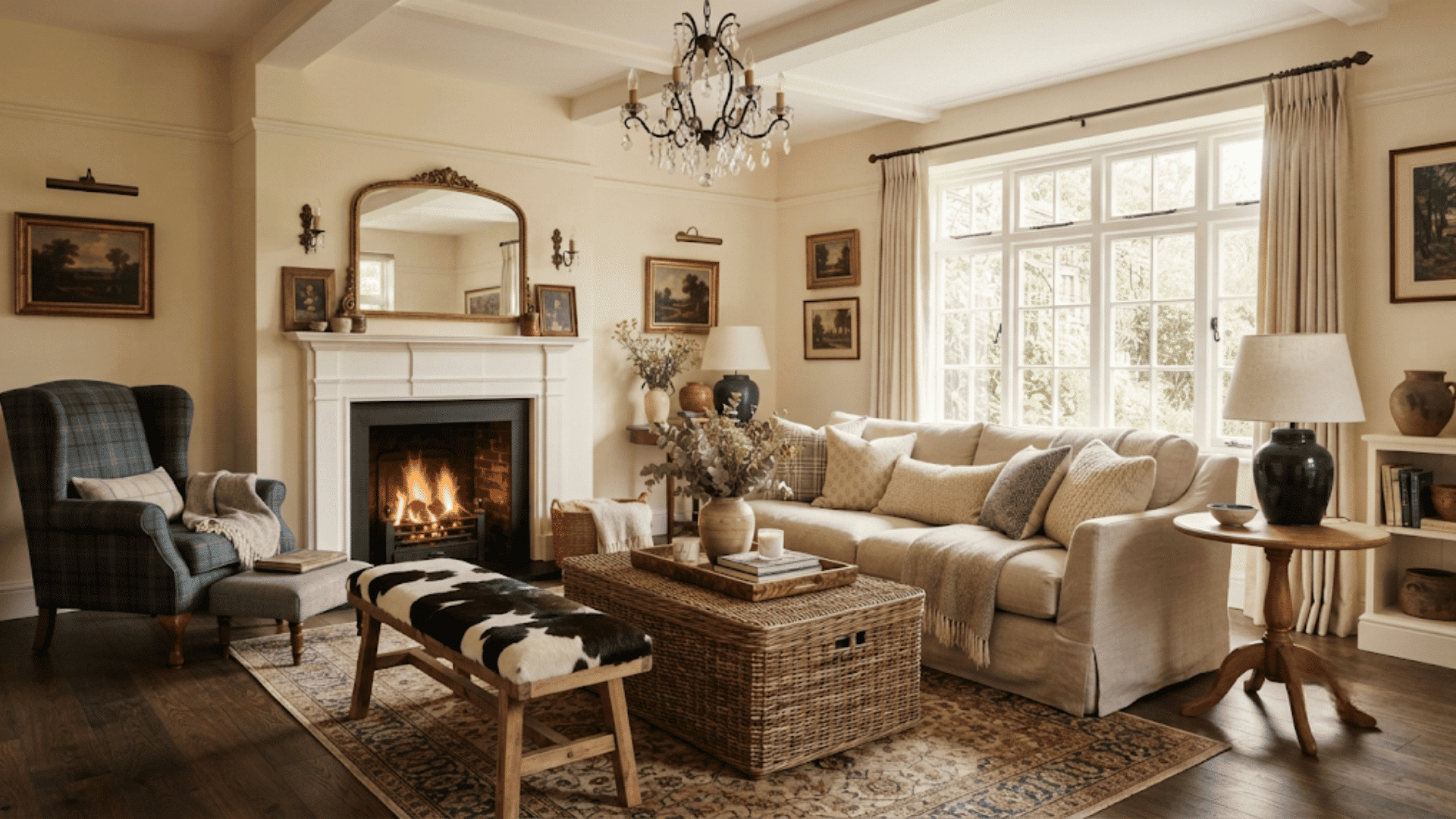
One ceiling fixture can leave corners dark, making the room feel smaller at night.
Combine overhead lighting with floor lamps, table lamps, or wall lights so brightness reaches more areas and the edges of the room remain visible.
Rule: Place lights at different heights rather than relying on one central fixture.
9. Use Walls for Extra Storage
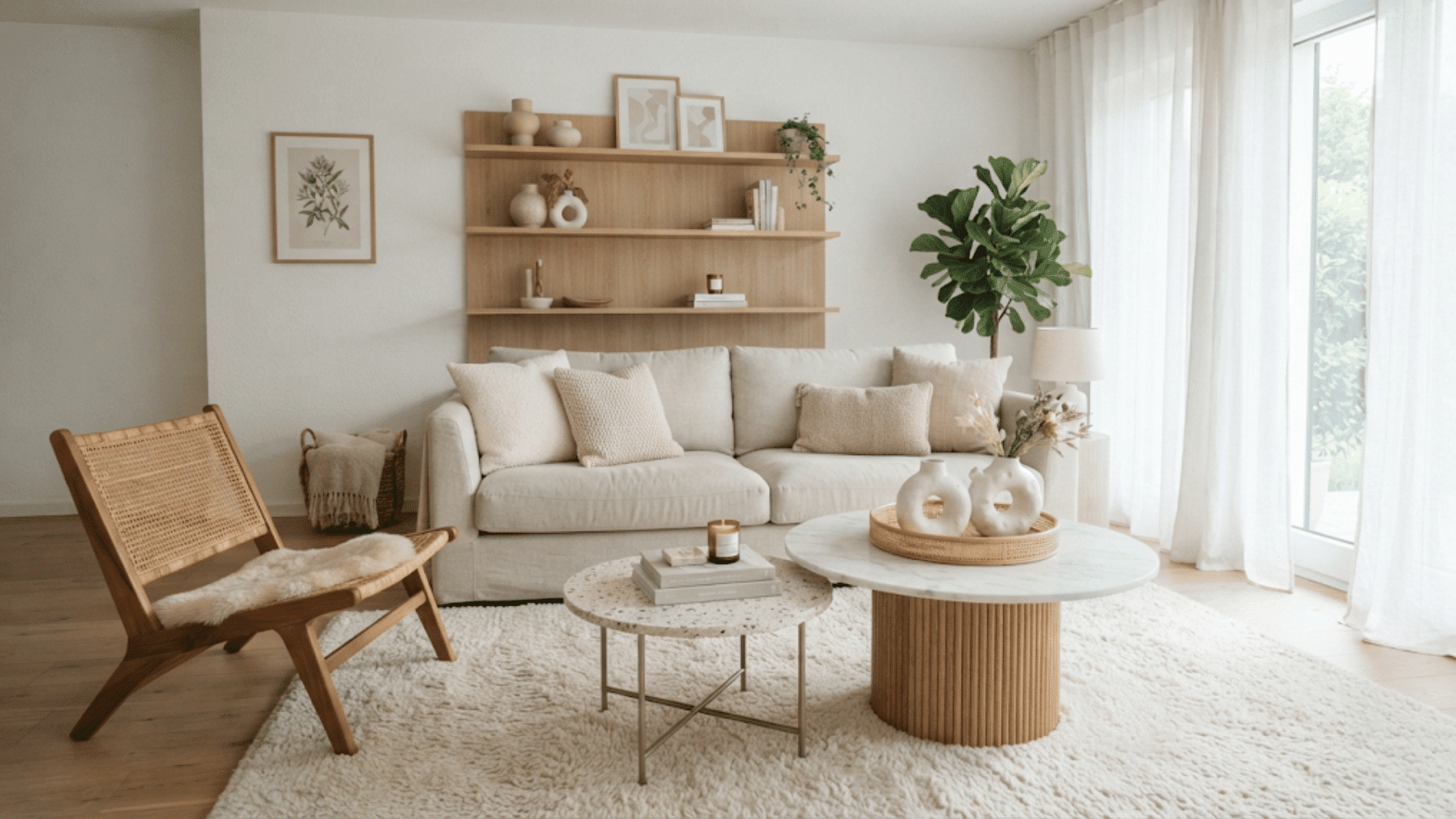
Tall shelves, floating shelves, wall cabinets, and hooks can hold everyday items without taking up as much floor area. Moving storage upward is especially useful in bedrooms, entryways, and living rooms where floor space is already limited.
10. Use One Large Area Rug
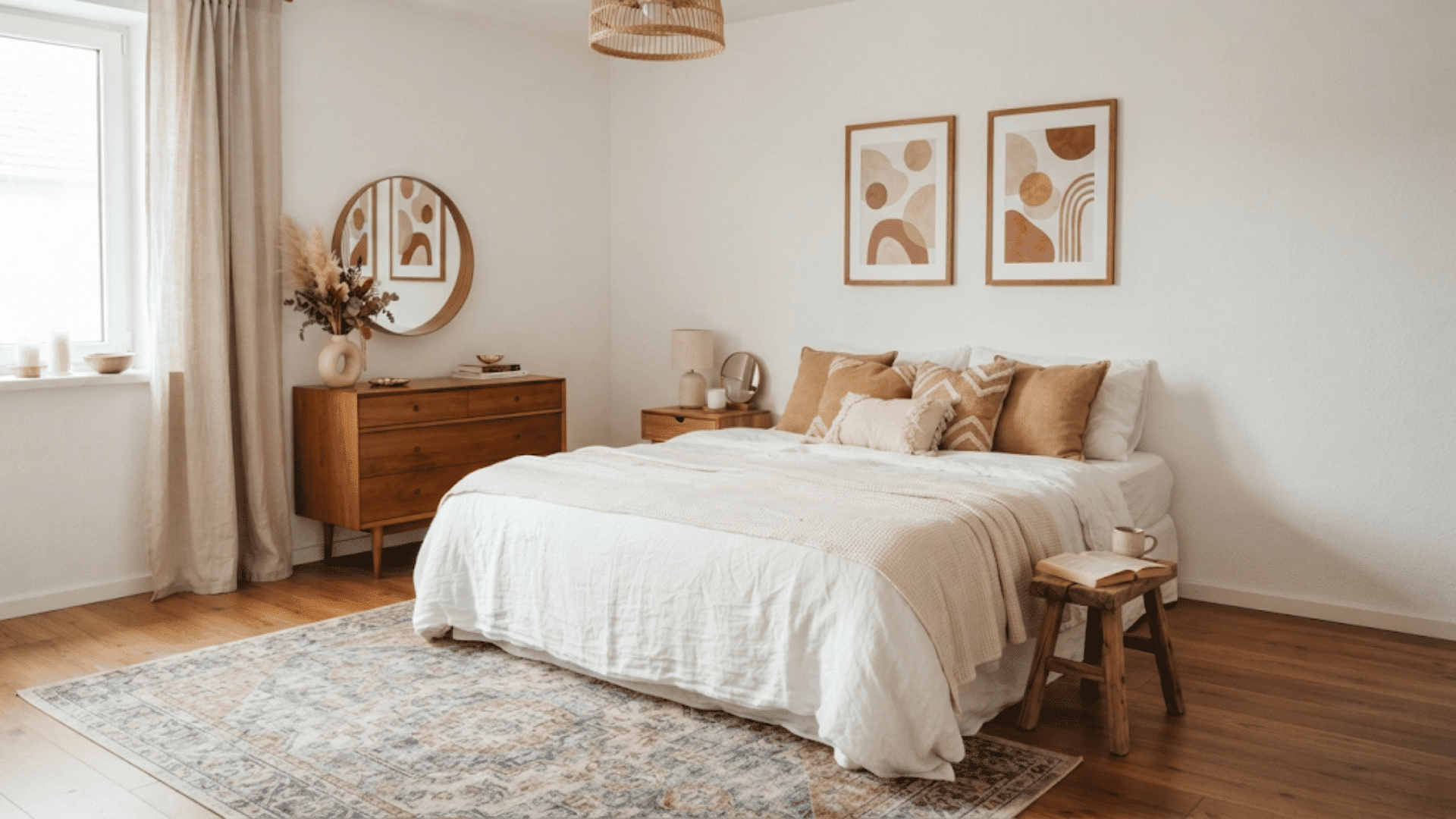
Several small rugs can break the floor into separate sections and make the room appear more divided. A larger rug that sits beneath major furniture pieces creates one connected seating area and makes more of the floor feel visually continuous.
Rule: Choose a rug large enough for at least the front legs of major seating pieces.
11. Keep Decor Simple and Balanced
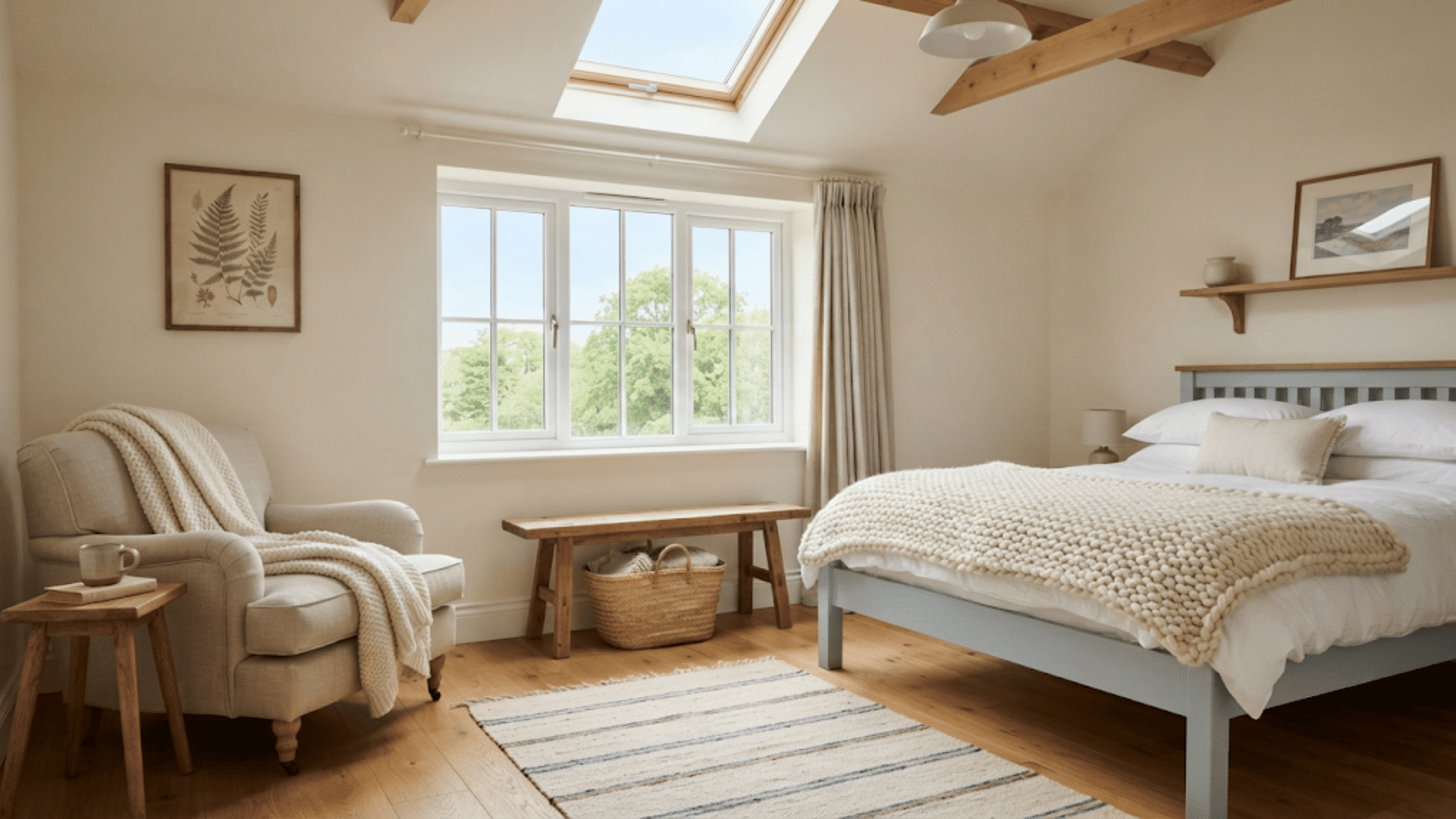
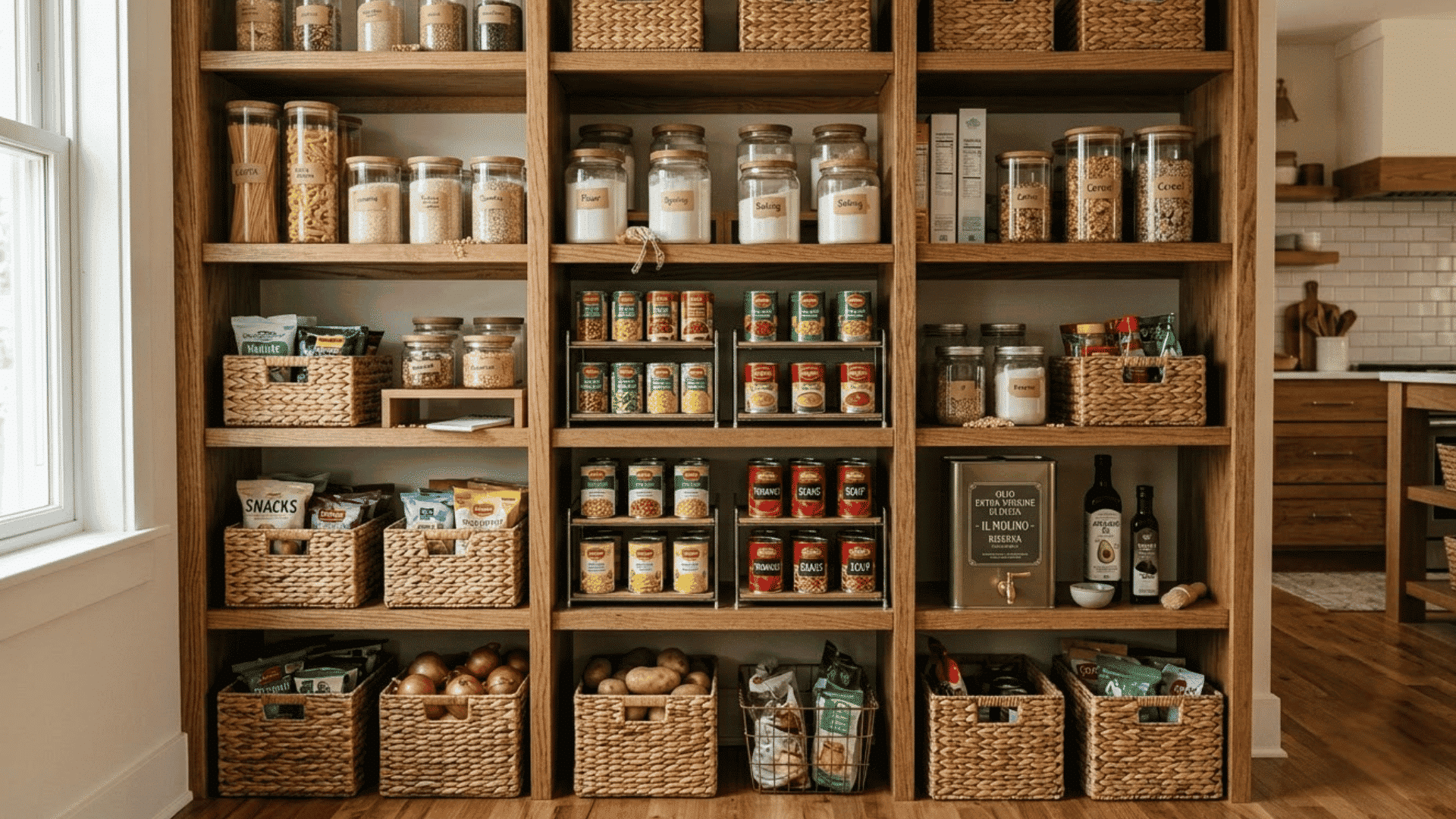
Crowded shelves, packed tabletops, and too many small wall decorations can add visual noise. Leave some surfaces partly empty and choose a few larger decorative pieces instead, giving each item enough space to stand apart from the rest.
If you are adding wall art, knowing how high to hang pictures can help you place them at a comfortable viewing height without making the wall feel crowded.
Best Colors for Small Rooms
Colors that reflect light and create fewer sharp contrasts can help a small room feel brighter, wider, and less enclosed.
-
Warm white
-
Soft beige
-
Pale gray
-
Light blue
-
Muted sage
-
Cream
-
Soft greige
How to Place Furniture in Small Rooms?
Place furniture so walkways stay open and as much floor area as possible remains visible.
Start with the largest piece, such as a sofa or bed, and place it where it doesn’t block doors, windows, or natural walking paths.
Leave enough space between furniture so you can move through the room easily. Choose fewer pieces that fit the room properly, and use corners or walls for storage when it keeps the center area open.
When arranging a compact living room, knowing how tall a coffee table should be can help you choose a piece that works comfortably with your sofa without making the setup feel awkward.
Small Room Mistakes to Avoid
A few decorating choices can make a compact room feel more crowded, darker, or harder to move through.
-
Blocking Natural Light: Tall furniture or heavy curtains near windows can make the room feel darker and more enclosed.
-
Adding Too Many Small Pieces: Several side tables, stools, baskets, and decor items can make the layout look busy.
-
Filling Every Wall: Too many frames, shelves, or decorative pieces can make a small room feel visually crowded.
-
Using too many colors: Strong changes between walls, furniture, rugs, and decor can divide the room into smaller visual sections.
-
Leaving dark corners unlit: Poor lighting can make the edges of the room disappear and reduce the sense of openness.
-
Blocking walkways: Furniture placed across natural walking paths can make the room feel tighter and less comfortable to use.
Conclusion
Making a small room feel bigger often comes down to a few thoughtful choices rather than major changes.
Keeping decor simple, using vertical storage, hanging curtains higher, and leaving more floor space visible can also make the room feel more open.
The same ideas work well in bedrooms, living rooms, and other compact spaces. If you want to try to make a small room look bigger at home, start with one easy change today.
Rearrange your furniture, clear a crowded surface, or move your curtains higher and see how the room feels.
Frequently Asked Questions
Can Wallpaper Make a Small Room Look Larger?
Yes. Wallpaper with subtle vertical lines or small patterns can add height and depth. Avoid oversized busy prints that may make compact walls feel crowded.
Does Ceiling Color Affect Room Size?
Yes. A lighter ceiling can make the room feel taller, while painting it close to the wall color creates a smoother visual transition upward.
Are Glass Furniture Pieces Good for Small Rooms?
Glass tables and clear acrylic furniture take up less visual space because you can see through them. They work well when you need function without adding heaviness.
Should Small Rooms Use Open Shelving?
Open shelving can work well when it stays tidy and lightly styled. Too many visible items may add clutter, so leave some shelf space empty.