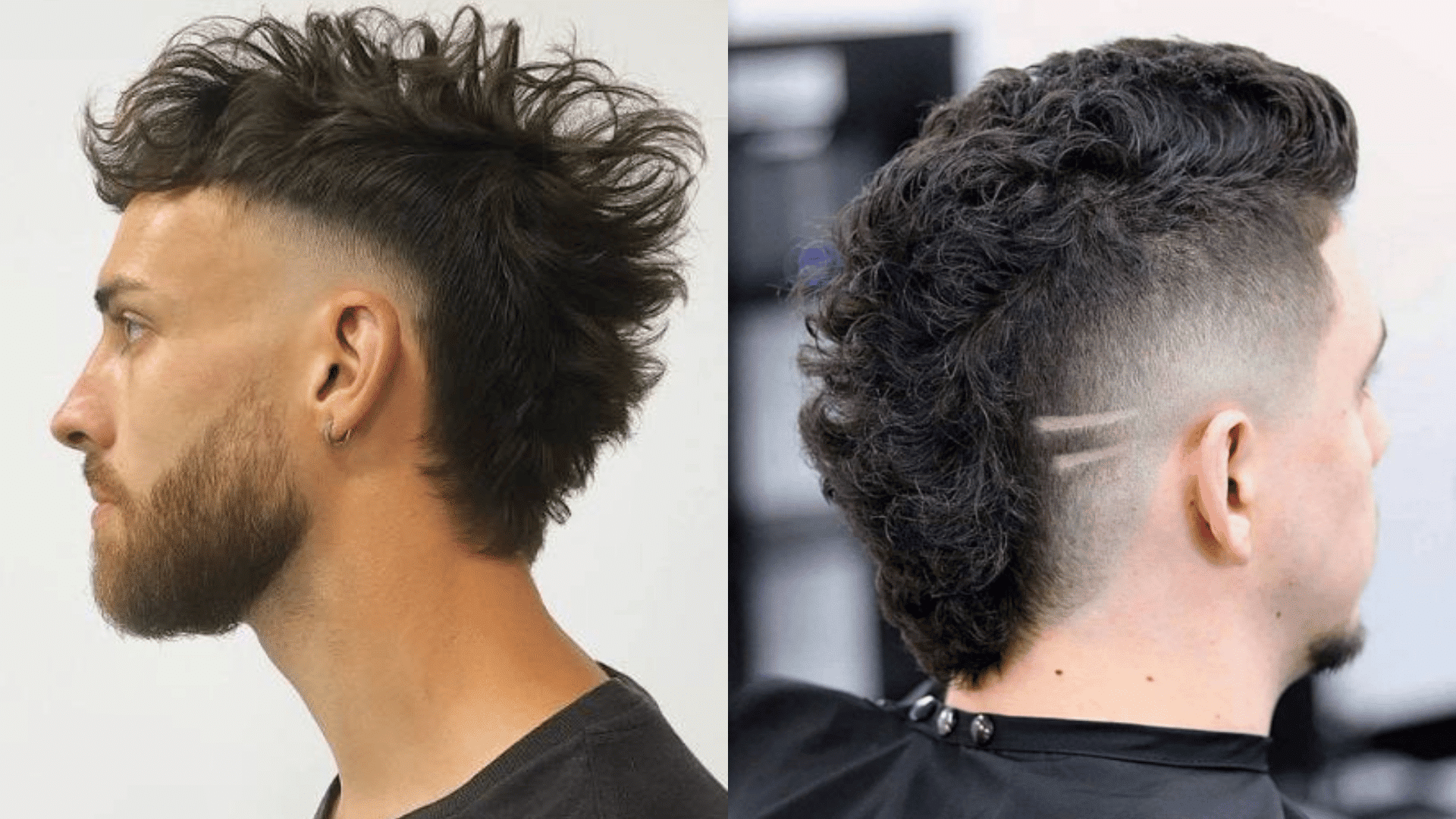
A Mohawk can completely change the look of a haircut, but choosing one can get tricky when there are so many variations to consider.
Some are sharp and dramatic, while others feel cleaner, softer, or easier to wear every day.
What makes the different types of Mohawks so interesting is how dramatically the overall shape can change with length, texture, fades, braids, or even the direction of the styling.
Your natural hair and personal style can also influence which looks stand out. So, before settling on a cut, it helps to see just how different each option can look and feel.
What is a Mohawk?
A Mohawk is a hairstyle with a strip of longer hair running from the front of the head through the crown and toward the back.
The traditional Mohawk has shaved sides that create a clear contrast with the center strip. Modern types of Mohawks may use faded, tapered, or closely cropped sides instead.
Some styles also use curls, braids, or natural texture through the center. The length, width, and side treatment can change the shape and appearance of the haircut.
Different Types of Mohawks
These different types of mohawks have distinct visual features, so each style offers a different option without repeating the same variation under another name.
1. Short Mohawk

A short Mohawk keeps the center strip cropped with even shorter hair along the sides.
Its limited height separates it from a long Mohawk and makes daily styling simpler.
Straight, wavy, curly, and coily textures can all suit the cut, since the defining feature comes from the length difference between the middle and sides.
2. Long Mohawk
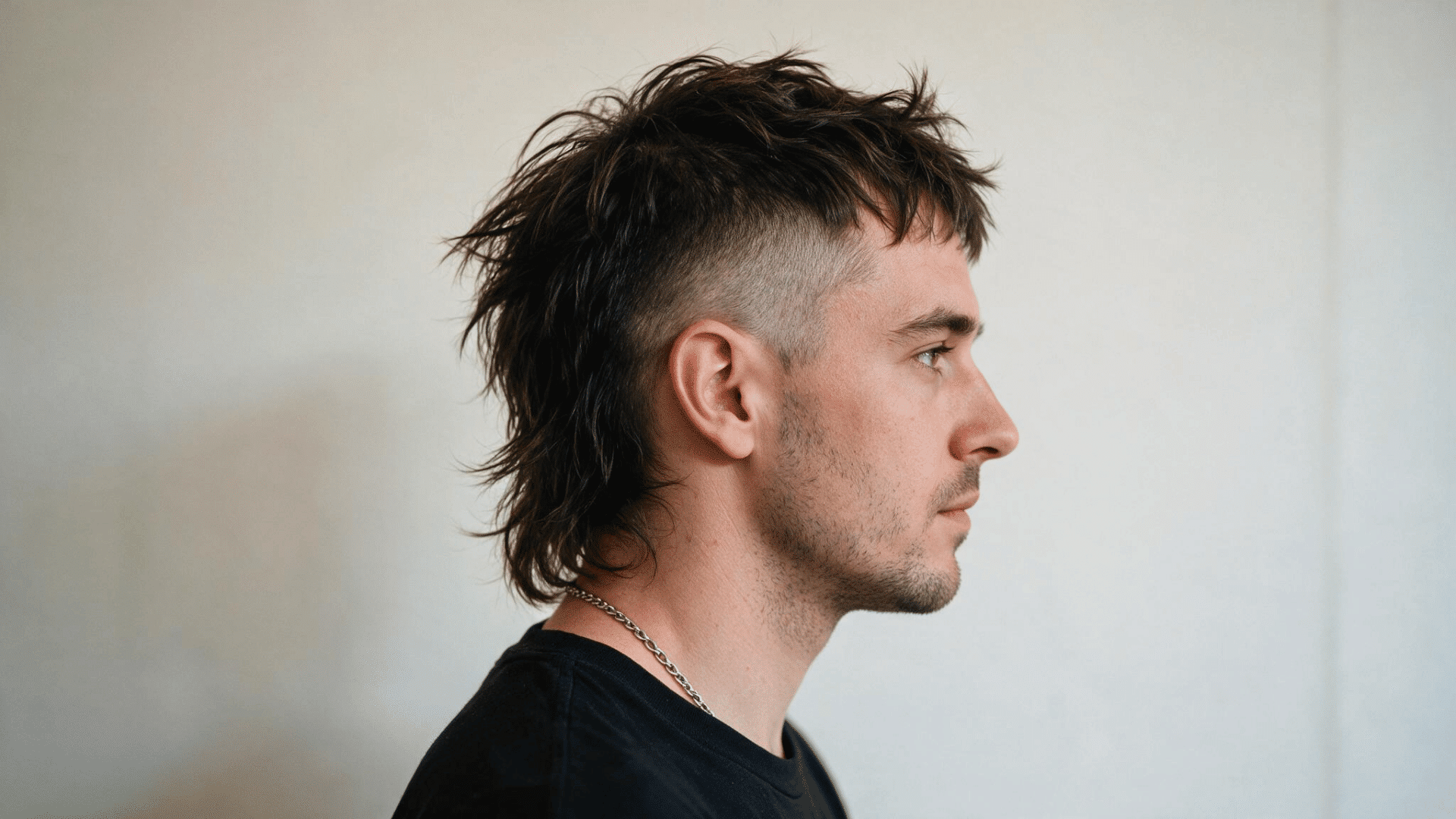
A long Mohawk leaves substantial length through the central strip while the sides stay short or shaved.
The longer center distinguishes it from short and buzzed Mohawks and allows the hair to stand high, fall naturally, or move toward the back.
Straight and wavy hair shows the length clearly, ly while curly hair creates a fuller center.
Fade and Cut-Based Mohawks
These Mohawk styles change the sides with fades, tapers, undercuts, or very short cuts while keeping the center more defined.
3. Low Mohawk

A low fade Mohawk keeps the shortest part of the fade near the ears and lower sides while leaving more hair above.
This lower starting point distinguishes it from a high fade Mohawk. Short or medium hair works well through the center, and straight, wavy, or curly textures can add different finishes to the top.
4. High Mohawk
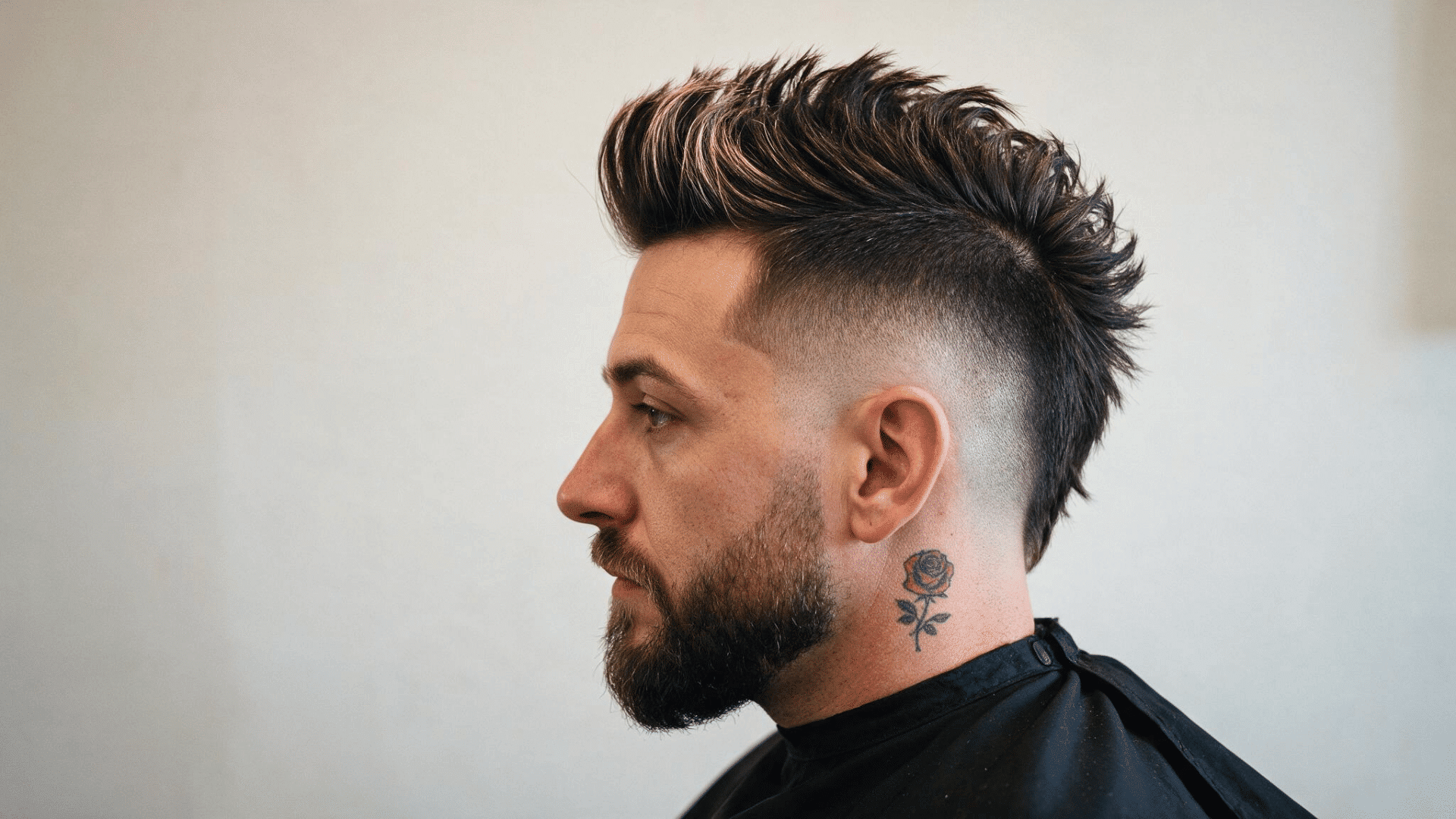
The Mohawk begins the fade farther up the sides, leaving a big difference between the center and surrounding hair.
The higher starting point separates it from the low fade version.
Short and medium center lengths work well with this; straight, curly, or wavy hair can change the finish of the raised section.
5. Undercut Mohawk
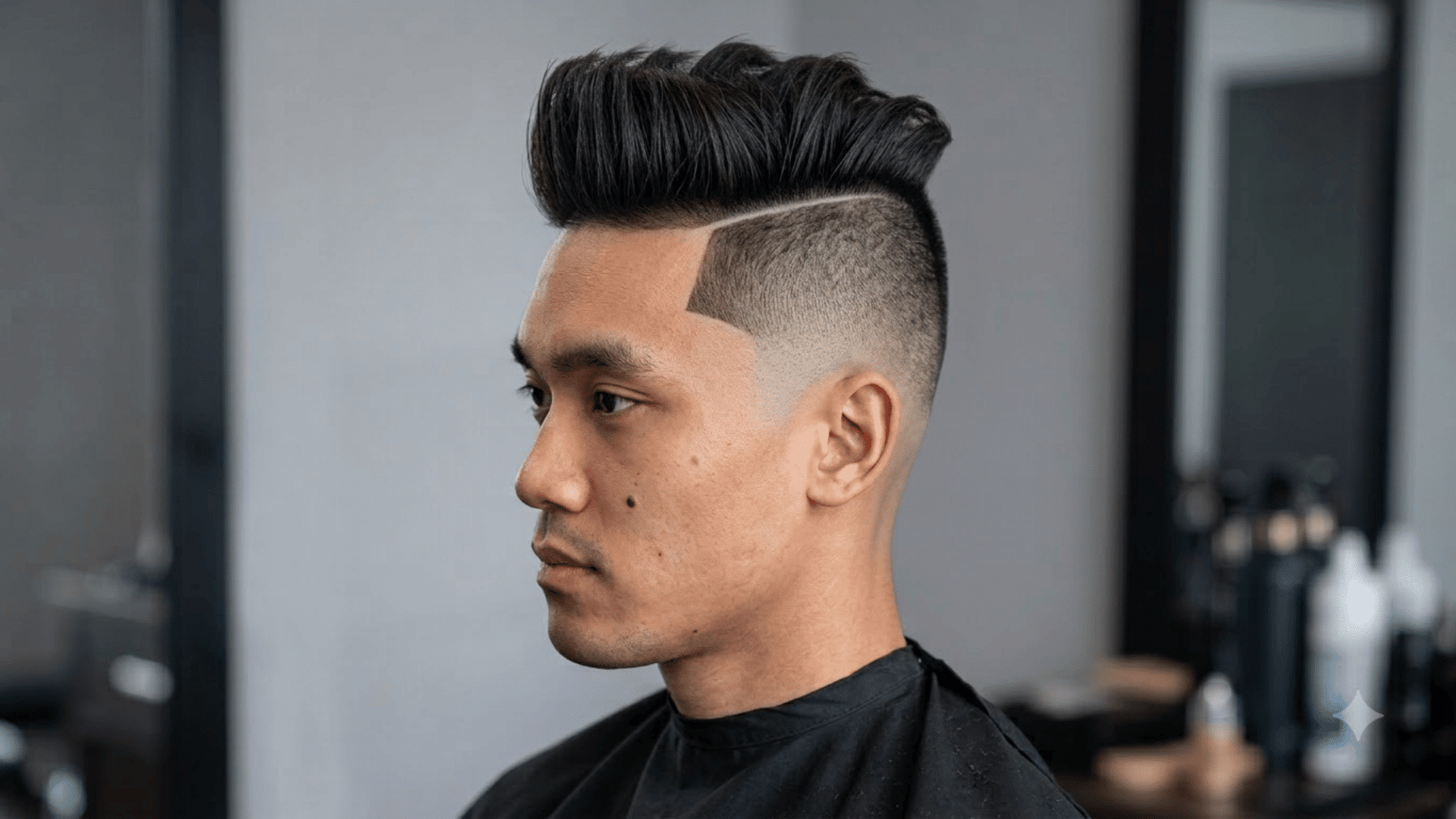
An undercut Mohawk pairs a longer central section with much shorter sides and a visible separation between the two lengths.
A taper fade changes length gradually while an undercut keeps the transition sharper.
Medium or long straight or wavy hair provides enough length for a raised, swept, or loose center.
6. Mohawk Buzz Cut
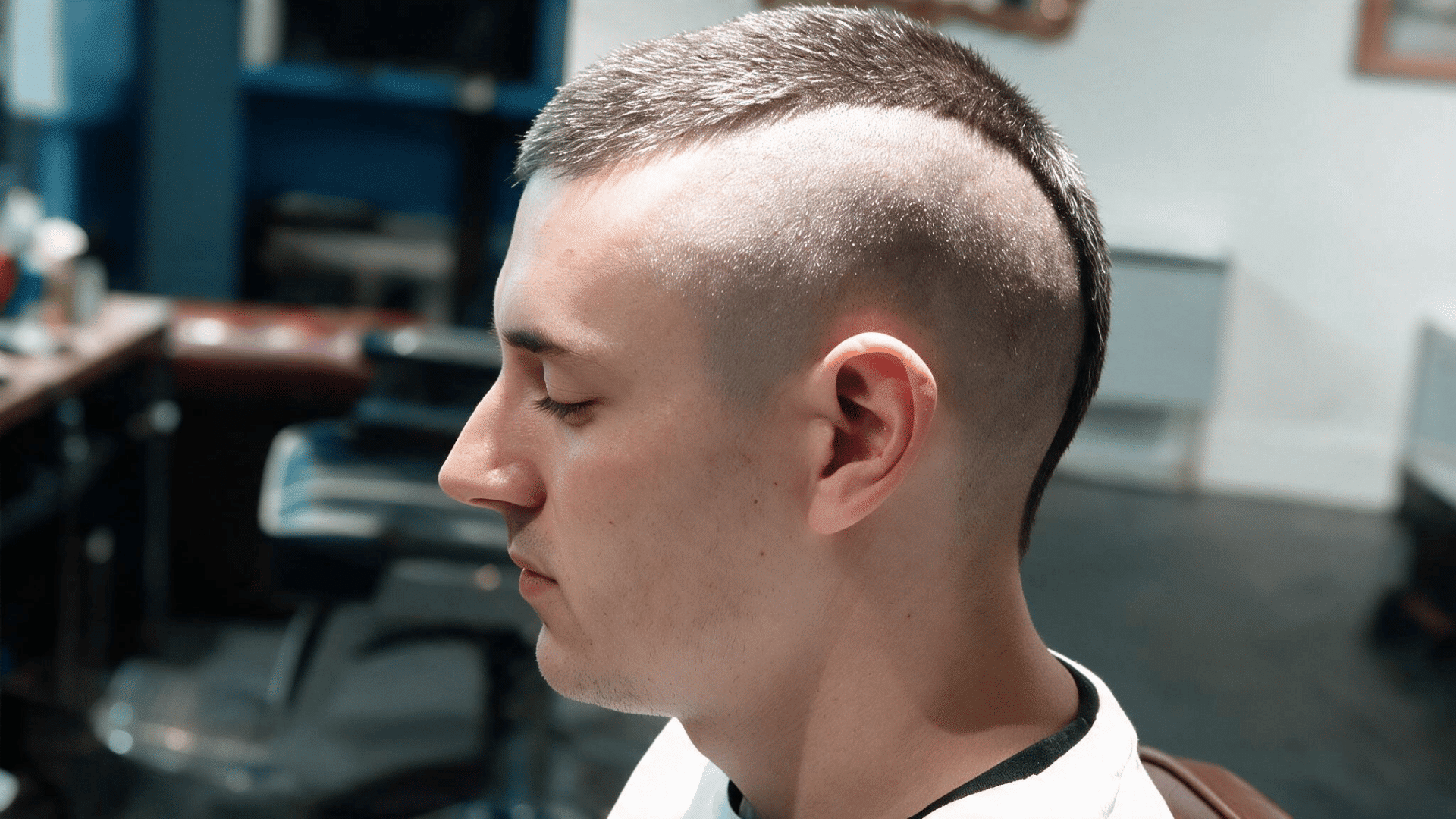
A Mohawk buzz cut keeps the hair close to the scalp while leaving the center slightly longer than the sides.
Its cropped shape separates it from Mohawks that depend on tall hair or longer spikes.
This cut suits short hair and keeps the central Mohawk line visible without much daily styling.
Texture-Based Mohawks
Texture-based Mohawks use curls, locs, and natural hair patterns to create shape, volume, and definition through the center.
7. Curly Mohawk
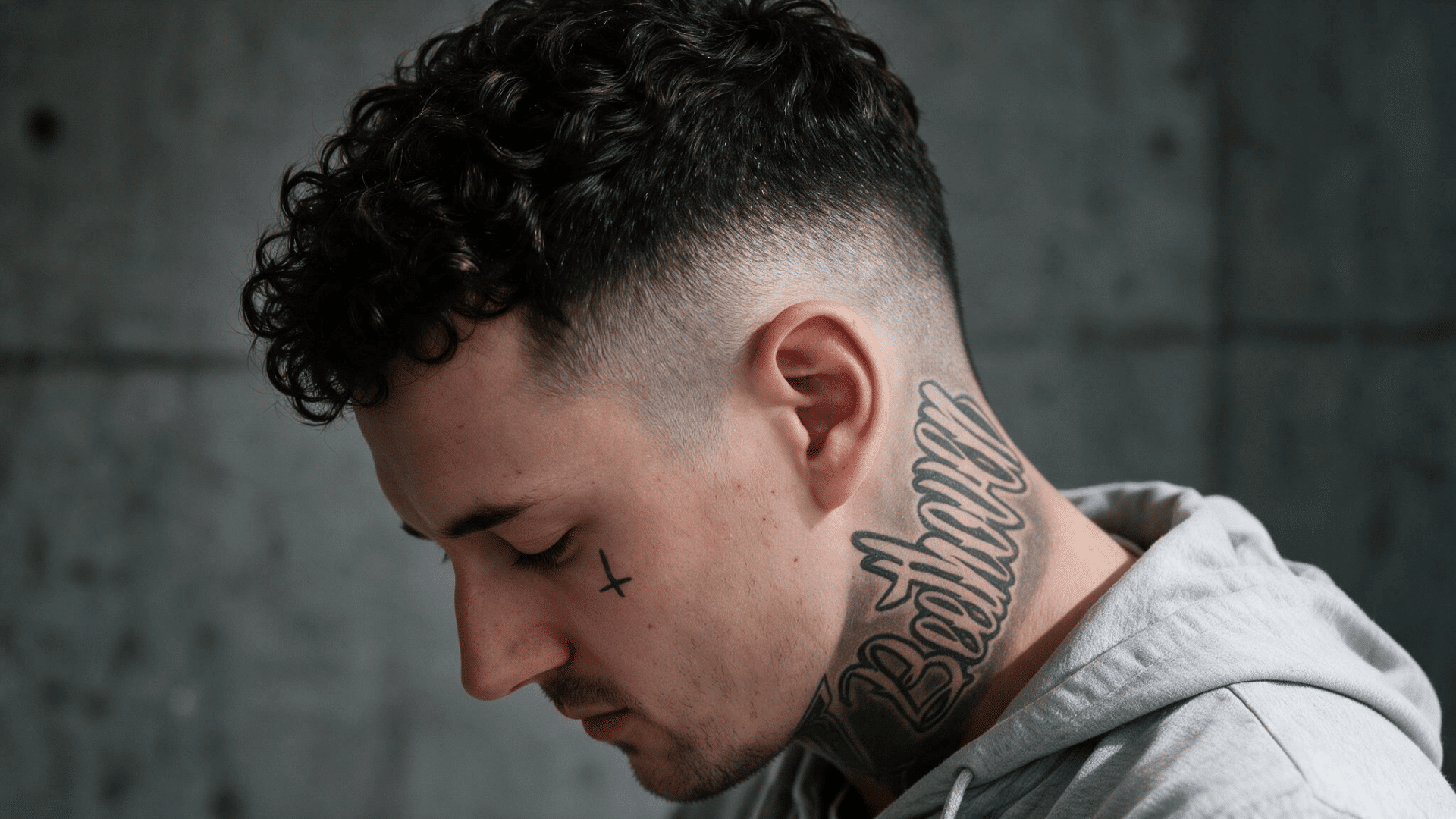
A curly Mohawk keeps natural curls through the middle with the sides shaved, faded, or cut short.
The curl pattern forms the center shape instead of straight spikes.
Short curls create a compact Mohawk while medium and long curls add more height and movement through the middle.
8. Dreadlock Mohawk
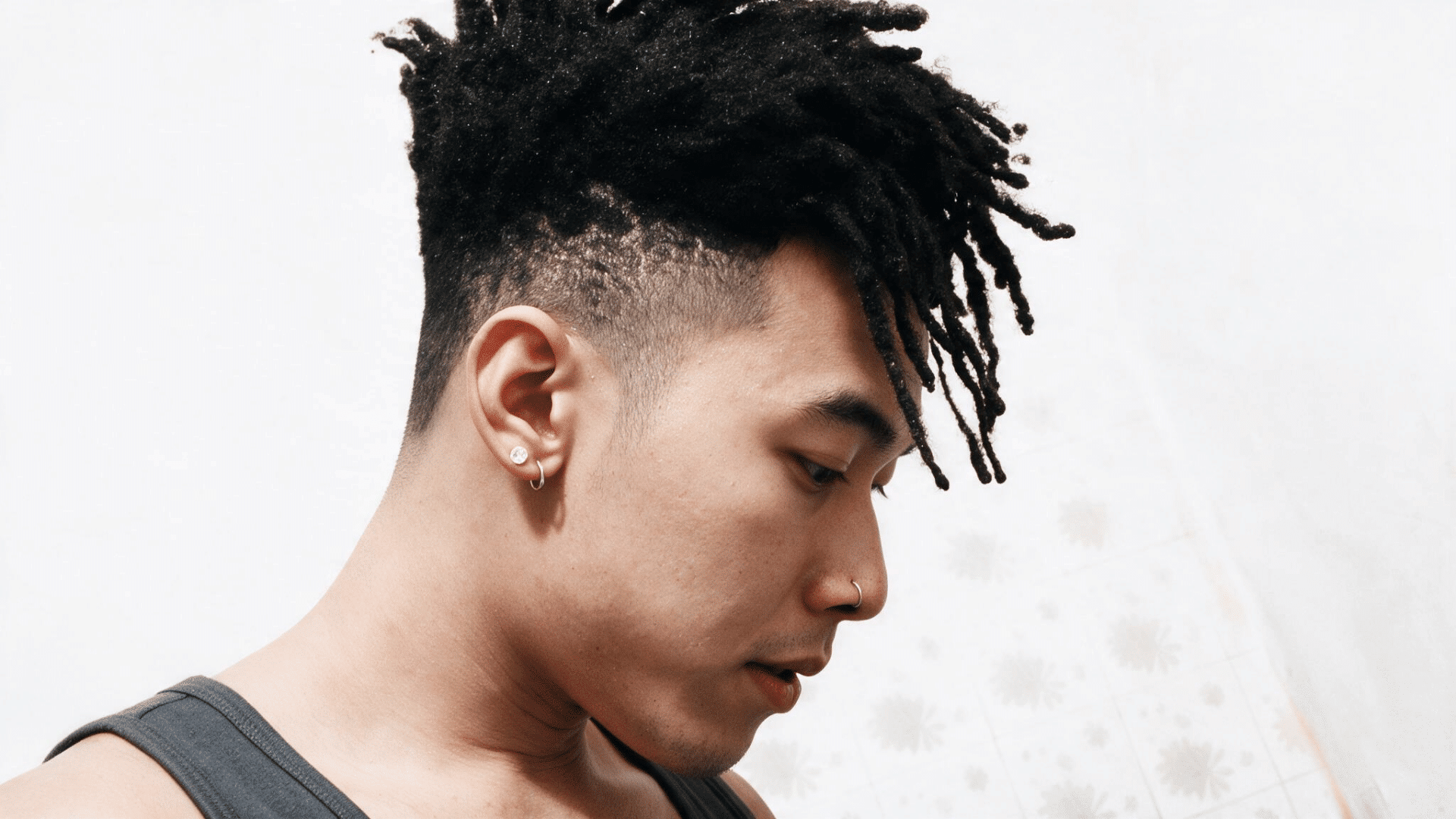
A dreadlock Mohawk or dreadhawk keeps locs through the central section while the sides are shaved or cut much shorter.
Locs give this haircut a different shape and texture than loose-hair mohawks.
Medium or long locs can be tied up or left hanging while the shorter sides maintain the central line.
9. Afro Mohawk
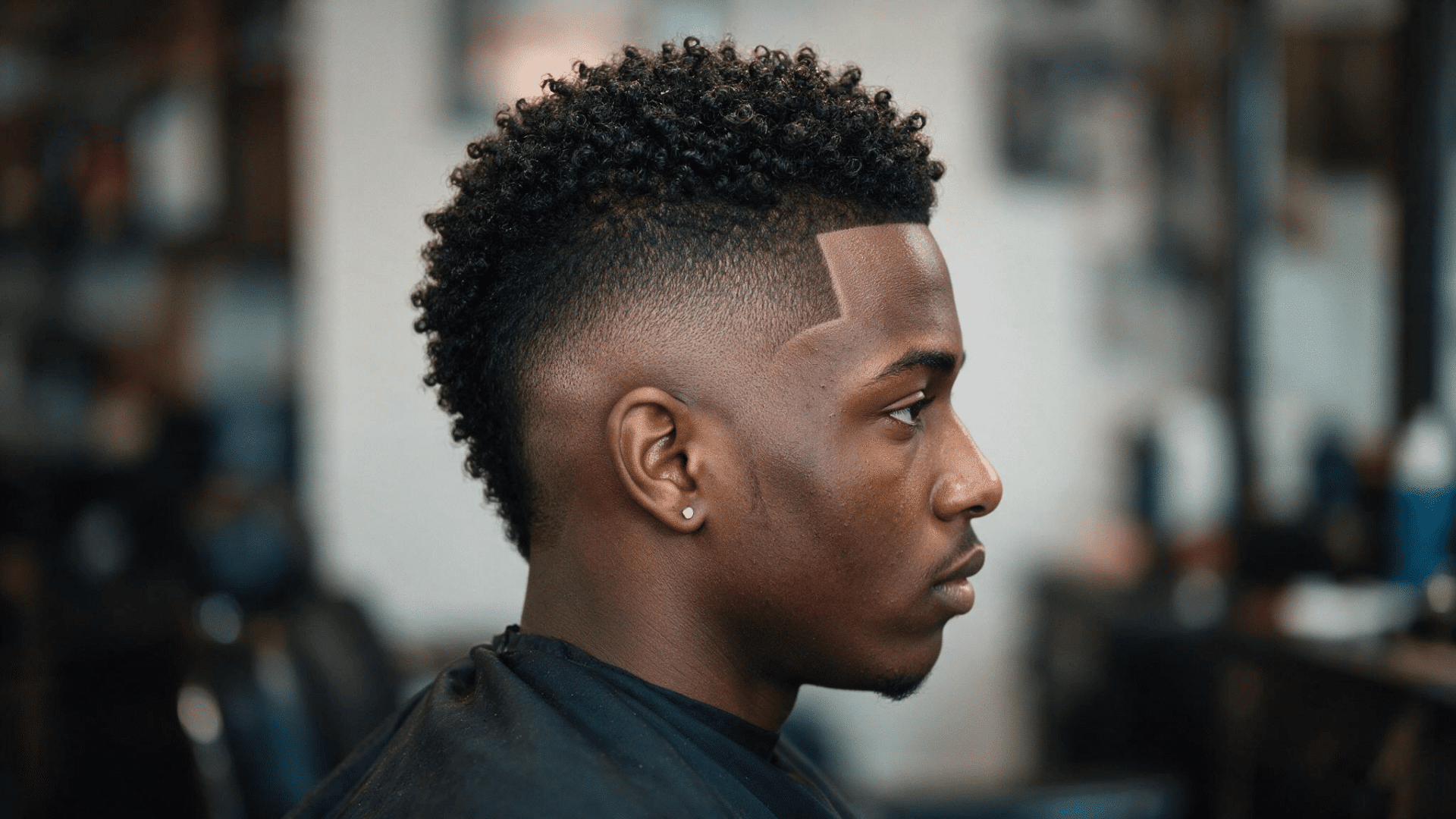
An Afro Mohawk keeps thick, coily hair full and rounded through the center while the sides are shaved or faded short.
The natural volume creates a softer, wider silhouette than spiked, curly, or straight Mohawks.
Medium-length coily hair works especially well because it provides enough volume to define the center without requiring the hair to be styled into spikes.
10. Flat Top Mohawk
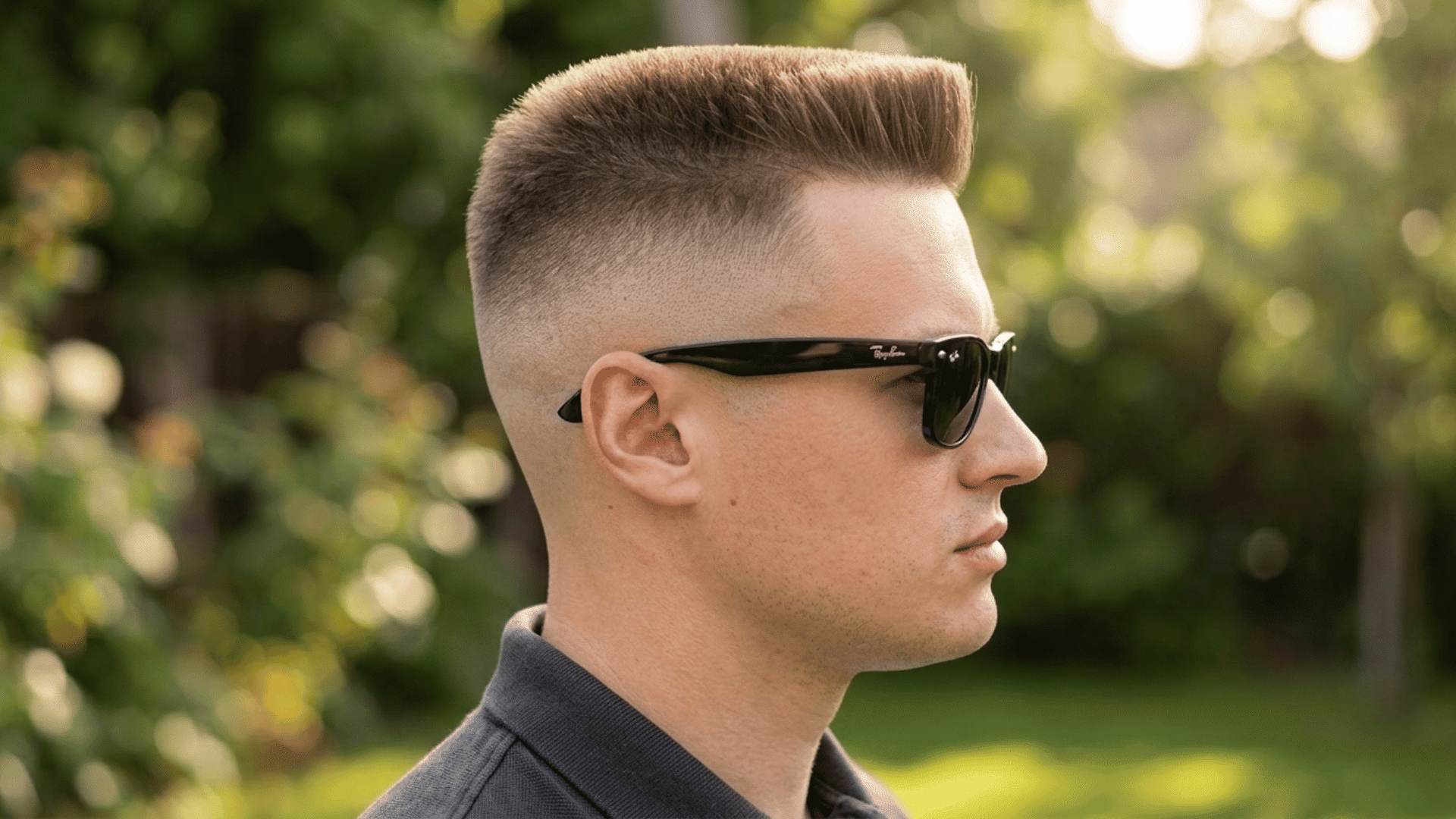
A flat top Mohawk keeps the center hair upright with the top shaped into a level or squared surface while the sides remain shaved or closely faded.
Its structured, boxy shape sets it apart from pointed spikes, rounded curls, and swept-back Mohawks.
Dense straight, curly, or coily hair can provide enough structure to maintain the defined flat-top shape.
Spiked and Punk Mohawks
Spiked and punk Mohawks use height, sharp points, and bold shapes to give the center hair a more dramatic appearance.
That same dramatic energy shows up across other edgy goth hairstyles, which lean on similar teased volume and stark contrast for impact.
11. Spiky Mohawk
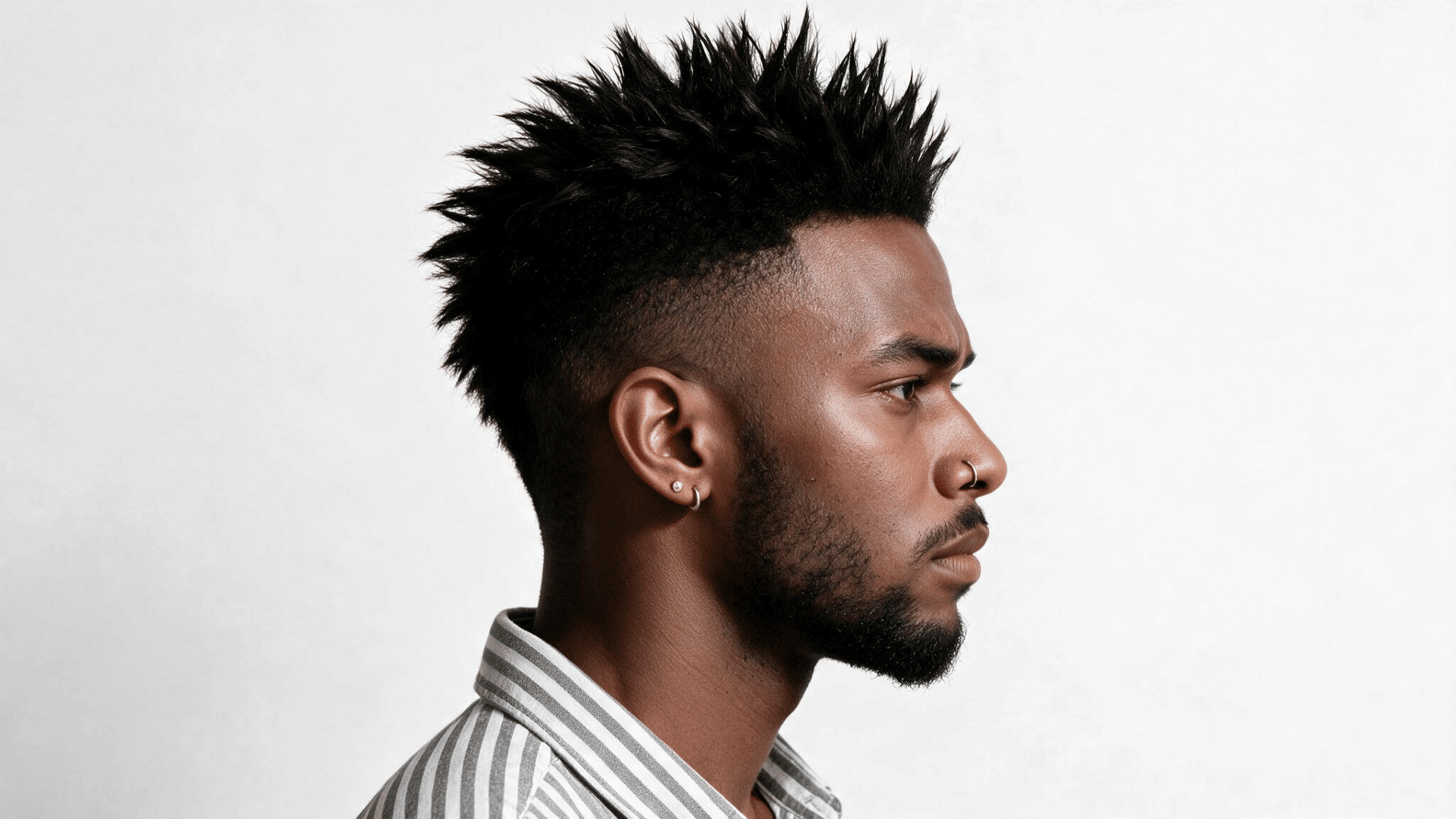
A spiky Mohawk shapes the center hair into several pointed sections rather than one continuous ridge.
Its points are usually shorter than liberty spikes and less connected than a fan Mohawk.
For extra hold when shaping taller spikes, Moco de Gorila Punk Hair Styling Gel can help keep the center hair upright and defined.
12. Fan Mohawk
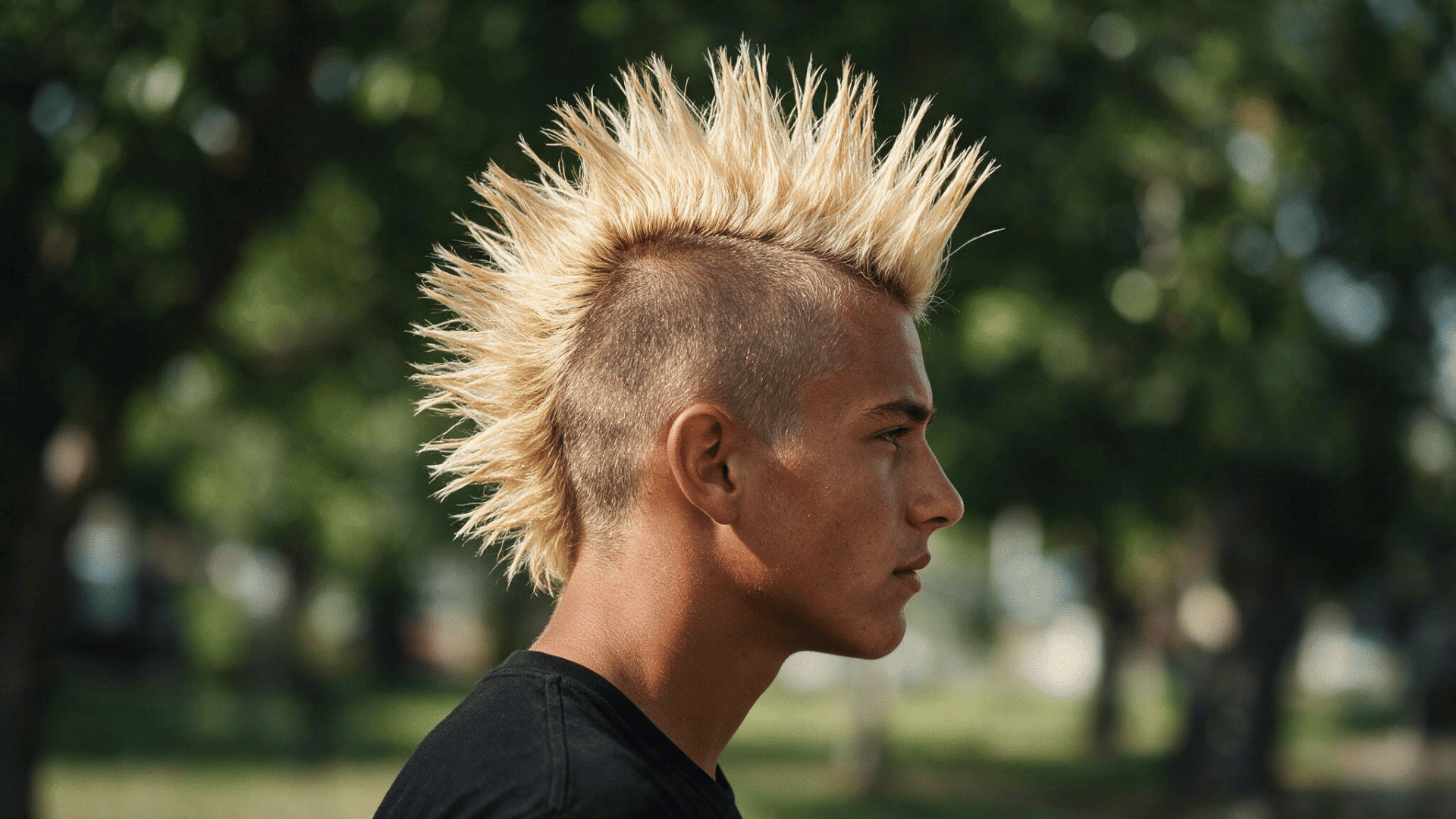
A fan Mohawk raises a long center strip into one tall continuous ridge that resembles a fan when viewed from the side.
Its connected shape separates it from liberty spikes, which divide the hair into individual points.
Long straight hair gives enough length to form the upright ridge.
13. Liberty Spikes Mohawk
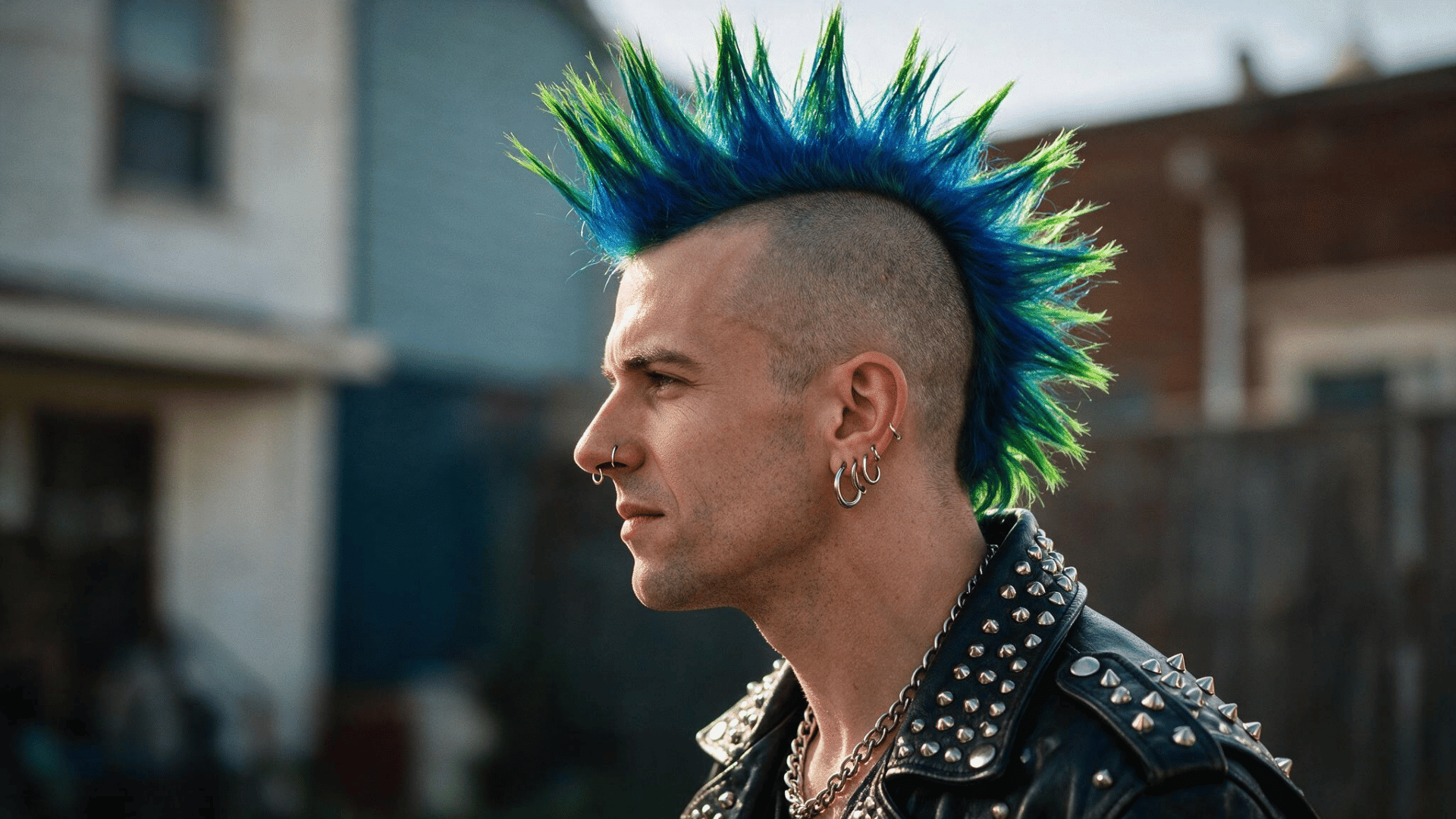
A liberty spikes Mohawk divides long center hair into separate tall pointed spikes with gaps between each section.
The individual points distinguish it from the continuous shape of a fan Mohawk and the smaller points of a spiky Mohawk.
Long straight hair gives each spike enough length to stand apart.
14. Deathhawk
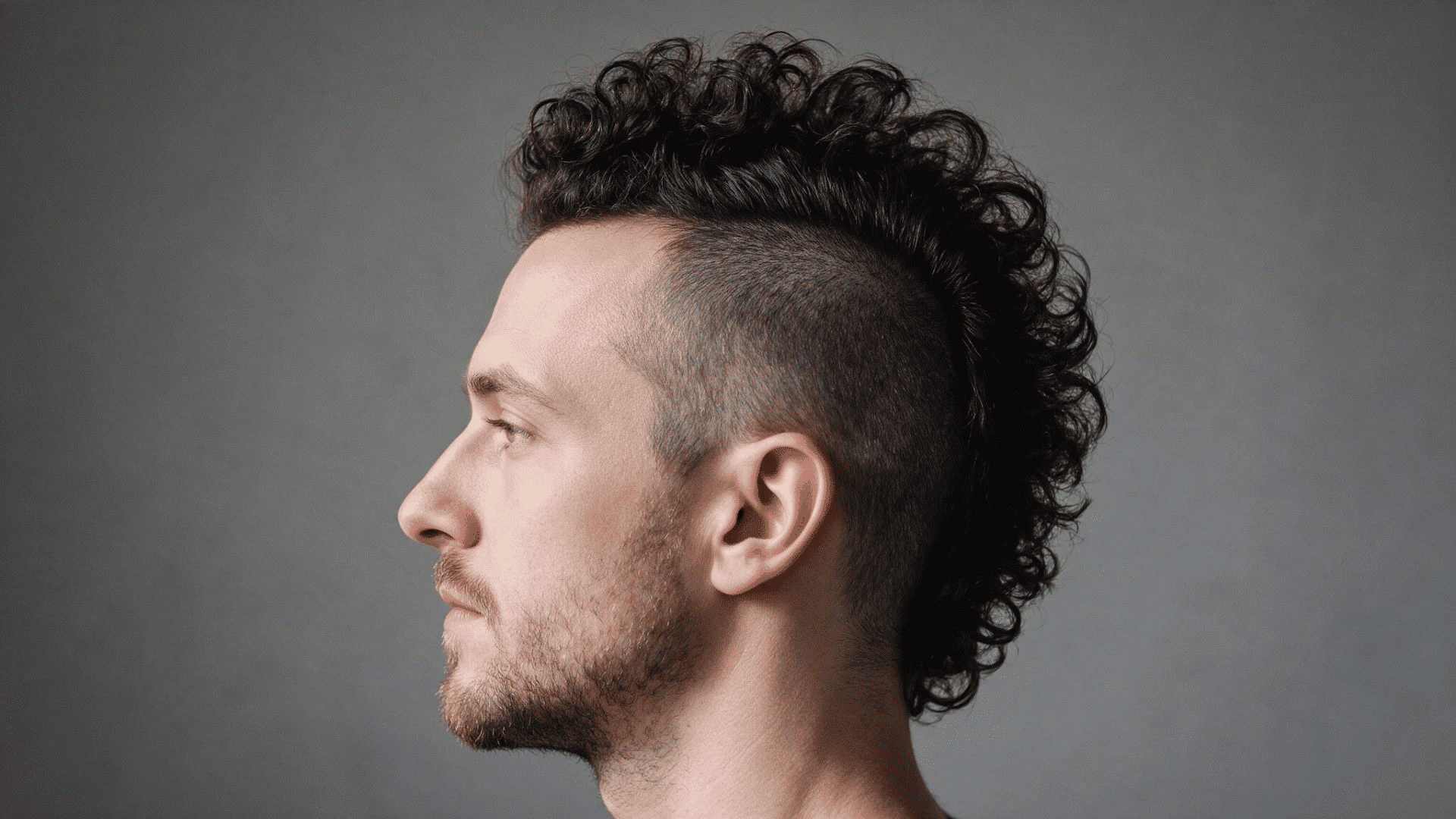
A deathhawk has a wide, long center section styled upward with a loose spread and plenty of height.
Its broader shape separates it from the narrow upright ridge of a classic Mohawk and the individual points of liberty spikes.
Medium-to-long straight or wavy hair gives the center enough length to form the raised shape.
15. Psychobilly Mohawk
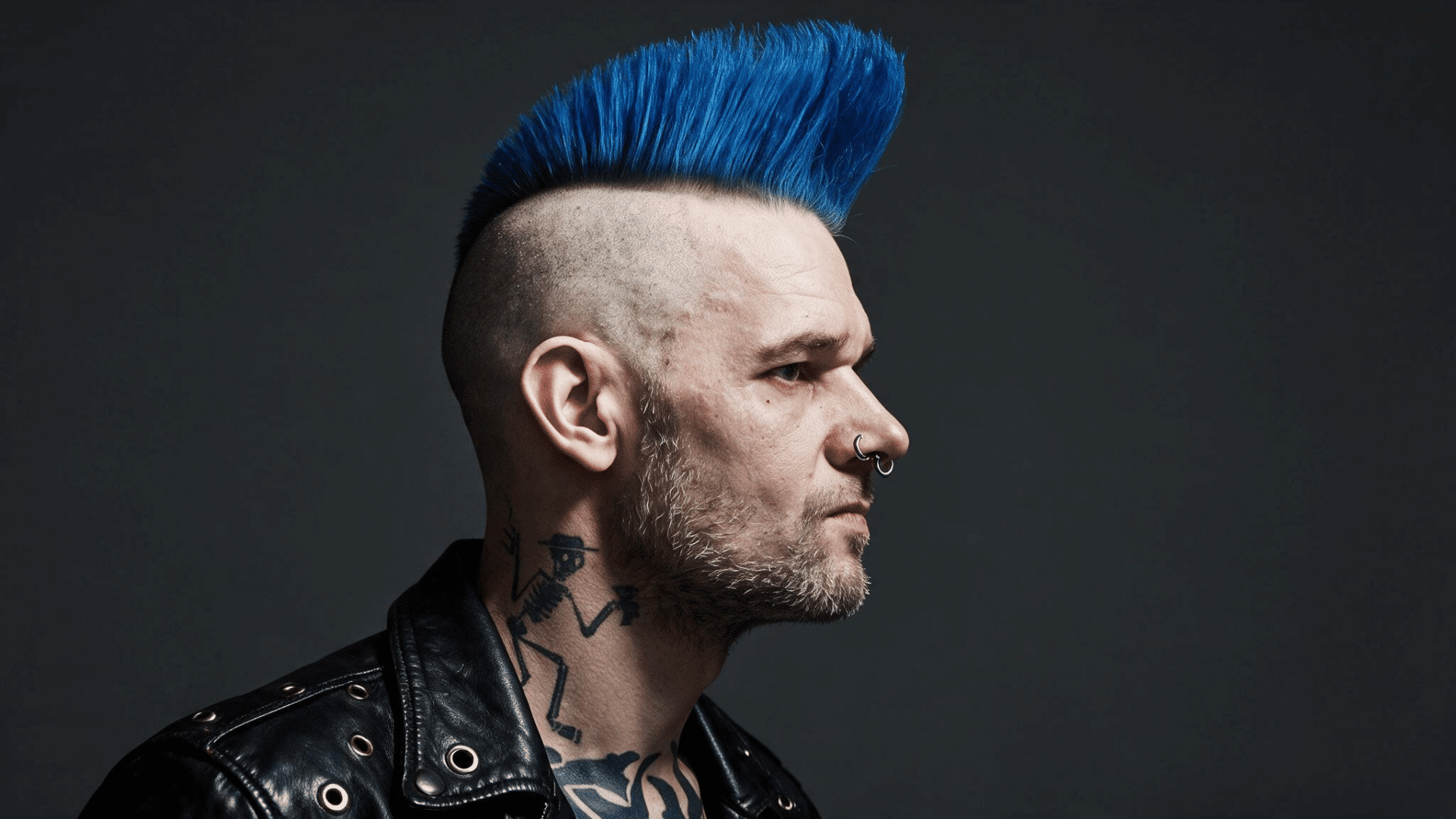
A psychobilly Mohawk uses height through the center with a shaped or swept front influenced by punk and rockabilly hair.
The raised front separates it from Mohawks built from individual spikes.
Medium-to-long straight hair works well when you have enough length to form the taller front section.
Braided Mohawks
Braided Mohawks use braids, cornrows, or longer braided sections to form the central shape while keeping the sides distinct.
16. Braided Mohawk
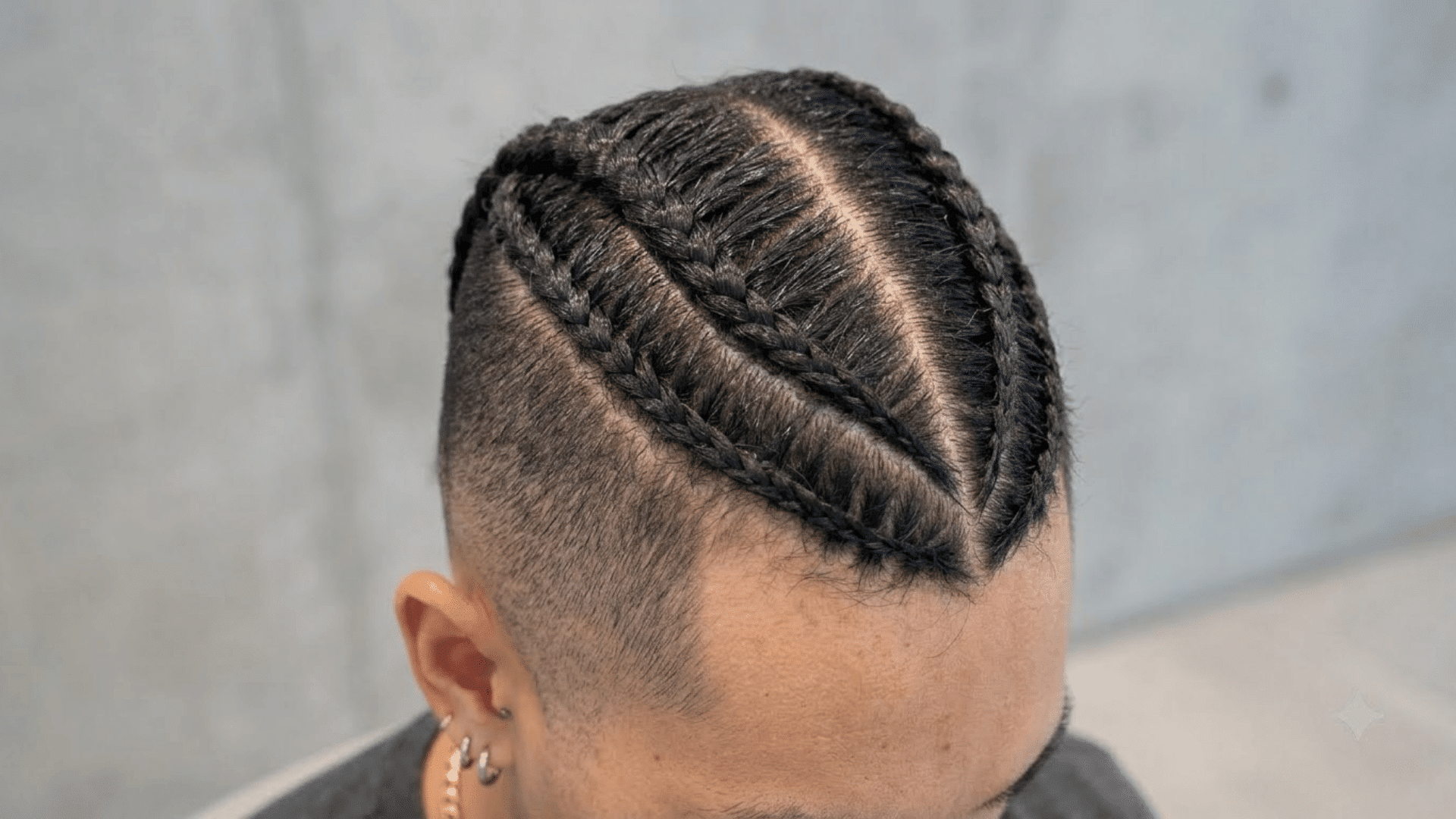
A braided Mohawk uses braids to form or frame the central section.
The sides can be braided close to the scalp rather than shaved, which creates the Mohawk outline while retaining more hair.
Medium and long hair gives enough length for cornrows, twists, or larger braids through the middle.
17. Viking Mohawk
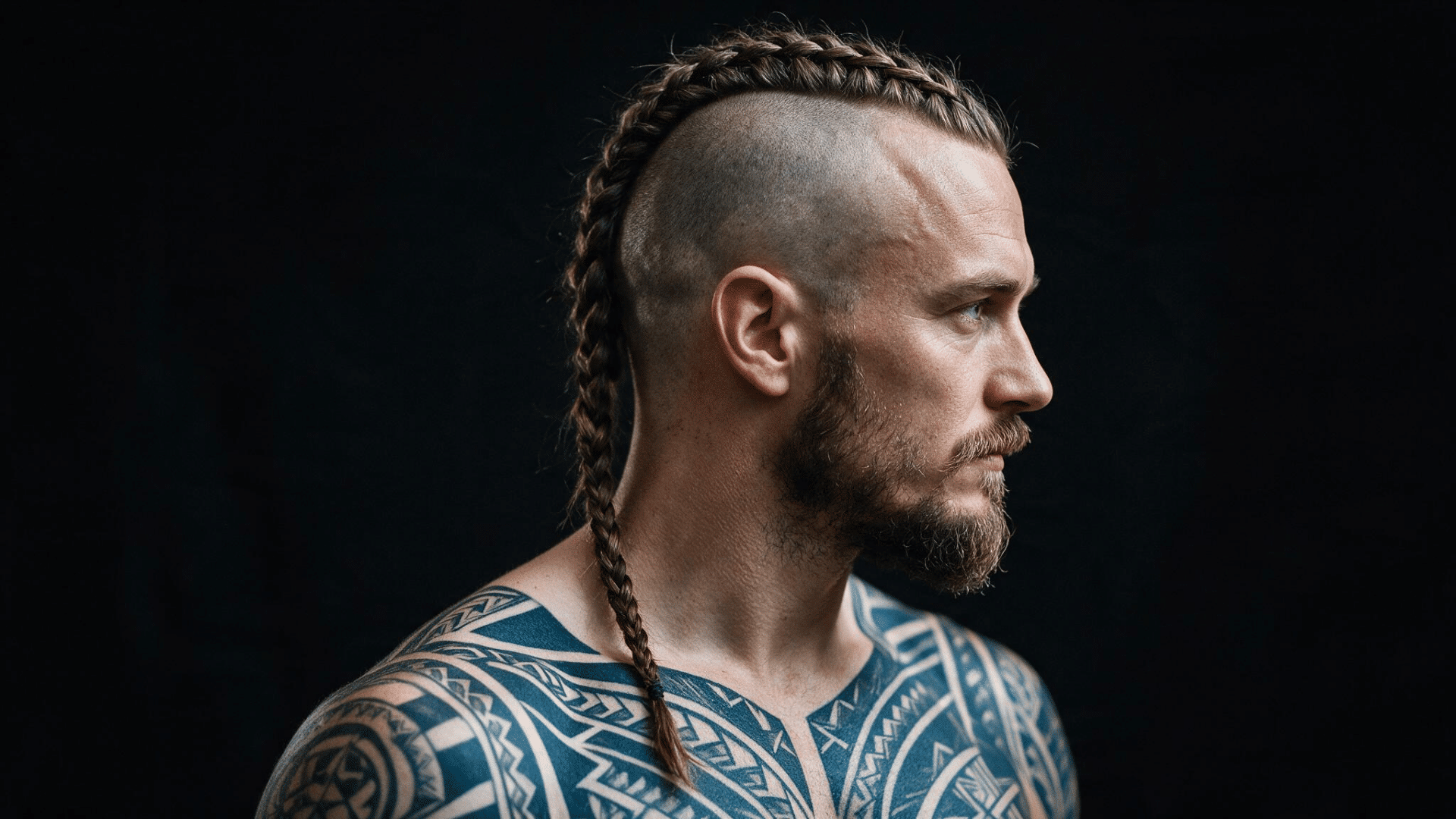
A Viking Mohawk pairs a longer central section with braids and short or shaved sides.
Longer center braids give it a different profile from braided Mohawks formed mainly with close scalp braids.
Medium-to-long hair lets you braid the center section and the it back, or leave it partly loose.
Color-Based Mohawks
Color-based Mohawks use noticeable hair color or lightening to emphasize the center strip and make the haircut stand out.
18. Bleached Mohawk

A bleached Mohawk uses lightened blonde or platinum hair through the Mohawk to make the center more visible against the sides.
Hair color is the feature that separates this version from Mohawks named mainly for their cut or direction.
Bleaching can be paired with short, medium, or long Mohawk hair.
Direction and Shape-Based Mohawks
These Mohawks change how the center hair is shaped or directed, including swept-back, forward-styled, and longer-back variations.
19. Slick Back Mohawk
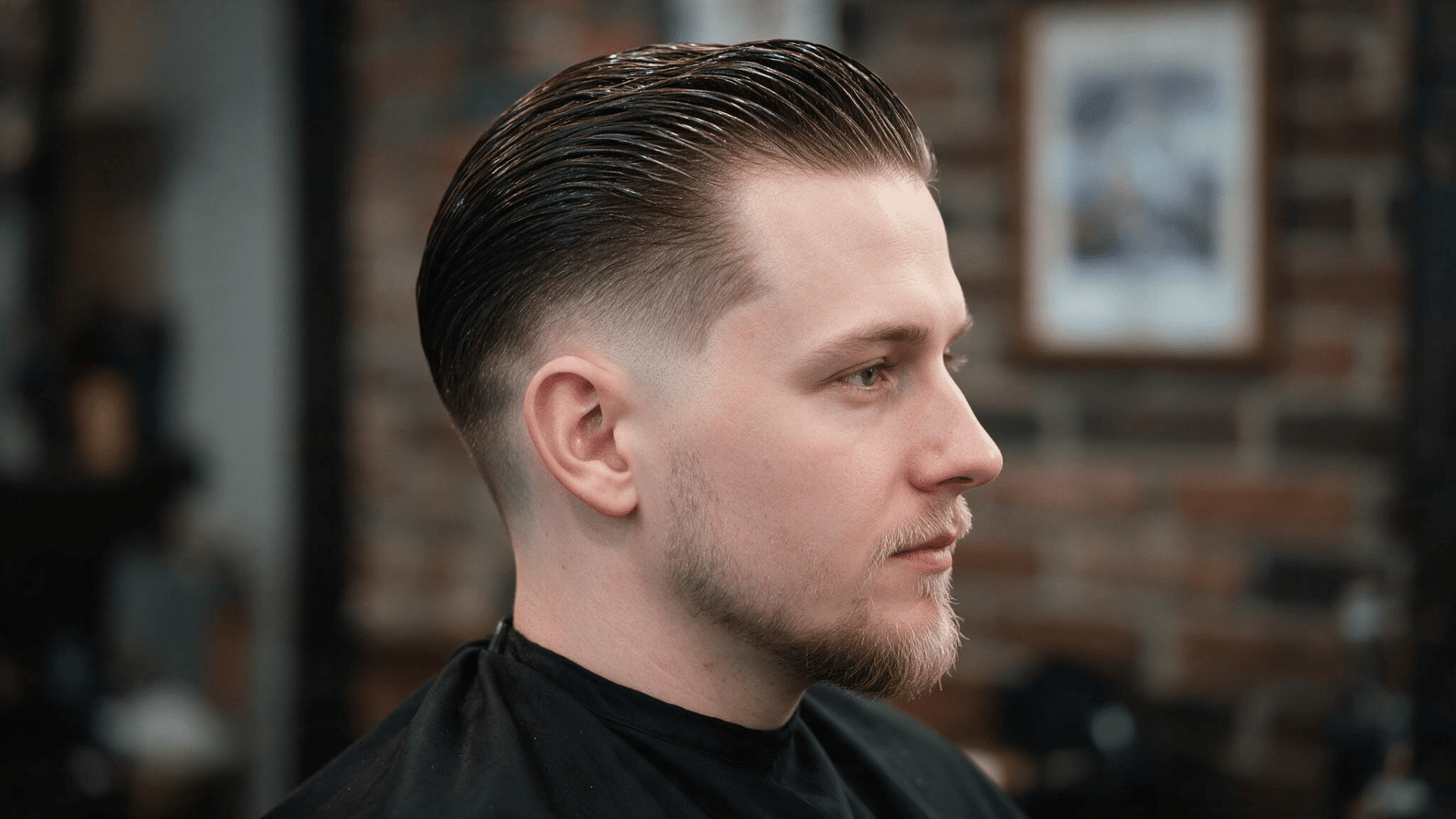
A slick-back Mohawk directs the longer center hair toward the back of the head instead of standing it upright.
The backward direction separates it from a forward Mohawk and spiked styles.
Medium-to-long straight or wavy hair provides enough length for the swept shape, while short sides keep the center clearly visible.
20. Mullet Mohawk
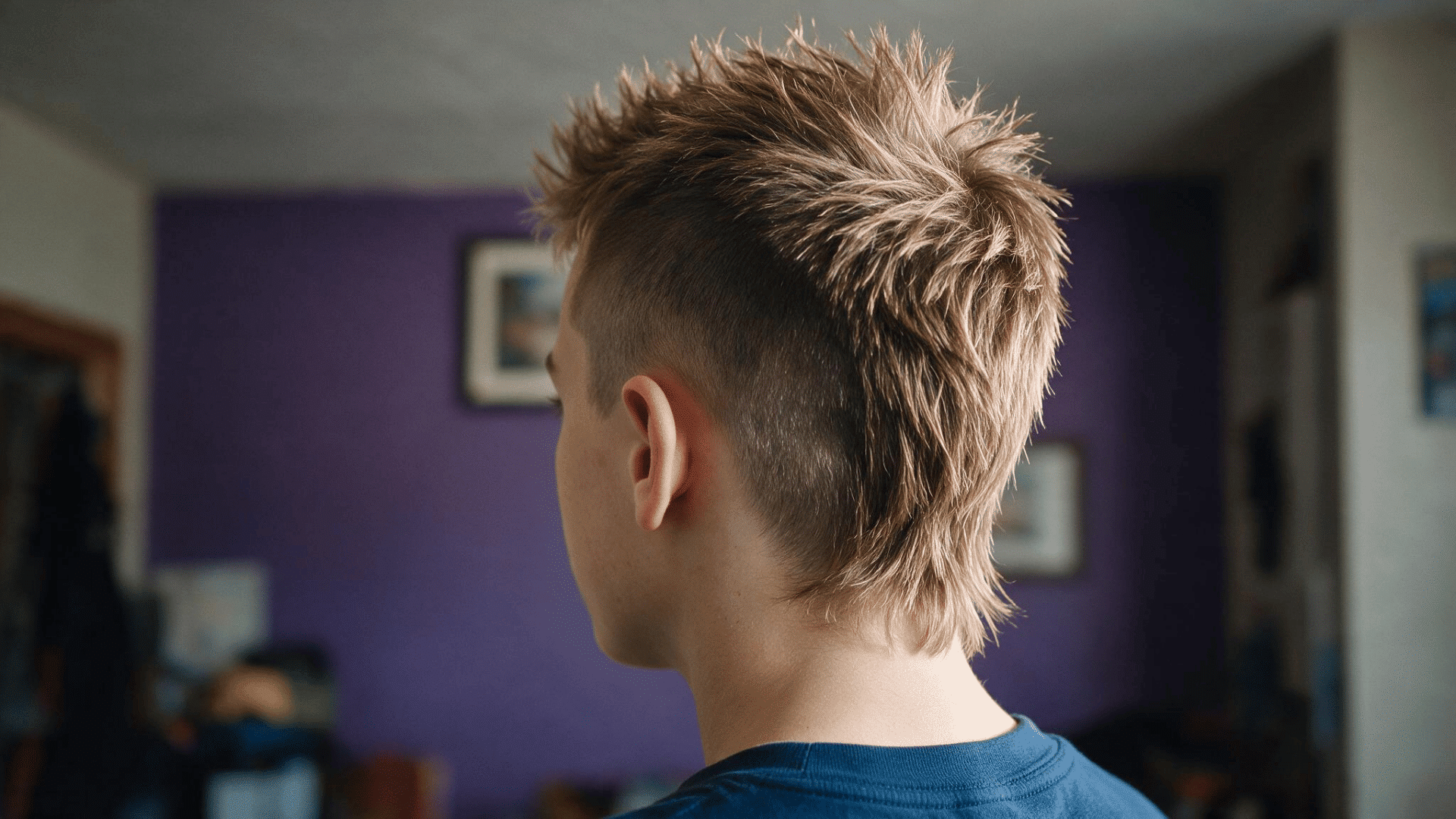
A mullet Mohawk combines a Mohawk center with noticeably longer hair at the rear.
The extended back separates it from a long Mohawk, where the central length can remain more consistent from front to rear.
Medium-to-long hair works best to show the longer back, while the sides can be shaved or closely cropped.
21. Reverse Mohawk
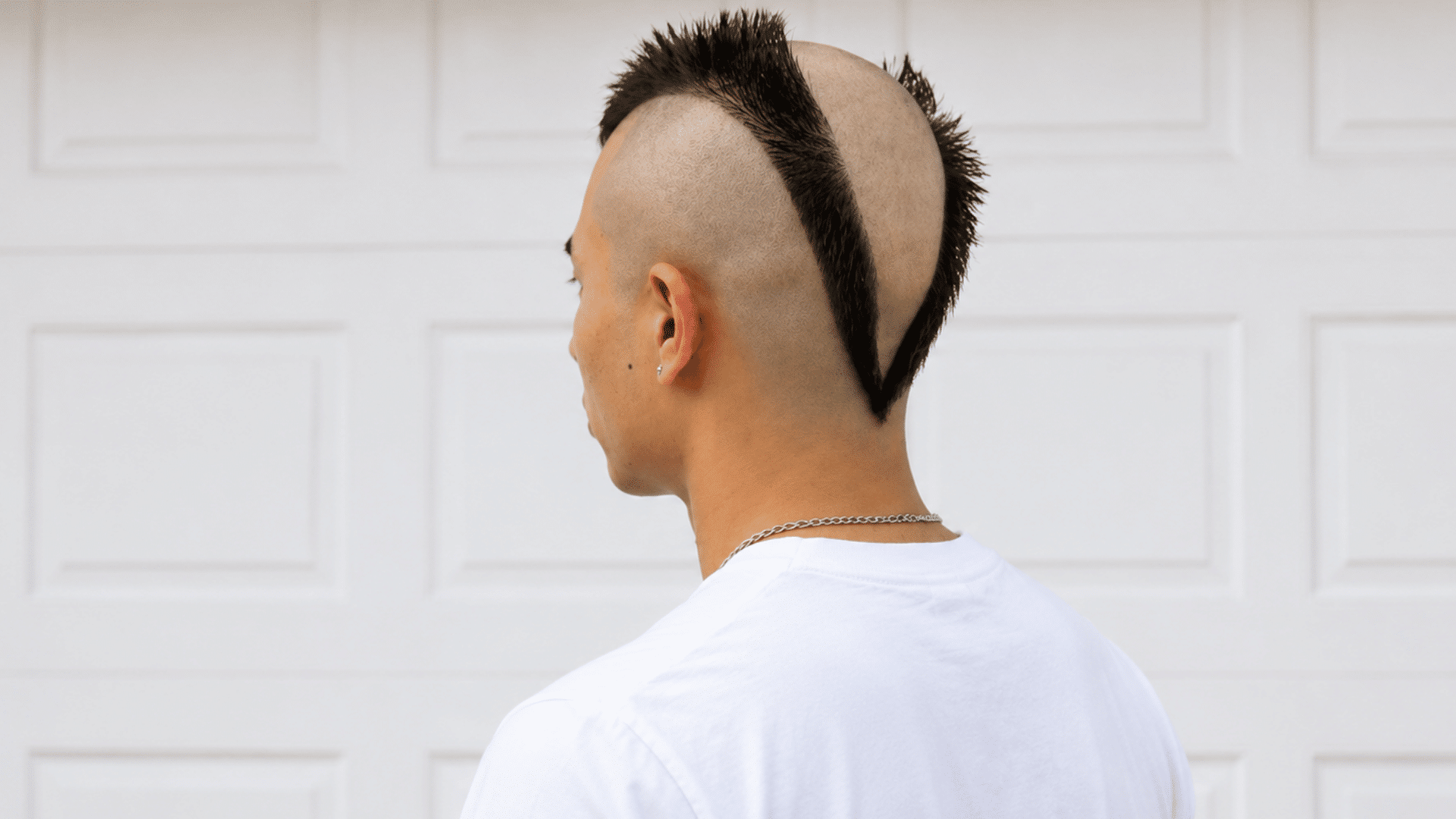
A reverse Mohawk flips the traditional Mohawk shape by shaving or closely cropping a strip through the center of the head while leaving longer hair on both sides.
The exposed center line gives it a noticeably different appearance from traditional Mohawks, which keep the longest hair through the middle.
Short or medium hair on the sides creates enough contrast to make the reversed center strip clearly visible.
How to Choose the Right Mohawk
Your hair length, texture, and preferred level of upkeep can help you pick a Mohawk that fits your usual routine.
| Factor | Best Options | Maintenance |
|---|---|---|
| Short Hair | Buzz cut, fade Mohawk | Low |
| Medium Hair | Curly, spiky Mohawk | Medium |
| Long Hair | Fan, braided Mohawk | High |
| Straight/Wavy | Spiky, slick-back | Medium–High |
| Curly/Coily | Curly, Afro Mohawk | Medium |
| Locs | Dreadlock Mohawk | Medium |
How to Maintain a Mohawk?
A Mohawk needs regular care to keep the sides tidy and the center section in shape. Your routine may change based on the length, texture, and type of Mohawk you wear.
-
Trim the sides regularly: Visit your barber every two to four weeks to keep shaved, faded, or tapered sides neat.
-
Wash based on your hair needs: Clean the scalp and center hair when needed and avoid heavy product buildup. If gels, waxes, or sprays leave noticeable buildup, using a clarifying shampoo occasionally can help remove residue from the hair and scalp.
-
Restyle the center: After washing, reshape spikes, curls, waves, or longer sections according to your chosen Mohawk style.
-
Keep the center neat: Trim uneven ends when needed and follow the original width of the center strip so the haircut keeps its shape between barber visits.
Mohawk vs Faux Hawk
A Mohawk and faux hawk create a similar center-focused shape but differ mainly in how short the sides are cut and how much contrast they create. The table below compares their shape, side length, overall look, and styling flexibility.
| Feature | Mohawk | Faux Hawk |
|---|---|---|
| Center hair | Longer strip runs through the middle of the head | Top is styled upward and toward the center |
| Sides | Shaved or cut very short | More length is left on the sides |
| Overall look | Sharper with stronger contrast | Softer and easier to wear |
| Hair types | Works with medium curly, wavy, or textured hair | Works with medium curly, wavy, or textured hair |
| Best for | A more defined Mohawk appearance | Works for school, casual settings, and daily styling |
| Styling flexibility | More focused on the Mohawk shape | Easier to restyle for different occasions |
Conclusion
Choosing from the many types of Mohawks becomes easier when you focus on what actually works for your hair, style, and daily routine.
From neat fades and short cuts to curls, braids, locs, and dramatic spikes, each version brings something different to the look.
I think the best choice is one that feels like you rather than simply following the boldest trend.
Consider your hair length, natural texture, and how much styling you’re comfortable doing before deciding. Once we find the right balance, a Mohawk can feel both distinctive and wearable.
Which Mohawk would you choose? Share your favorite style or your experience with a Mohawk in the comments below.
Frequently Asked Questions
How Long Does a Mohawk Haircut Last?
The shape may stay neat for two to four weeks before new growth becomes noticeable along the sides. Timing depends on your haircut and growth rate.
What Products Help Hold a Mohawk in Place?
Hair gel, wax, pomade, or strong-hold spray can help keep the hair raised. The product you use should suit your hair length and texture.
Can You Wear a Mohawk Without Styling It Every Day?
Yes, Shorter Mohawks can often be worn with minimal styling. Taller spikes and longer raised sections usually need more time to keep their intended shape.
How Often Should You Trim the Sides of a Mohawk?
A trim every two to four weeks can keep the sides neat and maintain contrast with the center. Faster hair growth may require more frequent trimming.